Role of Breathing in Pain Relief: Evidence and Techniques
Role of Breathing in Pain Relief: Evidence and Techniques
TL;DR:
- Controlled breathing activates the vagus nerve and shifts the nervous system toward relaxation, reducing pain. Regular practice can lower baseline pain sensitivity over weeks, but breathing techniques are an adjunct, not a substitute for medical care. Evidence shows slow deep breathing effectively reduces acute pain and shows promise for chronic pain management.
Controlled breathing can reduce pain intensity right now, and with consistent practice it can improve your ability to manage both acute and chronic pain over weeks. The mechanism is not placebo: systematic reviews of RCTs show slow deep breathing (SDB) produces a statistically significant reduction in acute pain scores. For an immediate start, try this two-minute sequence: lie or sit comfortably, place one hand on your belly, inhale slowly through your nose for four counts until your abdomen rises, then exhale through pursed lips for six to eight counts. Repeat six times. The long exhale is the key cue.
- What it does right now: Activates the vagus nerve, shifts your nervous system toward parasympathetic dominance, and lowers the brain's threat-alarm signal that amplifies pain.
- What it does over weeks: Trains your nervous system to default to a lower arousal state, reducing baseline pain sensitivity and catastrophizing.
- Safety caveat: Breathing techniques are an adjunct, not a replacement for medical care. If you have new sudden severe pain, chest pain, shortness of breath unrelated to anxiety, or any neurological symptoms, stop and seek urgent evaluation.
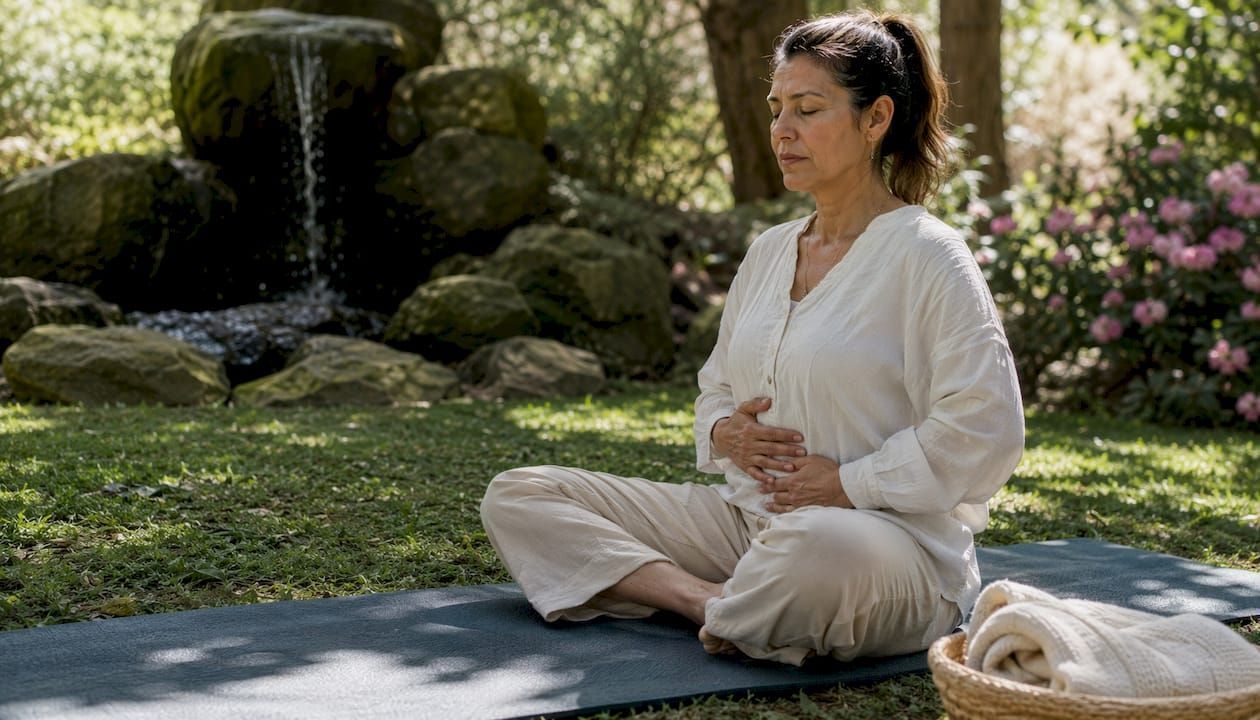
Table of Contents
- How does breathing actually change pain?
- What does the research actually show?
- Step-by-step breathing techniques you can use for pain
- How often should you practice for real results?
- When is breathing safe, and when do you need more help?
- How breathing fits with chiropractic care, physical therapy, and rehab
- Key Takeaways
- Breathing in practice: what actually changes in the clinic
- Breathing coaching and chiropractic care at Essentialchirocare
- Useful sources for further reading
How does breathing actually change pain?
Pain and breathing are wired together more directly than most people realize. When you're in pain, your body shifts breathing patterns at a cellular and neural level: respiratory rate climbs, breaths become shallow and chest-driven, and the cycle of pain and anxiety feeds itself. Deliberately slowing and deepening your breath interrupts that cycle through several overlapping pathways.
The vagal pathway is the most studied. Slow, diaphragmatic breathing stimulates vagal afferents, which carry signals from the lungs and heart to the brainstem. This increases cardiac vagal activity and baroreflex sensitivity, pulling the autonomic nervous system away from sympathetic overdrive. Lower sympathetic arousal means reduced muscle guarding, lower cortisol, and a nervous system that is less primed to amplify nociceptive signals.
The top-down pathway matters just as much. Slow breathing activates forebrain structures, including the ventral-lateral prefrontal cortex and anterior cingulate cortex, regions associated with pain appraisal and emotional regulation. This is why SDB can reduce pain independent of the endogenous opioid system: it works through attentional control and expectation, not just chemistry. When your attention anchors to the breath, the brain's threat-processing resources shift away from the pain signal.
The sequence in plain terms: slow breath → vagal afferents fire → brainstem modulation → reduced sympathetic arousal + altered pain appraisal → lower perceived pain intensity.
- Baroreflex modulation: slow breathing synchronizes heart rate oscillations with the breath cycle, amplifying the parasympathetic signal.
- Attentional control: focused breathing competes with pain for cognitive bandwidth, reducing pain's dominance in awareness.
- Emotional regulation: lower anxiety directly raises heat pain thresholds and tolerances, particularly relevant for procedure-related pain.
- Johns Hopkins notes additional downstream benefits: lower heart rate, reduced blood pressure, decreased cortisol, and improved exercise tolerance.
Pro Tip: The exhale drives the parasympathetic response more than the inhale. If you can only focus on one thing, make the exhale longer than the inhale — a 1:2 ratio (four counts in, eight counts out) is a practical starting point.
What does the research actually show?
The evidence base for breathing as a pain-relief tool has grown considerably, though it is not uniform across pain types or populations.
Acute pain: the strongest signal
A PMC systematic review and meta-analysis screened nearly 12,000 studies and identified seven RCTs meeting strict inclusion criteria (five rated low risk of bias). Pooled analysis found SDB produced a statistically significant effect on acute pain scores (SMD −0.68, 95% CI −1.19 to −0.18), though with high heterogeneity (I² = 90%). The effect was largest for burn pain (SMD −2.24), where anxiety amplification is a major driver. Results for obstetric labor pain and postoperative pain were not statistically significant in subgroup analysis, pointing to pain etiology as a key moderator.
Chronic pain: promising but uneven
A systematic review of breathing therapy as an adjunct for complex chronic non-cancer pain (CNCP) found improvements in pain or quality of life across several trials, but overall evidence quality was limited by heterogeneity and uneven study design. The review concluded that breathing therapy shows promise as a supplement to usual CNCP care, with stronger trials needed before firm recommendations can be made.
Long exhalation (LEx) protocol: a notable pilot
A pilot study published in MDPI added long exhalation exercises to standard physiotherapy for chronic pain patients. Results: the Numeric Pain Rating Scale (NPRS) dropped by approximately 2.55 units (47%), pain catastrophizing (PCS) fell by approximately 11.34 units (33%), and exhalation time increased by 64% on average. These are pilot-level findings, not definitive, but the effect sizes are notable.
Pacing matters
Experimental work shows that any paced breathing task reduces pain ratings compared to unpaced breathing. SDB at approximately 6 breaths per minute with a prolonged exhale (low inspiration-to-expiration ratio) produced larger hypoalgesic effects than other patterns tested.
| Study type | Population | Protocol | Key finding |
|---|---|---|---|
| Systematic review + meta-analysis (7 RCTs) | Adults with acute clinical pain | SDB vs. control | SMD −0.68; significant for burn pain |
| Systematic review (CNCP) | Chronic non-cancer pain | Breathing therapy adjunct | Improved pain/QoL in several trials; heterogeneous evidence |
| Pilot RCT (LEx) | Chronic pain + physiotherapy | Long exhalation added to physio | NPRS −47%, PCS −33% |
| Experimental within-subject | Healthy adults | Paced SDB ~6 breaths/min | Larger pain reduction vs. unpaced; low I:E ratio most effective |
Methodological caveat: High heterogeneity across trials, varying breathing protocols, and small sample sizes in several studies mean certainty ratings are low to very low for most findings. The evidence supports using breathing as an adjunct, not as a standalone treatment for moderate-to-severe pain.
Step-by-step breathing techniques you can use for pain
Each technique below targets a specific use case. Start with diaphragmatic breathing before adding the others.
Diaphragmatic (belly) breathing
This is the foundation. It recruits the diaphragm fully, maximizes vagal stimulation, and is the technique most consistently used in clinical trials. The VA Whole Health Library and Johns Hopkins both teach this as the primary clinical starting point.
- Sit upright or lie on your back with knees slightly bent.
- Place one hand on your chest, one on your belly just above the navel.
- Inhale slowly through your nose for four counts. Your belly hand should rise; your chest hand should stay relatively still.
- Pause briefly at the top of the inhale.
- Exhale slowly through pursed lips for six to eight counts. Feel your belly fall.
- Repeat for 6–10 breath cycles (roughly two minutes).
If your chest rises more than your belly, you are chest-breathing. Slow down and consciously push the belly outward on the inhale.
Paced slow deep breathing at ~6 breaths per minute
Six breaths per minute is the rate most consistently associated with larger hypoalgesic effects in experimental studies. At this pace, each breath cycle is ten seconds: roughly four seconds in, six seconds out.
- Use a metronome app (free options include Metronome Beats or a simple phone timer) set to a ten-second cycle, or count silently.
- Inhale for four counts, exhale for six counts.
- Keep the exhale passive and relaxed, not forced.
- Practice for five to ten minutes. This is your go-to for pre-procedure or pre-treatment calming.
Long exhalation (LEx) protocol
Based on the MDPI pilot study, this variant extends the exhale well beyond the inhale to maximize parasympathetic activation.
- Inhale normally through the nose for three to four counts.
- Exhale slowly and completely for eight to twelve counts, emptying the lungs fully.
- Allow a brief natural pause before the next inhale.
- Practice for five to ten minutes, once or twice daily.
4-7-8 breathing (on-the-spot relief)
Useful during a pain flare or before a stressful procedure. Inhale for four counts, hold for seven, exhale for eight. The extended hold and long exhale create a rapid parasympathetic shift. Limit to four cycles at a time if you feel lightheaded.
Box breathing (reset under stress)
Inhale for four counts, hold for four, exhale for four, hold for four. The equal-phase structure is easier to learn than 4-7-8 and works well as a quick reset during a pain flare or before manual therapy.
Adaptations:
- Seated practice: If lying down is not possible, sit with feet flat, spine supported, and hands resting on thighs.
- Dizziness: Shorten the exhale, reduce session length, and sit rather than stand. Dizziness usually means you are breathing too fast or too deeply. Slow down first.
- Combining with movement: Coordinate exhale with the effort phase of therapeutic exercise (exhale on exertion) to reduce guarding and improve movement quality.
Pro Tip: Practice when your pain is low, not only during flares. The nervous system learns the relaxation response through repetition. Waiting until pain peaks to start breathing practice is like trying to learn to swim during a flood.
How often should you practice for real results?
Johns Hopkins recommends 10–30 minutes of diaphragmatic breathing daily for best results, with multiple shorter sessions also effective. That range is supported by the trial protocols reviewed in the PMC meta-analysis, where sessions typically ran five to thirty minutes.
For most adults, the practical target is two to three short sessions daily (five to ten minutes each) plus one longer session when time allows. A daily pain relief routine built around consistent short sessions tends to produce better habit retention than sporadic long ones.
Sample daily schedule:
| Session | Timing | Technique | Duration |
|---|---|---|---|
| Morning | Before getting out of bed | Diaphragmatic breathing | 5–10 min |
| Pre-treatment | Before clinic visit or exercise | Paced SDB at ~6 breaths/min | 5 min |
| Evening | Before sleep | LEx or 4-7-8 | 5–10 min |
| In-flare | During a pain spike | Box breathing or 4-7-8 | 2–4 min (4 cycles) |
Tracking progress simply: Before and after each session, rate your pain on a 0–10 numerical scale (0 = no pain, 10 = worst imaginable). Log the pre and post scores in a notebook or phone note. Over two to four weeks, most people see the post-session score drop more reliably, and the pre-session baseline often trends down as the habit builds.
- Expect immediate modulation (lower post-session pain scores) within the first few sessions.
- Expect habit-level changes (lower baseline pain, reduced catastrophizing) after four to eight weeks of consistent practice.
- Pair breathing practice with lifestyle changes that support pain relief for compounding benefit.

When is breathing safe, and when do you need more help?
Breathing techniques are among the lowest-risk interventions in pain management, but low-risk is not no-risk. Know the limits.
Common temporary effects and what to do:
- Lightheadedness or dizziness: Slow your pace, shorten the session, and sit or lie down. This usually means you are over-breathing or moving too fast through cycles.
- Transient increased pain awareness: When attention turns inward, some people notice pain more acutely at first. This is normal and typically precedes longer-term reductions in pain intensity and catastrophizing. Stay with the practice.
- Tingling in hands or face: A sign of mild hyperventilation. Slow the inhale, lengthen the exhale, and reduce session length.
Red flags that require urgent evaluation — stop and seek care:
- New sudden severe pain, especially in the chest, abdomen, or head
- Chest pain or pressure during or after breathing practice
- Shortness of breath that is not explained by anxiety or exertion
- Focal neurological symptoms: numbness, weakness, vision changes, slurred speech
- Pain following trauma or injury that has not been assessed
For non-urgent but persistent or worsening pain, a non-invasive pain relief approach through a qualified clinician is the right next step, not more breathing practice alone.
Medically complex populations: If you have a respiratory condition (COPD, asthma), severe cardiac disease, or a history of breath-holding disorders, get clinician clearance before starting an intensive breath protocol. Modifications are usually straightforward, but they need to be personalized.
Pro Tip: Tell your provider you are using breathing techniques. It helps them calibrate your pain scores accurately and opens the door to integrating breathwork into your treatment plan rather than treating it as a separate, uncoordinated activity.
How breathing fits with chiropractic care, physical therapy, and rehab
Breathing is best understood as a low-risk adjunct that increases treatment receptivity. It does not fix the structural source of pain. What it does is lower sympathetic guarding, reduce anxiety-driven muscle tension, and make hands-on care more effective by preparing the nervous system to receive it.
The musculoskeletal pain treatment landscape increasingly regards breathing as a first-line adjunct alongside manual therapy and therapeutic exercise, not an afterthought.
Practical clinic workflow suggestions:
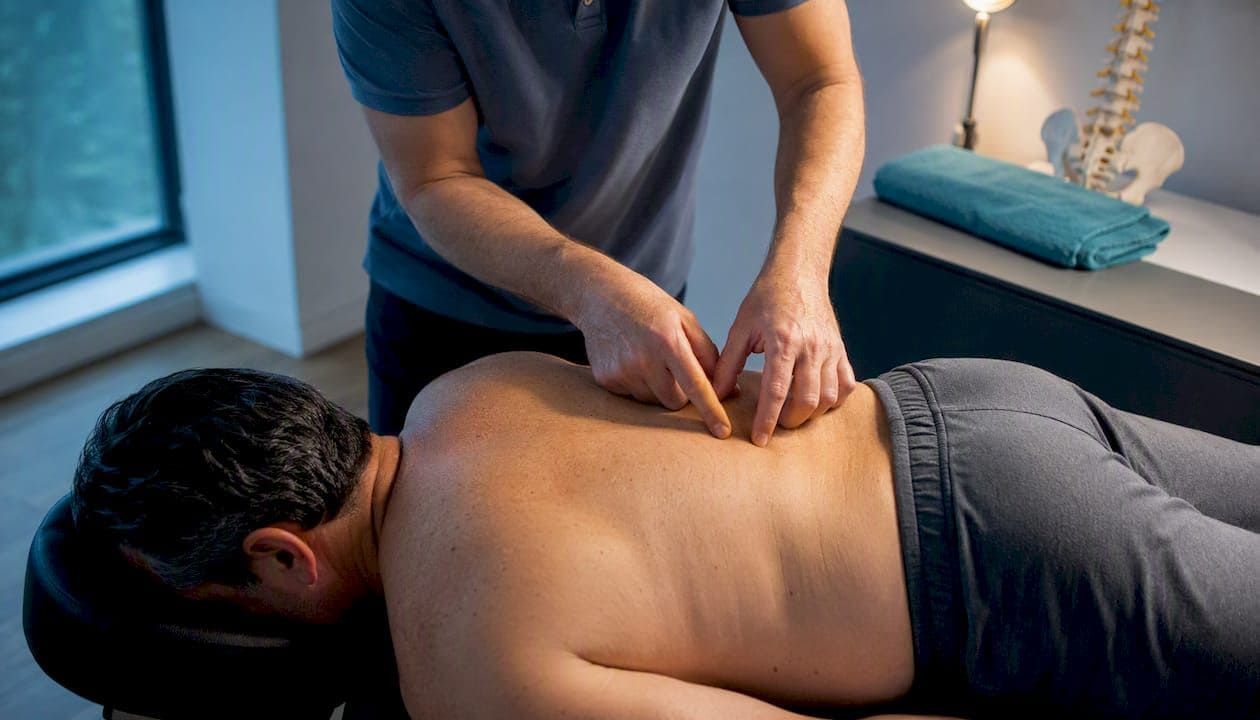
- Before manual therapy or chiropractic adjustment: Two to five minutes of paced SDB lowers muscle guarding and sympathetic tone. A patient who arrives tense from a commute responds differently to an adjustment than one who has spent five minutes breathing slowly in the waiting room.
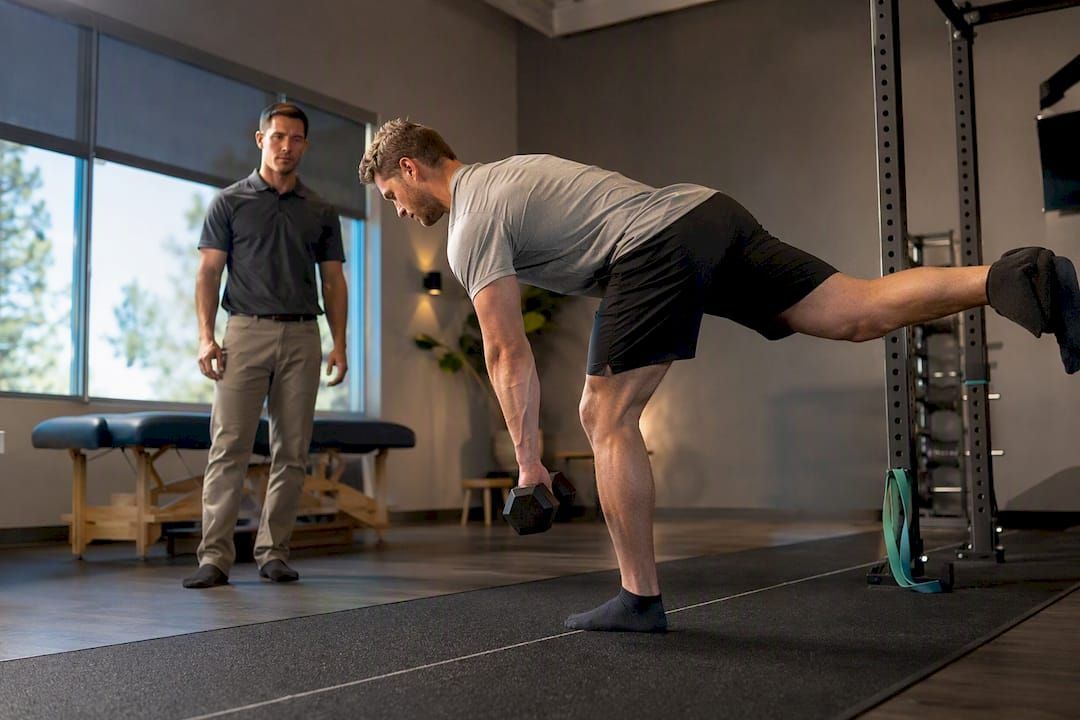
- Before therapeutic exercise: Diaphragmatic breathing primes the core musculature (the diaphragm is a core stabilizer) and reduces anticipatory pain anxiety, improving movement quality and tolerance.
- During spinal decompression: Slow, rhythmic breathing during a spinal decompression session helps sustain relaxation of paraspinal muscles, potentially improving tissue response to traction.
- As home practice between sessions: Breathing is one of the few therapeutic tools patients can apply daily at zero cost. Pairing it with physical therapy exercises reinforces the gains made in clinic.
Language to bring to your provider: "I've been using slow diaphragmatic breathing before sessions to lower muscle guarding. Can we build that into the treatment plan?" Most clinicians will welcome it. A simple pre/post pain VAS score gives both you and your provider a quick measure of whether the combination is working.
A step-by-step pain management workflow that integrates breathing with hands-on care and exercise tends to produce better outcomes than any single modality alone.
Key Takeaways
Controlled breathing reliably modulates pain intensity through vagal activation, attentional control, and top-down CNS mechanisms, and works best as a consistent daily practice paired with professional care.
| Point | Details |
|---|---|
| Evidence is real but graded | A meta-analysis of 7 RCTs found SDB produced a statistically significant effect (SMD −0.68) on acute pain; burn pain showed the largest reduction. |
| Exhale length drives the effect | A low inspiration-to-expiration ratio (longer exhale) at ~6 breaths/min produces the largest hypoalgesic response in experimental studies. |
| Daily practice target | Johns Hopkins recommends 10–30 minutes daily; multiple short sessions of 10 minutes each are equally effective for habit-building. |
| LEx pilot results | Adding long exhalation to physiotherapy produced notable reductions in NPRS pain scores and pain catastrophizing in a pilot study. |
| Essentialchirocare integration | Essentialchirocare incorporates breathing coaching as an adjunct within chiropractic and rehab care plans, personalizing protocols for each patient's condition. |
Breathing in practice: what actually changes in the clinic
Most articles about breathing and pain stop at the mechanism. What they skip is the gap between knowing the technique and actually using it when pain is high, anxiety is spiking, and the last thing you want to do is focus on your breath.
That gap is where clinical integration matters. Breathing is a skill, and skills require supervised repetition before they become automatic. A patient who has practiced diaphragmatic breathing twice in a quiet room at home is not the same as one who has practiced it before six consecutive adjustments, learned to recognize their own guarding patterns, and built a pre-treatment routine that actually sticks.
The research on attentional control and expectation is worth taking seriously here. Part of breathing's effect on pain comes from the expectation that it will help. That expectation is not a weakness in the evidence; it is a mechanism. Clinicians who frame breathing as a legitimate, evidence-backed tool, rather than a soft add-on, get better patient engagement and better outcomes. The framing matters as much as the technique.
There is also a timing issue most guides ignore. The best moment to practice breathing for pain is not during a flare. It is when pain is manageable, so the nervous system can learn the relaxation response without competing with a high-intensity pain signal. Patients who wait until they are in crisis to start breathing practice are trying to learn a new skill under the worst possible conditions. Building the habit during low-pain windows is what makes it available when pain peaks.
Finally, breathing does not replace the structural work. For patients with disc herniation, spinal stenosis, or chronic musculoskeletal pain, the nociceptive source needs direct treatment. Breathing changes how the nervous system processes and amplifies that signal. Both matter.
Breathing coaching and chiropractic care at Essentialchirocare
Breathing techniques are most effective when they are taught, practiced, and adjusted by a clinician who can see how your body responds. At Essentialchirocare, breathing coaching is offered as part of individualized pain-management care plans across our West Central Florida locations in Tampa, Brandon, Sarasota, Lakeland, and Pinellas Park.
A clinician visit lets us match the right protocol to your specific pain pattern, measure your pre/post pain scores to confirm the technique is working, and combine breathwork with chiropractic adjustments, spinal decompression, or physical rehabilitation for a coordinated approach. Patients with respiratory or cardiac conditions receive modified protocols cleared for their situation. Breathing is adjunctive care, not a substitute for urgent evaluation, but for the right patient it is one of the most accessible tools in a treatment plan. Book an appointment at Essentialchirocare to get a personalized breathing protocol built into your care plan.
Useful sources for further reading
- PMC Systematic Review and Meta-Analysis of SDB for Acute Pain — The most rigorous available synthesis of RCTs on slow deep breathing for acute clinical pain; includes effect sizes, subgroup analysis by pain etiology, and methodological ratings. Start here for the evidence base.
- VA Whole Health Library: Diaphragmatic Breathing for Pain Self-Management — Clinician-written, patient-facing how-to with practical teaching steps, posture guidance, and advice on when to practice. Reliable for patient handouts.
- Johns Hopkins Medicine: Diaphragmatic Breathing — Hospital-grade overview of technique, benefits (lower heart rate, cortisol, blood pressure), and daily practice recommendations. Good for patients who want a trusted institutional source.
- MDPI Pilot Study: Long Exhalations as Complementary Treatment for Chronic Pain — Pilot RCT data on the LEx protocol added to physiotherapy; notable effect sizes for pain scores and catastrophizing. Useful for clinicians considering exhalation-focused protocols.
- ScienceDirect: Can Slow Deep Breathing Reduce Pain? Experimental Study — Within-subject experimental data on pacing, inspiration-to-expiration ratios, and hypoalgesic effects; explains why the ~6 breaths/min target and long exhale matter mechanistically.
- Pain Research Forum: Breathing Therapy as Supplement to Opioid Management for CNCP — Systematic review covering chronic non-cancer pain populations; balanced on both promising findings and evidence limitations. Relevant for clinicians managing complex chronic pain.
This article is general health information, not medical advice. Confirm any new pain management approach with your healthcare provider, especially if you have a respiratory, cardiac, or complex medical condition.
Recommended