

4–12 Week Chiropractic Plan for Facet Joint Pain: Essential ChiroCare

Essential ChiroCare Blogger • September 30, 2026

4–12 Week Chiropractic Plan for Facet Joint Pain: Essential ChiroCare

Chiropractic care can help many people with facet joint–mediated spinal pain as part of a conservative, multimodal plan. It doesn't reverse joint degeneration, but combined with rehab and activity changes, it's a legitimate first step. Expect measurable improvement over several weeks, not an instant fix, and re-evaluate with your provider if progress stalls.

TL;DR:

  • Conservative treatment with chiropractic adjustments, rehab exercises, and activity modifications typically shows measurable improvement over several weeks.
  • Diagnosis relies on a detailed history, physical maneuvers, imaging, and confirmatory nerve blocks, with two positive blocks required for certainty.
  • A structured trial of therapy with reassessment is essential, as imaging alone cannot confirm facet joint pain, and many cases improve with multimodal care.
  • Red flags such as progressive weakness, bowel or bladder dysfunction, and severe trauma require immediate medical evaluation before chiropractic treatment.
  • Self-care should focus on gentle mobility and core strengthening exercises, avoiding self-manipulation and movements that provoke extension-based pain.
Chiropractor for back pain in Tampa, FL

Table of Contents

What Facet Joints Are and Why They Start Hurting

Your spine has two facet joints at every level, one on each side, connecting each vertebra to the one below it. These are called zygapophyseal joints, and their job is simple: they guide and limit how far your spine bends, twists, and extends so the discs and nerves underneath don't take all the load. When they wear down or get irritated, that guidance system starts sending pain signals instead.

A few things commonly set this off:

  • Osteoarthritis and general cartilage wear from age or repetitive stress
  • Traumatic injury, including whiplash from a car accident
  • Joint hypertrophy (thickening) that narrows nearby nerve space
  • Synovial cysts pressing on adjacent structures

Facet joint disease shows up in an estimated 15% to 41% of people with chronic low back pain, which makes it one of the more common but underdiagnosed sources of spine trouble. Here's the catch: imaging often shows facet arthritis in people who feel fine, and clean scans in people who are in real pain. A picture alone rarely tells the whole story.

How Facet Joint Pain Shows Up and Gets Confirmed

Facet-mediated pain has a recognizable rhythm. It tends to worsen with spinal extension and rotation, think arching backward or twisting to look over your shoulder, and it often stays localized to one side of the low back or neck, sometimes referring into the buttock or shoulder without traveling down the leg or arm the way a disc problem does.

Clinicians confirm the diagnosis in stages:

  1. A detailed history focused on movement triggers, prior injury, and pain location
  2. A physical exam using maneuvers like Kemp's test, along with palpation over the joint and controlled range-of-motion testing
  3. Imaging (X-ray, CT, or MRI) to rule out other causes, understanding it can't confirm facet pain on its own
  4. Diagnostic medial branch or facet joint blocks, injections that numb the small nerves feeding the joint

Because a single block can produce a false positive, guidelines call for two positive blocks on separate occasions before treating the joint as the confirmed source. This two-step confirmation is what separates a working diagnosis from a guess.

What to Expect During a Chiropractor's Assessment

A responsible first visit starts with your history, not your spine. Expect questions about how the pain started, what makes it worse, and whether you have any warning signs that need medical workup before hands-on care begins, including signs of infection, unexplained progressive weakness, or fracture risk from osteoporosis.

From there, the exam usually covers:

  • Functional movement screening (bending, twisting, walking) to see what reproduces your symptoms
  • Orthopedic tests targeting the facet joints and surrounding structures
  • Palpation to locate the specific segment that's irritated
  • A check for neurological red flags, like reflex changes or numbness patterns

The findings guide whether the plan starts with a firmer manipulation technique or a gentler mobilization and soft-tissue approach. Active inflammation, severe osteoporosis, or a fused segment can rule out high-velocity manipulation entirely, which is exactly why the screening step matters before any hands-on technique begins.

Pro Tip: Bring a simple pain diary to your first visit, even a few lines noting when pain spikes and what movement triggered it. It gives your chiropractor real data instead of a vague recollection, and it speeds up the diagnostic process considerably.

Chiropractic Treatments for Facet Joint Irritation

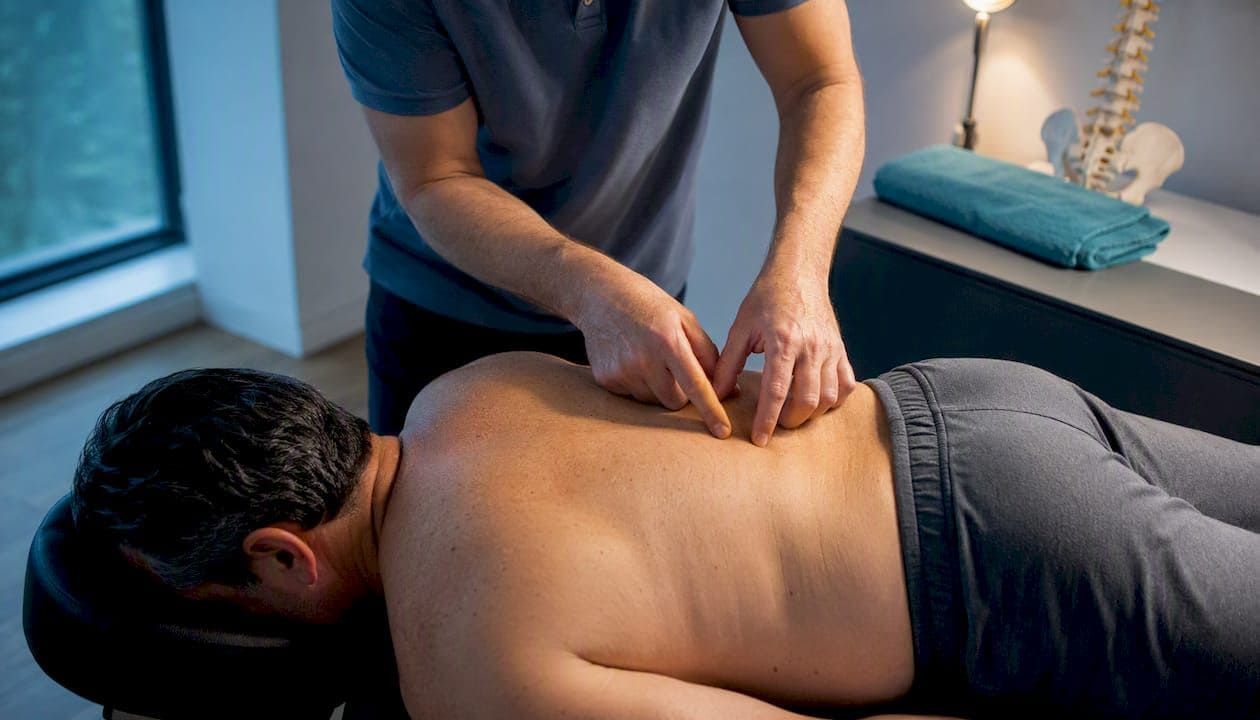
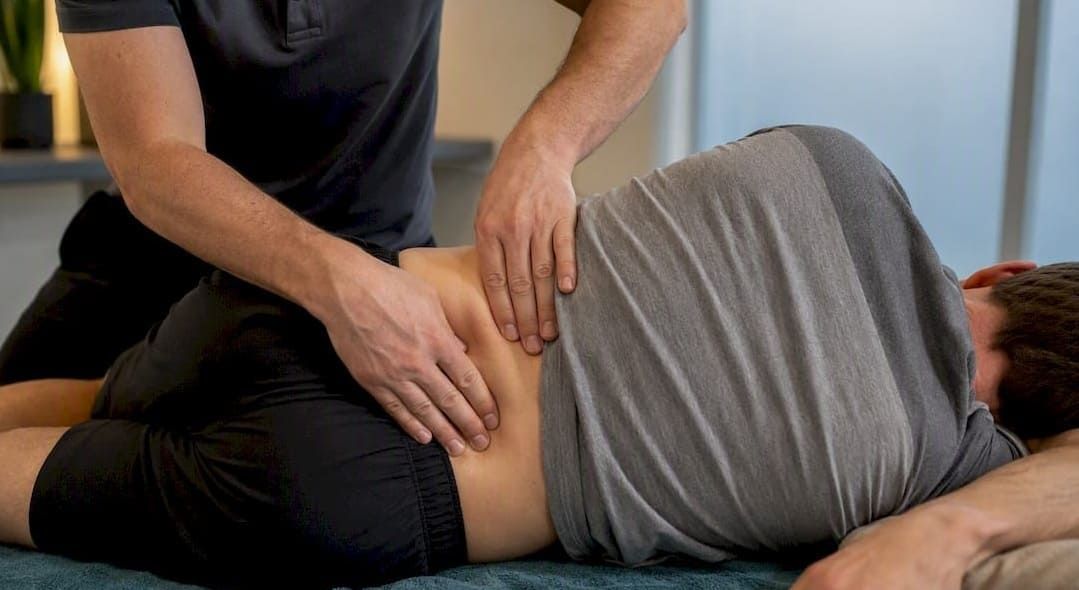
Spinal manipulation, known clinically as high-velocity, low-amplitude (HVLA) adjustment, is the technique most associated with chiropractic care. It applies a quick, controlled force to a restricted joint to restore motion and reduce the muscle guarding that builds up around an irritated segment. It's not appropriate for everyone. Active inflammatory flares, significant osteoporosis, and surgically fused levels are standard contraindications.

Beyond manipulation, a typical plan for facet joint treatment draws on several tools:

  • Gentler joint mobilization for patients who aren't candidates for HVLA technique
  • Soft-tissue therapy to release the muscle guarding that surrounds an irritated joint
  • Progressive rehab exercises that rebuild strength so the joint carries less load over time
  • Adjunct modalities like ultrasound, electrotherapy, or cold laser, generally used to calm acute symptoms rather than as a standalone fix

One longitudinal cohort study tracking complementary therapy use in knee osteoarthritis patients found chiropractic care associated with small but statistically significant pain reductions over time, evidence that a combined manual and rehab approach tends to outperform passive treatment alone, even if the effect size is modest. Combining adjustment with soft-tissue work and rehab addresses both the joint itself and the secondary muscle guarding around it, which is often where faster relief actually comes from.

How Chiropractic Fits Into a Full Conservative Care Plan

Chiropractic care rarely stands alone in a well-run treatment plan, and it shouldn't. International clinical consensus points to multimodal conservative care, manual therapy paired with physical therapy, targeted exercise, and sometimes medication, as the first-line approach for chronic facet joint pain. Injections and nerve ablation get reserved for cases where that combination doesn't move the needle.

What that looks like in practice:

  • A structured trial of adjustments, mobilization, and rehab exercise, typically over four to twelve weeks
  • Objective reassessment points rather than open-ended treatment with no checkpoints
  • A conversation about interventional options, like diagnostic blocks or radiofrequency ablation, if conservative care plateaus

Systematic review evidence on those interventional options is genuinely mixed. Radiofrequency denervation can offer short to medium-term relief, but outcomes vary enough across studies that it's not a guaranteed fix. Worth knowing too: many insurance plans require documented proof of a conservative therapy trial before they authorize an interventional procedure, so sticking with a structured plan isn't just clinically sound. It's often a prerequisite for coverage.

Facet joint pain treatment in Tampa

When to Seek Care and Red Flags That Need Urgent Attention

Most facet joint pain is safe to manage conservatively, but a few signs mean you need medical evaluation before, or instead of, a chiropractic visit.

  1. Progressive weakness in a leg or arm, especially if it's getting worse day to day
  2. New bowel or bladder dysfunction, a possible sign of cauda equina syndrome requiring emergency care
  3. Fever combined with back pain, which can point to infection
  4. Unexplained weight loss alongside spinal pain
  5. Severe trauma, like a fall or car accident, before any manual treatment

If radicular symptoms (pain shooting down an arm or leg) show up or your pain keeps worsening despite a reasonable conservative trial, that's the signal to push for imaging or specialist referral. Keep a simple record of what treatments you've tried and when. It saves time and prevents repeat testing if you need to loop in another provider.

Safe Self-Care and Exercises Alongside Treatment

Home care should complement your treatment plan, not compete with it. Skip movements that provoke extension-based pain, like arching backward for long periods, and favor gentle mobility drills that keep the spine moving through a comfortable range.

Strengthening categories worth building into a routine, ideally with guidance on form:

  • Planks and other core-stabilizing holds
  • Glute bridges to support the low back indirectly
  • Hip hinge patterns that teach you to bend from the hips instead of the spine

For flare-ups, pacing activity, alternating ice and heat, and using over-the-counter analgesics as directed can take the edge off between visits. One thing to avoid entirely: self-manipulation or "cracking" your own back to chase relief. It's an unpredictable habit that can aggravate an already irritated joint.

Pro Tip: If a movement reliably triggers your pain, don't just avoid it forever, mention it to your chiropractor. It's often the single most useful clue for narrowing down which joint level is involved.

Essential ChiroCare's Approach to Diagnosing and Managing Facet Joint Pain

Essentialchirocare builds care plans around finding the actual source of pain rather than masking symptoms, combining chiropractic adjustments with rehab and manual therapy across clinic locations in Tampa, Brandon, Sarasota, Lakeland, and Pinellas Park. A typical pathway starts with a thorough exam, moves into a short conservative trial, and includes reassessment before considering any referral. Patients can review holistic approaches to chronic joint pain and book online, with no guarantees promised beyond a structured, honest evaluation.

What the Evidence Actually Supports

The research here points somewhere specific: facet joint pain responds best to a structured trial with clear checkpoints, not open-ended treatment and not a rush to injections. Where conventional advice often goes wrong is treating imaging as the final word. A clean MRI doesn't rule out facet pain, and an arthritic-looking joint on a scan doesn't guarantee that's where your pain is coming from. The diagnostic block, done twice, is the more honest test, and too few patients ever hear that from a first provider.

What's overrated, frankly, is the promise of a permanent cure. Degenerative joint changes don't reverse. What's underrated is how much muscle guarding contributes to daily pain, and how directly addressing it, through mobilization and soft-tissue work rather than adjustment alone, speeds relief. If you take one thing from this, prioritize a provider willing to set a defined trial period with a reassessment date, not an indefinite string of visits with no clear endpoint. That structure is what separates useful conservative care from expensive guesswork.

Start Your Evaluation at Essential ChiroCare

If you're dealing with facet joint pain, the fastest way to get real answers is a proper exam, not another round of guessing based on old imaging. Professional chiropractic clinics can offer that starting point directly, sometimes without a referral loop or a long wait for a specialist consult.

Bring a short symptom timeline, any prior imaging reports, your current medications, and notes from previous treatment to your first visit. From there, the clinic can screen for red flags, run a focused orthopedic exam, and map out a safe, short-term conservative trial tailored to what's actually driving your pain. You can review the full scope of services on the chiropractic care page and schedule your first evaluation online at a location near Tampa, Brandon, Sarasota, Lakeland, or Pinellas Park.

Sources

For deeper clinical detail, the StatPearls overview of facet joint disease covers diagnosis and prevalence, while the Arthritis Foundation's chiropractic guidance addresses safety and realistic expectations for arthritic spine pain.

This article is general information, not a substitute for advice from a qualified doctor. Consult a qualified healthcare professional about your own circumstances before acting on anything here.

Recommended

Eccentric hamstring exercise
By Essential ChiroCare Blogger • September 29, 2026
Clinic led progressive loading program based on evidence, with a 6–8 week sample plan, objective strength benchmarks, and a staged return to sport.
chiropractor for hip bursitis
By Essential ChiroCare Blogger • September 28, 2026
Essential ChiroCare treats hip bursitis with a biomechanics focused 4 part chiropractic plan: adjustments, soft tissue work, and rehab.

headache treatment chiropractor Sarasota
By Essential ChiroCare Blogger • September 27, 2026
Learn common headache patterns and when to seek a headache treatment chiropractor in Sarasota for personalized care and lasting relief. Read on!

back adjustment chiropractor Sarasota
By Essential ChiroCare Blogger • September 26, 2026
Learn risks, who should avoid care, and what to ask your first visit. Find a trusted back adjustment chiropractor in Sarasota for safe relief.

VA community care chiropractic
By Essential ChiroCare Blogger • September 25, 2026
Veterans: Use a five minute checklist and five clear steps to secure VA Community Care chiropractic authorization, cut wait times, confirm costs, and...

piriformis stretch variations
By Essential ChiroCare Blogger • September 24, 2026
Seven clinician backed piriformis stretches, ordered gentle to deep. Read clear form cues, 6/10 intensity targets, red flag signs, and a short routine.
kinesio tape for knee pain
By Essential ChiroCare Blogger • September 23, 2026
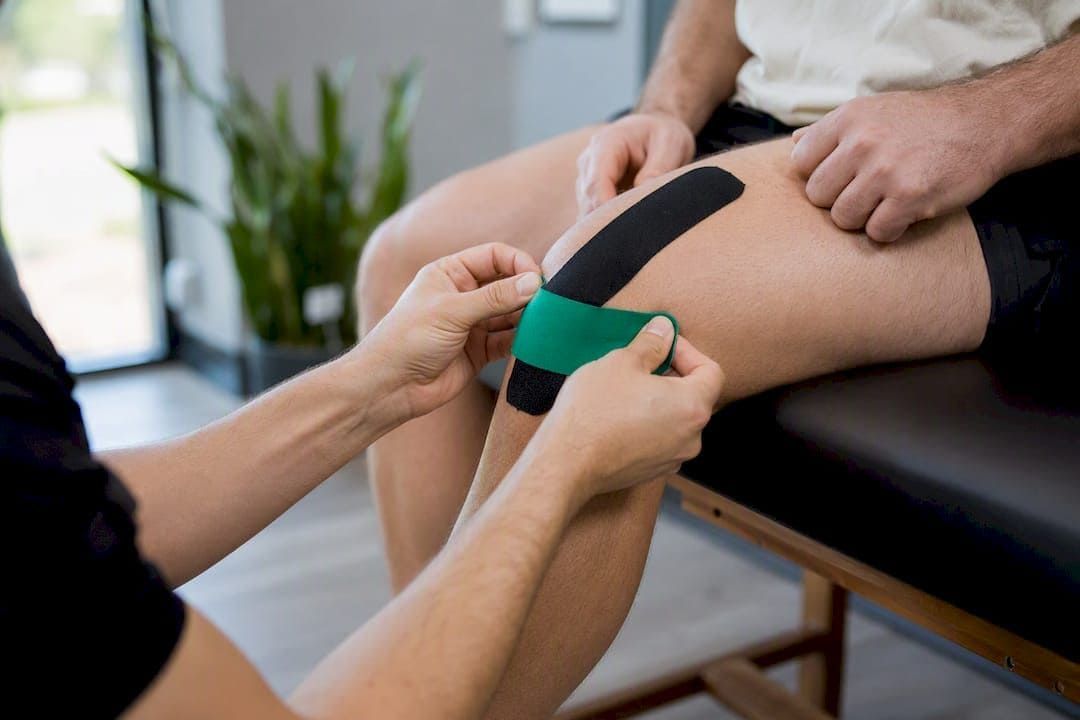
Evidence‑based, clinician‑checked self‑taping and rehab tips for adults. Kinesio tape can give modest, short‑term knee pain relief when paired with exercise.
chiropractic care and digestive health
By Essential ChiroCare Blogger • September 22, 2026
Discover the role of chiropractic in digestive health. Explore how chiropractic care may alleviate digestive symptoms and improve well-being.

sports injury treatment Tampa
By Essential ChiroCare Blogger • September 21, 2026
Discover how a sports chiropractor in Tampa can help with faster recovery, injury prevention, and peak performance before and after weekend tournaments.
spinal decompression side effects
By Essential ChiroCare Blogger • September 20, 2026
Learn what to expect from spinal decompression therapy, including common side effects and effective recovery tips to ease discomfort.
Show More