


Mental Wellness Advice for Pain Recovery and Rehab
TL;DR:
- Daily habits like movement, good sleep, and social connection support faster pain recovery.
- These evidence-based practices enhance treatment effectiveness and address underlying physiological factors.
The most effective mental wellness advice during pain recovery comes down to five daily habits: 30 minutes of movement, aim for 7 to 9 hours of sleep each night as recommended by medical guidance, and cut screen time 30 minutes before bed, short mindfulness or breathing practice, one meaningful social connection, and knowing when to ask for professional support. These aren't soft suggestions. They're clinically backed steps that directly affect how your body heals.
- Move daily, with the option to break sessions into shorter periods throughout the day.
- Aim for 7 to 9 hours of sleep each night, as recommended by medical guidance, and cut screen time 30 minutes before bed.
- Practice two to three minutes of focused breathing before or after each chiropractic visit.
- Text, call, or meet one person today, even briefly.
Pro Tip: Before your next chiropractic adjustment, spend two minutes doing slow diaphragmatic breathing. It reduces muscle tension and helps your body respond better to manual therapy. Ask your chiropractor at Essentialchirocare to walk you through it at your next visit.

Table of Contents
- What does a daily mental wellness routine look like during recovery?
- What does the research actually say about mental wellness and pain?
- How do mental wellness practices support your chiropractic and rehab plan?
- Breathing and relaxation exercises to use during pain flares
- When should you seek professional mental health care?
- Key Takeaways
- What integrated care looks like at Essentialchirocare
- Essentialchirocare supports your whole recovery, not just the physical part
- Authoritative sources and further reading
- A perspective on what actually moves the needle
What does a daily mental wellness routine look like during recovery?
Recovery days are not all equal. Some mornings you wake up stiff and low-energy; others feel manageable. A good daily routine accounts for both.
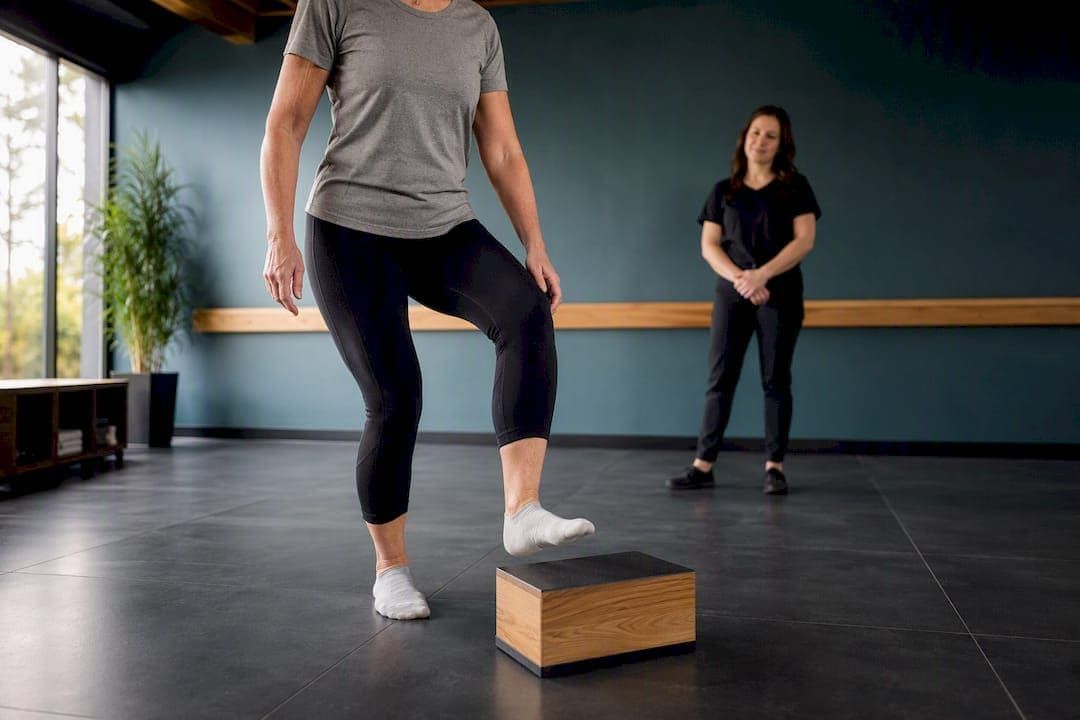
Morning (10–15 minutes) Start with gentle movement: a short walk, light stretching, or the home exercises your rehab provider assigned. Daily physical activity boosts mood and supports recovery even when sessions are short. If 30 continuous minutes feels impossible, three 10-minute walks spread across the day work just as well.
Midday (5 minutes) Check in with someone. A quick text or a short phone call counts. Social connection acts as a psychological buffer against stress, and small regular contact builds resilience over time.
Evening (15–20 minutes) Wind down deliberately. Dim your lights, put your phone face-down 30 minutes before bed, and aim for a consistent sleep time. Adults need Aim for 7 to 9 hours of sleep each night, as recommended by medical guidance, and cut screen time 30 minutes before bed. for healthy emotional regulation, and blue-light exposure before bed delays sleep onset.
A few nutrition notes worth keeping: staying hydrated, eating regular meals, and limiting alcohol and caffeine all affect mood and pain sensitivity. These aren't dramatic changes; they're the baseline your body needs to recover.
Pro Tip: On high-pain days, skip the walk and do five minutes of seated stretching instead. Movement does not have to be intense to count. Consistency beats intensity every time during active rehab.
What does the research actually say about mental wellness and pain?
The evidence here is clear and worth knowing.
| Strategy | Recommendation | Source |
|---|---|---|
| Physical activity | ~30 min daily; short sessions effective | NIMH |
| Sleep | 7–9 hours; reduce blue light before bed | MedlinePlus |
| Therapy | CBT is a research-supported treatment for stress and anxiety | APA |
| Lifestyle interventions | Nutrition, sleep, exercise augment clinical care | American Psychiatric Association |
"Lifestyle behaviors like nutrition, exercise, and restorative sleep are not merely preventive. When integrated with psychotherapy and medication, they measurably improve outcomes for depression and anxiety." — American Psychiatric Association
Cognitive behavioral therapy(CBT) is one of the most evidence-backed approaches for stress and anxiety, focusing on identifying and reframing negative thought patterns. It's worth asking your primary care provider for a referral if stress is affecting your recovery.
One important caveat: these strategies complement professional care, they don't replace it. If symptoms are severe or have lasted more than two weeks, contact a provider.
How do mental wellness practices support your chiropractic and rehab plan?
Chronic stress raises cortisol, tightens muscles, and amplifies pain signals. That's not a metaphor; it's physiology. When you're anxious or sleep-deprived, your nervous system stays in a heightened state, which makes manual therapy harder to tolerate and slows tissue recovery.
The good news: the same self-care practices that support mental health also prepare your body for physical treatment. Patients who sleep well, move regularly, and manage stress tend to get more out of each adjustment and rehab session.
What to tell your chiropractor: Report your sleep quality, stress levels, and mood at each visit. These aren't irrelevant details. They help your provider adjust treatment intensity and track what's working. Ask specifically about breathing exercises you can use during spinal decompression or manual therapy sessions.
At your appointments, bring a brief log: how you slept, your pain level, and your mood score on a 1–10 scale. This takes two minutes to prepare and gives your care team real data. Essentialchirocare's integrative care approach is built around exactly this kind of coordinated plan.
Breathing and relaxation exercises to use during pain flares
These three practices take under 10 minutes combined and can be done in a clinic chair or at home.
Box breathing (3–4 minutes)
- Sit upright or recline comfortably.
- Inhale slowly through your nose for 4 counts.
- Hold for 4 counts.
- Exhale through your mouth for 6 counts.
- Hold for 2 counts. Repeat 6–8 cycles.
Progressive muscle relaxation (5–10 minutes)
Start from the lower body and work upward: calves, thighs, hips, abdomen, chest, arms, neck, face. For each group, tense gently for 5 seconds, then release for 10. Starting from the lower body releases tension that accumulates in the legs and lower back first, which is where most rehab patients carry the most stress.
Safety note: If you have an acute injury, skip the tensing step entirely. Instead, simply scan each muscle group with your attention and consciously release. This passive version is equally effective and safer for patients with back or neck injuries.
1-minute grounding script (use during acute pain spikes)
Name 5 things you can see. 4 you can touch. 3 you can hear. 2 you can smell. 1 you can taste. This interrupts the anxiety spiral that often amplifies pain perception and brings your attention back to the present moment, which is the core of clinical mindfulness practice.
Pro Tip: Practice box breathing daily, not just during flares. Two minutes every morning builds the habit so it's automatic when pain spikes.

When should you seek professional mental health care?
Some signs go beyond what self-care can address. Contact a provider if you notice:
- Persistent low mood, anxiety, or hopelessness lasting two or more weeks
- Thoughts of self-harm or suicide
- Inability to work, sleep, or maintain basic daily function
- Physical symptoms (headaches, chest tightness) with no clear medical cause
"If you are in crisis, call or text 988 (Suicide & Crisis Lifeline) or call 911 for immediate help. You do not need to be in a life-threatening situation to call 988 — it's available for any mental health crisis." — NIMH
To get a referral, tell your primary care provider or chiropractor what you've been experiencing and how long it's lasted. Bring your symptom log. Ask specifically for a referral to a licensed therapist who works with CBT or chronic pain populations.
Pro Tip: Before your first therapy appointment, write down your three most disruptive symptoms, when they started, and how they affect your daily routine. That one page saves 20 minutes of intake time and helps your therapist start where it matters.
Key Takeaways
Daily movement, restorative sleep, short mindfulness practice, social connection, and timely professional support are the five evidence-backed mental wellness strategies most likely to speed pain recovery and improve rehab outcomes.
| Point | Details |
|---|---|
| Move daily | Aim for 30 minutes; break into 5–10 minute sessions on hard days. |
| Prioritize sleep | Adults need 7–9 hours; reduce blue-light exposure 30 minutes before bed. |
| Practice breathing | Box breathing (4-4-6 pattern) daily builds a habit that works during pain flares. |
| Stay connected | One brief social check-in daily provides a measurable buffer against stress. |
| Essentialchirocare | Mention these strategies at your next visit; the clinic can integrate them into your rehab plan across Tampa, Brandon, Sarasota, Lakeland, and Pinellas Park. |
What integrated care looks like at Essentialchirocare
Pain and mental wellness are not separate problems, and treating them separately slows recovery. At Essentialchirocare, the clinical approach recognizes that a patient who is sleeping poorly, managing high stress, or dealing with anxiety will respond differently to chiropractic adjustments and physical rehabilitation than one whose nervous system is regulated.
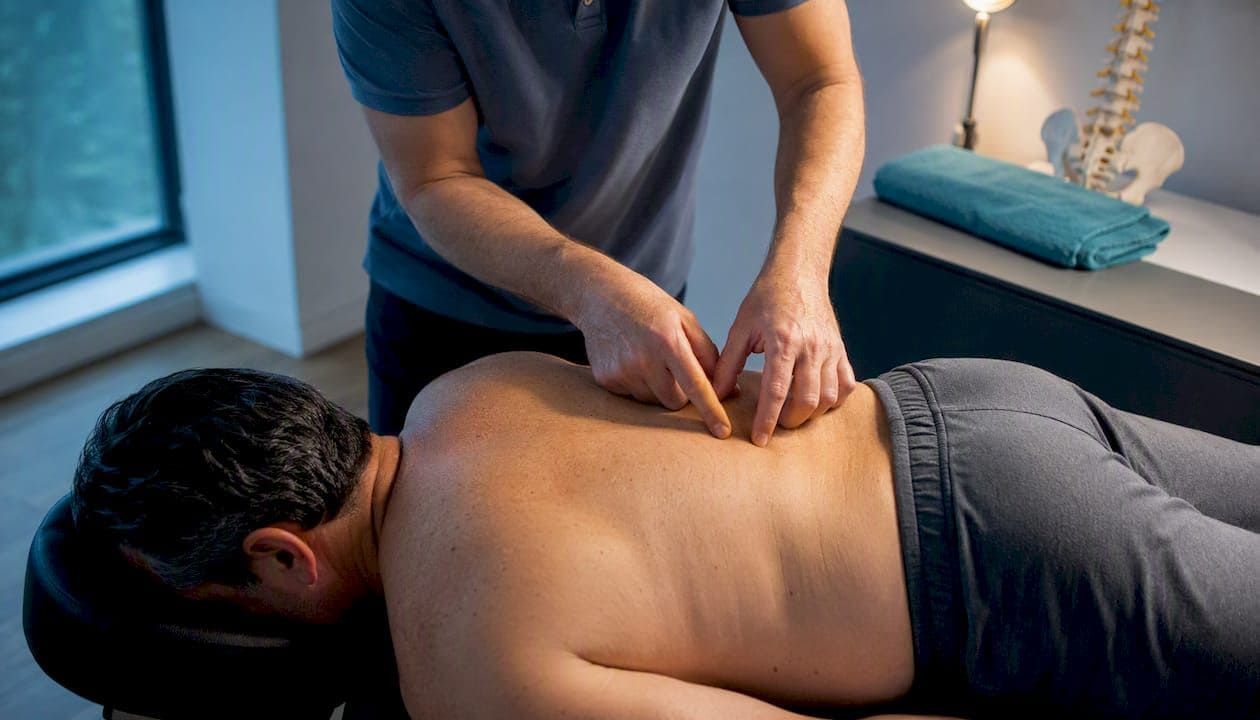
Services like chiropractic adjustments, spinal decompression, and manual therapy all work better when paired with the breathing and relaxation practices described above. The clinic's providers across West Central Florida, including locations in Tampa, Brandon, Sarasota, Lakeland, and Pinellas Park, can help you build a coordinated plan that addresses both the physical and the mental side of recovery. Educational resources are available on the site, and staff can help coordinate referrals when additional mental health support is needed.
Ask your provider at your next visit: "How can we add a breathing or relaxation component to my current plan?"
Essentialchirocare supports your whole recovery, not just the physical part
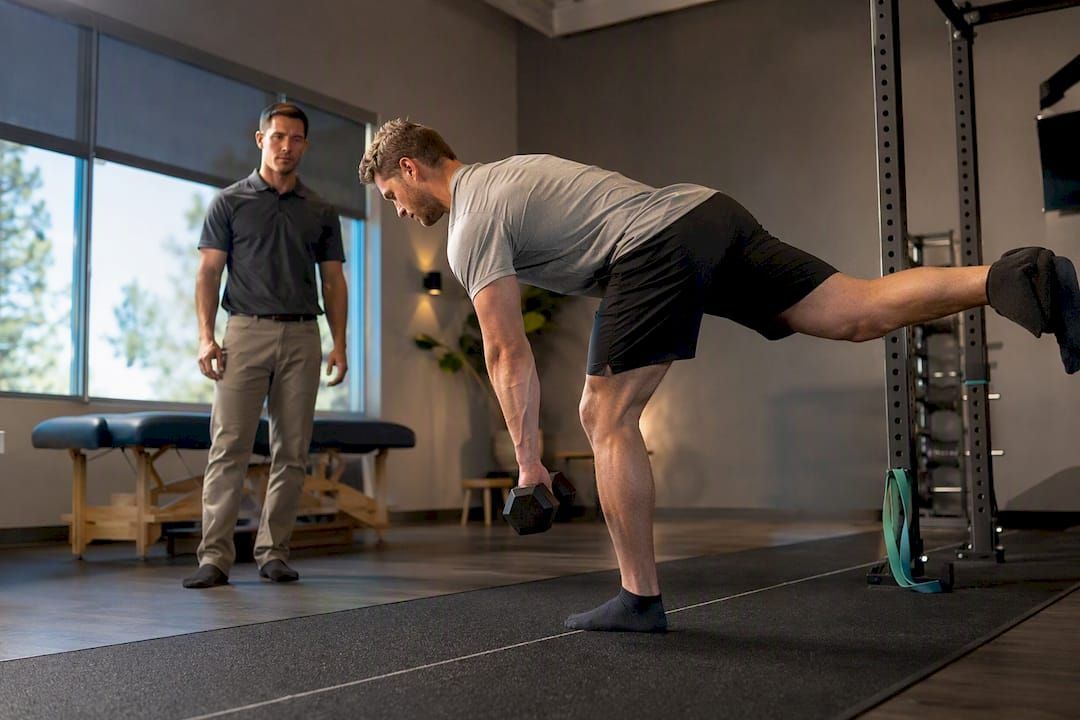
Pain recovery stalls when mental wellness is ignored. Essentialchirocare offers a concrete alternative to managing pain and stress separately: chiropractic care, physical rehab, and spinal decompression delivered alongside personalized home exercise plans and provider guidance on the mental wellness strategies covered in this article.
Experienced clinicians at locations across West Central Florida work with patients to build plans that account for sleep, stress, and mood, not just the structural injury. Patient testimonials and educational content are available on the site for anyone who wants to understand what an integrated visit looks like before booking.
Ready to bring these strategies into your recovery? Book a chiropractic appointment at Essentialchirocare and ask about adding a mental wellness component to your treatment plan.
Authoritative sources and further reading
| Theme | Source | Best for |
|---|---|---|
| Exercise and mood | NIMH — Caring for Your Mental Health | Daily movement guidance and self-care steps |
| Sleep hygiene | MedlinePlus — Stress Management | Sleep targets and blue-light reduction |
| Therapy options | APA — Stress Tips | CBT overview and relaxation techniques |
| Lifestyle as clinical tool | American Psychiatric Association | How lifestyle supports clinical mental health care |
| Mindfulness definition | NCBI/NIH — Mindfulness Overview | Clinical definition and practice rationale |
| Social connection | NHS — Five Steps to Mental Wellbeing | Social support and resilience strategies |
| Relaxation techniques | Harvard Health — Best Ways to Manage Stress | Progressive relaxation and goal-setting |
| Integrated rehab | Essentialchirocare — Holistic Wellness | How lifestyle and chiropractic care connect |
A perspective on what actually moves the needle
Pain recovery advice tends to split into two camps: the purely physical ("do your exercises, ice it, come back Thursday") and the purely psychological ("reduce your stress, think positive"). Neither camp is wrong, but both are incomplete on their own.
What gets underestimated is how much the mental side of recovery is physiological , not just motivational. Stress hormones tighten the same muscles a chiropractor just worked on. Poor sleep blunts the tissue repair that happens between sessions. Isolation amplifies pain perception in measurable ways. These aren't soft factors; they're mechanisms.
The patients who recover fastest aren't necessarily the ones with the least severe injuries. They're the ones who treat sleep, movement, and stress management with the same seriousness they give their clinic appointments. A two-minute breathing exercise before an adjustment isn't a wellness trend. It's prep work.
The gap in most recovery plans isn't effort. It's the failure to connect what happens between appointments to what happens during them. That connection is where the real progress lives.