
4 Part Chiropractic Plan for Hip Bursitis at Essential ChiroCare
Chiropractic care is often an effective, noninvasive option for trochanteric hip bursitis, especially when adjustments are paired with soft-tissue work and targeted rehab rather than used alone. Most treatment plans lean on a short, focused start to calm pain before rebuilding strength. One caution up front: fever, rapidly worsening weakness, or a hot, swollen joint means you need medical attention right away, not a chiropractic appointment.
TL;DR:
- Chiropractic care effectively addresses trochanteric bursitis by combining adjustments, soft-tissue therapy, and targeted rehabilitation rather than relying on one technique alone.
- Successful treatment requires correcting underlying mechanical issues such as pelvic misalignment, leg-length inequality, or joint dysfunction to prevent recurrence.
- Most patients experience noticeable improvement within two to four weeks, especially if they follow home care routines like icing, gentle exercises, and avoiding aggravating activities.
- Immediate medical attention is necessary if symptoms involve fever, worsening weakness, joint swelling, or an inability to bear weight, indicating possible serious inflammation.
- Chiropractors should assess gait, pelvic tilt, and leg-length differences early on to identify root causes and tailor a comprehensive treatment plan.

Table of Contents
- What Is Trochanteric Hip Bursitis?
- Why Does Hip Bursitis Happen?
- The Multimodal Chiropractic Approach to Hip Bursitis
- Self-Care Between Chiropractic Visits
- How Long Does Recovery Take, and When Should You See a Doctor?
- What to Expect From Essential ChiroCare's Approach
- A Patient's Path Through Hip Bursitis Care
- Ready to Address Your Hip Pain?
- Sources
What Is Trochanteric Hip Bursitis?
A bursa is a small fluid-filled sac that keeps tendons and muscles from grinding against bone. The one at the greater trochanter, the bony point on the outside of your hip, is the one that gets irritated in trochanteric bursitis. Once inflamed, it turns ordinary movement into a source of pain.
Common symptoms include:
- Aching or sharp pain on the outer hip, sometimes radiating down the thigh
- Tenderness when you press directly on the side of the hip
- Pain when lying on the affected side at night
- Discomfort climbing stairs or walking on inclines
- A subtle limp that shows up after activity
Mayo Clinic lists localized pain, tenderness, and pain with movement as the core signs used to diagnose bursitis. Worth knowing: not every ache on the side of the hip is bursitis. Harvard Health points out that tendon tears, arthritis, and referred lower-back pain can mimic it closely, so an accurate exam matters before you start treating the wrong problem.
Why Does Hip Bursitis Happen?
Bursitis rarely shows up out of nowhere. It usually follows repetitive friction from running, long walks, or sloped terrain that keeps rubbing the bursa the wrong way.
The deeper issue is often mechanical, not just repetitive stress. Dynamic Chiropractic describes trochanteric bursitis as rarely a standalone event, more often secondary to:
- Pelvic misalignment that shifts weight unevenly onto one hip
- Leg-length inequality, even small differences
- Weak glute medius muscles that fail to stabilize the pelvis while walking
- Lumbar or sacroiliac joint dysfunction that changes how force travels through the hip
Treat only the inflammation and ignore these drivers, and the bursitis tends to come back. That is the core argument for chiropractic treatment for hip pain: it targets the mechanics, not just the flare-up.
The Multimodal Chiropractic Approach to Hip Bursitis
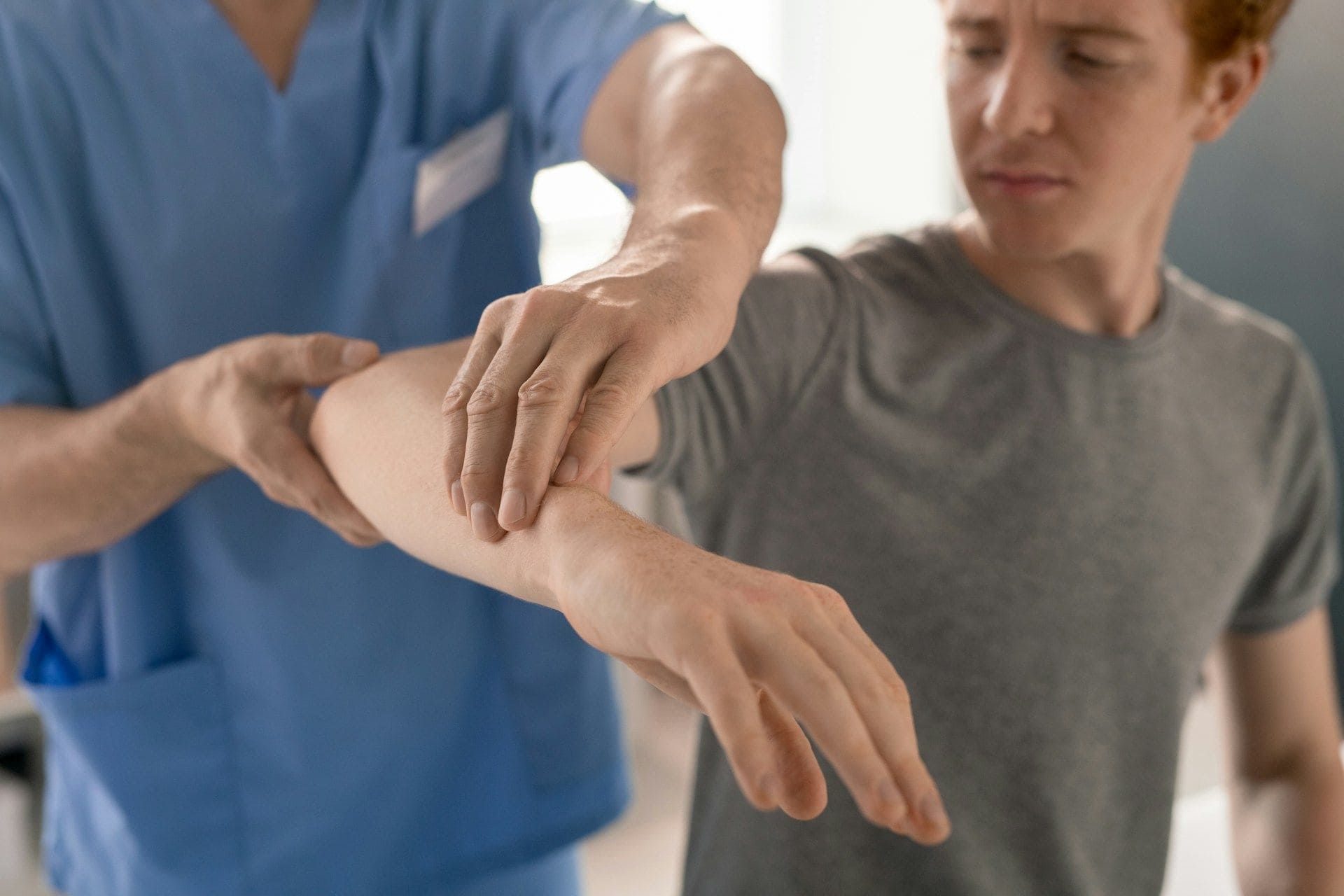
Effective hip bursitis chiropractic care rarely relies on one technique. It combines several therapies that each solve a different piece of the problem.
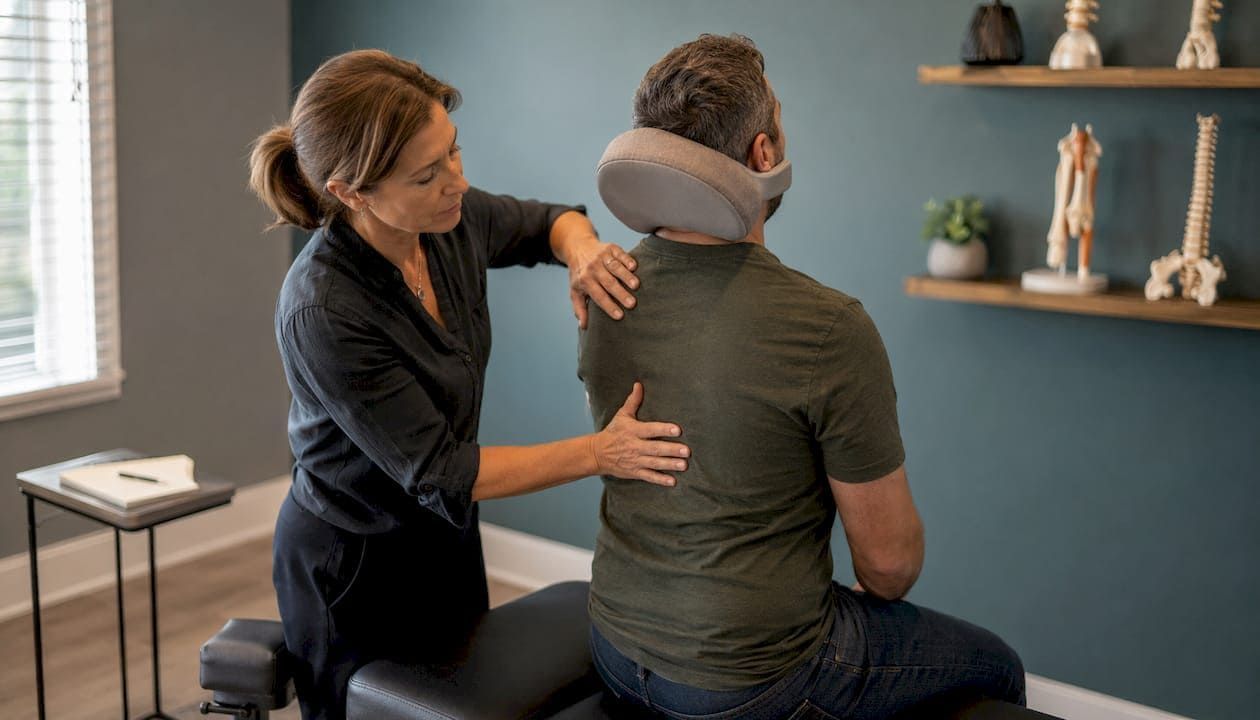
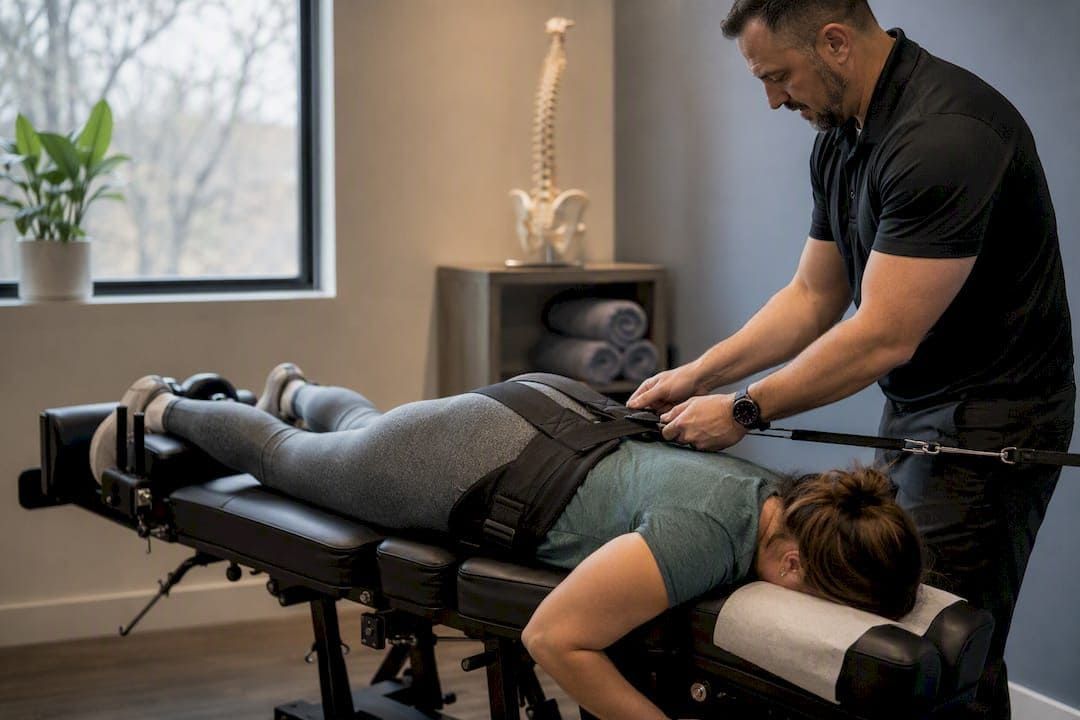
- Lumbopelvic and pelvic adjustments. Restoring alignment in the pelvis and lower spine changes how load transfers through the hip with every step, taking pressure off the irritated bursa.
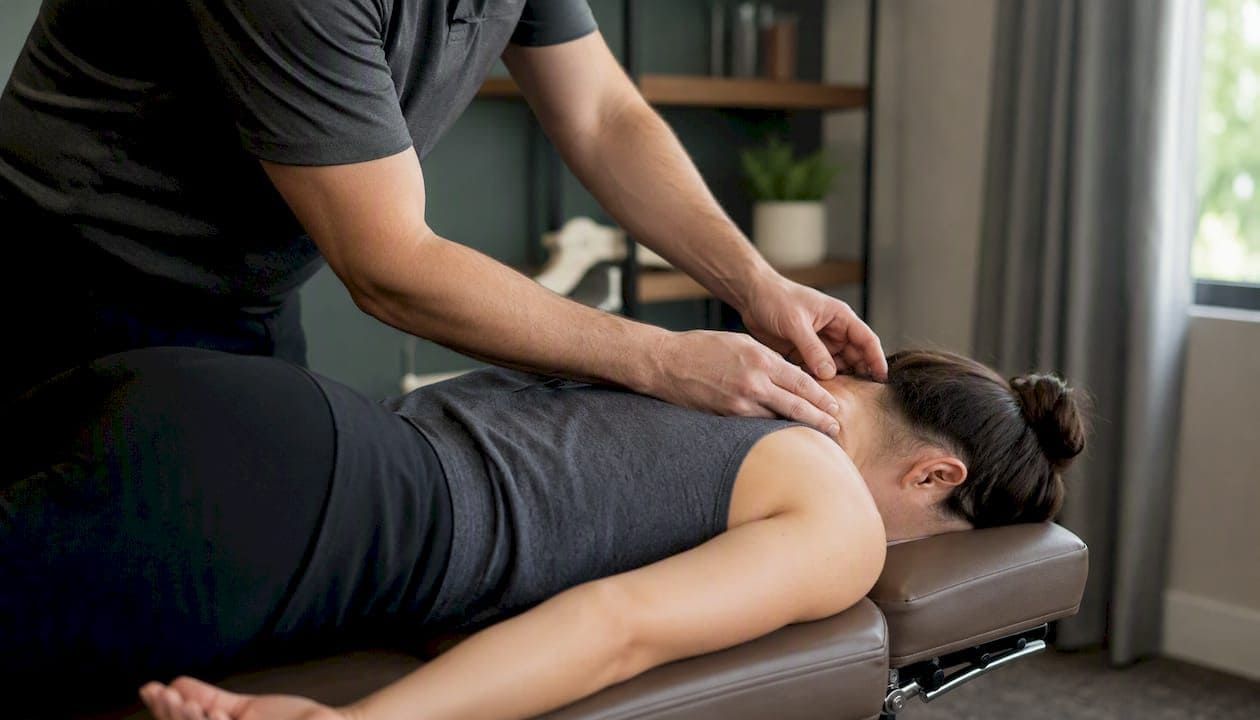
- Soft-tissue therapy. Myofascial release and instrument-assisted soft-tissue mobilization reduce the friction and tightness in the muscles surrounding the trochanter, easing tenderness directly at the source.
- Therapeutic modalities. Ultrasound, electrical stimulation, or shockwave therapy (where available) can help calm inflammation and support tissue healing alongside manual work.
- Progressive rehabilitation. Programs typically start with gentle isometric holds, then advance to glute medius strengthening and gait retraining once pain settles.
Chiro-Trust's clinical guidance outlines an initial course that combines lumbopelvic manipulation, soft-tissue therapy, and targeted isometric exercises before progressing further. The logic behind that early phase is simple: tissue needs to tolerate load before you ask it to do more work. Push strengthening too soon and you risk reigniting the irritation you just calmed down.
Even more complicated presentations respond to this kind of care. Clinical reports indexed on PubMed note that patients, including some with calcific deposits in the bursa, have reached pain-free motion through conservative multimodal treatment before ever considering injections or surgery.
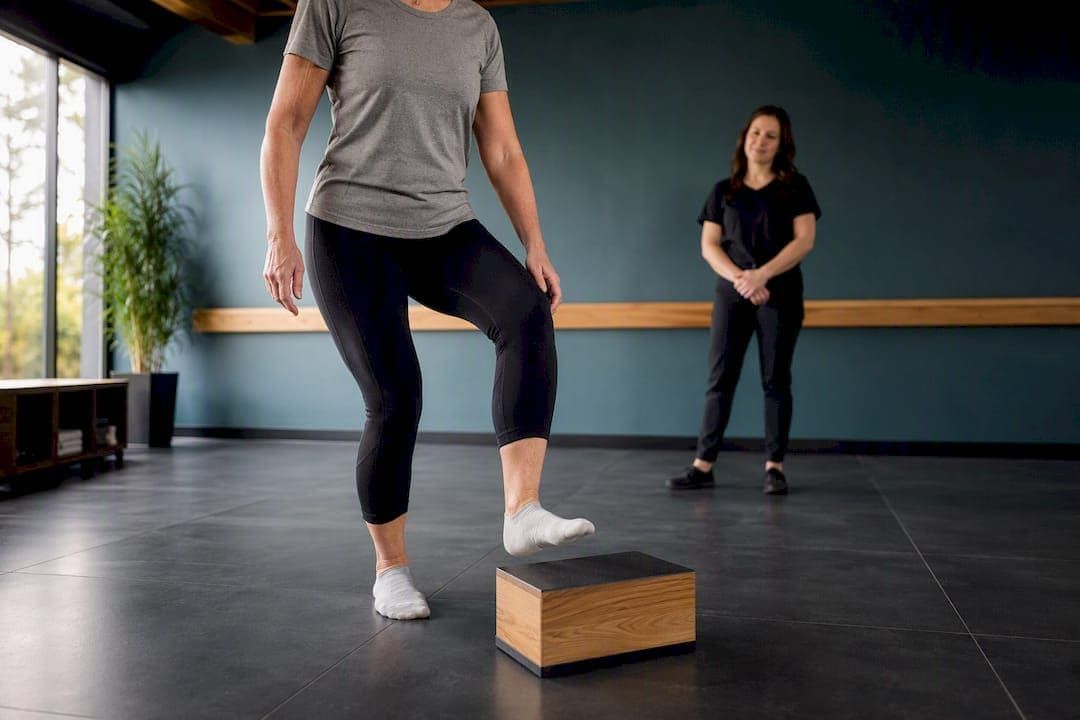
Pro Tip: Ask your chiropractor to check for leg-length differences and pelvic tilt during your first visit. If nobody measures your gait or pelvis, the plan is treating symptoms, not the cause.
For a broader look at how these therapies fit together across different injuries, see this overview of chiropractic treatments.
Self-Care Between Chiropractic Visits
What you do at home between appointments often decides how fast you recover. A few habits make a real difference:
- Ice the hip for 15 to 20 minutes after activity, or try a brief 3 to 4 minute ice massage for quick relief during a flare
- Skip lying on the painful side; a pillow between the knees can take pressure off the hip if you must
- Cut back on stairs and hills temporarily, favoring several short walks over one long one
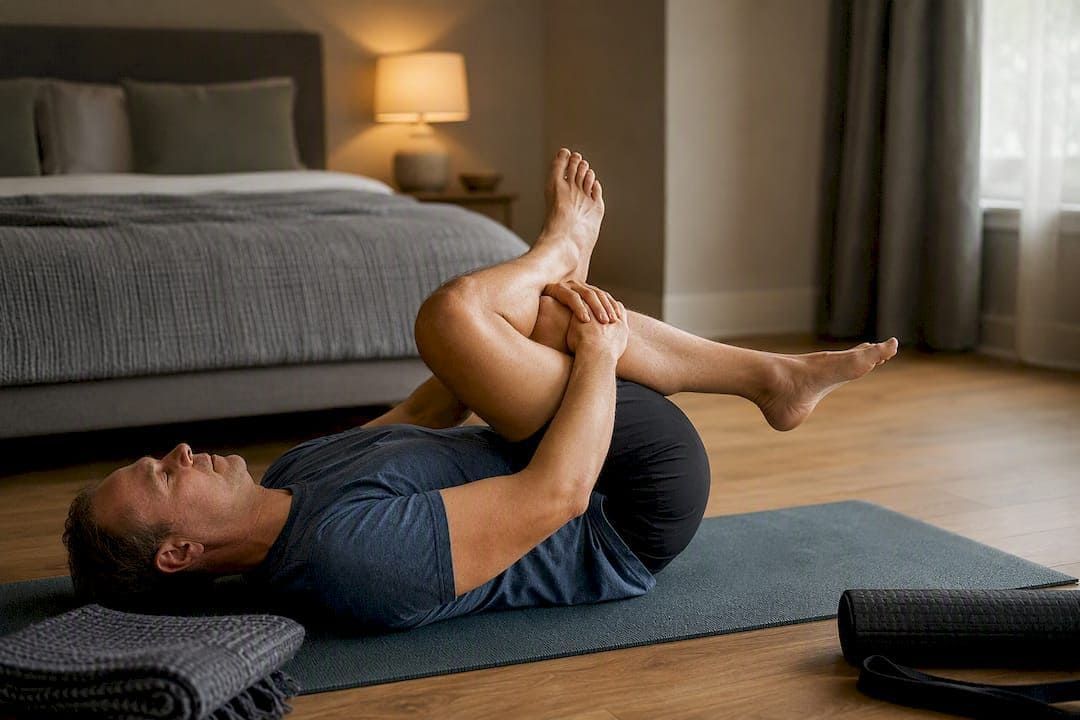
- Start with basic glute sets and bridges, then progress carefully into side-lying hip abduction as tolerance improves
- Stop any exercise immediately if it produces sharp pain rather than mild fatigue
A temporary heel lift can help if your chiropractor identifies a leg-length difference, but only use one under guidance. One common mistake worth avoiding: aggressive IT band stretching, which can actually increase compression over the trochanter instead of relieving it. Gentle isometrics and light abduction work are the safer starting point. For a step-by-step version of this progression, this rehab recovery guide walks through what typically comes next. Balance-focused work also matters here. Stability training that supports gait control complements hip rehab well, particularly for anyone whose limp has affected their overall balance.

How Long Does Recovery Take, and When Should You See a Doctor?
Most people notice improvement within a few weeks of starting a focused plan, with that first intensive phase (commonly around two weeks) doing much of the heavy lifting on pain reduction. How fast you actually improve depends on how long you've had symptoms, how consistently you do your home exercises, and whether other conditions like arthritis are complicating the picture.
Some symptoms need a doctor, not a chiropractic visit, right away:
- Fever alongside hip pain
- Rapidly worsening weakness or numbness in the leg
- A joint that is hot, visibly swollen, or intensely tender ( signs of deeper inflammation worth taking seriously)
- Sudden inability to bear weight on the leg
A good chiropractor will refer you for imaging or a medical consult if these signs show up, or if pain fails to respond after a reasonable trial of conservative care. Cleveland Clinic's guidance on trochanteric bursitis reinforces that conservative, biomechanics-focused care is the standard starting point, with escalation reserved for cases that don't respond.
What to Expect From Essential ChiroCare's Approach
Essentialchirocare operates across multiple locations in West Central Florida, including Tampa, Brandon, Sarasota, Lakeland, and Pinellas Park, with online scheduling that makes starting care straightforward. Clinicians bring experience working with sports teams, which shows up in how carefully they assess gait and pelvic mechanics before treating symptoms in isolation.
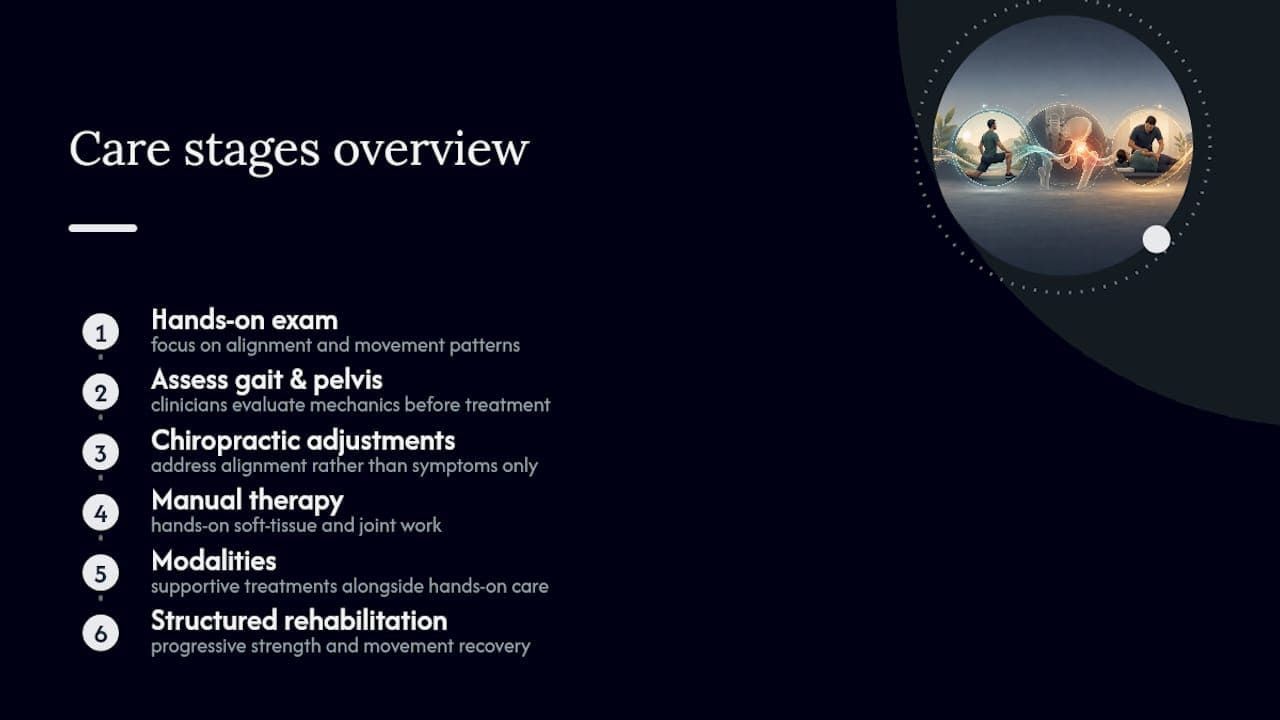
A typical plan folds adjustments, manual therapy, modalities, and structured rehab into one program rather than treating them as separate services. New patients can expect a hands-on exam focused on alignment and movement patterns, followed by a plan that evolves as pain settles and strength returns.
A Patient's Path Through Hip Bursitis Care
The first visit usually means a thorough exam, some hands-on adjustment work, and a short list of exercises to do at home. Within a couple of weeks, small wins tend to show up first: less pain at night, an easier time on stairs. Rehab continues from there. If progress stalls or new symptoms appear, that's the moment to call the clinic rather than wait it out.
Ready to Address Your Hip Pain?
Essentialchirocare treats hip bursitis the way this article describes it should be treated: pelvic and lumbopelvic adjustments, soft-tissue therapy, and a rehab plan that starts small and builds, all under one roof instead of scattered across separate providers. That matters if you've already tried rest and ice on your own and the pain keeps returning, because it means someone is actually looking at your gait and pelvic alignment instead of just chasing the sore spot.
At your first visit, bring a list of when the pain flares (nighttime, stairs, after runs) and any recent activity changes, since that history helps pinpoint the mechanical cause faster. From there, you'll get a hands-on exam and a plan tailored to what's actually driving the irritation. If your symptoms match what's described here and none of the red-flag signs apply to you, the next step is simple: visit the chiropractic care page to see locations and book an appointment.
This article is general information, not a substitute for advice from a qualified doctor. Consult a qualified healthcare professional about your own circumstances before acting on anything here.