Fall sports, long drives, and holiday errands ask a lot from your body. Small movement problems that you barely notice in the summer can suddenly show up as sore knees, a tight low back, or a stiff neck once your schedule picks up. When your body is not moving well, every extra car trip, workout, or shopping run can feel harder than it should.
Functional movement screening, often called FMS, is a simple way to spot those hidden issues before they turn into bigger pain. It helps your chiropractor see how your body moves as a whole, so care can be more focused and more personal. In our Pinellas Park clinic, we use this kind of screening to connect the way you move to the way you feel, then build a plan that fits your life.
Uncover Hidden Movement Problems Before They Become Pain
Fall in Florida still feels warm, but life shifts. Kids go back to school, adult leagues start up again, gyms get busier, and holiday travel is not far away. All that extra activity can expose:
- Old sports injuries that never fully healed
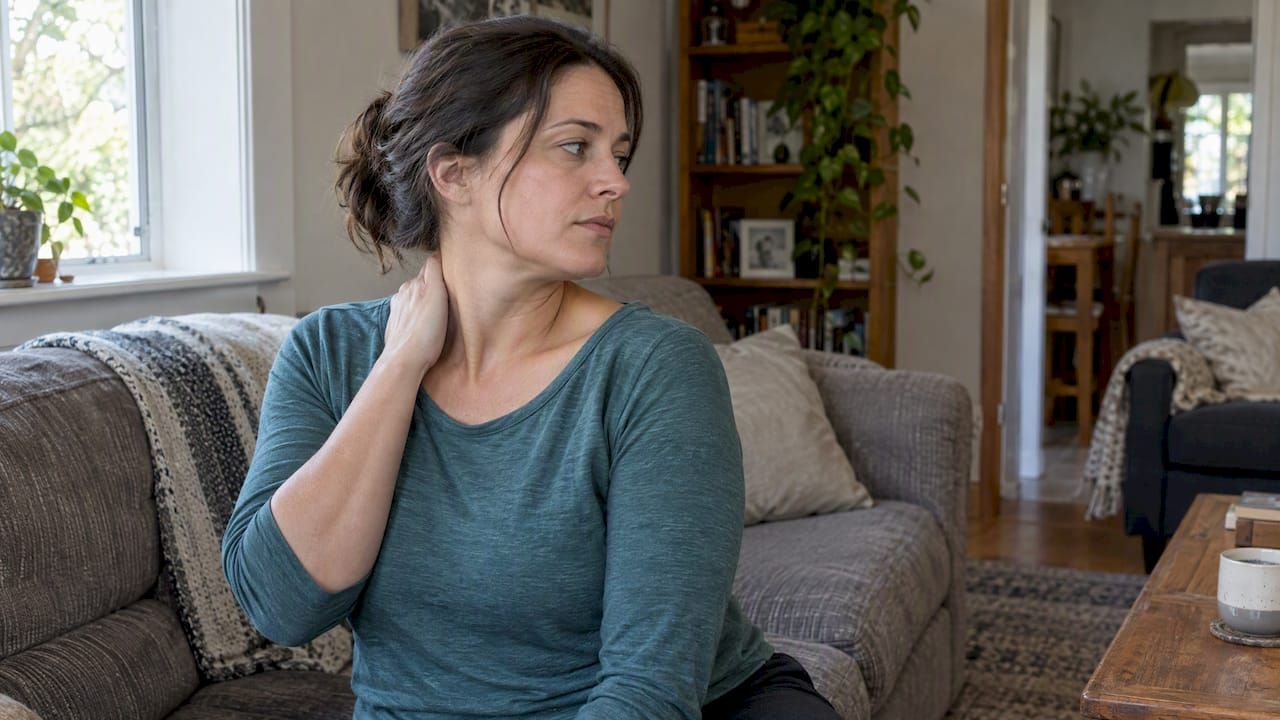
- Stiffness from long commutes on crowded roads
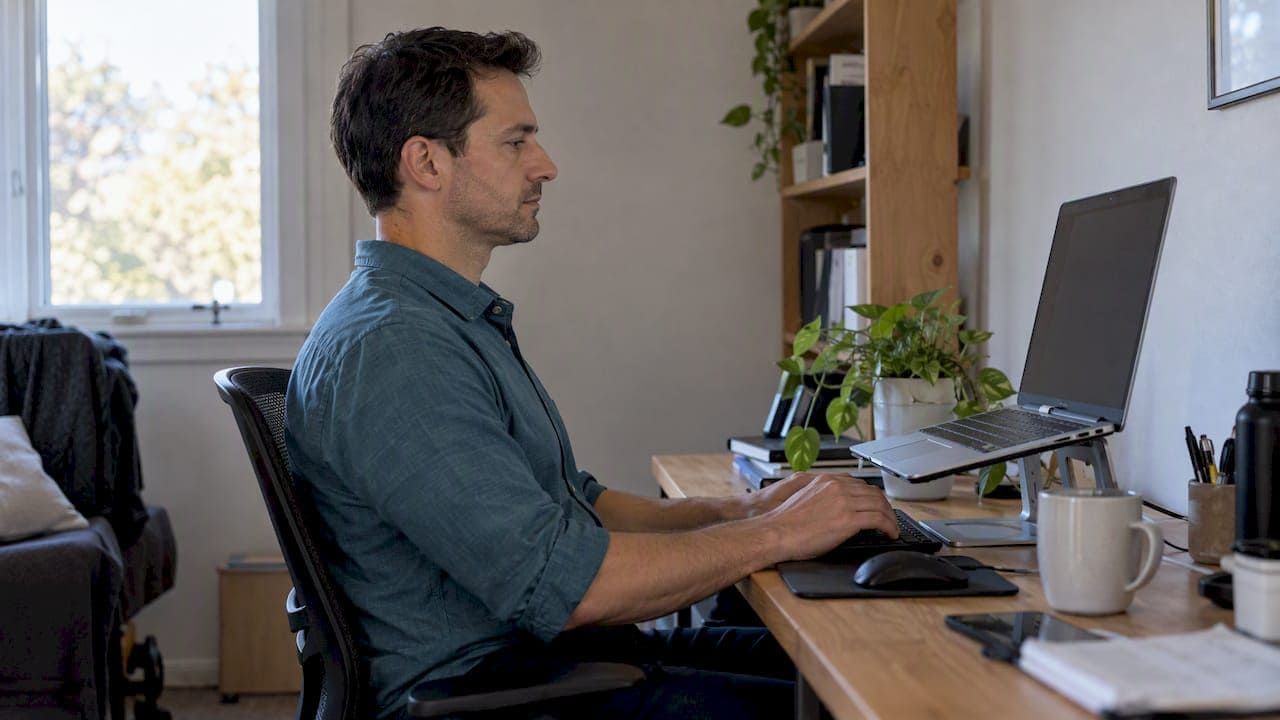
- Posture habits from hours on phones and laptops
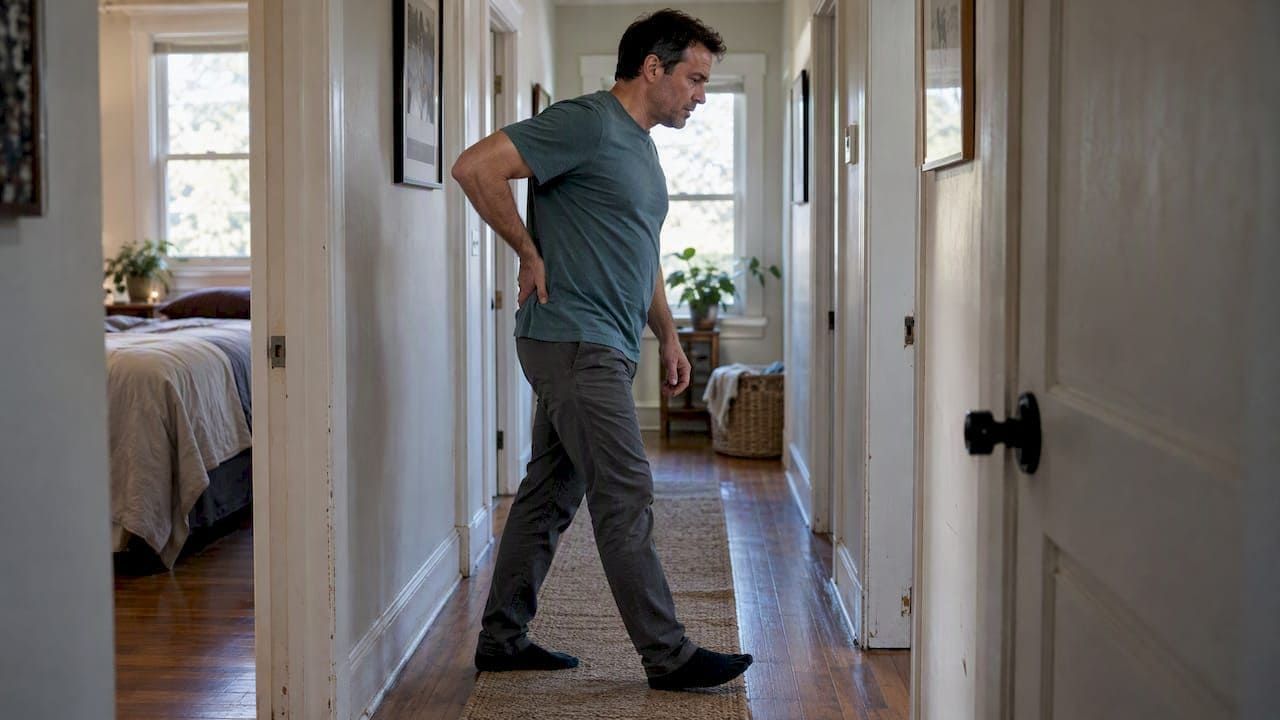
At first, you might only notice a little twinge when you turn, reach, or bend. Over time, your body starts to compensate. Other joints pick up the slack, muscles tighten, and your movement pattern changes. That is when flare-ups, strains, or fatigue often show up.
Functional movement screening lets us catch those early warning signs. Instead of only chasing pain, we look at how you squat, lunge, reach, and balance. Our Pinellas Park team uses what we see to guide gentle chiropractic care and focused exercises, so you can stay active and ready for busy months ahead.
What Functional Movement Screening Really Measures
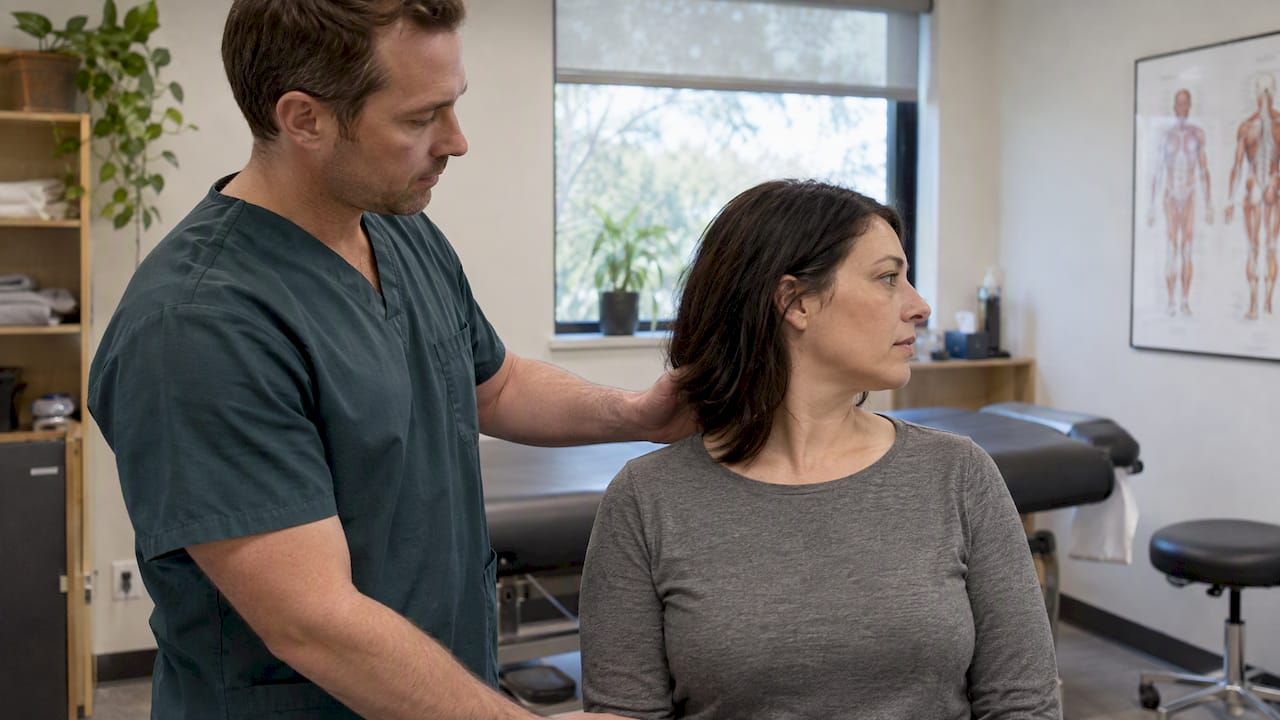
Functional movement screening is a guided series of simple motions. You might stand, step, reach, or hold a position while a chiropractor watches how your whole body works together. It is less about how strong you are and more about how well you move.
During a screening, we pay close attention to:
- Mobility, how freely your joints move
- Stability, how well you control that motion
- Balance, how steady you are on one or both legs
- Coordination, how upper and lower body work together
- Movement quality under light load, how you move when things are a bit harder
It is also important to be clear about what FMS is not. It is not a diagnosis on its own, and it is not a fitness test or a pass or fail exam. It is one tool that helps us spot:
- Areas where one side of the body works differently than the other
- Movements where you twist or shift to avoid discomfort
- Patterns that may increase the risk of strain, or flare-up
From there, we combine your screening results with hands-on findings and your health history to decide the best next steps.
Who Benefits Most From Functional Movement Screening
Almost anyone who moves can benefit, but some groups in Pinellas Park tend to get the most from a focused functional movement screening.
People who may want to consider it include:
- Adults with recurring stiffness in the neck, back, shoulders, hips, or knees
- Athletes and active adults getting ready for fall races, rec leagues, or new gym plans
- Workers who sit, drive, or repeat the same motions for long hours
- People who notice poor posture, fatigue, or tightness by the end of the day
Older adults often find this kind of screening especially helpful. As schedules fill with family events and travel, staying steady on your feet and confident with stairs, curbs, and uneven ground really matters. A movement screen can highlight balance, hip strength, and joint mobility that may affect fall risk or independence.
A functional movement chiropractor in Pinellas Park can also adjust what we focus on:
- For a runner, we might look more at hip, ankle, and core control
- For a warehouse worker, we may test lifting and reaching patterns
- For a retiree, we might spend more time on balance and safe bending
- For someone with a long auto commute, we often focus on hip flexors, low back, and neck motion
Your daily life guides the way we screen.
Inside Your Visit With a Functional Movement Chiropractor
When you come in, we start by talking. We ask about your health history, past injuries, daily habits, work setup, and what you want to be able to do without pain. This helps us connect your symptoms with your routine.
A typical visit often includes:
- Health history and goals
- Posture check, standing and sometimes sitting
- Functional movement screening
- Hands-on chiropractic assessment of the spine and key joints
Some common movements we may use are:
- Squats, to see how your hips, knees, ankles, and spine share the work
- Lunges, to check single-leg balance, hip control, and knee tracking
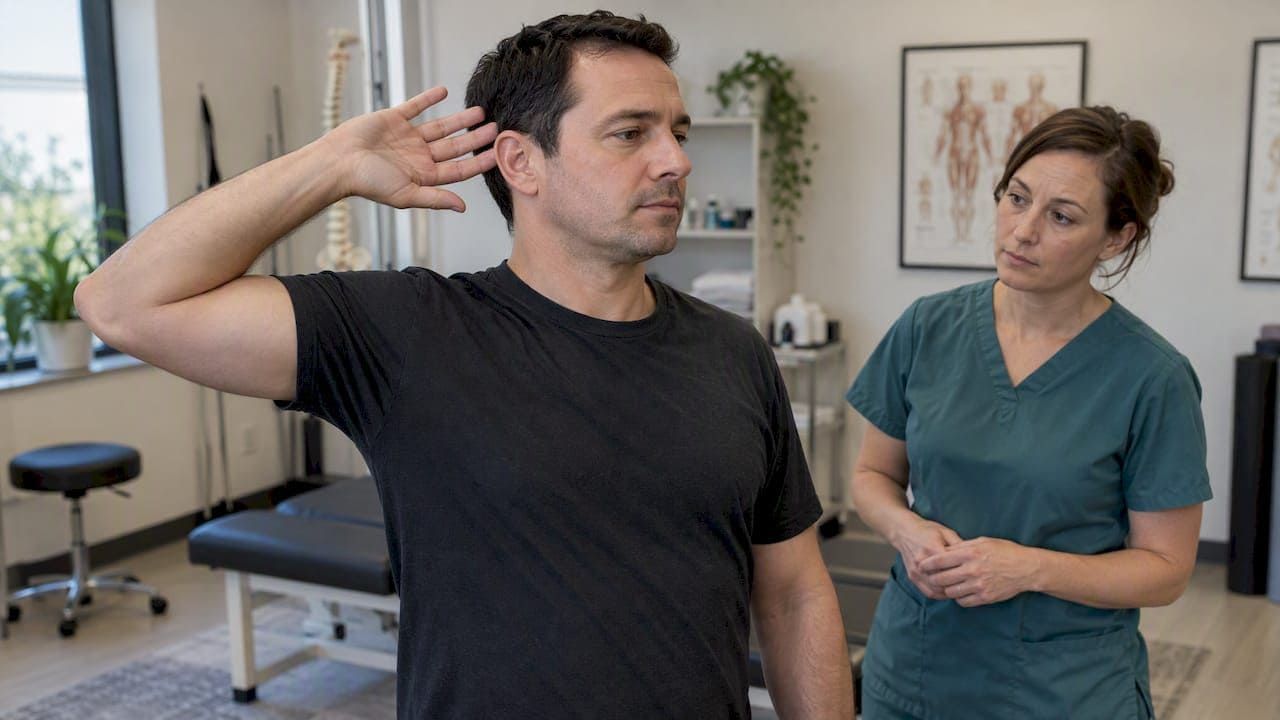
- Reaching or overhead motions, to look at shoulder motion and ribcage control
- Simple balance tests, to see how your feet, ankles, and core work together
We do not push you into pain. Movements are scaled to your comfort level, fitness, and age. If something hurts, we change or skip it. You get clear coaching and support, with plenty of time to ask questions.
How Chiropractors Turn FMS Results Into Personalized Care
After the screening and assessment, we piece together the full picture. We look for links, like how a stiff ankle might change your squat or how a rounded upper back may affect your shoulder.
From there, we build a step-by-step plan that can include:
- Chiropractic adjustments for the spine or other joints
- Soft-tissue work for tight or overworked muscles
- Corrective exercises to improve mobility and control
Your home plan is a big part of this. We often give simple movement homework, such as:
- Gentle stretches for areas that are too tight
- Activation drills for muscles that are “asleep”
- Posture cues to use at work, in the car, or at the gym
We also re-check over time. Quick re-screens show how your movement changes over weeks and months. That helps us know when to adjust care, add new exercises, or shift focus as your activity level changes through the fall and holiday season.
Real-Life Scenarios From the Pinellas Park Community
In our area, we see many patterns repeat. Someone who plays weekend pickleball might feel shoulder or elbow pain every time the games pick up. A functional movement screen can reveal issues with shoulder motion, upper back posture, or core stability that are putting extra strain on that arm. Care might focus on spine and shoulder joints plus exercises to help the shoulder move more freely and safely.
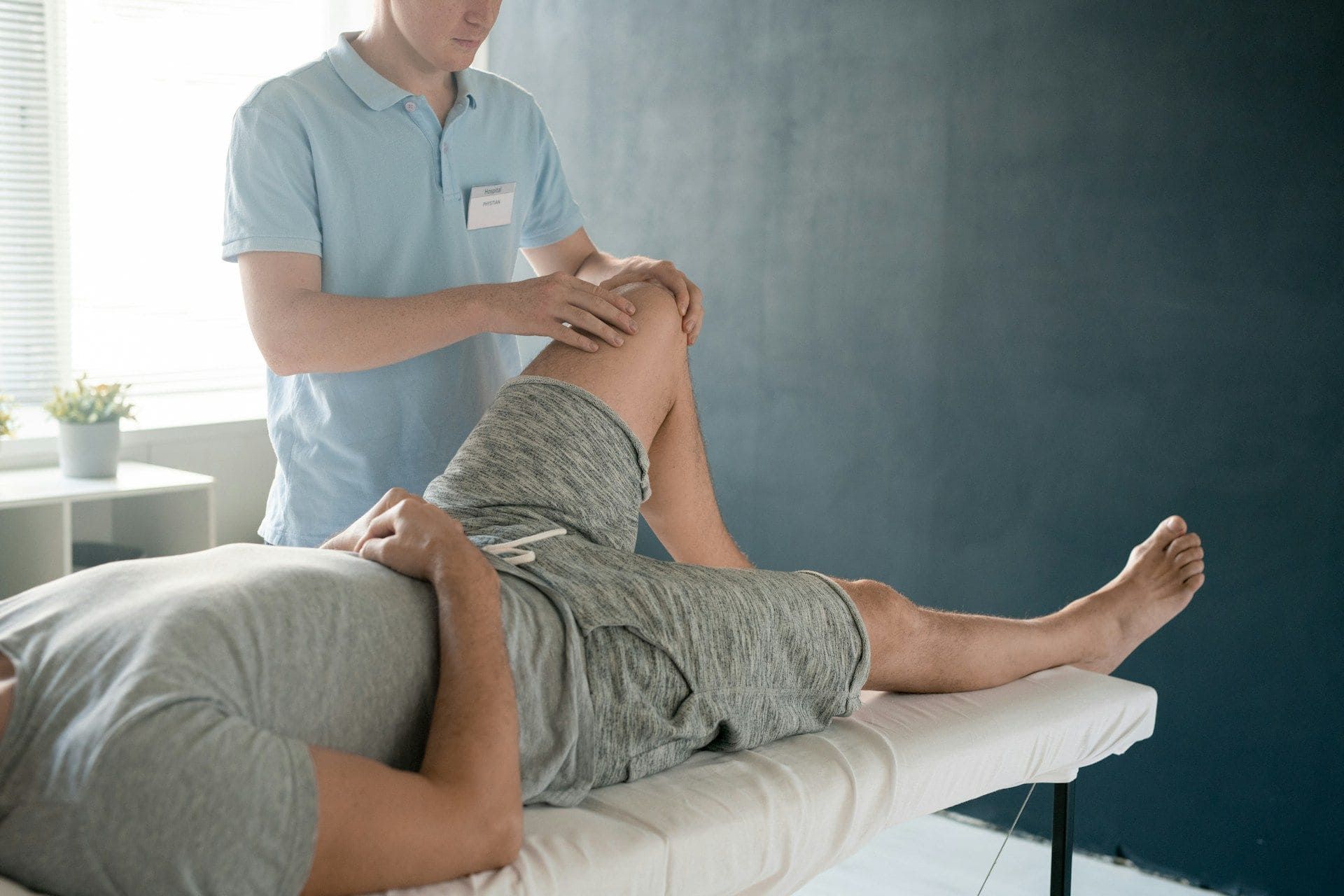
Another common situation is the long-distance commuter with low back pain. Sitting in traffic day after day can leave hips tight and core muscles tired. During screening, we may see limited hip motion and a stiff mid-back. Adjustments and focused hip and core work can help make long drives more comfortable.
We also see that the same area of pain can have different roots for different people:
- A high school athlete with knee pain may need hip strength and landing control
- A retiree with knee pain may need gentle joint motion and balance work
- A desk worker with knee pain may need help with hip flexors, glutes, and posture
All three say “my knee hurts,” but the plan is not the same. That is where a functional movement chiropractor in
Pinellas Park uses screening results to match care to the person, not just the body part. This approach supports common fall goals like staying active, avoiding downtime, and feeling better during travel and family events with less worry about flare-ups.
Restore Confident, Pain-Free Movement Starting Today
If recurring pain or stiffness is limiting your daily activities, we are here to help you move with more control and less discomfort.
Schedule an appointment with our
functional movement chiropractor in Pinellas Park to get a tailored plan that supports your long-term health. At
Essential ChiroCare, we focus on practical, sustainable improvements that fit your lifestyle. Have questions or need to book your first visit now? Simply
contact us to get started.