Cervical Radiculopathy Relief: Home Care or Urgent Care?
Cervical Radiculopathy Relief: Home Care or Urgent Care?
Most people with cervical radiculopathy get meaningful relief through conservative care, without surgery. The most useful first steps are modifying painful activities, starting a short course of NSAIDs if appropriate, and beginning targeted neck exercises or scheduling physical therapy right away. Early action tends to shorten the recovery window and lower the chance of lingering symptoms.
TL;DR:
- About 80 to 90% of patients report good to excellent outcomes within three to six months, but recovery can slow when treatment starts after symptoms persist.
- Seek urgent evaluation for worsening weakness, balance or walking problems, or bowel or bladder changes, because these may signal spinal cord involvement.
- MRI or EMG is usually reserved for severe or worsening symptoms, red flags, treatment planning, or no improvement after four to eight weeks.
- A one to two week NSAID course, when medically appropriate, can accompany gentle movement; stop exercises that sharpen arm pain or increase numbness.
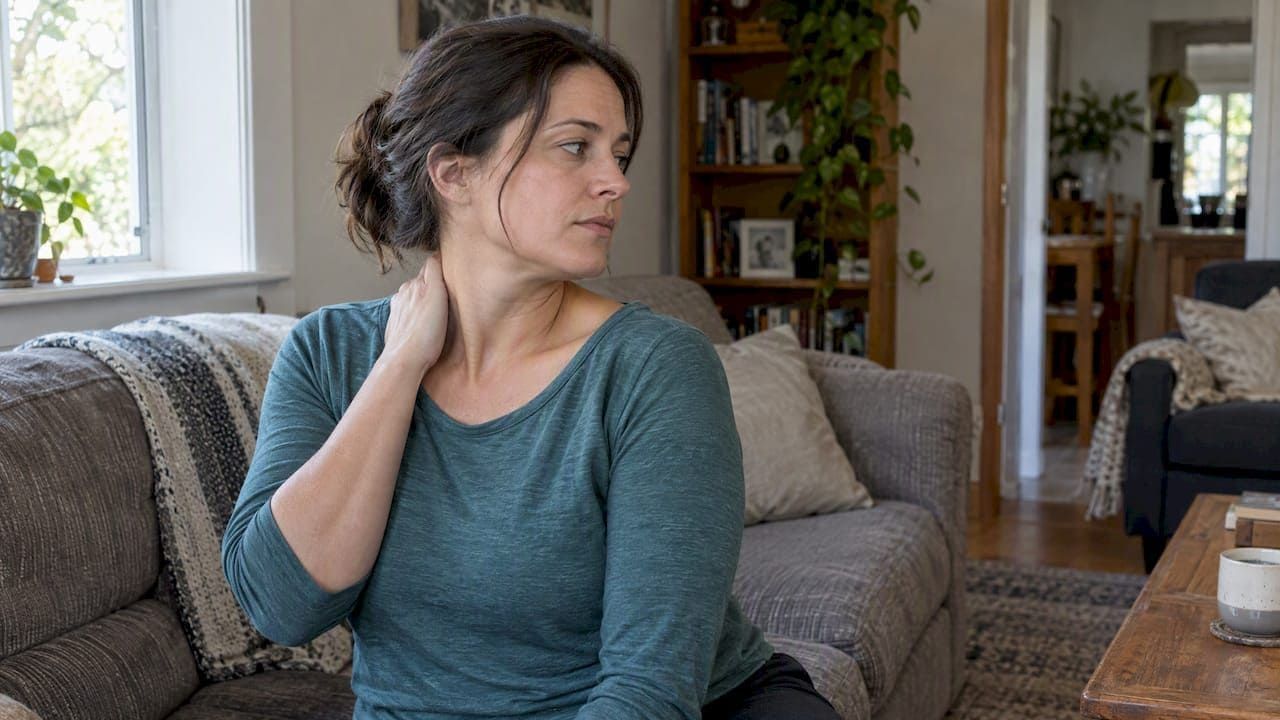
Table of Contents
- What Cervical Radiculopathy Is and Why It Causes Radiating Pain
- Symptoms and Red Flags: Routine Radiculopathy vs. Serious Trouble
- Diagnosis: Exam Findings and When Imaging Makes Sense
- Prognosis and Timeline: What the Evidence Shows About Recovery
- Conservative Relief Options: PT, Medication, Collars, and Injections
- A Staged At-Home Exercise Plan for Cervical Radiculopathy
- Everyday Self-Care That Supports Recovery
- When to Seek Urgent Care or a Specialist Referral
- How Essential ChiroCare Structures Conservative Care for Neck Radiculopathy
- Chiropractic Approaches Built for Cervical Radiculopathy
- Spinal Decompression Therapy for Cervical Radiculopathy
- Manual Muscle Therapy and Nerve Root Compression
- Personalized Plans That Combine Adjustments and Rehab
- What Patients Experience Through Conservative Chiropractic Care
- Preventing Recurrence After Recovery
- A Clinician's Perspective on Realistic Recovery
- Get Supervised Conservative Care for Neck Radiculopathy
- FAQ
- Sources
What Cervical Radiculopathy Is and Why It Causes Radiating Pain
Cervical radiculopathy happens when a nerve root in the neck gets compressed or irritated as it exits the spine. That irritation sends pain, numbness, or weakness down the pathway the nerve serves, often into the shoulder, arm, or hand, even though the actual problem sits in the neck.
A few things commonly trigger this:
- A herniated disc pressing directly on the nerve root
- Bone spurs or foraminal narrowing from arthritis, which gradually squeeze the space the nerve passes through
- Trauma, such as whiplash, that inflames or shifts tissue around the nerve
The pain itself is usually a mix of mechanical pressure and inflammation. Even a small amount of swelling around an irritated nerve root can produce symptoms that feel out of proportion to the physical compression, which is part of why anti-inflammatory strategies play such a large role in early treatment.
Symptoms and Red Flags: Routine Radiculopathy vs. Serious Trouble
Typical cervical radiculopathy feels like a sharp or burning pain that shoots from the neck into the shoulder, arm, or fingers. It often comes with:
- Numbness or tingling along the arm or into specific fingers
- Muscle weakness in the shoulder, biceps, triceps, or hand
- Reduced or absent reflexes on the affected side
- Pain that worsens with certain neck positions, like looking up or turning toward the painful side
Most acute cases resolve without surgery within 8 to 12 weeks , according to clinical guidance on cervical radiculopathy management, which supports a stepwise, nonoperative approach for the majority of patients.
Some symptoms need urgent attention rather than a conservative trial. Call your clinician promptly, or go to an emergency room, if you notice progressive weakness that keeps getting worse, trouble walking or balancing, or any change in bowel or bladder control. These can signal spinal cord involvement rather than a simple pinched nerve, and they change the treatment timeline entirely.
Diagnosis: Exam Findings and When Imaging Makes Sense
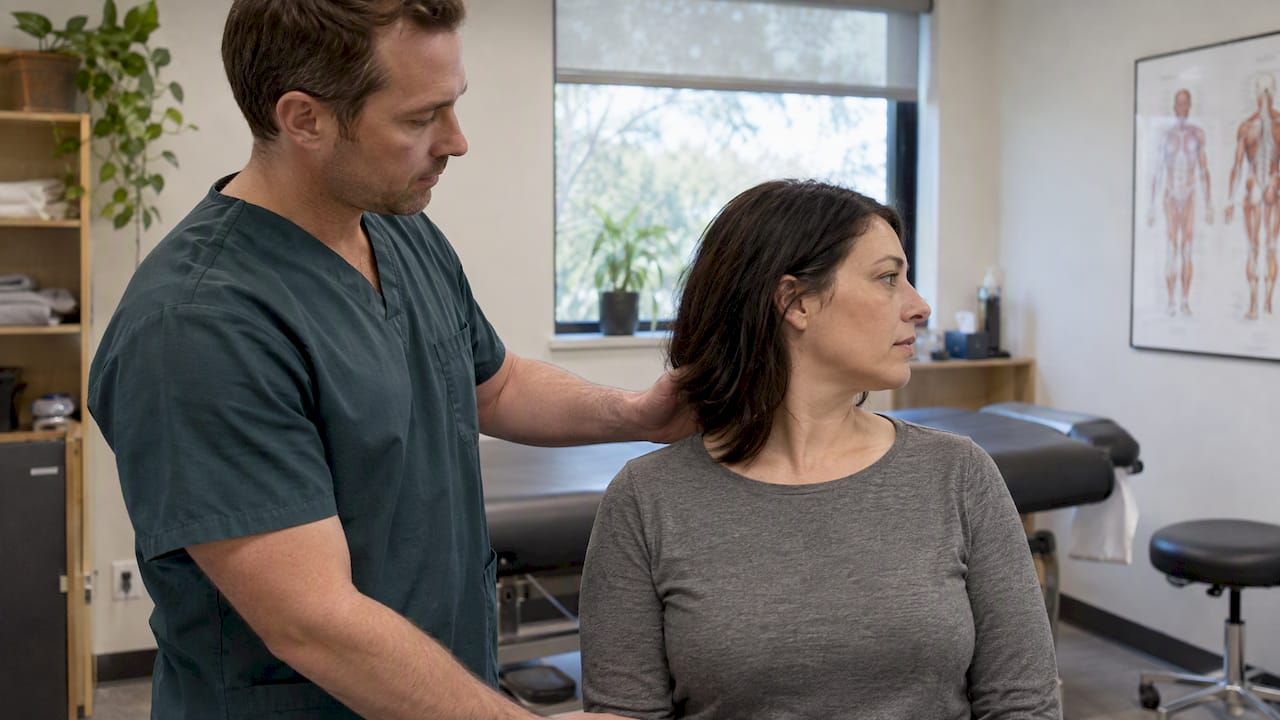
Most cervical radiculopathy is diagnosed through history and a focused physical exam, not immediate imaging. Clinicians look for patterns that match a specific nerve root and often use a few hands-on tests:
- The Spurling test, which reproduces arm symptoms when the neck is tilted and compressed toward the painful side
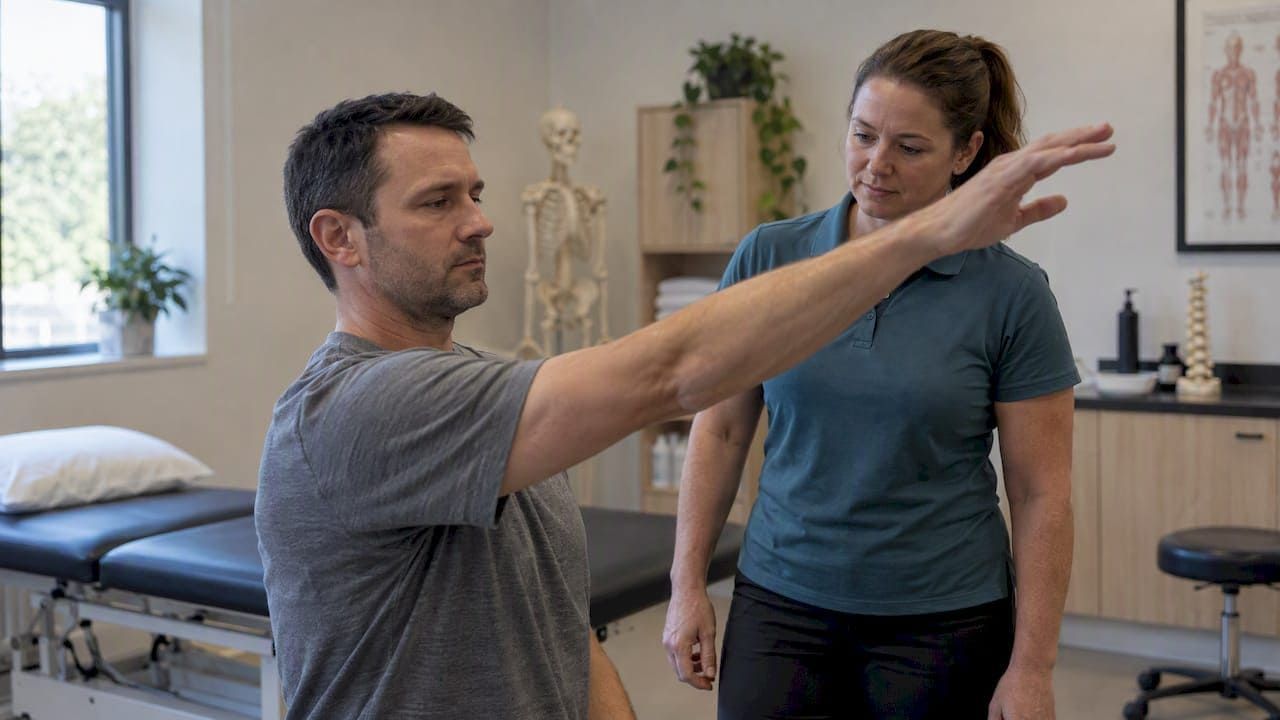
- The shoulder abduction relief test, where lifting the arm overhead eases symptoms
- Upper limb tension testing, which stretches the nerve pathway to see if it reproduces pain
MRI or EMG becomes useful when symptoms are severe, worsening, or not improving after a reasonable conservative trial, when red flags appear, or when a clinician is planning an injection or surgical consultation. Outside those situations, many cases are managed clinically for weeks before any scan is ordered.
Prognosis and Timeline: What the Evidence Shows About Recovery
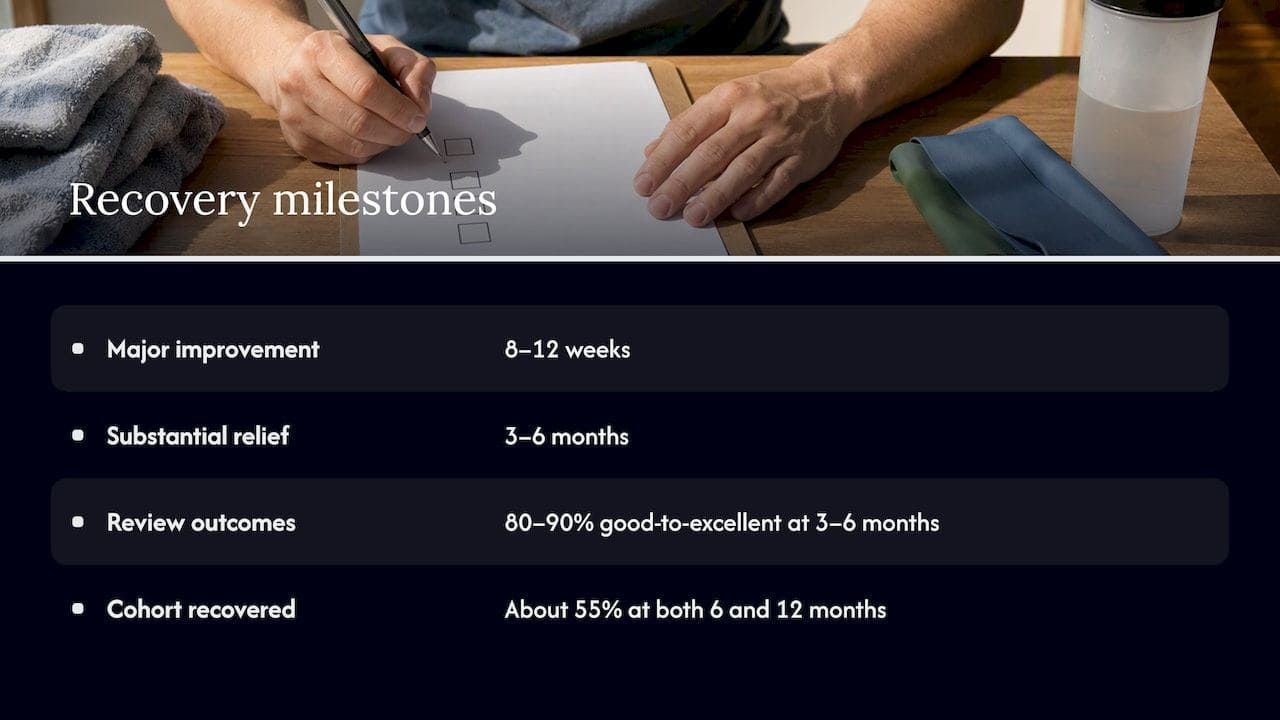
Recovery from cervical radiculopathy tends to follow a predictable arc. Many patients notice major improvement within 8 to 12 weeks, and most see substantial relief within 3 to 6 months of starting conservative care.
Cervical radiculopathy responds well to nonoperative treatment, with roughly 80 to 90% of patients reporting good to excellent outcomes within three to six months , according to a review of cervical radiculopathy management. That is a strong baseline for anyone weighing how aggressively to pursue treatment early on.
Recovery is not universally fast, though. A prospective cohort found that about 55% of patients had recovered at both 6 and 12 months, with slower recovery linked to longer symptom duration before treatment started, higher pain and disability levels at baseline, and reduced neck rotation. The takeaway is practical: starting care earlier and sticking with it tends to shorten the timeline, while waiting it out on your own, or letting pain limit movement for too long, tends to stretch it.
Conservative Relief Options: PT, Medication, Collars, and Injections
Most clinicians combine several conservative tools rather than relying on one. Each addresses a different piece of the problem.
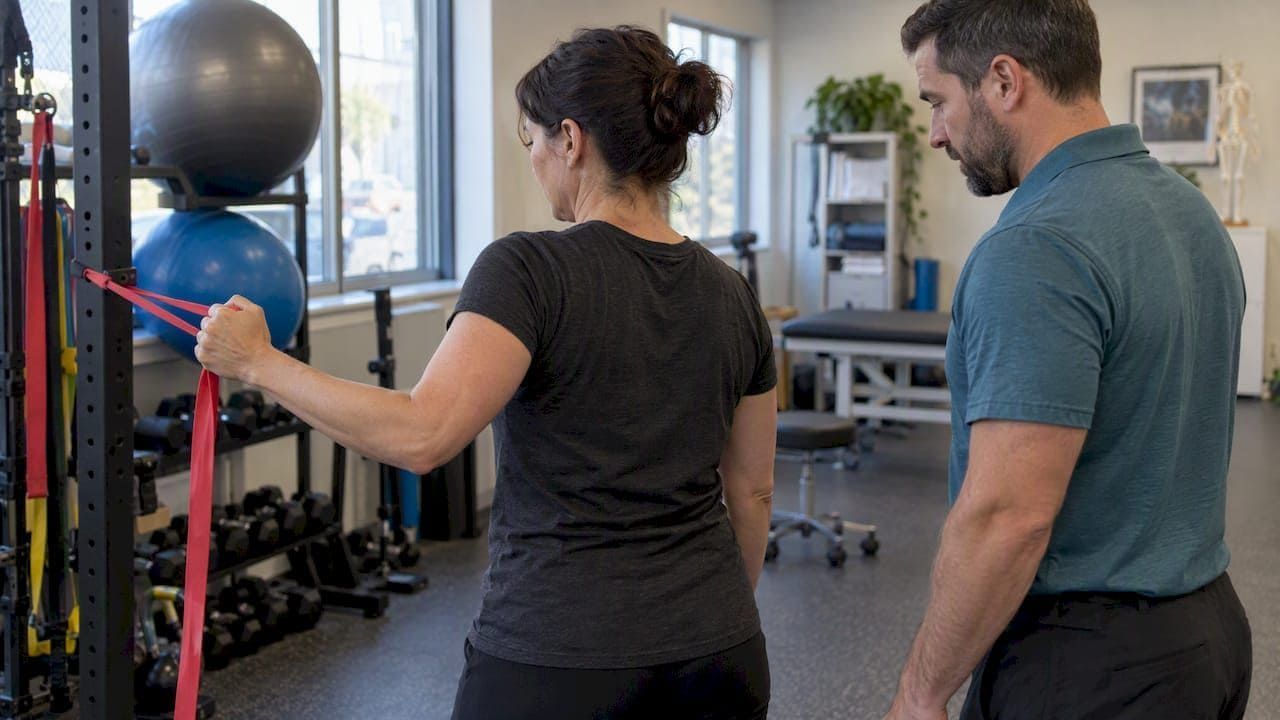
- Physical therapy and structured exercise : stretching, deep cervical flexor strengthening, scapular stabilization, and neural glide exercises all show benefit for pain and function in systematic reviews of exercise interventions, with programs typically running 10 days to 10 weeks.
- Short-term NSAIDs : a 1 to 2 week course is a common recommendation for managing inflammation around the nerve root, according to research on conservative treatment strategies. Oral steroids have a more limited, selective role, and routine opioid use is generally avoided.
- Soft cervical collar and traction : useful as short-term measures. A randomized trial found that a short-term cervical collar paired with rest produced faster early symptom relief than a wait-and-see approach, similar to supervised physical therapy in the first few weeks, though collars should be time-limited to avoid muscle deconditioning.
- Epidural or selective nerve-root steroid injections : an adjunct for persistent radicular pain that has not responded to initial conservative measures. Epidural injections can provide intermediate-term relief and may reduce the need for surgery in selected patients, though they carry small procedural risks and require image guidance and careful patient selection.
The standard approach is multimodal and stepwise: active care, like exercise and movement, paired with selective passive modalities rather than any single fix.
Pro Tip: Pair a short NSAID course with daily gentle movement rather than strict rest; stiffness from inactivity often slows recovery more than the original irritation does.
A Staged At-Home Exercise Plan for Cervical Radiculopathy
A structured, phased program gives irritated nerve roots time to settle while gradually rebuilding strength and tolerance. Progress through these phases based on how your pain responds, not on a fixed calendar.
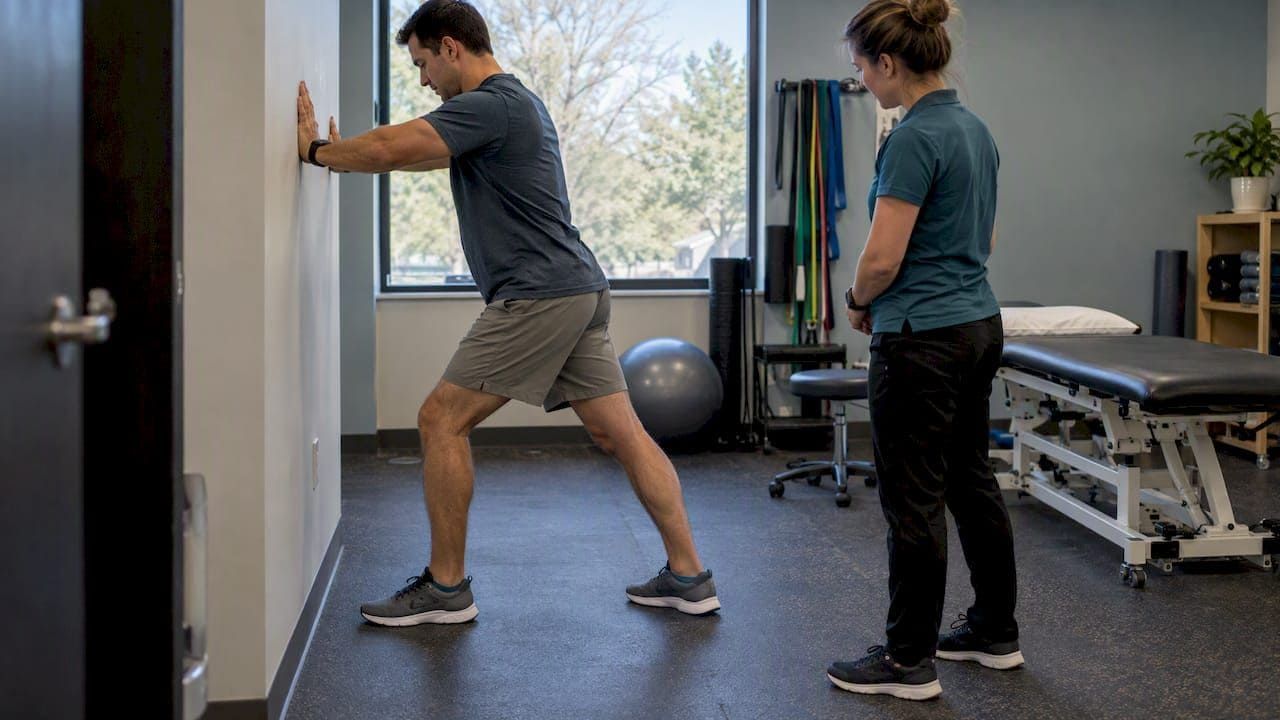
- Phase 1, acute (first 1 to 2 weeks): Keep movement within a pain-limited range. Gentle chin tucks (10 reps, 2 to 3 times daily), slow neural glide exercises, and scapular retraction holds help maintain mobility without provoking symptoms. Stop any motion that sharpens arm pain or numbness.
- Phase 2, subacute (weeks 2 to 6): Add isometric holds for the deep neck flexors, light shoulder girdle strengthening with resistance bands, and thoracic spine mobility drills. Increase frequency to once or twice daily as tolerated.
- Phase 3, conditioning (week 6 onward): Progress to resistance training for the neck and shoulder complex, add light aerobic conditioning, and focus on posture and ergonomic habits that prevent the position-based irritation that started the problem.
A useful rule of thumb: mild, short-lived discomfort during exercise is acceptable, but pain that lingers for hours afterward or radiates further down the arm means you should regress to the previous phase. If symptoms plateau or worsen despite consistent home exercise for several weeks, supervised physical therapy adds hands-on guidance and load progression that is hard to replicate alone.
Pro Tip: Keep a simple pain log for the first month, rating morning and evening pain on a 0 to 10 scale; patterns in that log make it much easier for a clinician to judge whether you are progressing or stalling.
Everyday Self-Care That Supports Recovery
Small daily adjustments reduce the mechanical irritation feeding the nerve root, which speeds up the gains made through exercise and treatment.
- Sleep on your back or side with a pillow that keeps your neck roughly level with your spine; a pillow that's too high or too flat forces the neck into a stressed position for hours at a stretch. Our guide to sleep positions for neck and back pain covers specific setups that reduce strain overnight.
- Adjust your workstation so your monitor sits at eye level and your elbows rest comfortably, which limits the forward head posture that aggravates nerve irritation during the day.
- Modify, rather than eliminate, activity: avoid movements that clearly provoke arm symptoms for a short window, then grade your return to normal activity as pain allows.
- Heat tends to ease muscle tension and stiffness, while ice can calm acute flare-ups; topical analgesics offer a low-risk option for localized discomfort between other treatments.
Our list of proven neck pain relief strategies walks through additional day-to-day adjustments that pair well with a structured exercise program.
When to Seek Urgent Care or a Specialist Referral
Most cervical radiculopathy gets a conservative trial of about 4 to 8 weeks before imaging or referral, assuming there are no red flags. That window gives exercise, medication, and manual care time to work.
Progressive motor loss, new gait disturbance, or any change in bowel or bladder function should prompt immediate evaluation rather than waiting out the usual timeline. If symptoms plateau after a full conservative trial, a referral visit typically adds MRI imaging, a discussion of injection options, or a surgical consultation to map out next steps.
How Essential ChiroCare Structures Conservative Care for Neck Radiculopathy
Conservative care works best when it's organized, not improvised. We build each cervical radiculopathy plan around a few core pieces:
- A detailed intake and movement assessment to pinpoint which nerve level is involved and how it's affecting strength, reflexes, and range of motion
- An individualized rehab plan that blends manual therapy, supervised exercise progression, and spinal decompression where it fits the presentation
- Ongoing follow-up visits that track measurable markers, like grip strength, reflex changes, and pain-free range of motion, rather than relying on how you feel on any given day
- Coordination with imaging or outside referral if symptoms aren't trending the right direction within the expected timeline
Our team includes clinicians with backgrounds working alongside sports teams, which shapes how we sequence rehab for people who want to return to demanding activity, not just feel less pain at rest.
Chiropractic Approaches Built for Cervical Radiculopathy
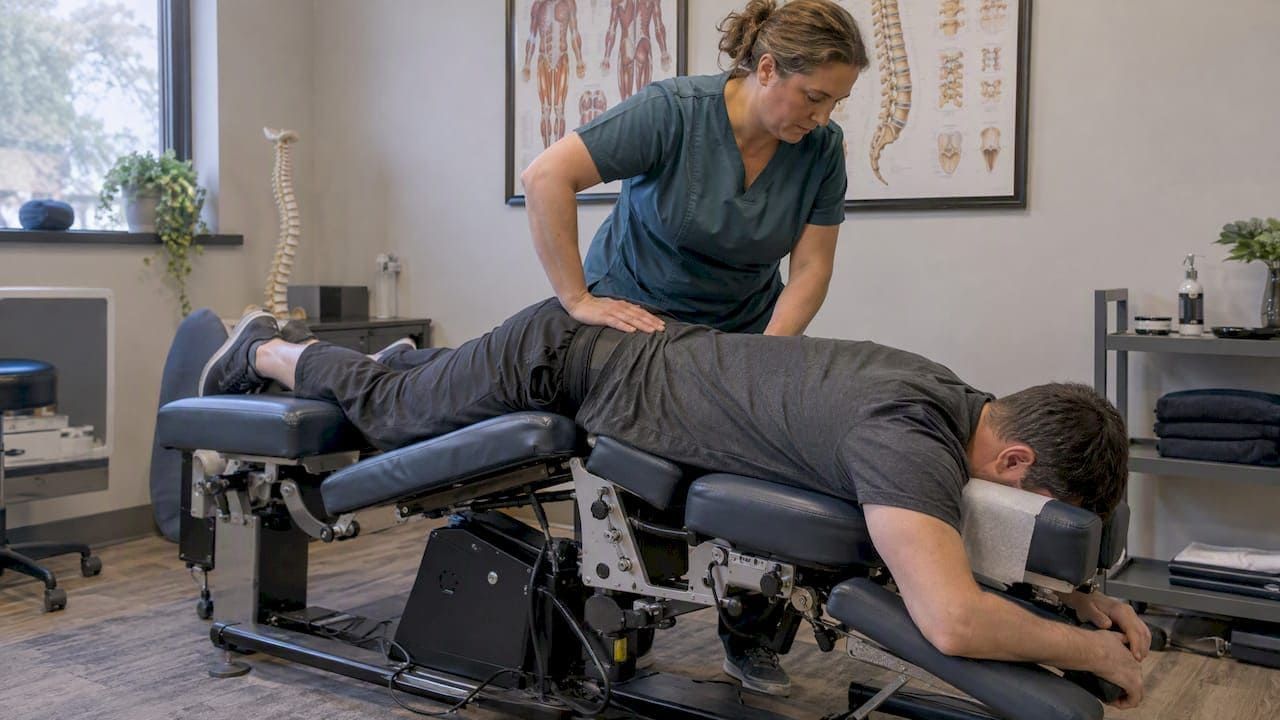
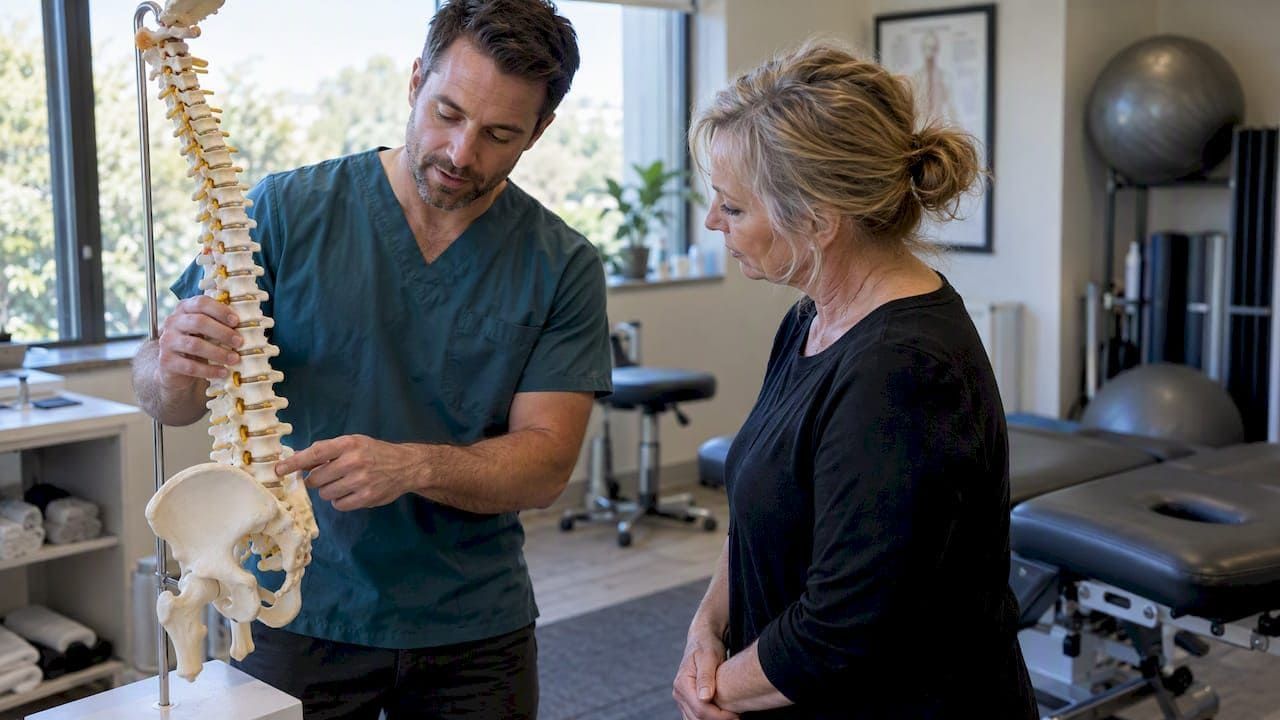
Chiropractic care for cervical radiculopathy centers on restoring normal joint motion in the cervical spine while reducing the mechanical pressure contributing to nerve irritation. A chiropractic adjustment targets segments of the neck that have become restricted or misaligned, which can be contributing to the foraminal narrowing that compresses the nerve root.
The approach typically starts with a motion and palpation assessment to identify which cervical segments are restricted and whether the irritation pattern matches a specific nerve level. From there, treatment usually combines gentle, targeted adjustments with soft tissue work and guided movement, rather than a single generic technique applied to every neck.
Because nerve root irritation can flare with aggressive manipulation in the wrong case, we adjust technique and force based on how acute the irritation is, how it responds to the first few visits, and whether neurological signs like weakness or reflex changes are present. Adjustments are paired with the exercise phases described earlier, so spinal mobility work and strengthening progress together rather than in isolation.
For many patients, this combination addresses both pieces of the problem: the joint restriction that may be narrowing the space around the nerve, and the soft tissue tension that keeps reinforcing the irritation pattern. Our chiropractic care page outlines how we tailor adjustment technique and frequency to each case.
Spinal Decompression Therapy for Cervical Radiculopathy
Spinal decompression works by gently stretching the cervical spine to create more space around a compressed nerve root, which can ease the mechanical pressure driving radicular pain. The goal is to reduce pressure on the disc and nerve long enough for inflammation to settle and healing to progress.
A typical protocol involves a series of sessions using a controlled traction system, with the amount of stretch and the angle of pull adjusted to the specific cervical level involved. Sessions are usually short, and the stretch is applied gradually rather than with a sudden pull, which keeps the treatment comfortable for most patients.
Decompression tends to work well as part of a broader plan rather than as a standalone fix. We typically pair it with the staged exercise progression and manual therapy described earlier, since decompression creates temporary relief of pressure while the strengthening work addresses the postural and muscular patterns that let the compression develop in the first place.
Patients with more significant disc involvement or foraminal narrowing often get the most noticeable benefit, though response varies case by case based on how long symptoms have been present and how much structural narrowing is involved. Our guide to spinal decompression explains the protocol and what a typical course of sessions looks like.
Manual Muscle Therapy and Nerve Root Compression
The muscles surrounding the cervical spine, particularly the scalenes, upper trapezius, and levator scapulae, often tighten protectively around an irritated nerve root. That guarding reduces mobility and can compound the compression rather than relieve it.
Manual muscle therapy targets this guarding directly through hands-on techniques that release tension in these muscle groups, improve local blood flow, and restore more normal movement patterns in the neck and shoulder girdle. Reducing that muscular tension often takes pressure off the surrounding structures and makes the neck more receptive to the strengthening exercises in a rehab program.
Manual therapy is typically used early in a treatment plan, when muscle guarding is highest and range of motion is most limited, then tapered as strength work takes over more of the load. This sequencing matters: manual therapy alone rarely produces lasting change, but it frequently clears the path for exercise to be tolerated and effective sooner than it would be otherwise.
Personalized Plans That Combine Adjustments and Rehab
No two cases of cervical radiculopathy look exactly alike. The nerve level involved, how long symptoms have been present, baseline strength, and daily activity demands all shape what a realistic plan looks like.
Our approach starts with the assessment findings described earlier and builds a plan that sequences chiropractic adjustments, manual therapy, and the staged exercise phases in the order that fits the specific presentation. A patient with significant muscle guarding and limited motion may need more manual therapy up front, while someone with primarily weakness and reduced reflexes may move into strengthening work sooner.
Plans are adjusted at follow-up visits based on measurable progress, strength, reflexes, range of motion, and pain patterns, rather than staying fixed from the first visit. Our physical rehab services work alongside chiropractic adjustments to build the strength and movement patterns that keep symptoms from recurring once the acute phase resolves.
What Patients Experience Through Conservative Chiropractic Care
Recovery from cervical radiculopathy is rarely a straight line. Most patients notice early changes, less sharp arm pain, better sleep, improved range of motion, within the first few weeks of consistent care, with fuller gains in strength and function building over the following months.
What tends to separate better outcomes from stalled ones is consistency: showing up for scheduled visits, doing the home exercise progression between sessions, and communicating promptly when something isn't improving as expected. Patients who stay engaged with the staged plan described earlier tend to track closer to the faster end of the 3 to 6 month recovery window that the research supports.
We track progress at each visit using objective markers rather than relying only on how a patient feels that day, which gives a clearer picture of whether a plan is working or needs adjustment.
Preventing Recurrence After Recovery
Getting past the acute episode is only half the job. Cervical radiculopathy has a tendency to recur when the postural habits and muscle weaknesses that contributed to it the first time are never fully addressed.
A few habits make the biggest difference long term:
- Keep the strengthening work from Phase 3 going even after symptoms resolve, two to three sessions a week is enough to maintain the gains
- Revisit your workstation setup periodically, since posture habits tend to drift back over months
- Stay attentive to early warning signs, like mild neck stiffness or tingling, and address them early rather than waiting for a full flare
- Schedule periodic wellness check-ins to catch developing restrictions before they progress into a new episode
Our posture correction program is built specifically around this kind of long-term maintenance, giving patients a structured way to keep the postural gains from rehab from slipping once regular treatment ends.
A Clinician's Perspective on Realistic Recovery
Patients recover faster when they trust the timeline and stay consistent with their exercises, even on days symptoms feel stubborn. The biggest mistake isn't doing too little, it's stopping early because progress feels slow. If something gets worse rather than better, say so quickly. That single habit, speaking up early, changes outcomes more than almost anything else in conservative care.
Get Supervised Conservative Care for Neck Radiculopathy
If you're managing cervical radiculopathy and want a structured plan rather than guesswork, we built our approach around exactly this: assessment, chiropractic adjustments, manual therapy, and spinal decompression, sequenced to your specific presentation and adjusted as you progress.
Scheduling starts with a visit where we assess your neck's range of motion, strength, and reflexes, then outline a plan with a clear timeline for reassessment. Bring a list of your symptoms, when they started, and anything that makes them better or worse. Explore our chiropractic care services or our physical rehab programs to see how we structure a plan around your recovery.
This article is general information, not a substitute for advice from a qualified doctor. Consult a qualified healthcare professional about your own circumstances before acting on anything here.
FAQ
How severe is cervical radiculopathy pain?
Pain severity varies widely, from a mild ache to sharp, shooting pain that radiates into the arm or hand. Most cases are manageable with conservative care, and roughly 80 to 90% of patients see good to excellent outcomes within 3 to 6 months.
What are the symptoms of a pinched nerve in the lower back?
A pinched nerve in the lower back typically causes pain that radiates into the buttock or leg, along with numbness, tingling, or weakness in the affected leg or foot. This condition, lumbar radiculopathy, shares a similar mechanism to cervical radiculopathy but affects a different nerve pathway.
Will a pinched nerve in your neck eventually go away?
Most cases improve substantially with conservative treatment, often within 8 to 12 weeks and frequently within 3 to 6 months. Recovery speed depends on factors like how long symptoms were present before treatment started and how consistently a rehab plan is followed.
Is heat or cold better for a pinched nerve in the neck?
Cold tends to help during acute flare-ups by calming inflammation, while heat is generally more useful for easing muscle tension and stiffness once the sharpest pain has settled. Many people alternate between the two depending on which symptom, inflammation or stiffness, feels dominant that day.
Sources
- Cervical radiculopathy: review article (PMC4958381)
- Conservative treatments for cervical radiculopathy (PubMed 20052961)
- PT or cervical collar RCT (Kuijper et al.) (PMC3183940)
- StatPearls: Cervical radiculopathy management (NBK441828)
- Clinical course and prognostic models for conservative management (PubMed 30327908)
Recommended