
Soft Tissue Injury After a Car Accident: Exam First, Rehab Next
A soft tissue injury after a car accident involves damage to muscles, tendons, or ligaments, and the most important first step is a prompt medical exam, even when pain feels minor. Start simple first aid like rest and ice, write down your symptoms as they appear, and take photos of any visible bruising or damage. Most people recover fully with early, conservative care.
TL;DR:
- A clean X ray does not rule out soft tissue damage; clinicians reserve MRI or CT for suspected nerve, disc, or structural problems.
- Neck or back pain, headaches, dizziness, and tingling may emerge hours or days later; seek reassessment if symptoms worsen or stop improving over several weeks.
- During the first 48 to 72 hours, use rest, ice, compression, and elevation; begin gentle movement when acute pain allows to limit stiffness.
- Progressive weakness, numbness, bowel or bladder changes, breathing difficulty, head injury signs, joint deformity, or uncontrolled pain warrant immediate emergency care.

Table of Contents
- What soft tissue injuries are and why imaging can miss them
- Common types of soft tissue injuries after a car accident
- Immediate and delayed symptoms: what to expect and when
- How clinicians diagnose soft tissue injuries after a crash
- Treatment and recovery: a practical step-by-step path
- Red flags that mean you should seek emergency care
- Documenting your injury for care and for your claim
- How chiropractic and rehab care support your recovery
- A quick note on pacing your recovery
- Get evaluated sooner rather than later
- FAQ
- Sources
What soft tissue injuries are and why imaging can miss them
Soft tissue refers to muscles, tendons, ligaments, and fascia, the connective layers that stabilize your joints and allow movement. In a crash, sudden deceleration, impact, or bracing against the wheel can stretch or tear these structures even at low speeds.
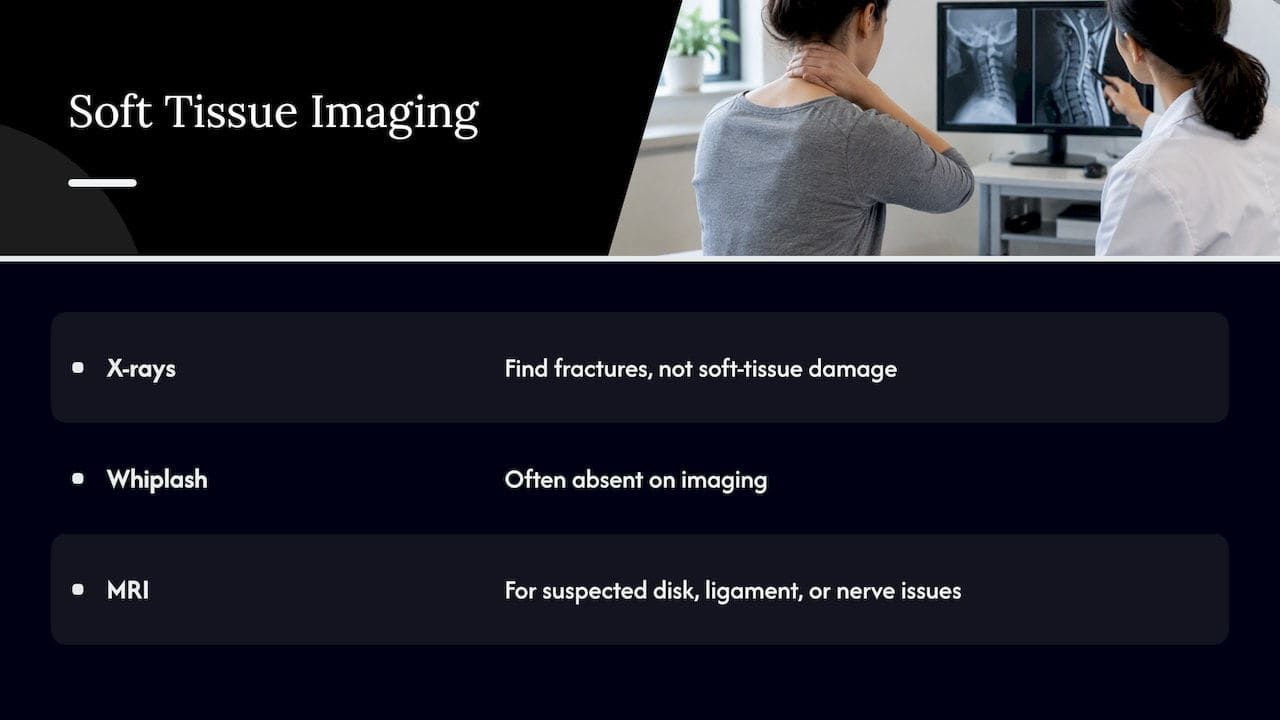
Standard X-rays are built to find fractures, not soft tissue damage, which is why a clean X-ray does not rule out an injury. Mayo Clinic notes that whiplash often does not show up on imaging at all, and MRI is reserved for cases where the exam or neurologic symptoms point to a disk, ligament, or nerve problem. Rear-end collisions tend to produce whiplash through rapid neck extension and flexion, while frontal impacts and bracing more often strain the shoulders, chest, and lower back.
Common types of soft tissue injuries after a car accident
Several injury patterns show up again and again after a collision, and recognizing which one matches your symptoms helps you describe them accurately to a clinician.
- Whiplash causes neck pain, stiffness, and reduced range of motion, most often after rear-end impacts.
- Strains and sprains affect muscles and tendons (strains) or ligaments (sprains), ranging from mild overstretching to partial tears with swelling and weakness.
- Contusions and hematomas appear as bruising and localized swelling where the body struck the seatbelt, door, or dashboard.
- Herniated discs can develop from the same forces that cause whiplash, sometimes producing radiating pain, tingling, or numbness down an arm or leg.
Severity varies widely within each category, so two people with "whiplash" can have very different recovery timelines depending on how much tissue was actually affected.
Immediate and delayed symptoms: what to expect and when
Some symptoms show up right away: pain, swelling, bruising, and a noticeable loss of motion in the neck, back, or shoulders. Others take longer to surface.
- Immediate signs include sharp pain, visible swelling, bruising, and stiffness that limits movement.
- Delayed signs such as increasing neck or back pain, headaches, dizziness, or numbness and tingling can appear hours or even days after the crash.
This delay happens because inflammation builds gradually and adrenaline can mask pain in the first hours after impact. Harvard Health reports that stress and post-traumatic symptoms following a crash can increase reported pain and slow functional recovery , which is one reason the emotional aftermath of an accident deserves attention alongside the physical one. Many mild to moderate soft tissue injuries improve steadily over several weeks with conservative care. If pain plateaus or worsens past that window instead of easing, it is a signal to get reevaluated rather than wait it out.
How clinicians diagnose soft tissue injuries after a crash
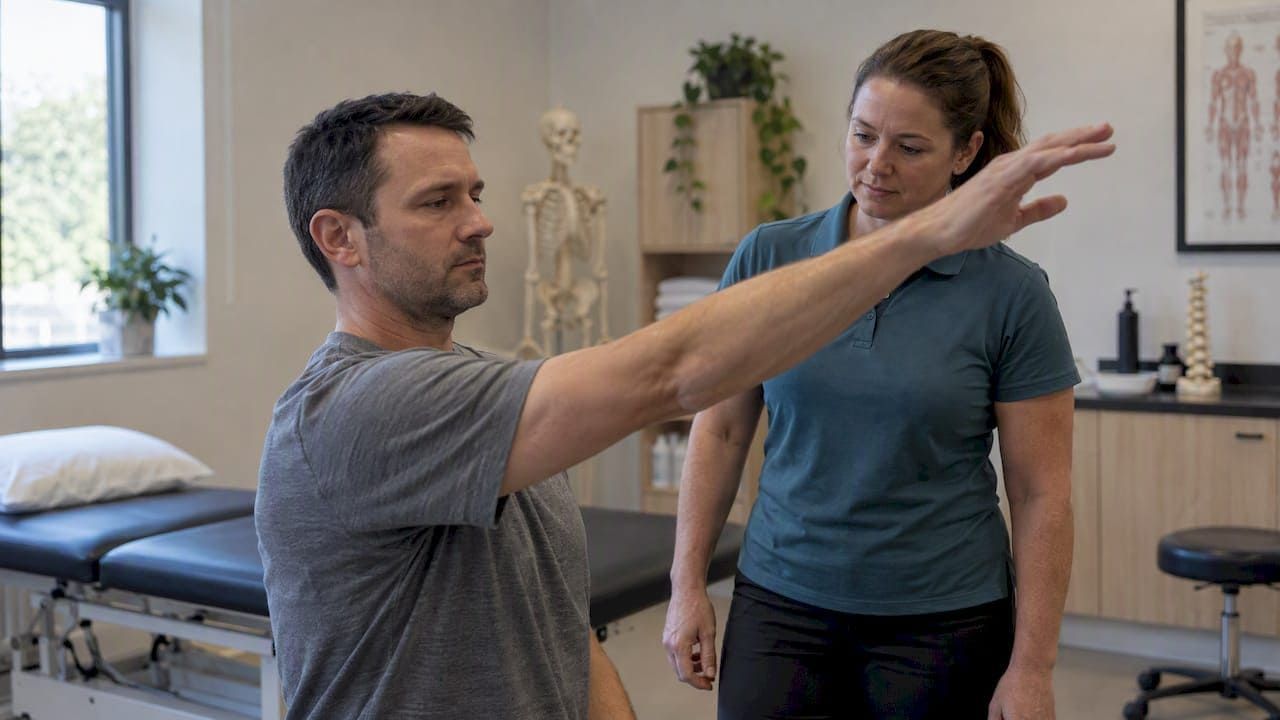
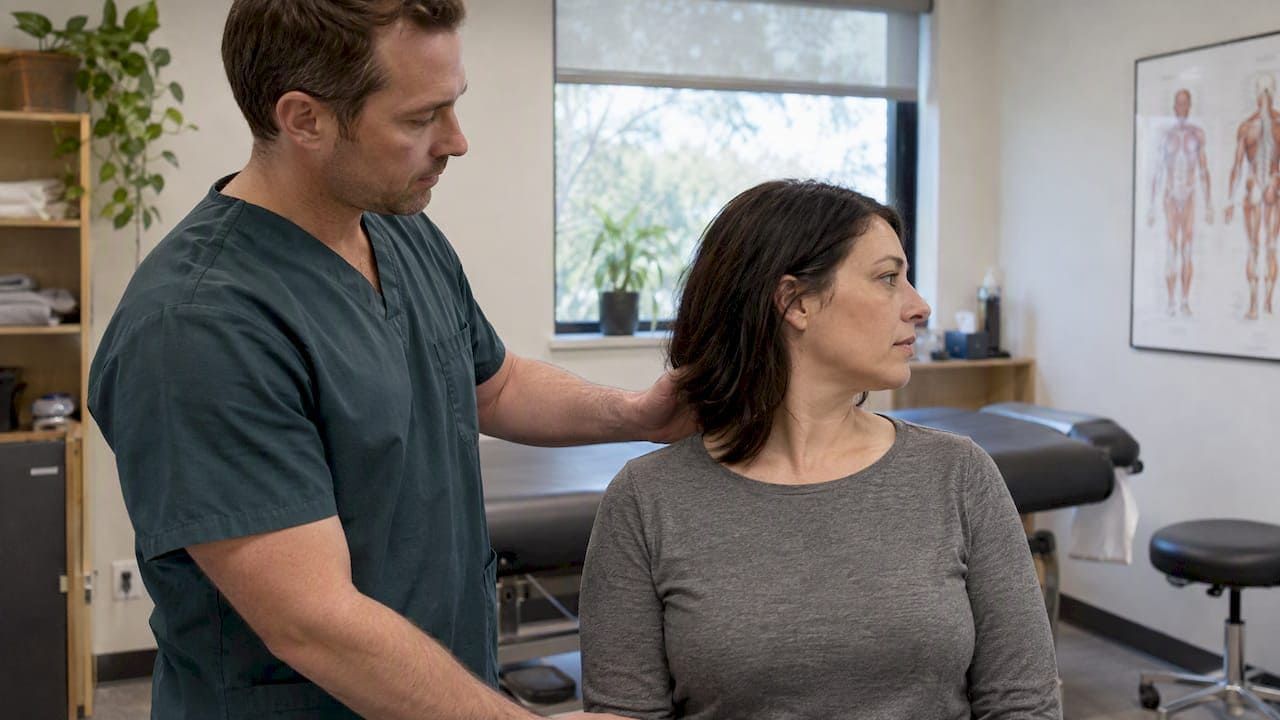
A thorough exam starts with your history: how the crash happened, where you felt impact, and how symptoms have evolved since. From there, a clinician uses targeted physical tests, checking range of motion, tenderness, reflexes, and strength to map which structures are involved.
Imaging is not automatic. X-rays rule out fractures, while CT or MRI gets ordered when the exam suggests nerve involvement, a suspected disc injury, or symptoms that do not fit a simple muscle strain. Getting evaluated soon after the crash, even if symptoms feel minor, creates a documented medical record that supports both your treatment plan and any insurance claim tied to the accident. Waiting weeks to seek care makes it harder for anyone, including an insurer, to connect your symptoms to the crash itself.

Treatment and recovery: a practical step-by-step path
Recovery from a soft tissue injury generally follows a predictable progression, though the pace depends on the person and the injury's severity.
- Start with short-term rest, ice, compression, and elevation in the first 48 to 72 hours to control swelling and pain.
- Use over-the-counter pain relievers as needed during that early window, following label guidance.
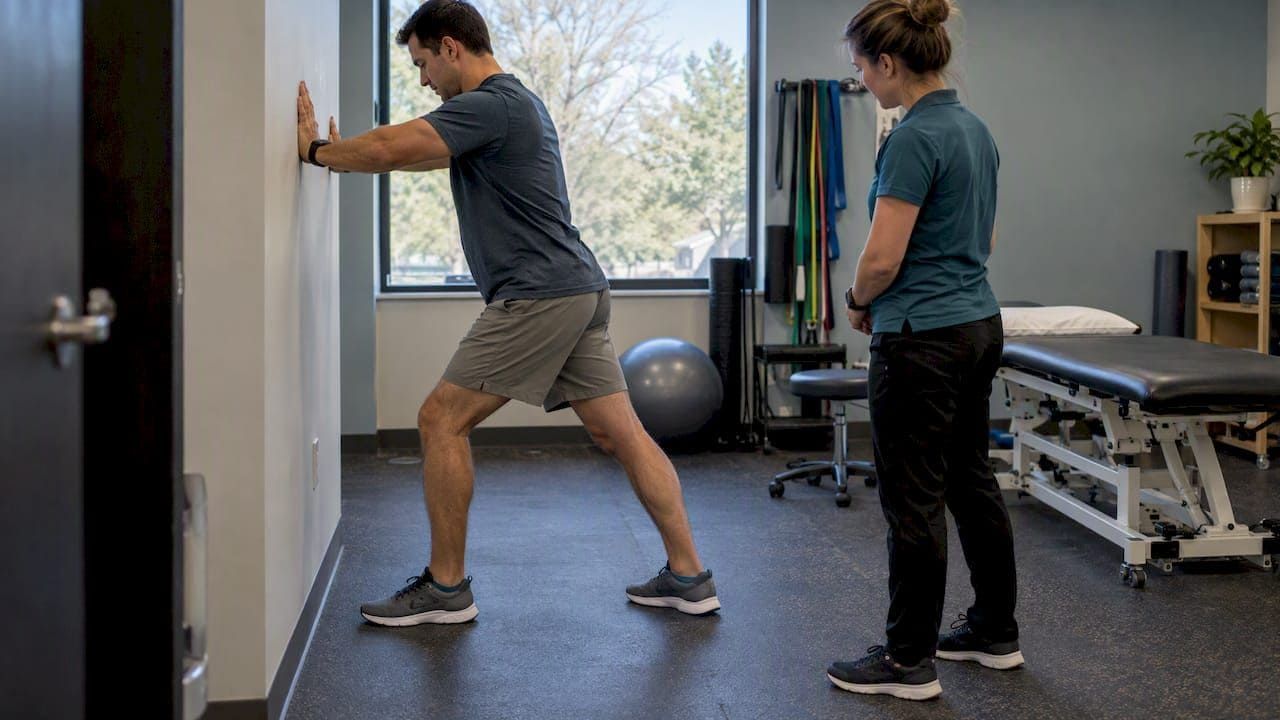
- Begin gentle range-of-motion movement as soon as acute pain allows, since prolonged immobility tends to prolong stiffness rather than prevent it.
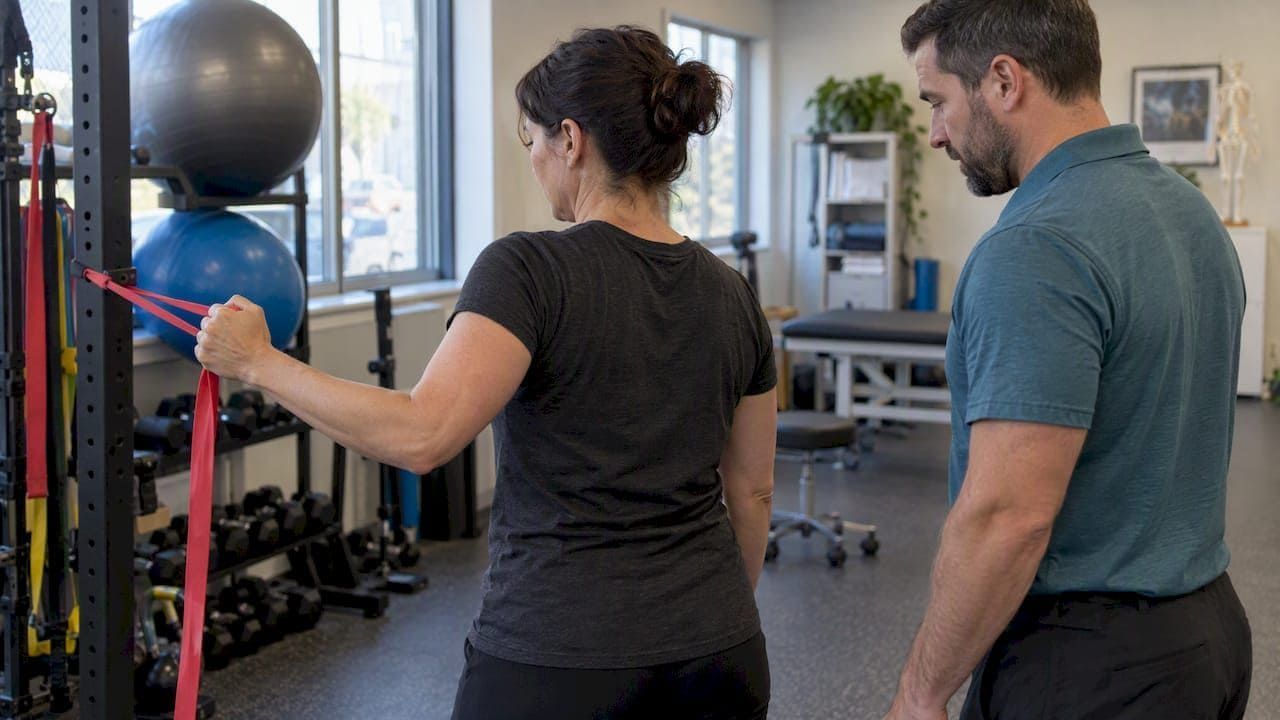
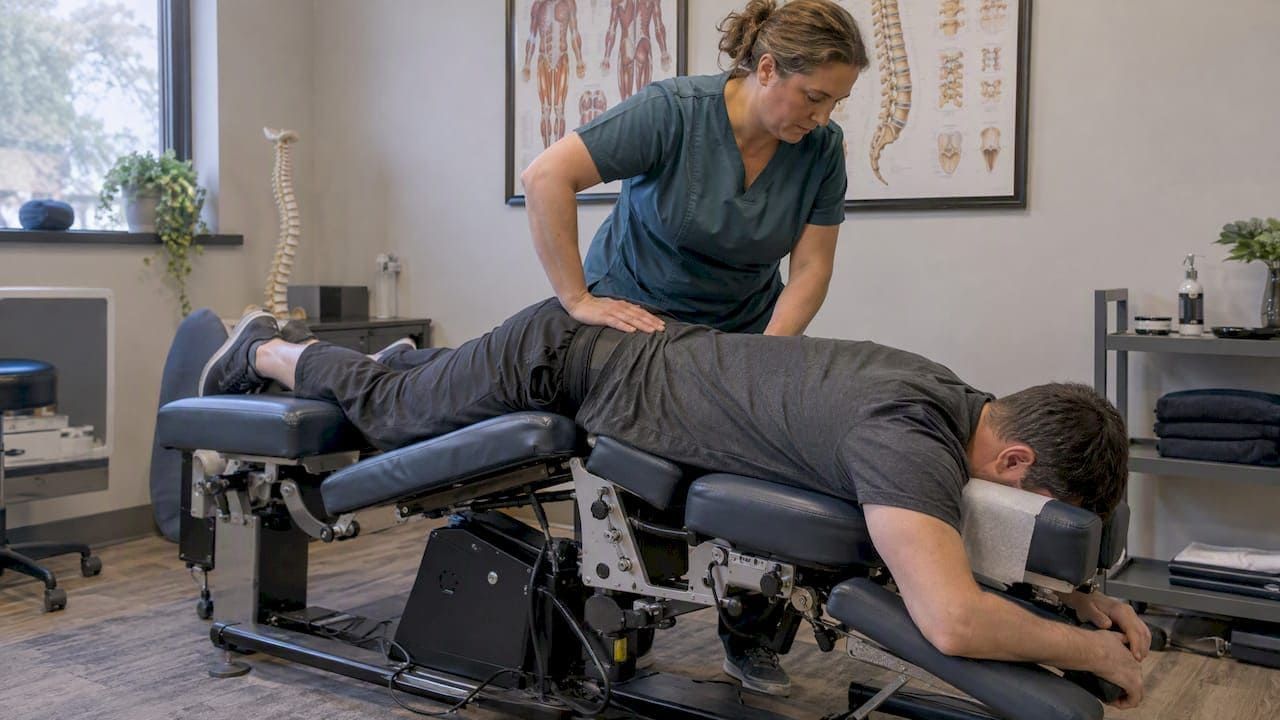
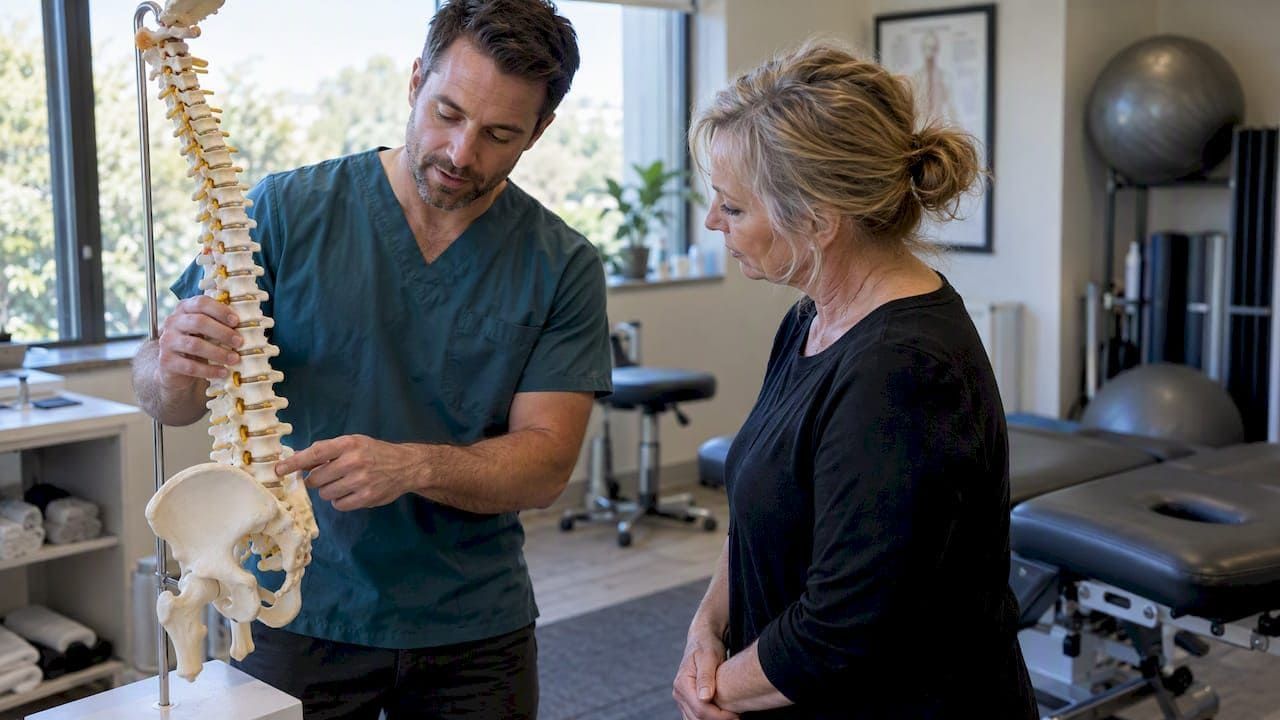
- Progress into guided physical therapy or chiropractic care , which combines hands-on treatment with structured exercise to rebuild strength and flexibility.
- Escalate to injections or a surgical consult only if neurologic symptoms persist or imaging confirms a structural tear that is not responding to conservative care.
Manual therapy and spinal decompression often fit into this middle stage, helping restore joint mobility while a rehab program rebuilds the surrounding muscle support. Review evidence on soft tissue trauma supports this staged, conservative approach for most cases, reserving more invasive options for injuries that do not improve.
Recovery speed varies by age, prior injuries, overall health, and even psychological stress from the crash itself, so two people with similar injuries can heal at different rates.
Pro Tip: Keep moving within your comfort range early on. A few minutes of gentle stretching each day tends to beat strict bed rest for avoiding long-term stiffness.
Red flags that mean you should seek emergency care
Most soft tissue injuries are not emergencies, but certain signs mean you should not wait for a scheduled appointment.
- Progressive weakness, numbness, or loss of bowel or bladder control.
- Severe, uncontrolled pain that is not responding to rest or medication.
- Difficulty breathing, signs of a head injury, or visible joint deformity.
Any of these warrants a trip to the emergency room rather than a wait-and-see approach.
Documenting your injury for care and for your claim
Thorough documentation protects both your treatment plan and any insurance process that follows. Keep copies of every ER visit, clinic note, imaging result, and therapy record from the start.
- Photograph visible bruising, swelling, or vehicle damage as soon as possible after the crash.
- Keep a symptom diary noting dates, times, pain levels, and activities that make symptoms better or worse.
- Save all invoices, referrals, and prescription records tied to your care.
When describing symptoms to a clinician, be specific about location, intensity, and what triggers or eases the pain rather than giving a general "it hurts" report. Partner resources like this auto accident soreness FAQ cover practical tips on what adjusters look for when reviewing documentation, which is worth a read if you plan to file a claim.
How chiropractic and rehab care support your recovery
We build treatment plans around your specific injury pattern and history rather than a one-size-fits-all protocol, combining hands-on chiropractic adjustments with structured rehab exercises to restore motion and strength. Our approach to whiplash reflects this coordinated model, and with locations across West Central Florida, scheduling an evaluation soon after a crash is straightforward for most patients in the region.
A quick note on pacing your recovery
Get checked early, even if your pain feels manageable right now. Soft tissue injuries respond best to a balance: enough rest to calm inflammation, enough movement to avoid stiffness. If pain lingers past a few weeks, do not just push through it. Get it looked at.
Get evaluated sooner rather than later
We treat auto accident injuries, whiplash, and soft tissue damage with hands-on chiropractic adjustments and guided physical rehab, built around your specific injury. If you were in a crash recently, getting checked now gives you a clearer recovery path and a documented record.
Schedule an evaluation through our auto accident and personal injury treatment page, or explore our chiropractic care services to find the right starting point for your recovery.
This article is general information, not a substitute for advice from a qualified doctor. Consult a qualified healthcare professional about your own circumstances before acting on anything here.
FAQ
Do soft tissue injuries heal on their own?
Most mild to moderate soft tissue injuries heal well with conservative care like rest, gentle movement, and guided rehab. Severity and how quickly you start treatment both affect the pace and completeness of recovery.
What does bodily injury coverage pay for after an accident?
Bodily injury coverage typically pays for medical expenses, lost wages, and pain and suffering tied to injuries another driver caused in a crash. Exact coverage depends on your policy and state requirements, so check your specific policy terms.
What are delayed symptoms after a car accident?
Delayed symptoms can include stiffness, headaches, dizziness, and numbness or radiating pain that show up hours or days after the crash rather than immediately. This happens partly because adrenaline and inflammation can mask pain in the first hours after impact.
How is a soft tissue injury diagnosed?
Diagnosis usually starts with a physical exam checking range of motion, tenderness, and reflexes, paired with your account of how the crash happened. Imaging like MRI gets added only when the exam suggests nerve involvement or a structural injury that an X-ray would not detect.
Sources
For more detail beyond this guide, the clinical sources below cover diagnosis, treatment, and recovery evidence for soft tissue injuries in greater depth.