
Lower Back Spasms: First 72 Hours, Move Gently Instead of Resting
A lower back spasm is an involuntary tightening of the muscles in your lower back, and the best first move is gentle activity paired with heat or ice, plus an over-the-counter NSAID if it is safe for you. Skip prolonged bed rest. Go to the emergency room right away for numbness between your legs, new bowel or bladder changes, or leg weakness that is quickly getting worse.
TL;DR:
- Seek emergency care for numbness in the groin or inner thighs, new bowel or bladder problems, or rapidly worsening weakness in both legs.
- For the first few days, use heat or ice, take an NSAID only if safe, and choose short walks over prolonged bed rest.
- Routine scans are not recommended for uncomplicated acute pain; clinicians reserve imaging for warning signs or symptoms that persist or radiate down a leg.
- Once sharp pain eases, try gentle stretches and short walks, then rebuild strength gradually; stop exercising if numbness, weakness, or radiating pain worsens.

Table of Contents
- What causes lower back spasms
- How spasms feel and which symptoms need urgent care
- Immediate at-home relief for the first 72 hours
- When to see a provider and what to expect
- Stretches and exercises to ease a spasm and rebuild
- Daily habits that lower the chance of another spasm
- How we approach lower back spasms
- Lower back spasms after an auto accident or personal injury
- Long-term management to keep spasms from coming back
- Our editorial take: relief first, scans and rest last
- Essential ChiroCare as a treatment option for lower back spasms
- FAQ
- Sources
What causes lower back spasms
Most spasms start with a mechanical trigger. A strained muscle from lifting something awkwardly, a sudden twist, or a workout that was heavier than your back was ready for can all make nearby muscles clamp down. Cleveland Clinic lists muscle strain, overuse, dehydration and nerve issues among the usual culprits.
Posture matters too. Hours hunched over a laptop or in a car seat keep the same muscles working without a break, and they eventually protest. Sometimes the spasm is protective: an irritated disc, facet joint or sacroiliac joint can set off muscle guarding around the area, which is your body trying to limit movement of something sore.
Fluid and minerals play a smaller but real role. Low water intake and imbalances in potassium, magnesium or calcium can make muscles more cramp-prone. Stress rounds out the list. Tense shoulders and a clenched jaw have a lower-back cousin, and long stretches of worry can leave those muscles primed to seize up after a minor trigger.
How spasms feel and which symptoms need urgent care
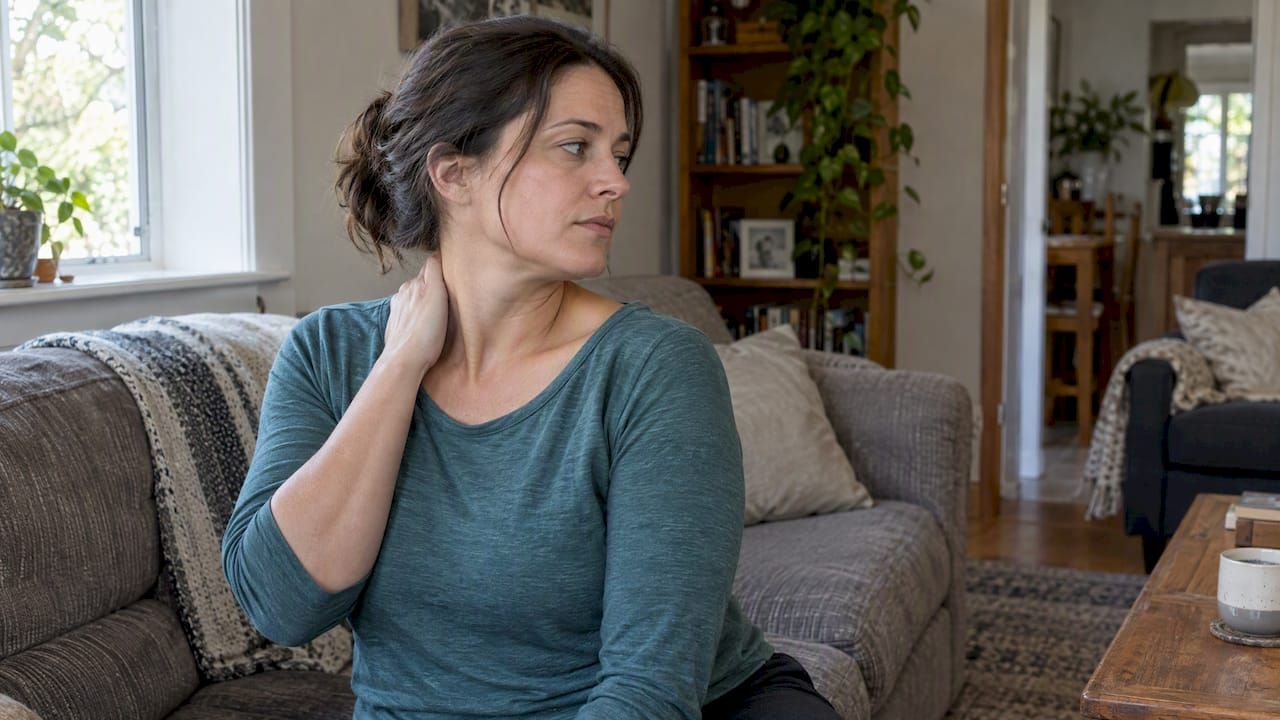
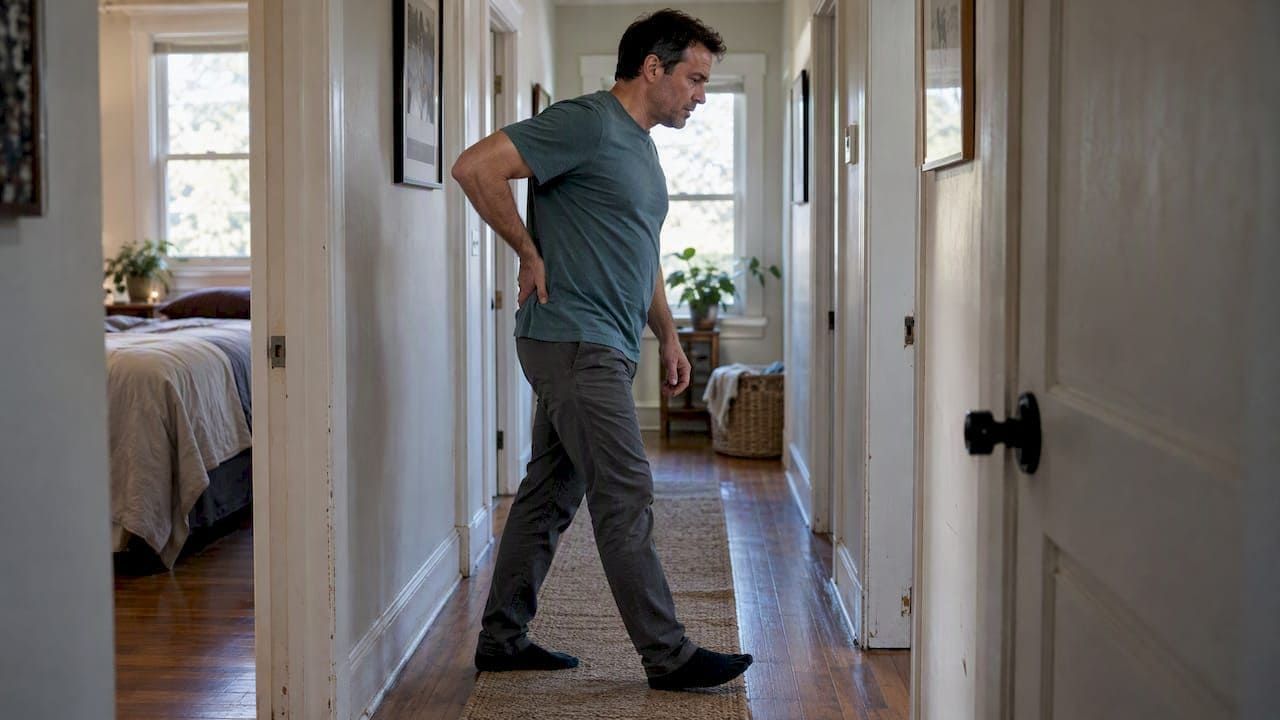
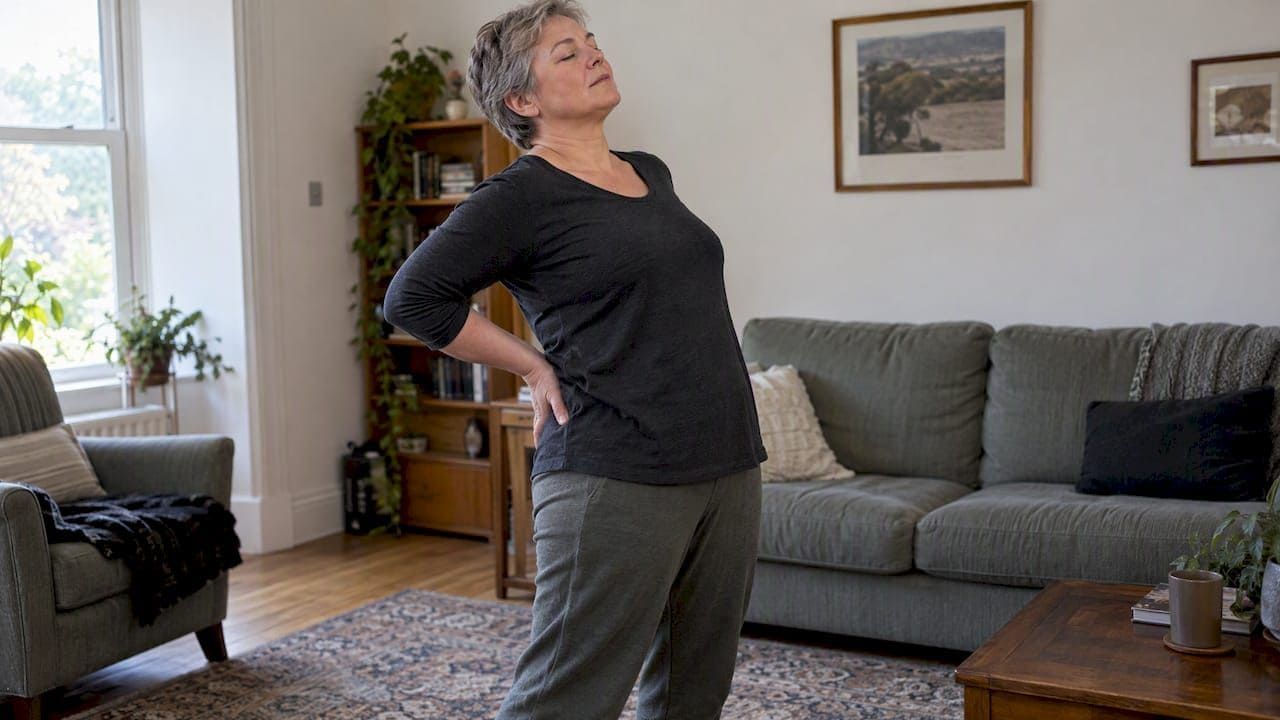
A typical spasm shows up as sudden tightness or a cramp in one spot, pain when you press on it, and a back that will not bend or twist the way it normally does. It can come in waves and often eases a bit when you find a comfortable position.
Pay attention to symptoms that suggest a nerve is involved: numbness, tingling, or pain that shoots down a leg. Those deserve a call to a clinician. The truly urgent signs are different. Cauda equina syndrome is a rare surgical emergency, and its warning signs are:
- Numbness in the groin or inner thighs (saddle anesthesia)
- New trouble controlling your bladder or bowels
- Weakness in both legs that is rapidly getting worse
If you notice any of these, go to the ER rather than waiting for an appointment. Most ordinary spasms improve within days to a few weeks. Pain that lingers or keeps worsening needs a medical review.
Immediate at-home relief for the first 72 hours
Start simple. If the area feels swollen or you just strained it, ice may help. Heat can also soothe tight muscles. Guidelines from the American College of Physicians support superficial heat, massage and staying active over prolonged inactivity for acute low back pain.
- Move gently. Short, frequent walks beat lying flat. Harvard Health advises limiting bed rest and easing back into normal activity as pain allows.
- Choose your medication carefully. NSAIDs such as ibuprofen or naproxen are preferred when they are safe for you. Acetaminophen is an alternative, though it lacks the anti-inflammatory effect. Muscle relaxants may help briefly but carry side effects like drowsiness, and opioids are generally not first-line.
- Add helpers. A topical analgesic, firm self-massage pressure, and plenty of fluids all support recovery.
- Avoid the usual mistakes. Do not stay in bed for days, jump into heavy lifting too soon, or lean on opioids.
Pro Tip: Set a phone timer to stand and walk regularly while the spasm settles. Small, regular movement keeps the muscles from stiffening back up.
When to see a provider and what to expect
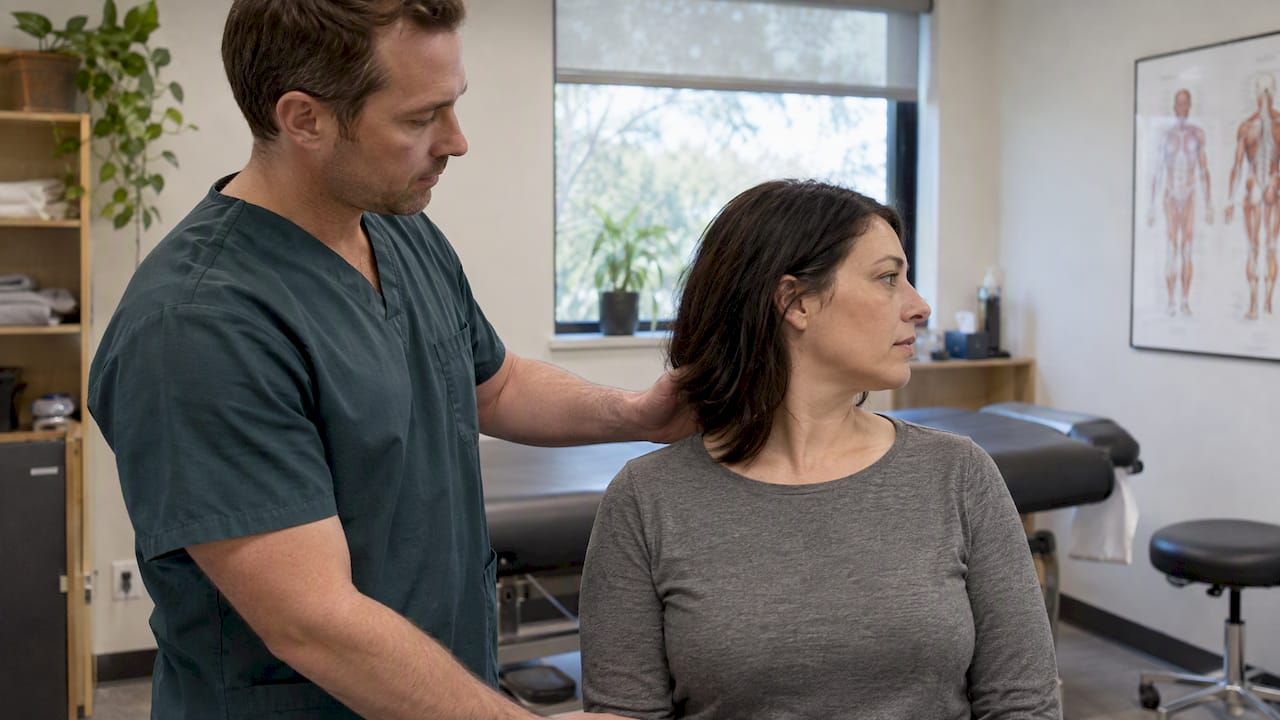
Call a clinician if you have any red flag above, if you are not improving, or if numbness or weakness is progressing. A visit usually starts with a focused history, a neurological exam, and hands-on tests to pinpoint where the pain is coming from.
You may be surprised that a scan often is not part of the first visit. The WFNS Spine Committee consensus advises against routine imaging for uncomplicated acute low back pain, reserving it for red flags or persistent or radiating symptoms. Conservative care comes first:
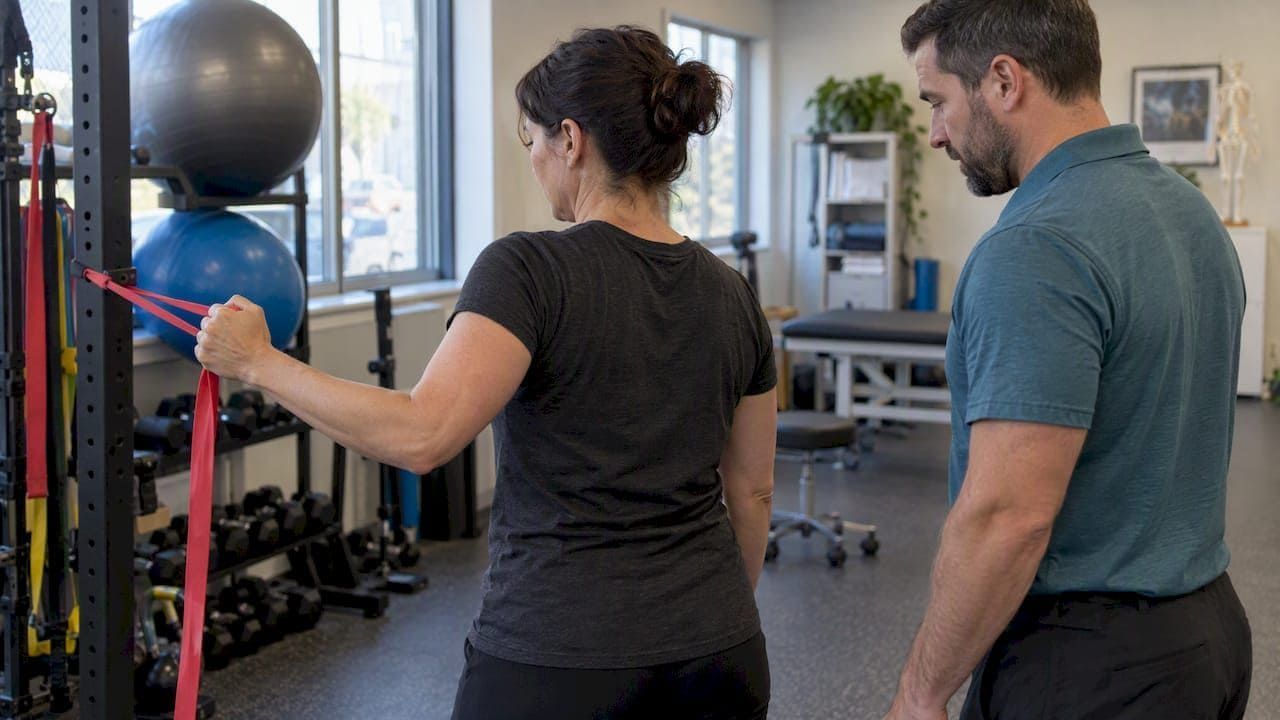
- Clinician-directed exercise and physical therapy
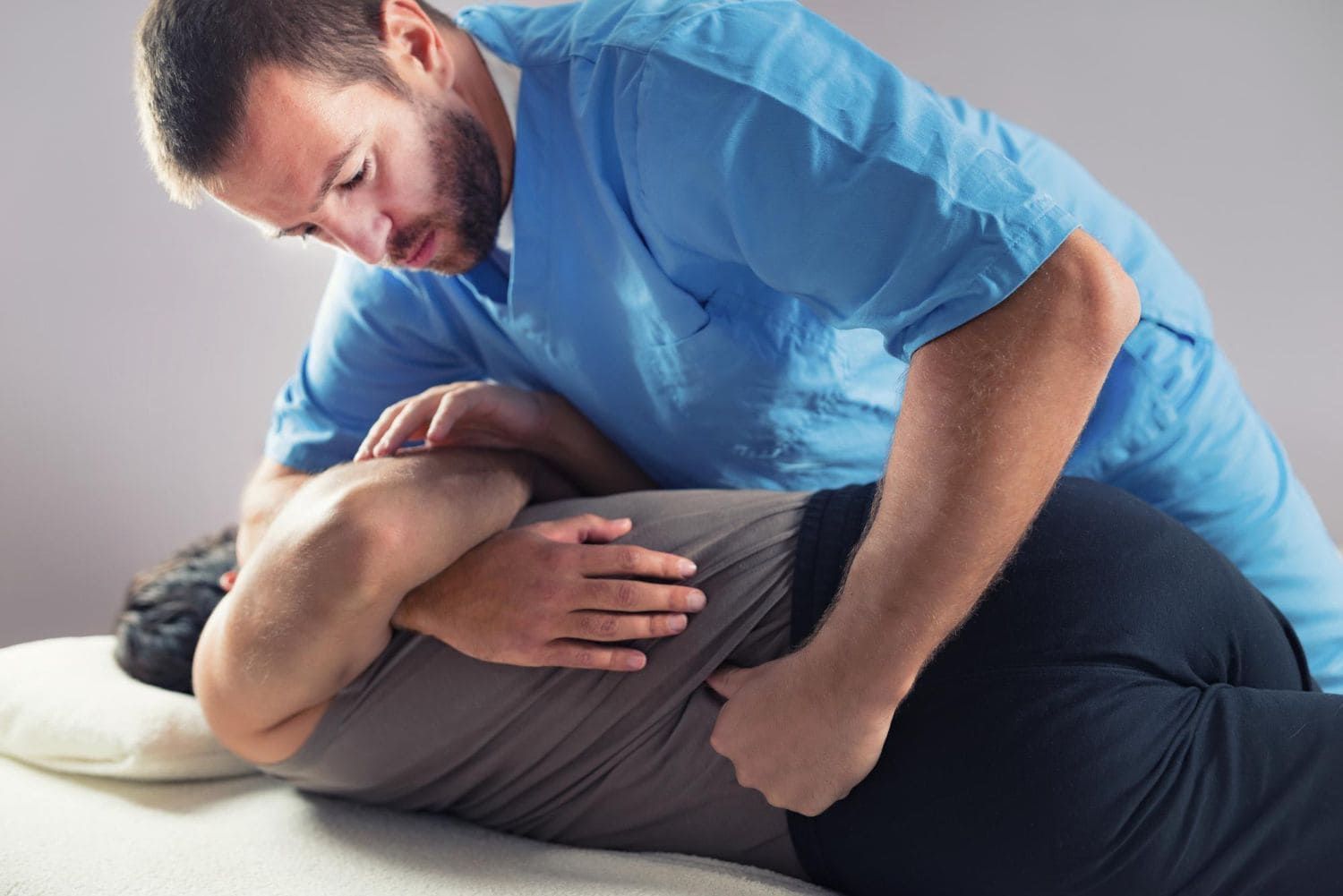
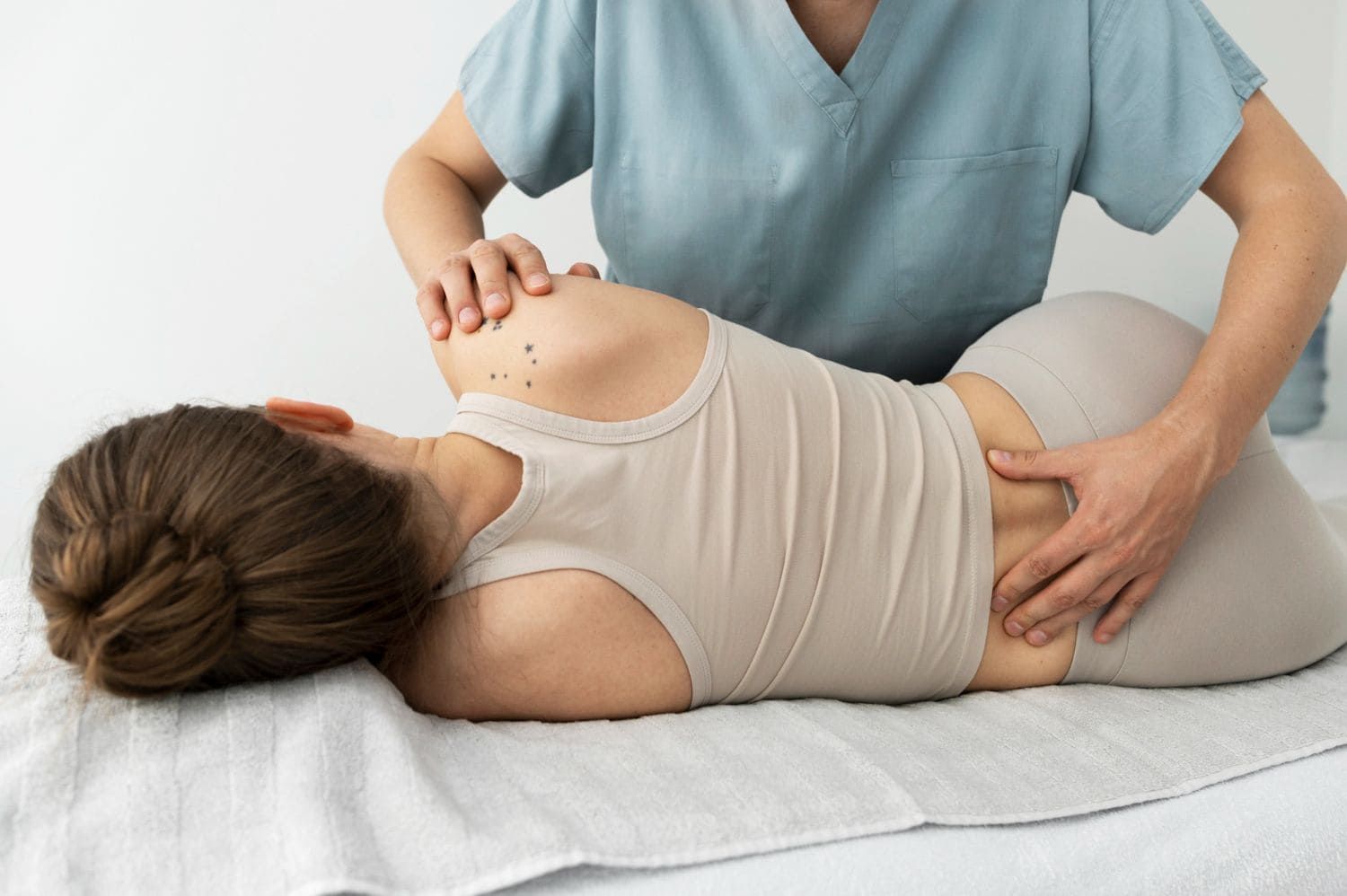
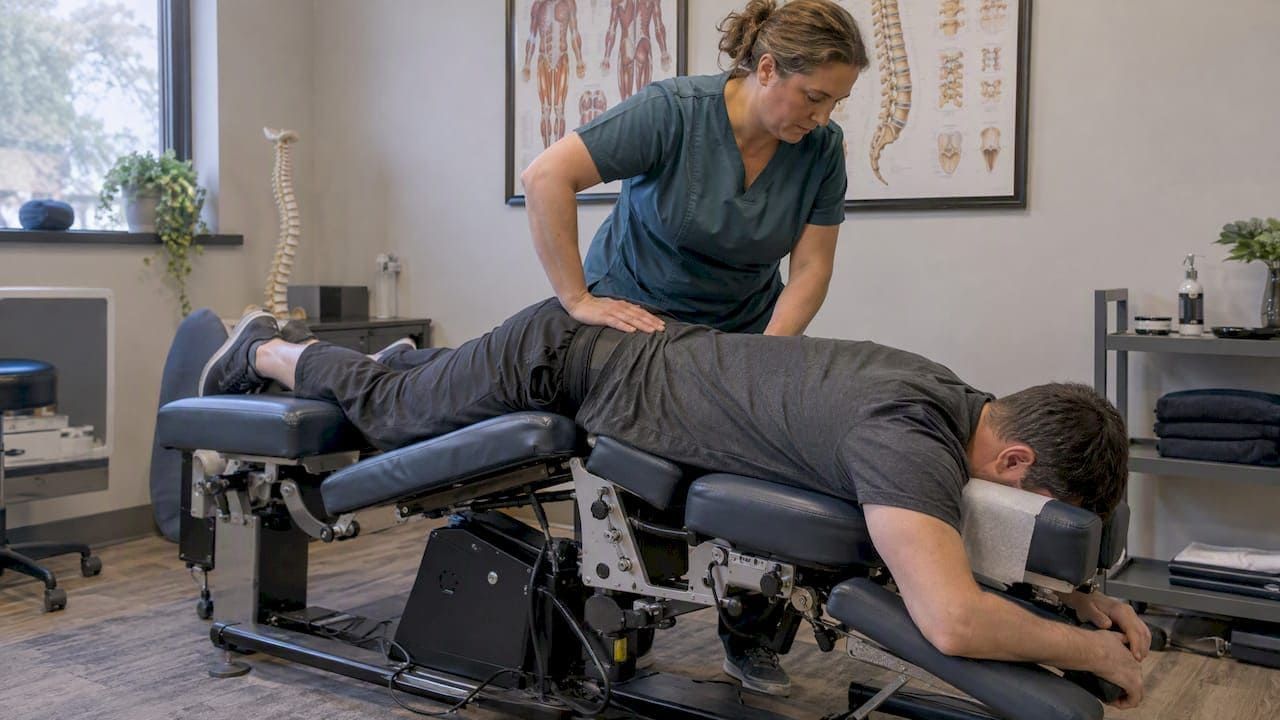
- Spinal manipulation and chiropractic care
- Supervised rehabilitation programs
- Modalities such as acupuncture
If symptoms persist, a referral for MRI, nerve testing or a specialist consult becomes reasonable. On medication, the pathway runs from NSAIDs to a short course of muscle relaxants if needed, with opioids kept as a last resort because of their harms. For more on what hands-on options look like, see our guide to manual spinal adjustment.
Stretches and exercises to ease a spasm and rebuild
Once the sharpest pain calms down, gentle movement helps. Try these in order, stopping if anything feels worse:
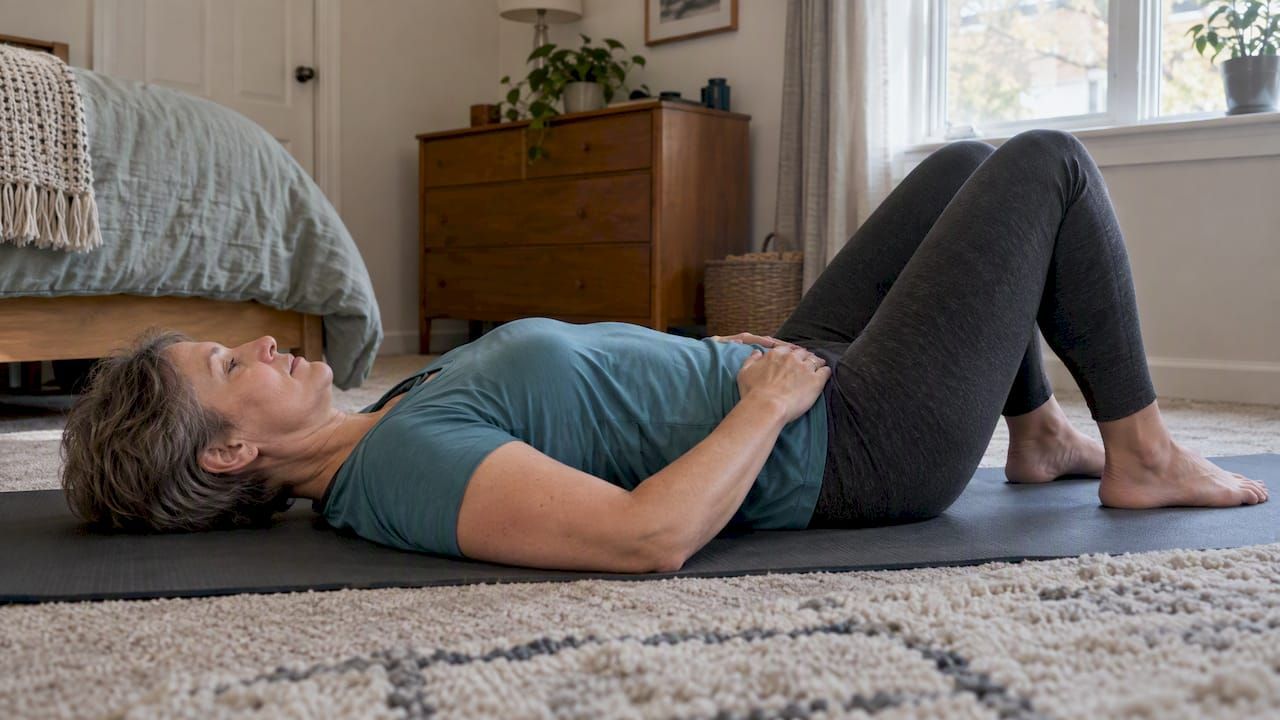
- Knee-to-chest stretch: Lie on your back and hug one knee toward your chest briefly, then switch sides.
- Cat-cow: On hands and knees, slowly arch and round your back for a few slow cycles.
- Child's pose: Sit your hips back toward your heels with arms forward and hold briefly.
- Bird-dog: From hands and knees, extend the opposite arm and leg and hold for a few seconds. Repeat on each side.
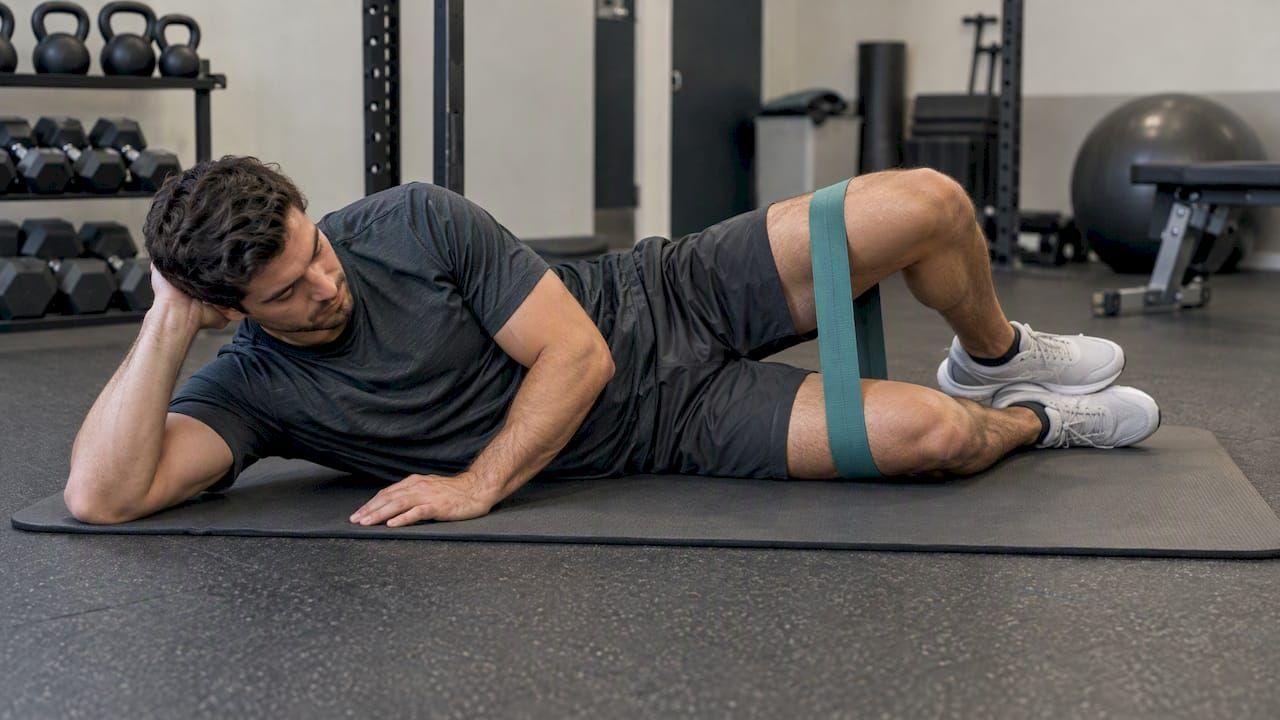
- Glute bridge: Lying on your back with knees bent, lift your hips and lower with control. Repeat the movement.
Sprinkle short walks through the day, since regular movement does more than one long session. A foam roller or massage ball can loosen the muscles beside your spine, but never roll directly over the spine itself or press forcefully. Stop and get checked if you notice more radiating pain, new numbness or new weakness. Our physical therapy exercise guide shows more progressions.
Pro Tip: Move through each stretch slowly and breathe out as you ease into it. A stretch that makes you hold your breath is too aggressive for a spasming muscle.

Daily habits that lower the chance of another spasm
Prevention is mostly boring and very effective:
- Drink water through the day and eat foods rich in potassium, magnesium and calcium.
- Break up sitting with a stand-and-walk pause, adjust your desk so you can alternate sitting and standing, and check your posture now and then. A short daily posture routine can make the habit easier to keep.
- Build core and posterior-chain strength gradually, using the bridge and bird-dog as a base.
- Protect sleep and manage stress, since both affect how tense your muscles stay.
- If spasms keep returning, enroll in a structured physical therapy or supervised rehab program instead of white-knuckling it alone.
How we approach lower back spasms
We start with a personal assessment, because two people with the same spasm can have different drivers. Our approach is conservative and aimed at the root cause: chiropractic adjustments, physical rehab and manual therapy, built into a plan that fits you. A first visit covers an exam, a discussion of your history, a treatment plan and scheduling. If you have any red-flag symptom, go to the ER first. You can read more in our chiropractic care for acute pain explainer.
Lower back spasms after an auto accident or personal injury
A collision does not need to be dramatic to leave your back angry. The sudden forces of even a low-speed crash can strain the muscles and ligaments, irritate discs and joints, and trigger protective spasm. Pain sometimes appears hours or days later, once adrenaline fades and inflammation builds, so a back that feels fine at the scene is not proof you are in the clear.
Get evaluated soon after an accident, especially if you have spasms alongside neck pain, headaches, numbness or leg symptoms. The red flags from earlier apply with extra force: new bowel or bladder changes or progressive weakness mean the ER, not a clinic visit. A proper exam documents your injuries and sorts out what is muscular from what needs imaging, which also helps if you later deal with insurance or a legal claim.
For the muscular side, management looks a lot like the steps above: early gentle movement, heat once the first swelling settles, and careful pain control. From there, hands-on care and structured rehab help restore motion, and the plan should widen if whiplash or sciatica-type symptoms are part of the picture. We treat auto accident and personal injury cases, and you can learn more on our auto accident and personal injury treatment page. The same goes for work injuries and falls: the sooner someone examines you, the clearer your path to recovery.
Long-term management to keep spasms from coming back
Once a spasm fades, the real work is making your back harder to upset. Think in terms of a routine rather than a rescue plan. Regular strength and mobility work, walks, and position changes through the workday add up to a back that tolerates surprises like a heavy box or a long drive.
Build load gradually. Most repeat episodes follow a jump in activity: a first big gym week, a weekend of yard work, a move. Increase weights, mileage and time on your feet in small steps, and treat early tightness as a cue to ease off for a day or two instead of pushing through.
Keep the foundations steady. Hydration, balanced eating, consistent sleep and some outlet for stress all lower baseline muscle tension. Reassess your workspace and sleeping setup every so often, since a chair or mattress that worked years ago may not suit you now.
If you have chronic or frequent lower back pain, periodic check-ins with a provider can catch movement habits or joint restrictions before they flare again. Supervised rehab, spinal decompression in suitable cases, and manual therapy can each play a part, and the aim is always to build your own capacity so you rely less on treatment over time. Think of recovery as a skill you keep practicing, not a finish line you cross once.
Our editorial take: relief first, scans and rest last
The research behind this topic points to something people resist: the best early treatment is modest and a little dull. Heat, an NSAID if you tolerate it, and steady walking line up with the guidance from the American College of Physicians and Harvard Health, and most spasms settle without anything fancier. The common instinct to lie flat and demand an MRI works against you, since consensus guidance reserves imaging for red flags or persistent symptoms.
Where popular advice falls short is the aftermath. Plenty of people stop the moment the pain does, then repeat the cycle every few months. Prevention deserves as much attention as relief.
If you only do three things, do these: move gently today, learn the red flags so you can act fast if one appears, and build strength once you can tolerate it. Treat the spasm as a signal about load, posture or stress, not just an annoyance.
Essential ChiroCare as a treatment option for lower back spasms
When spasms keep returning or will not ease, in-person care can shorten the road. We offer chiropractic care and adjustments, physical rehab, spinal decompression and sports injury treatment across West Central Florida. Your first visit looks at how you move, where the pain comes from and what is driving it, then lays out conservative options built around you. Book an evaluation through our back pain care page and let us help you get moving again.
This article is general information, not a substitute for advice from a qualified doctor. Consult a qualified healthcare professional about your own circumstances before acting on anything here.
FAQ
What are the common symptoms of back spasms?
Back spasms typically feel like sudden tightness or cramping in a specific area, with soreness and trouble bending or twisting. Pain that travels down a leg or comes with numbness points to nerve involvement and deserves a clinician's attention.
What are some exercises to relieve lower back spasms?
Gentle moves such as knee-to-chest stretches, cat-cow and child's pose are good starting points once the worst pain eases. Harvard Health recommends progressing to strengthening and flexibility work as pain allows, and short walks help throughout.
What could cause pain in the lower back on one side above the hip?
Muscle strain, overuse, posture problems and irritated joints or discs are common explanations for one-sided lower back pain. If it comes with numbness, weakness or bladder changes, seek medical care promptly.
How long do lower back spasms usually last?
Many spasms improve with gentle movement and heat or ice. See a provider if pain is not improving or if neurologic symptoms appear.