Rethinking That Neck Crack Before You Twist
Cracking your own neck can feel like a quick fix. One twist, a loud pop, and your tight neck seems better for a few minutes. With back-to-school stress, longer drives across Tampa Bay, and fall sports picking up, that urge to twist until something pops can get stronger.
But that sound is not always a sign that anything is truly fixed. Often, it is just gas bubbles moving and joints shifting in ways that feel good for a moment but do not solve the real problem. When tension keeps coming back, there is usually more going on than stiff muscles.
So how do you know when self-cracking is harmless and when it is smarter to see a chiropractor in Tampa instead? Let’s break down what that pop really means, where risk shows up, and safer ways to care for your neck.
What Really Happens When Your Neck Pops
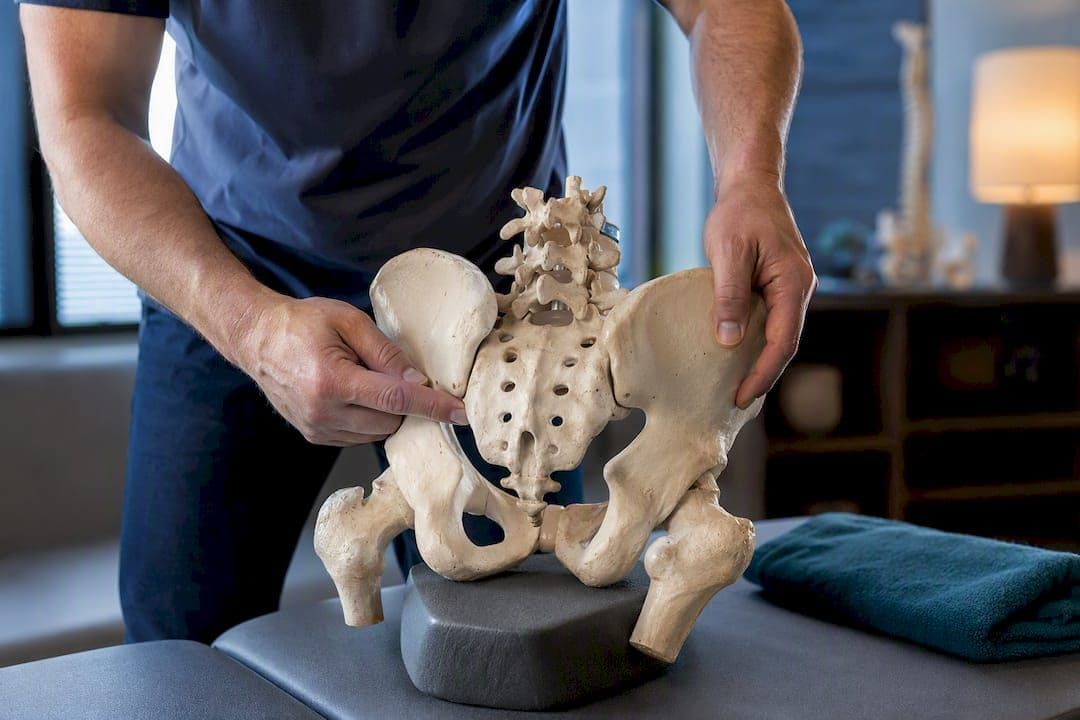
Your neck, or cervical spine, is a stack of small bones called vertebrae. Between those bones are discs that act like cushions. Nearby are nerves that send signals to your shoulders, arms and hands. These parts all work together so you can turn your head, look down at your phone, or check your blind spot on I-275.
When you crack your neck, a few things may happen at once:
- Joints stretch more than usual
- Gas bubbles in the joint fluid shift, making that popping sound
- Muscles react to the sudden motion
That noise is called cavitation. It is mostly gas moving in the joint fluid, not bones grinding. The sound might feel satisfying, but it does not prove your neck is in better alignment. You might be moving the loose joints instead of the stiff ones that actually need help.
Possible problems from forceful or repeated self-cracking include:
- Joint irritation or looseness over time
- Muscles tightening to protect the area
- Dizziness or lightheadedness
- Making an old or unknown injury feel worse
A few common myths can keep people stuck in a loop, like:
- “If it cracks loudly, it must be working.”
- “If it feels better for a minute, it is fixed.”
- “I can crack my neck just like a chiropractor does.”
In reality, relief from random cracking is usually short term. True correction focuses on specific joints, direction, and force, and it respects the nerves, blood vessels, and soft tissues around your neck.
When Self-Cracking Is a Red Flag, Not a Fix
Some habits are more than just a quirk. Self-cracking can be a warning sign when certain symptoms show up. Pay attention if you notice:
- Sharp, stabbing, or burning pain in your neck
- Pain that travels into your shoulder, arm, or hand
- Numbness, tingling, or weakness in your arms or fingers
- Frequent headaches, especially starting at the base of the skull
- Stiffness that returns daily, even after you crack your neck
Past injuries can raise the risk too. For example, whiplash from a car accident on a Tampa highway, hits from contact sports, or hard falls on the field or court can change how your neck moves. Twisting hard on your own might pull on already stressed ligaments, irritated discs, or sensitive nerves.
Everyday life in West Central Florida can also load your neck:
- Long commutes between Tampa, Lakeland, Sarasota, Brandon, and Pinellas Park
- Hours at a laptop or tablet for work or school
- Extra screen time on phones, with your head bent forward
- Weekend boating, fall sports, and gym workouts
If you feel like you must crack your neck several times a day to function, it often means there are deeper problems, like:
- Poor posture
- Muscle imbalances
- Spinal alignment issues
These are not things that random twisting can fix. They call for a careful look from a trained professional.
Why a Tampa Chiropractor Is the Safer Choice
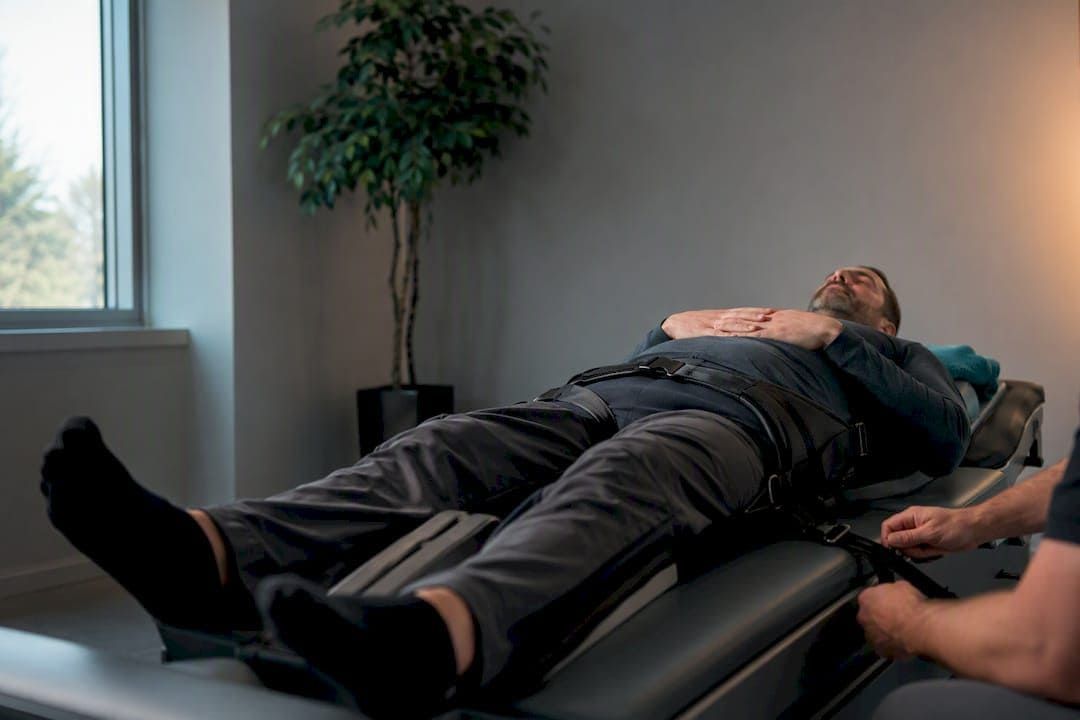
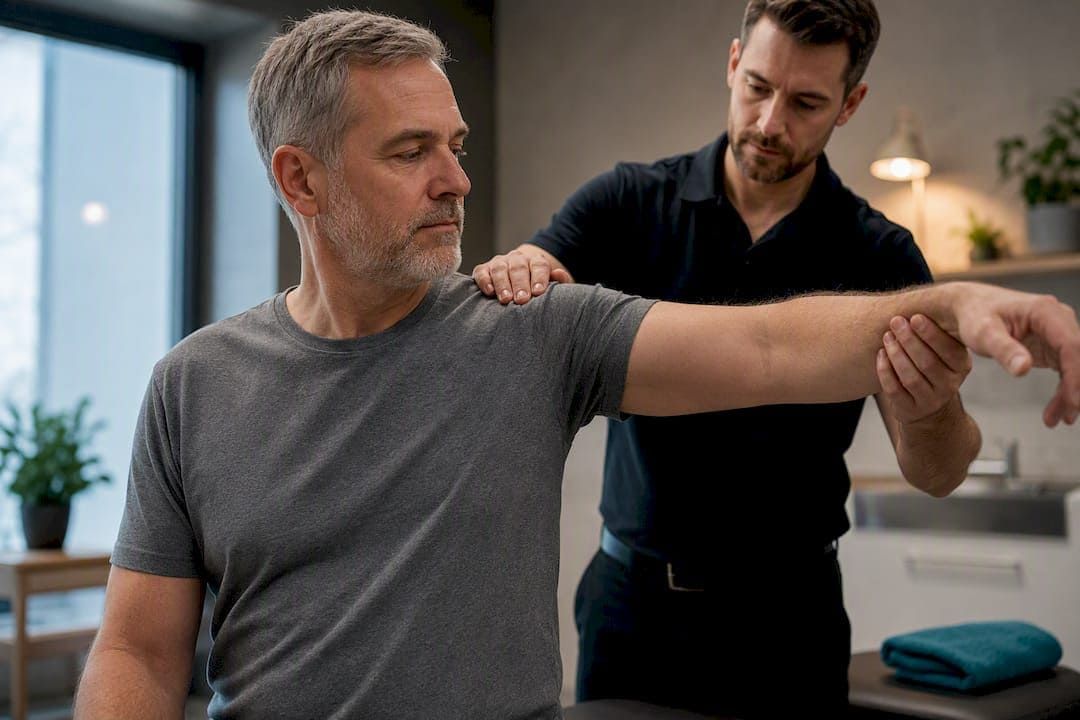
A licensed chiropractor in Tampa does much more than make things pop. Before any adjustment, we take time to understand what your neck actually needs. That may include:
- A full health and injury history
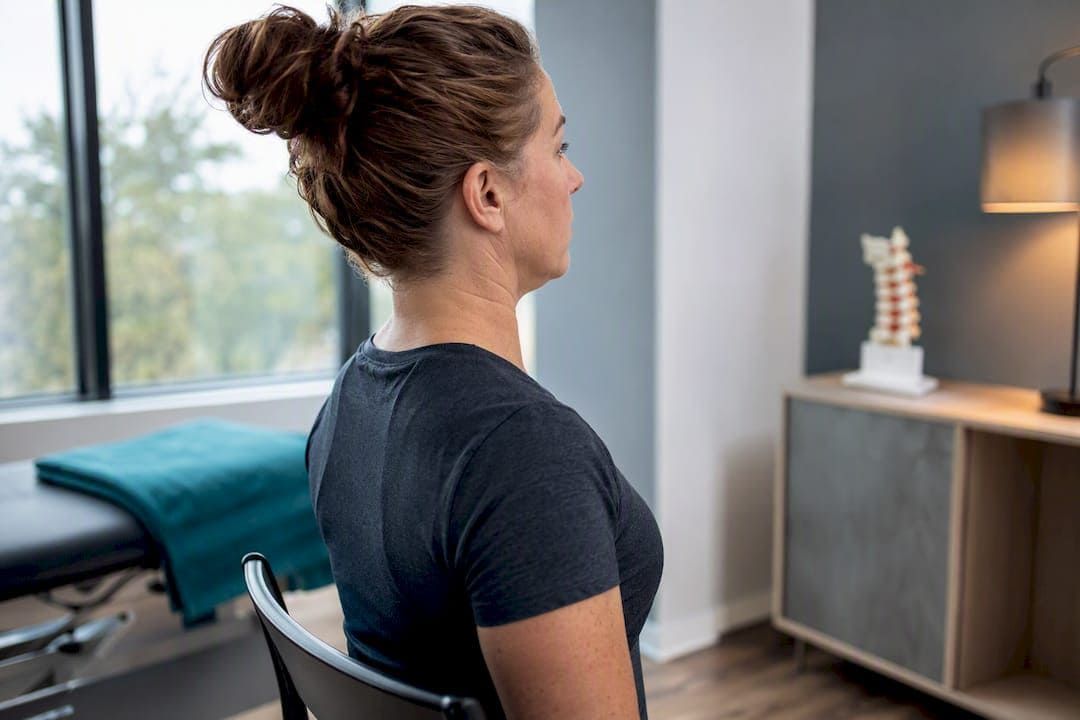
- Posture and movement checks from head to lower back
- Orthopedic and neurological tests
- Imaging, such as X-rays, when needed
Our goal is to find which joints are stuck, which ones move too much, and which muscles are overworking or not helping enough. Then we can decide if an adjustment is right for you and how to do it safely.
There is a big difference between targeted chiropractic care and self-cracking:
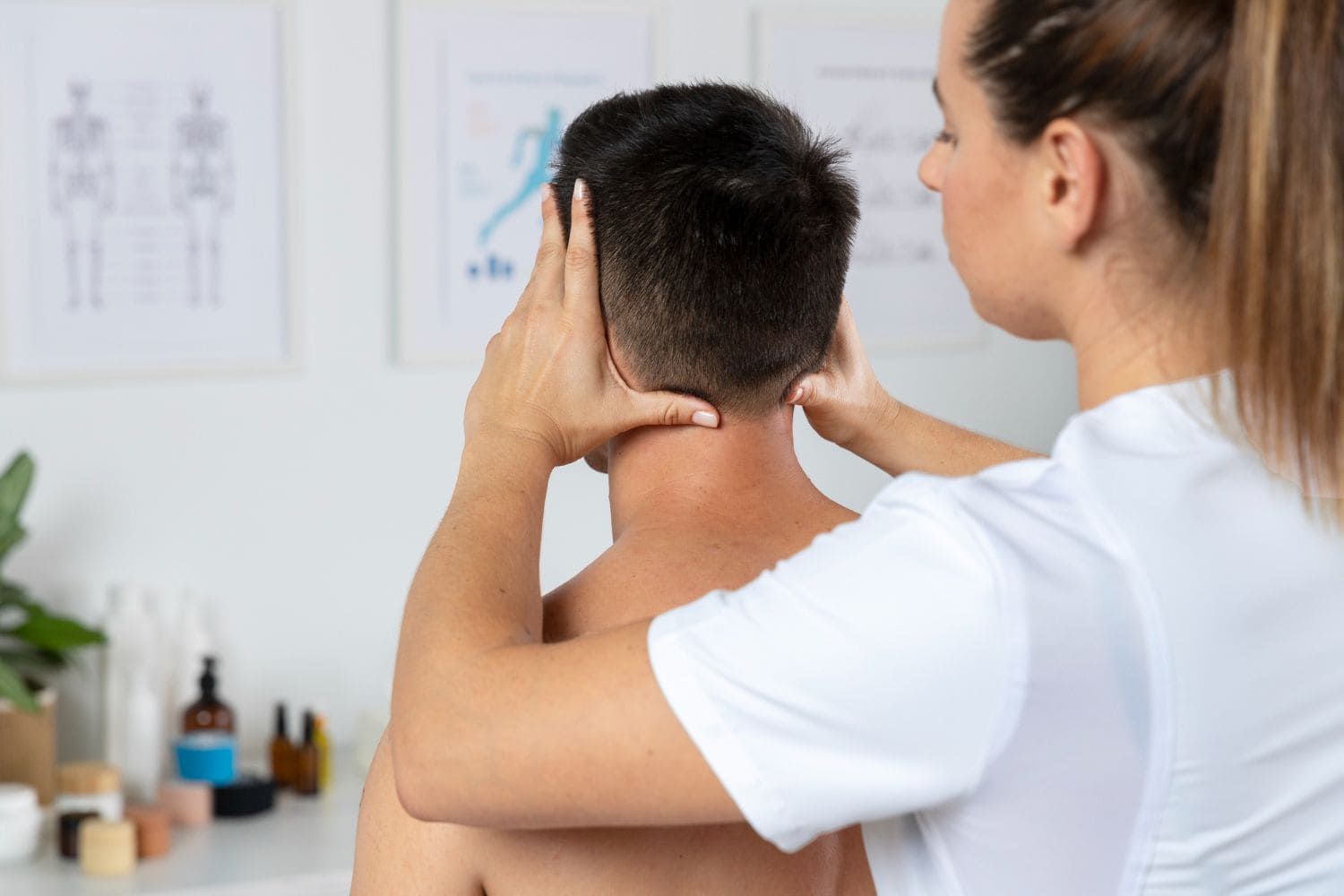
- We apply a controlled amount of force, not a wild twist
- We focus on specific joints, in specific directions
- We protect sensitive areas, like nerves and arteries
- We watch how your body responds and adjust the plan
Not every adjustment has to be loud or intense. For kids, adults, and older adults who are nervous about sounds or pressure, we may use gentler techniques that feel more like light pressure, slow movement, or guided stretching.
Care often includes more than just adjustments. A neck-focused plan might blend:
- Soft-tissue work to calm tight muscles
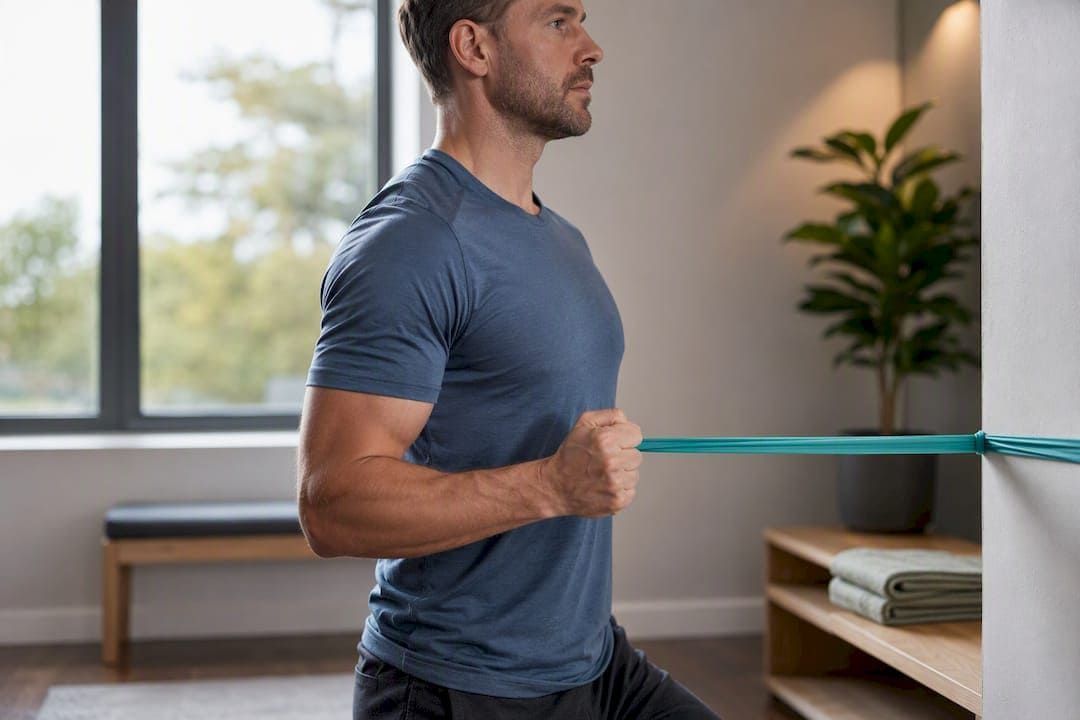
- Guided stretches and simple strengthening moves
- Advice on posture and daily habits
All of this works together to support long-term neck health, not just a moment of relief.
Safer Relief Options Between Chiropractic Visits
You do not have to live with a tight neck until your next visit, and you also do not have to twist it until it pops. There are safer ways to ease tension between appointments.
For work, school, or long drives:
- Take short breaks every 30 to 60 minutes to sit tall and gently move your neck
- Keep screens at eye level when possible
- Rest your arms on a surface so your shoulders are not always lifted
For daily habits:
- Use a supportive pillow that keeps your neck in line with your spine
- Sip water through the day to support your body and spinal discs
- Keep your phone closer to eye level instead of looking down for long periods
For active days and sports:
- Warm up your neck and shoulders with light, slow movements before activity
- Cool down with easy stretches after practice, games, or workouts
- Use cold packs for fresh, sharp soreness and gentle heat for tight muscles
These ideas can reduce strain and support what we do in the office, but they are not a replacement for a full check when you have pain, numbness, or other nerve signs. If symptoms keep returning, it is time to get things checked instead of twisting harder.
Take the Safer Path to Neck Relief in Tampa
Neck cracking on your own can feel like a quick answer, especially when life gets busy with school, work, and travel across the Tampa Bay area. But that fast pop often misses the deeper cause of your discomfort and, in some cases, can make stressed joints and tissues even more irritated over time.
A skilled chiropractor in
Tampa can look at the full picture, from your posture to your daily habits, then offer care that is focused, controlled, and designed for your body. At
Essential ChiroCare, we work with patients from
Tampa,
Sarasota,
Lakeland,
Brandon,
Pinellas Park, and nearby communities to help them trade risky neck twisting for safer, lasting relief and better spinal health.
Relieve Pain and Get Back to Doing What You Love
If pain or stiffness is slowing you down, our team at
Essential ChiroCare is ready to help you move with confidence again.
Schedule an appointment with a trusted
chiropractor in Tampa and start addressing the root cause of your discomfort. If you have questions or want to discuss your specific concerns before booking, just
contact us and we will walk you through your options.