
Ulnar Nerve Entrapment Exercises: 5 Glides and When to Stop

Essential ChiroCare Blogger • November 24, 2026

Ulnar Nerve Entrapment Exercises: 5 Glides and When to Stop

Nerve-gliding exercises are a recommended first-line self-care step for mild to moderate ulnar nerve entrapment, so do short, gentle glides several times a day and pair them with night splinting and a few changes to how you use your elbow. If you notice worsening weakness or numbness that will not let up, stop the exercises and have a clinician look at your arm.

TL;DR:

  • Keep each glide slow and pain free, start with a few repetitions, and increase range or sets only when symptoms remain calm afterward.
  • Stop and rest if tingling or numbness lasts more than a few minutes; seek prompt care for weakness, a clumsy grip, or hand muscle loss.
  • Keep the elbow fairly straight during sleep with a splint or loose towel, and reduce prolonged bending or pressure at desks and during phone calls.
  • A 2025 placebo controlled trial found less pain and better nerve conduction than sham therapy for mild to moderate cases; another study included 17 patients.
ulnar nerve entrapment exercises

Table of Contents

How do you do ulnar nerve glides at home?

Ulnar nerve glides, also called neurodynamic exercises, slide the nerve gently through the tight spots at the neck, elbow and wrist instead of stretching it hard. Think of flossing, not pulling. Work in a pain-free range and move slowly. These are the same ideas behind the routine in our clinic post on nerve gliding exercises, which adds photos you can follow.

Start with the classic elbow glide, then add the other variations as it gets easy:

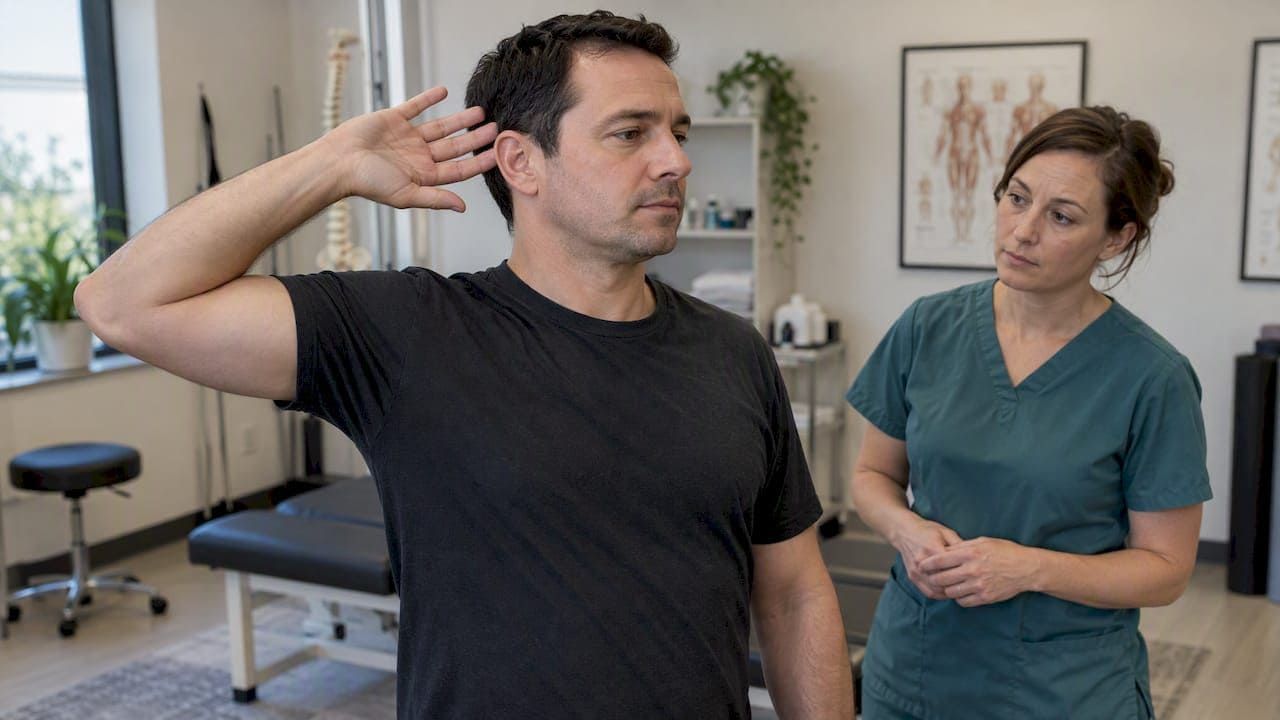
  1. Elbow flexion with wrist extension. Sit tall with your arm out to the side, palm up. Bend your elbow so your hand moves toward your shoulder, then gently bend your wrist back so your fingers point toward the ceiling. Briefly pause, then straighten the elbow and relax the wrist. You should feel a mild tug along the inner forearm, not sharp pain.
  2. OK-sign glide. Hold your arm out to the side with your elbow bent and make an "OK" sign with your thumb and index finger. Bring that circle toward your face like a mask, then return to a stop-sign hand with your fingers straight and your palm facing forward. Alternate smoothly between the two positions.
  3. Front arm flexion. Hold your arm in front of you at chest height, elbow straight and palm down. Slowly bend the elbow and bring your hand toward your shoulder, keeping the wrist relaxed, then lower it again.
  4. Neck component. From the elbow glide position, tilt your head slightly away from the working arm as you bend the elbow, then tilt back toward it as you straighten. This moves the nerve along its whole path from neck to hand. Keep the tilt small.
  5. Lying or seated version. If standing is uncomfortable, do any of the above lying on your back with the arm supported on a pillow. Gravity does less work, which makes this a kind starting point.

A reasonable starting dose is a small number of slow repetitions per set, spread through the day. Begin gently with the low end and add repetitions or sets only when the exercise feels easy and your symptoms stay calm afterward. Progress by moving a little farther into the position, never by forcing it.

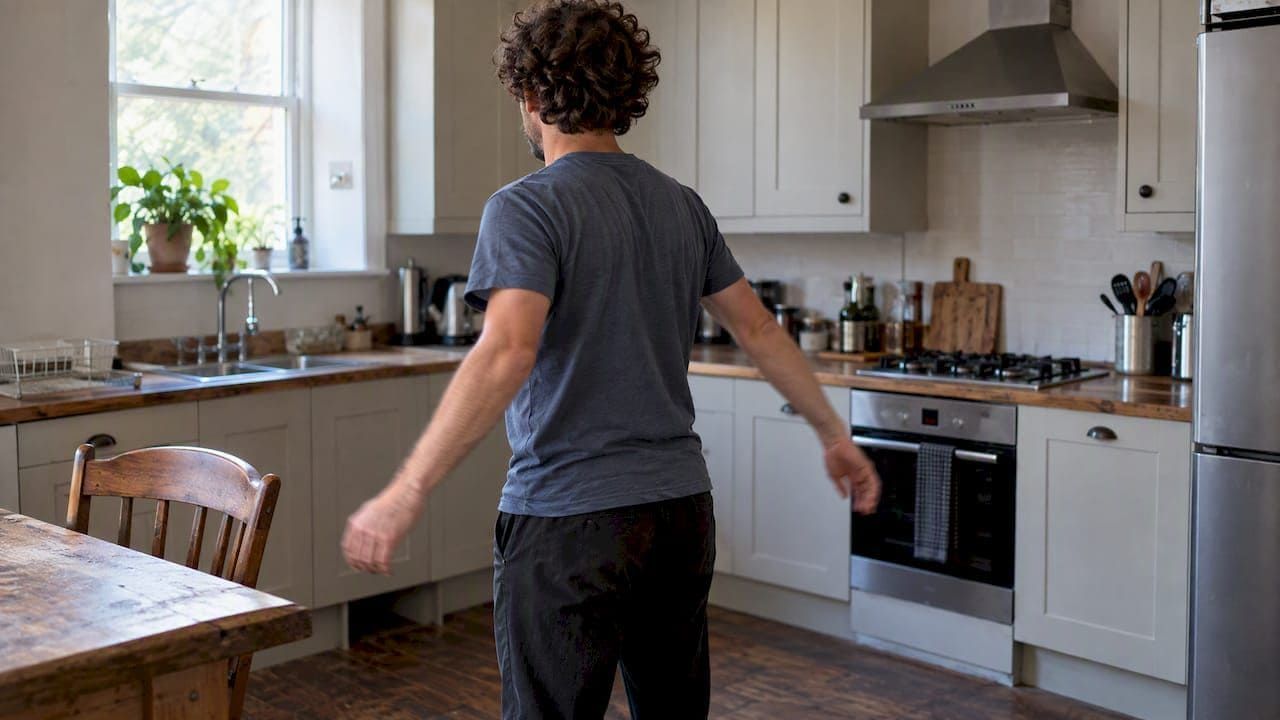
Pro Tip: Do your glides right after a warm shower or after a few minutes of easy arm swings. Warm tissue slides more freely, and you are less likely to push into irritation.

How can you tell if the exercises are helping or hurting?

A good glide feels like a mild pull or a brief flicker of tingling that fades within seconds. Pain, burning, or numbness that lingers is a sign you went too far. Scale back the range, hold nothing, and cut the number of sets. If symptoms still linger after a few minutes, give your arm a day of rest and restart at a lower dose.

  • Stop and rest if tingling or numbness lasts more than a few minutes after you finish.
  • Never hold a stretched position; the movement should be rhythmic and relaxed.
  • Do not push through sharp pain to reach a "full" position.
  • Get prompt help for weakness, a clumsy grip, or wasting of the muscles in your hand.

Note: AAOS guidance describes activity changes, night splinting, and nerve gliding as the starting point, not a single exercise on its own, so treat the glides as one part of a plan ( AAOS OrthoInfo).

What does the research say about nerve glides?

The evidence is encouraging for mild and moderate cases, and it lines up with what professional bodies recommend.

  • The American Academy of Orthopaedic Surgeons advises nonsurgical methods first, including activity modification, night splinting, and nerve gliding.
  • A 2025 randomized placebo-controlled trial found that neurodynamic techniques improved pain and nerve conduction compared with sham therapy in people with mild to moderate cubital tunnel syndrome.
  • A clinical outcomes study of a supervised gliding protocol in 17 patients reported less tingling, better grip and pinch strength, and improved nerve conduction in most people tested.

These studies point to the same takeaway: gliding works best as part of a consistent conservative plan, mainly for milder cases. They do not promise that every arm will recover without further care.

What else should you do besides the exercises?

Exercises get better results when you also reduce the hours your nerve spends squeezed. Many people bend their elbows deeply while sleeping, which can keep irritating the nerve overnight. Clinicians at the OHSU Brain Institute describe keeping the elbow straighter at night with a splint as a low-effort, high-impact habit. A soft brace or a towel wrapped loosely around the elbow can do a similar job if you do not have a splint yet.

  • Wear a night splint or a towel wrap so your elbow stays fairly straight while you sleep.
  • Avoid leaning on your elbow at a desk, in the car, or on the couch armrest.
  • Keep your phone calls short, or switch to speaker or earbuds so your elbow is not bent for long stretches.
  • Set your keyboard and mouse so your elbows rest open, not sharply bent.
  • Pad your forearm and elbow during flare-ups and temporarily change tasks that aggravate the nerve.
  • Take regular breaks to straighten your arm and shake it out.

Pro Tip: If your elbow tingles when you hold a phone, switch hands or use speaker mode before the tingling starts, not after.

cubital tunnel syndrome exercises

When is it time to see a clinician?

Self-care has limits. If symptoms persist or worsen after steady conservative care, or if you notice new weakness or shrinking muscles in your hand, book an assessment rather than waiting.

  • A clinician may order nerve conduction studies or ultrasound to see how the nerve is behaving.
  • Surgery, such as release or transposition of the nerve, is generally considered only when nonsurgical measures fail or when there is marked weakness or muscle atrophy.
  • If you are referred for rehab, a therapist will usually teach neurodynamic exercises and tailor them to your symptoms.

Pain or tingling that spreads, or numbness that does not ease at all, is another reason to get checked early.

Why we teach glides inside a bigger plan

In our clinic, we teach home glides first, check your technique, and watch how your symptoms respond over the following visits. We also lean hard on night positioning and activity changes, because cutting down the hours of bent-elbow pressure often matters as much as any exercise you do by day. When it helps, we add hands-on work such as manual therapy or supervised rehab. Most people with milder symptoms do best when every piece pulls in the same direction, done consistently over weeks.

Want a clinician to guide your recovery?

If your tingling or numbness is not settling, or weakness has appeared, we can assess your arm and build a plan around your daily habits. We offer:

  • Chiropractic care and manual therapy for nerve-related arm pain
  • Physical rehab with clinician-taught nerve-gliding instruction
  • Personalized plans that fit your work, sleep and activity

Book an evaluation with our team and we will walk you through your exercises in person.

This article is general information, not a substitute for advice from a qualified doctor. Consult a qualified healthcare professional about your own circumstances before acting on anything here.

FAQ

  • How do you decompress the ulnar nerve?

    Gentle nerve glides, a night splint that keeps the elbow straighter, and less time with a bent or leaning elbow all reduce pressure on the nerve. AAOS lists activity modification, night splinting and nerve gliding as the first-line approach. Do not force or hold a stretch.

  • What causes ulnar nerve entrapment?

    The ulnar nerve runs through a narrow passage at the inside of the elbow, where it can be squeezed or irritated. Common triggers include prolonged elbow bending, leaning on the elbow, and repetitive arm use. Neck and shoulder tightness along the nerve's path can add to the problem.

  • Can massage help with ulnar nerve pain?

    Gentle hands-on work can loosen tight muscles around the nerve and may make glides easier to perform. It should not replace splinting, activity changes and exercises, and it should never press hard on the sore inner elbow. A clinician can show you what is appropriate for your arm.

  • How long does it take to recover from an ulnar nerve injury?

    Recovery varies with how irritated the nerve is and how consistently you follow your plan. Research reports improvements with regular practice. If you see no change, or you feel weaker, have your arm assessed.

Sources

Recommended

how to relieve lower back spasms
By Essential ChiroCare Blogger • November 23, 2026
Find relief from lower back spasms with heat or ice and gentle movement, not prolonged bed rest. Learn urgent warning signs and ways to prevent recurrence.
Tech neck treatment Tampa
By Essential ChiroCare Blogger • November 22, 2026
Discover how chiropractic care can help ease tech neck, improve posture, and support mobility at a chiropractic clinic in Tampa with personalized treatment.
chiropractor for back pain Tampa
By Essential ChiroCare Blogger • November 21, 2026
Discover how to find the best chiropractor in Tampa for effective pain relief, injury recovery, and better mobility with personalized chiropractic care.
hip bursitis exercises
By Essential ChiroCare Blogger • November 20, 2026
Use hip bursitis exercises to build strength safely with an 8–12 week plan, manage load, and recognize when worsening pain needs clinical care.
glute activation routine
By Essential ChiroCare Blogger • November 19, 2026
Try a 6 to 8 minute glute activation warm up before runs or heavy lifts, using clinician cues and quick tests to check readiness without tiring your muscles.
cervical radiculopathy relief
By Essential ChiroCare Blogger • November 18, 2026
Get cervical radiculopathy relief with a staged home exercise plan, realistic recovery timing of 8 to 12 weeks, and clear signs to seek urgent care.
soft tissue injuries from car accidents
By Essential ChiroCare Blogger • November 17, 2026
Get a medical exam after a crash, track symptoms that may emerge hours or days later, and learn how first aid, chiropractic care, and rehab support recovery.
rotator cuff exercises for recovery
By Essential ChiroCare Blogger • November 16, 2026
Learn how chiropractic care pairs manual treatment with exercise for rotator cuff pain, what clinic rehab involves, and when surgery may be needed.
chiropractic care Tampa FL
By Essential ChiroCare Blogger • November 15, 2026
Get ahead of holiday stress with a chiropractor in Tampa for personalized pain relief, mobility support, injury recovery, and wellness care before Black Friday.

Car accident injury chiropractor near me
By Essential ChiroCare Blogger • November 14, 2026
See how a car accident chiropractor in Tampa documents injuries, supports your recovery, and helps provide records for your insurance claim process.
Show More