Step-by-step wellness care: Your guide to lasting pain relief
Step-by-step wellness care: Your guide to lasting pain relief
TL;DR:
- A structured, personalized wellness plan is essential for effective pain and injury recovery.
- Regular assessment, lifestyle changes, and ongoing communication improve long-term outcomes.
- Skipping follow-ups or neglecting lifestyle adjustments can lead to recurring pain and setbacks.
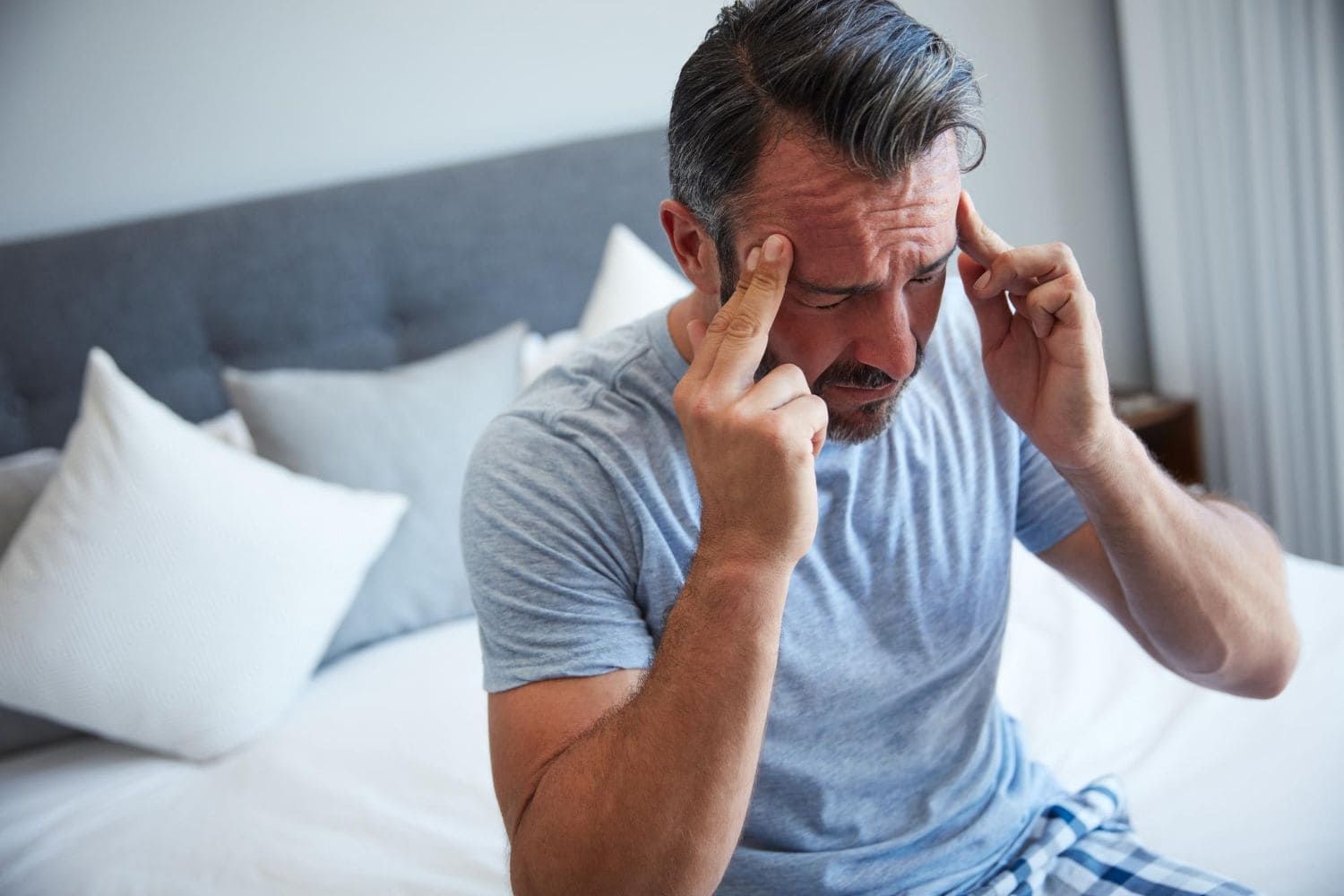
Overlooking even one essential step in your wellness care can silently extend your pain and push full recovery further out of reach. That is the frustrating reality for too many people across West Central Florida who try managing injuries or chronic pain on their own, without a structured plan. Whether you are dealing with a flare-up of sciatica, recovering from a sports collision, or just tired of waking up stiff every morning, the difference between staying stuck and finally moving forward often comes down to following a proven, step-by-step process built around your specific needs.

Table of Contents
- What you need: Preparing for your wellness journey
- The essential wellness care steps: A detailed walk-through
- Customizing your plan: Adapting steps for pain, sports injuries, and lifestyle
- Checking results and staying on track: Measuring progress and what to do next
- Why most wellness care plans fail (and what actually works in West Central Florida)
- Ready to start your personalized wellness care? Connect with our local experts
- Frequently asked questions
Key Takeaways
| Point | Details |
|---|---|
| Preparation matters | Having the right information and tools upfront leads to better wellness results. |
| Follow proven steps | A clear, sequential approach supports lasting healing and pain relief. |
| Personalize your plan | Adapting each step for your specific situation ensures better outcomes. |
| Track and adapt | Regular checkpoints help you adjust and maintain your progress. |
| Expert help accelerates results | Partnering with specialists allows for effective, tailored care on your journey. |
What you need: Preparing for your wellness journey
Now that you know why a clear plan matters, let's see what you need before your first step.
Starting strong is not just about showing up to your first appointment. Effective wellness care begins well before you walk through the door. Comprehensive wellness requires both physical and lifestyle readiness, meaning what you eat, how you sleep, and how much you move in daily life all influence how quickly and completely you recover.
Before beginning any care program, gather the following essentials:
- Your full medical history, including prior diagnoses, surgeries, or hospitalizations
- Imaging results such as X-rays or MRIs, especially for spine, joint, or nerve complaints
- A list of current medications and supplements
- Notes from any previous physical therapy or chiropractic visits
- A written description of your pain, including when it started, what makes it worse, and what temporarily helps
- Your insurance information and any referral paperwork if applicable
- A simple journal or tracking app to log daily symptoms, sleep quality, and energy levels
Beyond paperwork, wellness management basics show that lifestyle factors directly shape care outcomes. Poor sleep disrupts tissue repair. A high-inflammation diet can keep joints and muscles reactive. Dehydration reduces spinal disc cushioning. These are not minor details. They are factors your care team needs to know about so they can build a plan that actually fits your life.
| Essential | Why it matters | How to gather it |
|---|---|---|
| Medical history | Guides safe, targeted treatment | Request from your primary doctor |
| Imaging records | Confirms structural issues | Contact prior providers or imaging centers |
| Symptom journal | Tracks patterns and progress | Use a notes app or printed log |
| Medication list | Prevents contraindications | List all prescriptions and supplements |
| Lifestyle summary | Shapes rehab and recovery advice | Self-report to your provider |
| Insurance info | Streamlines care access | Check your card or member portal |
Families in the Tampa area who have explored family wellness in Tampa know that preparation pays off because providers can skip the guesswork and get straight to care.
Pro Tip: Bring printed copies of any prior therapy notes to your first visit. Providers can fast-track your assessment and avoid repeating tests you have already completed, which saves you time and gets your treatment started sooner.
If you want a detailed overview of what to expect before your first visit, the chiropractic care checklist walks you through exactly what to prepare.
The essential wellness care steps: A detailed walk-through
Once you're set up, it's time to follow a proven sequence. Here's what every effective wellness journey includes.
Step-by-step wellness frameworks significantly improve outcomes for those dealing with pain and injuries. Skipping around or jumping straight to treatment without proper assessment is one of the most common reasons people plateau or relapse. Here is the core sequence:
- Initial assessment. Your provider evaluates your posture, range of motion, neurological function, and pain patterns. This is where your baseline is established. No two baselines are the same, which is why this step is non-negotiable.
- Personalized care plan creation. Based on your assessment findings, your provider builds a plan that includes the type of treatments, frequency, timeline, and measurable goals. A good plan is realistic, specific, and flexible enough to adapt if your progress shifts.
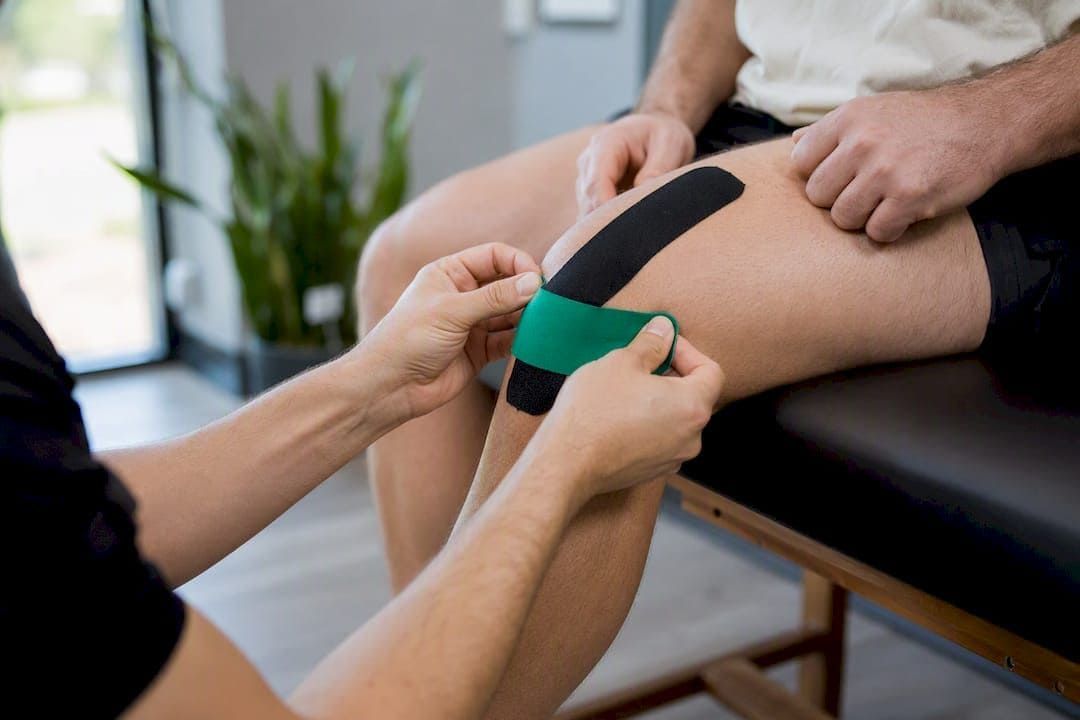
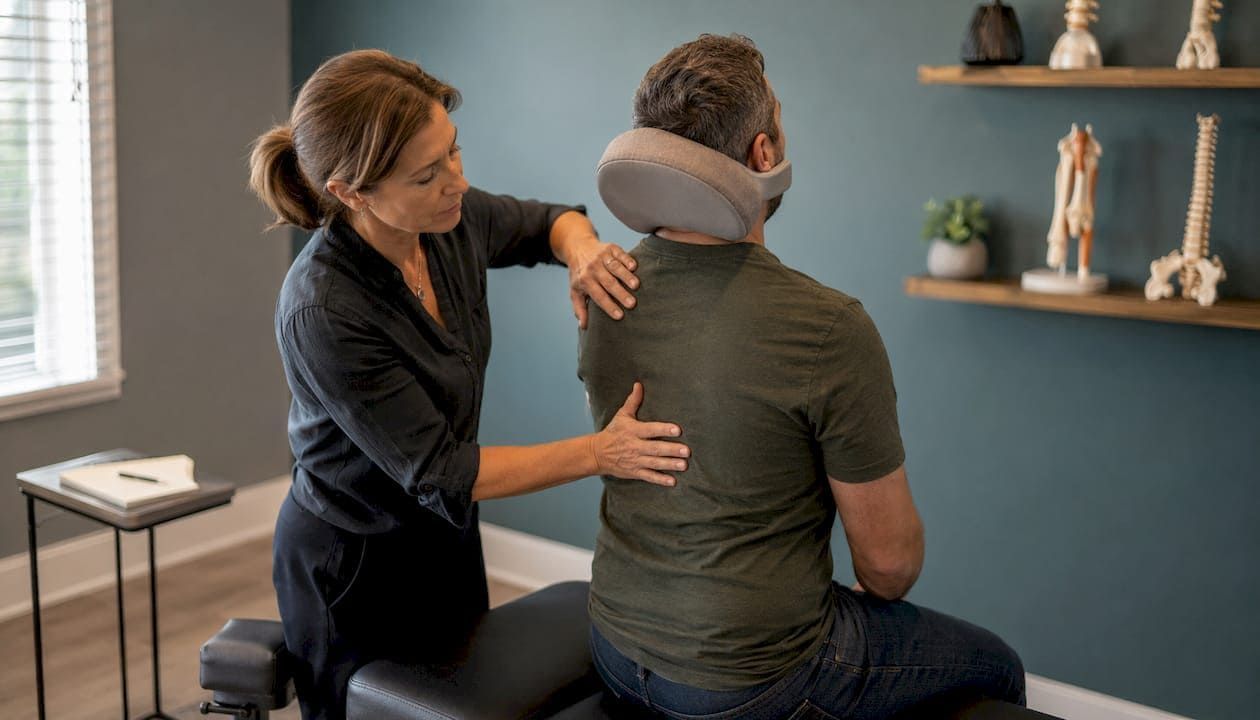
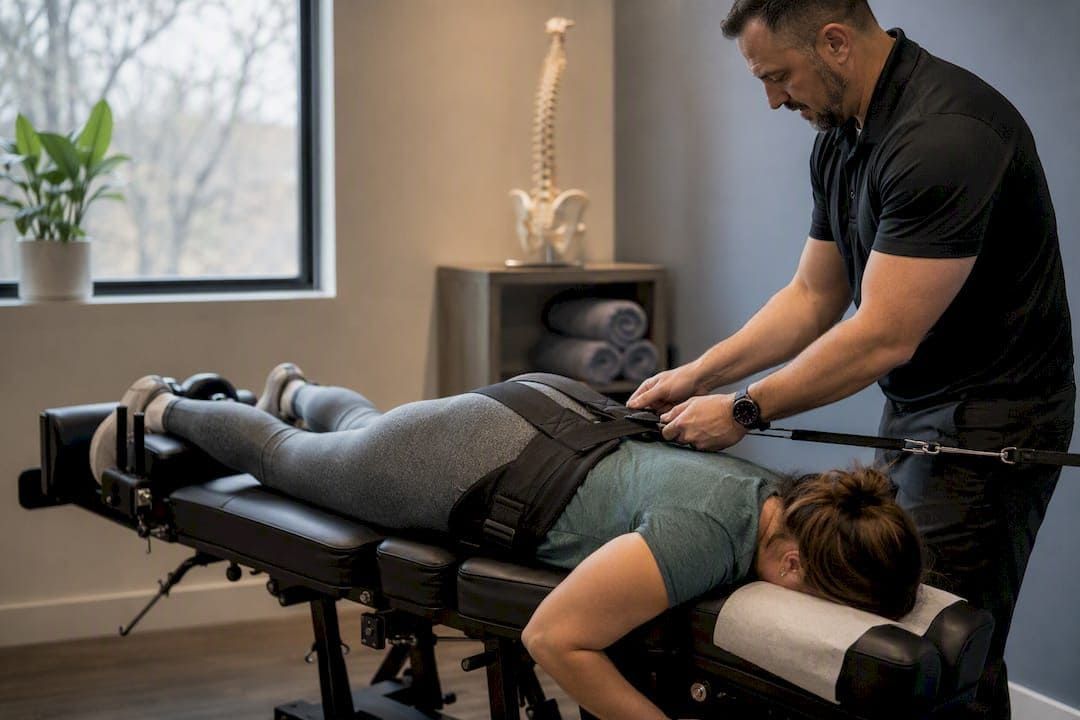
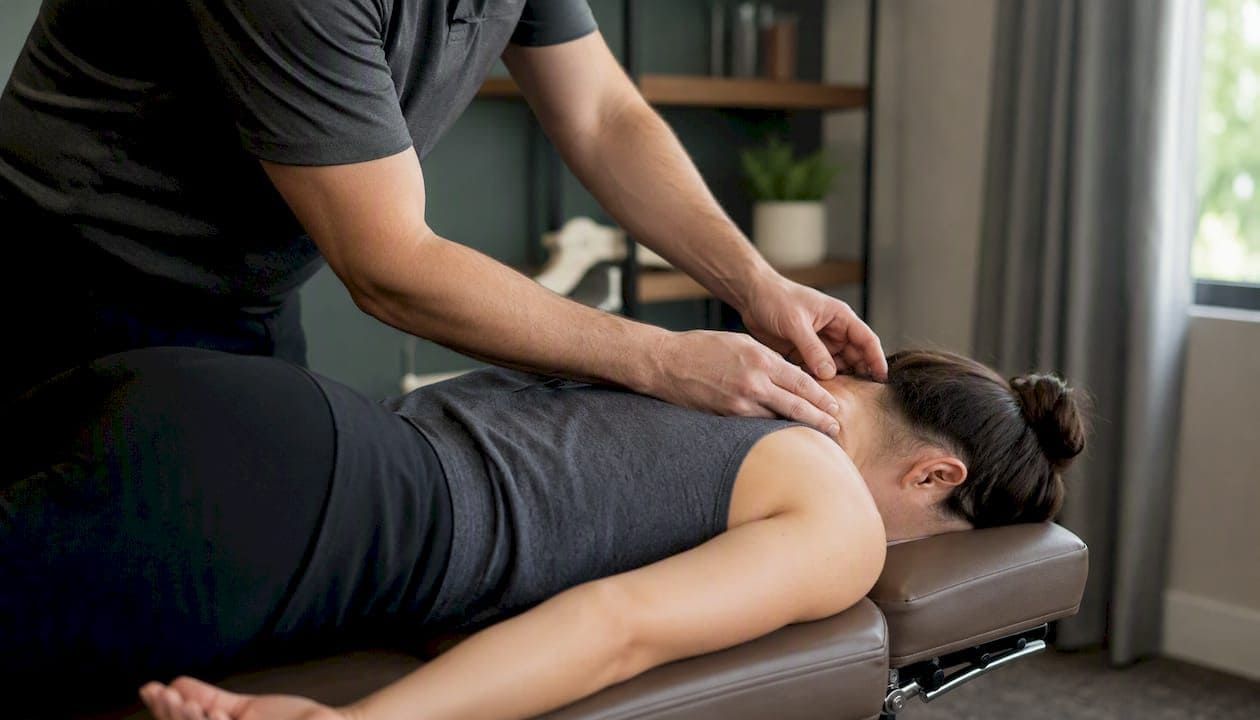
- Active therapies. This may include spinal adjustments, spinal decompression, soft tissue or manual therapy, dry needling, or electrical stimulation. Each therapy has a purpose. Spinal adjustments restore joint alignment and nerve function. Decompression relieves disc pressure. Manual therapy releases muscle tension and improves blood flow to injured areas.
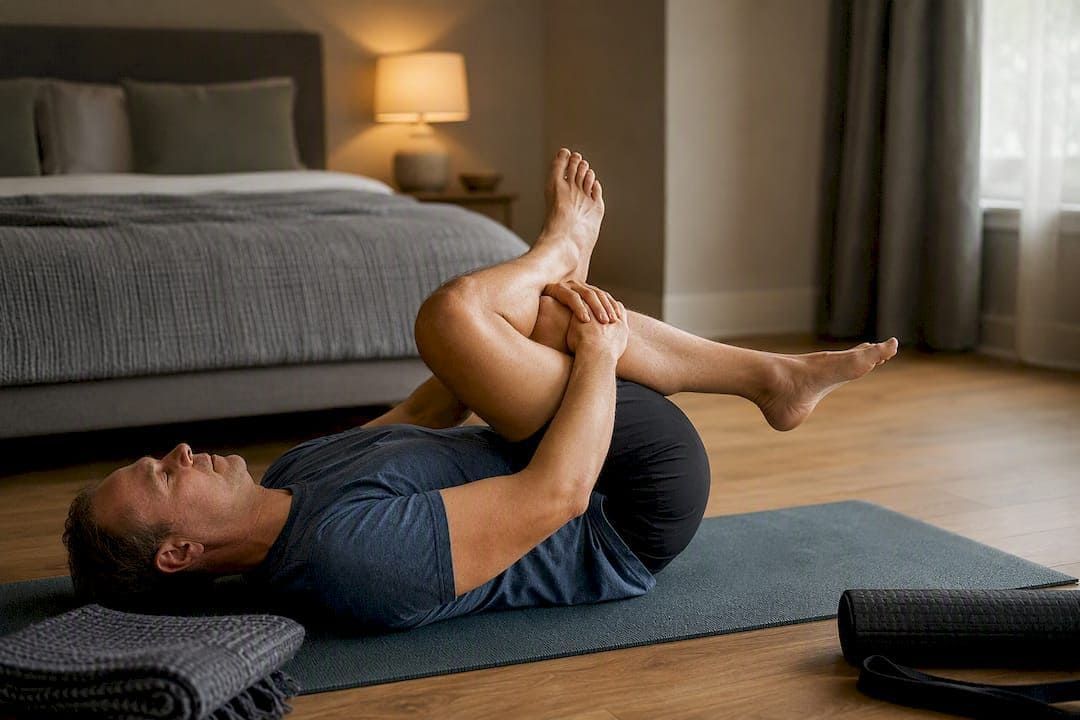
- Guided movement and rehabilitation. Passive treatments alone are not enough. Movement is medicine. Your care team will prescribe targeted exercises to rebuild strength, restore flexibility, and retrain your nervous system to move without compensating for pain. This is where most lasting change happens.
- Lifestyle integration. Your provider will coach you on sleep positioning, workstation ergonomics, nutrition basics, and stress management. These adjustments reinforce the work being done in the clinic and prevent setbacks at home.
- Post-care maintenance. Recovery does not end when symptoms fade. Regular check-ins, periodic adjustments, and continuing your home exercise program are what separate people who stay pain-free from those who cycle back into pain every few months.
Warning: Skipping steps can delay or prevent full recovery. Many patients feel better after the first few visits and assume they are done. But structural healing takes longer than symptom relief. Stopping early is one of the top reasons chronic pain returns.
Understanding chiropractic's role in injury rehab can help you see how these steps fit together as a system rather than isolated treatments. Athletes in particular benefit from this approach, and the specific benefits for athletes go well beyond pain relief into performance and injury prevention.
Reviewing wellness frameworks year-round reinforces why maintaining care even after feeling better is what produces durable results.
Pro Tip: Be radically honest with your provider. If a technique feels wrong, if your pain shifted locations, or if your sleep got worse, say so immediately. Your provider can only adapt your plan based on what you tell them. Honest communication is the single most powerful tool you have.
Customizing your plan: Adapting steps for pain, sports injuries, and lifestyle
While every plan shares a common sequence, adjusting the approach to match your needs brings the best results.
Personalized care plans lead to better functional outcomes in pain management, which is why a plan designed for a marathon runner looks very different from one created for someone with degenerative disc disease. The core steps remain the same, but the intensity, pacing, and techniques shift based on who you are and what your body needs.
| Factor | Chronic pain | Sports injury | General wellness |
|---|---|---|---|
| Assessment focus | Pain history, nerve involvement, posture | Biomechanics, sport-specific movement | Lifestyle habits, postural screening |
| Treatment priority | Reducing inflammation, restoring alignment | Tissue repair, strength, return to sport | Maintenance, prevention |
| Therapy frequency | Higher initially, taper gradually | Intensive short-term, then maintenance | Monthly or bimonthly |
| Home exercise | Low-impact, pain-free movement | Sport-specific rehab drills | Flexibility and core stability |
| Lifestyle changes | Sleep, nutrition, stress management | Recovery protocols, load management | Ergonomics, activity balance |
When you sit down with your provider to build your plan, ask these questions to make sure it is truly personalized:
- What specific outcomes are we aiming for, and by when?
- How will we know if this approach is not working?
- Are there any activities I should avoid or modify right now?
- What should I do at home between visits to accelerate progress?
- How will this plan change as I improve?
- Are there other specialists, such as nutritionists or physical therapists, who should be involved?
Flexibility in a care plan is not a sign of weakness in the plan. It is actually a sign of clinical intelligence. When your provider adjusts your care based on your real progress, they are doing exactly what they should be doing. Rigid plans that never change are far less effective than responsive ones.
For specific guidance on returning to your sport safely, the sports injury recovery tips at Essential ChiroCare are built for active individuals who need a timeline that respects their performance goals. You can also review a broader holistic recovery guide if your recovery involves multiple body systems or a personal injury.
Using a personalized checklist before each care phase ensures nothing gets overlooked as your plan evolves.
Checking results and staying on track: Measuring progress and what to do next
You've followed the steps, now it's time to confirm it's all working and stay on the path.
Regular monitoring and adapting your plan ensures long-term health and pain relief. Tracking your progress is not optional. It is part of the treatment itself.
Here is how to monitor your recovery in a structured way:
- Rate your pain weekly. Use a 0 to 10 scale every week on the same day. Note whether your pain is localized or spreading, sharp or dull, constant or intermittent.
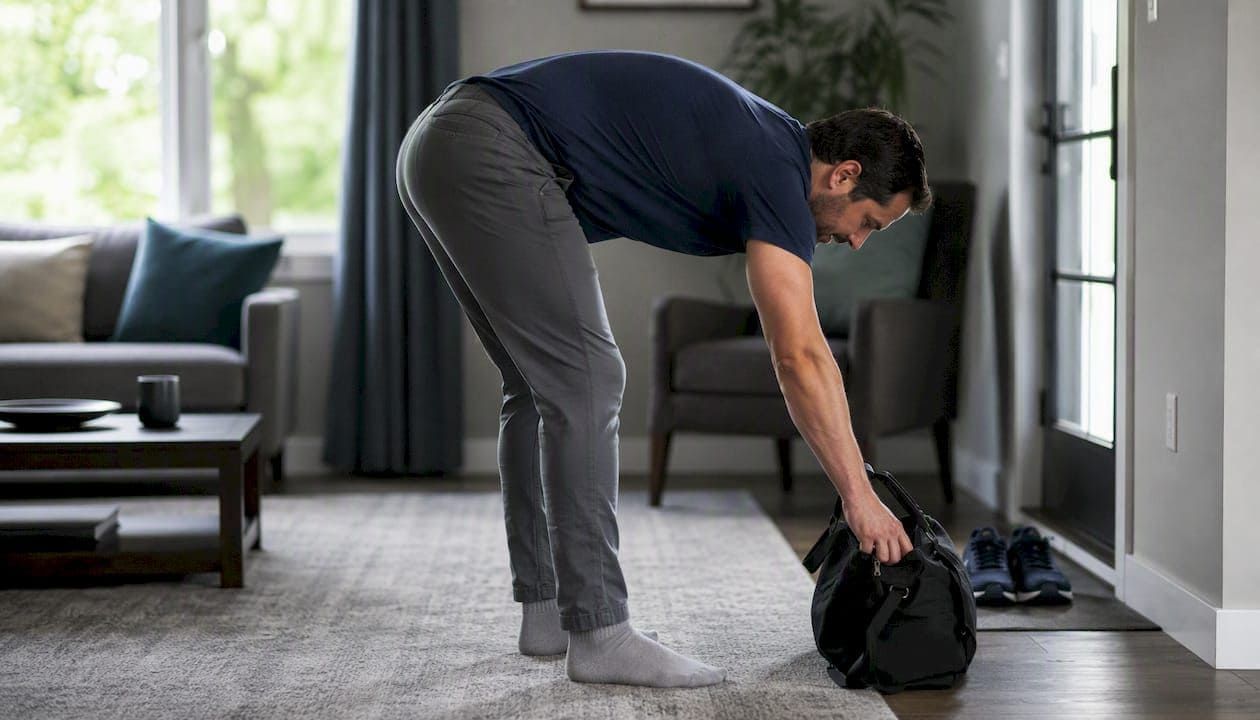
- Log your mobility. Can you turn your head further? Touch your toes without as much discomfort? These functional markers often tell more than a pain score alone.
- Track your daily function. Are you sleeping better? Sitting at your desk longer without discomfort? Returning to activities you had avoided? Functional improvement is a meaningful sign of real progress.
- Note your mood and energy. Pain is exhausting. As treatment works, most people notice improved mood, better focus, and more consistent energy before they even realize their physical pain has decreased.
- Reassess with your provider every 4 to 6 weeks. This formal check-in allows your care team to review your data, adjust therapies, and update goals.
| Progress marker | Green flag (improving) | Red flag (needs attention) |
|---|---|---|
| Pain score | Decreasing weekly | Staying the same or getting worse |
| Mobility | Gradual increase in range | Stiffness increasing |
| Sleep quality | Sleeping longer, fewer disruptions | Waking with pain or numbness |
| Daily function | More activities with less discomfort | Avoiding more activities |
| Mood and energy | Feeling more motivated | Fatigue or frustration increasing |
If any red flags appear, do not wait for your next scheduled appointment. Contact your care team right away. Sometimes a technique needs to be swapped, a home exercise is being done incorrectly, or an underlying issue needs closer attention.
Adding home exercises to boost recovery between visits keeps your progress momentum going, especially during longer gaps between appointments. You can also revisit the full chiropractic essentials checklist to make sure you are not drifting away from the fundamentals.
Pro Tip: Set a recurring calendar reminder every two weeks to review your symptom journal and update your progress notes before each appointment. Showing up with current data makes every visit more productive and keeps your provider from working from memory alone.
Monitoring wellness success consistently is what separates people who maintain results from those who gradually backslide.
Why most wellness care plans fail (and what actually works in West Central Florida)
Here is the truth that most providers do not say directly enough. The majority of wellness care plans that fail do not fail because of bad treatment. They fail because of what happens outside the clinic.
Patients who skip follow-up appointments after feeling a little better are among the most common setback stories we see across the West Central Florida region. Pain relief and structural healing are not the same thing. You can feel 70% better while your spine or soft tissue is still only 30% healed. Stopping care at that point is like leaving a fracture half-casted.
The second major failure point is ignoring lifestyle changes. A chiropractic adjustment can realign your spine, but if you go home and sleep on a mattress that collapses your lumbar curve every night, you are undoing the work. The clinic and the home need to work together. There is no shortcut around this.
The third issue is the one-size-fits-all trap. Some clinics still use generic protocols for every patient with a similar diagnosis. A 19-year-old soccer player and a 58-year-old office worker with the same disc herniation need fundamentally different care plans. Customization is not a luxury. It is the standard that produces results.
What we have learned from working across Tampa, Brandon, Sarasota, Lakeland, and Pinellas Park is that the most successful patients treat their wellness plan as a collaboration, not a prescription. They ask questions, report changes, and stay consistent even when life gets busy. They also recognize that chiropractic care does not stand alone. Physical rehabilitation, manual therapy, and sometimes coordination with other specialists create a fuller picture of healing.
The chiropractic care essentials are not complicated. But they require commitment. The patients who stay consistent with their plan and treat wellness as an ongoing practice rather than a one-time fix are the ones who stop coming back with the same pain over and over again.
Ready to start your personalized wellness care? Connect with our local experts
If you're ready to put these steps into action with guidance, our team is here to help.
At Essential ChiroCare, we work with patients across West Central Florida who are tired of temporary fixes and want a plan built specifically for their body, their pain, and their goals.
Our personalized chiropractic care services address everything from spinal alignment to nerve pain, using assessment-based treatment rather than guesswork. If you are rebuilding after an injury, our rehab for strength and mobility program helps you regain real function, not just surface-level relief. Athletes and active individuals trust our sports injury care program for its sport-specific approach and timeline-focused recovery plans. With multiple locations across the region and providers with sports team backgrounds, our team is positioned to meet you where you are and build the plan you actually need. Reach out today to schedule your initial assessment and take the first real step toward lasting relief.
Frequently asked questions
What is the first step in starting a wellness care plan for pain or injury?
The first step is a comprehensive assessment by a qualified provider to establish your baseline and create a care plan built around your specific condition.
How often should I check my progress during a wellness care program?
You should review your progress every few weeks with your provider, since regular plan adaptation is what keeps your care moving in the right direction.
Can wellness care steps be adjusted for athletes and active individuals?
Yes, each step should be tailored to your activity level and recovery goals, since personalized care plans produce measurably better functional results than generic protocols.
What should I do if my pain isn't improving after following wellness care steps?
Talk to your provider right away, because step-by-step frameworks may need to be reassessed or supplemented with additional therapies to address what was missed.
Is chiropractic care part of an effective wellness care program?
Yes, chiropractic care is a core component in most effective plans because structured wellness frameworks that include spinal care consistently show better outcomes for pain relief and restored movement.
Recommended
- Why Holistic Pain Relief Matters for Lasting Wellness
- Personal Injury Rehabilitation Guide for Holistic Recovery
- 7 Essentials for Your Complete Chiropractic Care Checklist
- Chiropractic Techniques: Improving Pain and Wellness
- Chiropractic Wellness: Relieve Pain & Aid Recovery Fast
- Discover Why Massage Therapy Matters for Lasting Relief