Non-invasive therapy: safe pain relief and recovery guide
Non-invasive therapy: safe pain relief and recovery guide
TL;DR:
- Non-invasive therapy avoids skin penetration, reduces recovery time, and minimizes risks compared to surgery.
- These therapies work by stimulating cellular repair, reducing inflammation, or resetting pain pathways.
- Evidence shows non-invasive treatments can provide significant pain relief, especially when combined and personalized.
Chronic pain affects nearly 1 in 5 American adults, yet most people still assume that real relief requires surgery, steroid injections, or a lifetime of prescription medications. That assumption is outdated. Non-invasive therapy minimizes risks and recovery time compared to invasive methods, and the research supporting these approaches has grown dramatically over the past decade. Whether you're managing a sports injury, recovering from a car accident, or dealing with persistent back or joint pain, this guide breaks down what non-invasive therapy actually is, how it works in your body, what outcomes you can realistically expect, and how to take practical steps toward relief right here in West Central Florida.
Table of Contents
- Understanding non-invasive therapy: Definition and scope
- How non-invasive therapies work: Mechanisms and science
- Evidence and effectiveness: What research tells us
- Who benefits (and limitations): Suitability, edge cases, and safety
- Applying non-invasive therapy: Practical steps for West Central Florida adults
- What most guides miss about non-invasive therapy for chronic pain
- Start your non-invasive pain relief journey
- Frequently asked questions
Key Takeaways
| Point | Details |
|---|---|
| Safe alternative to surgery | Non-invasive therapies offer effective pain relief with low risks and minimal downtime. |
| Evidence-based results | Clinical research shows average 30-60% pain reduction using leading non-invasive methods. |
| Variety of options | Therapies range from ultrasound and PEMF to photobiomodulation and neuromodulation. |
| Suitability varies | Consult a local expert to determine the best therapy for your individual condition and history. |
| Practical next steps | Follow a structured approach—assessment, selection, monitoring—for optimal outcomes. |
Understanding non-invasive therapy: Definition and scope
The term "non-invasive" gets used a lot, but what does it actually mean for your care? Non-invasive therapy refers to procedures that do not break the skin, require incisions, or enter body cavities. Nothing punctures, cuts, or implants. That single distinction changes everything about recovery time, risk, and accessibility.
For adults dealing with chronic pain or recovering from injuries, this matters because it means you can often receive treatment and return to your daily routine the same day. There's no anesthesia, no surgical site to protect, and no lengthy hospital stay.
The range of non-invasive therapies available today is broader than most people realize. Here's a quick comparison between invasive and non-invasive approaches to the same pain conditions:
| Feature | Invasive treatment | Non-invasive therapy |
|---|---|---|
| Skin penetration | Yes (incisions or injections) | No |
| Recovery time | Days to weeks | Usually none to minimal |
| Infection risk | Present | Negligible |
| Anesthesia required | Often | No |
| Hospital setting needed | Frequently | Usually not |
| Upfront access | Requires referral/surgery center | Clinic-based or outpatient |
Common types of non-invasive therapy include:
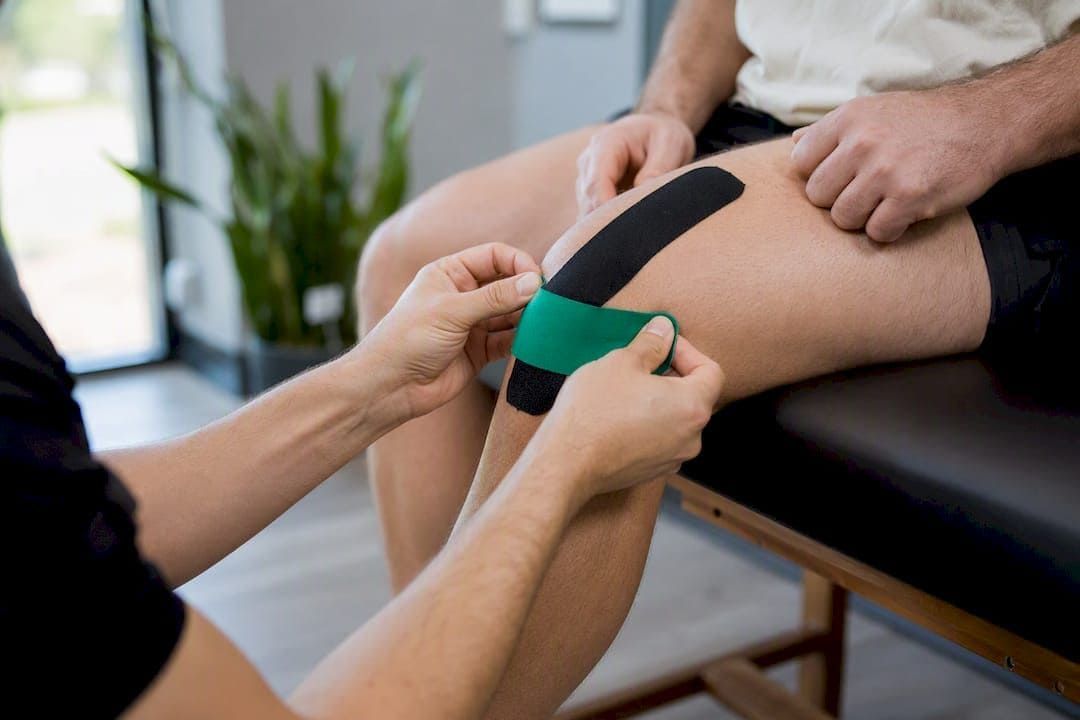
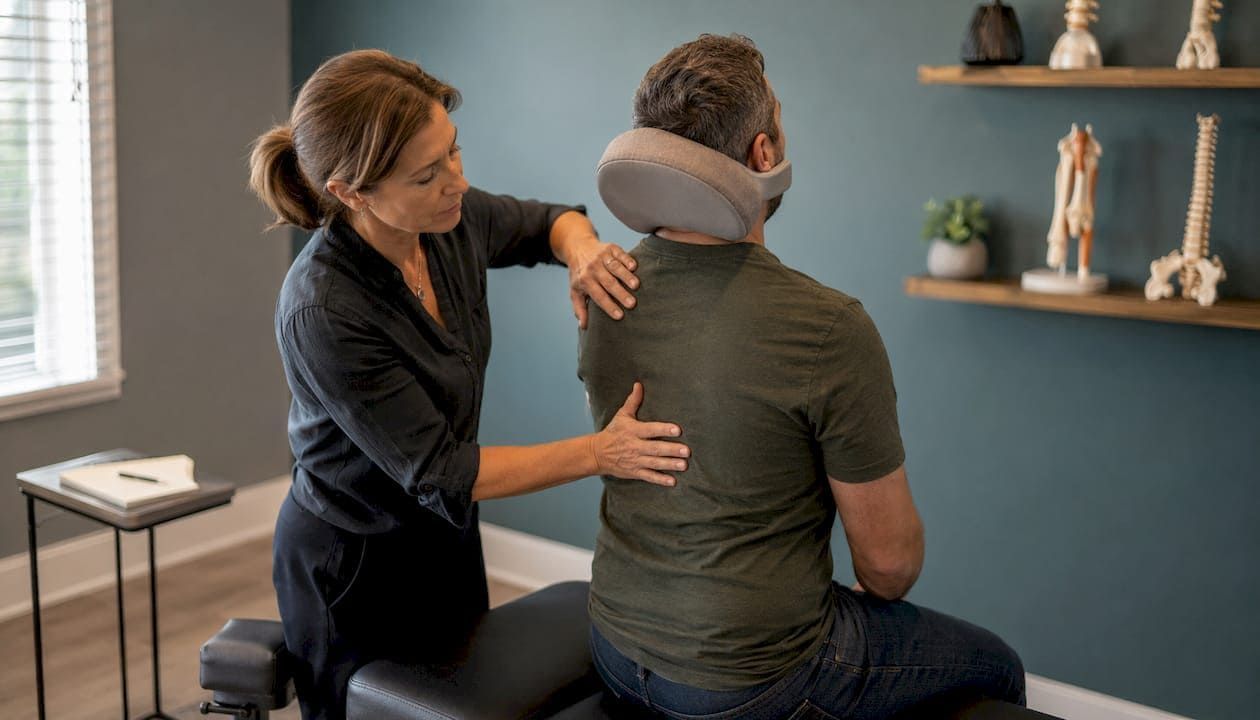
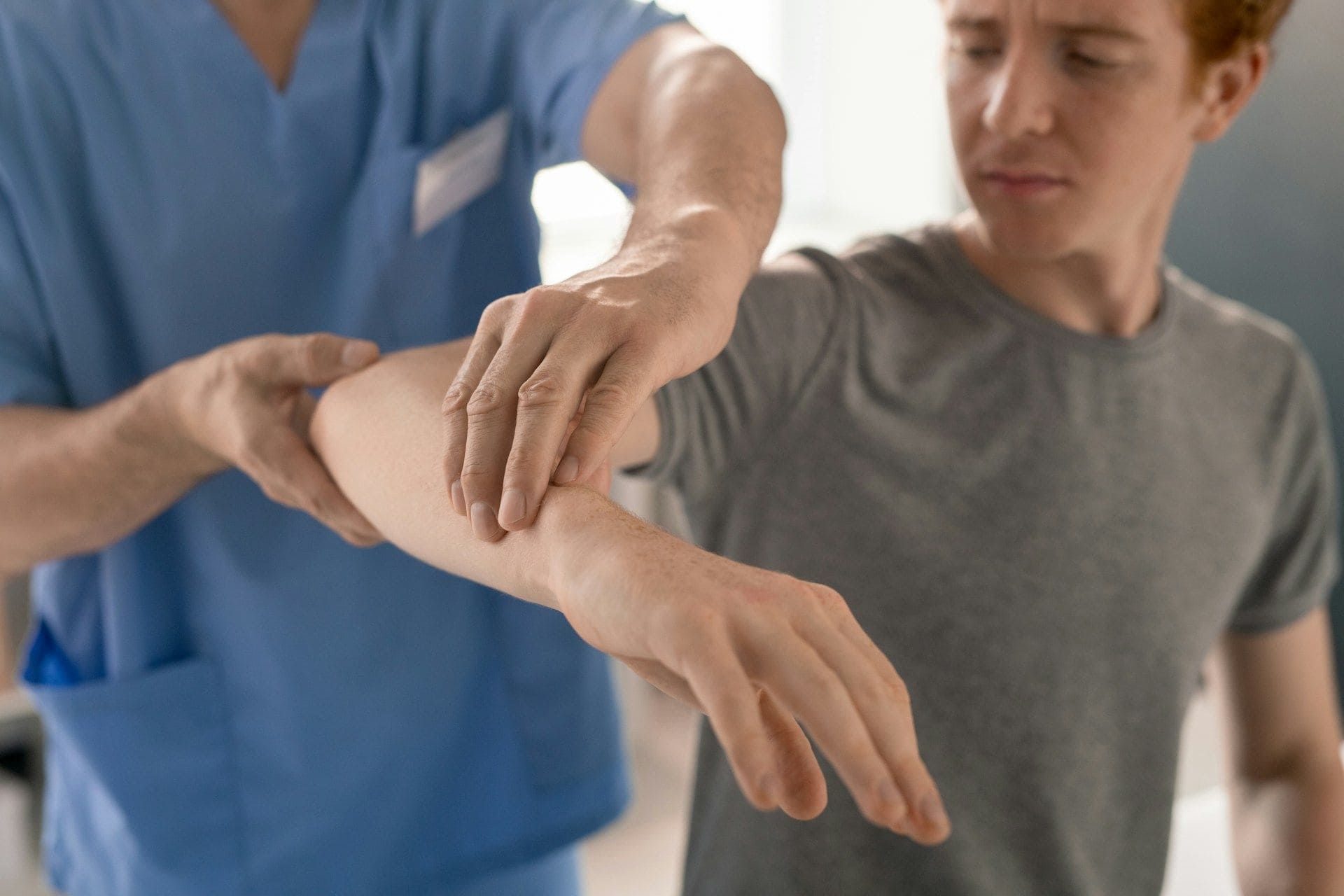
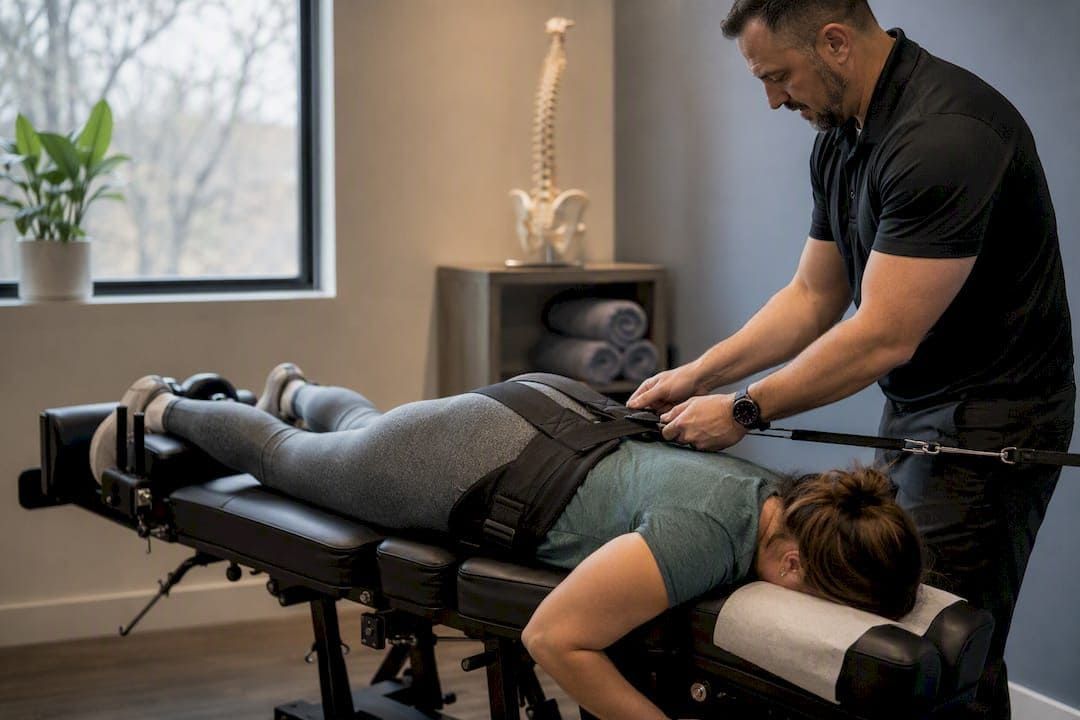
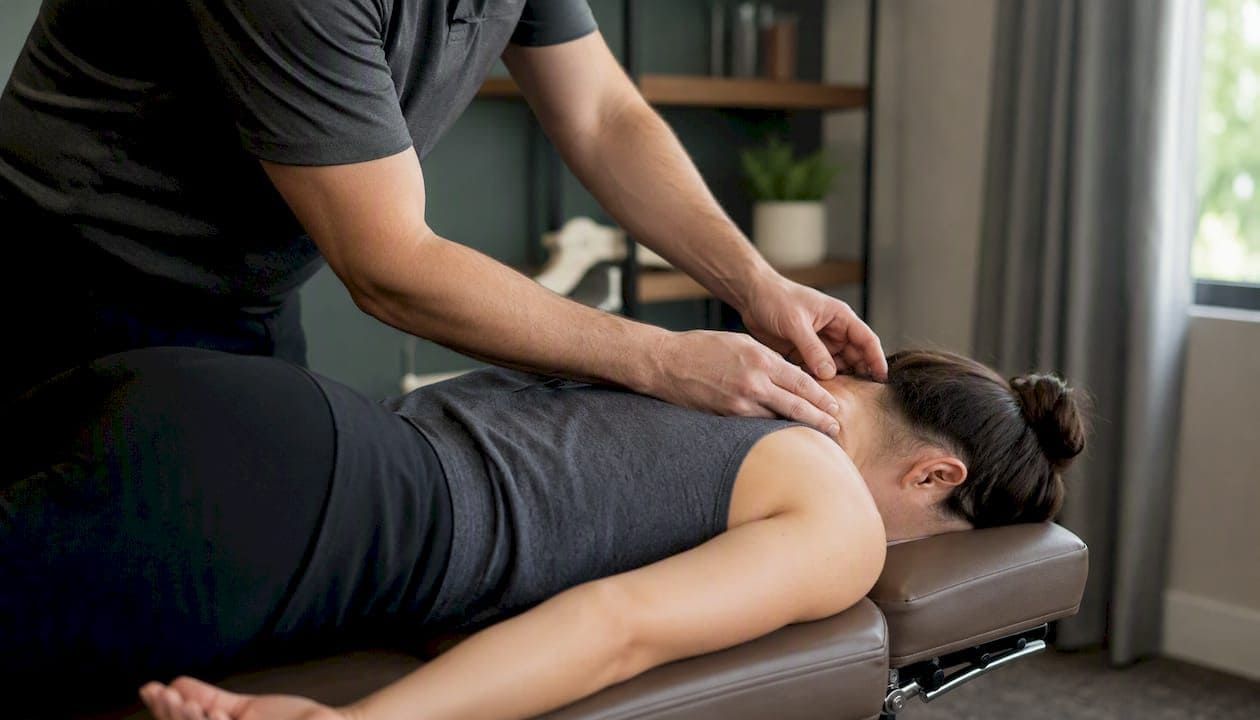
- Physical examination and manual therapy (chiropractic adjustments, massage, mobilization)
- Ultrasound therapy (therapeutic sound waves that penetrate soft tissue)
- Shockwave therapy (acoustic pressure waves that stimulate healing)
- Pulsed electromagnetic field therapy (PEMF, uses electromagnetic pulses to promote cellular repair)
- Photobiomodulation (PBM, also called low-level laser therapy, uses specific light wavelengths)
- Biofeedback (teaches the brain to control pain and tension responses)
- Non-surgical neuromodulation (external devices that alter nerve signaling)
Most adults turn to these holistic pain management options because they want effective care without the steep risks that come with surgery or heavy medication use. If you've been told your only option is a procedure, it's worth knowing that pain management alternatives are more evidence-based than ever before.
How non-invasive therapies work: Mechanisms and science
Understanding how these therapies actually produce results helps you make smarter decisions about your care. Each modality works through a specific biological pathway. None of them are guesswork.
Here's a plain-English breakdown of how four major non-invasive therapies interact with your body:
- PEMF (Pulsed Electromagnetic Field Therapy): Electromagnetic pulses travel through tissue and modify nitric oxide signaling, a key process in reducing inflammation and promoting cellular repair. Think of it as "charging" damaged cells back toward normal function.
- PBM (Photobiomodulation): Specific wavelengths of light penetrate skin and stimulate ATP production (ATP is the energy currency your cells use) and improve microcirculation. More energy in the cell means faster tissue repair and less pain signaling.
- Shockwave therapy: Acoustic pressure waves break up calcified tissue, stimulate collagen production, and trigger the body's natural repair cascade. This is especially useful for tendon injuries and heel pain.
- Non-surgical neuromodulation: Devices applied to the skin deliver electrical signals that essentially interrupt or "reset" overactive pain pathways. Research shows it reverses maladaptive neuroplasticity, meaning it helps the brain "unlearn" chronic pain patterns that formed after injury.
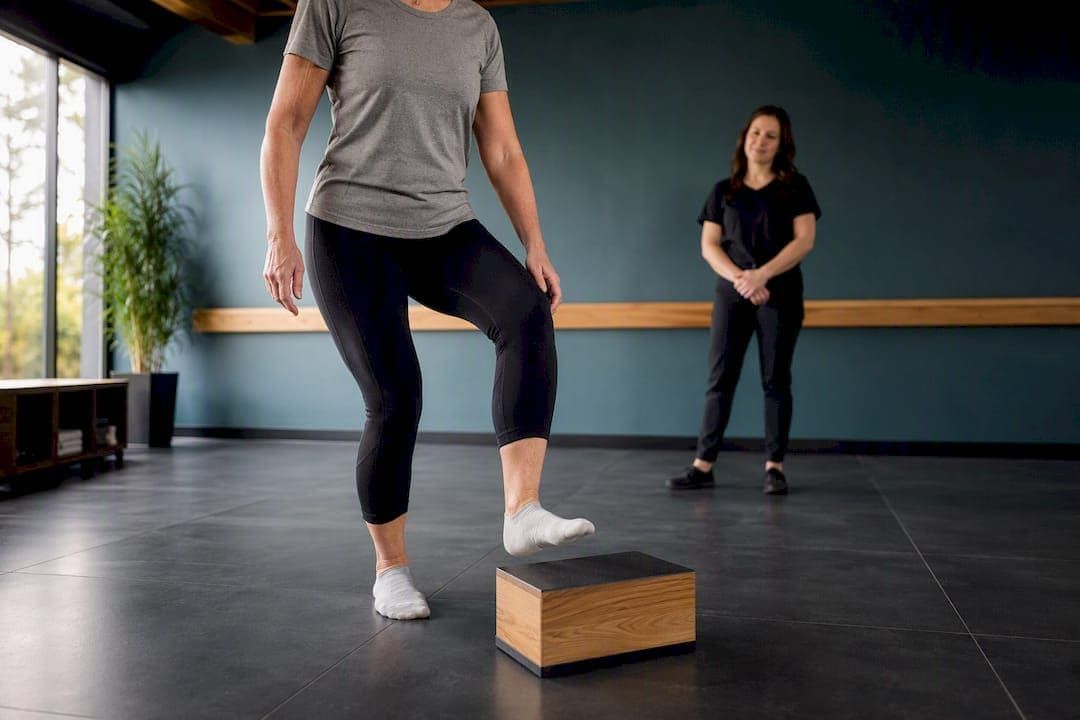
These mechanisms are why chiropractic techniques for pain are often most effective when combined with therapies like PEMF or PBM rather than used in isolation. The body responds better to multiple coordinated signals.
"Randomized controlled trials across multiple non-invasive modalities consistently show 30 to 60% average pain reduction for appropriate candidates, a result that rivals many pharmaceutical interventions without the side effect profile."
Pro Tip: Results from non-invasive therapies are often maximized when combined with guided movement or therapeutic exercise. Passive therapy alone does less than therapy paired with active rehabilitation. Ask your provider about incorporating manual therapy benefits alongside structured movement.
Here's a quick data overview of what different therapies target:
| Therapy | Primary mechanism | Common conditions treated |
|---|---|---|
| PEMF | Nitric oxide and cellular repair | Arthritis, bone healing, back pain |
| PBM | ATP stimulation, microcirculation | Fibromyalgia, neuropathy, wound healing |
| Shockwave | Collagen stimulation, calcification | Tendinopathy, plantar fasciitis |
| Neuromodulation | Nerve signal interruption | Chronic pain, post-injury nerve pain |
| Manual therapy | Joint mobility, soft tissue release | Musculoskeletal pain, headaches |
Evidence and effectiveness: What research tells us
This is where the science gets genuinely encouraging. Studies on non-invasive therapies have moved well beyond early pilot trials into rigorous randomized controlled trials (RCTs), which are the gold standard of medical evidence.
Key findings you should know:
- PEMF: A controlled trial showed a 36% pain reduction in PEMF-treated patients versus only 10% in the standard care group. That's a meaningful gap.
- PBM: A systematic review found significant pain reductions in fibromyalgia and neuropathy patients specifically, two conditions that are notoriously difficult to treat with conventional medicine.
- Focused ultrasound: In one trial, 60% of patients experienced meaningful pain reduction by Day 1 of treatment, with 43% maintaining that relief by Day 7.
- Multimodal approaches: Combining two or more non-invasive therapies consistently outperforms any single modality. This aligns with how the body actually heals, which is rarely through one pathway.
If you're exploring best non-invasive treatments for your situation, these numbers provide a realistic baseline. They also set honest expectations: non-invasive therapy is not a magic switch. Results vary based on your diagnosis, how long you've had the condition, your overall health, and how consistently you follow the protocol.
The evidence also reinforces the value of lasting wellness through holistic pain relief rather than chasing short-term symptom suppression. Adults who engage with non-invasive care as part of an ongoing wellness strategy tend to see better long-term outcomes than those who use it only in acute flare-ups.
For anyone recovering from an accident or sports-related injury, the research on chiropractic in injury rehab similarly supports starting non-invasive interventions early rather than waiting to see if symptoms resolve on their own.
Who benefits (and limitations): Suitability, edge cases, and safety
Non-invasive therapies are well-suited to a wide range of adults, but they're not universally appropriate for every situation. Knowing who benefits most and who should take extra caution helps you have a more productive conversation with your provider.
Adults most likely to benefit include:
- Those with chronic musculoskeletal pain (back, neck, hips, knees)
- People recovering from sports injuries or auto accidents
- Adults with fibromyalgia, neuropathy, or arthritis
- Individuals seeking to reduce or eliminate reliance on pain medication
- Anyone who has been told surgery is an option but wants to try conservative care first
Conditions requiring caution or modified protocols include:
- Active or suspected malignancies near treatment sites
- Implanted electronic devices like pacemakers (particularly relevant to PEMF and electrical neuromodulation)
- Pregnancy (certain modalities are avoided)
- Active infections or open wounds at treatment areas
- Severe osteoporosis in areas targeted by shockwave therapy
An important reality check: PBM protocols vary significantly in wavelength and dose, and what works for one condition may not be appropriate for another. Home-use neuromodulation devices are increasingly marketed directly to consumers, but they lack the clinical calibration of professionally administered treatment. The technology isn't wrong; the application matters enormously.
Protocol heterogeneity means that comparing results across studies is tricky, and predicting your individual outcome without a proper assessment is unreliable. This is exactly why practitioner experience and personalized evaluation are so critical.
Pro Tip: Before starting any non-invasive therapy, bring a complete list of your current medications, medical history, and any implanted devices to your first appointment. Your provider needs the full picture to design a safe and effective plan. Explore your holistic pain relief choices only after that initial assessment.
Applying non-invasive therapy: Practical steps for West Central Florida adults
Knowing the science is one thing. Getting started in a way that's organized, safe, and effective is another. Here's a clear roadmap tailored to adults in the Tampa, Brandon, Sarasota, Lakeland, and Pinellas Park areas.
- Schedule a comprehensive assessment first. A qualified provider should evaluate your pain history, function, imaging if needed, and goals before recommending any specific therapy. Skipping this step and jumping to a device or therapy based on what worked for a friend is a common mistake. The CDC recommends maximizing non-pharmacologic non-invasive therapies as first-line care for chronic pain, but that recommendation comes with the understanding that care should be matched to the individual.
- Explore which non-invasive therapies match your specific condition. Not every clinic offers every modality, and not every modality is right for every diagnosis. Ask specifically what the evidence base is for the recommended therapy applied to your condition, not just pain in general. You can also explore chiropractic options for back pain as a starting point for understanding how care can be targeted.
- Ask about multimodal treatment strategies. A provider who recommends only one therapy when your condition might respond better to a combination is limiting your results. Ask directly whether pairing therapies or adding structured exercise would improve your outcomes.
- Track your progress consistently. Use a simple pain diary or scale (0 to 10) and note changes in function, sleep quality, and daily activity. This data helps your provider adjust protocols in real time and gives you concrete evidence of whether the plan is working.
- Report changes or new symptoms early. Non-invasive therapy is designed to be safe, but your body's response is always valuable information. If something feels wrong, doesn't improve after a reasonable trial period, or changes suddenly, flag it immediately rather than waiting for your next scheduled visit.
What most guides miss about non-invasive therapy for chronic pain
Here's something most general articles won't tell you: not all non-invasive therapies are created equal, and the technology itself is often the least decisive factor in your outcome.
We see this regularly. Two patients with nearly identical diagnoses receive the same PEMF or shockwave protocol. One improves significantly; the other sees minimal change. The difference isn't always the device. It's the depth of the initial assessment, the skill with which the protocol is individualized, and crucially, the patient's engagement between sessions.
Most guides focus on which therapies exist or what the research shows in aggregate. Very few address how much practitioner skill matters in calibrating dose, frequency, and treatment sequence for a specific person's presentation. A chiropractor with a background in sports medicine approaches a soft tissue injury very differently than a general practitioner using the same machine. That difference in clinical reasoning produces measurably different results.
There's also a misconception that non-invasive means "passive." The adults in our region who get the most lasting benefit from care are those who pair clinical therapies with intentional lifestyle changes, including sleep, movement, and stress management. If you're exploring sports injury recovery tips after an athletic injury, the same principle applies. The therapy opens the door; what you do outside the clinic determines how far you walk through it.
Finally, local context matters. West Central Florida's active outdoor lifestyle, high rates of auto accident injuries from dense traffic corridors, and significant athletic population create specific patterns of injury and pain. Providers who treat these conditions daily develop a practical expertise that no amount of general reading can replicate. That's a meaningful advantage when you're the patient.
Start your non-invasive pain relief journey
If any part of this guide made you think "that sounds like what I've been dealing with," the natural next step is getting a personalized evaluation from a team that works with these therapies every day.
At Essential ChiroCare, we offer evidence-based chiropractic care for pain relief , targeted manual therapy solutions, and structured physical rehab services across our West Central Florida locations in Tampa, Brandon, Sarasota, Lakeland, and Pinellas Park. Our doctors bring sports medicine backgrounds and deep clinical experience to every assessment, which means your plan is built around your specific condition, not a generic template. Scheduling is easy online, and your first step is simply a conversation about where you are and where you want to be.
Frequently asked questions
What are the risks and side effects of non-invasive therapy?
Most non-invasive therapies carry minimal risk, with the most common side effects being temporary soreness or mild skin redness at the treatment site. Serious complications are uncommon when care is delivered by a qualified practitioner. In fact, non-invasive therapy minimizes risks significantly compared to surgical or injection-based interventions.
Is non-invasive therapy effective for everyone with chronic pain?
It can help a wide range of people, but outcomes depend on your specific condition, the therapy chosen, and how consistently you follow the treatment plan. The CDC recommends non-pharmacologic therapies as first-line care while acknowledging that individual patient factors and protocol adherence strongly influence results.
How quickly can I expect relief from non-invasive therapy?
Some people notice improvement within the first few sessions, while others need several weeks to see significant change. One focused ultrasound trial found that 60% of patients had meaningful pain reduction by Day 1, though longer-term consistency is usually what drives lasting relief.
Can non-invasive therapies be combined with medication or other treatments?
Yes, and in many cases combining approaches produces better outcomes than either alone. The CDC endorses multimodal strategies for chronic pain management, but always coordinate any combined approach with your healthcare provider to avoid interactions or contraindications.
Recommended
- Pain Management Options: Holistic Solutions for Relief
- Auto Injury Recovery Guide for Holistic Pain Relief
- Expert Manual Therapy for Pain Relief & Recovery
- Personal Injury Recovery Steps for Fast Pain Relief
- Chiropractic Wellness: Relieve Pain & Aid Recovery Fast
- Why massage relieves tension: Science, benefits, and real relief