
Evidence Based Chiropractic for Plantar Fasciitis Patients

Essential ChiroCare Blogger • November 10, 2026

Evidence Based Chiropractic for Plantar Fasciitis Patients

Chiropractic care, including joint mobilization, soft tissue work, and guided rehab, is a reasonable conservative option that can reduce plantar fasciitis pain and improve function when it is part of a broader program. Clinical guidelines support manual therapy for heel pain, and dry needling adds measurable short-term relief in several trials. If your pain is severe, worsening, or comes with numbness or night pain, see a clinician before trying home remedies alone.

TL;DR:

  • Manual therapy combined with soft-tissue work and dry needling can significantly reduce short-term pain in plantar fasciitis, with effects building over weeks.
  • A typical treatment plan spans six to eight weeks, with early relief within days to weeks, but functional recovery often takes four to eight weeks of consistent effort.
  • Complementary home exercises like plantar fascia and calf stretches, along with supportive footwear, enhance treatment outcomes and prevent recurrence.
  • Immediate pain relief methods such as taping and orthoses are supported for short-term benefits, yet long-term results depend on ongoing load management and exercise adherence.
  • Seek prompt medical attention if heel pain worsens, involves numbness, or persists beyond several weeks, especially with night pain or neurological symptoms.
chiropractic treatment for plantar fasciitis

Table of Contents

Chiropractic Techniques Used for Plantar Fasciitis

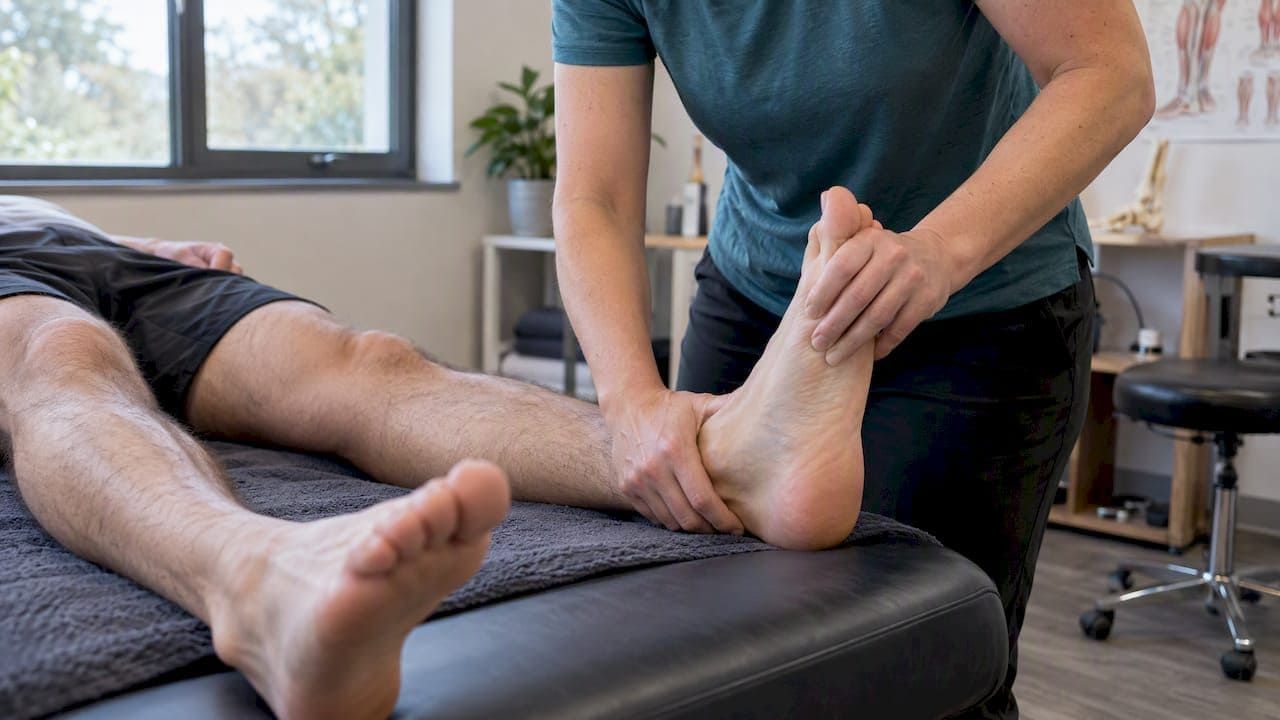
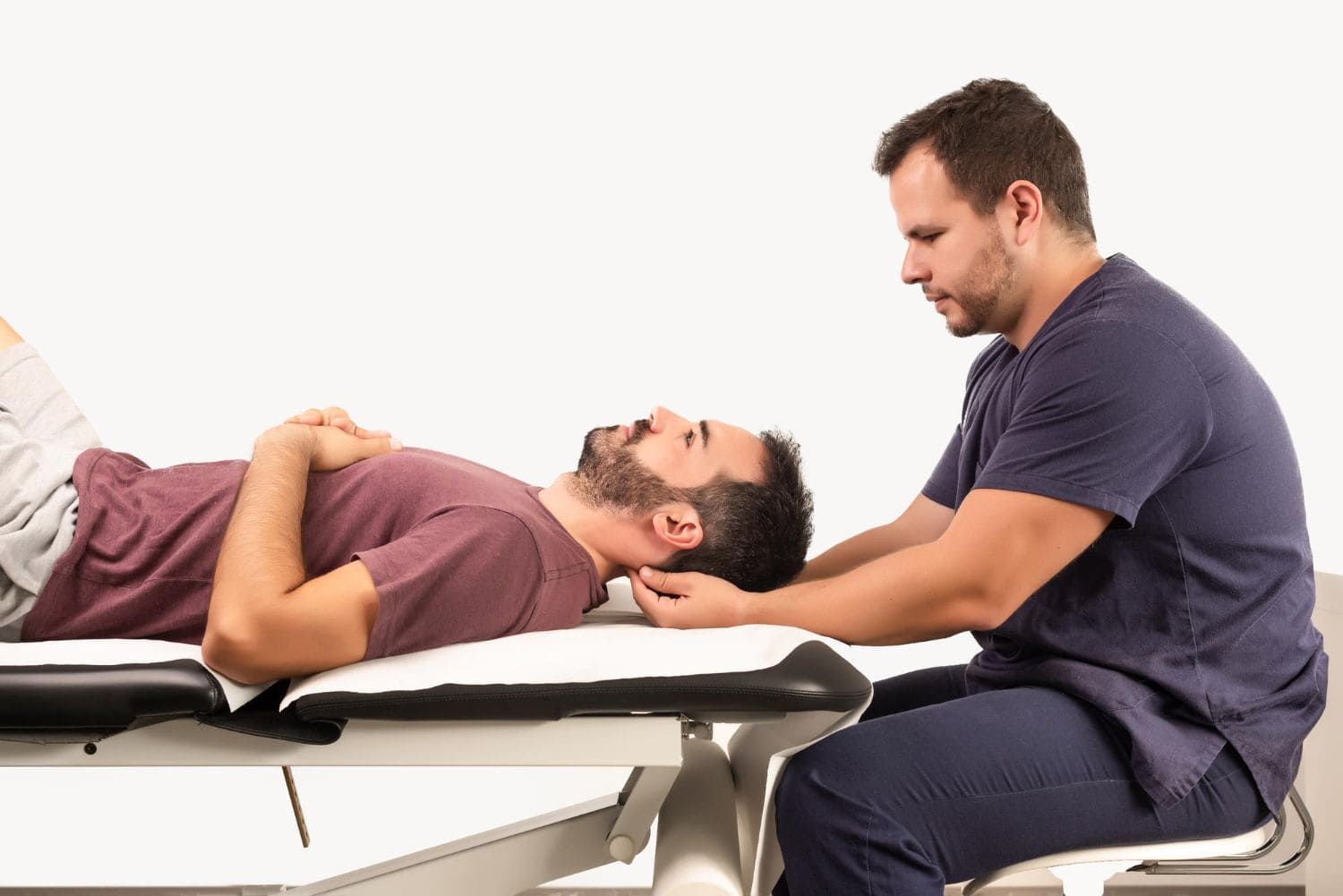
Chiropractors treating plantar fasciitis typically combine joint-focused and soft-tissue techniques rather than relying on one method alone. Ankle and foot joint mobilization, including high-velocity low-amplitude adjustments, aims to restore normal dorsiflexion at the ankle. When that joint moves properly, load shifts away from the overstressed plantar fascia and distributes more evenly through the foot during walking and running.

Soft-tissue work addresses the thickened, irritated fascia and the calf muscles that feed into it. Cross-friction massage breaks up adhesions along the fascia, instrument-assisted techniques similar to Graston Technique target deeper restrictions, and myofascial release loosens the triceps surae (the calf muscle group) so it stops pulling excess tension through the heel.

Dry needling has become a common adjunct. A 2024 systematic review and meta-analysis of 12 randomized trials covering 781 patients found that dry needling added to routine care significantly lowered pain scores at one month and beyond, with effects building over several weeks rather than appearing instantly.

Other adjuncts clinicians reach for include compression therapy:

  • Taping for immediate, short-term pain reduction during daily activity or sport
  • Iontophoresis (a treatment that uses a mild electrical current to deliver medication through the skin) for localized inflammation in select cases
  • Gait retraining cues layered into joint work to prevent the pain from returning

Expect some short-term soreness after manual therapy or needling, similar to post-exercise fatigue. It usually settles within a day and is not a sign the treatment failed.

What the Evidence and Clinical Guidelines Say

The 2023 Heel Pain, Plantar Fasciitis clinical practice guideline from the American Physical Therapy Association's orthopaedic section recommends manual therapy directed at the joints and soft tissues of the lower extremity, paired with plantar-fascia and calf stretching, taping, and foot orthoses, to reduce pain and improve function. Taping carries a recommendation for immediate short-term relief, while orthoses are recommended for short- to intermediate-term benefit.

A 2024 meta-analysis of 781 patients across 12 trials found dry needling plus routine care lowered pain scores (VAS/NPRS) by roughly 1.76 to 2.12 points more than routine care alone , with the difference becoming apparent at one month and holding beyond that point, according to the dry-needling systematic review.

Smaller trials comparing chiropractic manipulation plus stretching against custom orthotics tend to show both groups improving, with one small randomized trial reporting earlier pain reduction by day 15 in the manipulation-plus-stretch group. These trials are limited by small sample sizes and short follow-up periods, so they support short-term benefit more confidently than long-term outcomes.

Put together, the evidence points to a consistent pattern: manual therapies and needling reliably help with short-term pain and function, but durable recovery depends more on progressive loading and consistent follow-through on exercise. Larger, longer trials are still needed to settle how much manual care contributes beyond stretching and strengthening alone.

Typical Chiropractic Treatment Plan and Timeline

A first visit usually includes a history, palpation of the heel and arch, and a functional assessment before any hands-on work begins. From there, a typical plan looks like this:

  1. Weeks 1 to 2: Manual therapy and soft-tissue work 1 to 3 times per week, alongside a home stretching routine
  2. Weeks 2 to 6: Continued hands-on sessions with progressive loading exercises added as tolerance improves
  3. Weeks 6 to 8 and beyond: Visit frequency tapers as pain drops and function returns toward normal

Pain relief often starts within days to a couple of weeks, while meaningful functional gains, like walking or running without compensating, typically take 4 to 8 weeks. Many cases resolve substantially within a few months with consistent care. If progress stalls, clinicians may add night splints, orthotics, or refer for imaging or an injection consult.

Pro Tip: Stick to your home exercise program even on days you feel better. Patients who keep up daily stretching between visits tend to see faster, more durable gains than those who only do the in-clinic work.

Home Care and Progressive Rehab to Pair With Clinic Treatment

What you do between appointments matters as much as the appointments themselves. A systematic review of physiotherapeutic interventions supports plantar-fascia specific stretching and calf stretching for short-term pain relief, with combined stretching and soft-tissue work often producing larger gains than either alone.

A practical home routine includes:

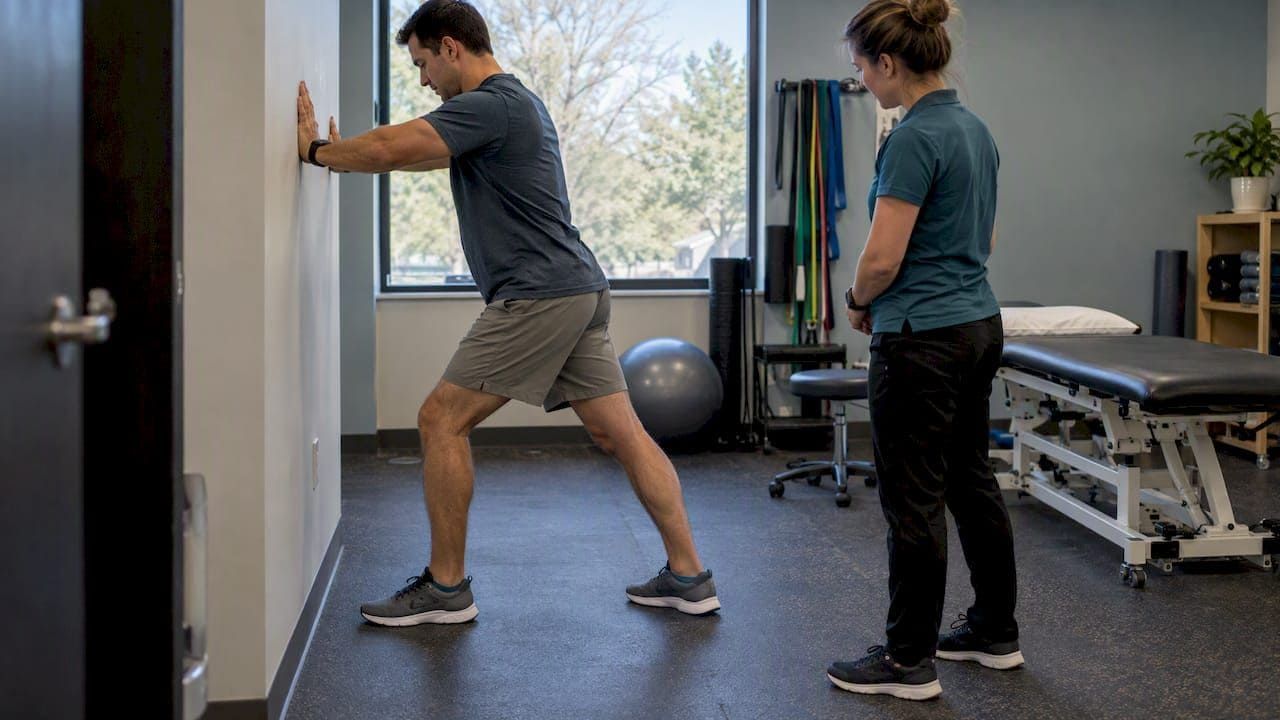
  • Plantar fascia stretch: Pull your toes back toward your shin for 30 seconds, 3 times, several times a day
  • Gastrocnemius and soleus calf stretches: Hold each for 30 seconds, 3 sets, focusing on both straight-knee and bent-knee positions
  • Eccentric heel raises: Start with 2 to 3 sets of 10 to 15 once early pain settles, progressing slowly in resistance
  • Isometric calf holds: Useful early on when movement is painful but loading is still tolerated
  • Footwear check: Over-the-counter inserts often help within a few weeks; custom orthotics are reserved for cases that do not respond
  • Night splints and taping: Used selectively to maintain stretch overnight or manage pain during activity

Pro Tip: Ice for 10 to 15 minutes after activity if your heel is inflamed, and roll the arch gently over a frozen water bottle or massage ball rather than pressing directly on the most tender spot.

What Happens at an Appointment and Questions to Ask Your Chiropractor

A typical exam includes a history review, palpation of the medial calcaneal tubercle (the bony point on the inside of the heel where the fascia attaches), a windlass test to reproduce your pain, range-of-motion checks, and a look at your gait. Before starting care, it helps to ask:

  • How many visits should I expect, and what does a realistic timeline look like?
  • What does my home program involve, and how often should I do it?
  • Are there any contraindications based on my health history?
  • What are the fees, and does my insurance apply?
  • What measurable goals will we track to know this is working?

Raise red flags immediately: pain that wakes you at night, progressive numbness or weakness, or signs of a systemic illness warrant referral rather than continued manual therapy.

chiropractic care for heel pain

How Essential ChiroCare Treats Plantar Fasciitis

We use hands-on adjustments and soft-tissue work combined with progressive rehab and patient education, rather than relying on a single passive treatment. Readers can verify practitioner backgrounds, review patient testimonials, and find multi-location scheduling options on our site. When evaluating any clinic's claims, ask for measurable goals and a defined timeline, not just a promise of relief.

When Chiropractic Care Is the Right First Step

Conservative, multimodal care, hands-on work paired with active rehab, deserves to be the first option most people try before anything more invasive. Stick with the plan, track your progress honestly, and follow up if pain stalls past 6 to 8 weeks rather than pushing through alone.

Getting Started With Essential ChiroCare

We offer chiropractic adjustments, manual therapy, and progressive physical rehab designed to work together as part of comprehensive care. Evaluations can be scheduled online to facilitate convenient access to care for heel pain.

  • Chiropractic adjustments and joint mobilization for the ankle and foot
  • Manual muscle therapy and soft-tissue work for the plantar fascia and calf
  • Physical rehab with progressive loading to support long-term recovery

If heel pain has lasted more than a few weeks or keeps coming back, schedule a chiropractic care evaluation and get a plan built around your specific case.

This article is general information, not a substitute for advice from a qualified doctor. Consult a qualified healthcare professional about your own circumstances before acting on anything here.

FAQ

  • Can chiropractic foot adjustments help with plantar fasciitis?

    Yes, joint mobilization and adjustments aimed at the ankle and foot can improve dorsiflexion and reduce strain on the plantar fascia, particularly when combined with stretching and soft-tissue work. The 2023 APTA Heel Pain guideline supports manual therapy directed at joints and soft tissue as part of conservative care.

  • How long does fatigue last after a chiropractic adjustment?

    Mild soreness or fatigue after an adjustment or soft-tissue session typically resolves within a day. It is similar to the fatigue felt after a workout and is not a sign that treatment failed.

  • Who is the best person to see for plantar fasciitis?

    Conservative care from a chiropractor, physical therapist, or podiatrist is a reasonable first step, and many patients benefit from a provider who combines manual therapy with a structured rehab program. See a clinician promptly if you notice night pain, progressive numbness, or symptoms that do not improve with a few weeks of conservative care.

  • Is it good to massage my plantar fasciitis?

    Gentle self-massage or rolling over a ball or frozen water bottle can ease tension in the fascia and calf, especially after activity. Avoid pressing directly on the most tender point with heavy pressure, since that can aggravate irritated tissue rather than help it.

Sources

Recommended

chiropractic treatment for spondylolisthesis
By Essential ChiroCare Blogger • November 9, 2026
Learn when chiropractic care is appropriate for low‑grade spondylolisthesis, which gentle techniques reduce pain, and which red flags need prompt surgical...

Shoulder pain chiropractor Tampa
By Essential ChiroCare Blogger • November 8, 2026
Learn how the best chiropractor in Tampa evaluates holiday shoulder pain, identifies likely causes, and creates a personalized plan for relief and mobility.

Chiropractic care after a car accident
By Essential ChiroCare Blogger • November 7, 2026
Learn which post-crash mistakes can slow healing and when to see a car accident chiropractor in Tampa for personalized care and support after a collision.
Chiropractic care for migraine relief
By Essential ChiroCare Blogger • November 6, 2026
Clinic authored, evidence informed guide to trying chiropractic for migraines safely: run a defined trial of several weeks, track migraine days, and...
Posterior canal BPPV treatment
By Essential ChiroCare Blogger • November 5, 2026
Evidence based guide to vertigo chiropractic treatment: maneuvers that work, tests that guide care, and safe options for limited neck mobility.
chiropractor for degenerative disc disease
By Essential ChiroCare Blogger • November 4, 2026
Evidence-forward, safety-first guidance on chiropractic care for degenerative disc disease. Read research takeaways, realistic expectations, and five...
Can chiropractic care help a dowager’s hump
By Essential ChiroCare Blogger • November 3, 2026
Clinic-rooted, evidence-aware care for patients with a dowager's hump. Combines exercise, manual therapy, and screening that commonly reduces kyphosis by...
Chiropractic treatment for jaw pain
By Essential ChiroCare Blogger • November 2, 2026
Evidence first TMJ chiropractic care. Which manual therapies have trial support, realistic gains in 6–12 sessions, and key safety tips and visit expectations.
chiropractor after car accident Tampa FL
By Essential ChiroCare Blogger • November 1, 2026
Learn how a symptom diary can support your recovery and help a car accident chiropractor in Tampa evaluate injuries after a collision with personalized care.

Chiropractic clinic in Tampa
By Essential ChiroCare Blogger • October 31, 2026
See how a chiropractic clinic in Tampa creates personalized recovery plans to support pain relief, injury healing, better mobility, and long-term wellness.
Show More