
Grade I–II Spondylolisthesis: When Chiropractic Care Helps Safely
Chiropractic care can be a useful part of conservative management for most low-grade spondylolisthesis, though clinical guidelines stop short of a blanket endorsement of spinal manipulation for the degenerative form of the condition. The right candidates have Grade I or II slips without progressive neurologic deficits, and anyone with worsening weakness, numbness, or bowel or bladder changes needs prompt medical evaluation rather than manual therapy. Realistic goals are symptom relief and better function, not a guaranteed structural fix.
TL;DR:
- Conservative chiropractic care is suitable for Grade I and II low-grade spondylolisthesis with no worsening neurological symptoms, but not for cases showing weakness or bladder changes.
- Techniques like flexion-distraction, spinal decompression, and core stabilization are commonly used, with some evidence of reducing vertebral slippage in case series.
- Evidence supports non-surgical treatment as first-line, but spinal manipulation has limited high-quality proof for degenerative cases and should be part of a broader plan.
- Red flags such as progressive weakness, bowel or bladder issues, or saddle numbness require urgent medical evaluation rather than manual therapy.
- A realistic chiropractic plan involves a phased approach over months, emphasizing symptom relief, movement correction, and careful coordination with medical providers.

Table of Contents
- What Spondylolisthesis Is, and Which Types Respond to Conservative Care
- Chiropractic Techniques Used for Spondylolisthesis
- What the Evidence and Clinical Guidelines Actually Say
- What a Chiropractic Care Plan for Spondylolisthesis Looks Like
- Patient Outcomes and What Case Evidence Actually Shows
- Red Flags That Mean You Need More Than Chiropractic Care
- Setting Realistic Goals Before You Choose a Provider
- How We Approach Spondylolisthesis at Essential ChiroCare
- FAQ
- Sources
What Spondylolisthesis Is, and Which Types Respond to Conservative Care
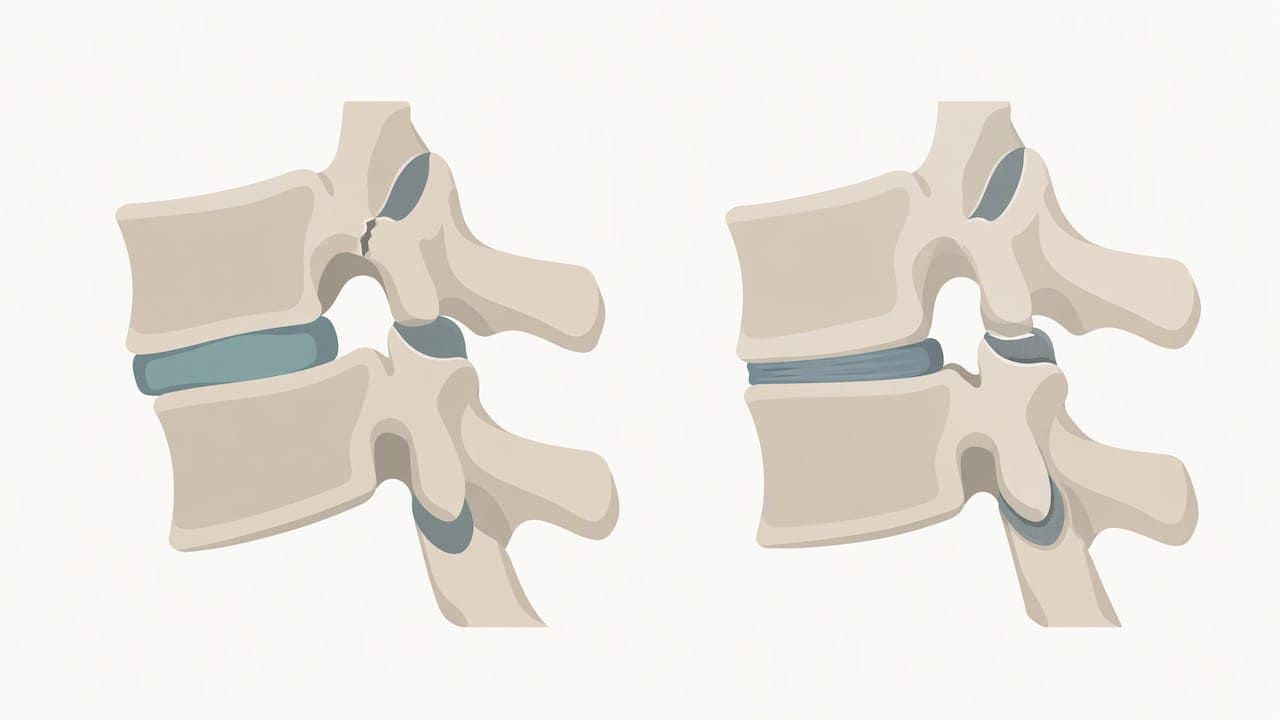
Spondylolisthesis happens when one vertebra slips forward over the one below it, most often at L4-L5 or L5-S1. The two forms that matter most for treatment planning are isthmic spondylolisthesis, caused by a stress fracture in a vertebral joint and typically seen in younger, active people, and degenerative spondylolisthesis, which develops from age-related disc and joint changes, usually after age 50.
Severity is graded on the Meyerding scale from Grade I to Grade IV. Grade I and II slips are usually managed conservatively first, while higher grades more often need surgical input.
Symptoms vary widely:
- Low back pain that often worsens with standing, walking, or extension
- Leg pain, tingling, or weakness from nerve root irritation
- Tight hamstrings or a change in gait in more advanced cases
- No symptoms at all, since many slips are found incidentally on imaging ordered for another reason
Chiropractic Techniques Used for Spondylolisthesis
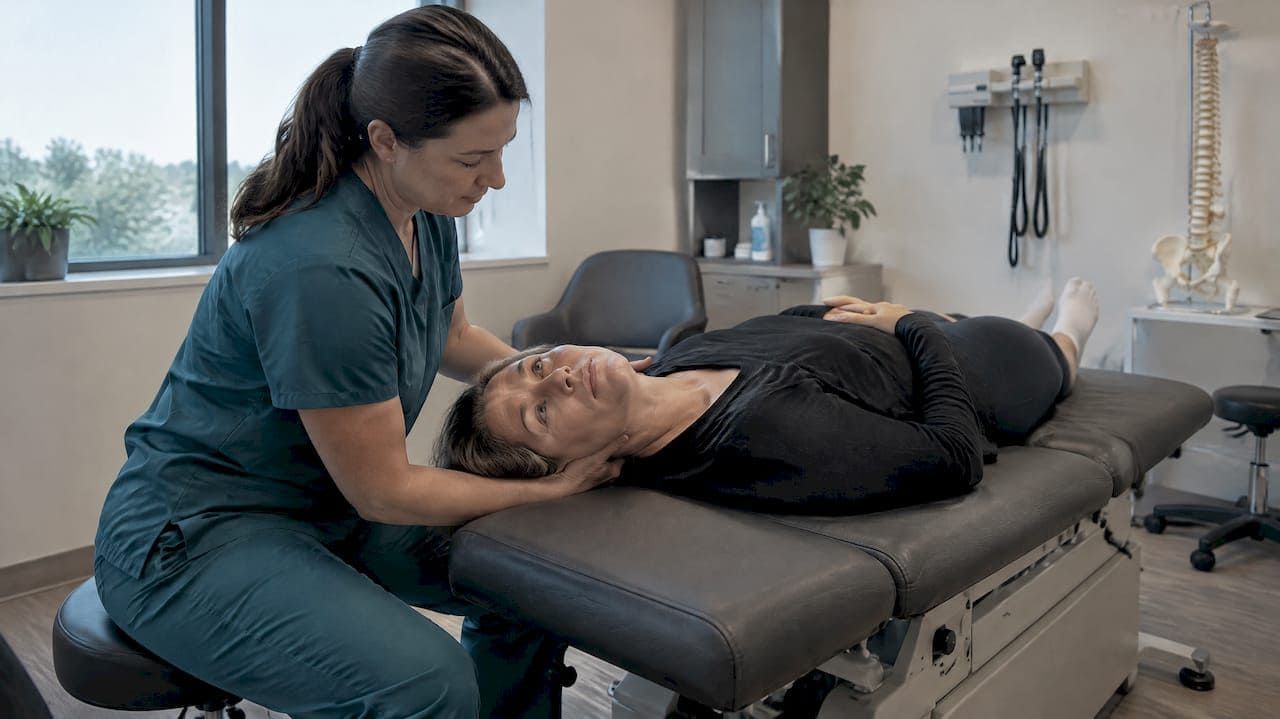
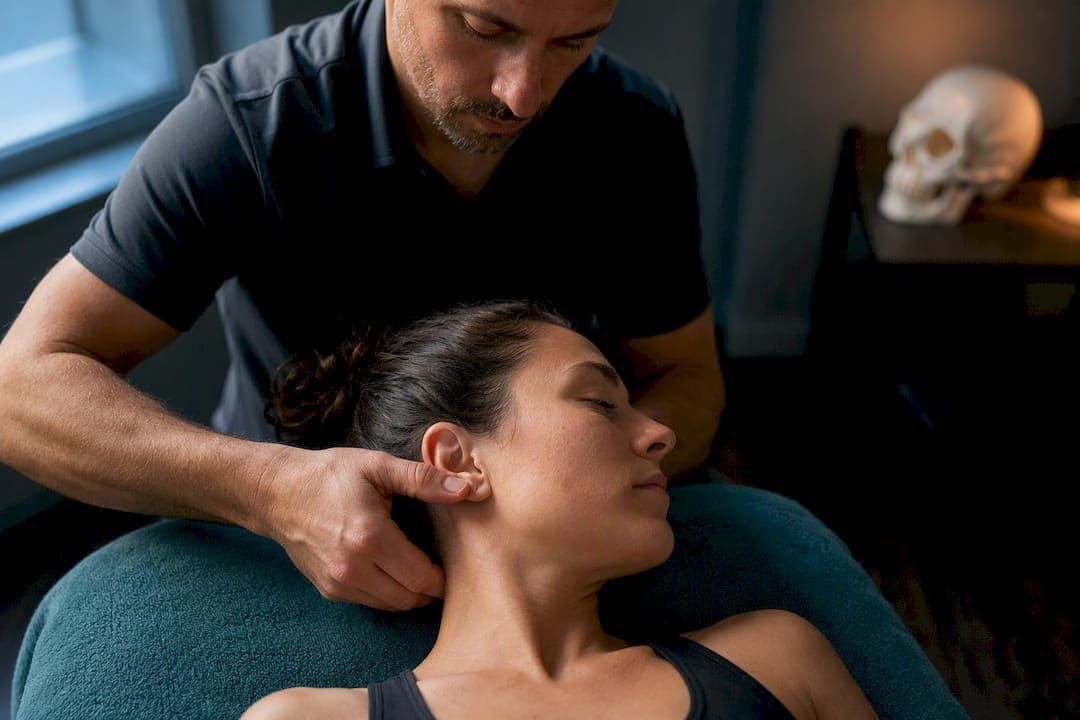
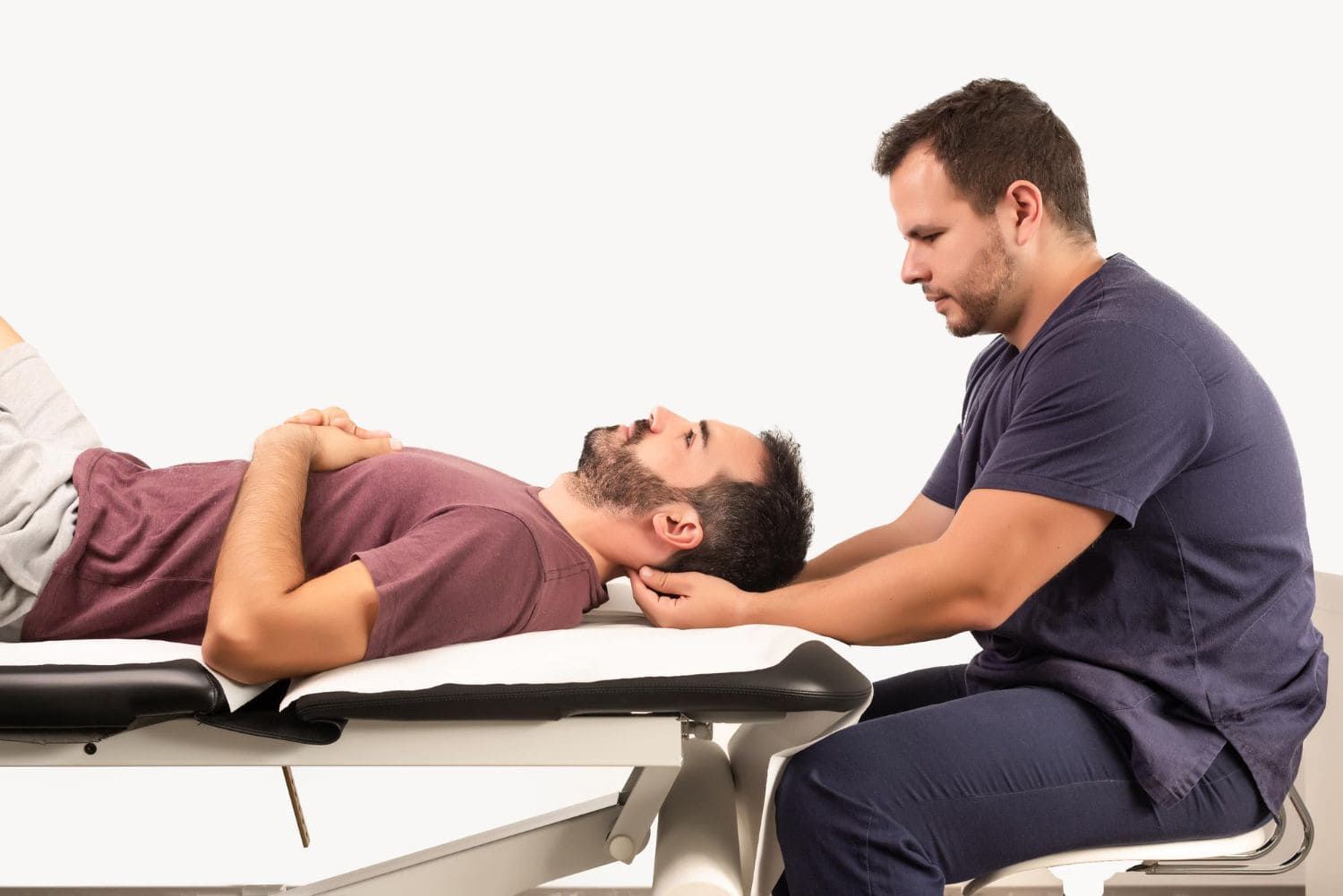
Chiropractors generally avoid direct high-velocity, low-amplitude thrusts on an unstable segment and instead lean on gentler, more controlled methods. Flexion-distraction therapy uses a specialized table to gently stretch and mobilize the lumbar spine without the sudden force of a traditional adjustment, and it has shown meaningful pain and disability reductions in a documented case of mechanical low back pain with spondylolisthesis.
Other common elements of a treatment plan include core strengthening and stability programs like those offered at OsteoStrong Eagan Minnesota:
- Spinal decompression or traction to reduce pressure on affected discs and nerve roots
- Manual mobilization at nearby segments to improve overall spinal mechanics
- Soft-tissue and manual muscle therapy to address compensatory tightness
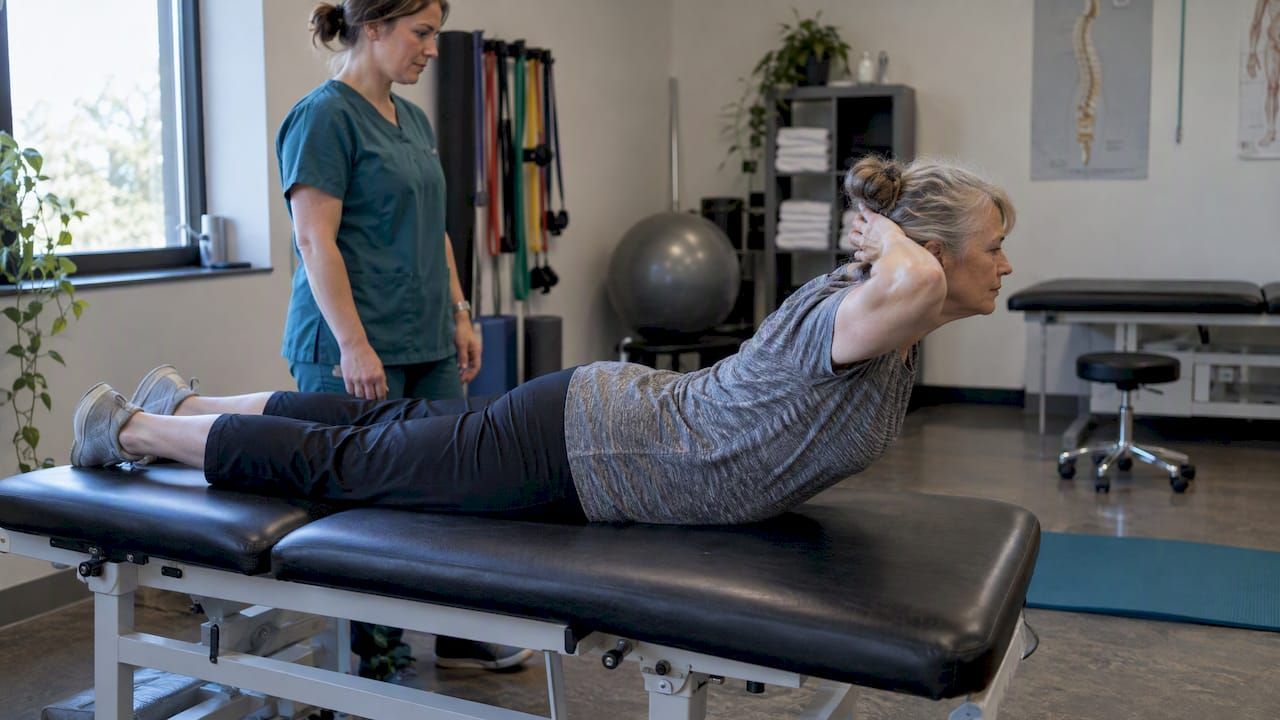
- Progressive core and stabilization exercises to support the lumbar spine
Some clinicians use Chiropractic BioPhysics (CBP) corrective programs, which combine mirror-image exercises, traction, and targeted adjustments aimed at measurable postural change in select patients. These programs are typically paired with physical therapy, over-the-counter or prescribed NSAIDs, bracing, or epidural injections when a broader care team is involved. Our guide to common chiropractic treatments breaks down how these techniques differ and when each tends to apply.
Pro Tip: Ask your chiropractor to explain, in plain terms, why a specific technique was chosen for your slip grade and spinal level before you start treatment.
What the Evidence and Clinical Guidelines Actually Say
Non-surgical care is the first-line approach for most low-grade spondylolisthesis, and a comprehensive review of surgical and non-surgical management confirms this while also noting that clinical practice guidelines report insufficient high-level evidence to specifically recommend spinal manipulative therapy for degenerative lumbar spondylolisthesis.
This caution about SMT is specific to degenerative spondylolisthesis, not to spinal manipulation generally. A 2025 analysis published in the Journal of Orthopaedic & Sports Physical Therapy found that SMT produces small-to-moderate effects for spinal pain broadly, with little difference between techniques, which supports using it as one tool among several rather than a stand-alone fix.
Case-series work on CBP-style corrective rehabilitation is more specific to spondylolisthesis but carries real limits:
- 117 patients in one case series showed measurable reductions in vertebral slippage and quality-of-life gains after sustained CBP programs, according to research published in European Spine Journal.
- Case series lack control groups, so results suggest benefit without proving it applies to every patient.
- Degenerative spondylolisthesis guidance leans more cautious than guidance for isthmic cases in younger patients.
The practical takeaway: SMT and related manual therapies can be included thoughtfully in a broader plan, but informed consent, honest expectations, and ongoing monitoring matter more than the specific technique chosen.
What a Chiropractic Care Plan for Spondylolisthesis Looks Like
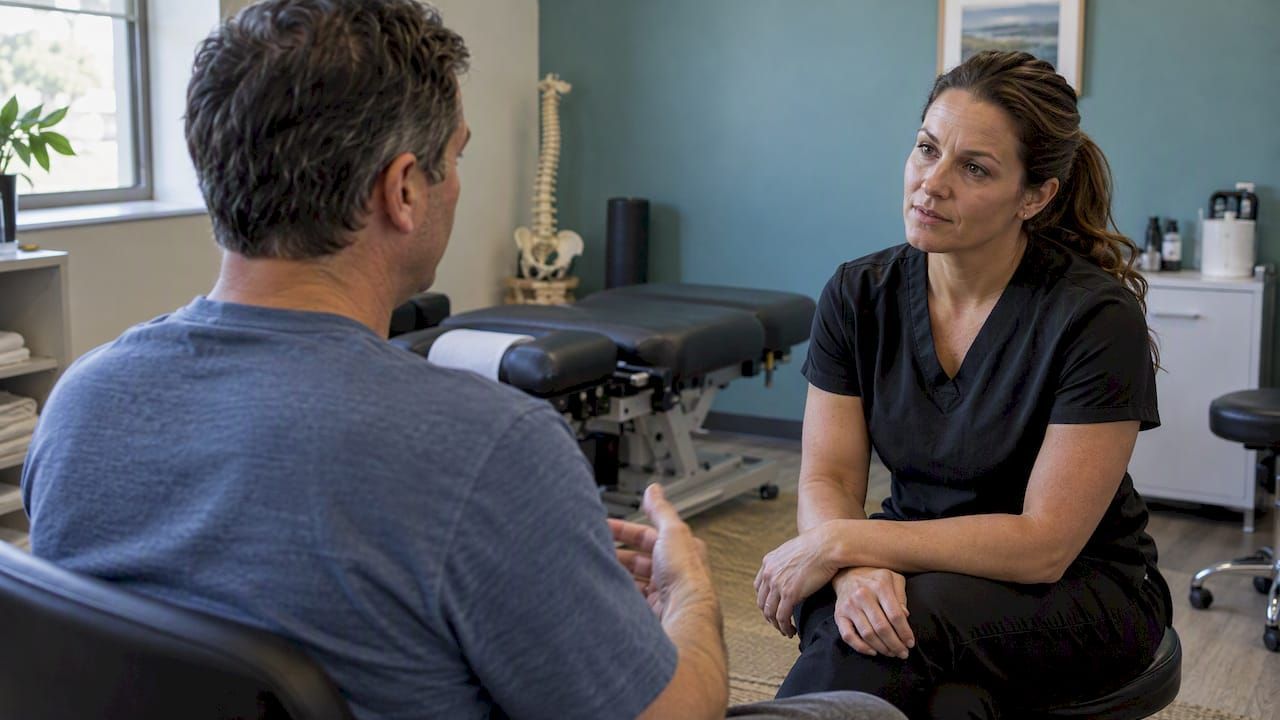
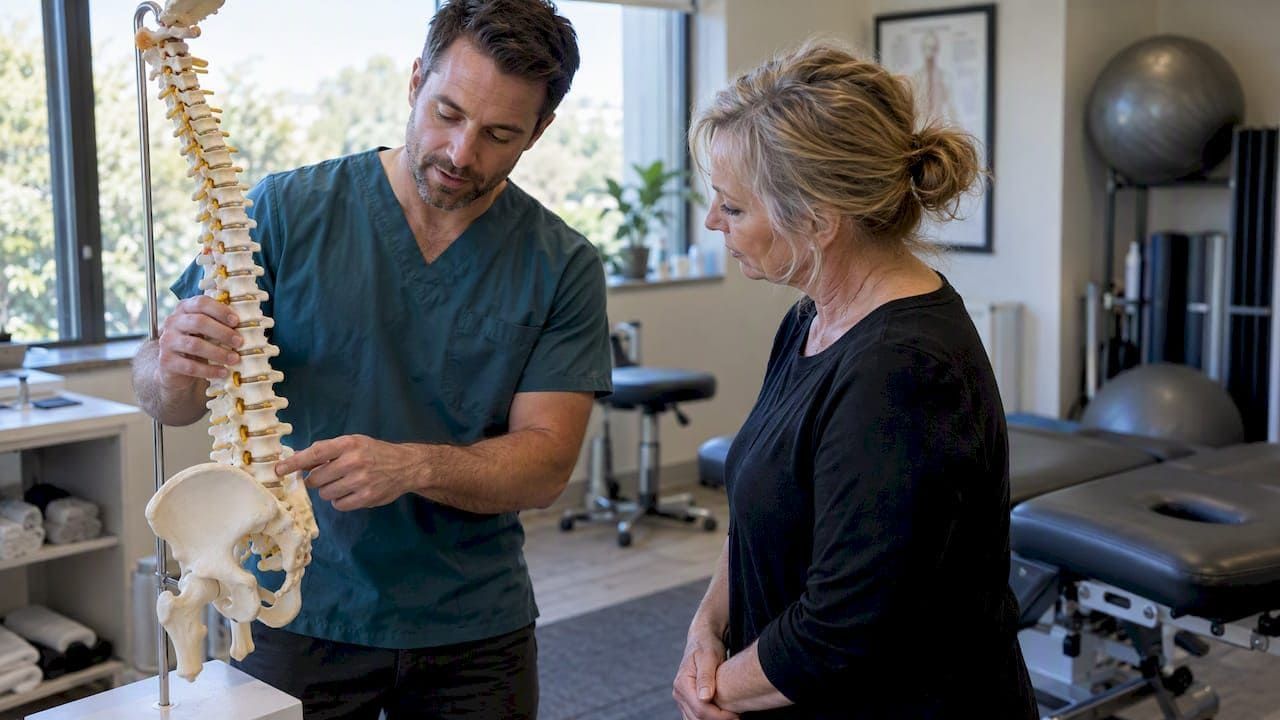
A sound plan starts with a detailed history, a focused neurologic exam, a review of any existing imaging, and functional testing to see how the slip affects your movement and daily activities.
- Initial phase (weeks 1 to 4): Short-term symptom control using flexion-distraction, decompression, or soft-tissue work, often two to three visits per week.
- Mid-term phase (weeks 4 to 12): Functional rehab focused on core stability, posture, and movement patterns, with visit frequency gradually tapering.
- Longer-term phase (months 3 and beyond): For appropriate candidates, a structured corrective program such as CBP, which case-series data suggest often requires 40 to 60 visits over several months to show measurable change, per the European Spine Journal case series.
- Progress checks: Pain scales, functional testing, and selective imaging help determine whether to continue, adjust, or escalate care.
Coordination with your primary care provider or a spine specialist, plus consistent home exercises and activity modification, rounds out a realistic plan.
Patient Outcomes and What Case Evidence Actually Shows
The clearest outcome data for spondylolisthesis comes from case series rather than large randomized trials, and that distinction shapes how much weight the findings deserve. The 117-patient CBP case series reporting improved slip measurements and quality of life is encouraging, but it describes what happened in a specific group of patients under a specific protocol, not a guarantee for every reader.
Meaningful reductions in slippage reported in case series typically required numerous sessions over several months of sustained corrective rehabilitation.
Within a coordinated plan, spinal decompression, manual muscle therapy, and personalized rehabilitation exercises are common parts of conservative spondylolisthesis management. Individual results still vary by slip grade, overall health, and how consistently a patient follows through on home exercise and activity changes.

Red Flags That Mean You Need More Than Chiropractic Care
Certain symptoms call for urgent medical evaluation rather than a course of manual therapy:
- Progressive leg weakness or a foot that starts to drag
- New bowel or bladder changes, including urinary retention or incontinence
- Saddle numbness around the groin or inner thighs
- Rapid worsening of pain or neurologic symptoms over days rather than weeks
High-grade slips (Grade III or IV) or imaging showing progressive instability often prompt a surgical consultation even without these red flags, consistent with guidance from the NASS and Spine clinical guideline on degenerative lumbar spondylolisthesis. A chiropractor coordinating your care should be ready to send imaging, exam findings, and treatment history directly to a spine surgeon so the referral doesn't start from scratch.
Setting Realistic Goals Before You Choose a Provider
The honest goal of chiropractic care for spondylolisthesis is pain reduction, better function, and monitored stability, not a promised reversal of the slip itself. Ask any prospective provider how they review imaging, what their typical treatment timeline looks like, how they screen for red flags, and how they coordinate with physical therapists or surgeons when progress stalls.
Be skeptical of anyone who promises a specific percentage of correction or a fixed number of visits before even examining you. Good care sets measurable milestones early and adjusts the plan when those milestones aren't met.
How We Approach Spondylolisthesis at Essential ChiroCare
If you're weighing whether manual therapy fits your situation, we build spondylolisthesis plans around the same conservative principles covered above: careful imaging review, techniques chosen for your slip grade, and honest conversation about what a realistic timeline looks like. Our approach draws on personalized chiropractic care alongside spinal decompression and structured physical rehab, coordinated so each piece supports the others instead of working in isolation.
Before your first visit, we ask that you:
- Bring any existing X-rays, MRI reports, or surgical notes you have on file
- Be ready to describe when symptoms started and what makes them better or worse
- Ask directly about red-flag protocols and how we'd coordinate with a specialist if needed
Ready to get a clear picture of where you stand? Schedule a chiropractic care evaluation and bring your questions with you.
This article is general information, not a substitute for advice from a qualified doctor. Consult a qualified healthcare professional about your own circumstances before acting on anything here.
FAQ
Is walking good if you have spondylolisthesis?
Light to moderate walking is generally well tolerated and often recommended as part of a conservative plan, since it supports circulation and core endurance without loading the spine the way high-impact activity does. Pain that worsens significantly with walking is worth discussing with your provider, since it may signal a need to adjust your activity level or treatment approach.
How do you address cervical spondylolisthesis?
Cervical spondylolisthesis is managed with the same conservative-first mindset as lumbar cases: activity modification, targeted physical therapy, and gentler manual techniques rather than aggressive high-velocity adjustments near an unstable segment. Because the neck houses the spinal cord in a tighter space than the lower back, any neurologic symptoms in the arms or hands warrant prompt medical evaluation before manual therapy begins.
What are the worst symptoms of spondylolisthesis?
The most serious symptoms include progressive leg weakness, new bowel or bladder changes, and numbness in the groin or inner thighs, all of which point toward significant nerve involvement. These symptoms call for urgent medical assessment rather than continued conservative treatment alone.
Is chiropractic good for cervical spondylosis?
Chiropractic care, using gentler mobilization and soft-tissue techniques rather than forceful adjustments, is commonly included in conservative management of cervical spondylosis-related pain and stiffness. As with spondylolisthesis, the appropriate technique depends on imaging findings and whether any neurologic signs are present, so a proper exam should come before treatment.
Sources
- Improvement in physical and mental quality of life following reduction of lumbar spondylolisthesis using chiropractic BioPhysics® corrective spinal rehabilitation: a case series of 117 patients
- Chiropractic management of mechanical low back pain secondary to multiple-level lumbar spondylolysis with spondylolisthesis in a United States Marine Corps veteran: a case report - PMC
- NASS / Spine guideline: Diagnosis and Treatment of Degenerative Lumbar Spondylolisthesis
- JOSPT: Comparison of SMT procedures and outcomes (2025)