Improve Walking in 2 Months With Chiropractic Care for Spinal Stenosis
Improve Walking in 2 Months With Chiropractic Care for Spinal Stenosis
Chiropractic care, delivered as part of a structured program that pairs manual therapy with individualized exercise, can often reduce pain and improve walking distance within a couple of months for people with lumbar spinal stenosis. It does not reverse the structural narrowing of the spinal canal itself. Short-term gains are well documented in trial data, but anyone with red-flag symptoms needs a careful exam and possible imaging before starting manual care.
TL;DR:
- Manual therapy combined with exercise can improve walking distance and reduce pain within two months, but does not alter spinal canal narrowing.
- Patients with red-flag symptoms such as bowel changes or progressive weakness should undergo urgent evaluation and imaging before manual care.
- Short-term benefits are supported by trial data, yet guidelines vary, and evidence for long-term effects of chiropractic care remains limited.
- Care programs typically involve twice-weekly sessions for six weeks, with objective tracking of walking tolerance and symptom improvement.
- Safety is generally good, with minor, transient soreness and no serious adverse events reported in clinical trials.
Table of Contents
- What Is Spinal Stenosis and How It Causes Symptoms
- Causes and Risk Factors
- Symptoms: Neurogenic Claudication, Radicular Pain, and Balance Loss
- How Chiropractic Care Treats Spinal Stenosis
- What the Research and Guidelines Say About Chiropractic Care for Stenosis
- What to Expect From Care: Timeline, Progress, and Red Flags
- Choosing Care: What to Look for in a Clinician
- Managing Comorbidities and Adjunctive Therapies
- Self-Care and Lifestyle Habits That Support Treatment
- Chiropractic Care Versus Physical Therapy and Medication
- How Chiropractors Decide Who Is a Good Candidate
- A Pragmatic Take on Conservative Care Versus Referral
- Conservative Care for Stenosis at Essential ChiroCare
- FAQ
- Sources
What Is Spinal Stenosis and How It Causes Symptoms
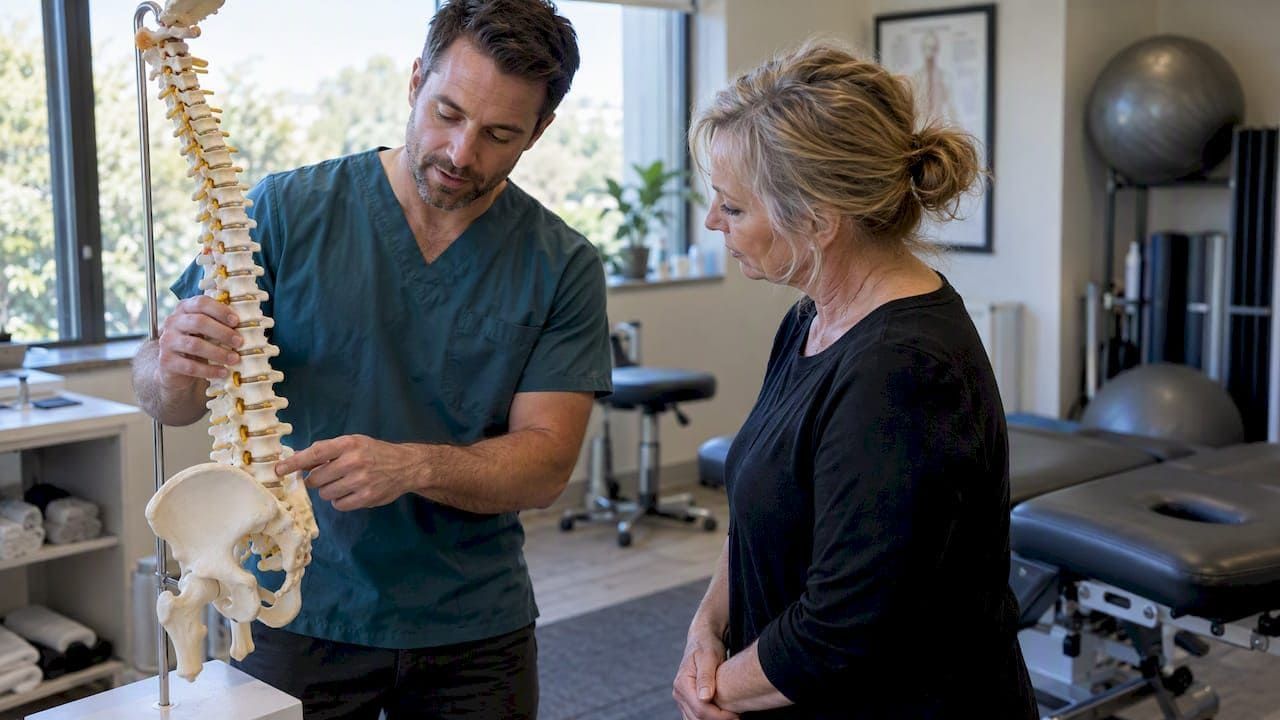
Spinal stenosis happens when the space inside the spinal canal, or the openings where nerve roots exit the spine (the neural foramina), narrows enough to press on the spinal cord or nerve roots. Lumbar stenosis affects the lower back and is the form most linked to leg pain and walking trouble. Cervical stenosis affects the neck and can produce arm symptoms, hand clumsiness, or balance problems when the spinal cord itself is compressed.
The narrowing usually builds up gradually rather than happening all at once. A bulging disc can push into the canal space. Bone spurs, called osteophytes, form at the edges of vertebrae as joints degenerate. The facet joints that stabilize each spinal segment can thicken and enlarge, a process called facet hypertrophy. The ligamentum flavum, a band of tissue that lines the back of the canal, can thicken with age and crowd the available space further. In some people, one vertebra slips forward over another, a condition called spondylolisthesis, which narrows the canal at that level.
MRI is the main imaging tool used to confirm stenosis and map exactly where the narrowing sits. Imaging findings do not always line up with symptoms. Plenty of people have narrowing visible on a scan with little or no pain, so a treatment plan should be built around what a patient actually feels and can do, not the picture alone.
Causes and Risk Factors
Age-related degeneration is by far the most common driver of spinal stenosis, since discs lose height and hydration over time while joints and ligaments thicken in response to years of load. That said, several other factors raise the odds of developing symptomatic narrowing or make existing stenosis worse.
- Prior spinal trauma, including fractures or significant disc injuries, can accelerate the degenerative cascade.
- Congenital stenosis, meaning a person is born with a narrower canal than average, leaves less room before normal aging produces symptoms.
- Repetitive spine loading from certain occupations or sports adds cumulative stress to discs and joints.
- Obesity increases mechanical load on the lumbar spine and is linked to faster disc degeneration.
- Smoking impairs disc nutrition and is associated with more rapid degenerative change.
- Spinal instability or a history of prior spine surgery can shift load onto adjacent segments and contribute to new or worsening narrowing nearby.
Symptoms: Neurogenic Claudication, Radicular Pain, and Balance Loss
The hallmark symptom of lumbar stenosis is neurogenic claudication: leg pain, heaviness, or cramping that builds with walking or standing and eases when a person sits or bends forward. This positional pattern exists because flexion opens up a bit more space in the canal, while standing upright and extending the spine narrows it further, as described in AAFP's clinical guidance on lumbar stenosis presentation.
Beyond claudication, many people notice radicular signs tied to specific nerve roots.
- Numbness or tingling that travels down one or both legs, often into the foot.
- Weakness in specific muscle groups, such as difficulty lifting the foot or toes.
- Shooting or electric pain that follows a nerve pathway rather than staying local.
- Balance and proprioception problems, including a sense of unsteadiness while walking, especially on uneven ground.
Some symptoms call for urgent evaluation rather than a conservative care trial. Sudden bowel or bladder changes, saddle numbness, or rapidly progressive leg weakness can signal cauda equina syndrome or severe cord compression, and they warrant same-day medical attention.
How Chiropractic Care Treats Spinal Stenosis
Chiropractic management of lumbar stenosis rarely relies on one technique alone. Most effective programs combine several manual approaches with a structured, individualized exercise plan, which mirrors the design used in the randomized trial comparing manual therapy and exercise to medical care.
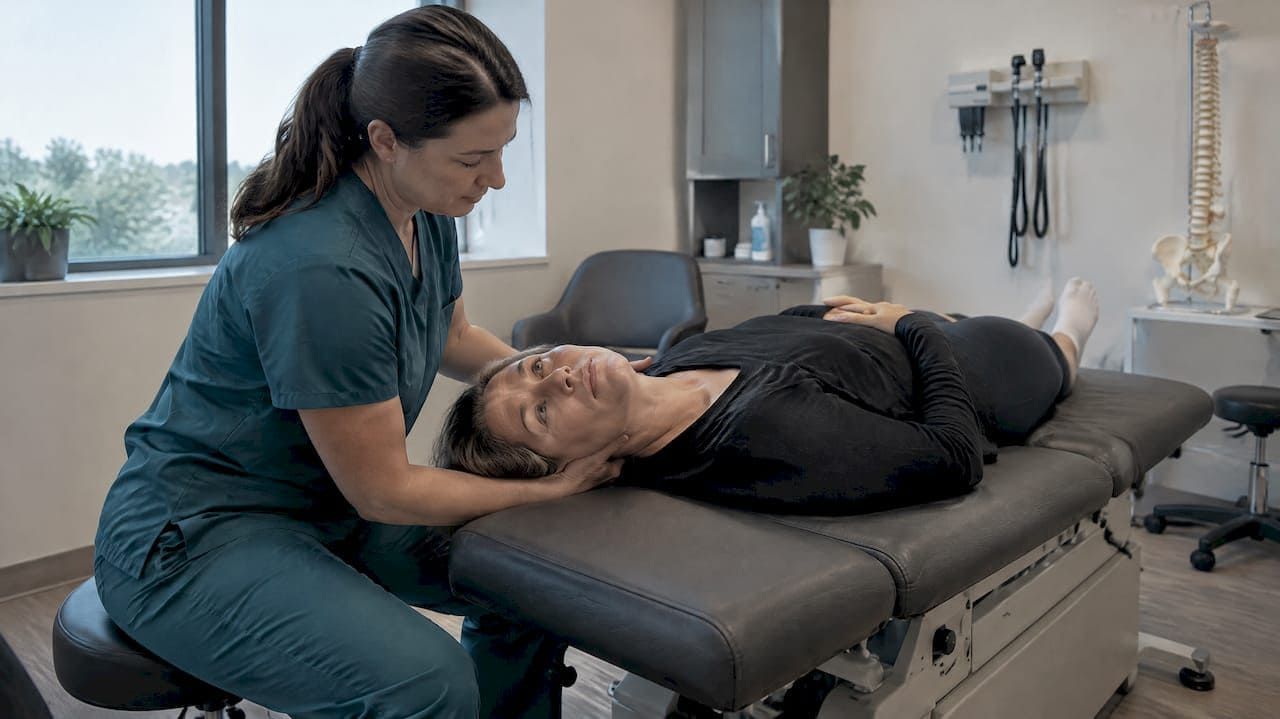
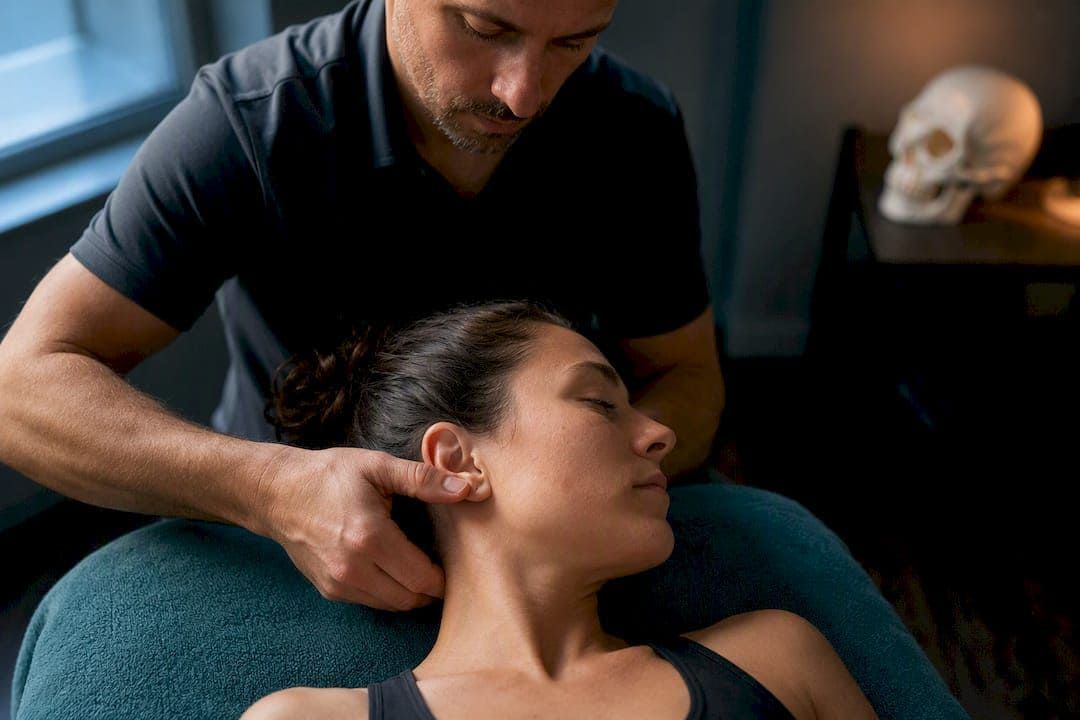
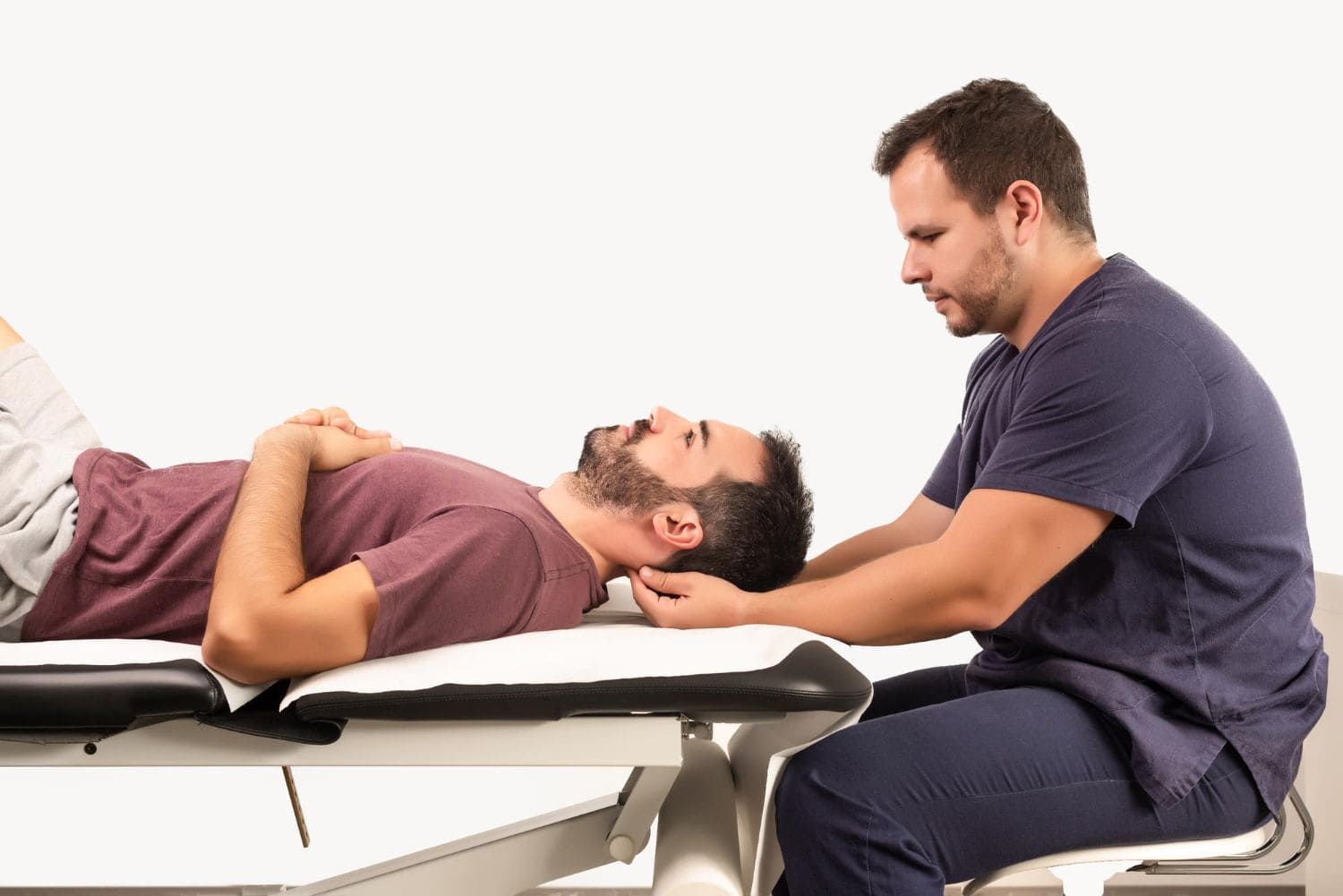
Flexion-distraction is a gentle, table-based technique that puts the lumbar spine into a flexed position while applying a slow distraction force. Because flexion tends to open the canal slightly, this approach is often better tolerated than extension-based work in stenosis patients. Lumbar mobilization and manipulation can help restore segmental motion and ease muscle guarding, though manipulation at the stenotic level itself is used cautiously and is avoided when there are signs of significant nerve compromise or instability. Neural mobilization uses controlled movements to improve the glide of irritated nerve roots through surrounding tissue. Spinal decompression applies a mechanically controlled traction force to reduce pressure on discs and nerve structures, and it pairs naturally with the kind of structured decompression programs many clinics already offer. Soft-tissue work , including massage and myofascial techniques, targets the muscle tension that builds up from altered walking mechanics and guarding.
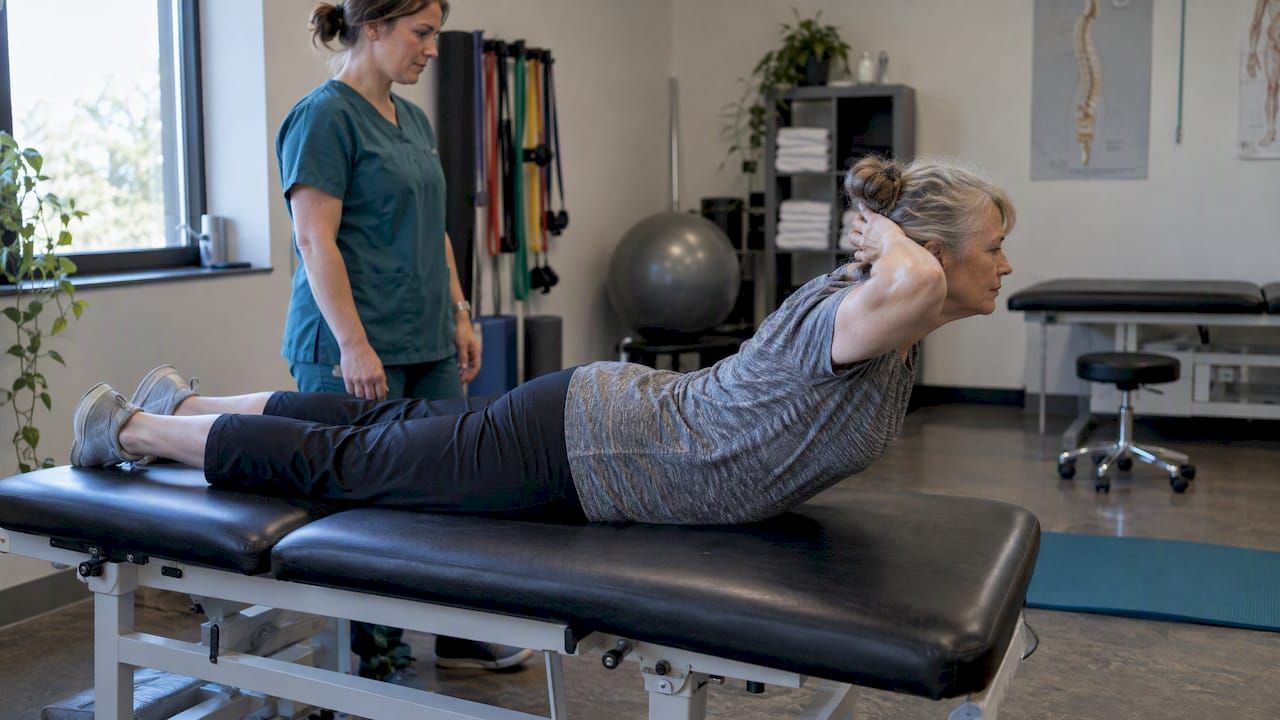
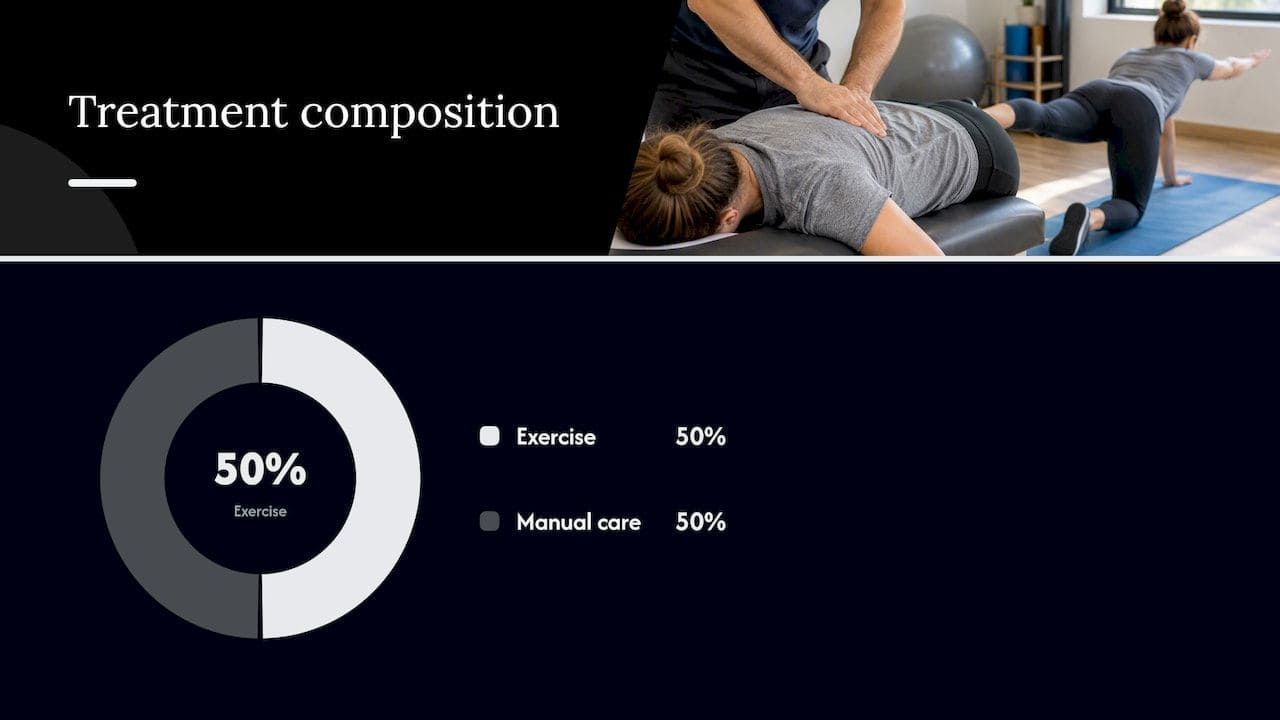
Exercise is not an afterthought in these programs, it is half the equation. Individualized exercise typically includes:
- Spinal stabilization work that strengthens the deep core and hip muscles supporting the lumbar spine.
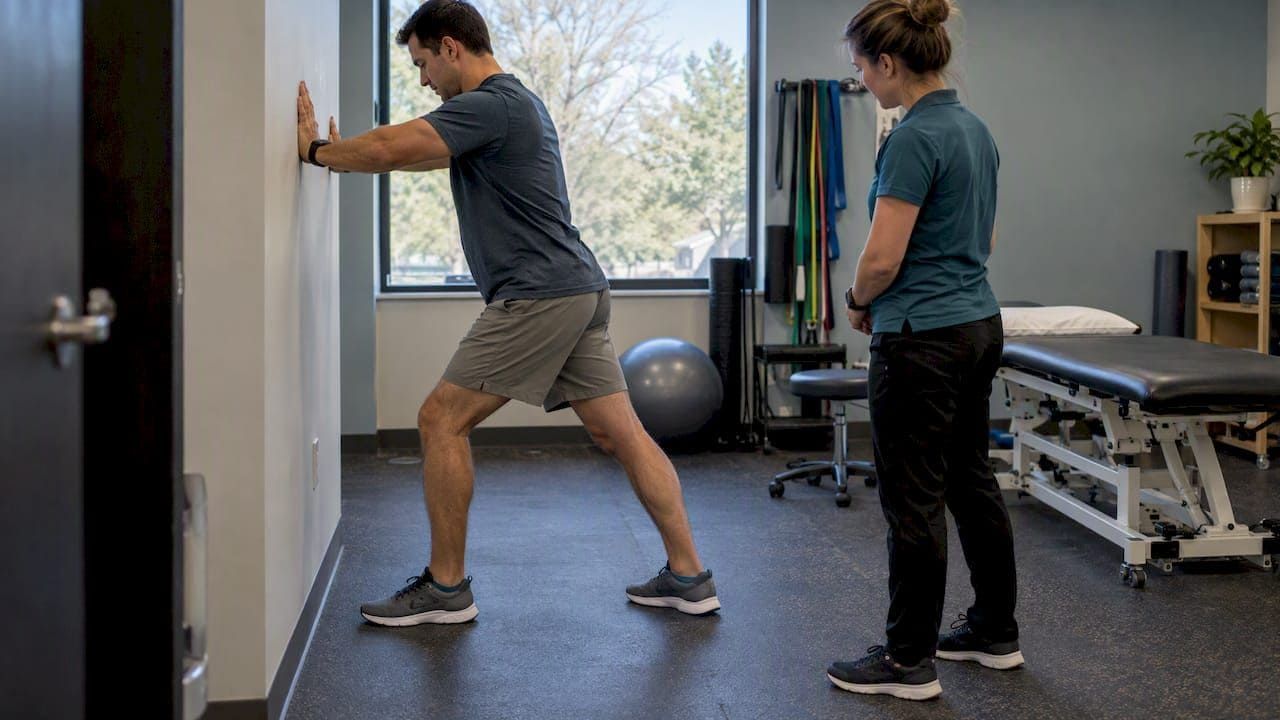
- Flexion-based stretching aimed at the hip flexors and lumbar extensors to maintain the posture that relieves pressure on nerve roots.
- Aerobic conditioning , often on a stationary bike, which allows cardiovascular training in a flexed position without provoking claudication the way walking might.
The proposed mechanisms behind symptom relief include improved segmental mobility, reduced mechanical irritation of nerve roots, and postural adjustments that keep the spine in a more favorable position during daily activity. None of these mechanisms change the anatomical dimensions of the canal. The narrowing itself stays the same, which is why gains are framed as functional and symptomatic rather than structural.
A typical session in a program modeled on trial protocols starts with a brief warm-up, often five to ten minutes on a stationary bike to increase blood flow and ease into flexion. Manual therapy follows, which might include flexion-distraction, hip mobilization, and neural mobilization depending on presentation. The session closes with supervised exercise focused on the stabilization and stretching routine, plus a home program the patient repeats between visits.
Pro Tip: Track your walking tolerance in minutes or blocks before starting care, then recheck it every two weeks. That single number tells you more about whether treatment is working than how you feel on any given day.
What the Research and Guidelines Say About Chiropractic Care for Stenosis
The clearest piece of evidence comes from a randomized trial that compared three approaches for lumbar spinal stenosis: usual medical care, group exercise, and manual therapy combined with individualized exercise (MTE). At two months, MTE produced significantly more responders, meaning a meaningfully higher share of patients hit the trial's threshold of at least 30% improvement in symptoms and walking capacity, compared with the other two groups. By six months, however, the differences between groups had narrowed and were no longer statistically distinct, suggesting the early advantage of manual therapy plus exercise is real but may not hold its edge over time without continued activity.
Lumbar spinal stenosis affects a large number of people in the United States each year , and the American Academy of Family Physicians' 2024 guidance recommends nonoperative management, including physical therapy, exercise, and manipulation, as first-line treatment for most patients who do not have urgent surgical indications. That stance supports trying conservative care before considering invasive options in appropriate candidates.
Not every guideline body agrees on how strong the evidence is for manual therapy specifically. The North American Spine Society has historically listed epidural steroid injection and surgical decompression as the interventions with the strongest evidence base for degenerative lumbar stenosis, while judging the evidence for many nonsurgical therapies, spinal manipulation included, as insufficient to make a firm recommendation either way. That is a narrower reading than the trial data above suggests, and it reflects a broader pattern: trials can show short-term symptomatic benefit even when a guideline committee feels the overall evidence base is not yet mature enough for a strong endorsement.
A 2009 literature review of chiropractic treatment specifically for lumbar spinal stenosis reached a similar conclusion: available chiropractic-specific studies were few and often limited in quality, and while the findings suggested potential benefit, the review called for more rigorous research. A more recent Cochrane-style synthesis on spinal manipulative therapy for chronic low back pain in general found small short-term effects with low-to-moderate certainty, while noting that data specific to degenerative lumbar stenosis remain limited.
| Source | What it found | Time frame |
|---|---|---|
| RCT: manual therapy + exercise vs. medical care vs. group exercise | More responders with MTE at 2 months; no group difference later | 2 months and later |
| AAFP 2024 guidance | Nonoperative care recommended first-line; many US cases yearly | 2024 |
| NASS guideline position | ESI and surgery have strongest evidence; manipulation evidence judged insufficient | Historical guideline review |
| Cochrane synthesis on SMT | Small short-term benefit for chronic low back pain generally; LSS-specific data limited | 2026 |
On safety, the picture is reassuring. Trials of manual therapy and individualized exercise for lumbar stenosis report no serious adverse events, with the only downsides being minor, transient musculoskeletal soreness or brief stiffness that typically resolves within a few days.
What to Expect From Care: Timeline, Progress, and Red Flags
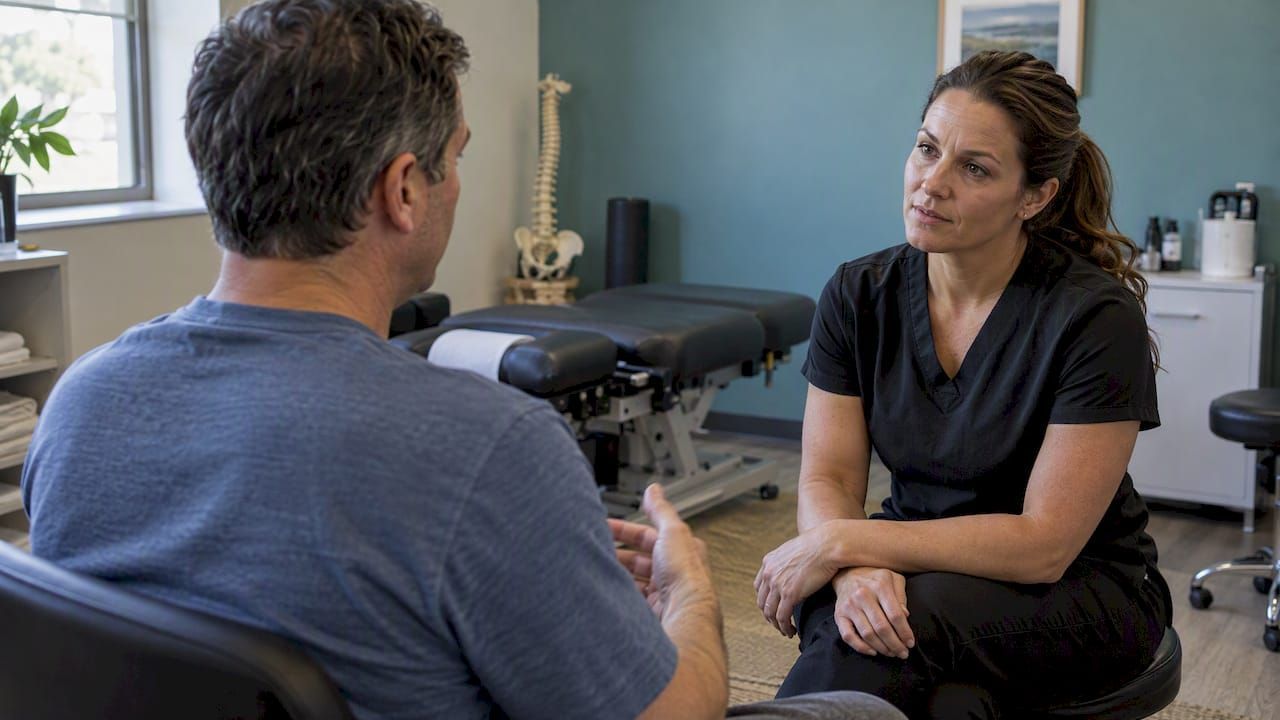
Programs modeled on the trial protocols that showed benefit tend to run about twice a week for six weeks, with each visit lasting roughly 30 to 45 minutes and covering both manual therapy and supervised exercise. That cadence gives enough repetition to build a trend in walking tolerance without overloading a sensitive spine.
- Expect mild soreness after early visits. Temporary stiffness or achiness is common and usually settles within a day or two; persistent or worsening pain after several sessions is worth flagging to your provider.
- Track objective measures, not just how you feel. Clinicians typically use a timed walking test, a numerical pain scale, and a disability questionnaire at baseline and at intervals, and a meaningful response is often defined as roughly 30% improvement from where you started.
- Reassess around the two-month mark. That is when trial data showed the clearest separation between manual therapy plus exercise and other conservative approaches, making it a sensible checkpoint for deciding whether to continue, adjust, or escalate care.
- Watch for red flags at any point in the process. New bowel or bladder changes, saddle numbness, rapidly progressive leg weakness, a recent significant trauma, or systemic symptoms like fever or unexplained weight loss all call for urgent MRI and a surgical or medical consult rather than continued manual care.
Choosing Care: What to Look for in a Clinician
A chiropractor experienced with lumbar stenosis will build a plan around a clear neurological exam and, when indicated, MRI findings, which the Delphi-based clinical practice guideline for chiropractic management of chronic musculoskeletal pain identifies as essential to safe patient selection and appropriate referral.
Before committing to a plan, it helps to evaluate a provider against a short checklist.
- Experience specifically managing stenosis, not just general back pain.
- A plan informed by imaging findings rather than guesswork, when imaging is relevant to your case.
- A working relationship with surgeons or physiatrists for co-management if conservative care stalls.
- Defined outcome measures, such as a walking test or pain scale, tracked from visit to visit.
- A clear, stated process for recognizing red flags and referring out promptly.
At a first visit, reasonable questions include how often the provider uses flexion-distraction or decompression for stenosis, what timeline they expect before reassessing, how they define and measure progress, what the visit frequency and estimated cost will look like, and whether they coordinate with other providers if your case needs more than conservative care.
Pro Tip: Ask any provider to state, in plain numbers, what "better" will look like for you by week six. A specific walking-distance or pain-score target is a much stronger sign of a well-run program than a vague promise of relief.
Conservative, multimodal chiropractic care fits patients without urgent neurological signs who want to try nonoperative management first. Surgical referral becomes the right call when red flags appear, when neurological deficits progress despite a reasonable trial of care, or when walking tolerance fails to improve meaningfully after a structured course.
Managing Comorbidities and Adjunctive Therapies
Spinal stenosis rarely shows up in isolation. Many patients also manage osteoarthritis, diabetes, cardiovascular disease, or osteoporosis, and each of these can shape what a chiropractic plan looks like. Diabetes, for instance, can slow tissue healing and sometimes masks or worsens neuropathy symptoms that overlap with stenosis signs, which makes accurate symptom tracking more important, not less.
Osteoporosis deserves particular attention because it changes which manual techniques are appropriate. Lower-force mobilization and flexion-distraction are generally favored over high-velocity manipulation in patients with significant bone density loss. Adjunctive modalities like heat, gentle soft-tissue work, or supervised aerobic conditioning on a stationary bike can support the main program without adding mechanical risk.
For patients managing bone density concerns alongside spinal issues, some clinics pair chiropractic care with separate bone-health services such as osteogenic loading and compression therapy programs, which address density and circulation rather than the spine directly. Anyone combining therapies should confirm each provider knows the full picture, since a technique that is safe for one condition can carry more caution for another.
Coordinating care across conditions, rather than treating the spine as a standalone issue, tends to produce steadier progress and fewer surprises along the way.
Self-Care and Lifestyle Habits That Support Treatment
The exercises and manual sessions matter, but daily habits between visits often decide whether gains stick. Weight management reduces mechanical load on the lumbar spine, and even modest changes can ease pressure on an already narrowed canal. Walking in a slightly flexed posture, using a shopping cart or walking poles for support on longer outings, mimics the position that opens space in the canal and can extend walking tolerance.
A supportive mattress and a chair with good lumbar support make a measurable difference for people who sit or lie in extension for long stretches, since that position tends to narrow the canal further. Smoking cessation is also worth prioritizing, since smoking is tied to faster disc degeneration and slower tissue recovery.
Staying consistent with a home exercise program between clinic visits, rather than treating sessions as a stand-alone fix, keeps the gains from manual therapy from fading. A step-by-step self-management framework can help structure that routine so it does not depend on remembering a long list of instructions.
Posture habits matter too. Prolonged slouching or prolonged standing in extension both tend to aggravate symptoms, and gradual posture retraining, the kind built into structured posture-correction programs, can reduce how often flare-ups happen.
Chiropractic Care Versus Physical Therapy and Medication
Chiropractic care, physical therapy, and pharmacologic management are not competing choices so much as overlapping tools, and many effective plans use more than one. Chiropractic care tends to emphasize hands-on techniques like flexion-distraction and spinal decompression alongside individualized exercise, while physical therapy typically leans more heavily on progressive exercise programming with less manual manipulation, though the line between the two professions has blurred considerably.
Pharmacologic management, including anti-inflammatory medication or neuropathic pain agents, can reduce pain enough to make exercise tolerable, but medication alone does not address the mechanical factors contributing to claudication the way manual therapy and targeted exercise do. Nonoperative alternatives to injections are worth discussing with a provider before defaulting to steroid injections, particularly for patients who want to avoid the cumulative risks of repeated injections.
In practice, the choice often comes down to access, provider relationship, and patient preference rather than one approach being categorically superior. The trial evidence described earlier found manual therapy plus individualized exercise outperformed general medical care and group exercise in the short term, which suggests the combination, not either element alone, is what drives the early benefit.
How Chiropractors Decide Who Is a Good Candidate
Not every person with stenosis symptoms is a straightforward fit for manual care, and a careful intake process is what separates a safe plan from a risky one. A thorough evaluation starts with a detailed history covering symptom onset, what positions relieve or worsen pain, prior injuries, and any bowel, bladder, or balance changes.
A neurological exam checks reflexes, strength, and sensation in the legs to map which nerve roots may be involved and to rule out signs of significant cord or cauda equina compromise. Gait assessment and a baseline walking tolerance test, often timed or measured in blocks, give an objective starting point to judge progress against later.
MRI becomes relevant when neurological findings are significant, when symptoms are progressing despite conservative care, or when red flags are present, consistent with the emphasis on imaging-informed decision-making in the Delphi consensus guideline on chiropractic management. Patients with signs of instability, significant osteoporosis, or recent spinal fracture typically need modified techniques or a different treatment path altogether rather than standard manipulation.
Good candidates for a structured multimodal program are generally those with classic neurogenic claudication, no progressive neurological deficits, and enough baseline function to tolerate active exercise alongside manual therapy.
A Pragmatic Take on Conservative Care Versus Referral
The evidence supports a fairly simple working rule: try structured, multimodal conservative care first in patients without red flags, measure progress with real numbers, and refer promptly when the numbers do not move. The two-month mark from trial data is a sensible checkpoint, not a hard deadline, but drifting past it without objective improvement is a sign to escalate rather than keep repeating the same plan.
What gets lost in a lot of discussion about chiropractic for stenosis is how much the exercise component carries the result. Manual therapy loosens things up, but the individualized exercise plan is what seems to sustain function, which means a program heavy on adjustments and light on exercise prescription is missing half of what the research actually tested.
Co-management with physiatrists or surgeons should not feel like an admission of failure. It is what good conservative care looks like when a case needs more than one lane.
Conservative Care for Stenosis at Essential ChiroCare
If you are weighing whether to start with conservative care, we build spinal stenosis plans around the same elements the research supports: manual therapy, individualized exercise, and objective tracking from visit to visit, rather than a generic adjustment routine. Our spinal decompression and physical rehab services are designed to work together, which matters given how much the exercise half of a program contributes to lasting improvement.
At a first visit, we walk through your history, run a neurological and gait assessment, and set a baseline walking tolerance so we have a real number to track against. From there:
- We outline a visit schedule and what each session typically includes.
- We discuss insurance coverage and fees up front, with no surprises later.
- We flag early whether your case looks like a good fit for manual care or needs a referral alongside it.
We see patients across several West Central Florida locations. If you are ready to find out whether a structured program fits your case, schedule a visit with our chiropractic care team and we will build a plan around what your spine actually needs.
This article is general information, not a substitute for advice from a qualified doctor. Consult a qualified healthcare professional about your own circumstances before acting on anything here.
FAQ
Is it safe to go to a chiropractor with spinal stenosis?
Describe the item or answer the question so that site visitors who are interested get more information. You can emphasize this text with bullets, italics or bold, and add links.What are the best shoes for people with spinal stenosis?
There is no single universally recommended shoe for spinal stenosis, but supportive, cushioned footwear that keeps the spine from extending excessively during walking tends to help with claudication symptoms. A chiropractor or physical therapist can assess your gait and suggest adjustments specific to your walking pattern.
What should you not do with spinal stenosis?
Prolonged standing or walking in an extended posture tends to narrow the canal further and worsen claudication, so activities that keep you upright without a break are often harder to tolerate. High-velocity spinal manipulation directly at a severely stenotic or unstable level is generally approached with caution rather than used routinely.
Is sitting good for people with spinal stenosis?
Sitting typically relieves lumbar stenosis symptoms because it puts the spine in a flexed position that opens up a bit more space in the canal. Prolonged sitting is not a treatment on its own, but it often explains why standing and walking feel worse than sitting or bending forward.
Sources
- Lumbar spinal stenosis: Diagnosis and Management | AAFP
- Comparing the Effectiveness of Nonsurgical Treatments for Lumbar Spinal Stenosis in Reducing Pain and Increasing Walking Ability - NCBI Bookshelf
- Chiropractic treatment of lumbar spinal stenosis: a review of the literature
- Best Practices for Chiropractic Management of Patients with Chronic Musculoskeletal Pain: A Clinical Practice Guideline
- Spinal manipulative therapy (SMT) for chronic low back pain — Cochrane (2026)
Recommended