Chiropractic Care for Vertigo Patients: Maneuvers, Tests, Safety
Chiropractic care can help some causes of vertigo, most reliably posterior canal BPPV treated with canal repositioning maneuvers and neck related dizziness tied to cervical dysfunction. It does not treat central causes like stroke or vestibular migraine on its own. The main tools are the Epley maneuver, alternatives like Semont and Gufoni, vestibular rehabilitation exercises, and manual cervical therapy, but all of it depends on a proper diagnostic exam and red flag screening first.
TL;DR:
- Most cases of vertigo treated by chiropractors are benign paroxysmal positional vertigo, primarily posterior canal BPPV, which responds well to maneuvers like the Epley.
- Red flag symptoms such as sudden, severe dizziness with neurological signs require urgent medical assessment rather than chiropractic intervention.
- Accurate diagnosis relies on positional tests like Dix-Hallpike and roll test, with treatment success depending on matching the maneuver to the specific canal involved.
- Chiropractic care may improve cervicogenic dizziness through manual therapy, but evidence is limited, and central causes like migraines or strokes require specialist evaluation.
- For patients with neck limitations or red flags, modified or alternative maneuvers should be used, and clinicians should screen for safety before performing any treatment.

Table of Contents
- Which vertigo causes chiropractors commonly treat and how they differ
- Techniques used: Epley, Semont, Gufoni, and vestibular rehabilitation
- What to expect at your first visit: diagnostic tests that guide treatment
- Treatment course, expected outcomes, and recurrence risk
- Safety, contraindications, and modifications for limited mobility
- How a vestibular-focused chiropractic approach is structured
- Clinician perspective: when to choose chiropractic and when to insist on a medical workup
- How Essential ChiroCare can help with vertigo evaluation and treatment
- FAQ
- Sources
Which vertigo causes chiropractors commonly treat and how they differ
Vertigo is a symptom with several possible origins, and matching the cause to the right treatment matters more than the treatment itself. Benign paroxysmal positional vertigo, or BPPV, is the most common type seen in chiropractic settings. It causes brief spinning sensations, usually under a minute, triggered by rolling over in bed, looking up, or bending down. The posterior canal accounts for most cases.
Cervicogenic dizziness is different. It stems from neck pain, stiffness, or disrupted signals from the joints and muscles of the cervical spine, producing a vague unsteadiness rather than true spinning. Vestibular migraine can mimic both, often with headache, light sensitivity, or a history of migraine attacks, and it responds poorly to repositioning maneuvers.
Before any hands-on treatment, a clinician needs to rule out red flags that point to a central or vascular cause. Watch for:
- Sudden, severe dizziness with slurred speech or facial drooping
- New weakness or numbness on one side of the body
- Double vision, difficulty swallowing, or loss of coordination
- A dizziness episode following head or neck trauma
Any of these signs, especially sudden onset, warrants an emergency room visit rather than a chiropractic appointment, since they can signal a stroke or TIA. Separating peripheral issues like BPPV from central nervous system causes is the single most important step in directing care.
Techniques used: Epley, Semont, Gufoni, and vestibular rehabilitation
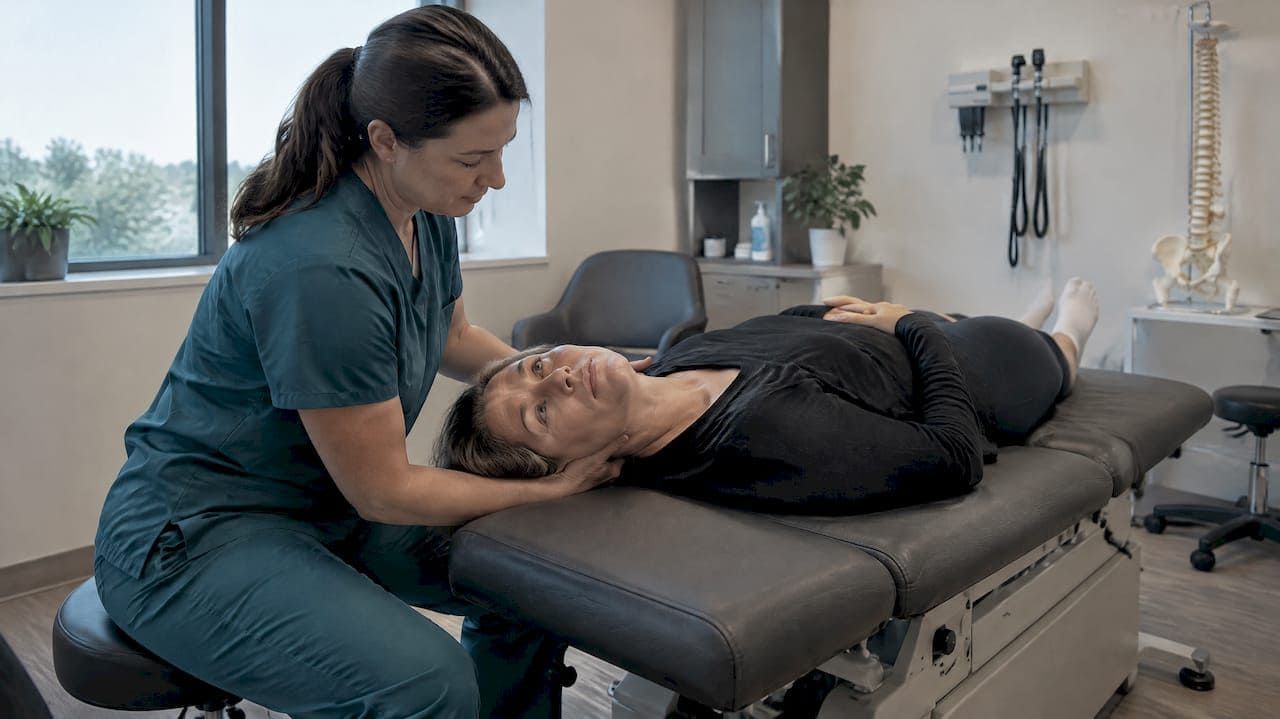
Once BPPV is confirmed, the AAO-HNS clinical practice guideline recommends the Epley maneuver, also called canalith repositioning, as first-line treatment for the posterior canal variant. Many patients notice relief after one or two in-office treatments. Other maneuvers exist for different canal involvement or physical limitations:
- Semont maneuver , a faster repositioning technique sometimes preferred when a patient cannot tolerate the slower Epley sequence
- Gufoni maneuver , typically used for horizontal canal BPPV
- BBQ roll (Lempert maneuver) , another horizontal canal option involving a full body roll
- Gans maneuver , a modified approach for patients with limited neck or back mobility
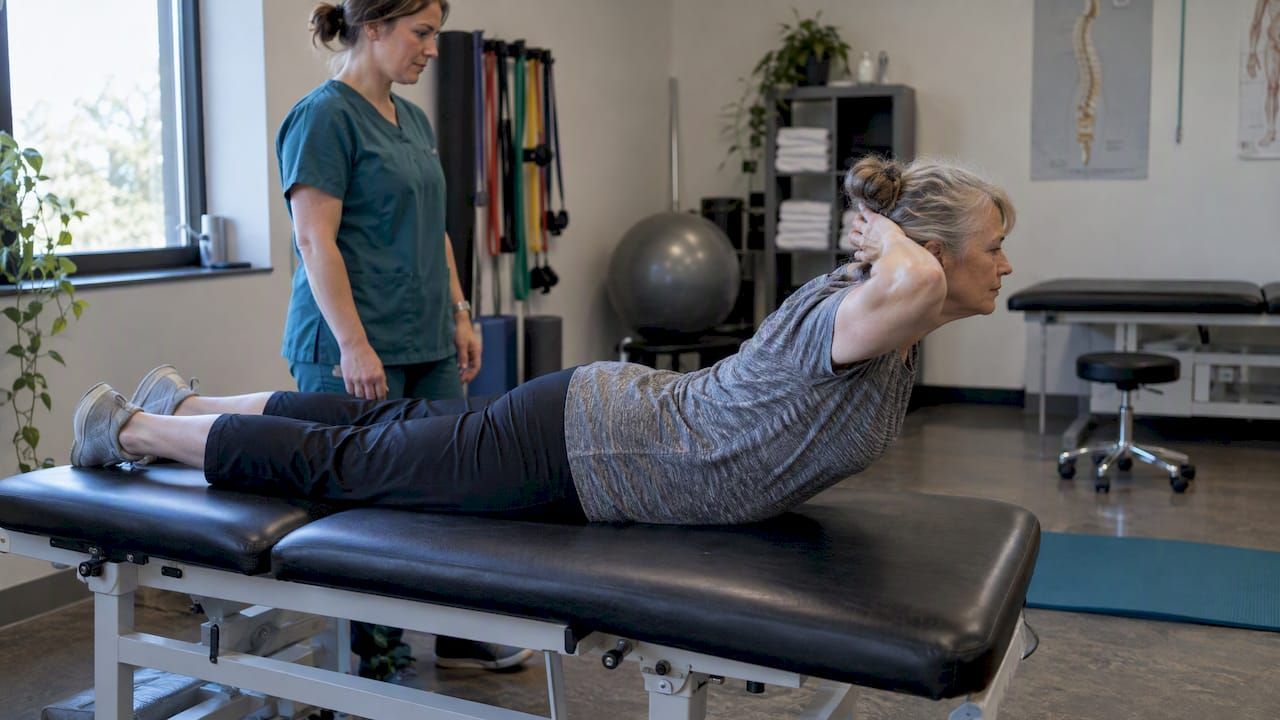
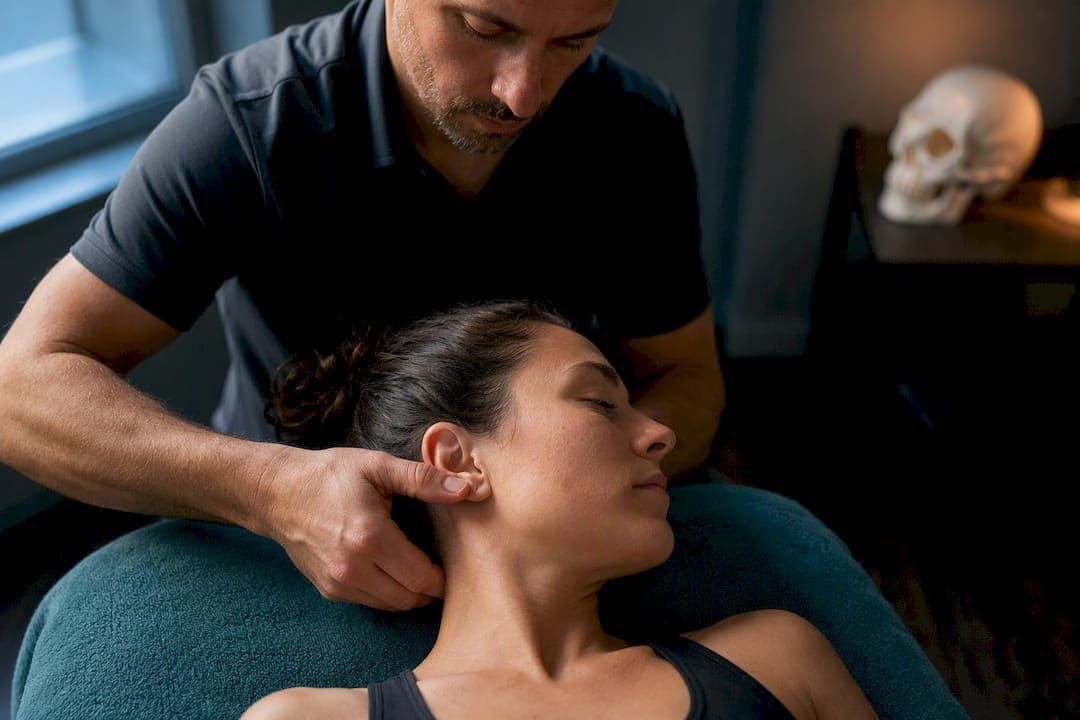
For cervicogenic dizziness, manual therapy options include joint mobilization, sustained natural apophyseal glides (SNAGs), and spinal manipulation. Research on cervical manual therapy shows some improvement in neck range of motion and dizziness symptoms, though evidence for balance and head repositioning benefits is mixed, and trial quality varies.
Vestibular rehabilitation exercises, which retrain the brain's compensation for inner ear signals, are used alone for conditions that do not respond to repositioning or alongside maneuvers during recovery.
Pro Tip: Ask your clinician which canal is involved before agreeing to a maneuver. The wrong repositioning technique for the wrong canal rarely helps and can prolong symptoms.
What to expect at your first visit: diagnostic tests that guide treatment
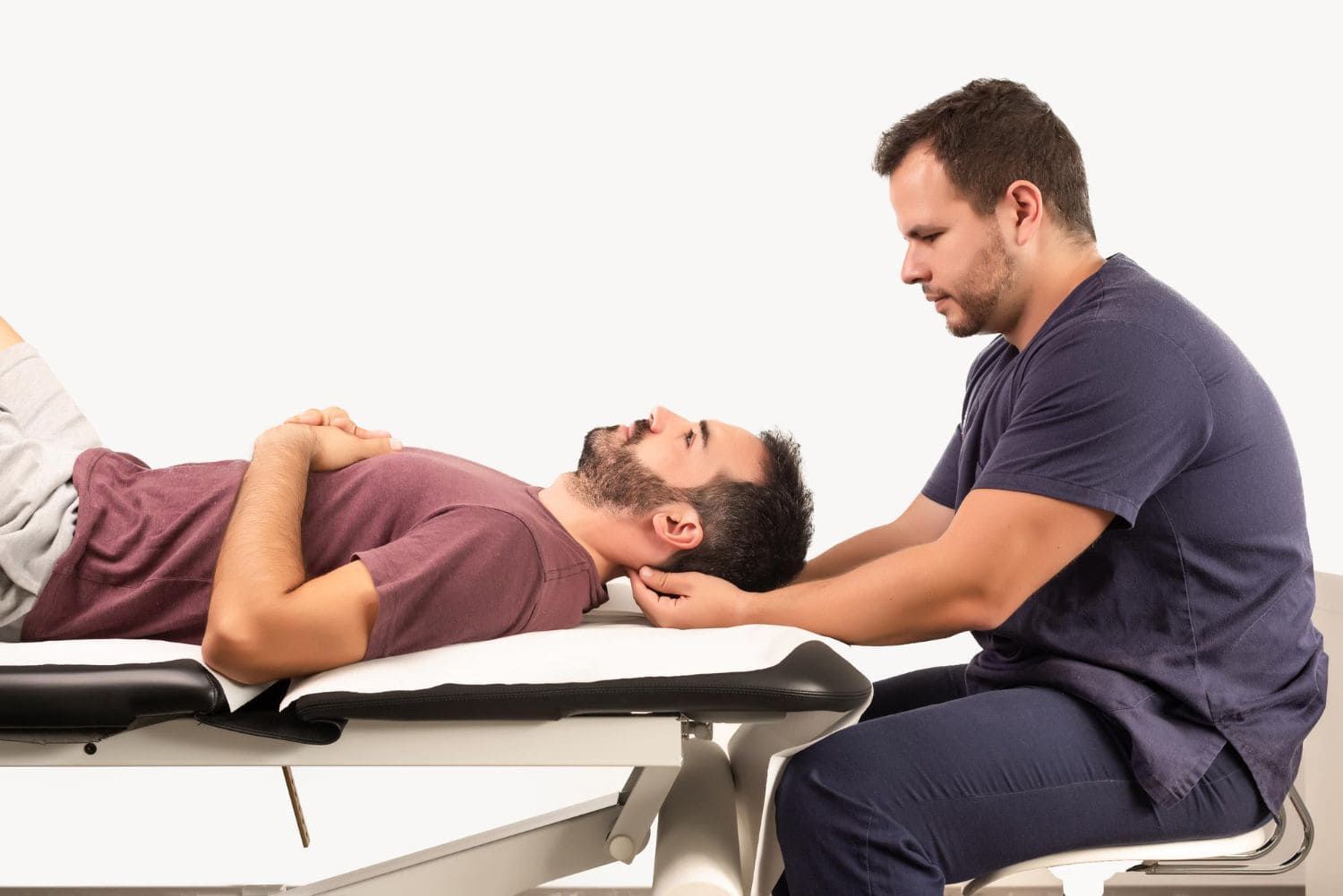
A proper workup starts with positional testing, not a treatment plan. The Dix-Hallpike test moves the head and body into a specific position to trigger the brief, characteristic nystagmus (eye movement) that confirms posterior or anterior canal BPPV. The supine roll test checks for horizontal canal involvement by rolling the head side to side while lying flat.
A positive test shows a short burst of torsional or vertical eye movement with the Dix-Hallpike, or horizontal eye movement with the roll test, usually appearing within seconds and fading within a minute.
For patients with sudden, continuous vertigo rather than brief positional episodes, clinicians may use the HINTS exam (Head Impulse, Nystagmus, Test of Skew) to help distinguish a peripheral inner ear problem from a central cause requiring imaging or neurology referral.
Before any maneuver, a thorough intake should also cover:
- Cervical spine range of motion and any history of neck surgery or instability
- Cardiac or vascular history, including carotid artery disease
- Prior episodes of vertigo and what treatments helped or failed
Treatment course, expected outcomes, and recurrence risk
Recovery speed depends heavily on the diagnosis. Posterior canal BPPV treated with the Epley maneuver often resolves quickly, with many patients improving after a few in-office treatments, according to both the AAO-HNS guideline and Mayo Clinic's patient guidance. Cervicogenic dizziness tends to take longer, often several manual therapy sessions paired with exercise, and vestibular rehabilitation for persistent inner ear dizziness typically unfolds over weeks rather than days.
A reasonable follow-up window is reassessment within about a month. If three repositioning attempts fail to resolve symptoms or the nystagmus pattern looks atypical, best-practice guidance recommends escalating to ENT or neuro-otology, since persistent cases sometimes point to a central cause rather than straightforward BPPV.
BPPV also recurs in a meaningful share of patients over time, which is why self-monitoring and knowing when to return for a repeat maneuver matters as much as the initial treatment.
Safety, contraindications, and modifications for limited mobility
Standard positioning maneuvers are not appropriate for everyone. Clinicians should screen for:
- Unstable cervical spine conditions or recent neck surgery
- Severe carotid artery disease or uncontrolled cardiovascular issues
- Active red flag neurological symptoms described earlier
- Significant limitations in neck extension, common in older adults
For patients who cannot extend the neck fully, modified protocols substitute a pillow under the shoulders during the Epley sequence, a side-lying version of the diagnostic test, or a gentler log-roll approach. Semont and Gans maneuvers also serve as alternatives when the standard Epley position is not tolerable. A modified Dix-Hallpike using a pillow has shown sensitivity and specificity close to the standard test, so mobility limits do not have to mean skipping diagnosis altogether.
Pro Tip: Ask directly whether your chiropractor has specific training in vestibular assessment and modified maneuvers. Not every chiropractic practice treats vertigo regularly.

How a vestibular-focused chiropractic approach is structured
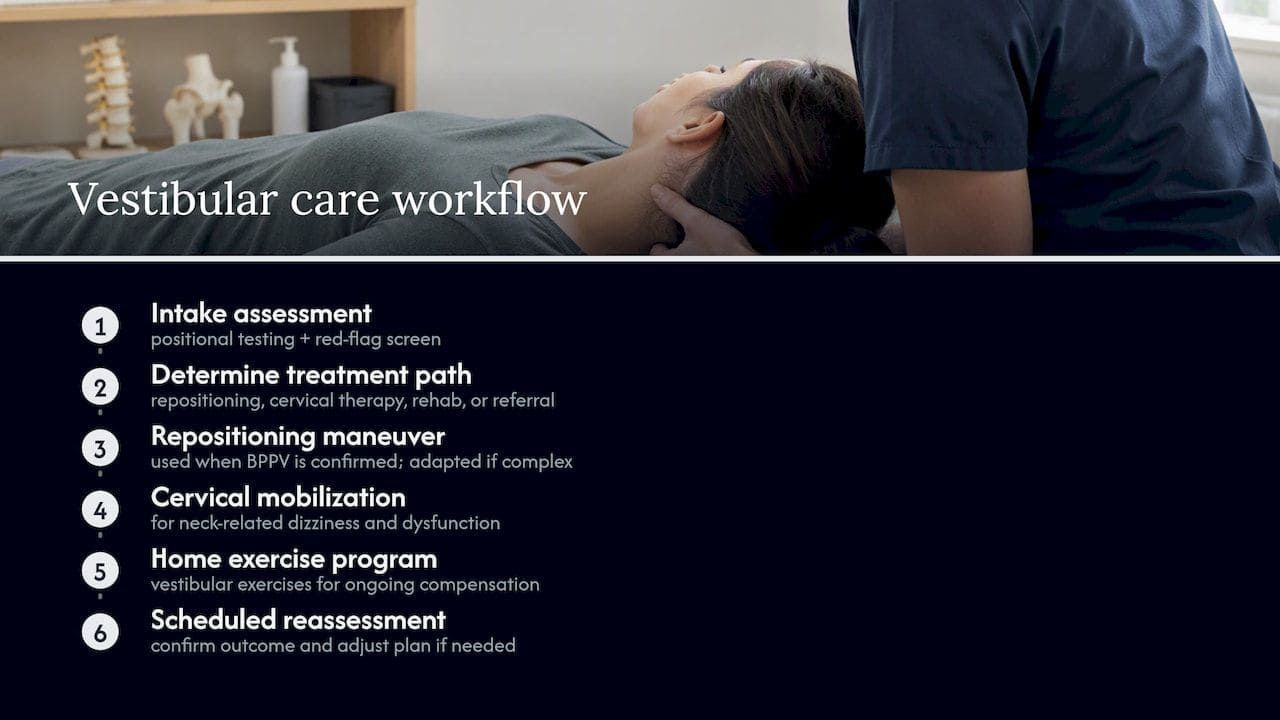
A clinic built around evidence-based vertigo care performs a full diagnostic workup, including positional testing and a red flag screen, before touching a single maneuver. That workup determines whether the patient needs repositioning, cervical manual therapy, vestibular rehab exercises, or a referral out.
A well-structured visit typically includes an intake assessment, the appropriate repositioning maneuver when BPPV is confirmed, cervical mobilization for neck-related dizziness, a home exercise program for ongoing vestibular compensation, and a scheduled reassessment to confirm the approach worked. Clinics with chiropractors experienced in sports and injury recovery settings, the kind of background that comes from treating athletes with cervical and balance issues, tend to be more comfortable adapting maneuvers for complex cases rather than defaulting to one technique for everyone.
Clinician perspective: when to choose chiropractic and when to insist on a medical workup
Chiropractic care makes sense once BPPV or cervicogenic dizziness is confirmed or strongly suspected, and red flags have been ruled out. It does not make sense as a first stop for sudden, severe dizziness with neurological signs: that scenario needs an emergency room, full stop. When the diagnosis is unclear, co-management with an ENT or neurologist beats guessing. Before booking, ask any clinician about their vestibular training and what their follow-up plan looks like if the first maneuver does not fully resolve symptoms.
How Essential ChiroCare can help with vertigo evaluation and treatment
A skilled team can combine manual therapy, repositioning techniques, and vestibular rehabilitation guidance as part of personalized care plans, drawing on experience that includes work with sports teams where balance and cervical issues come up often. If persistent dizziness, neck-related unsteadiness, or positional spinning has been disrupting your routine, you can schedule a chiropractic care evaluation to get a proper diagnostic workup and a plan built around what is actually causing your symptoms.
This article is general information, not a substitute for advice from a qualified doctor. Consult a qualified healthcare professional about your own circumstances before acting on anything here.
FAQ
Can vertigo be cured by a chiropractor?
A chiropractor can often resolve posterior canal BPPV using the Epley maneuver, frequently within one to two treatments, according to the AAO-HNS guideline. Cervicogenic dizziness may improve with manual therapy, though evidence is mixed, and central causes like vestibular migraine or stroke are not treated by chiropractic care at all.
How can I get rid of vertigo?
Treatment depends entirely on the cause: BPPV typically responds to a canalith repositioning maneuver performed by a trained clinician, while persistent inner ear dizziness often improves with vestibular rehabilitation exercises, as Mayo Clinic notes. Sudden vertigo with neurological symptoms needs emergency evaluation, not home treatment.
What exercises can help with cervicogenic dizziness?
Gentle cervical range of motion exercises, posture correction, and balance retraining exercises are commonly used alongside manual therapy for neck-related dizziness. A partner resource on balance training outlines safe exercises for improving stability, which can complement in-clinic treatment.
How do I perform the Epley maneuver at home?
The Epley maneuver involves a specific sequence of head and body positions that must match the affected ear and canal, which is why it should be learned from a trained clinician first. Attempting it without a confirmed diagnosis risks worsening symptoms or missing a different underlying cause, so an initial in-office session is the safer starting point.