Sciatica pain: Causes, symptoms, and holistic relief
Sciatica pain: Causes, symptoms, and holistic relief
TL;DR:
- Sciatica is a nerve-focused condition characterized by radiating, burning pain that can persist long after the initial injury. It results from nerve compression or inflammation, involving complex inflammatory processes that produce both neuropathic and nociceptive pain. Holistic approaches combining chiropractic care, physical therapy, and lifestyle changes offer effective, long-lasting relief by addressing the underlying causes instead of just symptoms.
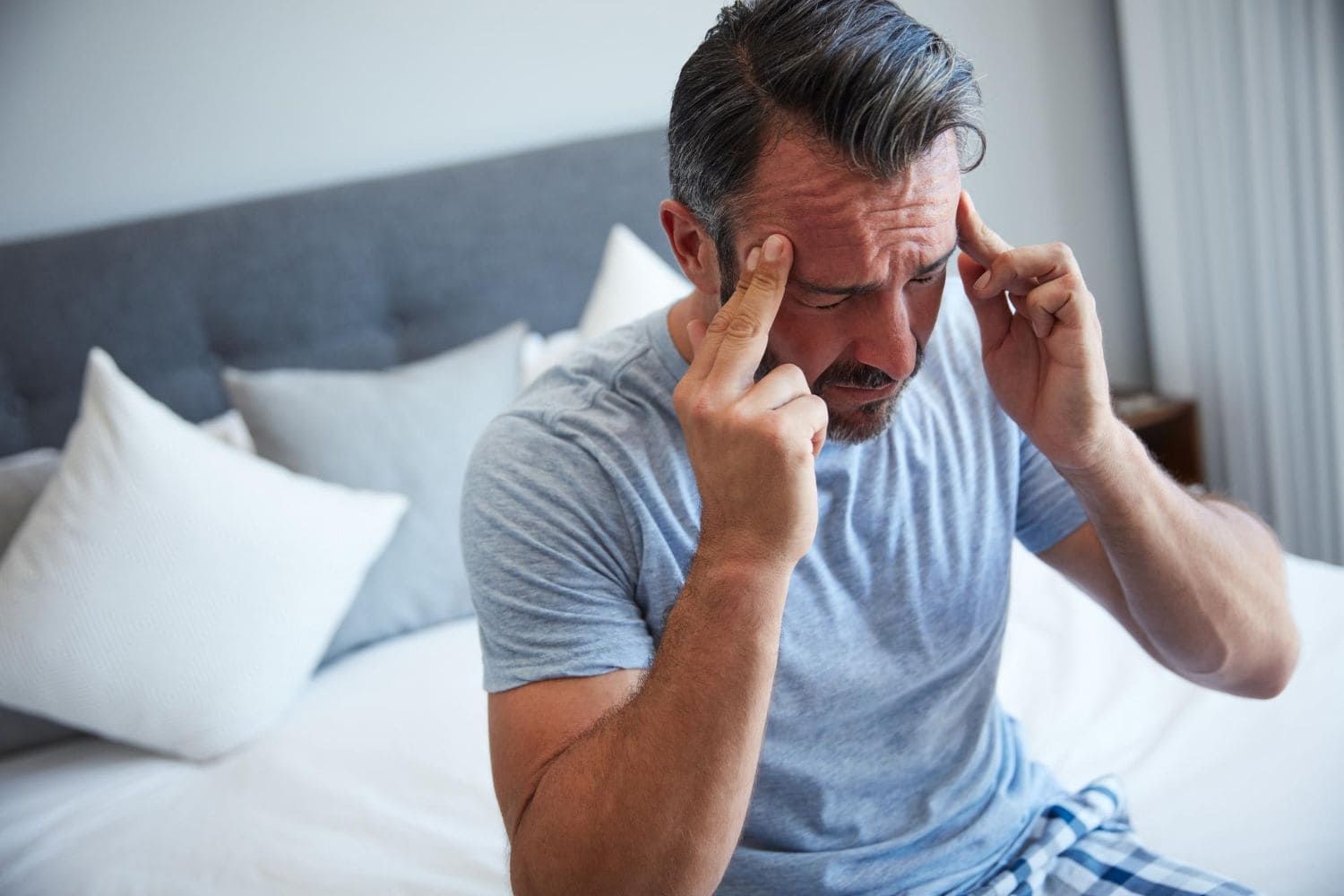
If you've ever felt a sharp, burning shock travel from your lower back down through your leg, you already know that sciatica is nothing like ordinary back pain. It's relentless, unpredictable, and can turn a simple task like standing up from a chair into a painful ordeal. Sciatica affects between 10 and 40% of adults over their lifetime, yet it remains widely misunderstood. This guide breaks down the real causes, explains the biology behind the nerve pain, and walks you through the holistic, evidence-based approaches that actually deliver lasting relief.
Table of Contents
- Sciatica pain explained: More than just back pain
- Common causes and symptoms of sciatica pain
- The science behind the pain: How the inflammation process works
- Chiropractic and holistic approaches for sciatica pain relief
- Why holistic chiropractic care is redefining sciatica pain relief
- Find lasting relief and personalized care
- Frequently asked questions
Key Takeaways
| Point | Details |
|---|---|
| Sciatica is nerve pain | It's caused by irritation or compression of the sciatic nerve, not just back strain. |
| Most cases improve naturally | Up to 90% of sciatica resolves in 4-12 weeks with conservative management. |
| Holistic therapies enhance relief | Combining chiropractic, acupuncture, and lifestyle changes can significantly reduce pain. |
| Identify your risk factors | Sedentary lifestyle, age, and certain health conditions raise your risk for sciatica. |
| Personalized care works best | Long-term relief often requires a customized plan blending hands-on and holistic treatments. |
Sciatica pain explained: More than just back pain
The sciatic nerve is the longest and widest nerve in the human body. It originates from nerve roots in the lower lumbar and sacral spine, runs through the buttocks, and travels all the way down the back of each leg to the foot. When this nerve gets compressed, irritated, or inflamed anywhere along that pathway, the result is sciatica, a condition that creates a very specific pattern of pain and neurological symptoms.
Most people assume sciatica is simply a sore lower back. It's not. The difference lies in what's happening at the nerve level. When the sciatic nerve comes under pressure, it activates pain receptors in the nerve sheath itself, a process mediated by tiny structures called nervi nervorum. This triggers an inflammatory cascade involving cytokines, prostaglandins, and a neurotransmitter called substance P, producing both neuropathic (nerve-origin) pain and nociceptive (tissue-origin) pain at the same time. This is why sciatica doesn't just hurt at one spot. It radiates, burns, and creates sensations that can feel completely disconnected from where the problem actually started.
Common symptoms include:
- Radiating pain that travels from the low back through the buttock and down one or both legs
- Numbness or tingling in the thigh, calf, or foot
- Muscle weakness in the affected leg, sometimes making it hard to flex the foot
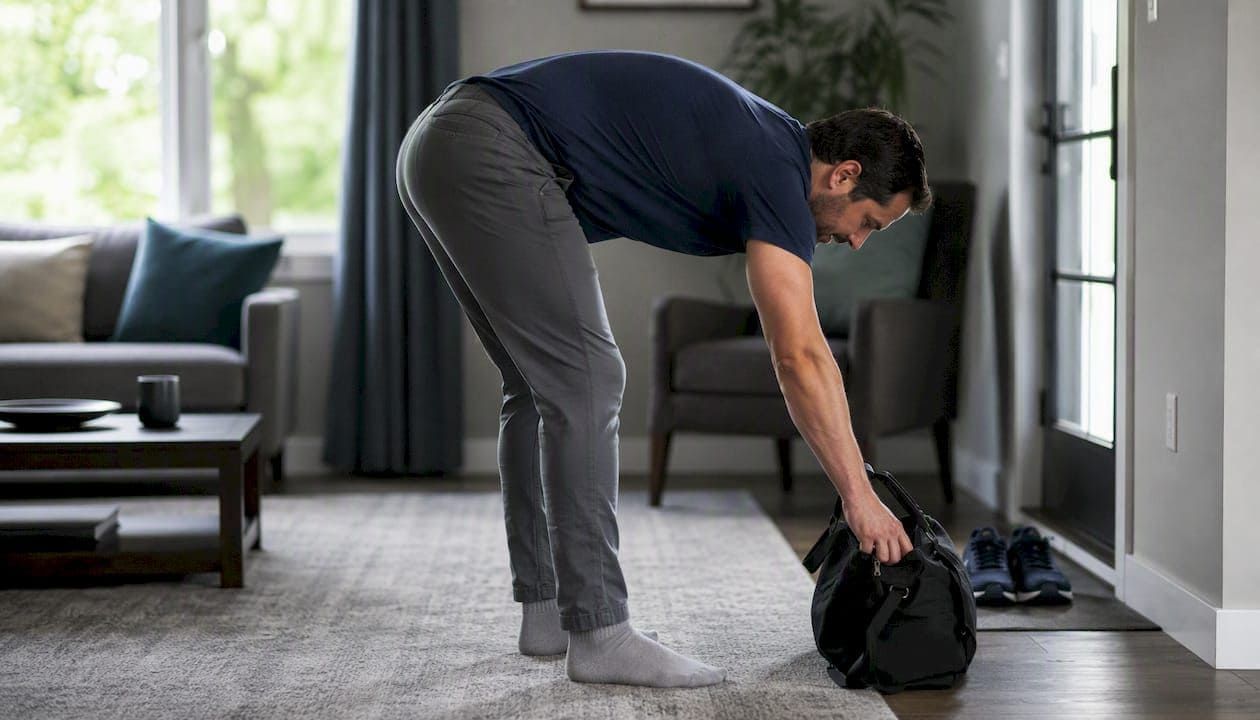
- Sharp, shooting pain that worsens with sitting, bending forward, or coughing
- A burning or electric sensation rather than the dull ache of typical muscle soreness
"Sciatica isn't just back pain with a fancier name. It's a fundamentally different experience because it involves a living nerve transmitting distress signals across the entire length of your leg."
For adults in West Central Florida managing active lifestyles, sedentary desk jobs, or the physical demands of manual work, understanding this distinction is the first step toward finding the right care rather than chasing temporary solutions. Exploring non-surgical sciatica relief options is far more productive once you recognize that nerve pain requires a nerve-focused approach.
Common causes and symptoms of sciatica pain
Understanding the "why" and "how" behind sciatica pain lets you spot red flags early and make smarter decisions about care.
The most frequent physiological causes include:
- Herniated disc: A disc between vertebrae bulges or ruptures, pressing directly on a nerve root. This is the leading cause in adults under 50.
- Spinal stenosis: The spinal canal narrows, usually due to age-related changes, compressing nerve roots in the lower back.
- Piriformis syndrome: The piriformis muscle, located deep in the buttock, spasms or tightens and compresses the sciatic nerve where it passes beneath or through the muscle.
- Degenerative disc disease: Discs lose height and hydration over time, reducing the cushioning between vertebrae and increasing nerve root irritation.
- Spondylolisthesis: One vertebra slips forward over another, narrowing the space available for nerve roots.
- Acute trauma or injury: Falls, car accidents, or sports injuries can inflame tissue around the sciatic nerve, triggering sudden-onset symptoms.
Research confirms that sciatica risk factors cluster around age (especially 20 to 50 years), obesity, sedentary occupations, and metabolic conditions like diabetes. Here in West Central Florida, where many people work long hours seated at desks or in vehicles, these risk factors are remarkably common.
Short-term vs. chronic sciatica: Key differences
| Feature | Short-term sciatica | Chronic sciatica |
|---|---|---|
| Duration | Less than 12 weeks | More than 12 weeks |
| Typical cause | Herniated disc, acute injury | Spinal stenosis, repeated irritation |
| Pain character | Sharp, intense flare-ups | Persistent aching, recurring spikes |
| Response to rest | Often improves with rest | Minimal relief from rest alone |
| Treatment approach | Conservative care, activity modification | Multimodal, long-term management plan |
| Risk of recurrence | Moderate | Higher without corrective care |
Common aggravating factors include prolonged sitting, forward bending, heavy lifting, and even sneezing or coughing. Many people notice symptoms worsen in the morning after sleeping in a poor position, or during long drives, which is a particularly relevant trigger for Tampa commuters.
Pro Tip: If your leg pain, numbness, or weakness is accompanied by loss of bladder or bowel control, seek emergency care immediately. This can indicate cauda equina syndrome, a rare but serious condition that requires urgent medical attention.
Working with a provider focused on effective sciatica treatment means going beyond symptom management. It means identifying which of these causes is driving your specific pattern of pain so care can be targeted accordingly.
The science behind the pain: How the inflammation process works
To truly understand why sciatica hurts so much and can linger even after the original injury resolves, let's look more closely at what's happening at the nerve and tissue level.
When the sciatic nerve is compressed, the immediate response isn't just mechanical pressure. The compression activates pain receptors through the nervi nervorum (tiny nerve fibers that supply the nerve itself), triggering a full inflammatory cascade. The body releases cytokines and prostaglandins, chemicals that amplify pain signals and promote tissue swelling. Simultaneously, substance P is released at the nerve level, causing what scientists call neurogenic inflammation, meaning inflammation driven by the nervous system itself rather than just the tissue.
This creates a two-layer pain experience:
| Pain type | Source | Typical sensation |
|---|---|---|
| Nociceptive pain | Surrounding muscles, ligaments, discs | Dull ache, tenderness, stiffness |
| Neuropathic pain | Irritated nerve fibers | Burning, electric shock, numbness, tingling |
What makes sciatica particularly stubborn is that even after a herniated disc reabsorbs or the original compression resolves, glial cells in the spinal cord can remain activated. Glial cells are support cells in the nervous system, and when they stay in a heightened state, they continue amplifying pain signals long after the physical trigger is gone. This explains why some people feel significant pain despite imaging studies that show minimal remaining compression.
The good news: Research consistently shows that 80 to 90% of sciatica cases resolve with conservative, non-surgical treatment within 4 to 12 weeks. That's a reassuring statistic, but it also means the right approach matters enormously. Doing nothing, or relying purely on pain medication without addressing the mechanical problem, leaves you vulnerable to recurrence and chronic sensitization.

Chiropractic and holistic approaches for sciatica pain relief
Now that you know what causes sciatica and why nerve pain is so stubborn, how do you actually get lasting relief, especially without heavy reliance on medications?
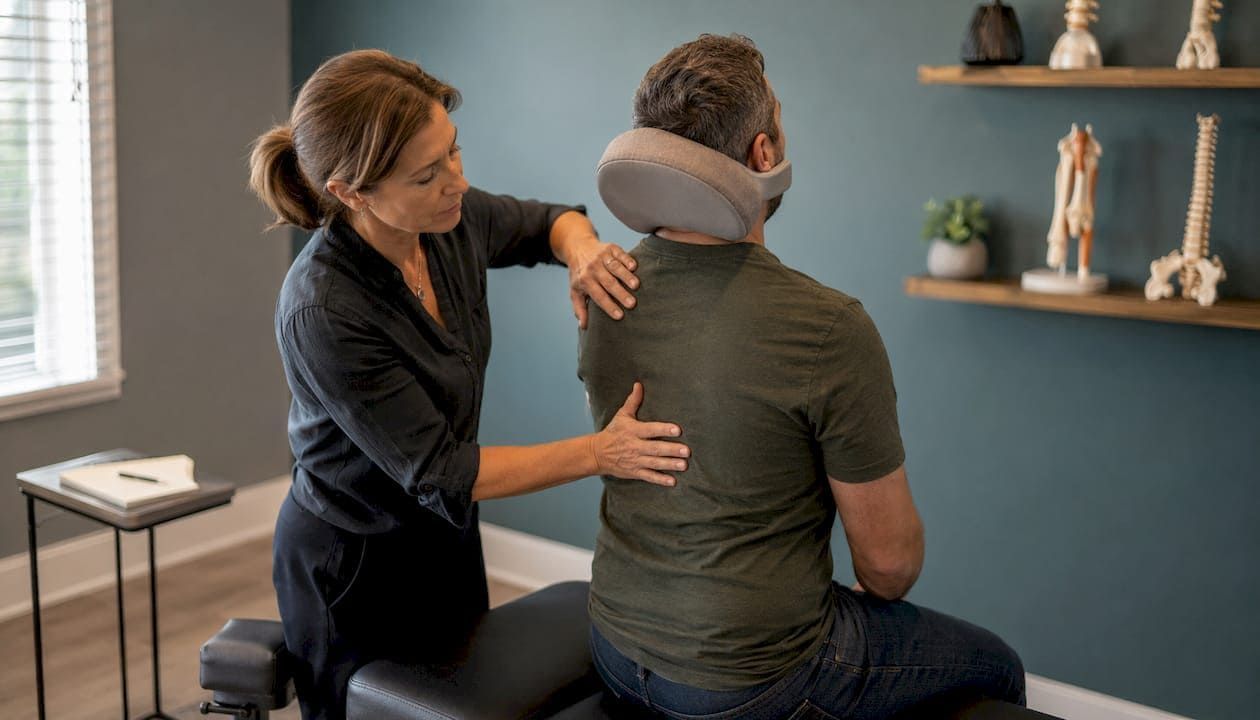
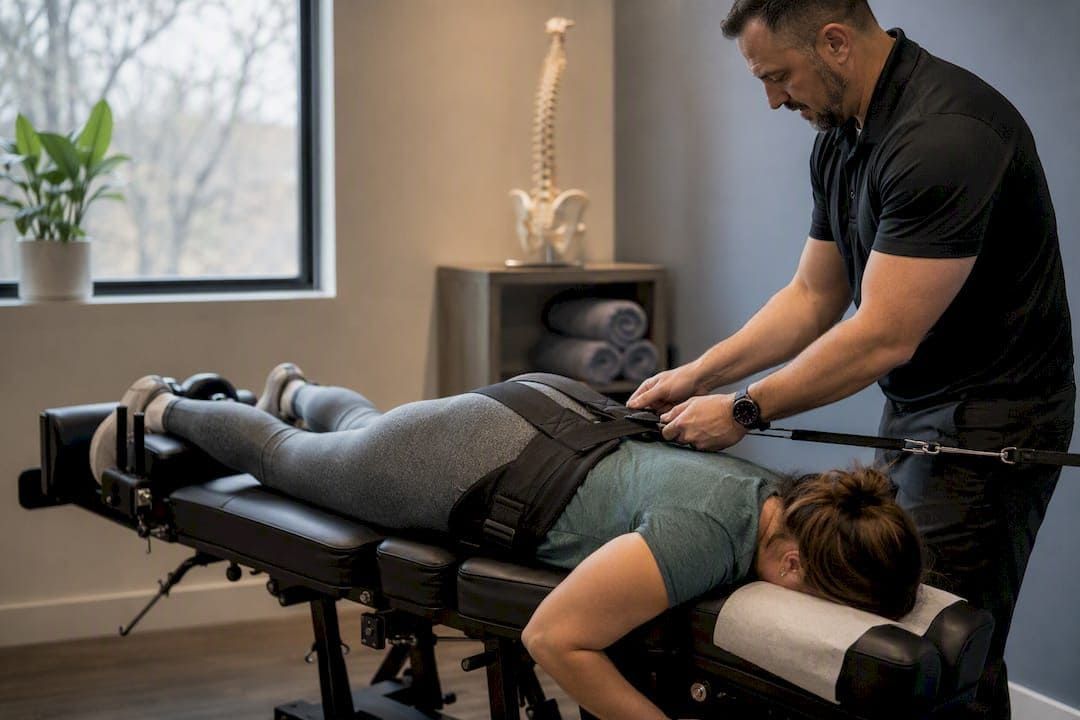
Chiropractic care targets mechanical dysfunction, specifically joint hypomobility (restricted movement) and excess disc pressure, through spinal adjustments and spinal decompression therapy. When vertebral segments are not moving correctly, they increase stress on surrounding discs and nerve roots. Chiropractic adjustments restore normal joint motion, reduce mechanical nerve pressure, and help calm the surrounding inflammatory response. Decompression therapy specifically creates gentle negative pressure within the disc, encouraging retraction of herniated material away from nerve roots.
Chiropractic is widely recognized as suitable as a first-line, drug-free treatment for adults with non-emergent sciatica. This means that unless there is a red-flag condition such as cauda equina syndrome or a tumor, chiropractic care is a legitimate starting point before considering medications or surgery.
Here are the key complementary therapies that work well alongside chiropractic adjustments:
- Acupuncture: Clinical evidence shows acupuncture significantly reduces leg pain in sciatica patients, with a standardized mean difference of 1.08 on visual analog pain scales and a measurable improvement in functional disability scores.
- Botanical and naturopathic remedies: Anti-inflammatory botanicals like turmeric, boswellia, and devil's claw have shown early promise in supporting nerve pain management when used as part of a multimodal care plan.
- Dietary adjustments: A whole-food, anti-inflammatory diet reduces systemic inflammation, which directly supports nerve healing. Omega-3 fatty acids, leafy greens, and reduced refined sugar intake are consistently recommended.
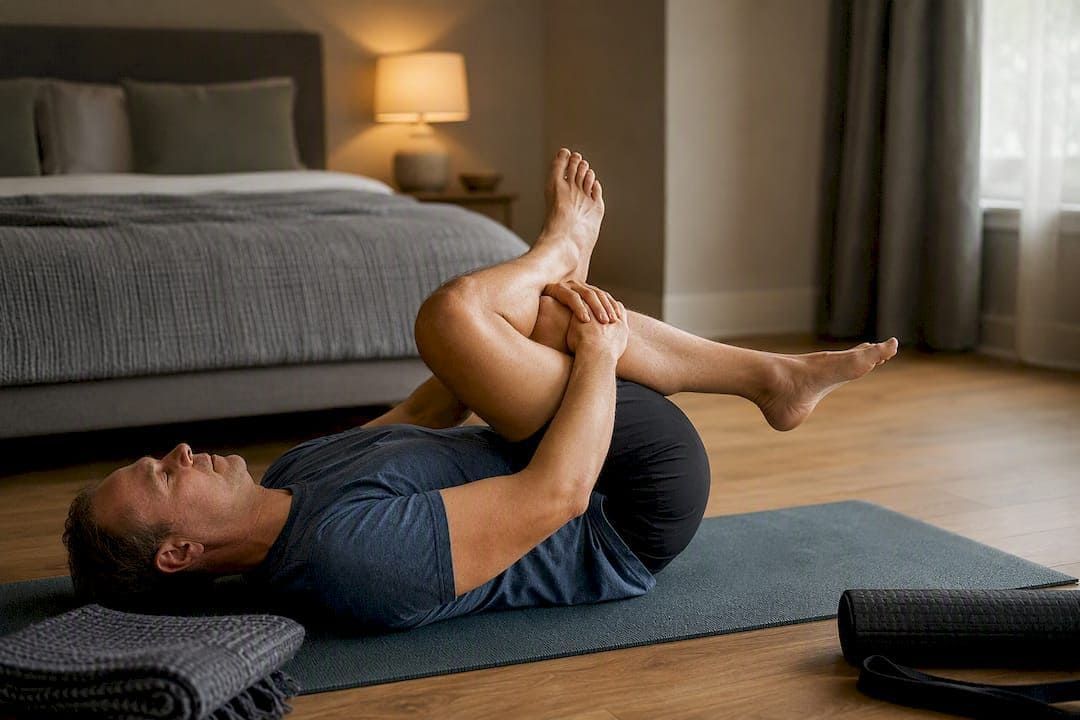
- Targeted exercise and physical rehabilitation: Specific stretches and strengthening exercises for the piriformis, hamstrings, and core muscles reduce mechanical load on the sciatic nerve. Movement-based care is far more effective than bed rest.
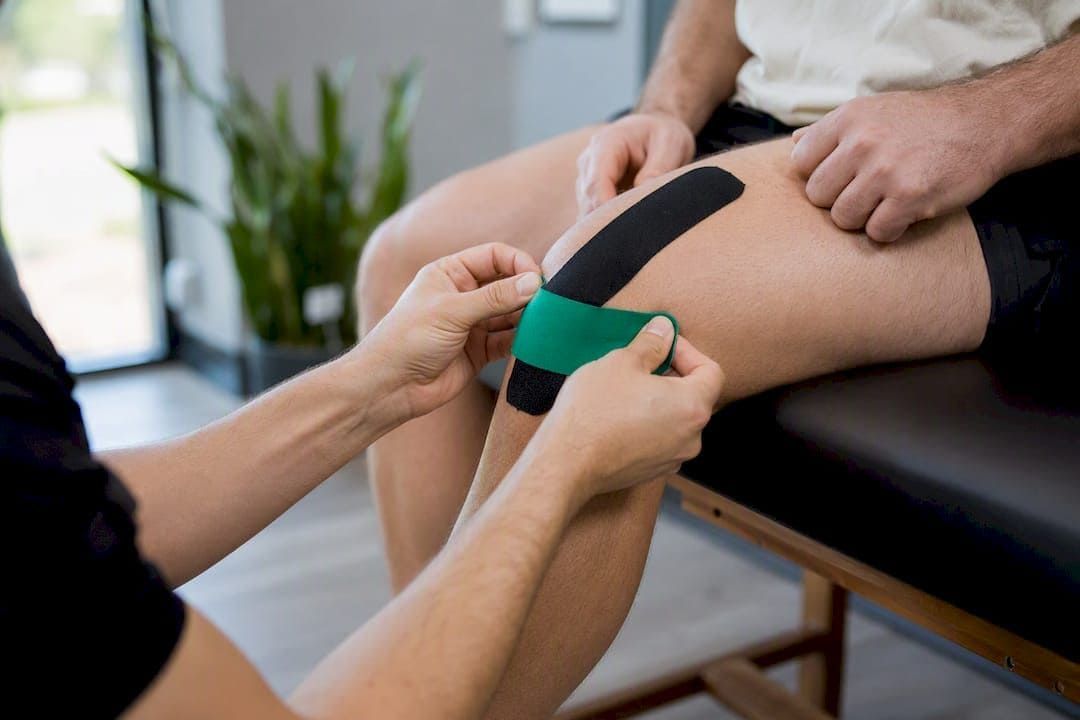
- Manual soft tissue therapy: Massage, myofascial release, and trigger point therapy address muscle tightness around the sciatic pathway, particularly in the piriformis and gluteal muscles, providing complementary relief.
A well-documented naturopathic case study found that a multimodal approach combining acupuncture, botanicals, and dietary changes brought a patient from a 9 out of 10 pain rating down to 2 out of 10 in just four weeks. That kind of outcome is rare with any single therapy used alone.
"The strongest results come when you treat the whole person: the mechanical problem, the inflammatory environment, and the lifestyle factors that keep the nerve irritated."
Pro Tip: Not every complementary therapy carries the same level of research support. Acupuncture and targeted exercise have the strongest evidence for sciatica specifically. Talk to your provider before adding supplements or therapies, especially if you take other medications, to make sure they fit your overall plan.
Exploring holistic pain management options gives you a clearer picture of how these therapies can work together. And if you want to start with the fundamentals, learning more about natural chiropractic care is an excellent first step.
Why holistic chiropractic care is redefining sciatica pain relief
Here's an honest perspective that most pain articles skip over entirely. The biggest breakthroughs in sciatica recovery almost never come from a single treatment. They come from building a consistent, layered routine that addresses the nerve, the spine, the surrounding muscles, and the daily habits that keep pulling the body back into dysfunction.
Single-method solutions fail in real life for a very predictable reason. You can get an adjustment that provides immediate relief, but if you go straight back to sitting for nine hours at a desk without any core support or movement breaks, the mechanical stress returns. You can take anti-inflammatory medication and feel better short-term, but you haven't touched the structural reason the nerve was compressed in the first place.
Research from the Cochrane Collaboration notes that spinal manipulation alone isn't consistently superior to exercise or physical therapy for chronic low back pain in isolation. But that finding actually supports the holistic model rather than undermining chiropractic. It shows that hands-on care paired with exercise and lifestyle changes produces far better outcomes than any single approach on its own.
What most patients get wrong about sciatica is treating it as an event rather than a pattern. They come in when the pain spikes, get treated, feel better, and then return to the exact same habits that triggered the flare. Relapse prevention requires understanding your personal triggers, building the physical resilience to handle daily stress, and maintaining the spinal mobility gains you achieved through care.
The real power of a personalized, holistic plan is that it changes the terrain. Instead of managing pain after it arrives, you're working to make the conditions for sciatica less favorable. That's the difference between symptom control and lasting freedom from pain. Investing in lasting holistic wellness isn't just a wellness trend. For sciatica patients, it's the most practical, evidence-informed path forward.
Find lasting relief and personalized care
If you're ready to take control of your sciatica pain, here's where you can start your journey to lasting relief.
At Essential ChiroCare, our experienced team across West Central Florida has helped countless patients move from debilitating nerve pain to active, confident living. We don't offer one-size-fits-all adjustments. We build individualized plans that address the mechanical, neurological, and lifestyle factors behind your specific symptoms.
Our chiropractic care model integrates adjustments, manual therapy, and targeted rehabilitation under one roof. Whether you're dealing with a recent flare or years of chronic sciatica, our chiropractic services in Tampa, Brandon, and Lakeland are ready to meet you where you are. For patients with herniated discs or spinal stenosis, our spinal decompression therapies offer a non-surgical path to meaningful, lasting relief. Schedule your consultation today and take the first real step toward a pain-free life.
Frequently asked questions
What makes sciatica different from regular back pain?
Sciatica involves nerve compression that triggers both neuropathic and nociceptive pain responses, causing radiating pain, numbness, or tingling down the leg, not just localized back discomfort. The inflammatory cascade from nerve involvement is fundamentally different from standard muscle strain.
Who is most at risk for developing sciatica?
Adults aged 20 to 50, people in sedentary occupations, those with obesity, and individuals with diabetes carry the highest risk. Lifetime incidence ranges from 10 to 40% across the general population.
How long does sciatica pain usually last?
Most sciatica cases resolve within 4 to 12 weeks with conservative care, but persistent pain lasting beyond three months requires a more structured, multimodal treatment plan.
Is chiropractic care safe for sciatica pain?
Yes, chiropractic is considered first-line and drug-free for adults with non-emergent sciatica, addressing the mechanical dysfunction at the root of nerve compression through adjustments and decompression.
What holistic therapies work best with chiropractic for sciatica?
Evidence supports combining chiropractic with acupuncture, botanical remedies, and dietary changes. Acupuncture reduces leg pain significantly and a multimodal naturopathic plan has shown pain reductions from 9 out of 10 down to 2 out of 10 in as little as four weeks.
Recommended