


Safe Chiropractic Trials for Migraines: Measure Progress in Weeks

Essential ChiroCare Blogger • November 6, 2026

Safe Chiropractic Trials for Migraines: Measure Progress in Weeks

Chiropractic care can reduce migraine frequency or intensity for some patients, particularly when neck tension or cervical joint dysfunction plays a role, but it works best as one piece of a broader plan rather than a standalone cure. Evidence from clinical trials is mixed and often moderate in quality. We recommend treating it as a trial worth discussing with your medical provider, with realistic goals and clear safety screening from the start.

TL;DR:

  • Chiropractic care may reduce migraine days mostly for patients with neck tension, poor posture, or cervical joint restrictions, but results vary widely.
  • Techniques used include spinal adjustments, soft-tissue therapy, and ergonomic guidance, adjusted based on individual responses during treatment.
  • Evidence supporting effectiveness is moderate at best, with some improvements due to placebo effects, and treatment should be part of a broader migraine management plan.
  • Side effects like neck soreness or fatigue are common but typically mild and short-lived, and thorough screening is essential before starting treatment.
  • Patients should track migraine frequency during a defined trial period and consult with healthcare providers to adjust their plan if no improvement occurs.
Chiropractic care for migraine relief

Table of Contents

How chiropractic care may reduce migraine symptoms

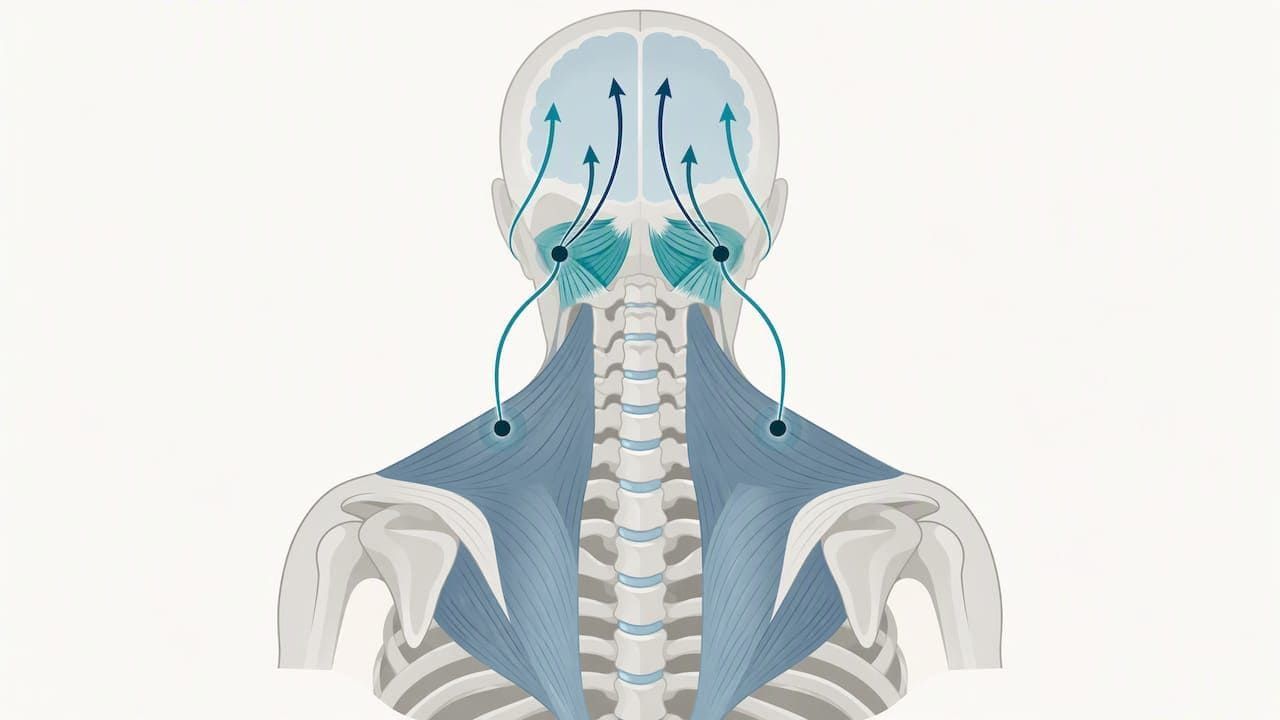
Migraines rarely have one trigger, but neck and upper back dysfunction can contribute to or worsen attacks in some patients. Tight muscles in the cervical spine and shoulders can refer pain upward into the head, and trigger points in the trapezius or suboccipital muscles can mimic or amplify migraine pain.

There's also a nervous system angle. Manual therapy may influence afferent nerve input from the neck, which can affect the descending pathways that help regulate pain signals reaching the brain. Some clinicians propose that spinal adjustments and mobilization may support this modulation, though the mechanism is still being studied rather than firmly established.

A few other pathways come up often in patient consultations:

  • Restricted cervical joint mobility can increase muscular guarding, which may heighten headache sensitivity.
  • Poor posture and prolonged forward-head positions place sustained strain on neck structures tied to headache referral patterns.
  • Circulatory effects are frequently mentioned but remain more speculative than proven, so we avoid overstating this pathway.

None of these mechanisms guarantee results for every patient, but they explain why chiropractic care sits reasonably within a migraine management plan for people with a clear cervical component.

Common chiropractic techniques used for migraine relief

Treatment is rarely one technique repeated at every visit. Chiropractors typically combine several approaches depending on how a patient responds and what the neck and upper back exam reveals.

  1. High-velocity, low-amplitude spinal adjustments target restricted joints in the cervical and upper thoracic spine and are among the most studied chiropractic interventions for headache.
  2. Low-force mobilization offers a gentler option for patients who are sensitive to cervical manipulation or who prefer a more conservative starting point.
  3. Soft-tissue therapy and trigger-point release address muscular referral patterns in the neck, shoulders, and base of the skull.
  4. Exercise, posture correction, and ergonomic guidance reinforce in-office treatment and reduce the mechanical strain that may be feeding the headache cycle.

Chiropractors often adjust the mix of these techniques visit to visit, based on tenderness, range of motion, and how the previous session was tolerated.

Pro Tip: Keep a simple headache log noting date, severity, and any neck stiffness beforehand. It helps your chiropractor and physician see patterns that guide technique choices.

What the research says about effectiveness and its limits

The research on chiropractic care for migraines is encouraging but not conclusive, and that distinction matters for anyone deciding whether to try it. A 2010 systematic review concluded that chiropractic care, including spinal manipulation, can improve migraine and cervicogenic headaches, but rated the evidence strength as moderate at best and called for individualized treatment rather than a one-size-fits-all protocol.

**A three-armed randomized controlled trial found reduced migraine days in both the active treatment group and the sham treatment group, suggesting a placebo contribution alongside any specific effect of spinal manipulative therapy. Both groups improved versus a no-treatment control, and reported adverse events were mild and short-lived.

NCCIH summarizes the broader complementary-health literature similarly: spinal manipulation and related approaches may help some people with headaches and migraines, but the evidence base remains inconsistent and often limited in methodological quality, including small sample sizes and difficulty blinding manual treatments. More recent commentary on pooled analyses of spinal manipulation and migraine has flagged similar methodological concerns, urging caution before treating any single meta-analysis as the final word.

The American Migraine Foundation frames chiropractic care as most useful when folded into a multimodal plan rather than relied on alone, a view that lines up with how Mayo Clinic describes manual therapies: useful adjuncts, with medication still central to most treatment plans. Most adverse events across these trials are mild and transient; serious events are rare, which is why screening and informed consent remain standard practice.

What to expect during a visit and common side effects

A first visit typically starts with an intake focused on your migraine history, medication use, and any neurologic warning signs that would call for medical referral instead of manual treatment. This screening step matters because it helps rule out cases where chiropractic care isn't the right starting point.

From there, a short-term trial is common, often several visits over a few weeks, so you and your chiropractor can judge whether frequency or severity is actually shifting. We outline realistic expectations for managing migraines with chiropractic care in more detail, including how progress is typically tracked.

Mild, short-lived reactions are common after manual treatment; you can learn more about what actually happens during a session and typical side effects on the BioCharger side effects page.

  • Soreness in the neck or shoulders for a day or two.
  • A mild, temporary headache distinct from your usual migraine pattern.
  • General fatigue following the first few sessions.

Our guide to chiropractic side effects covers which reactions are expected and which warrant a call to your provider. Before your first visit, it's worth asking what techniques will be used, how progress will be measured, and when you'd revisit the plan if nothing changes.

Who may benefit and how to build it into a migraine plan

Chiropractic care tends to fit best for people whose migraines seem linked to neck tension, poor posture, or cervical joint restriction, and for those looking for nonpharmacologic options alongside or instead of medication they tolerate poorly.

  1. Flag cervical signs like neck stiffness before attacks, or a history of desk work and forward-head posture, as reasons to consider a trial.
  2. Treat red flags, including sudden severe headache, neurologic symptoms, or known vascular risk, as reasons to defer manual treatment and see a physician first.
  3. Set a defined trial length of several weeks, and track migraine days and severity with a simple diary rather than relying on memory.
  4. Reassess at the end of the trial: if frequency or intensity hasn't shifted, that's a signal to adjust the plan or bring in your neurologist or primary care provider.

Our page on talking to your provider about migraine medications covers how to coordinate chiropractic care with whatever prescription plan you're already following, rather than treating the two as separate tracks.

Chiropractic adjustments for migraines

Patient experiences with chiropractic migraine care

Outcomes vary widely from one patient to the next, which is exactly what the clinical trial data would predict. Some patients report fewer migraine days within a few weeks of starting cervical-focused manual therapy, especially when neck tension was a clear contributor to their attacks. Others notice milder pain during attacks rather than fewer attacks overall, which still counts as a meaningful improvement in day-to-day function.

A smaller group sees little change, and that outcome matters too: it's part of why we emphasize a defined trial period with measurable goals rather than open-ended treatment. Patients who track their migraine days before and during care tend to have clearer conversations with both their chiropractor and their physician about whether to continue, adjust, or stop.

Posture correction and the exercises recommended alongside in-office treatment often show up in patient feedback as much as the adjustments themselves. Our rundown of ways to support chiropractic care for better results reflects the kind of self-care steps that patients consistently mention when their outcomes improve. None of this replaces a careful look at your own history and triggers, which is why the intake and ongoing reassessment matter more than any single technique.

Our approach to migraine care at Essential ChiroCare

We approach migraine care as a personalized, root-cause process rather than a fixed protocol. Every plan starts with a thorough intake, moves through a defined trial with measurable goals, and stays coordinated with your medical providers rather than working around them. Shared decision-making guides every step.

Start a migraine care plan with Essential ChiroCare

If neck tension or posture seem tied to your migraines, our chiropractic care team builds a personalized plan around your history, your triggers, and what you've already tried, rather than a generic protocol. Visits may combine spinal adjustments, soft-tissue work, and practical guidance on posture and ergonomics, with progress tracked using a headache log instead of guesswork.

A first visit includes a full intake and red-flag screening before any hands-on treatment begins, so you know early whether chiropractic care is a reasonable fit for your case. If you're ready to find out, book a chiropractic care appointment and we'll walk through your history and set a realistic trial plan together.

This article is general information, not a substitute for advice from a qualified doctor. Consult a qualified healthcare professional about your own circumstances before acting on anything here.

FAQ

  • What are five tips for instant relief from migraines?

    Common strategies for easing an active migraine include resting in a dark, quiet room, applying a cold compress to the head or neck, staying hydrated, and taking medication early in the attack as directed by your provider. Gentle neck stretching and pressure on tense muscles can also ease referred pain for some people. These measures address symptoms in the moment and don't replace a longer-term management plan.

  • Is it normal to feel sick after a chiropractic adjustment?

    Mild soreness, a temporary headache, or fatigue after an adjustment is common and usually resolves within a day or two, according to trial data on spinal manipulation for migraine. Symptoms like severe pain, neurologic changes, or persistent worsening are not expected and should prompt a call to your provider. Our guide to chiropractic side effects explains what's typical versus what needs follow-up.

  • Do weighted blankets help migraines?

    There's no chiropractic or migraine-specific clinical evidence establishing weighted blankets as an effective migraine treatment. Some patients use them as a general relaxation and sleep aid, which may indirectly help if poor sleep is a migraine trigger. They're best viewed as a comfort measure rather than a treatment with proven effect on migraine frequency or severity.

  • Can magnesium help with migraine?

    Magnesium is commonly discussed as a nonpharmacologic option for migraine prevention, though it works through a different pathway than chiropractic care and should be reviewed with your physician before starting. It isn't a substitute for addressing cervical or musculoskeletal contributors when those are present. Combining approaches, with your medical provider's input, tends to fit better within a broader multimodal migraine plan than relying on any single intervention.

Sources

Recommended

chiropractic treatment for spondylolisthesis
By Essential ChiroCare Blogger • November 9, 2026
Learn when chiropractic care is appropriate for low‑grade spondylolisthesis, which gentle techniques reduce pain, and which red flags need prompt surgical...

Shoulder pain chiropractor Tampa
By Essential ChiroCare Blogger • November 8, 2026
Learn how the best chiropractor in Tampa evaluates holiday shoulder pain, identifies likely causes, and creates a personalized plan for relief and mobility.

Chiropractic care after a car accident
By Essential ChiroCare Blogger • November 7, 2026
Learn which post-crash mistakes can slow healing and when to see a car accident chiropractor in Tampa for personalized care and support after a collision.
Posterior canal BPPV treatment
By Essential ChiroCare Blogger • November 5, 2026
Evidence based guide to vertigo chiropractic treatment: maneuvers that work, tests that guide care, and safe options for limited neck mobility.
chiropractor for degenerative disc disease
By Essential ChiroCare Blogger • November 4, 2026
Evidence-forward, safety-first guidance on chiropractic care for degenerative disc disease. Read research takeaways, realistic expectations, and five...

Can chiropractic care help a dowager’s hump
By Essential ChiroCare Blogger • November 3, 2026
Clinic-rooted, evidence-aware care for patients with a dowager's hump. Combines exercise, manual therapy, and screening that commonly reduces kyphosis by...

Chiropractic treatment for jaw pain
By Essential ChiroCare Blogger • November 2, 2026
Evidence first TMJ chiropractic care. Which manual therapies have trial support, realistic gains in 6–12 sessions, and key safety tips and visit expectations.
chiropractor after car accident Tampa FL
By Essential ChiroCare Blogger • November 1, 2026
Learn how a symptom diary can support your recovery and help a car accident chiropractor in Tampa evaluate injuries after a collision with personalized care.

Chiropractic clinic in Tampa
By Essential ChiroCare Blogger • October 31, 2026
See how a chiropractic clinic in Tampa creates personalized recovery plans to support pain relief, injury healing, better mobility, and long-term wellness.

spinal decompression contraindications
By Essential ChiroCare Blogger • October 30, 2026
A safety-first checklist for patients: learn the 8 absolute and 5 relative contraindications for spinal decompression, how clinics screen for risk, and...
Show More