Patients: Clinic Care and Exercise Reduce Dowager's Hump ~7°
Chiropractic care can help with pain and mobility for a dowager's hump, but exercise-led posture retraining and proper medical assessment determine how much visible correction is realistic. If the curve is new, painful, or worsening, start with medical triage to rule out fractures or bone loss before choosing a treatment path. From there, a combination of manual therapy, targeted exercise, and posture practice tends to produce the most measurable gains.
TL;DR:
- Exercise programs focusing on thoracic extension, back strengthening, and chest stretches typically reduce kyphosis by around 7 degrees over several months.
- A thorough medical assessment, including imaging and bone-density tests, is essential for accurate diagnosis and determining realistic correction potential.
- Manual therapy and chiropractic adjustments can aid pain relief and mobility but are unlikely to reverse fixed structural curves caused by fractures or degenerative changes.
- Neck manipulation carries small vascular risks, and clinicians should screen for risk factors and prefer gentler techniques when appropriate.
- Long-term improvement relies on consistent home exercises and posture habits, with no quick fix available for structural or postural hyperkyphosis.

Table of Contents
- What Dowager's Hump (Hyperkyphosis) Actually Is
- When to See a Doctor Before Starting Treatment
- What Chiropractic Care Can and Cannot Fix
- Exercises That Are Backed by Evidence
- Neck Manipulation: Weighing the Risks
- What Results to Realistically Expect
- How a Clinic Visit and Care Plan Typically Unfold
- A Practitioner's Note on Realistic, Patient-Centered Care
- Getting Personalized Care for Posture-Related Changes
- Sources
- FAQ
What Dowager's Hump (Hyperkyphosis) Actually Is
A dowager's hump is the common name for hyperkyphosis, an exaggerated forward curve of the upper spine that gives the back a rounded or humped look. According to Mayo Clinic, the causes in adults vary widely, and the cause largely determines what treatment will and won't do.
- Postural rounding from prolonged sitting, screen use, or weak back muscles.
- Degenerative disk changes that stiffen and wedge the spine over time.
- Osteoporosis-related compression fractures that collapse the front of the vertebrae.
- Scheuermann disease, a structural condition that usually begins in adolescence.
A flexible, posture-driven curve responds differently to treatment than a fixed one caused by fracture or degeneration, which is why identifying the cause matters before starting any program.
When to See a Doctor Before Starting Treatment
A new or worsening curve is not something to self-diagnose. Mayo Clinic recommends starting with a primary care clinician for triage, especially if any of the following apply.
- Sudden or worsening back pain, particularly after a fall or minor strain.
- Numbness, tingling, or weakness in the arms or legs.
- Loss of height, balance changes, or difficulty standing upright.
- Known or suspected osteoporosis, or a personal history of fractures.
- A curve that has visibly changed over weeks or months rather than years.
From there, assessment typically includes a forward-bending observation, a neurologic exam, and imaging such as X-ray or CT. MRI is used when a fracture is suspected, and DEXA bone-density testing is added when osteoporosis is a concern. A visible hump is not a diagnosis on its own: it has to be categorized as flexible or structural, and that distinction decides whether rehab, bracing, bone-directed medical therapy, or surgery makes the most sense, per Mayo Clinic's diagnostic framework.
What Chiropractic Care Can and Cannot Fix
Chiropractic care fits well into a plan built around pain relief, joint mobility, and exercise prescription for a postural or degenerative hump. It is not a stand-alone cure for a structurally fixed curve, especially one caused by compression fractures.
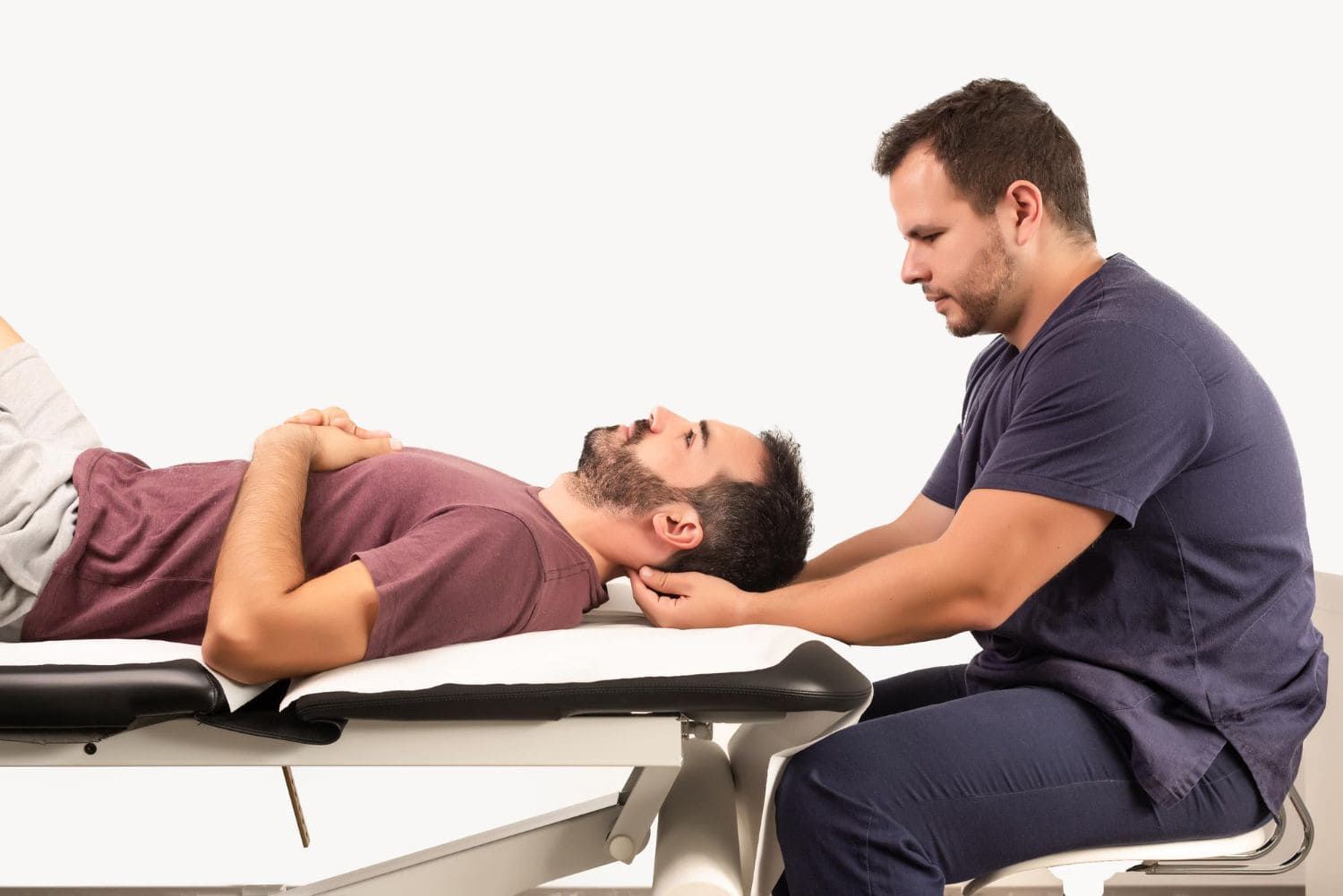
- Spinal and joint adjustments aimed at restoring mobility in stiff thoracic segments.
- Manual soft-tissue work to ease tight chest muscles and overworked upper-back muscles, explained in more detail in this manual therapy overview.
- Guided exercise prescription and posture coaching between visits.
- Referral to medical or bone-health specialists when imaging suggests fracture or osteoporosis.
Chiropractic-specific evidence for reversing an established structural curve is limited. A systematic review notes that case reports describe improvement in individual patients, but they don't establish a typical result. Screening before treatment, and building an individualized plan around the actual cause, matters more than the specific technique used.
Pro Tip: Ask your clinician to explain, in plain terms, whether your curve is flexible or structural before agreeing to a treatment plan.
Exercises That Are Backed by Evidence
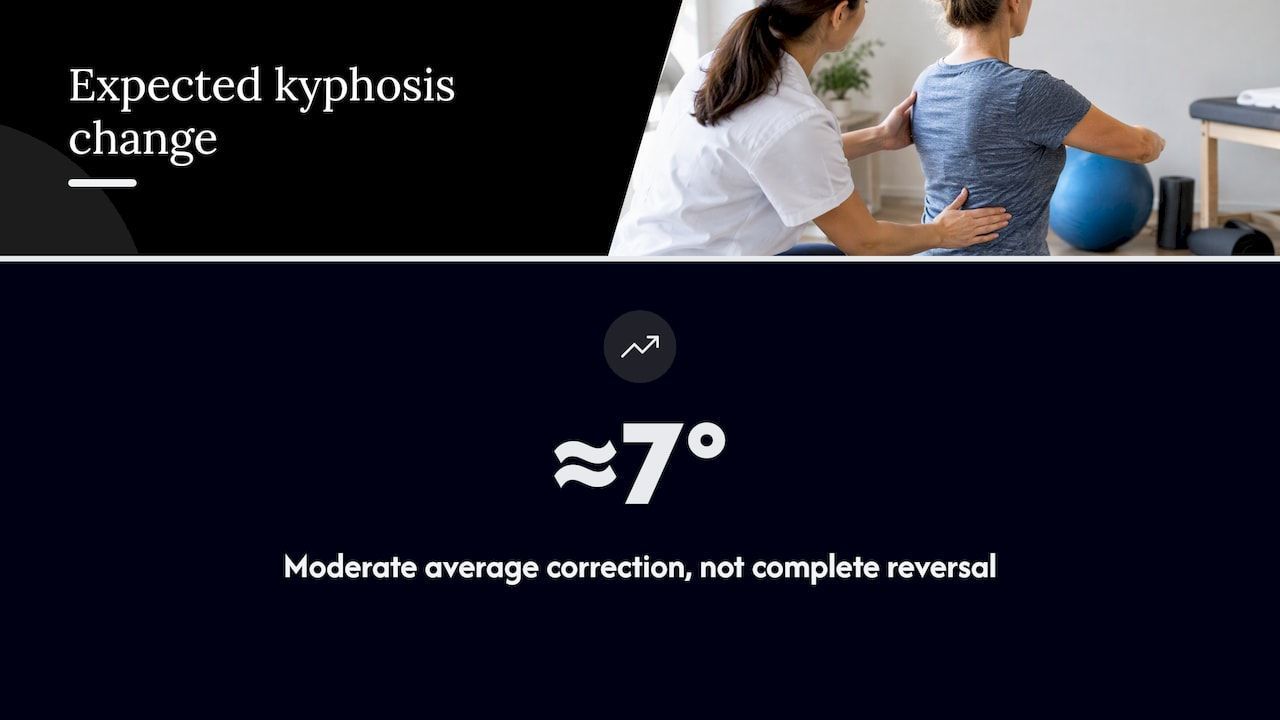
The strongest evidence for improving hyperkyphosis comes from exercise, not manual therapy alone. A 2023 systematic review and meta-analysis found that exercise groups showed a post-intervention kyphosis reduction averaging 6.97 degrees , a modest but real change rather than a full reversal.
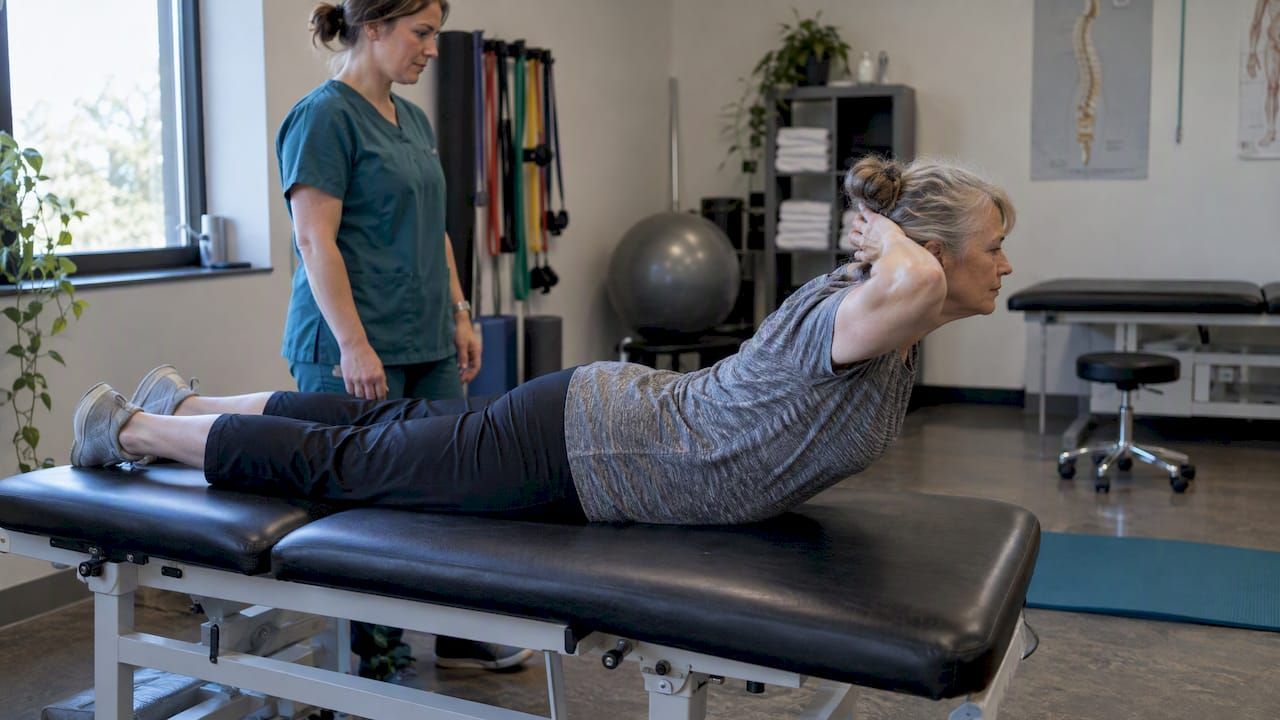
- Thoracic extension and mobility drills, often done over a foam roller or bolster.
- Back-extensor strengthening exercises that build endurance in the muscles holding the spine upright.
- Chest and shoulder stretches that counter the tightness pulling the shoulders forward.
- Posture drills, such as chin tucks and shoulder-blade squeezes, practiced throughout the day.
Trial protocols like the SHEAF study used supervised, progressive programs of this kind performed at least three times a week for several months, not a quick fix measured in days. A related systematic review reinforces that consistent practice, not intensity, drives the improvement. Home routines that add balance and stability work, such as the ones outlined in this balance board training guide, can complement posture drills once the basics are comfortable.
Stop and check with a clinician if any exercise causes sharp pain, numbness, or dizziness, since those symptoms suggest the program needs to be adjusted or reassessed medically.
Neck Manipulation: Weighing the Risks
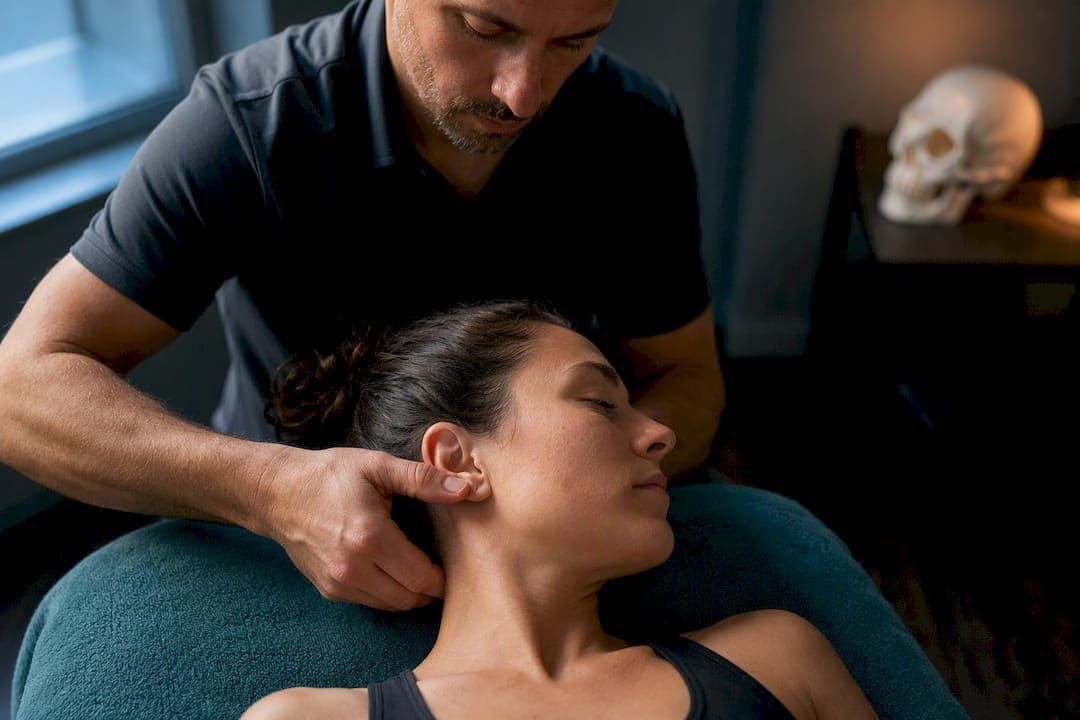
Cervical spine manipulation is generally well tolerated, but it carries a small risk of serious complications that patients deserve to know about before treatment.
- Serious adverse events after neck manipulation are rare, according to a 2025 systematic review, though the exact causal link to vascular events remains unresolved.
- Screening should cover sudden neck pain onset, severe headache, neurologic symptoms, vascular risk factors, osteoporosis, prior fractures, and medications affecting bleeding or bone health.
- Gentler mobilization techniques, rather than high-velocity thrusts, are appropriate when any of those risk factors are present.
Because causation between neck manipulation and vascular events is inconclusive, professional guidance emphasizes clear disclosure and screening before treatment rather than avoidance altogether. Systematic review on neck manipulation and vascular risk, 2025
Before agreeing to neck-focused treatment, ask what screening was done, whether gentler alternatives are available, and what the specific risks are for your case.

What Results to Realistically Expect
The evidence supports steady, moderate gains rather than a dramatic transformation. The same 2023 meta-analysis that found an average 6.97-degree reduction in kyphosis angle also reflects the ceiling most exercise programs reach: meaningful, but not a full return to a straight spine.
Useful goals include reduced pain, better tolerance for standing and walking, and visibly improved posture during daily activity, not a promise of complete reversal. Programs in the evidence base typically ran for several months of consistent practice, and gains tend to fade without ongoing maintenance work, a point echoed in this overview of why posture matters for long-term health. Whether the curve is postural or fracture-related also affects how much correction is possible, per Mayo Clinic's osteoporosis guidance.
How a Clinic Visit and Care Plan Typically Unfold
A first visit usually starts with a review of imaging, bone-density results if available, current medications, and a timeline of when the curve or pain started. Bringing that information speeds up an accurate assessment.
- Initial evaluation covering posture, spinal mobility, and neurologic screening.
- A treatment plan combining manual therapy, exercise prescription, and posture coaching, adjusted to the flexible-versus-structural distinction described earlier.
- A defined pacing structure, similar to the 18 sessions over 6 weeks format used in posture-correction case studies, followed by a home maintenance phase.
- Ongoing tracking of pain levels, function, and exercise adherence to adjust the plan as needed.
Patients who stay consistent with the home portion of the plan tend to hold onto gains longer than those who rely on in-clinic visits alone.
A Practitioner's Note on Realistic, Patient-Centered Care
Most people who come in worried about a dowager's hump want a quick answer, and the honest one is that recovery is a process, not a single adjustment. Screening for red flags first, then building a plan around exercise, manual therapy, and posture habits, gives the best shot at real improvement without overpromising a full reversal. Structured posture-correction programs, like the timed approach used in some clinic case studies, can offer a helpful framework for pacing that process. If pain, numbness, or a rapidly changing curve shows up, don't wait on exercise alone. Get it checked.
Getting Personalized Care for Posture-Related Changes
Essential ChiroCare treats posture-related pain and mobility loss through chiropractic care and adjustments, physical rehab, and manual therapy, each built around what your imaging and exam actually show.
A first visit typically includes a mobility and posture assessment, a review of any prior imaging or bone-density results, and a plan that combines hands-on treatment with a home exercise program tailored to your specific curve.
- In-clinic manual therapy and adjustments aimed at restoring mobility in stiff segments.
- A structured physical rehab program for progressive strengthening between visits.
- Online scheduling is available for initial evaluations.
If a rounded upper back or ongoing back pain has you looking for a next step, schedule a chiropractic care evaluation to find out what's driving it and what a realistic plan looks like.
This article is general information, not a substitute for advice from a qualified doctor. Consult a qualified healthcare professional about your own circumstances before acting on anything here.
FAQ
What is the fastest way to fix a dowager's hump?
There is no fast fix. Evidence-based exercise programs that combine thoracic extension, back-extensor strengthening, and chest stretches showed an average kyphosis reduction of about 7 degrees after months of consistent practice, not days.
What type of doctor should I see for a dowager's hump?
Start with a primary care clinician for triage, as recommended by Mayo Clinic, especially if the curve is new or painful. They can refer you to a spine specialist, bone-health provider, or rehab clinician such as a chiropractor or physical therapist depending on the cause.
Is it safe to let a chiropractor adjust your neck?
Neck manipulation is generally well tolerated, and serious complications are rare, though a 2025 review notes the causal link to vascular events remains unresolved. A clinician should screen for risk factors first and use gentler mobilization instead of forceful thrusts when any are present.
Can massage fix a dowager's hump?
Massage can ease muscle tension temporarily, but current evidence does not support massage alone as a way to correct a fixed kyphotic curve. Better results come from combining soft-tissue work with exercise and stretching over time.