Chiropractic Care for Mobility Restoration: 2026 Guide
Chiropractic Care for Mobility Restoration: 2026 Guide
Chiropractic care restores physical mobility by correcting joint and spinal misalignments, reducing inflammation, and improving nerve function. When joints are restricted or vertebrae are out of position, surrounding muscles compensate, movement patterns break down, and pain compounds the problem. Chiropractic adjustments interrupt that cycle directly. Spinal manipulation targets not just pain scores but the functional tasks that matter most: walking without a limp, sleeping through the night, bending to pick something up. That focus on real-world movement is what separates chiropractic from simple pain management.
A substantial portion of U.S. adults use chiropractic care, with the vast majority seeking it for musculoskeletal pain and the mobility limitations that come with it. Essentialchirocare, serving patients across Tampa, Brandon, Sarasota, Lakeland, and Pinellas Park, delivers exactly this kind of targeted, non-invasive care through personalized treatment plans built around each patient's specific condition and goals.
Key benefits of chiropractic care for mobility:
- Reduces joint stiffness and restores range of motion through manual adjustments
- Decreases nerve irritation that limits coordinated movement
- Lowers inflammation in soft tissue surrounding restricted joints
- Corrects postural imbalances that cause compensatory movement patterns
- Supports recovery from acute injuries and chronic musculoskeletal conditions
- Provides a non-pharmaceutical path to pain relief and functional improvement

How chiropractic principles support better movement
Chiropractic care is built on one core idea: the body can heal itself when its structure is properly aligned and its nervous system is free from interference. That is not a philosophical claim. It has a direct mechanical basis. When spinal vertebrae shift out of alignment, they can compress nerves, restrict joint capsules, and trigger protective muscle spasms that further limit motion.
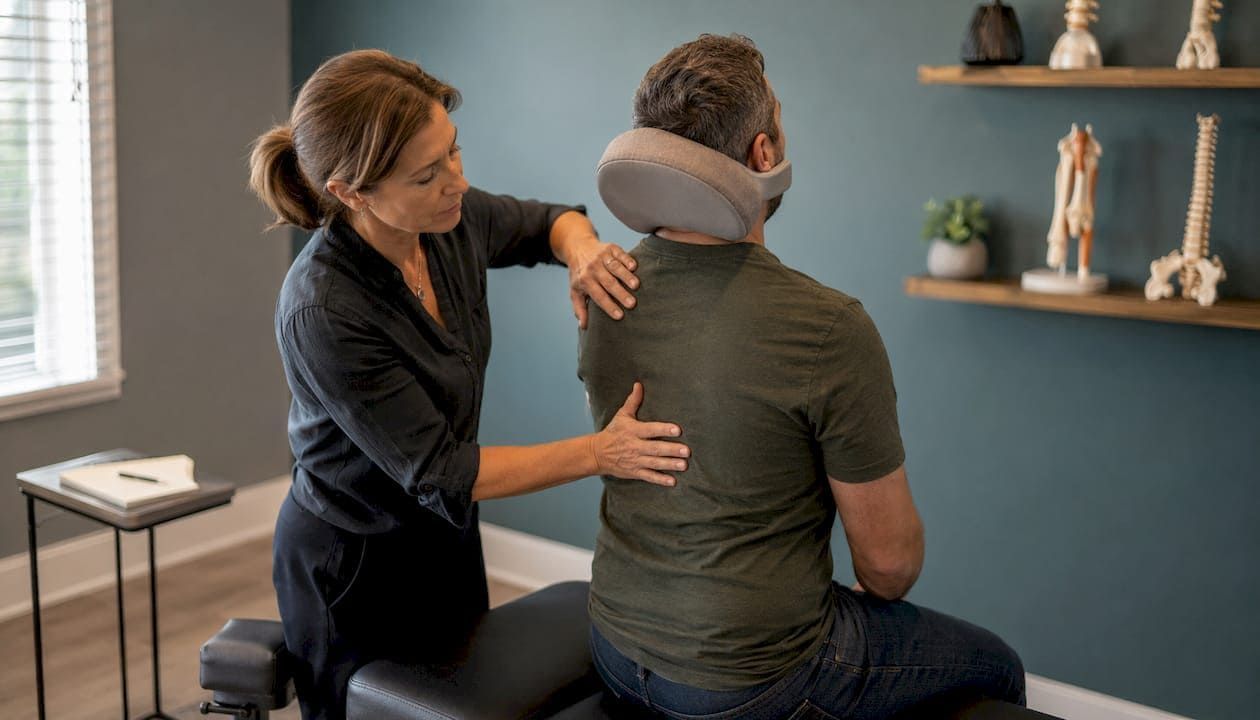
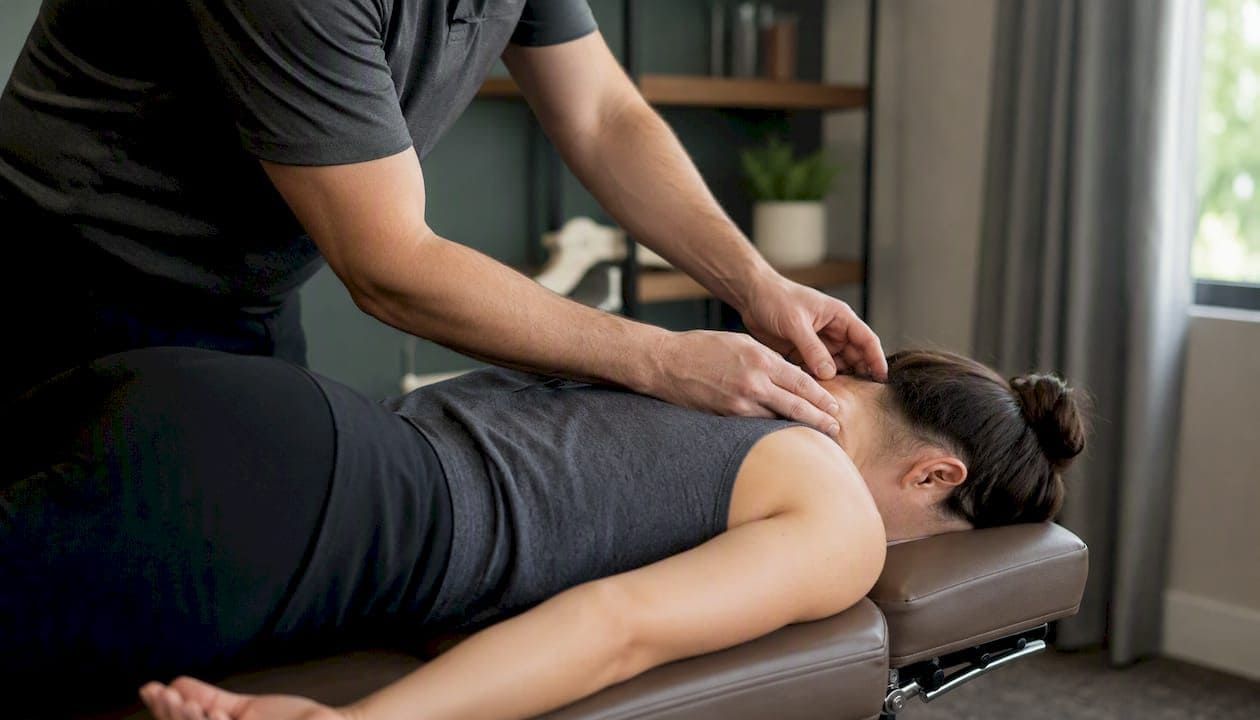
The chiropractic adjustment applies a controlled, quick force to a specific joint, restoring its normal position and motion. Chiropractors also use mobilization, a slower, gentler technique for patients who cannot tolerate high-velocity thrusts, and soft tissue therapy to release fascial tension and muscle spasms that hold joints in restricted positions.
Core chiropractic principles that directly affect mobility:
- Spinal alignment: Proper vertebral positioning reduces nerve compression and allows muscles to fire in their intended sequence
- Joint mobilization: Gradual, guided movement restores synovial fluid distribution and reduces stiffness in hypomobile joints
- Soft tissue therapy: Myofascial release and trigger point work address the muscular component of restricted movement
- Neurological reset: Adjustments alter sensory input to the central nervous system, improving motor coordination and proprioception
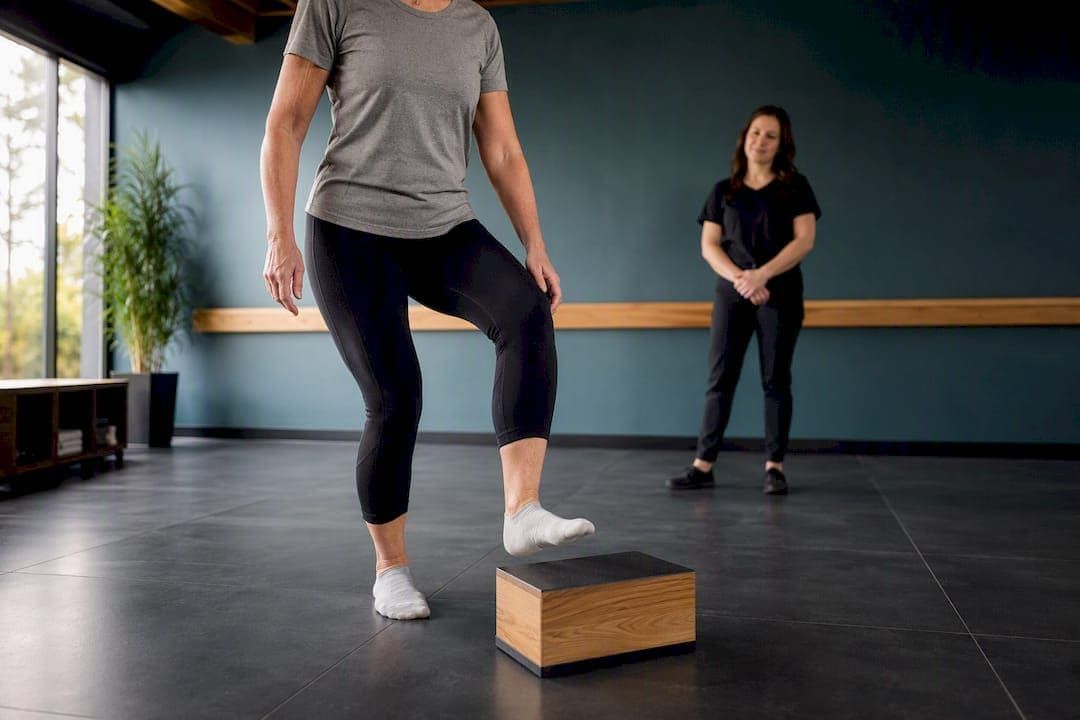
- Whole-body assessment: Chiropractors evaluate gait, posture, and movement patterns, not just the site of pain
Pro Tip: If you have been told your joint pain is "just arthritis," ask your chiropractor specifically about mobilization techniques. Gentle mobilization can improve synovial fluid circulation in arthritic joints, which reduces stiffness without aggravating inflammation.
How chiropractic care reduces pain and inflammation to improve function
Pain and inflammation are the two fastest ways to lose mobility. When a joint is inflamed, the body guards it by tightening surrounding muscles, which narrows the available range of motion and changes how you move. Over time, those compensatory patterns create secondary problems in adjacent joints and muscles.
Spinal manipulation reduces nerve irritation at the source, which lowers the pain signals that trigger muscle guarding. Chiropractic adjustments also include soft tissue therapy to relax tight muscles, relieve spasms, and release tension in the connective tissue surrounding each muscle. The result is a measurable increase in range of motion, often noticeable within the first few sessions.
For patients managing significant pain, passive manual therapies lower the pain threshold enough to make active exercise tolerable. That transition matters because sustained mobility restoration ultimately requires active movement, not just passive treatment.
How chiropractic interventions reduce pain and restore function:
- Spinal manipulation decreases nerve root compression, reducing radiating pain and muscle guarding
- Soft tissue therapy breaks up adhesions and scar tissue that restrict joint movement
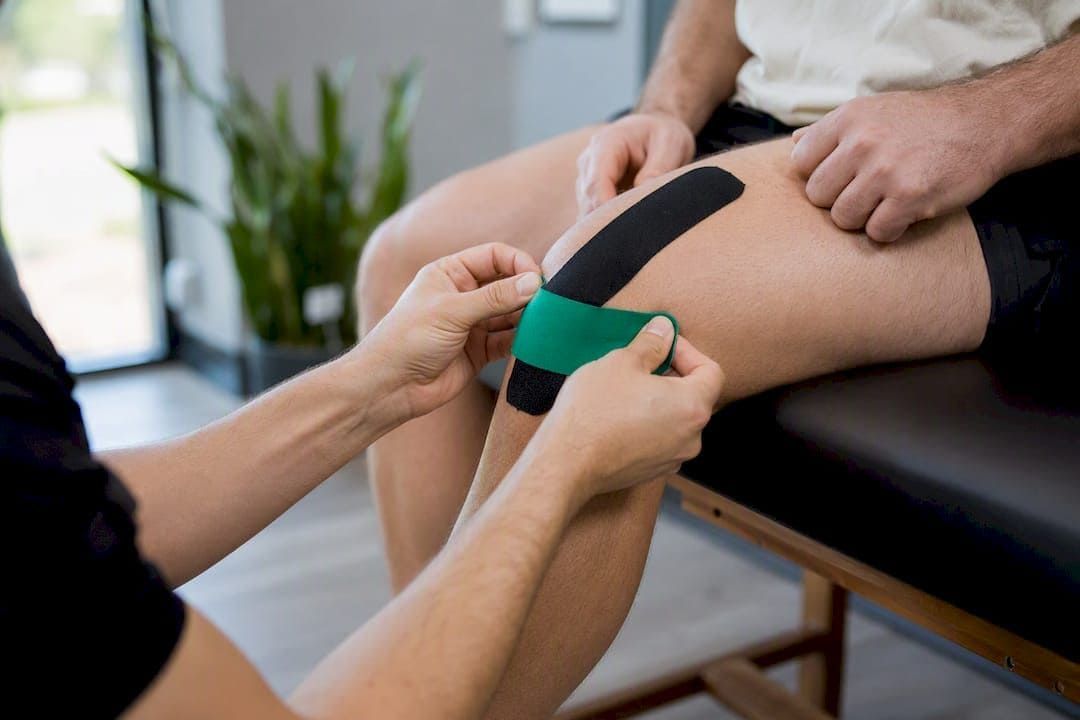
- Kinesio taping supports healing joints and muscles between sessions
- Reduced pain allows patients to tolerate rehabilitation exercises that build lasting strength
- Improved joint mechanics reduce the wear patterns that perpetuate chronic inflammation
- Dietary and lifestyle guidance from integrative care teams can further reduce systemic inflammation
Common conditions that chiropractic treatment addresses
Chiropractic care covers a wider range of mobility-limiting conditions than most patients expect. Low back pain is the most common entry point, but the scope extends well beyond it.
Sciatica, caused by compression of the sciatic nerve along the lumbar spine or piriformis muscle, responds to targeted spinal adjustments that relieve the compressive force. Whiplash injuries, which disrupt the normal cervical curve and restrict neck rotation, benefit from cervical manipulation and soft tissue work on the surrounding musculature. Joint stiffness from osteoarthritis, sports injuries involving ligament sprains or muscle strains, and postural dysfunction from prolonged desk work all fall within chiropractic's treatment range.
Essentialchirocare specifically treats sports injuries and auto accident injuries alongside chronic pain conditions, with doctors who have sports team backgrounds and the clinical experience to manage both acute trauma and long-term rehabilitation. That combination of acute and chronic care under one roof reduces the number of referrals patients need to navigate.
Conditions commonly treated with chiropractic care:
- Low back pain, both acute and chronic
- Sciatica and lumbar disc herniation
- Whiplash and cervical spine injuries
- Neck pain and tension headaches
- Shoulder, hip, and knee joint dysfunction
- Sports injuries including sprains, strains, and overuse injuries
- Postural imbalances causing chronic stiffness and fatigue
What to expect during chiropractic visits
The first visit is an assessment, not a treatment session. Your chiropractor will take a full health history, ask about your symptoms, and perform a physical examination that includes posture analysis, range of motion testing, and orthopedic and neurological tests. Imaging may be ordered if the history suggests a structural issue that needs to be ruled out before manipulation.
Treatment typically begins at the second visit. The chiropractor will use their hands or a small instrument to apply a controlled force to the target joint. You may hear a popping sound, which is gas releasing from the joint capsule. That sound is normal and not an indicator of severity or success.
Transient soreness after an adjustment is common and usually resolves within 24 hours. Think of it like the mild soreness after a new workout. Persistent or worsening symptoms after an adjustment warrant a call to your provider.
What the chiropractic care process looks like:
- Initial consultation: Health history, symptom review, and physical examination
- Diagnosis and plan: Working diagnosis with a proposed treatment frequency and timeline
- Manual adjustments: Spinal manipulation or mobilization targeting restricted joints
- Soft tissue therapy: Massage, myofascial release, or instrument-assisted techniques
- Rehabilitation exercises: Prescribed stretches and strengthening movements to support adjustment outcomes
- Progress monitoring: Regular reassessment to track mobility gains and adjust the plan
- Home care guidance: Posture tips, ergonomic adjustments, and movement habits to reinforce in-office work
One practical note: chiropractic scope of practice varies by state, and insurance coverage is often partial and condition-specific. Verifying your benefits before starting care saves surprises later.

Why personalized care and patient education drive lasting mobility gains
A generic treatment plan produces generic results. The patients who regain the most mobility are the ones whose care accounts for their specific condition, activity level, age, and goals. A 45-year-old runner recovering from a lumbar disc injury needs a different protocol than a 70-year-old managing hip osteoarthritis, even if both present with similar pain levels.
Essentialchirocare builds individualized treatment plans that address the root cause of each patient's mobility limitation rather than just managing symptoms. That means integrating manual therapy with targeted rehabilitation exercises, posture correction, and ergonomic guidance specific to how each patient lives and works.
Patient education is where long-term gains are protected. A patient who understands why their posture contributes to their back pain, and who has been taught how to sit, stand, and move correctly, is far less likely to return with the same problem six months later.
Components of personalized, patient-centered chiropractic care:
- Individualized treatment plans based on diagnosis, lifestyle, and functional goals
- Posture and ergonomic coaching tailored to each patient's work and home environment
- Home exercise programs that reinforce in-office adjustments between visits
- Education on body mechanics to prevent re-injury during daily activities
- Gradual progression from passive treatment to active rehabilitation as pain decreases
- Regular plan reviews to reflect the patient's improving capacity and changing needs
Pro Tip: Ask your chiropractor to show you the specific exercises they are prescribing, not just hand you a printed sheet. Watching a demonstration and then performing the movement under supervision dramatically improves how accurately you will do it at home.
What research and clinical experts say about chiropractic and long-term function
The clinical evidence for chiropractic care in mobility restoration has grown considerably, and the picture it paints goes beyond simple pain relief. A 2017 analysis of 15 studies involving nearly 1,700 participants found moderate-quality evidence that spinal manipulation produces modest improvements in both pain and back function for adults with acute low back pain. A separate 2019 review of 47 studies covering more than 9,200 participants found that for chronic low back pain, manipulation or mobilization was slightly better than other recommended therapies for back function in the short term.
The neurological dimension of chiropractic care is where the research gets particularly interesting. Studies on stroke survivors found that chiropractic spinal adjustments can alter sensorimotor integration and motor control, not just at the spine but in the limbs as well. Adding four weeks of chiropractic care to standard physical therapy produced statistically significant improvements in motor function in patients with subacute or chronic stroke. That finding points to a mechanism well beyond joint mechanics.
Research highlight: Chiropractors are underutilized in rehabilitation despite their training in musculoskeletal and neurological assessment, representing an untapped resource for function optimization across the lifespan.
Chiropractic is also evolving in how it integrates with broader rehabilitation systems. Rather than functioning as a standalone acute pain service, chiropractors are increasingly embedded in multidisciplinary teams alongside physical therapists, physiatrists, and orthopedic specialists. That integration shortens recovery timelines and produces more durable functional outcomes than any single discipline working alone.
For patients with significant pain who cannot yet tolerate active exercise, the sequencing of care matters. Passive manual therapies create the conditions for active rehabilitation by lowering pain enough that movement becomes possible. Research on manual therapy for older adults confirms this progression: reduce pain first, then build strength and mobility through guided exercise. Essentialchirocare's physical rehab services are structured around exactly this model, moving patients from passive care to active recovery as their tolerance improves.
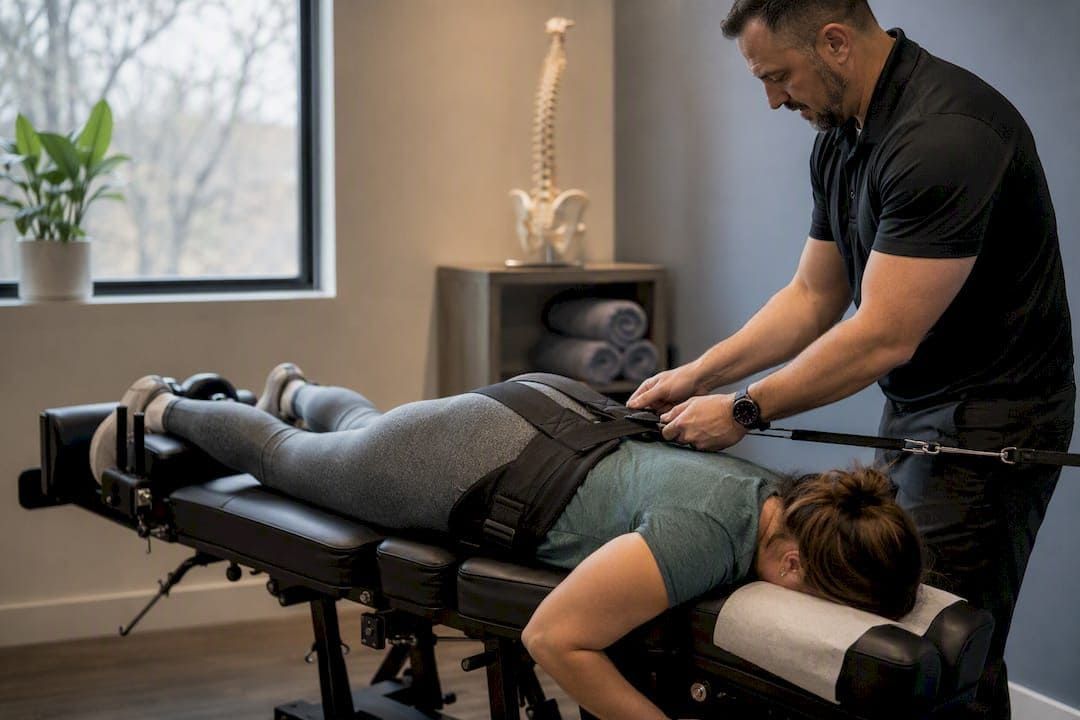
Motion-based adjunct tools also extend the benefits of in-office care. The Pettibon Wobble Chair, for example, mimics the natural motion of the lumbar nucleus pulposus to maintain disc hydration and spinal mobility between clinic visits. Research on spinal manipulation combined with motion-based therapy shows measurable improvements in neurological function and electrodiagnostic findings in patients recovering from lumbar disc herniation. Home-based tools like this reduce the total number of clinic visits needed while protecting disc health during recovery.
Pro Tip: If you are managing a disc injury, ask your provider about motion-based home therapy tools. Keeping the disc hydrated between sessions is one of the most underappreciated factors in disc recovery.
Limitations exist and are worth naming directly. Chiropractic manipulation is not appropriate for patients with osteoporosis, spinal instability, active infection, or certain vascular conditions. Patients on blood thinners or with a history of vertebral artery issues require a thorough screening before cervical manipulation. A qualified chiropractor will identify these contraindications during the initial examination and refer out when necessary. Chiropractic care also works best as part of a broader plan. For complex neurological conditions or post-surgical rehabilitation, it functions most effectively alongside, not instead of, other medical care.
Key Takeaways
Chiropractic care restores mobility by correcting joint alignment, reducing inflammation, and improving neurological function, with the strongest outcomes achieved when passive manual therapy transitions into active rehabilitation.
| Point | Details |
|---|---|
| Mobility is the primary goal | Chiropractic targets functional tasks like walking and sleeping, not just pain scores. |
| Adjustments affect the nervous system | Spinal manipulation alters sensorimotor integration and motor control beyond the spine. |
| Passive therapy enables active rehab | Manual therapy lowers pain thresholds so patients can progress to exercise-based recovery. |
| Personalized plans outperform generic ones | Treatment tailored to condition, age, and goals produces more durable mobility gains. |
| Contraindications require screening | Osteoporosis, vascular conditions, and spinal instability require evaluation before manipulation. |
Ready to restore your mobility with Essentialchirocare?
If restricted movement, chronic pain, or a recent injury is limiting what you can do, Essentialchirocare's team of experienced chiropractors is ready to build a plan around your specific situation. With locations across Tampa, Brandon, Sarasota, Lakeland, and Pinellas Park, getting care close to home is straightforward.
Essentialchirocare offers expert chiropractic care for back pain, sciatica, whiplash, sports injuries, and joint dysfunction, combined with physical rehabilitation services designed to move you from pain relief to full functional recovery. Patients dealing with joint pain alongside mobility limitations will find that combining chiropractic adjustments with targeted manual therapy produces faster, more lasting results than either approach alone.
Schedule your initial consultation online and take the first concrete step toward moving the way you want to again.
Recommended