Late summer in Tampa is prime time for training, tryouts, and league sign-ups. It is also when many athletes get sidelined by aches that seemed small at first, then suddenly stop them from playing right before a big game or race. Those aches are usually not random. They are often overuse injuries building up over weeks of practice.
In this article, we will walk through what overuse injuries actually are, why they hit Tampa athletes so often, and how to catch the warning signs early. We will also share simple training strategies, how sports chiropractic fits in, and ways to build your own prevention plan so you can stay in the game longer.
Stay in the Game Longer: Stop Overuse Before It Starts
Picture a youth soccer player or a weekend runner in Tampa feeling a small knee twinge during practice. It goes away after warming up, so they keep pushing. As the season ramps up, the pain grows, and right before the first tournament or race, the knee finally gives out. That “sudden” problem was not sudden at all.
Overuse injuries happen when small, repeated stress on muscles, tendons, or joints adds up over time. Instead of one big twist or fall, it is the same motion, day after day, without enough recovery or support.
As school sports, fall races, and adult leagues ramp up at the end of summer, training volume climbs fast. That is when we, as sports chiropractors in Tampa, often see athletes come in with nagging knee pain, tight and sore Achilles tendons, or foot pain that makes every step feel sharp.
A good sports chiropractor works to spot small imbalances early, ease pain, and help the body move better so athletes can keep training with less risk of missing key events.
Why Overuse Injuries Hit Tampa Athletes so Often
An acute injury happens in an instant, like twisting an ankle on a bad step. An overuse injury builds slowly. It starts with mild soreness and grows into pain that can limit practice and daily life.
In Tampa, several local factors raise the risk:
- Year-round sports and leagues mean less true “off-season”
- Heat and humidity make athletes tire faster, which often harms form
- Many teams practice on hard surfaces like pavement or packed fields
- Kids and teens may play for school, club, and travel teams all at once
Common overuse issues we see in local athletes include:
- Runner’s knee and IT band irritation
- Achilles tendinitis and plantar fasciitis
- Tennis elbow and golfer’s elbow
- Rotator cuff irritation from throwing and overhead sports
- Low back strain from rotational sports like baseball and golf
These problems are not limited to one age group. We see youth athletes pushing hard for spots and scholarships, adults training for 5Ks, half-marathons, and fitness goals, and active older adults staying sharp with walking, tennis, or pickleball. Anyone who moves a lot, in any sport, can be at risk.
Spot the Red Flags Before Pain Benches You
Overuse injuries send quiet signals before they become big problems. Many athletes brush these off or call them “normal soreness” when they are really early red flags.
Common early signs include:
- A dull ache that fades after warm-up but returns later
- Morning stiffness in a joint or tendon
- Mild swelling or warmth in the same area, again and again
- Soreness that always shows up in the same spot after practice
Performance changes can be warning signs too:
- Needing longer and longer to warm up
- Losing speed or power late in practice
- Relying on pain relievers just to get through games
- One side of the body always feeling tighter, weaker, or less stable
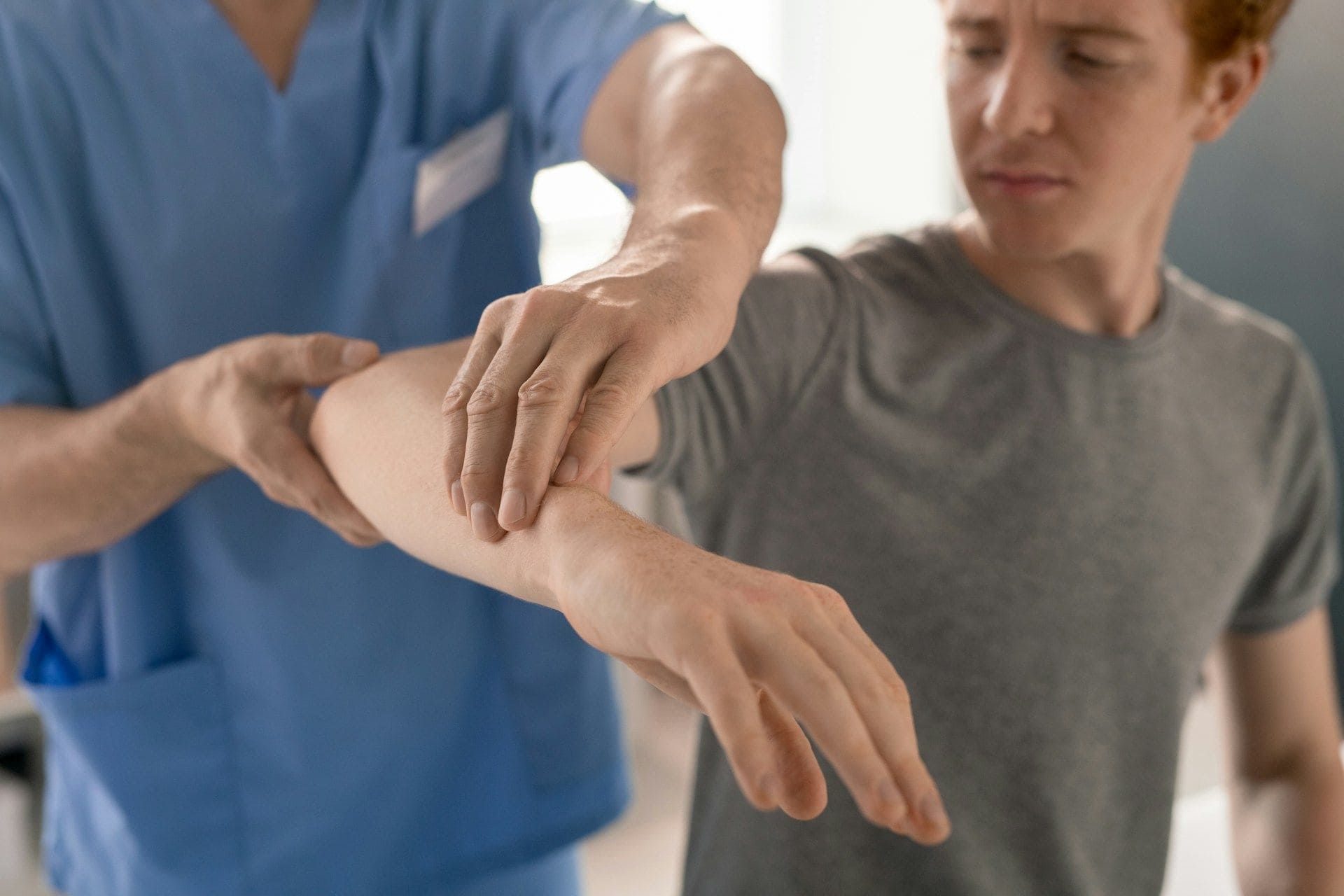
A sports chiropractor in
Tampa will usually look at how you stand and move, both in and out of your sport, along with joint range of motion and how smooth that motion feels. They will also evaluate muscle balance and flexibility from side to side, and talk through your training schedule, sport demands, and recent changes.
Responding to those early signs in late summer can prevent them from turning into serious, time-loss injuries in the heart of the fall season.
Smart Training Strategies to Protect Joints and Muscles
Training smart is one of the best ways to protect your body. One simple rule many athletes use is the “10 percent rule”: avoid increasing your weekly mileage, practice time, or weights by more than about 10% at a time. Sudden jumps in workload are one of the biggest triggers for overuse problems.
Other training tips that help
Tampa athletes:
- Schedule the hardest sessions in cooler parts of the day
- Use shade and cooling tools like cold towels during longer workouts
- Mix surfaces when possible, such as grass, trails, and track
- Rotate drills so you are not pounding the same motion nonstop
Cross-training can protect your body while keeping fitness high. For example, runners can add cycling or swimming; tennis or pickleball players can add strength and mobility work; and youth athletes can mix in general conditioning days between games.
Recovery basics matter too, especially in our heat and humidity. Sleep gives tissues time to repair, hydration supports joints and circulation, and consistent meals with enough protein, healthy fats, and colorful fruits and veggies support muscle and tendon repair.
How Chiropractic Care Helps Break the Overuse Cycle
Overuse injuries often come from the body not sharing stress evenly. When one joint is stiff or one muscle group is weak, other areas work harder and wear down faster.
Chiropractic care focuses on:
- Improving joint motion
- Supporting good spinal alignment
- Balancing muscles so movement feels smoother and more natural
At our clinics, we often use a mix of techniques, such as:
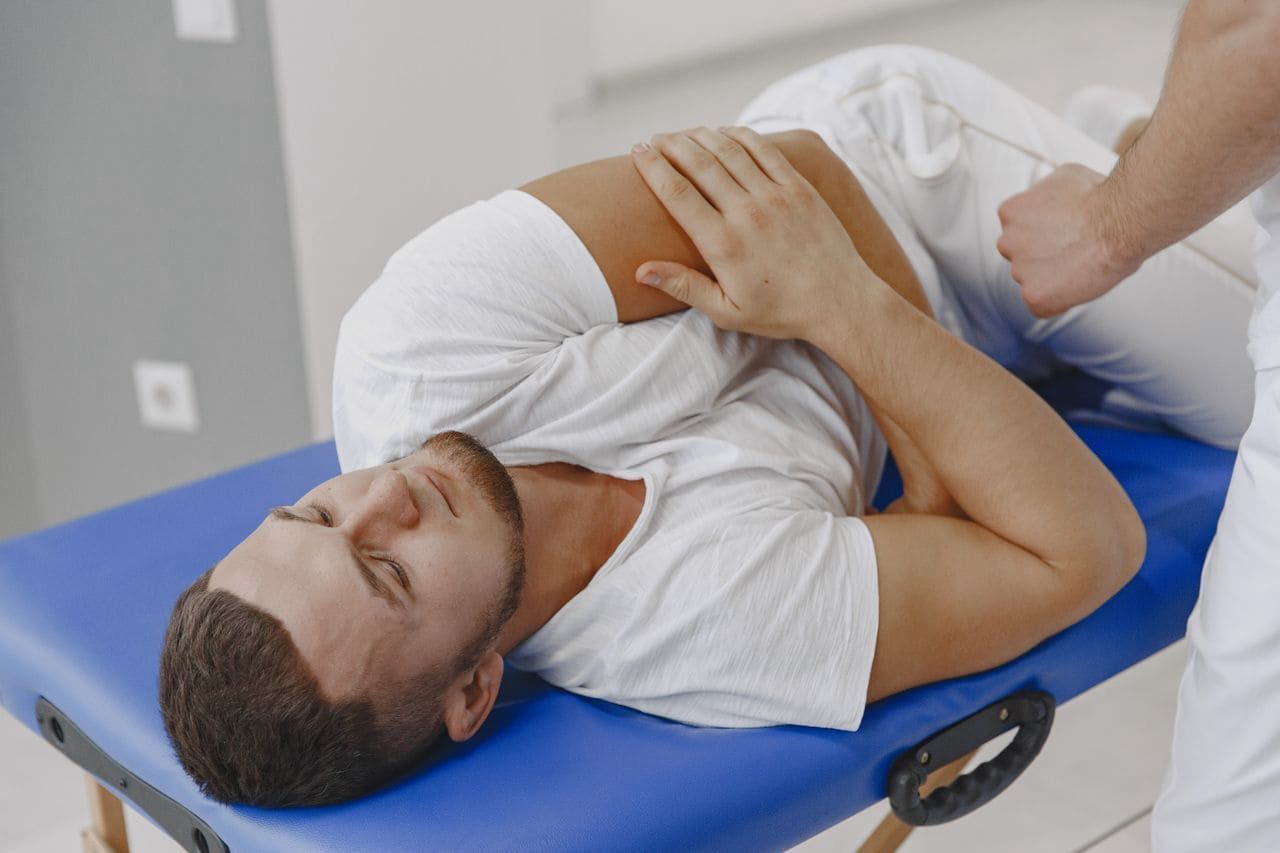
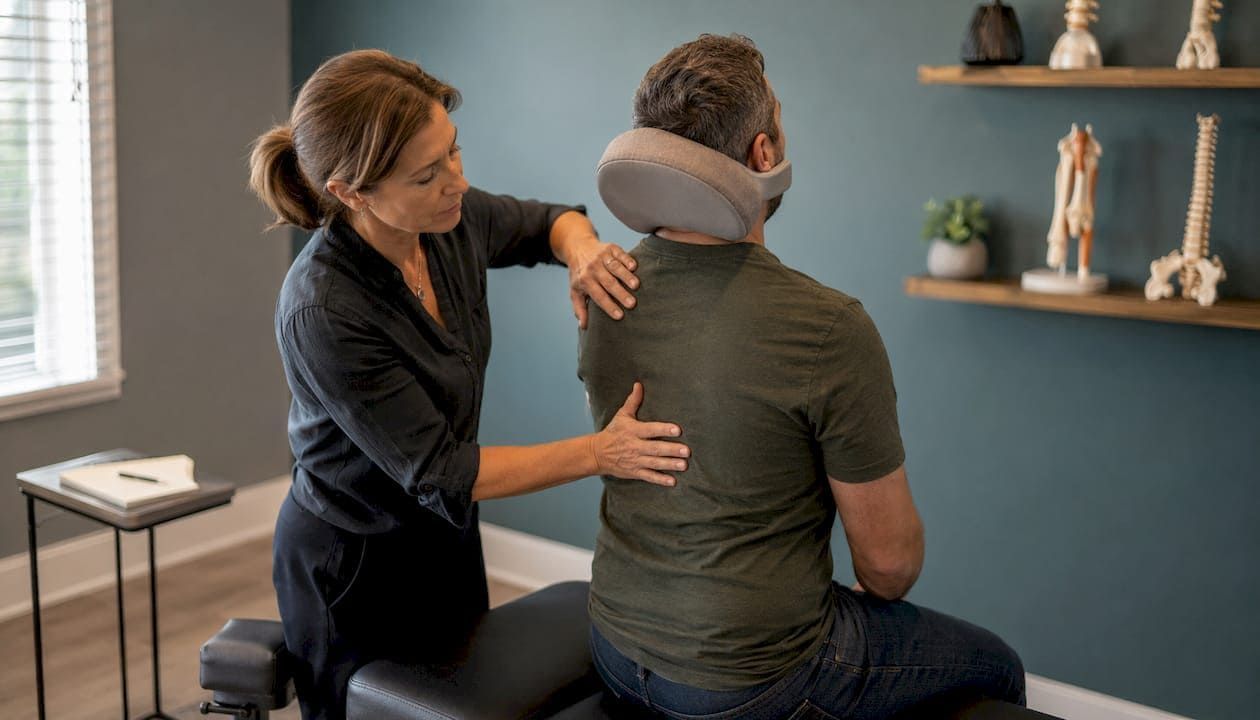
- Chiropractic adjustments to help joints move the way they should
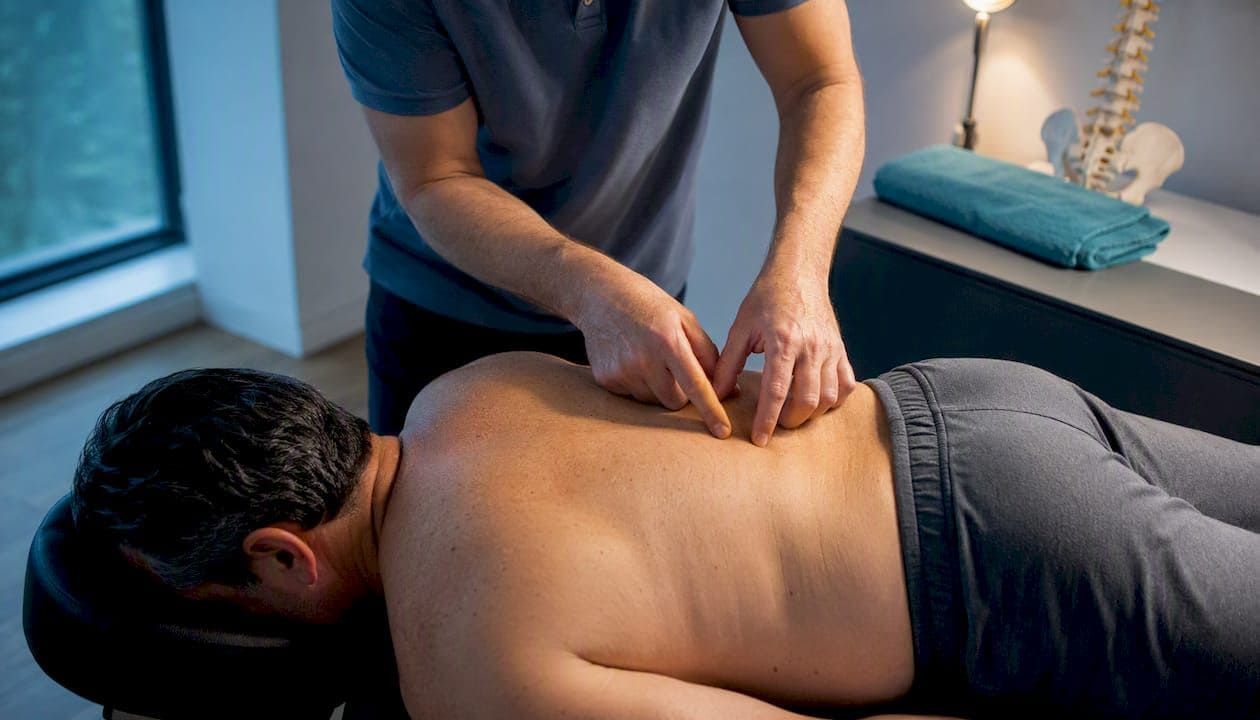
- Soft tissue work and myofascial release to ease tight, overworked muscles
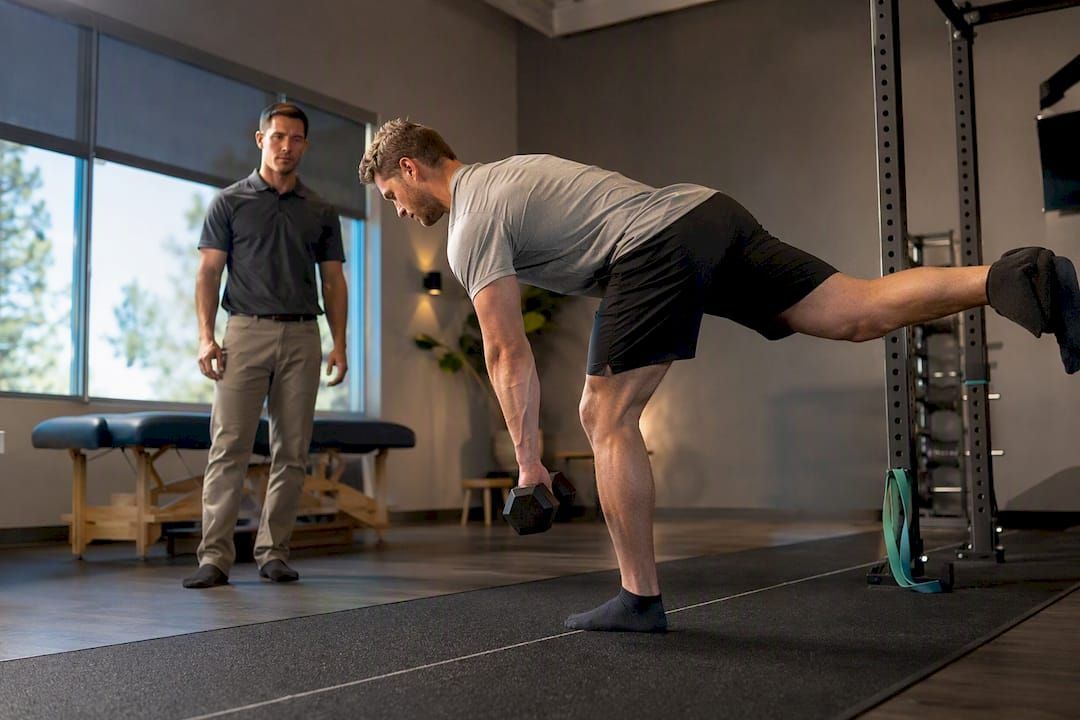
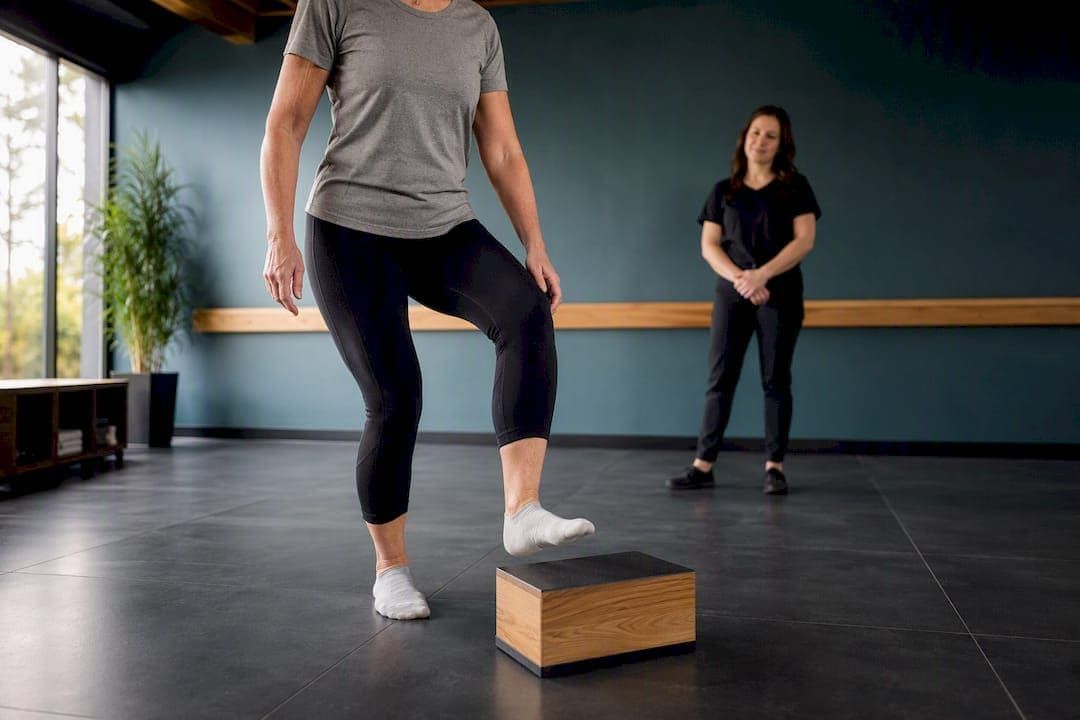
- Personalized corrective exercises to support problem areas at home
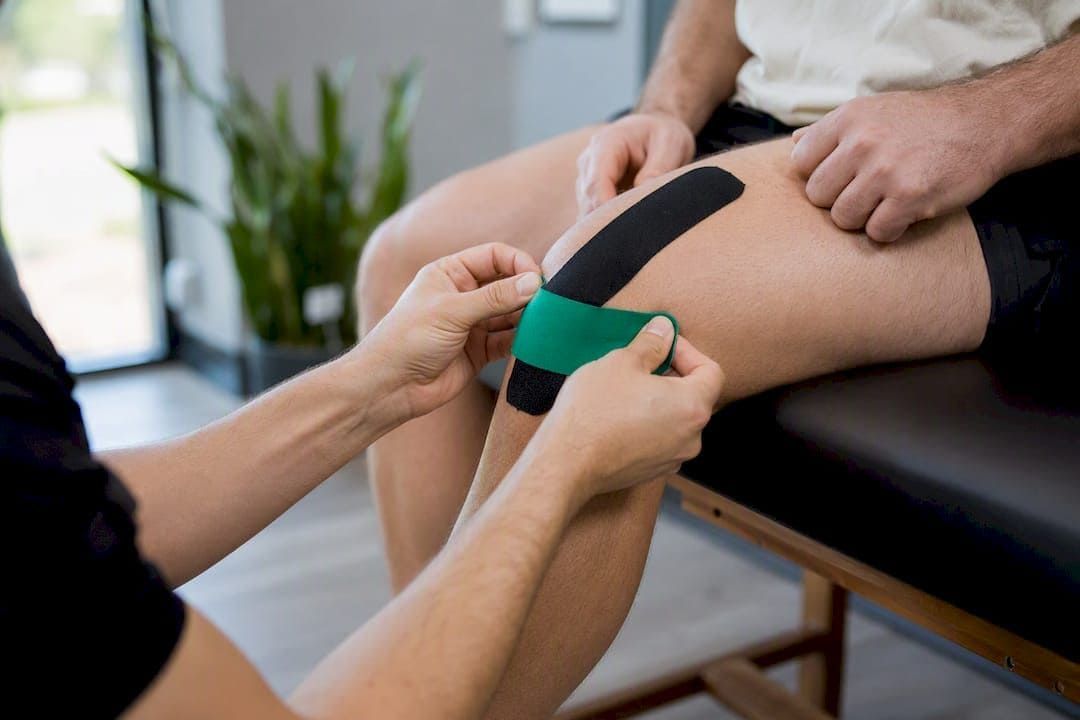
For athletes, that can mean less strain on knees and hips that take the load during running and cutting; shoulders that work hard in throwing and racquet sports; and low back muscles that twist and stabilize during swings and serves.
Regular check-ins during busy seasons help catch new tight spots, track changes in how you move, and refresh your home routine as your sport schedule and body needs shift.
Build Your Personal Overuse Prevention Game Plan
A good prevention plan does not have to be complicated. It just has to be yours.
Start with:
- Clear, realistic goals for the season
- A weekly schedule that includes harder days, lighter days, and at least some rest
- Planned strength and mobility sessions that match your sport
Self-monitoring can make a big difference. Simple habits help you spot patterns early, such as:
- Keeping a short training and pain log
- Rating daily soreness and fatigue on a simple 1 to 10 scale
- Noting when you change shoes, gear, or training surfaces
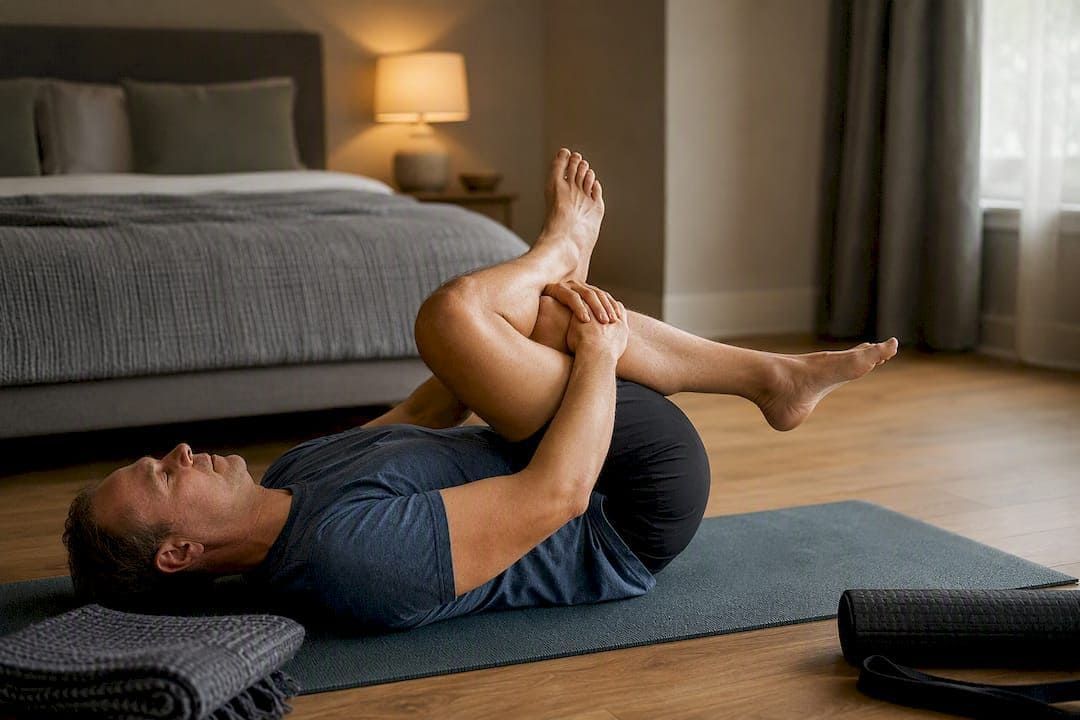
At home, many athletes benefit from short foam rolling routines for key muscle groups, dynamic warm-ups that get the body ready in the heat without overdoing it, and brief post-practice stretches for calves, hips, shoulders, and back.
Prevention is not one-and-done. What works at the start of the school year may need to shift once games, tournaments, and life get busier. Working with a sports chiropractor in
Tampa can help you keep that plan updated so your body keeps up with your goals.
Get Back In The Game With Targeted Chiropractic Care
If pain or a recent injury is keeping you from performing at your best, our team at
Essential ChiroCare is ready to help. Work with an experienced
sports chiropractor in Tampa to address the root cause of your symptoms and support long-term recovery. We tailor each treatment plan to your sport, your body, and your goals, so you can return to training with confidence. To
schedule your visit or ask a question, simply
contact us today.