

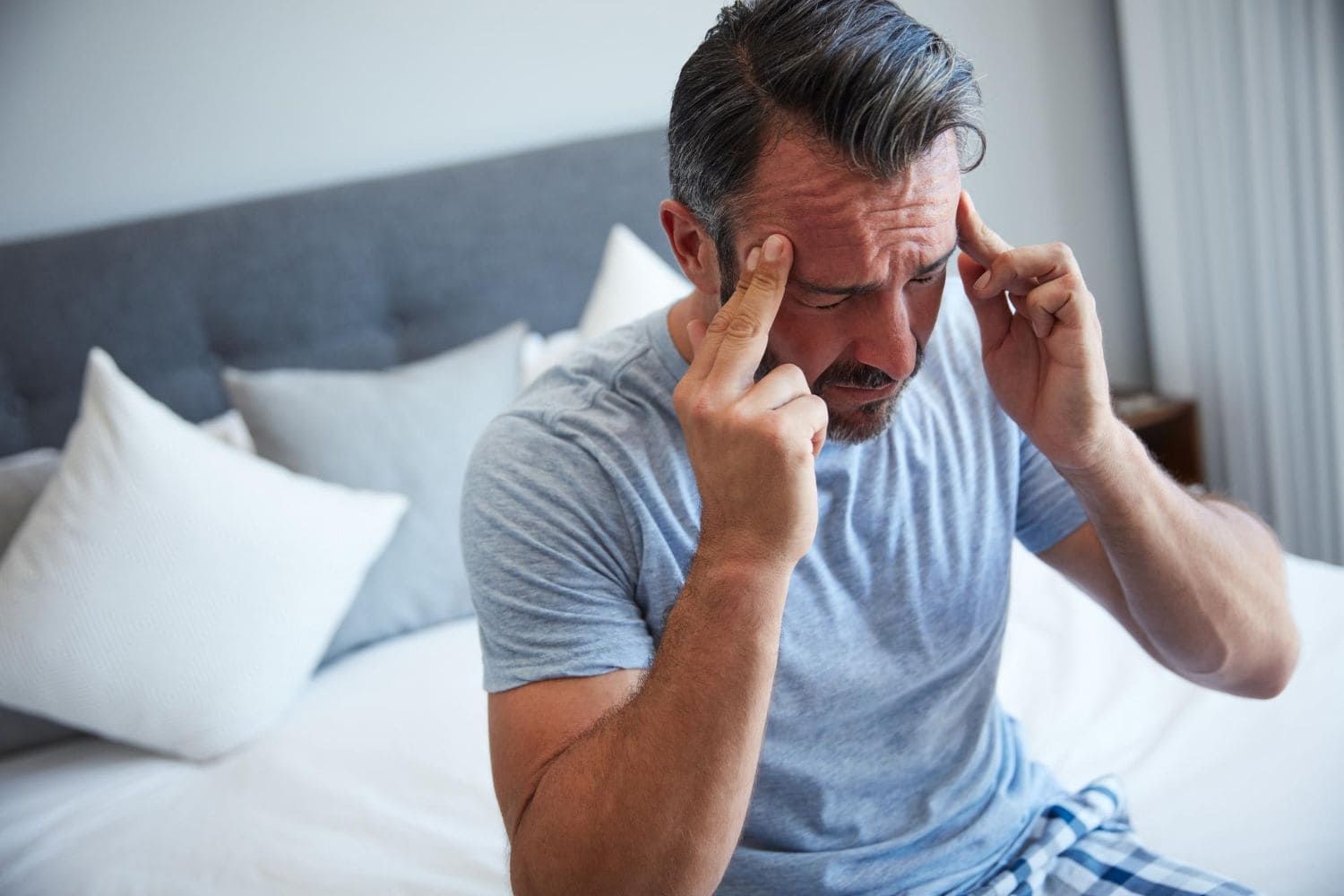
Why Accident Injuries Worsen Without Treatment

Essential ChiroCare Blogger • August 13, 2026

Why Accident Injuries Worsen Without Treatment

Accident injuries get worse without treatment because untreated inflammation, compensatory movement patterns, and scar tissue formation create a biological cascade that compounds damage over time. What starts as a sore neck or stiff back after a collision can evolve into chronic pain, nerve damage, and long-term disability if left unaddressed. The body does not simply "rest and recover" on its own after trauma. It adapts, compensates, and sometimes locks in dysfunction that becomes harder to reverse with every passing week.

Here is what actually happens when you skip treatment after an accident:

  • Inflammation persists beyond its useful window, damaging healthy tissue around the original injury site
  • The body shifts load to uninjured muscles and joints, creating secondary strain that spreads pain to new areas
  • Scar tissue forms without guided rehabilitation, leaving behind stiff, restrictive tissue that limits movement
  • Pain signals become amplified and habitual, setting the stage for chronic pain syndromes
  • Psychological distress compounds physical symptoms, with anxiety and PTSD developing alongside unresolved physical injury

Understanding these processes is the first step toward making a timely decision. The biology is not forgiving of delays.

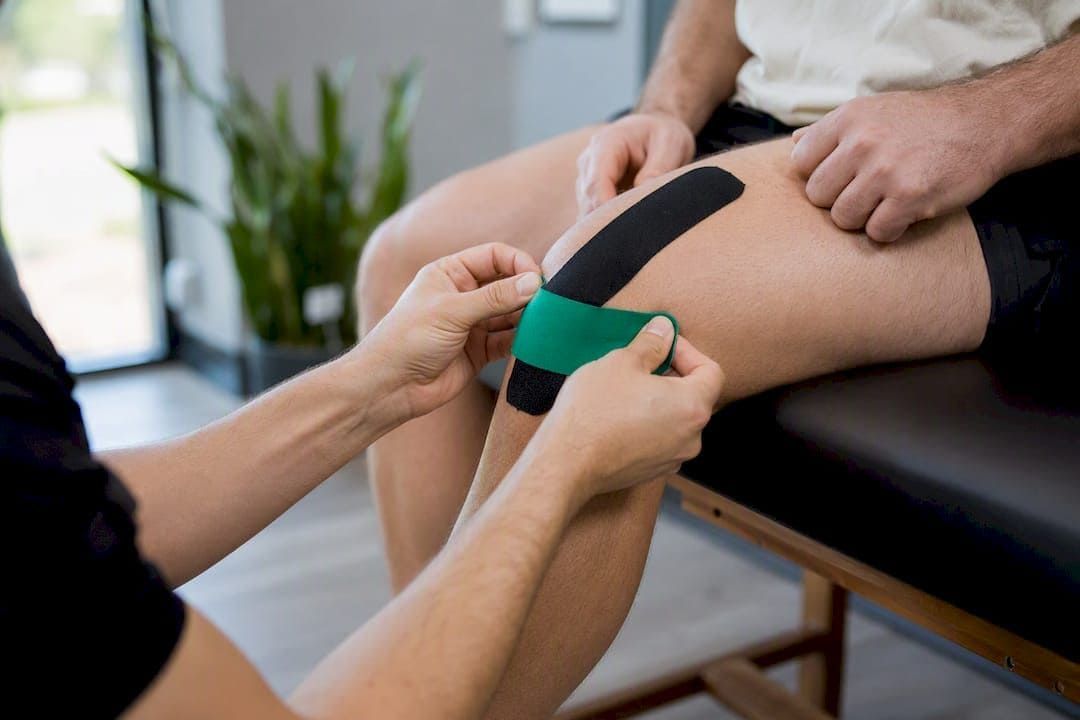
accident injury treatment

Why accident injuries worsen without treatment: the inflammation problem

Inflammation is the body's first responder after injury. It rushes blood, immune cells, and repair proteins to the damaged area. That part is useful. The problem is that inflammation timing often peaks days after the initial injury, not immediately, which means patients frequently underestimate how serious their condition is at the scene.

When inflammation continues unchecked, it stops being a repair mechanism and starts being a destructive one. Chronic inflammation irritates surrounding nerves, breaks down cartilage, and creates a cycle of swelling that restricts circulation and oxygen delivery to healing tissue. Joints stiffen. Muscles tighten in response. The original injury site expands its footprint.

Early intervention controls inflammation before it crosses that threshold. Manual therapy, physical rehabilitation, and targeted movement protocols reduce swelling, restore circulation, and prevent the inflammatory response from outlasting its purpose.

  • Untreated swelling restricts blood flow, starving tissue of the oxygen needed for repair
  • Nerve irritation from persistent inflammation can produce hypersensitivity and burning pain
  • Joint dysfunction worsens as surrounding muscles tighten to protect the inflamed area
  • Chronic inflammation is one of the primary drivers of long-term pain progression

Pro Tip: Adrenaline and endorphins released during an accident can mask pain for hours or even days. Feeling okay immediately after a crash is not a reliable indicator of injury severity. Get evaluated before symptoms peak.

How your body's compensation patterns create new injuries

When one area hurts, the body does something clever and ultimately self-defeating: it reroutes. You limp to protect a sore knee. You tilt your head to avoid neck pain. You favor one shoulder without realizing it. These compensatory movement patterns shift mechanical load onto muscles and joints that were never designed to carry it, and they do so continuously, every time you move.

The result is a cascade. The original injury site gets protected, but the structures absorbing that redirected load develop their own strain, tension, and eventually pain. A lower back injury can produce hip dysfunction. A shoulder injury can create neck tightness. What started as one problem becomes three.

Without treatment, these compensation patterns become habitual. The nervous system learns them. Muscles shorten and tighten around the new movement pattern. Flexibility drops. Joint stability decreases. By the time a patient seeks care, the clinician is often treating not just the original injury but a web of secondary dysfunction that built up around it.

  • Compensatory movement shifts stress to healthy joints and muscles, causing strain in new areas
  • Muscle imbalances develop quickly, reducing flexibility and creating chronic tension
  • Untreated compensation increases the risk of re-injury and additional pain sites
  • Physical therapy after an accident interrupts these patterns before they become structural

Scar tissue after injury: why it limits mobility and causes lasting pain

Every soft tissue injury heals through scar formation. That is normal physiology. The issue is that scar tissue is not the same as the original tissue it replaces. It is denser, less elastic, and laid down in a disorganized pattern when the body heals without guidance. Think of it as a patch job done in the dark.

Without rehabilitation, scar tissue forms across muscle fibers and connective tissue in ways that restrict movement. A shoulder that healed with excessive scar tissue loses its full range of motion. A knee with misaligned scar formation develops stiffness that makes stairs painful months after the original injury. The tissue is technically "healed," but it functions poorly.

Guided rehabilitation changes this outcome. Controlled movement during the healing phase encourages scar tissue to align along the lines of mechanical stress, producing tissue that is more functional and less restrictive. Manual therapy techniques break down adhesions before they become permanent. The window for this intervention is not indefinite.

  • Soft tissue injuries heal via scar formation, which becomes restrictive without guided therapy
  • Excessive or misaligned scar tissue reduces range of motion and creates stiffness
  • Limited mobility from scar tissue perpetuates pain and dysfunction long after the acute phase
  • Early treatment minimizes aberrant scar formation and supports proper tissue alignment

How untreated injuries turn into chronic pain

Pain after an accident is supposed to be temporary. It signals damage, prompts protective behavior, and fades as healing progresses. But when injuries go untreated, the nervous system can undergo a process called central sensitization, where pain signals become amplified and persistent even after the original tissue damage has resolved.

The mechanism is neurological. Repeated pain signals without resolution cause the spinal cord and brain to lower their threshold for pain perception. Stimuli that would normally feel neutral start registering as painful. The body has, in effect, learned to hurt. This is not psychological weakness. It is a documented physiological process that makes chronic pain genuinely harder to treat the longer it is allowed to develop.

Psychological distress compounds this. Anxiety, depression, and sleep disruption all amplify pain perception and slow physical recovery. Research on motor vehicle accident survivors consistently shows that untreated psychological consequences, including PTSD, depression, and anxiety, can have long-term effects when left unaddressed. The physical and psychological dimensions of pain are not separate problems. They feed each other.

  • Untreated inflammation causes nerve hypersensitivity, producing persistent burning or shooting pain
  • Pain signals become amplified and habitual without early intervention, a process called central sensitization
  • Chronic pain is linked to anxiety, depression, and sleep disruption, all of which worsen recovery
  • Early treatment interrupts pain chronification and supports both physical and mental recovery

## 1. Small injuries that spiral into bigger health problems

Minor injuries are the most commonly ignored, and often the most consequential when left alone. A small fracture that seems manageable can heal in the wrong position, a condition called malunion, or fail to heal at all, known as nonunion. Both outcomes can require surgical correction and increase the risk of arthritis in nearby joints. What could have been treated with immobilization becomes a surgical case.

Soft tissue injuries follow a similar trajectory. A mild ligament strain left untreated creates joint instability. That instability changes how the joint moves under load, accelerating cartilage wear and increasing the likelihood of degenerative joint disease. The injury itself may have been minor. The downstream effects are not.

The body's compensation patterns described earlier amplify this cascade. Each untreated injury creates a new mechanical imbalance, which creates new strain, which creates new injury. The complexity of the problem grows faster than the original damage would suggest.

  • Small fractures can heal misaligned without treatment, requiring surgery to correct
  • Untreated joint injuries accelerate cartilage degeneration and increase arthritis risk
  • Ligament strains create instability that changes joint mechanics and worsens over time
  • Delayed treatment increases both the complexity and the cost of eventual care

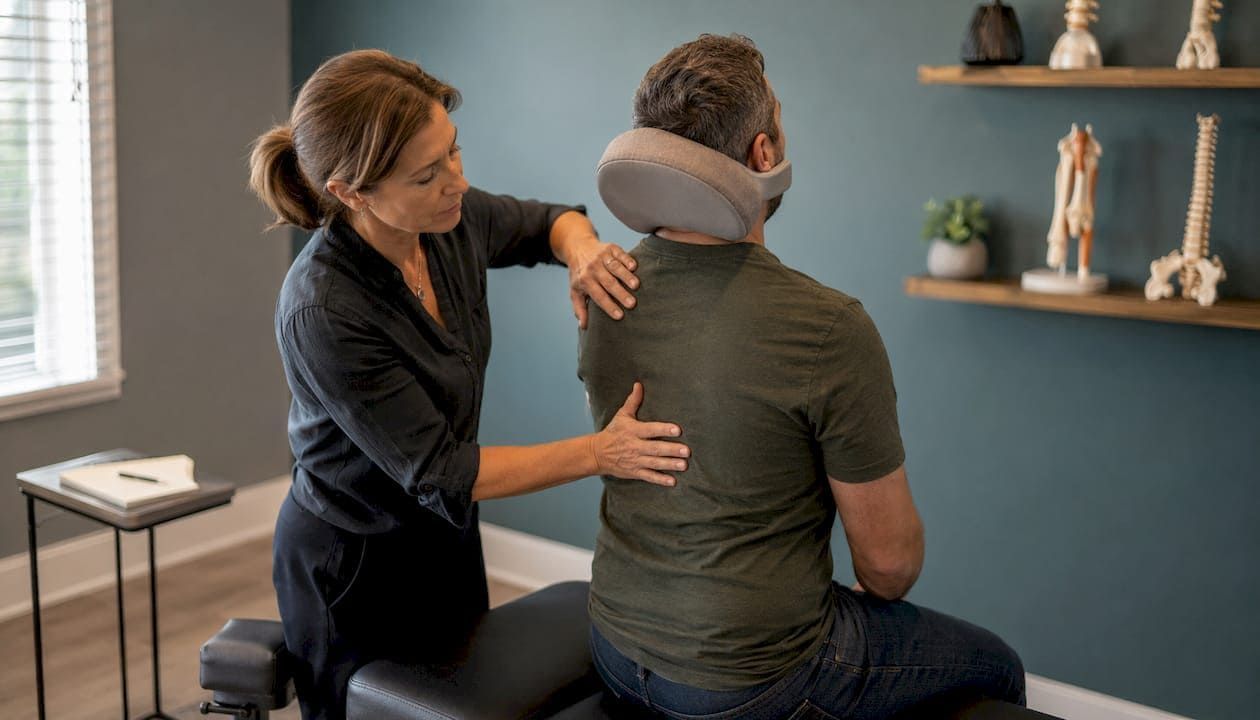
untreated car accident injuries

## 2. Why delaying treatment makes recovery longer and harder

Delay does not just slow healing. It actively worsens the injury state you eventually bring to a clinician. Inflammation progresses. Scar tissue forms. Compensation patterns entrench. By the time treatment begins, the clinician is working against weeks of biological momentum rather than catching the injury at its most treatable point.

Research on return to work after road traffic injuries found that only about 30% of injured people returned to full work duties within one month post-injury, with the majority reaching that milestone by six months. Early identified post-injury pain and psychological distress were among the key factors negatively associated with return to work up to two years after injury. The longer those factors go unaddressed, the harder recovery becomes.

There is also a legal dimension. Delayed medical documentation can undermine a personal injury claim more than the injury itself. Insurance adjusters treat gaps in treatment as evidence that injuries were minor or unrelated to the accident. Late documentation creates doubt about causation that is difficult to overcome regardless of how serious the injury actually was.

  • Delaying treatment allows inflammation and tissue damage to progress without intervention
  • Late medical documentation complicates insurance claims and compensation outcomes
  • Secondary injuries and chronic pain development prolong recovery beyond the original injury timeline
  • Early intervention correlates with faster return to work and better long-term function

Pro Tip: Even if you feel fine after a crash, get a medical evaluation within 24–72 hours. A documented exam creates a clear timeline linking your condition to the accident, which protects both your health and any legal claim you may need to pursue.

## 3. The hidden costs of untreated injuries: research findings

The physical symptoms are only part of the picture. Research consistently shows that untreated accident injuries carry psychological, cognitive, and social costs that persist long after the physical damage has healed, or failed to.

A prospective study tracking road traffic accident survivors found that the injured group had worse outcomes in 93 of 101 comparisons across health and psychosocial factors versus non-injured controls at 12 months post-injury. These included higher pain, fatigue, psychological distress, cognitive impairment, and restricted participation in work and daily life. The burden was not limited to severe injuries. Even mild to moderate crashes produced this cumulative effect.

The psychological toll is particularly persistent. People who experienced early post-injury distress were more than twice as likely to experience clinically relevant distress 12 years later, with a relative risk of 3.45. That is not a short-term problem. Untreated psychological distress after an accident can shape a person's mental health for over a decade.

Recovery from injury is multidimensional. The National Institute of Neurological Disorders and Stroke emphasizes that early treatment reduces risks of chronic pain, emotional distress, and cognitive decline linked to untreated trauma. Identifying patients at risk for persistent disability and mental health issues early produces measurably better outcomes.

  • Untreated injuries increase the likelihood of persistent PTSD, depression, and anxiety
  • Road traffic accident survivors show worse outcomes across physical, cognitive, and psychosocial measures for at least 12 months
  • Early post-injury distress is a strong predictor of long-term psychological problems if left unaddressed
  • Psychological recovery after injury is as critical as physical recovery for full return to function
  • Work incapacity correlates with injury severity and untreated psychological distress, not just physical damage

Statistic: People who experienced early post-injury distress were more than twice as likely to report clinically relevant distress 12 years later (Relative Risk = 3.45), underscoring how untreated psychological consequences of accidents compound over time.

Get evaluated before the window closes

Accident injuries follow a predictable biological timeline, and that timeline does not wait for you to feel ready. The reasons to seek treatment early are not about overreacting to minor soreness. They are about catching inflammation, scar tissue formation, and compensatory patterns before they become structural problems.

Essentialchirocare specializes in post-accident care across West Central Florida, with clinics in Tampa, Brandon, Sarasota, Lakeland, and Pinellas Park. The clinical team provides chiropractic care and physical rehabilitation designed specifically for auto and personal injury cases, addressing the full spectrum of musculoskeletal damage that accidents produce.

Whether you felt the impact immediately or symptoms crept up days later, an evaluation gives you a clear picture of what is happening in your body and a treatment plan that addresses it before it compounds. Waiting costs more than the appointment.

Key Takeaways

Untreated accident injuries worsen through a biological cascade of inflammation, compensation, scar tissue, and nerve sensitization that becomes harder to reverse the longer it goes unaddressed.

Point Details
Inflammation peaks late The inflammatory response often peaks days after injury, making early symptoms an unreliable guide to injury severity.
Compensation creates new injuries The body shifts load to uninjured areas, producing secondary strain and pain that spreads beyond the original site.
Scar tissue limits mobility Without guided rehabilitation, scar tissue forms in disorganized patterns that restrict movement and cause lasting stiffness.
Chronic pain has a neurological basis Repeated unresolved pain signals lower the nervous system's pain threshold, making chronic pain harder to treat over time.
Psychological distress persists for years People with early post-injury distress face a relative risk of 3.45 for clinically relevant distress 12 years later if untreated.

Recommended

chiropractic care for athletes
By Essential ChiroCare Blogger August 12, 2026
Discover the role of chiropractic pre-season in athletic prep. Boost performance, prevent injuries, and improve mobility for competitive training.
types of manual therapy
By Essential ChiroCare Blogger August 11, 2026
Explore different manual therapy types for effective pain relief. Discover techniques like mobilization and myofascial release to restore mobility.
back injury recovery plan
By Essential ChiroCare Blogger August 10, 2026
Discover a step-by-step back injury recovery workflow that helps reduce pain, restore mobility, and prevent reinjury. Start your healing journey!
herniated disc chiropractor Tampa
By Essential ChiroCare Blogger August 9, 2026
Explore non-surgical care options with a herniated disc chiropractor in Tampa, including chiropractic, rehab exercises, and wellness plans for relief.
whiplash treatment after car accident
By Essential ChiroCare Blogger August 8, 2026
Wondering about whiplash meds after a crash? See how a car accident chiropractor in Sarasota can relieve pain and support recovery with holistic care.
how to improve spinal health
By Essential ChiroCare Blogger August 7, 2026
Transform your health with a spinal wellness workflow. Discover a step-by-step plan to enhance your spinal health and prevent pain.
chronic pain medication alternatives
By Essential ChiroCare Blogger August 6, 2026
Discover why to avoid long-term pain medication like opioids. Explore risks, side effects, and better alternatives for lasting relief.
how to improve spinal health
By Essential ChiroCare Blogger August 5, 2026
Transform your health with a daily spine care routine. Discover simple habits and exercises to reduce pain and prevent injuries for lasting wellness.
pain relief without medication
By Essential ChiroCare Blogger August 4, 2026
Discover why chemical-free pain relief matters for your health. Explore natural therapies that safely manage pain and support your well-being.
common accident injury types
By Essential ChiroCare Blogger August 3, 2026
Discover the common accident injury types that often lead to ER visits. Learn how to recognize, prevent, and navigate recovery effectively.
Show More