What Is a Wellness Plan? Your Guide to Better Health
What Is a Wellness Plan? Your Guide to Better Health
TL;DR:
- True wellness encompasses emotional, physical, social, spiritual, occupational, financial, and environmental health.
- Building a personalized wellness plan involves assessment, goal setting, action steps, support, and progress monitoring.
- Regular professional support like chiropractic care helps sustain long-term health and prevent setbacks.
Most people think getting healthy means hitting the gym more often or cutting carbs. That mindset misses the bigger picture entirely. True wellness is a multi-dimensional process that touches your emotional health, your relationships, your environment, and even your finances. Corporate wellness programs show an ROI of $3.27 for every $1 invested, with 21% higher productivity and 15% reduced absenteeism among engaged participants. If a structured plan can do that in a workplace setting, imagine what a personalized one can do for your daily life. This guide breaks down exactly what a wellness plan is, how to build one, and how to make it stick.

Table of Contents
- Defining a wellness plan: Beyond fitness and nutrition
- The core elements of a personalized wellness plan
- Building habits and overcoming setbacks: What actually works
- Wellness plans in the real world: Results, adaptations, and chiropractic integration
- Why most wellness plans fail (and how to actually make them work)
- Connect your wellness plan with expert support
- Frequently asked questions
Key Takeaways
| Point | Details |
|---|---|
| Wellness is multidimensional | A holistic wellness plan addresses emotional, social, and environmental factors as well as physical health. |
| Personalization drives results | Tailoring your plan to your unique needs leads to measurable improvement in health and well-being. |
| Consistent habits matter most | Building sustainable routines is more effective than short bursts of perfection or overcommitment. |
| Track and adapt | Monitoring your progress and adjusting your plan is key for long-term success. |
| Professional support accelerates progress | Expert guidance, like chiropractic care, helps you overcome obstacles and get the most from your wellness plan. |
Defining a wellness plan: Beyond fitness and nutrition
A wellness plan is not a workout schedule or a meal prep calendar. Those are tools, but they are not the plan itself. Think of a wellness plan as a personalized roadmap that covers multiple areas of your life simultaneously, giving you direction, priorities, and checkpoints so that you move forward in a way that actually fits who you are and what your body needs.
The confusion comes from how wellness gets marketed. Fitness apps, supplement companies, and fad diet books all promote narrow definitions of health. They measure success in pounds lost or miles run. But health professionals and researchers recognize a far richer picture.
According to SAMHSA (the Substance Abuse and Mental Health Services Administration), there are eight dimensions of wellness that together form a complete model of human health:
- Emotional: Managing stress, processing feelings, and building resilience
- Physical: Movement, sleep, nutrition, and medical care
- Intellectual: Engaging your mind, learning new skills, staying curious
- Social: Building meaningful relationships and community connections
- Spiritual: Finding purpose and meaning, whether through faith or values
- Occupational: Feeling satisfied and balanced in your work or daily role
- Financial: Managing money in a way that reduces stress and supports goals
- Environmental: Living in spaces that support your health and safety
Physical health is only one of those eight. That is a critical realization. If you are eating perfectly but feel isolated, burned out at work, and chronically stressed, your wellness plan has serious gaps.
"Wellness is the active pursuit of activities, choices, and lifestyles that lead to a state of holistic health." This definition reminds us that wellness is something you do consistently, not something that happens to you.
For families in the Tampa area, building health into your routine often starts with understanding which of these dimensions need the most attention right now. Many people find that family wellness in Tampa works best when it starts with physical care and grows outward into other dimensions from there.
The core elements of a personalized wellness plan
Understanding what makes up a wellness plan is just the beginning. Next, you need to see how the best plans balance science, personalization, and consistency. Every effective plan shares five foundational elements, regardless of the individual's age, fitness level, or health history.
1. Assessment Before you set any goals, you need an honest look at where you currently stand across all eight dimensions. This is not just a doctor's checkup, though that matters. It also means asking yourself how you feel emotionally, whether your relationships are fulfilling, and whether your home or work environment is draining or energizing you. Strengths and gaps both deserve attention.
2. Goal setting Vague intentions like "I want to feel better" do not drive action. Effective wellness goals are specific, realistic, and personally meaningful. Instead of "exercise more," try "walk 30 minutes after dinner four nights a week." Attach your goals to real reasons, like keeping up with your kids or managing back pain, and they become much harder to abandon.
3. Action steps Goals need daily or weekly practices behind them. This is where your plan gets tactical. You might schedule chiropractic sessions, block time for stress-reduction practices, or commit to meal planning on Sundays. Small, consistent actions compound over time into real change.
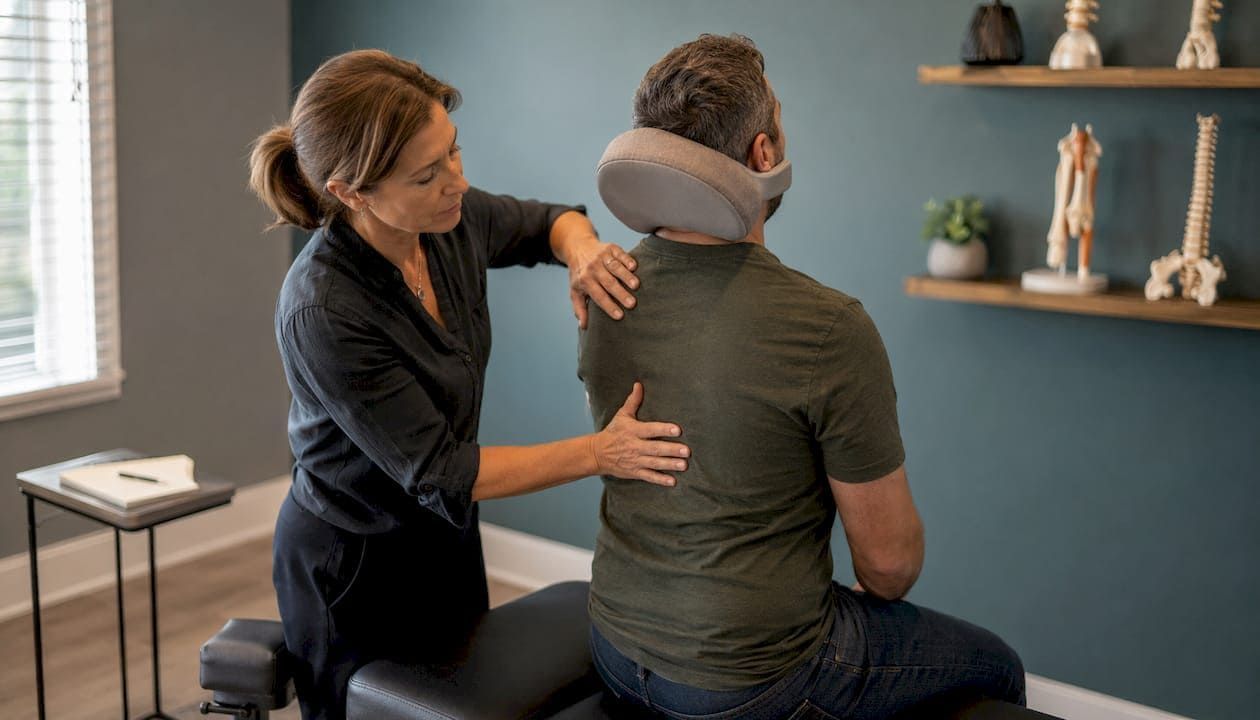
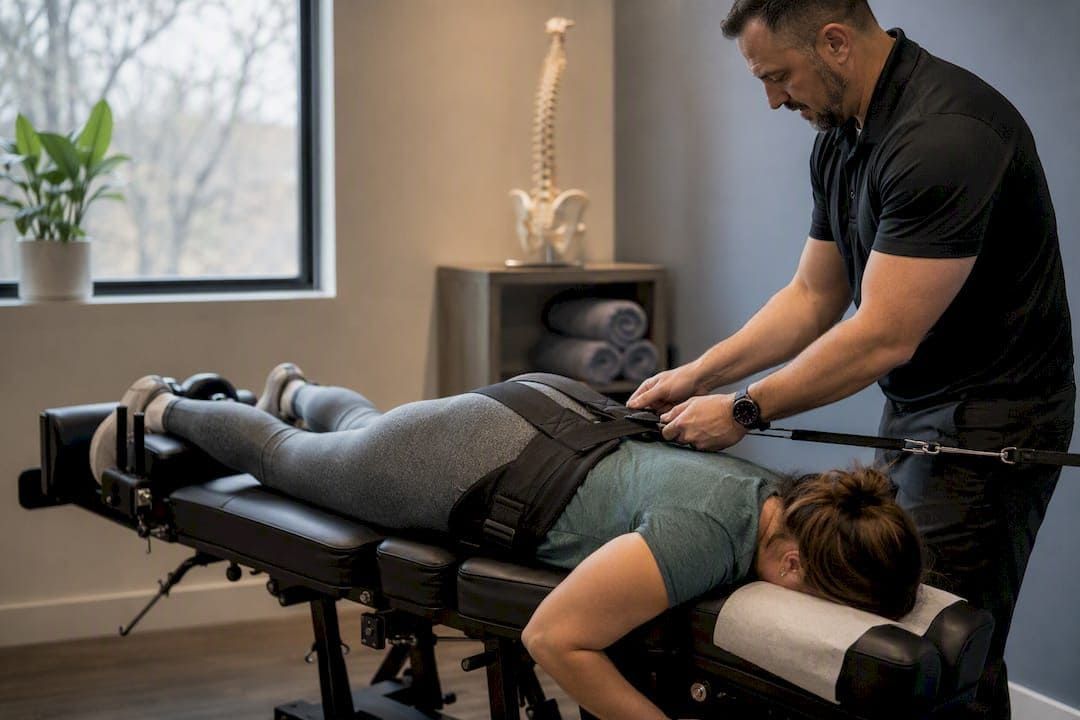
4. Support systems Going it alone is one of the biggest reasons wellness plans stall. Social support, accountability partners, and professional guidance all dramatically improve follow-through. Chiropractic adjustments are one professional resource that fits naturally into a broader wellness plan, addressing physical pain and mobility in a way that supports every other dimension of health. Knowing the benefits of chiropractic pain management can help you appreciate why this form of care belongs in your plan from the beginning, not just when you are hurt.
5. Progress monitoring A wellness plan without checkpoints is just a wish list. Review your progress monthly or quarterly. Celebrate what is working. Adjust what is not. Plans should evolve as you do.
Here is a quick look at how the five elements compare when applied well versus poorly:
| Element | Done well | Done poorly |
|---|---|---|
| Assessment | Covers all 8 dimensions honestly | Only tracks weight or physical symptoms |
| Goal setting | Specific, meaningful, and realistic | Vague, driven by guilt or comparison |
| Action steps | Small, scheduled, and habit-anchored | Large, irregular, and willpower-dependent |
| Support systems | Includes professional and social support | Solo effort with no accountability |
| Progress monitoring | Regular review with adaptive changes | Checked once, then abandoned |
Pro Tip: Write your wellness goals by hand. Research consistently shows that handwriting activates deeper cognitive processing than typing, making your commitments feel more real and increasing the chance you follow through.
Corporate wellness programs demonstrate that structured, monitored plans produce measurable returns. What holds true for organizations holds true for individuals: the structure itself is part of what makes it work.
Building habits and overcoming setbacks: What actually works
With your plan structure in mind, let us address how to actually follow through and stick with new habits, especially in the face of everyday setbacks. This is where most people trip up, not because they lack motivation, but because they misunderstand how habit formation works.
Habit formation averages 66 days, not the commonly cited 21. That means you need to expect a two-month commitment before a new behavior starts to feel automatic. Knowing this upfront protects you from the discouragement that hits around week three when things still feel hard.
The most damaging mindset in any wellness plan is all-or-nothing thinking. Miss one workout? The week is ruined. Eat one cookie? The diet is blown. This kind of perfectionism is not discipline. It is a trap. Aiming for roughly 80% adherence, meaning you follow your plan most of the time and give yourself realistic grace the rest of the time, produces far better long-term outcomes than chasing 100% and crashing repeatedly.
Common setbacks and how to handle them:
- Lack of time: Break practices into smaller chunks. Ten minutes of movement is better than zero. Pair new habits with existing routines, like stretching while your coffee brews.
- Perfectionism: Set a "minimum viable" version of each habit. On hard days, doing 20% of the plan still counts.
- Injury or pain: This is where professional support becomes non-negotiable. Alleviating pain through chiropractic care can keep your plan moving when a physical setback would otherwise derail it completely.
- Boredom or plateaus: Variety is a wellness strategy, not a weakness. Rotate activities, try new approaches, and explore different chiropractic techniques for wellness to keep your physical care fresh and effective.
- Unexpected life changes: Plans must be flexible. A job change, family stress, or illness should trigger a plan review, not plan abandonment.
Here is a comparison of two common approaches to handling setbacks:
| Approach | What it looks like | Outcome |
|---|---|---|
| Perfectionist | Skips one day, feels like a failure, quits | Short bursts of effort, frequent restarts |
| Adaptive | Skips one day, adjusts next day's plan, continues | Steady progress with long-term sustainability |
When pain or injury is the setback, the solution is not to push through and hope for the best. Natural relief for injuries through chiropractic and manual therapy allows you to stay active in your plan even during recovery, preventing the complete loss of momentum that derails so many people.
Pro Tip: Set a monthly "plan check-in" on your calendar the same way you would schedule a dentist appointment. Treat it as non-negotiable. This single habit prevents the drift that kills most wellness plans by month three.

Wellness plans in the real world: Results, adaptations, and chiropractic integration
With actionable strategies in place, the next step is to see how these plans work in practice, including the valuable role chiropractic care plays in making them sustainable.
Here is a reality check: participation in wellness programs typically ranges from only 24% to 55%, and those who are already healthiest tend to engage most. That means the people who need the plan most are often the hardest to reach. Incentives, accountability structures, and professional relationships close that gap significantly, especially for at-risk groups.
What does real-world adaptation look like? Consider someone recovering from a lower back injury. In the early phase, their wellness plan centers around pain management, gentle movement, and professional care. As they heal, the plan shifts. Now it incorporates strength building, better sleep habits, and stress management. The chiropractic component does not disappear; it transitions from active treatment to maintenance care.
"Think of it like orthodontics. You wear braces to correct the problem, then a retainer to maintain the results. Chiropractic care after injury works the same way." Skipping the maintenance phase is where most people lose the gains they worked hard to achieve.
Chiropractic services provide measurable benefits across both phases:
- Acute phase: Pain relief, reduced inflammation, restored range of motion, and faster recovery from injury or surgery
- Maintenance phase: Spinal alignment, joint health, improved posture, and prevention of recurring issues
- Wellness integration: Better nervous system function, improved sleep quality, and reduced overall physical stress
Exploring chiropractic in rehab and mobility shows how this form of care bridges the gap between recovery and long-term wellness. It is not either/or. It is both, sequenced intelligently over time.
For adults across West Central Florida, whether you are managing a sports injury, dealing with chronic back pain, or simply looking to stay active as you age, integrating chiropractic into your wellness plan is one of the highest-leverage decisions you can make.
Why most wellness plans fail (and how to actually make them work)
Having seen the range of what actually happens, it is time to dig into why so many plans stall, and what actually moves the needle for sustainable wellness.
The most common mistake is treating wellness like a project with a finish line. People set goals, make progress, declare success, and stop. Then they wonder why everything reverts within six months. Wellness is not a project. It is a practice. The plan never fully ends; it just evolves.
Here is what we see repeatedly: people over-invest in visible dimensions like physical appearance and weight, while neglecting emotional and social wellness. Someone can be training hard, eating clean, and still feel burned out, lonely, and disconnected. Those invisible dimensions quietly undermine everything else. Emotional stress, for example, creates real physical tension in the spine and muscles. Ignoring it means you are fighting your body's stress response while trying to build health simultaneously.
Trying to overhaul everything at once is the fastest path to burnout. The brain treats large-scale change as a threat and starts conserving energy by reverting to familiar patterns. Starting with one or two high-impact habits, building momentum, and then layering in more over time is not the slow approach. It is actually the faster one when you measure over a year rather than a week.
Professional support is not a luxury reserved for elite athletes or people with serious injuries. It is a multiplier for anyone who has hit a plateau or keeps cycling through the same patterns. Understanding what chiropractic care essentials look like in practice helps you see why regular professional check-ins keep your physical wellness on track while you focus energy on other dimensions.
Finally, sustainable plans require scheduled reassessment. Your body changes, your life changes, and your plan must change with it. A plan built around a 35-year-old desk worker should look different at 45, or after a career change, or after a significant injury. The willingness to reassess without judgment is the skill that separates people who sustain their health from those who perpetually restart.
Connect your wellness plan with expert support
If you have been managing pain, recovering from an injury, or simply trying to build a sustainable health routine, the right professional support can change everything.
At Essential ChiroCare, we work with adults across West Central Florida to build personalized plans that go beyond symptom management. Our chiropractic wellness care integrates pain relief, physical rehabilitation, and long-term wellness strategies into a single, cohesive approach tailored to your body and your goals. Whether you need targeted treatment for a specific issue or want to add manual therapy options to your existing routine, our experienced team is ready to help you move better, feel stronger, and stay healthy for the long term. Scheduling is simple and available online across our Tampa, Brandon, Sarasota, Lakeland, and Pinellas Park locations.
Frequently asked questions
How long does it take to see results from a wellness plan?
You can notice small improvements within a few weeks, but habit formation takes an average of 66 days before new behaviors feel automatic and lasting change sets in.
What are the 8 dimensions of wellness?
The eight dimensions include emotional, physical, intellectual, social, spiritual, occupational, financial, and environmental wellness, as defined by SAMHSA.
What role does chiropractic care play in wellness plans?
Chiropractic care supports both acute pain relief and ongoing maintenance, functioning similarly to a retainer after braces in that it maintains the results achieved during active treatment.
Are wellness plans only for people with chronic conditions?
No, wellness plans are beneficial for anyone at any health level because they are personalized to individual strengths, needs, and goals rather than built around a single diagnosis.
Is there evidence that wellness plans improve work performance?
Yes, structured wellness programs can increase productivity by 21% and reduce absenteeism by 15%, demonstrating that planned wellness efforts produce measurable, real-world results.
Recommended
- Personal Injury Rehabilitation Guide for Holistic Recovery
- Why Holistic Pain Relief Matters for Lasting Wellness
- Role of Chiropractic in Recovery – Key Benefits Explained
- Family Chiropractic Wellness: Tampa | Essential ChiroCare
- Infrared Sauna Las Vegas | Stress Relief & Recovery Guide
- Chiropractic Wellness: Relieve Pain & Aid Recovery Fast