Enhance sports performance with manual therapy techniques
Enhance sports performance with manual therapy techniques
Many athletes assume manual therapy is only useful after an injury strikes. This overlooks its powerful role in preventing injuries before they happen and optimizing performance throughout your training cycle. Manual therapy encompasses hands-on techniques that address muscle tension, joint restrictions, and movement imbalances that limit athletic potential. For active individuals in West Central Florida, understanding how these techniques work can transform your approach to training, recovery, and competition. This guide explores the full spectrum of manual therapy benefits, from injury prevention strategies to performance enhancement methods that keep you competing at your best.
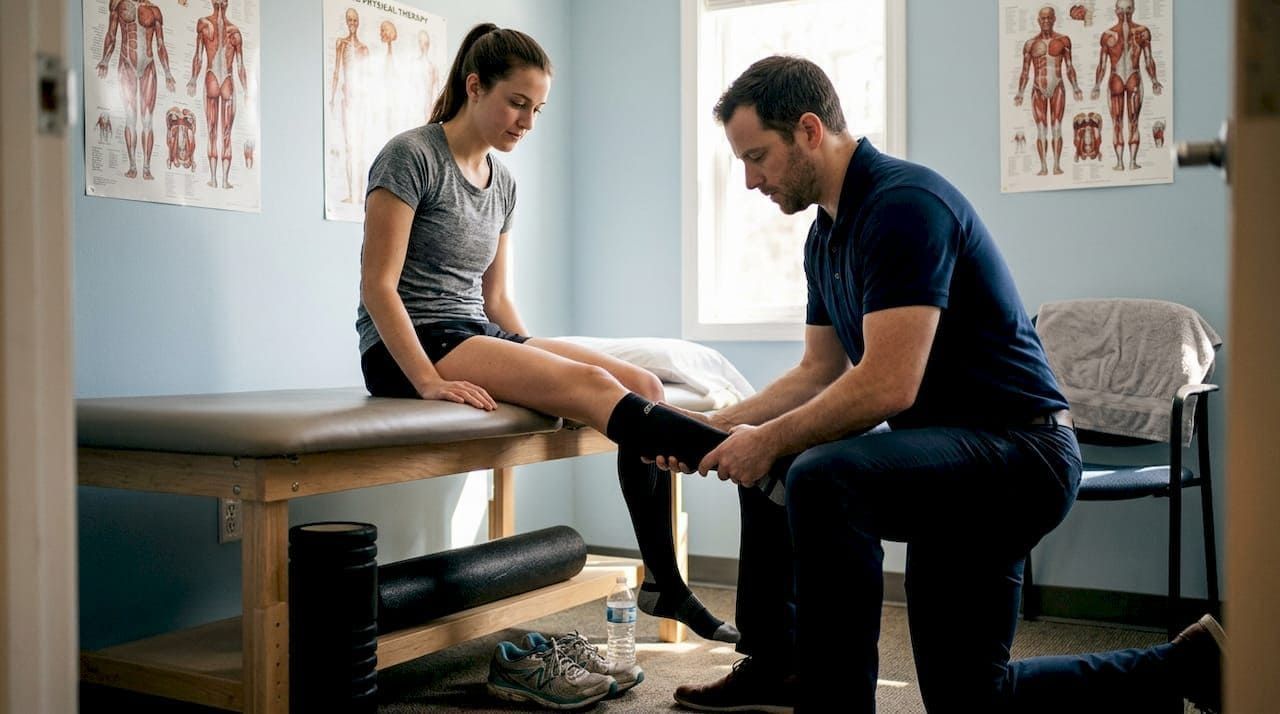
Table of Contents
- Key takeaways
- Understanding manual therapy and its significance in sports
- Manual therapy for sports injury prevention: strategies and benefits
- Role of manual therapy in sports injury recovery and rehabilitation
- Enhancing athletic performance with manual therapy: beyond rehabilitation
- Discover chiropractic and manual therapy services in West Central Florida
- Frequently asked questions
Key Takeaways
| Point | Details |
|---|---|
| Prevention and performance | Manual therapy helps prevent injuries and enhances athletic performance throughout training cycles. |
| Techniques used | Common methods include soft tissue massage, joint mobilization, myofascial release, trigger point therapy, and muscle energy techniques. |
| Faster recovery | Expert manual therapy speeds recovery and improves flexibility, mobility, and movement efficiency. |
| Integrated care | Combining manual therapy with chiropractic care can amplify rehabilitation outcomes. |
| Cycle timing | Scheduling sessions during your training cycle's recovery weeks maximizess tissue adaptation and prevents overuse injuries. |
Understanding manual therapy and its significance in sports
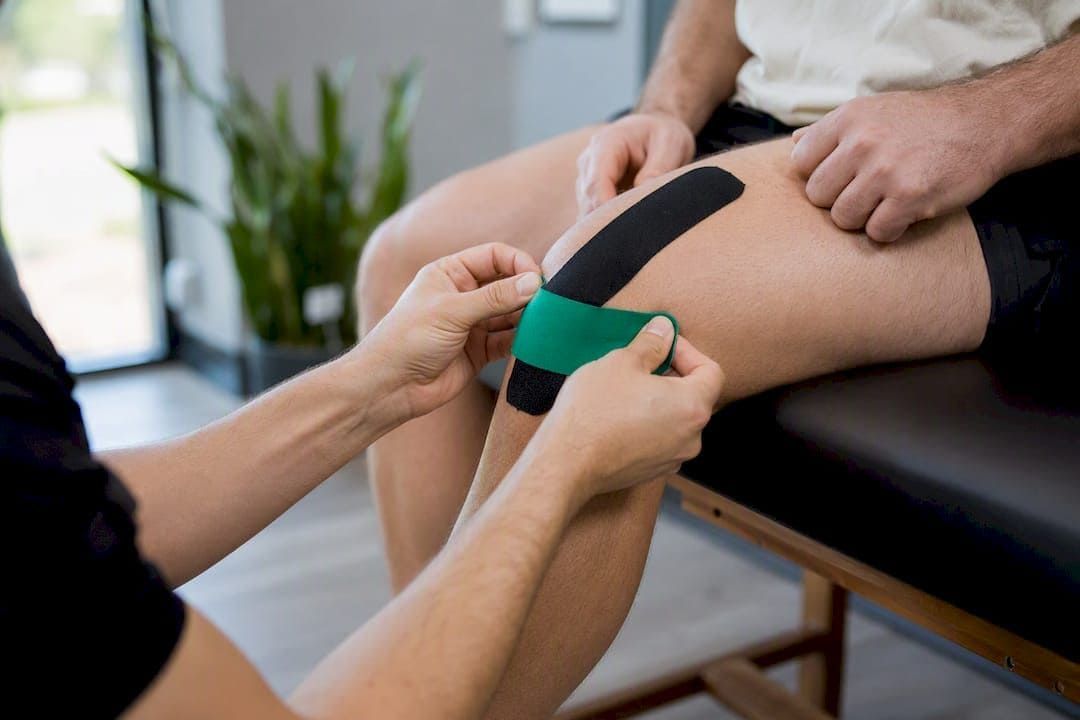
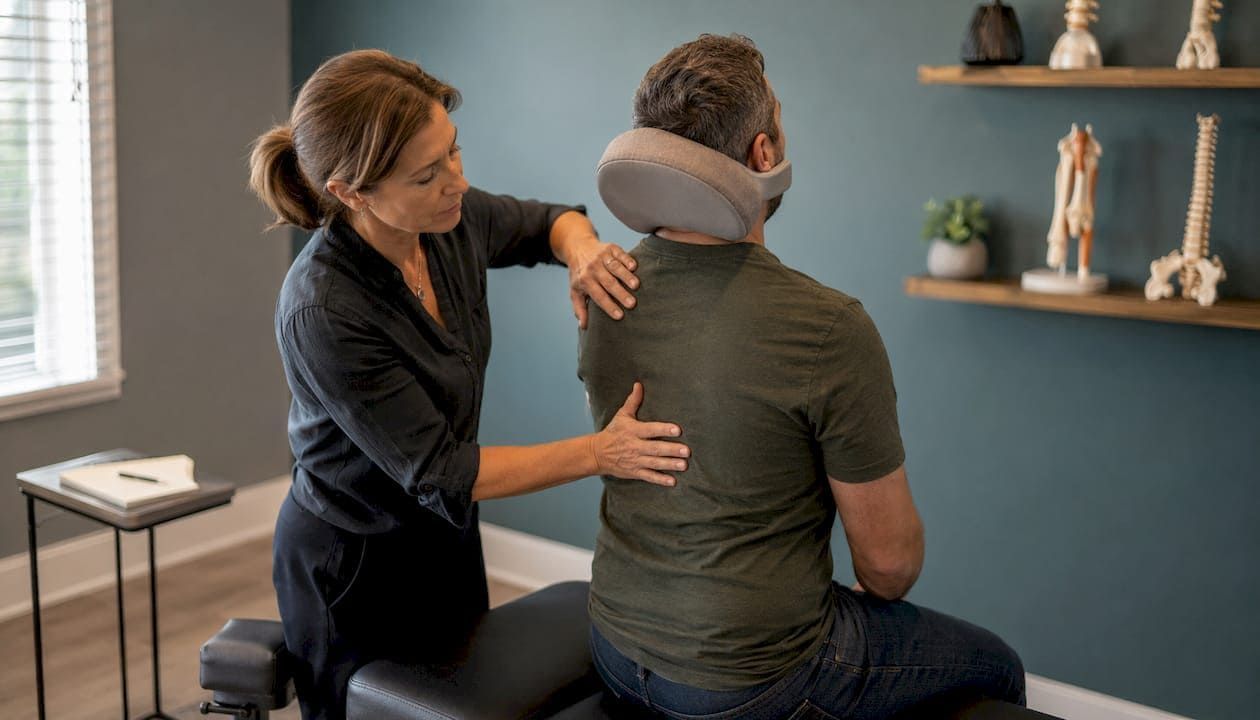
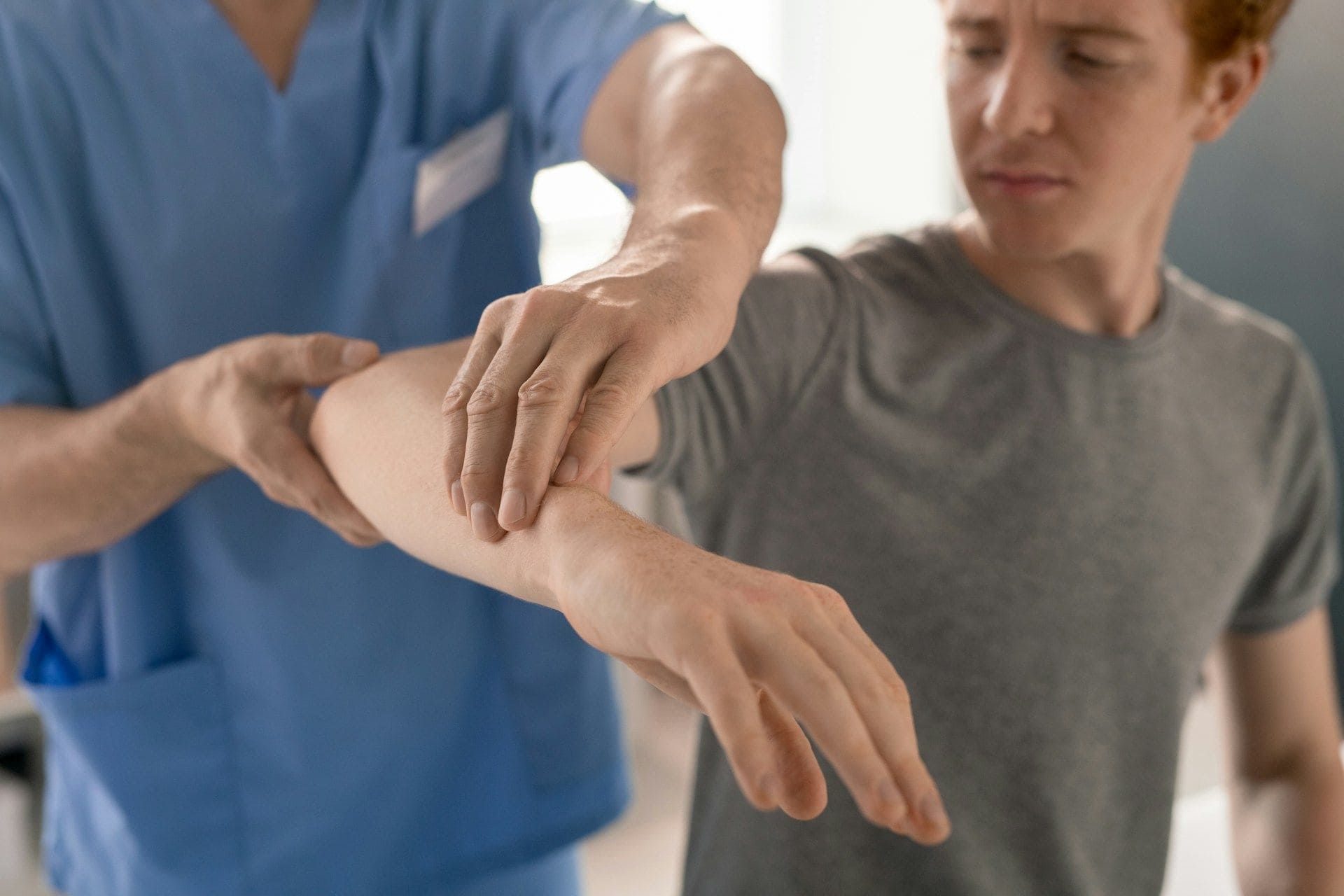
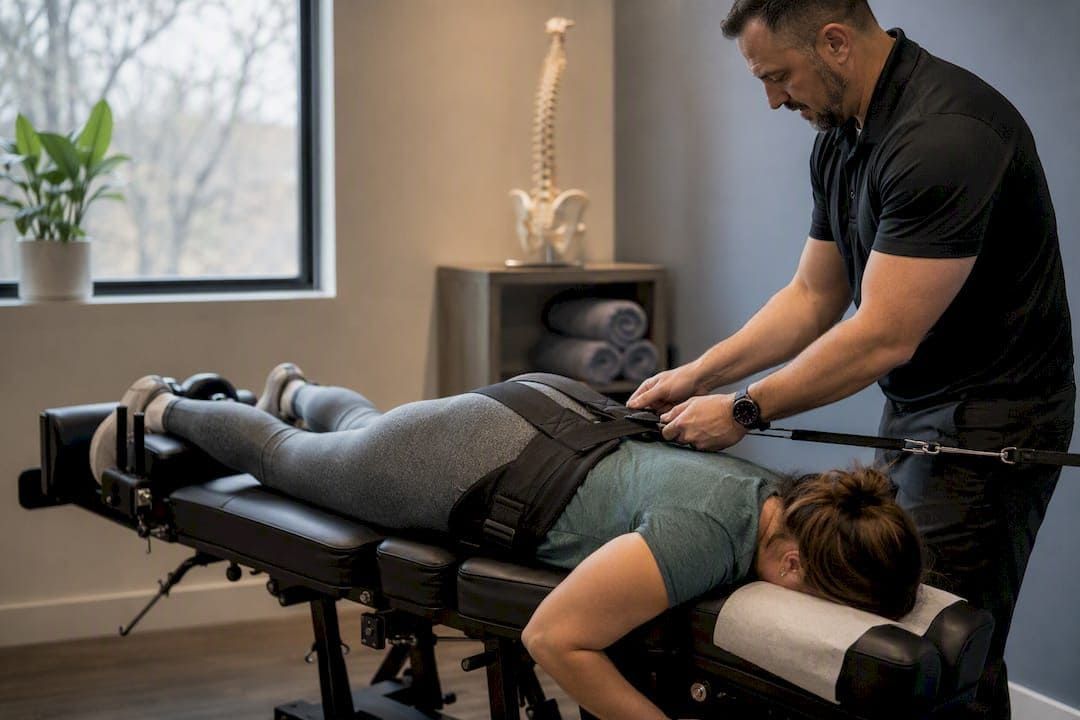
Manual therapy represents a collection of hands-on treatment approaches designed to restore optimal function to your musculoskeletal system. These manual therapy techniques target muscles, joints, fascia, and connective tissues through precise manipulation and mobilization. Common methods include soft tissue massage, joint mobilization, myofascial release, trigger point therapy, and muscle energy techniques. Each approach addresses specific tissue restrictions that develop from repetitive athletic movements, training stress, or compensatory patterns.
The physiological benefits extend far beyond simple relaxation. When a therapist applies controlled pressure and movement to restricted tissues, several healing mechanisms activate simultaneously. Blood flow increases to the treated area, delivering oxygen and nutrients essential for tissue repair. Lymphatic drainage improves, helping remove metabolic waste products that accumulate during intense training. Nerve compression decreases as swollen tissues decompress, reducing pain signals and restoring normal sensation. Muscle tension releases as the nervous system recalibrates its protective responses.
Expert manual therapy for pain relief and recovery enhances muscle function through these interconnected pathways. Flexibility improves as adhesions between tissue layers break down, allowing muscles to lengthen and contract through their full range. Joint mobility increases when restrictions in the capsule and surrounding soft tissues release. Movement patterns become more efficient as your body relearns optimal biomechanics without compensation. These changes create a foundation for both injury prevention and performance gains.
Pro Tip: Schedule manual therapy sessions during your training cycle's recovery weeks to maximize tissue adaptation and prevent overuse injuries from accumulating into chronic problems.
The neurological effects deserve equal attention. Manual therapy stimulates mechanoreceptors in your skin, muscles, and joints, sending signals that modulate pain perception at the spinal cord level. This gate control mechanism can provide immediate relief while longer-term healing progresses. The parasympathetic nervous system activates during treatment, shifting your body from a stress state into recovery mode. This hormonal shift supports tissue repair, reduces inflammation, and improves sleep quality, all critical for athletic adaptation.
Manual therapy for sports injury prevention: strategies and benefits
Most sports injuries develop from cumulative stress rather than single traumatic events. Muscle imbalances create uneven force distribution across joints. Fascial restrictions limit movement quality, forcing compensatory patterns that overload certain structures. Joint hypomobility in one area causes excessive motion elsewhere. These underlying dysfunctions accumulate silently until a threshold is crossed and injury manifests. Manual therapy identifies and corrects these precursors before they progress to tissue damage.
Sports injury prevention techniques reduce risk by addressing these biomechanical vulnerabilities. Consider how manual therapy targets common injury pathways:
- Assess movement patterns to identify restrictions and compensations specific to your sport
- Release fascial adhesions that limit normal tissue gliding and create abnormal stress concentrations
- Restore joint mobility in areas showing hypomobility before adjacent structures become overloaded
- Balance muscle tension between agonist and antagonist groups to optimize force production
- Address neural tension that restricts flexibility and creates protective muscle guarding
- Retrain movement patterns once restrictions are cleared to reinforce optimal biomechanics
The timing and consistency of preventive care significantly impact outcomes. Athletes who receive regular manual therapy maintain better tissue quality throughout their training cycles. Small restrictions get addressed before they cascade into larger dysfunction patterns. Recovery between training sessions improves as circulation and waste removal stay optimized. The cumulative effect creates resilience against the repetitive stresses inherent in athletic training.
Biomechanical corrections through manual therapy benefits extend beyond individual muscles or joints. Your body functions as an integrated kinetic chain where dysfunction in one region affects distant areas. Ankle restrictions alter knee mechanics. Hip tightness changes lumbar spine loading. Thoracic immobility affects shoulder function. Manual therapy addresses these chain reactions by restoring mobility and balance throughout interconnected regions. This systems approach proves more effective than isolated treatment of symptomatic areas.
Consistency matters more than intensity for prevention. Monthly or biweekly sessions during heavy training periods keep your system balanced as training loads fluctuate. These maintenance sessions identify emerging issues when they're easily corrected rather than waiting for pain or performance decline to signal a problem. Think of preventive manual therapy as routine maintenance for your body, similar to how you wouldn't wait for your car to break down before changing the oil.
Role of manual therapy in sports injury recovery and rehabilitation
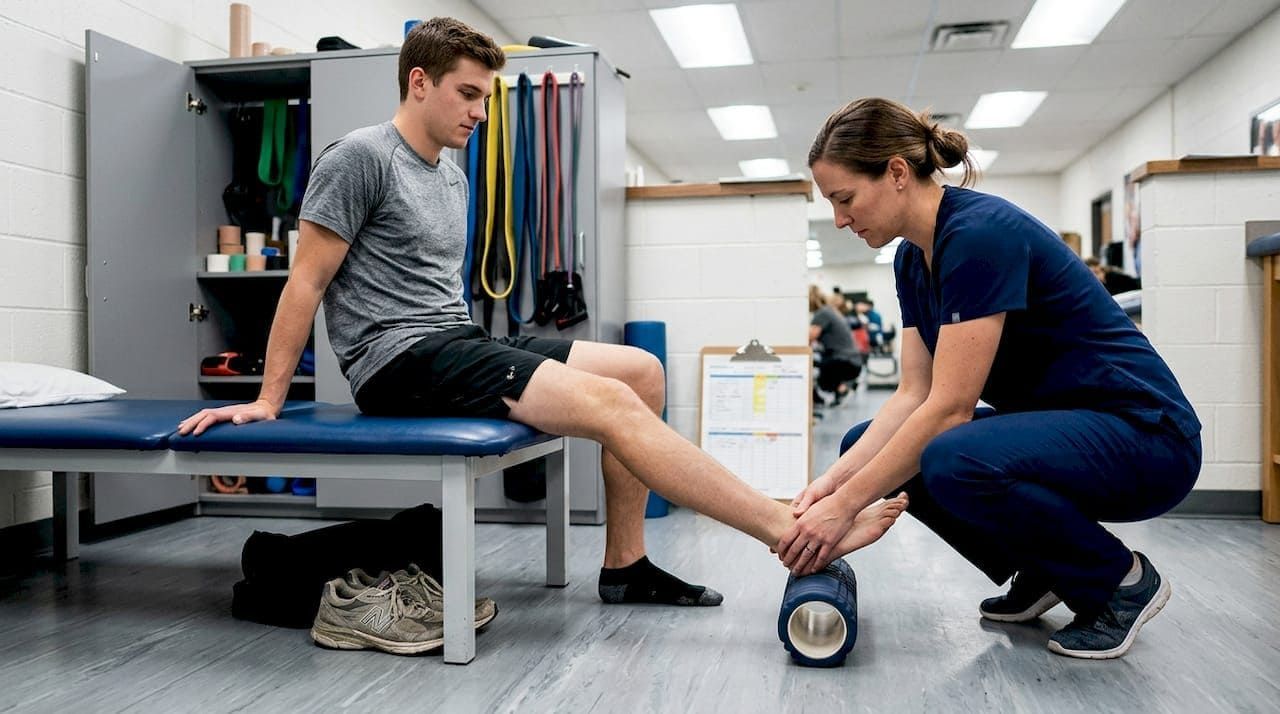
When injury does occur, manual therapy accelerates healing through multiple mechanisms that complement your body's natural repair processes. The acute inflammatory phase requires careful intervention that supports healing without disrupting the essential inflammatory cascade. As tissues transition into the proliferative and remodeling phases, manual therapy becomes increasingly valuable for optimizing tissue quality and restoring function. Understanding where therapy fits within each recovery stage helps you maximize its benefits.
Sports injury rehabilitation expedites recovery by improving tissue healing quality. Key benefits during the rehabilitation process include:
- Pain modulation through neurological mechanisms that reduce protective muscle guarding and allow earlier movement
- Scar tissue management that prevents excessive adhesion formation and maintains tissue pliability
- Mobility restoration in injured and surrounding tissues to prevent compensation patterns from developing
- Functional movement retraining once tissue integrity allows progressive loading
- Psychological confidence building as normal sensation and control return to injured areas
Early incorporation of appropriate manual therapy prevents many chronic issues that plague athletes after injury. When injured tissues heal without proper movement and loading, they often develop excessive scar tissue, adhesions to adjacent structures, and altered biomechanics. These changes create persistent weakness, reduced flexibility, and abnormal movement patterns that increase reinjury risk. Manual therapy recovery techniques guide tissue remodeling toward optimal alignment and function rather than haphazard healing.
Pro Tip: Start gentle manual therapy as soon as your healthcare provider clears you for hands-on treatment to influence how tissues heal, not just address problems after healing completes poorly.
Therapists tailor manual therapy approaches to your specific injury type, healing timeline, and sport demands. A hamstring strain requires different techniques and progressions than an ankle sprain or shoulder impingement. Your sport's movement requirements guide the functional goals, whether that's explosive power for sprinting, overhead mobility for swimming, or rotational control for golf. This customization ensures therapy addresses the specific demands you'll face when returning to competition.
The psychological aspects of injury recovery benefit significantly from manual therapy's hands-on nature. Feeling a therapist's skilled assessment and treatment provides reassurance that healing is progressing. Immediate improvements in mobility or pain during sessions build confidence in your body's recovery capacity. This mental component accelerates return to sport by reducing fear avoidance behaviors that often persist after tissues have healed adequately for activity.
Enhancing athletic performance with manual therapy: beyond rehabilitation
Performance-focused manual therapy differs from injury treatment in its goals and application timing. Rather than addressing tissue damage, performance work optimizes the function of healthy tissues to extract marginal gains in flexibility, power output, recovery speed, and movement efficiency. Elite athletes often maintain regular manual therapy schedules specifically for these performance benefits, independent of any injury concerns. Understanding how to leverage these techniques can elevate your competitive edge.
| Performance Factor | With Manual Therapy | Without Manual Therapy |
|---|---|---|
| Flexibility and range of motion | Optimized through regular fascial release and joint mobilization | Gradually decreases with training stress accumulation |
| Post-training muscle recovery | Accelerated through improved circulation and waste removal | Slower with increased soreness duration |
| Movement quality and efficiency | Enhanced by maintaining optimal tissue mobility | Degrades as compensations develop from restrictions |
| Training adaptation capacity | Improved as tissues stay receptive to training stimulus | Limited by accumulated fatigue and dysfunction |
Manual therapy for performance enhancement improves metrics including range of motion and reduced fatigue. Athletes report several practical applications:
- Pre-event preparation that activates muscles, improves joint mobility, and primes the nervous system for competition
- Post-event recovery sessions that accelerate waste removal, reduce inflammation, and restore tissue quality
- Chronic tension management during heavy training blocks to prevent overuse issues from developing
- Maintenance of optimal movement patterns as training volumes and intensities fluctuate throughout the season
- Off-season work that addresses accumulated restrictions and rebalances systems before the next training cycle
The synergy between manual therapy and other training methods amplifies overall results. Strength gains improve when muscles can contract through full ranges without restriction. Flexibility training becomes more effective when fascial adhesions are cleared first. Skill practice reinforces optimal movement patterns when underlying biomechanics are balanced. Recovery modalities like sleep and nutrition work better when your nervous system isn't constantly managing tissue restrictions and compensations.
Timing manual therapy sessions relative to training and competition requires strategic planning. Deep tissue work that creates temporary soreness belongs in recovery weeks, not before important competitions. Light mobilization and activation techniques work well as pre-competition preparation. Post-competition sessions should focus on flushing metabolic waste and reducing inflammation rather than aggressive tissue work. Working with a skilled therapist who understands your training calendar ensures therapy enhances rather than interferes with performance.
The cumulative effect of consistent performance-focused manual therapy often exceeds the sum of individual session benefits. Small improvements in tissue quality compound over months and years of regular care. Movement efficiency gains translate to reduced energy expenditure during training and competition. Better recovery between sessions allows higher training volumes and intensities. These marginal gains accumulate into significant performance advantages, especially in sports where small differences separate competitive levels.
Discover chiropractic and manual therapy services in West Central Florida
Transforming your athletic performance and injury resilience requires expert guidance tailored to your specific needs. Essential ChiroCare provides comprehensive chiropractic care services designed specifically for athletes and active individuals throughout West Central Florida. Our experienced team understands the unique demands of sports performance and combines advanced manual therapy techniques with chiropractic adjustments for optimal results.
Whether you're recovering from injury, preventing future problems, or seeking performance gains, our sports injury treatment options address your complete needs. We develop personalized therapy plans based on your sport, training schedule, and individual biomechanics. Our doctors bring sports team experience and specialized training to every session, ensuring you receive care that understands athletic demands. Schedule a consultation at one of our convenient locations across Tampa, Brandon, Sarasota, Lakeland, or Pinellas Park to discover how manual therapy treatments can elevate your athletic journey.
Frequently asked questions
What is manual therapy in sports?
Manual therapy in sports comprises hands-on techniques including massage, joint mobilization, and myofascial release that optimize muscle and joint function. These methods address restrictions, imbalances, and dysfunctions that limit athletic performance or increase injury risk. Therapists use skilled assessment and treatment to improve tissue quality, restore mobility, and enhance movement efficiency for athletes at all levels.
How often should athletes receive manual therapy?
Frequency depends on training intensity, competition schedule, injury history, and individual biomechanics. Athletes in heavy training often benefit from weekly or biweekly sessions to manage accumulated stress and maintain optimal tissue quality. During lighter training periods or off-season, monthly maintenance sessions typically suffice. Your therapist will recommend a schedule based on your specific needs and goals.
Can manual therapy improve athletic performance?
Yes, manual therapy enhances performance through multiple pathways including improved flexibility, faster recovery, and optimized movement efficiency. Athletes report reduced muscle fatigue, increased range of motion, and better training adaptation with regular sessions. These improvements translate to enhanced power output, endurance, and skill execution during competition. The performance benefits complement injury prevention effects for comprehensive athletic support.
Is manual therapy safe for all athletes?
Manual therapy is generally safe when performed by trained, licensed therapists who understand sports biomechanics and injury patterns. Therapists customize techniques based on your health status, injury history, and current training demands. Certain conditions require modified approaches or temporary avoidance of specific techniques. A thorough initial assessment ensures your treatment plan matches your individual needs and safety considerations.
What's the difference between manual therapy and massage?
Manual therapy encompasses a broader range of techniques than traditional massage, including joint mobilization, neural tension release, and specific fascial work. While massage focuses primarily on muscle relaxation and circulation, manual therapy targets specific dysfunctions affecting athletic performance and injury risk. Therapists use detailed assessment to identify restrictions and apply precise techniques that address root causes rather than just symptoms. Both approaches have value, but manual therapy offers more targeted interventions for athletic needs.
Recommended