What is manual spinal adjustment? A guide for pain relief
What is manual spinal adjustment? A guide for pain relief
Many adults believe spinal adjustments involve forceful twisting or risky maneuvers that could worsen their pain. The reality is far different. Manual spinal adjustment is a precise, evidence-based technique that restores joint mobility and relieves nerve irritation through controlled movements. This guide explains what manual spinal adjustment truly involves, how chiropractors perform it safely, and why it's become a cornerstone of holistic pain relief for thousands of West Central Florida residents seeking alternatives to medications and surgery.
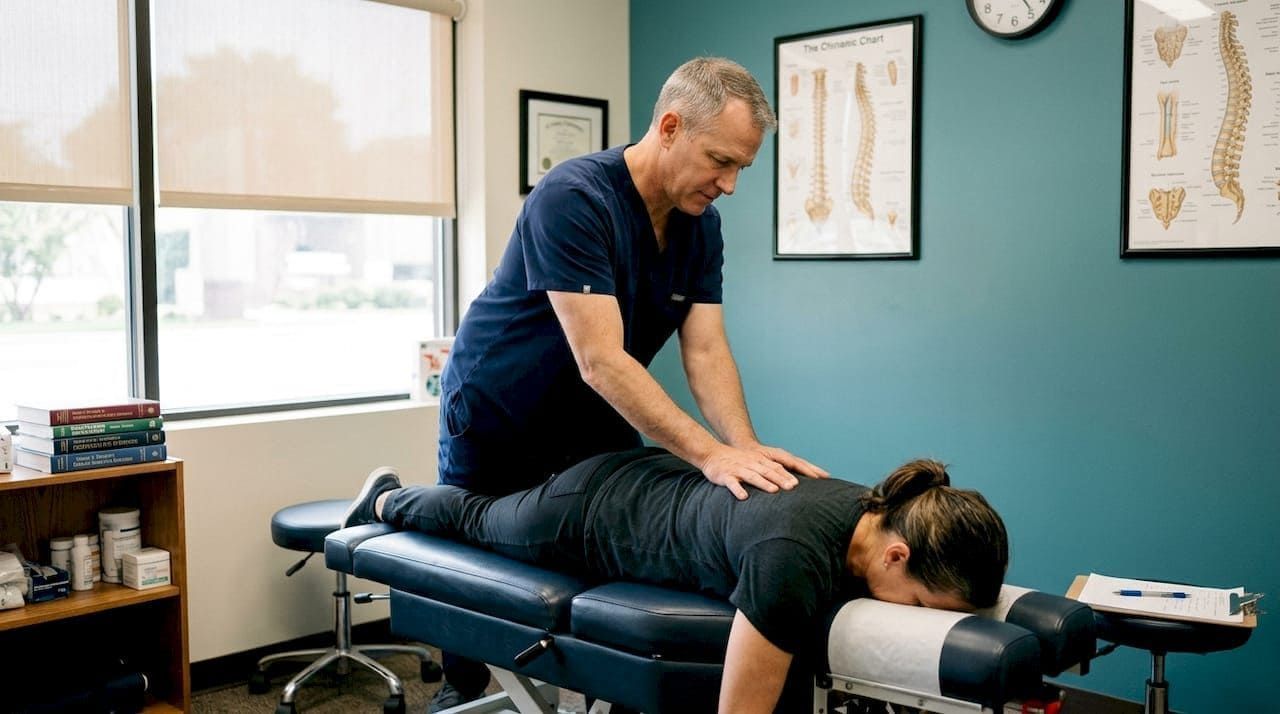
Table of Contents
- Key takeaways
- Understanding manual spinal adjustment: What it is and how it works
- Effectiveness and safety of manual spinal adjustment for back and joint pain
- Comparing manual spinal adjustment methods and related therapies
- Applying manual spinal adjustment safely: What adults in West Central Florida should know
- Explore expert chiropractic care in West Central Florida
- Frequently asked questions
Key Takeaways
| Point | Details |
|---|---|
| Definition and purpose | Manual spinal adjustment is a high velocity low amplitude thrust that restores joint mobility and relieves nerve irritation through quick, controlled force applied to specific spinal segments. |
| Common techniques | Diversified is the most widely practiced approach, while Gonstead uses postural analysis and X rays to target individual vertebrae with precision. |
| Popping sound explained | The popping sound you may hear is cavitation from releasing gas bubbles in joint fluid and does not indicate bones cracking. |
| Safety and effectiveness | Adjustments are effective for acute and chronic pain and are generally safer and less costly than medications, with trials showing greater pain relief than OTC options. |
Understanding manual spinal adjustment: What it is and how it works
Manual spinal adjustment involves a high-velocity low-amplitude thrust that restores joint mobility and relieves nerve irritation. Unlike the slow, gentle movements of massage, this technique applies quick, controlled force to specific spinal segments. The goal is simple: restore proper alignment, reduce inflammation, and allow your nervous system to function without interference.
Chiropractors use several proven methods to perform these adjustments. The Diversified technique is the most widely practiced approach, involving manual thrusts applied to multiple spinal regions based on your specific pain patterns. Gonstead technique takes a more analytical approach, using detailed postural analysis, X-rays, and precise instrumentation to target individual vertebrae with exceptional accuracy. Both methods share the same fundamental principle: restore normal joint mechanics through controlled force.
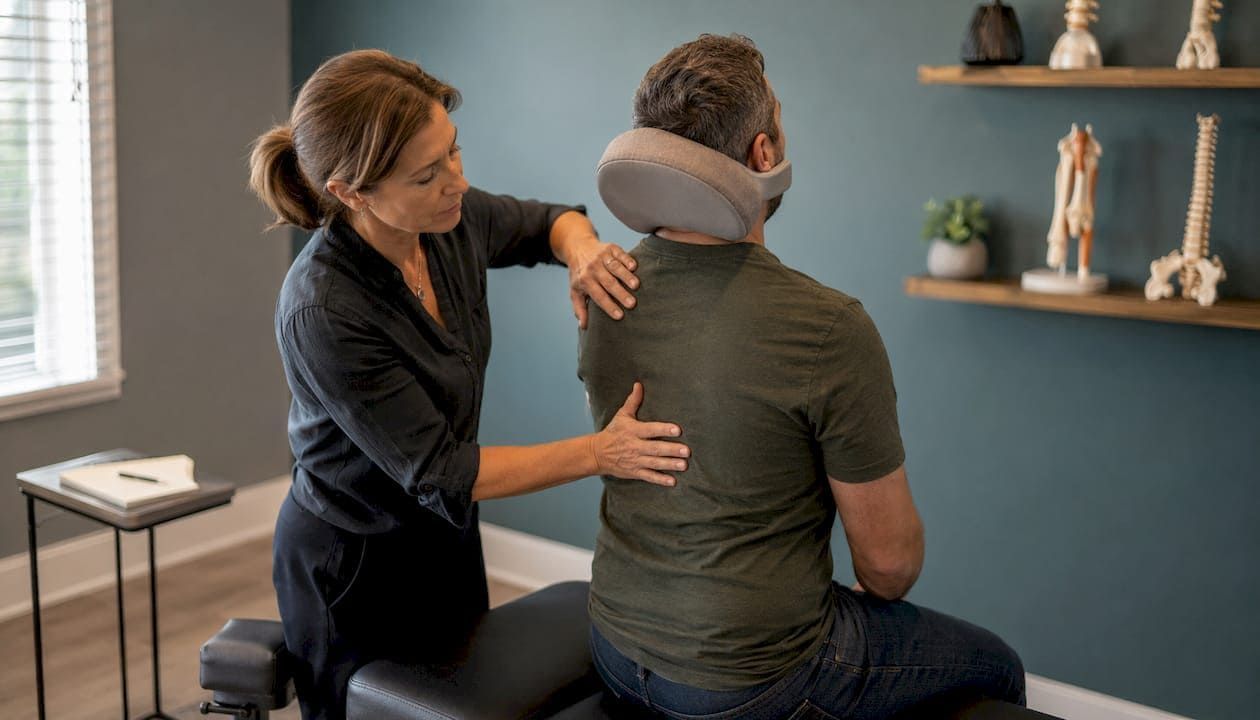
The mechanics behind adjustment are fascinating. Your chiropractor first positions your body to isolate the restricted joint, creating tension in surrounding tissues. Then comes the thrust, a rapid movement lasting just milliseconds. This quick force creates joint gapping, temporarily separating the joint surfaces and breaking adhesions that restrict movement. You'll often hear a popping sound called cavitation, caused by gas bubbles releasing from the joint fluid. This sound confirms the adjustment worked, though effective adjustments can occur silently too.
Pro Tip: The popping sound during adjustment isn't your bones cracking. It's simply dissolved gases releasing from joint fluid, similar to opening a carbonated beverage.
Manual spinal adjustment differs significantly from spinal mobilization, another chiropractic approach. While adjustments use rapid thrusts, mobilization employs slower, rhythmic movements without the characteristic pop. Think of adjustment as flipping a light switch versus mobilization as using a dimmer. Both restore function, but adjustments typically produce faster results for acute restrictions. Understanding these chiropractic techniques explained helps you communicate your preferences with your provider.
"The controlled force of manual adjustment creates immediate changes in joint mechanics, muscle tone, and nerve signaling that patients often feel as instant relief."
The science behind adjustment effectiveness involves multiple mechanisms. Joint manipulation stimulates mechanoreceptors, specialized nerve endings that detect movement and pressure. This stimulation can override pain signals traveling to your brain, providing immediate relief. Adjustments also trigger reflex responses that relax tight muscles surrounding the treated joint. For detailed information on the biomechanics involved, joint manipulation details offers comprehensive scientific explanations.
Effectiveness and safety of manual spinal adjustment for back and joint pain
Manual spinal adjustment is effective for acute and chronic pain, cost-effective, and generally safer than medications. Clinical trials consistently demonstrate that patients receiving spinal manipulation report greater pain reduction and improved function compared to those using over-the-counter pain relievers alone. For low back pain specifically, adjustments often outperform physical therapy exercises in the first four weeks of treatment.
The cost advantage is substantial. A typical course of chiropractic care costs significantly less than ongoing prescription medications, which carry risks of dependency and side effects. When compared to epidural injections or surgical interventions, manual adjustment represents a fraction of the expense while avoiding procedural risks. Insurance companies increasingly recognize this value, expanding coverage for chiropractic services as a cost-containment strategy.
| Condition | Effectiveness Rating | Typical Treatment Duration |
|---|---|---|
| Acute low back pain | High (significant improvement) | 2-4 weeks |
| Chronic neck pain | Moderate to High | 4-8 weeks |
| Tension headaches | Moderate | 3-6 weeks |
| Joint restrictions | High | 1-3 weeks |
Safety data should reassure most patients considering adjustment. Stroke risk is very low, around 1 in 1.565 million; contraindicated in osteoporosis, spinal cancer, and certain vascular issues. Serious complications are extraordinarily rare when chiropractors perform proper screening. Minor side effects like temporary soreness, stiffness, or fatigue affect about half of patients but resolve within 24 hours.
Contraindications require careful attention. Severe osteoporosis creates fracture risk from the forces involved in adjustment. Active spinal infections, tumors, or recent trauma demand alternative approaches until the underlying condition stabilizes. Patients with certain vascular conditions, particularly those affecting arteries supplying the brain, need modified techniques or different treatment options entirely. Your chiropractor's screening process identifies these risk factors before treatment begins.
Pro Tip: Always disclose your complete medical history, including medications and previous injuries, during your initial consultation. This information helps your chiropractor customize techniques for maximum safety and effectiveness.
Personalized treatment approaches minimize risks while maximizing benefits. Experienced chiropractors adjust their techniques based on your age, bone density, pain tolerance, and specific condition. Elderly patients might receive gentler, lower-force adjustments. Athletes may tolerate more aggressive techniques for faster recovery. This individualization explains why outcomes vary between patients with seemingly similar conditions. Learning about the 7 benefits of a chiropractic adjustment helps set realistic expectations for your care journey.
Research continues expanding our understanding of optimal adjustment protocols. Recent studies explore how adjustment frequency, force magnitude, and technique selection influence outcomes for different pain conditions. The evidence increasingly supports integrating adjustments with complementary therapies like exercise rehabilitation and lifestyle modifications. Exploring the best chiropractic treatments 2025 reveals how modern practitioners combine traditional adjustment with innovative approaches. Additional scientific background on joint manipulation safety info provides context for informed decision making.
Comparing manual spinal adjustment methods and related therapies
Diversified technique is the most common; Gonstead is more segment-specific with detailed analysis methods. Understanding these distinctions helps you discuss options with your chiropractor and select approaches matching your preferences and condition.
Diversified technique represents the foundation of modern chiropractic practice. Chiropractors using this method assess your entire spine, identifying multiple areas of restriction or misalignment. They deliver adjustments to various spinal regions during a single session, addressing the interconnected nature of spinal mechanics. The technique emphasizes versatility, allowing practitioners to treat diverse conditions from one visit to the next. Most chiropractors learn Diversified as their primary adjustment method during professional training.
Gonstead technique takes a more focused, analytical approach. Practitioners using this method employ detailed postural analysis, instrumentation that detects temperature variations along your spine, and specific X-ray views to identify problematic segments. Adjustments target individual vertebrae with precise hand placements and thrust directions calculated from the analysis findings. Gonstead chiropractors often use specialized tables that position patients differently than standard chiropractic benches. This method appeals to patients who appreciate thorough evaluation and targeted treatment.
The distinction between HVLA thrust adjustments and spinal mobilization matters for treatment planning. Thrust techniques create that characteristic popping sound and produce rapid changes in joint position. Mobilization uses oscillating movements, gentle stretches, or sustained pressure without the quick thrust. Some patients prefer mobilization due to anxiety about the popping sensation or previous negative experiences with adjustment. Effectiveness is generally independent of technique; some studies show similar outcomes across methods, though individual responses vary.
| Technique | Force Type | Best For | Precision Level |
|---|---|---|---|
| Diversified | High-velocity thrust | General spinal restrictions | Moderate |
| Gonstead | High-velocity thrust | Specific segment problems | High |
| Mobilization | Low-velocity movement | Acute inflammation, anxiety | Moderate |
| Instrument-assisted | Mechanical impulse | Elderly, osteoporosis | High |
Instrument-assisted adjustments offer another option worth understanding. Devices like the Activator deliver controlled impulses through a spring-loaded mechanism, providing consistent force without manual thrusting. These tools allow treatment of patients who cannot tolerate traditional adjustment due to age, bone fragility, or acute inflammation. The tradeoff involves less tactile feedback for the chiropractor and potentially slower results compared to manual techniques.
Choosing between methods depends on several factors:
- Your specific condition and pain severity
- Personal comfort with different force levels
- Previous response to chiropractic care
- Presence of contraindications or risk factors
- Chiropractor's training and expertise
Many practitioners blend techniques within treatment plans, using Diversified for most areas while applying Gonstead precision to particularly stubborn restrictions. This hybrid approach leverages the strengths of multiple methods. Discussing your preferences and concerns during consultation helps your chiropractor design protocols matching your needs. Exploring chiropractic adjustments and reviewing chiropractic techniques explained provides additional context for these conversations.
Applying manual spinal adjustment safely: What adults in West Central Florida should know
Adults can expect immediate mobility gains and pain relief; tailored plans often include decompression and exercise for best results. Preparing properly for your adjustment sessions and understanding how to integrate them with complementary therapies maximizes your outcomes while minimizing any discomfort.
Preparation begins before your first appointment. Wear comfortable, loose-fitting clothing that allows easy movement and access to your spine. Avoid heavy meals immediately before treatment, as some adjustment positions involve lying face down. Bring a list of current medications, previous imaging results if available, and notes about when your pain started and what makes it better or worse. This information helps your chiropractor develop an accurate picture of your condition.
Identifying contraindications requires honest communication about your health history. Elderly patients or those with known osteoporosis need bone density assessment before receiving traditional adjustment techniques. Your chiropractor may order X-rays or review recent imaging to evaluate bone quality and rule out fractures or tumors. Patients taking blood thinners require extra caution due to increased bruising risk. Those with inflammatory arthritis might need gentler approaches during flare-ups when joints are particularly sensitive.
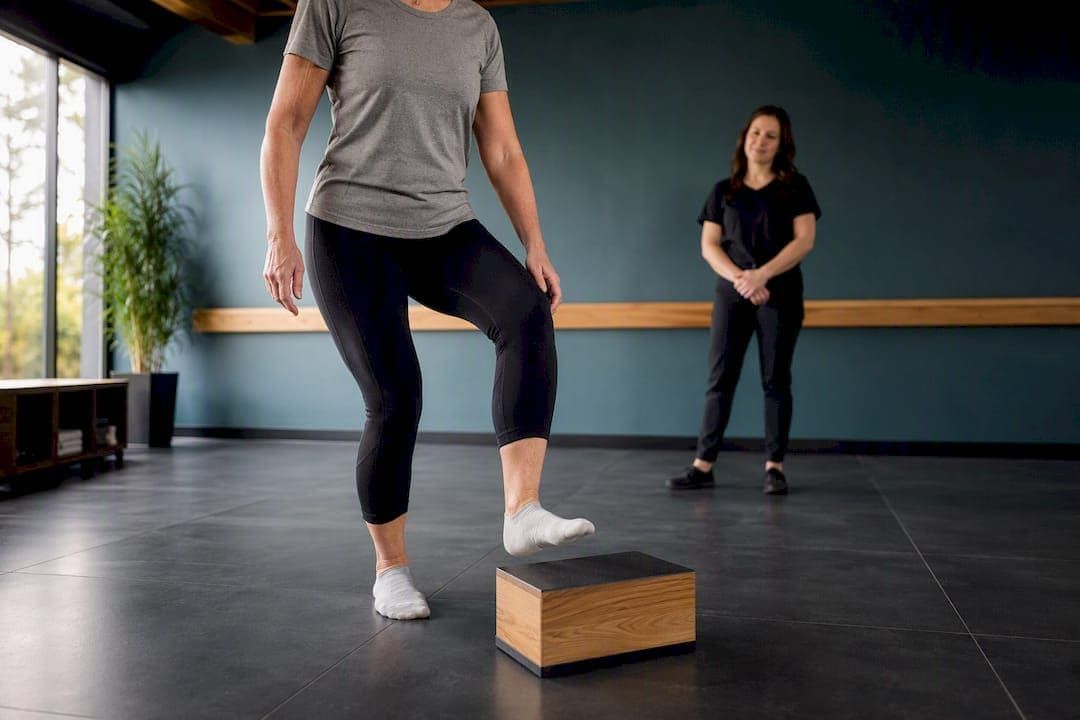
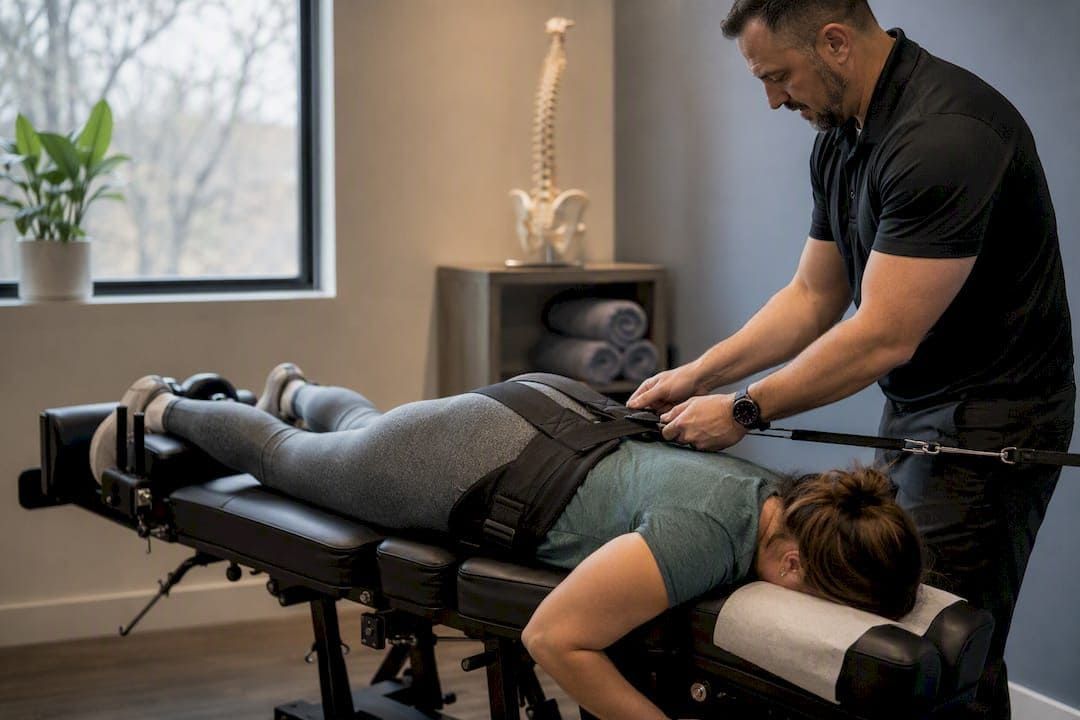
Integrating manual adjustment with complementary therapies produces superior results compared to adjustment alone. Spinal decompression therapy stretches your spine using specialized tables, creating negative pressure that draws herniated disc material away from compressed nerves. Physical rehabilitation strengthens muscles supporting your spine, preventing future restrictions and injuries. Many patients benefit from combining all three approaches in coordinated treatment plans. Learning about chiropractic care options helps you understand how these therapies work together.
Discussing personalized treatment plans with your chiropractor ensures your care matches your goals and lifestyle. Be specific about your objectives: Are you seeking pain relief for daily activities, preparing for athletic competition, or addressing a chronic condition? Share your preferences regarding adjustment techniques, appointment frequency, and integration with other healthcare providers. Ask about expected timelines for improvement and signs indicating you should modify your treatment approach.
Pro Tip: Keep a simple pain journal tracking your symptoms between appointments. Note pain levels, activities that increase or decrease discomfort, and how long relief lasts after each adjustment. This data helps your chiropractor refine your treatment plan.
Key safety tips and practical recommendations for optimal results:
- Schedule your first appointments when you can rest afterward, allowing your body to adapt to the changes from adjustment.
- Stay hydrated before and after treatment to support the healing processes triggered by manipulation.
- Apply ice to adjusted areas if you experience soreness, using 15-minute applications every few hours.
- Avoid strenuous activities or heavy lifting for 24 hours following your first few adjustments.
- Communicate immediately if you experience unusual symptoms like dizziness, severe headache, or numbness after treatment.
- Follow your chiropractor's recommendations for home exercises and stretches between appointments.
- Maintain regular appointments during the initial treatment phase, even if pain improves quickly, to prevent recurrence.
- Ask questions about any aspect of your care that concerns you or seems unclear.
The guide to spinal decompression explains how this therapy complements adjustment for disc-related conditions. Physical rehab programs strengthen the muscular support system your spine needs for long-term health. Combining these approaches addresses both immediate pain relief and underlying weakness or instability contributing to your condition.
Explore expert chiropractic care in West Central Florida
Now that you understand how manual spinal adjustment works and its proven benefits for pain relief, you might be wondering where to receive this specialized care locally. Essential ChiroCare provides comprehensive chiropractic care throughout West Central Florida, combining expert manual adjustment techniques with personalized treatment plans designed for your specific needs.
Our experienced doctors specialize in holistic approaches to back and joint pain, offering chiropractic adjustments alongside complementary therapies that address root causes rather than masking symptoms. Whether you're dealing with chronic discomfort or recent injury, we create integrated treatment plans that may include spinal decompression, physical rehabilitation, and lifestyle guidance. Discover how our guide to spinal decompression approach enhances adjustment outcomes for lasting relief. With convenient locations across Tampa, Brandon, Sarasota, Lakeland, and Pinellas Park, expert care is closer than you think.
Frequently asked questions
What is the difference between manual spinal adjustment and spinal mobilization?
Manual spinal adjustment uses rapid thrust; mobilization uses gentler, low-velocity movements. Adjustment creates the characteristic popping sound and produces immediate changes in joint position, while mobilization involves rhythmic oscillations or sustained stretches without the quick force. Patients often describe adjustment as feeling a sudden release, whereas mobilization feels like deep stretching. Both restore function effectively, though adjustments typically work faster for acute restrictions.
Is manual spinal adjustment safe for seniors or those with osteoporosis?
Manual adjustment is safe with adaptations; contraindicated in severe osteoporosis or fragility without evaluation. Chiropractors modify their techniques for elderly patients, using lower force and gentler approaches that accommodate reduced bone density. Screening with bone density scans or recent X-rays helps identify patients requiring alternative methods like instrument-assisted adjustment or mobilization. Proper evaluation makes chiropractic care accessible and safe for most seniors seeking pain relief.
How quickly can I expect relief after a manual spinal adjustment?
Many patients experience immediate mobility gains and pain relief; treatment plans vary per individual. Some people feel significant improvement walking out of their first appointment, while others need several sessions before noticing substantial changes. Acute conditions often respond faster than chronic problems that developed over months or years. Your chiropractor designs treatment frequency and duration based on your specific condition, overall health, and how your body responds to initial adjustments.
Can manual spinal adjustment help with conditions beyond back pain?
Manual adjustment effectively treats neck pain, headaches, and joint restrictions throughout your body. Chiropractors adjust extremity joints including shoulders, elbows, wrists, hips, knees, and ankles using similar principles applied to spinal manipulation. Many patients find relief from tension headaches originating from neck restrictions. While adjustment primarily addresses musculoskeletal conditions, some people report improvements in digestion, sleep quality, and stress levels due to reduced nervous system interference.
How often should I receive manual spinal adjustments for optimal results?
Treatment frequency depends on your condition severity and treatment phase. Acute pain often requires two to three appointments weekly during the first few weeks, then gradually decreases as you improve. Chronic conditions might need weekly adjustments initially, transitioning to biweekly or monthly maintenance care. Your chiropractor adjusts scheduling based on your progress, with the goal of maximizing improvement while minimizing appointment frequency. Most treatment plans include a reassessment after several weeks to evaluate effectiveness and modify the approach if needed.
Recommended