Therapeutic exercise: your path to pain relief and recovery
Therapeutic exercise: your path to pain relief and recovery
TL;DR:
- Therapeutic exercise is a planned, evidence-based method to reduce pain and restore movement.
- Properly prescribed exercises increase blood flow, stimulate pain pathways, and promote healing.
- Tailored programs for chronic or acute pain focus on gradual progression and clinician support.
When pain hits, the instinct is to stop moving. Rest feels like the safe choice. But staying still for too long can actually make pain worse, slow healing, and leave you weaker than before. Therapeutic exercise reduces pain by an average of 15.2 points on a 100-point scale for people with chronic and acute conditions, which means structured movement is one of the most powerful tools available for real recovery. Whether you're an athlete sidelined by a sports injury, an office worker with chronic back pain, or someone managing a recent accident in the Tampa Bay area, this guide breaks down exactly how therapeutic exercise works and how to put it to use.
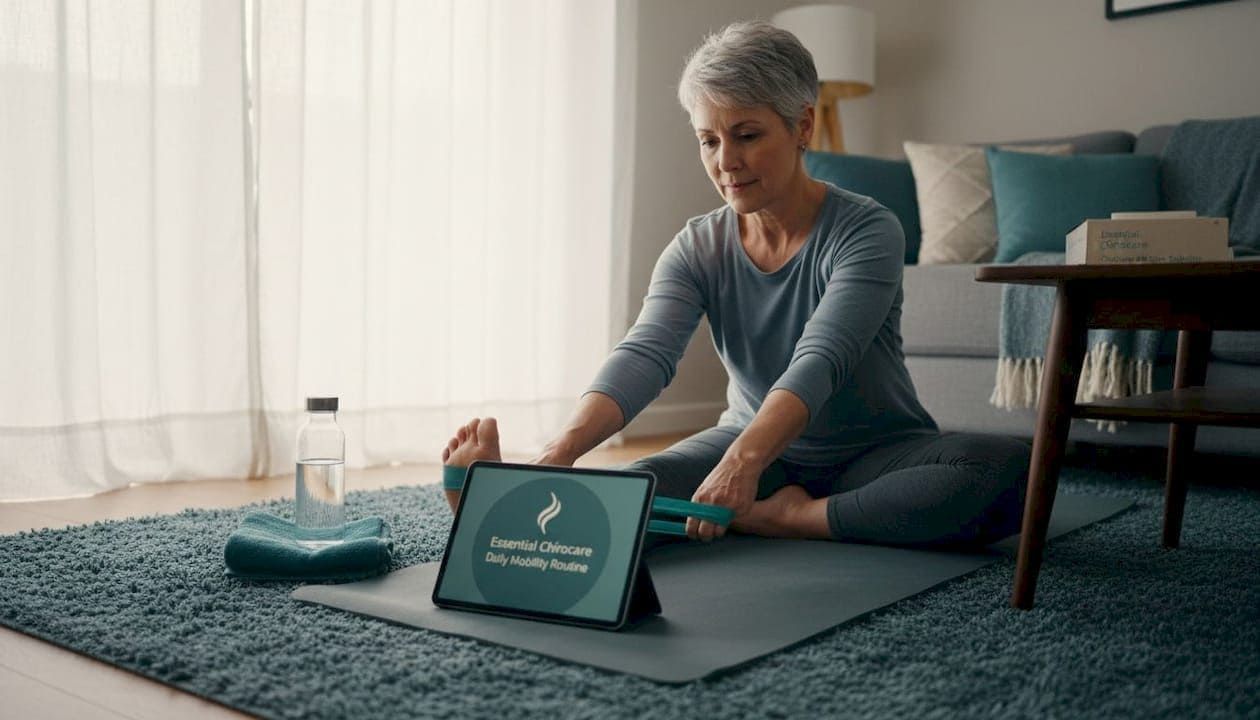
Table of Contents
- What is therapeutic exercise and why does it work?
- Core types and methods of therapeutic exercise
- How therapeutic exercise is tailored for chronic vs. acute pain
- Integrating therapeutic exercise into a holistic pain management plan
- The truth about therapeutic exercise: what most articles miss
- Begin your therapeutic exercise journey with expert support
- Frequently asked questions
Key Takeaways
| Point | Details |
|---|---|
| Movement for pain relief | Therapeutic exercise reduces pain and helps you recover mobility more effectively than rest alone. |
| Individualized approach | Effective programs are personalized to your pain, goals, and recovery phase for safe results. |
| Consistency beats perfection | Steady participation and gradual increase matter more than choosing a perfect exercise. |
| Multimodal rehab works | Therapeutic exercise is most powerful when combined with holistic pain management and professional guidance. |
What is therapeutic exercise and why does it work?
Therapeutic exercise is not a casual gym session. It refers to planned, evidence-based movements prescribed by a qualified clinician specifically to restore function, reduce pain, and improve your quality of life. The key word is prescribed. Every movement has a purpose tied to your condition, your healing stage, and your personal goals.
The core methodologies include range of motion (ROM) exercises, strengthening work, flexibility training, balance and proprioception drills, aerobic conditioning, neuromuscular re-education, and functional or sport-specific training. Each category targets a different piece of the recovery puzzle. ROM exercises restore joint movement. Strengthening rebuilds muscle support around injured areas. Neuromuscular re-education teaches your nervous system to coordinate movement properly after injury.
Why does movement heal? When you move a joint or muscle through controlled exercise, you increase blood flow to the area, which delivers oxygen and nutrients while flushing out inflammatory byproducts. Movement also stimulates mechanoreceptors in joints and soft tissue, which send signals that can actually interrupt pain pathways in the nervous system. This is why exercise consistently outperforms rest alone for both chronic and acute pain conditions.
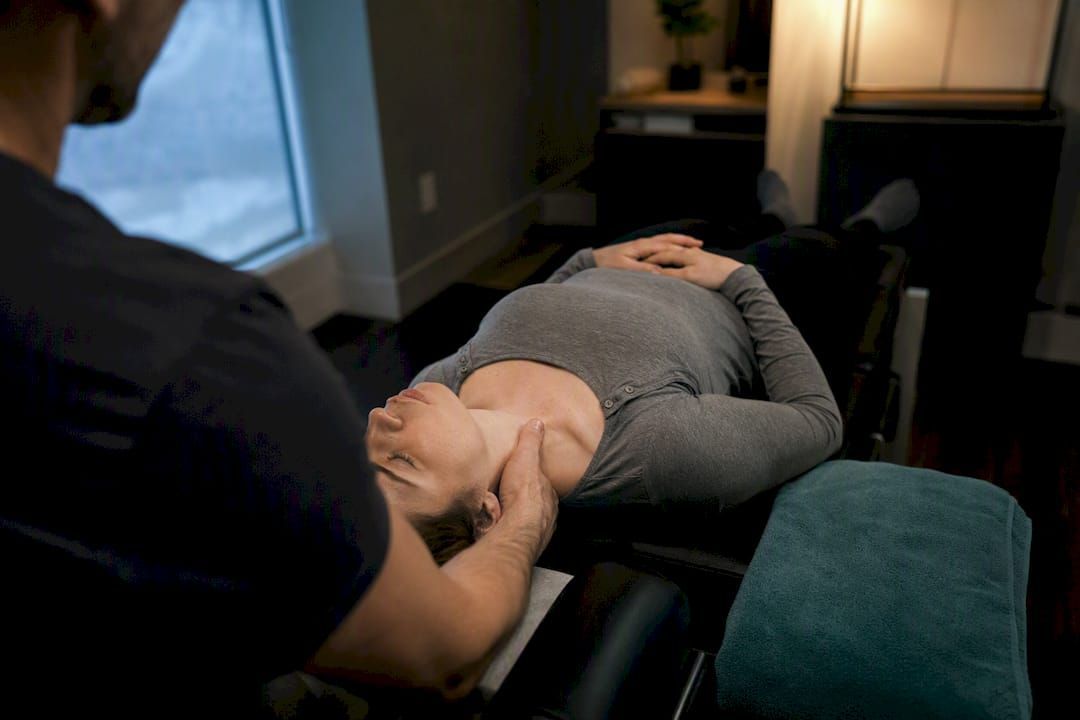
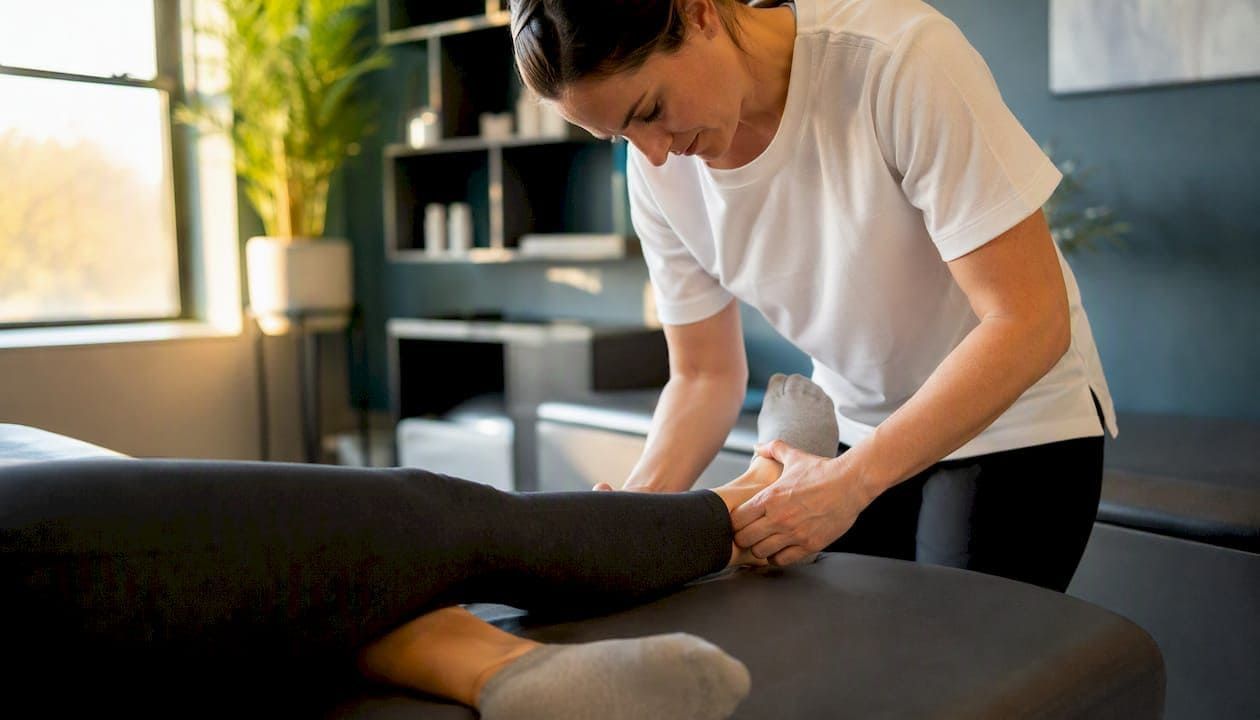
Our physical rehab services are built around this exact principle: movement, done correctly and progressively, is medicine. And when combined with chiropractic injury rehab , the results are even more compelling because you're addressing both the structural and functional sides of recovery at the same time.
"The goal of therapeutic exercise is not just pain relief. It's restoring your ability to move, work, play, and live without limitation."
Core types and methods of therapeutic exercise
With the basics established, it's important to recognize the variety of therapeutic exercise methods and how each plays a role in recovery. Not all exercises are created equal, and the right combination depends entirely on what your body needs right now.
Here's a breakdown of the major categories and who benefits most from each:
| Exercise type | Primary goal | Best for |
|---|---|---|
| Range of motion (ROM) | Restore joint mobility | Post-surgery, stiffness, arthritis |
| Strengthening (isometric, isotonic, isokinetic) | Rebuild muscle support | Chronic pain, post-injury weakness |
| Flexibility (static, dynamic, PNF) | Reduce tension, improve length | Tight muscles, poor posture |
| Balance and proprioception | Improve stability and coordination | Ankle sprains, fall prevention |
| Aerobic conditioning | Boost endurance and circulation | Chronic pain, cardiovascular health |
| Neuromuscular re-education | Retrain movement patterns | Post-injury, nerve involvement |
| Sport-specific training | Return to performance | Athletes, active individuals |
The foundational types of ROM, strengthening, flexibility, balance, aerobic, and sport-specific exercises form the backbone of virtually every rehabilitation program. What changes is the emphasis and sequence based on your situation.
Strengthening methods deserve a closer look because they're often misunderstood. Isometric exercises involve contracting a muscle without movement, which is ideal when a joint is too painful or swollen to move through a full range. Isotonic exercises involve movement through a range (think squats or bicep curls), and isokinetic exercises use specialized equipment to maintain constant speed through a movement. For most patients in a clinical setting, isotonic work forms the majority of a strengthening program.
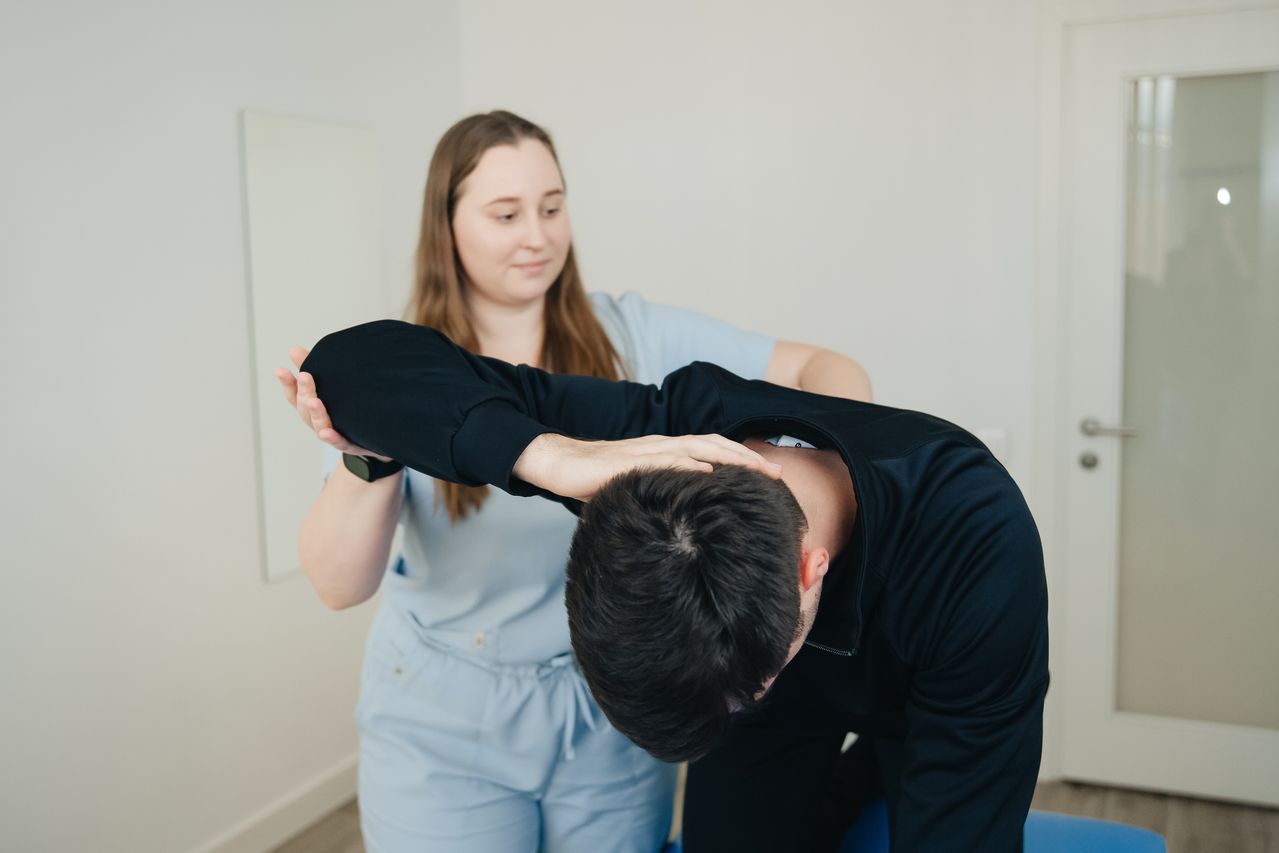
For flexibility, proprioceptive neuromuscular facilitation (PNF) is worth knowing about. It involves contracting and then relaxing a muscle before stretching it, which allows a deeper stretch than static methods alone. Athletes and people with significant muscle tightness from chronic pain often respond very well to PNF techniques.
ACSM resistance training guidelines recommend at least 2 days of resistance training per week, with 8 to 12 repetitions at 60 to 80 percent of your one-rep maximum, along with 3 to 5 days of aerobic activity per week. These benchmarks provide a useful framework, but gradual progression based on your individual tolerance is what makes a program safe and effective.
A balanced program for someone managing chronic low back pain in Florida, for example, might start with gentle ROM and isometric core work in week one, progress to isotonic strengthening and aerobic walking by week three, and incorporate balance training and functional movement patterns by week six. The strength and mobility rehab approach we use follows this kind of structured progression.
Pro Tip: Consistency and variety together produce better results than obsessing over doing any single exercise perfectly. Showing up regularly with a mix of movement types beats sporadic, intense sessions every time.
How therapeutic exercise is tailored for chronic vs. acute pain
Knowing the types of exercise, let's see how practitioners adapt them for your unique situation, whether you're facing persistent pain, a new injury, or athletic goals.
The single most important principle here is individualization. Research confirms that no single exercise type is clearly superior to another for pain relief. What matters most is that the program fits your healing phase, your pain tolerance, and your personal goals. Participation and consistency beat perfection every time.
Here's how chronic and acute pain protocols typically differ:
| Factor | Chronic pain protocol | Acute pain protocol |
|---|---|---|
| Starting intensity | Moderate, graded | Very low, gentle |
| Primary focus | Function and endurance | Pain control and protection |
| Exercise types | Strengthening, aerobic, functional | ROM, isometric, gentle mobility |
| Progression speed | Gradual over weeks/months | Slow, guided by pain response |
| Supervision level | Moderate to independent | High, especially early on |
| Goal | Long-term independence | Reduce pain, restore safe movement |
For someone dealing with chronic low back pain after years of desk work in Tampa, the program might begin with motor control exercises targeting deep stabilizing muscles, then layer in aerobic conditioning like walking or swimming, and eventually progress to functional lifting patterns. The emphasis is on building capacity over time.
For an athlete recovering from an acute hamstring strain, the approach looks very different. The first phase focuses on protecting the tissue, controlling inflammation, and maintaining fitness with low-impact alternatives. Athletes progress toward sport-specific movements, agility work, and power development only after the tissue has healed sufficiently and strength benchmarks are met. Rushing this process is the most common reason athletes re-injure themselves.
For older adults managing osteoarthritis in the hip or knee, starting with low-impact aquatic exercise or seated strengthening allows meaningful progress without aggravating inflamed joints. The individualized care approach recognizes that a 65-year-old retiree in Sarasota and a 28-year-old soccer player in Brandon need fundamentally different programs, even if both have knee pain.
Here's a practical sequence for starting a therapeutic exercise program safely:
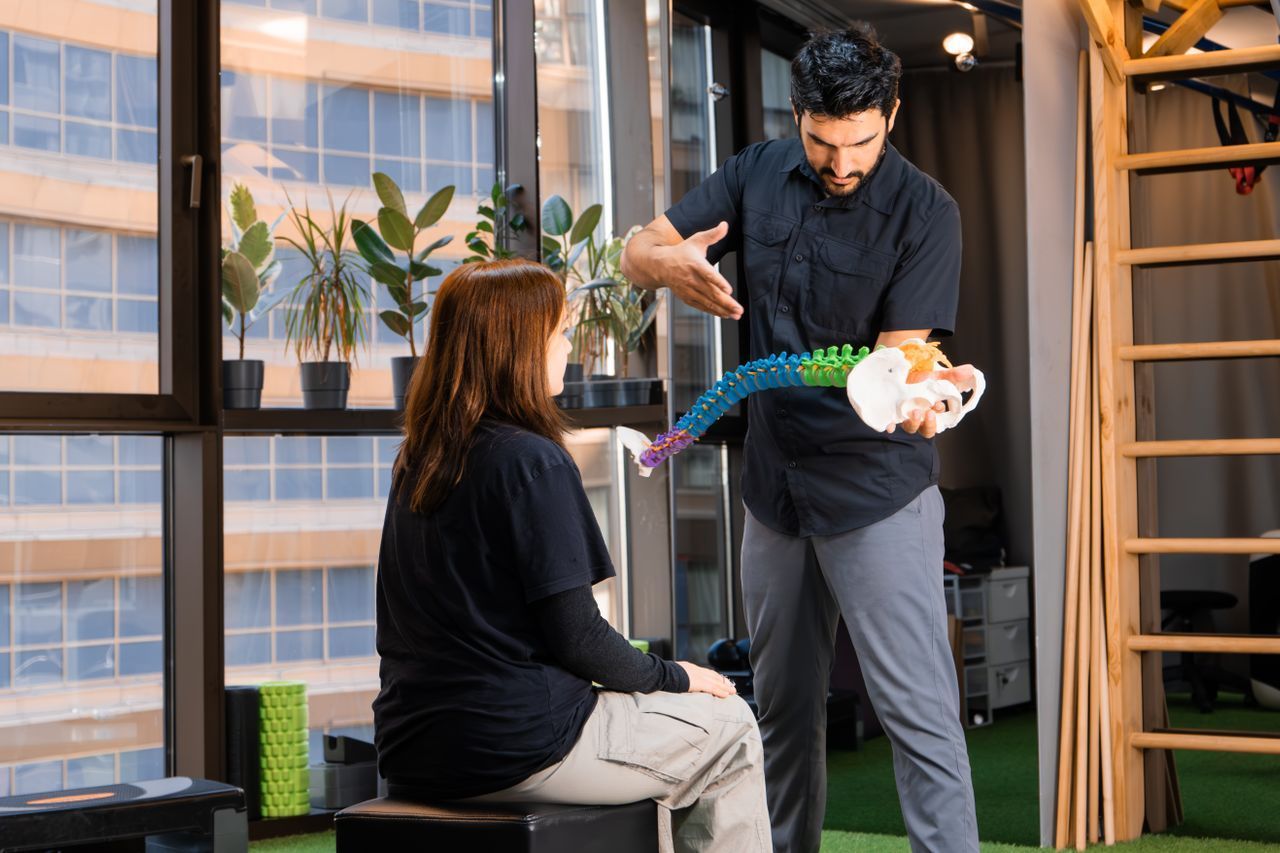
- Get a proper assessment from a qualified clinician to identify your pain type, injury stage, and movement limitations.
- Start with the lowest appropriate intensity, focusing on movement quality over quantity.
- Track your pain response after each session. Mild soreness that resolves within 24 hours is normal. Sharp or worsening pain is a signal to adjust.
- Progress one variable at a time, either volume, intensity, or complexity, not all three simultaneously.
- Gradually transition from supervised sessions toward independent home exercise as your confidence and capacity grow.
Our personal injury rehabilitation guide walks through this process in more detail for those recovering from accidents. And if you're an athlete, our sports injury recovery tips cover the specific milestones needed before returning to full competition.
Pro Tip: If you're managing severe pain or a complex injury, start with supervised sessions before transitioning to home exercise. The early guidance makes a measurable difference in both safety and outcomes.
Integrating therapeutic exercise into a holistic pain management plan
Customizing your exercise is only one piece. Here's how it blends with a whole toolkit for real-world rehab and sustained pain relief.
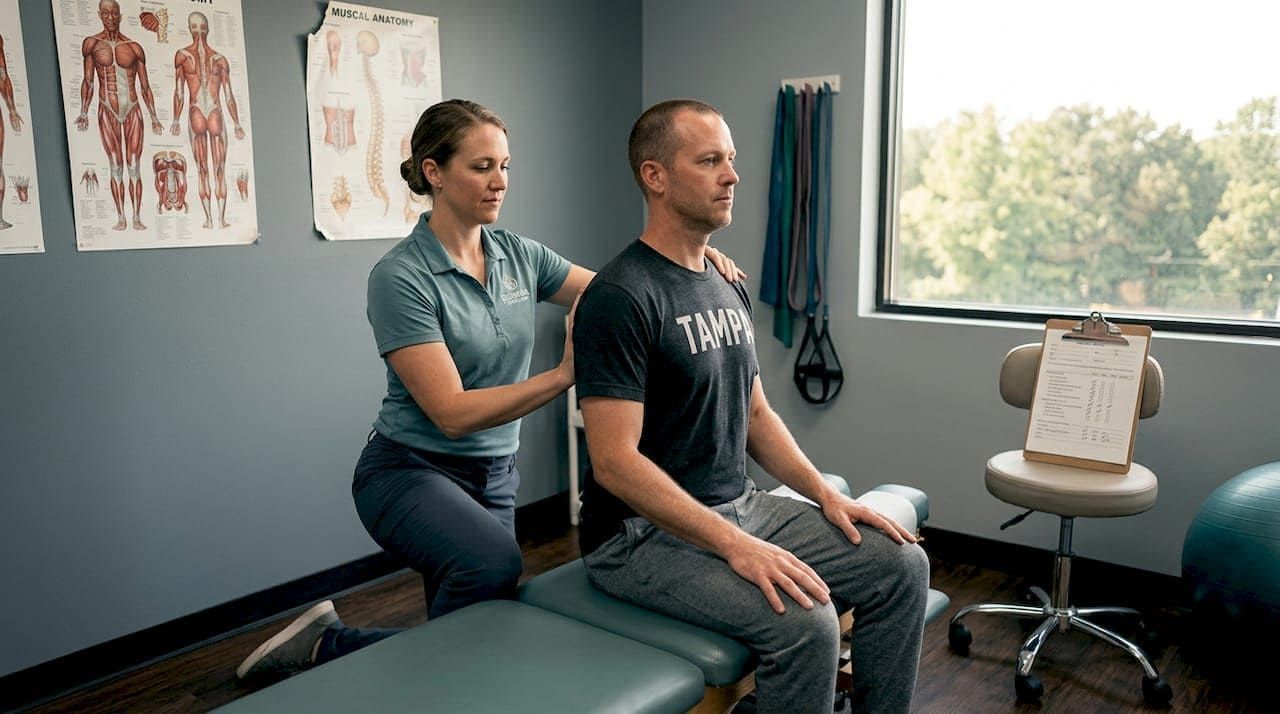
Therapeutic exercise works best when it's part of a broader, coordinated plan. Holistic rehabilitation integrates exercise with physical therapy modalities, chiropractic care, manual therapy, pain education, and psychological support where needed. This multi-layered approach addresses not just the physical mechanics of pain but also the way pain affects your movement patterns, your confidence, and your daily habits.
Here's what a well-rounded holistic plan typically includes:
- Therapeutic exercise as the foundation for restoring strength, mobility, and function
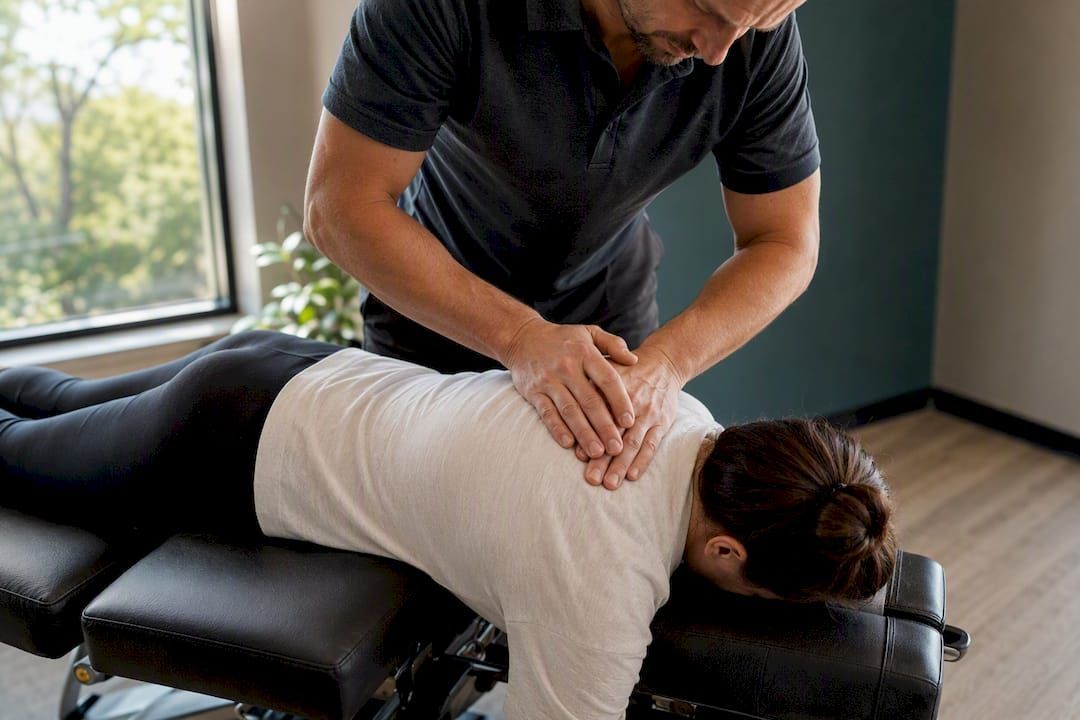
- Chiropractic adjustments to address joint alignment and reduce mechanical pain
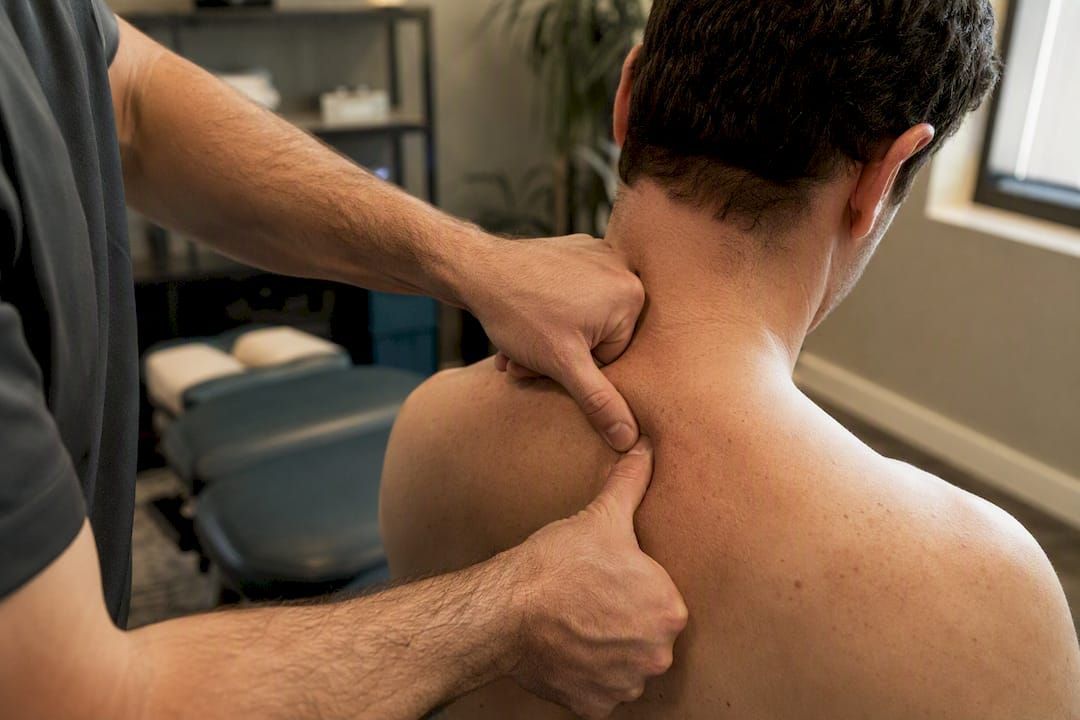
- Manual therapy to release soft tissue restrictions and improve circulation
- Pain education to help you understand your condition and reduce fear-avoidance behaviors
- Gradual progression from supervised to independent activity as you build confidence
- Regular reassessment to track progress and adjust the plan as needed
Measuring progress is just as important as the exercises themselves. Meaningful markers include reduced pain scores, improved range of motion, better sleep, increased activity tolerance, and return to work or sport. These are the real-world outcomes that matter.
Research on osteoarthritis shows that 12 or more sessions of structured exercise produce significant pain relief, which means short-term commitment isn't enough. Consistency over several weeks is what drives lasting change. This is why we emphasize building habits, not just completing a program.
"Minor muscle soreness after exercise is normal and expected. It's a sign your body is adapting. Sharp pain, joint swelling, or symptoms that worsen over 48 hours are reasons to check in with your care team."
Our holistic pain management options and manual therapy in recovery resources go deeper on how these pieces fit together. For those exploring the broader philosophy behind this approach, our lasting holistic pain relief content explains why treating the whole person consistently outperforms single-modality care.
The truth about therapeutic exercise: what most articles miss
Most articles about therapeutic exercise spend a lot of energy debating which specific exercise is best. Pilates versus McKenzie method. Yoga versus traditional PT. Motor control training versus general strengthening. The debate is interesting, but it misses the point entirely.
Evidence consistently shows no clear superiority among exercise types for pain relief. What actually predicts outcomes is whether you participate consistently and whether the program is delivered with proper support and education. A good program you actually do beats a perfect program you quit after two weeks.
This is something we see in practice every day across our West Central Florida locations. Patients who come in expecting a magic exercise protocol often leave more empowered when they realize the real variable is them. Their effort. Their consistency. Their willingness to tolerate mild discomfort in service of long-term function.
The "no pain, no gain" mindset is just as harmful as the "rest until it stops hurting" mindset. Both extremes lead to poor outcomes. The middle path, gradual, consistent, supervised movement with honest feedback, is where real recovery happens.
Fear of doing the wrong exercise keeps a lot of people stuck. They read conflicting advice online and end up doing nothing. The truth is that most structured movement, when appropriately dosed, helps. Your body wants to move. It's designed for it. What it doesn't tolerate is either total inactivity or sudden, aggressive loading without preparation.
Leverage the holistic relief insights available locally. Working with experienced clinicians in a supportive environment, especially when you're starting out or managing a complex condition, removes the guesswork and keeps you progressing safely. In West Central Florida, you have access to exactly that kind of expertise. Use it.
Begin your therapeutic exercise journey with expert support
Putting these principles into action is easier when you have a team behind you.
At Essential ChiroCare, we build individualized therapeutic exercise programs for patients across Tampa, Brandon, Sarasota, Lakeland, and Pinellas Park. Whether you're recovering from a sports injury, managing chronic back pain, or rebuilding after an accident, our clinicians combine chiropractic care services with structured rehabilitation to get you moving safely and effectively. Our physical rehab experts design programs that match your healing phase, your lifestyle, and your goals. For athletes specifically, our sports injury treatment protocols are built around return-to-performance milestones, not guesswork. Schedule a consultation today and let's build a plan that actually works for your body.
Frequently asked questions
Who should consider therapeutic exercise?
Therapeutic exercise benefits adults with pain, athletes, and anyone looking to restore movement after injury or surgery, making it broadly applicable across age groups and activity levels.
Is therapeutic exercise safe if I have severe pain?
Therapeutic exercise is safe when tailored appropriately, and low-impact supervised starts are specifically recommended for severe pain or conditions like osteoarthritis to minimize risk while still promoting healing.
How soon can I expect results from therapeutic exercise?
Most people notice improvements in pain and mobility after several sessions, but 12 or more sessions are often needed to achieve significant and lasting pain relief, particularly for joint conditions.
How are exercises customized for me?
Your care plan is tailored based on your pain type, injury stage, fitness level, and personal goals, with plans individualized per healing phase and designed to progress from supervised to independent exercise over time.
Can I combine therapeutic exercise with chiropractic or other treatments?
Yes, and holistic rehab combines exercise with chiropractic care, manual therapy, and other physical therapy approaches to address pain from multiple angles for more complete and lasting recovery.
Recommended