Pain relief routines: Evidence-based steps for lasting comfort
Pain relief routines: Evidence-based steps for lasting comfort
TL;DR:
- Choosing a pain relief routine requires evaluating effectiveness, safety, personal fit, time commitment, and holistic benefits.
- Exercise routines like Pilates, yoga, walking, and Tai chi are proven to reduce chronic back pain effectively.
- Combining movement, mindfulness, and professional care in a flexible, adaptive plan leads to lasting pain relief.
With so many choices stacked against you, from daily yoga flows and tai chi classes to walking programs, mindfulness apps, and professional multimodal treatments, picking a pain relief routine that actually works can feel more overwhelming than the pain itself. Most people try one thing, get frustrated when it doesn't deliver fast results, and either quit or jump to something entirely different. That cycle of trial and error wastes time and can even make pain worse. This guide cuts through the noise using clinical evidence, practical comparisons, and real-world guidance so you can build a routine that fits your life and finally delivers lasting comfort.
Table of Contents
- How to evaluate and choose pain relief routines
- Proven exercise-based routines for pain relief
- Mind-body and multimodal routines: Going beyond movement
- At-home pain relief: Practical routines you can start today
- Pain relief routines compared: Which is best for you?
- Our experience: What most people get wrong about pain relief routines
- Get expert support for lasting pain relief
- Frequently asked questions
Key Takeaways
| Point | Details |
|---|---|
| Tailored routines work best | Matching evidence-based routines to your pain type and lifestyle gives the best results. |
| Consistency trumps intensity | Regular adherence—not just effort—leads to better pain control and function. |
| Blended approaches boost relief | Combining movement, mindfulness, and expert input improves pain and quality of life. |
| Safety matters most | Start gently, watch for warning signs, and adjust or seek help if pain worsens. |
| Home routines can help | Simple exercises, posture drills, and self-care steps can provide realistic pain relief. |
How to evaluate and choose pain relief routines
Before comparing specific routines, you need a framework for judging them. Not every routine works the same way for every person, and choosing one based on popularity alone is a recipe for disappointment.
The five core criteria worth measuring any routine against are:
- Effectiveness: Does solid clinical evidence show it reduces pain and improves function?
- Safety: Can you perform it without risking injury or worsening your condition?
- Individual fit: Does it match your physical ability, lifestyle, and pain type?
- Time commitment: Is it realistic for your schedule long-term?
- Holistic benefits: Does it address not just pain but also mood, mobility, and overall wellness?
Multimodal pain management approaches score well on all five criteria because they layer movement, mindfulness, and professional care together. Research supports this layered model: routine-building for adults tends to converge on multimodal principles such as consistent movement, psychophysiologic skills, individualized progression, safety guardrails, and clinician involvement when warranted.
One major red flag to watch for is any routine that promises instant results without any safety guidance. If a program doesn't address modification for flare-ups, or if it ignores your specific pain diagnosis, it's probably too generic to help. Another warning sign is a routine that never evolves. Pain changes over time, and your routine should adapt with it.
Pro Tip: Before starting any new routine, write down your top three pain-related goals, whether that's sleeping through the night, walking without limping, or returning to a sport. Use these goals to measure whether your routine is actually working every two to four weeks.
Proven exercise-based routines for pain relief
Clinical evidence strongly backs exercise as one of the most reliable tools for reducing chronic pain, particularly in the lower back. But not all movement is created equal, and the type you choose should match your goals and physical starting point.
Here is a quick overview of the most studied exercise routines:
- Pilates: Builds deep core strength and spinal stability. Great for people with recurring low back pain or postural issues.
- Yoga: Combines flexibility, controlled breathing, and body awareness. Especially effective for those dealing with both physical and stress-related pain.
- Walking: The most accessible option. Low impact, easy to scale, and proven effective across age groups.
- Tai chi: A slow, flowing movement practice that improves balance, reduces inflammation markers, and lowers pain sensitivity over time.
- Core stability training: Targeted exercises that strengthen the muscles supporting your spine, reducing mechanical stress on joints and discs.
Exercise routines like Pilates, yoga, and tai chi show meaningful pain reduction and functional improvement for chronic low back pain compared to usual care, which typically means relying on medication alone. That's a significant finding, because it means movement, done consistently, can outperform a passive approach.
| Routine | Pain relief strength | Functional benefit | Best for |
|---|---|---|---|
| Pilates | High | Core stability, posture | Disc issues, postural pain |
| Yoga | Moderate to high | Flexibility, stress relief | Mixed pain and anxiety |
| Walking | Moderate | Endurance, mood | General chronic pain |
| Tai chi | Moderate | Balance, nerve pain | Older adults, nerve pain |
| Core stability | High | Spinal support | Mechanical back pain |
How often and how consistently you train matters just as much as which routine you pick. Greater adherence to exercise guidelines leads to larger improvements in both pain scores and disability over time. That means doing your routine three to four times a week, even at reduced intensity on bad days, will outperform doing it perfectly once a week.
The best home exercises for supporting chiropractic care overlap heavily with these routines, particularly core work and low-impact aerobic movement. If you're already working with a chiropractor, ask which of these exercise types complements your adjustments best.
For those dealing with back pain, combining walking with targeted core exercises gives you both the circulatory benefits of aerobic movement and the structural support of strength training. That combination is hard to beat for people just getting started. Research also links regular chiropractic wellness outcomes with improved exercise tolerance, meaning your workouts become more effective when your spine is properly aligned.
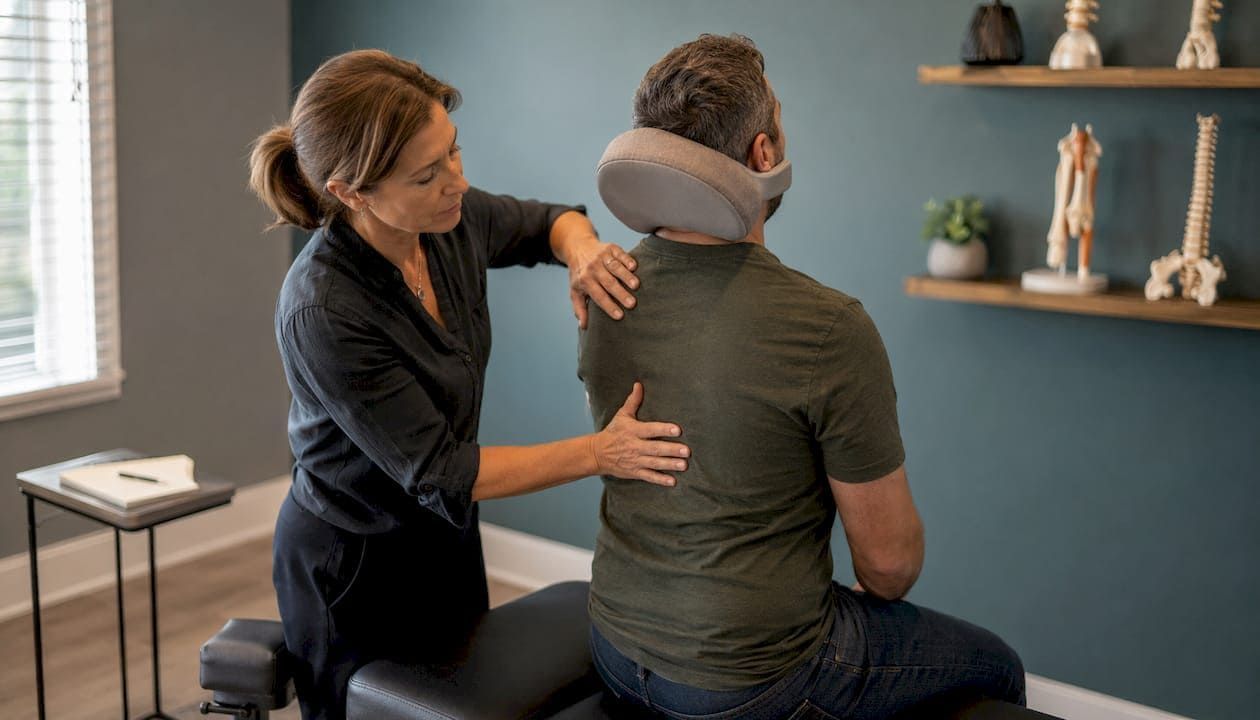
For anyone with an acute injury or recovering from an accident, starting with chiropractic back pain treatment before jumping into a full exercise routine is a smart first step.
Pro Tip: Start with 10 to 15 minutes of your chosen routine daily rather than doing one intense session per week. Frequency beats duration when you're building a new pain management habit.
Mind-body and multimodal routines: Going beyond movement
Physical activity isn't the only answer. Pain has a powerful psychological component, and ignoring that dimension often explains why purely physical routines stall out.
Mind-body routines typically include one or more of the following:
- Mindfulness meditation: Training your attention to observe pain without amplifying it emotionally
- Diaphragmatic breathing: A technique that calms the nervous system and reduces pain perception
- Cognitive restructuring: Changing unhelpful thought patterns that make chronic pain feel more intense
- Guided imagery: Using mental visualization to shift how your brain processes pain signals
- Progressive muscle relaxation: A body scan technique that releases physical tension linked to pain cycles
"Mind-body routines can reduce daily pain intensity, especially in chronic nerve-related pain, but may not improve disability in the short term." PAIN Reports
This is an important nuance. Mindfulness works, but it works best as part of a larger plan rather than as a standalone fix. If you're dealing with sciatica or other nerve-related pain, mindfulness can lower how much that pain disrupts your day, even if you're still experiencing some physical limitation.
The strongest results come from interdisciplinary multimodal programs, which blend movement with psychological tools like cognitive behavioral therapy and stress management. These combined programs improve both pain and psychosocial outcomes in ways that either approach alone cannot match. Psychosocial outcomes include things like sleep quality, anxiety levels, and social functioning, all of which feed back into pain intensity.
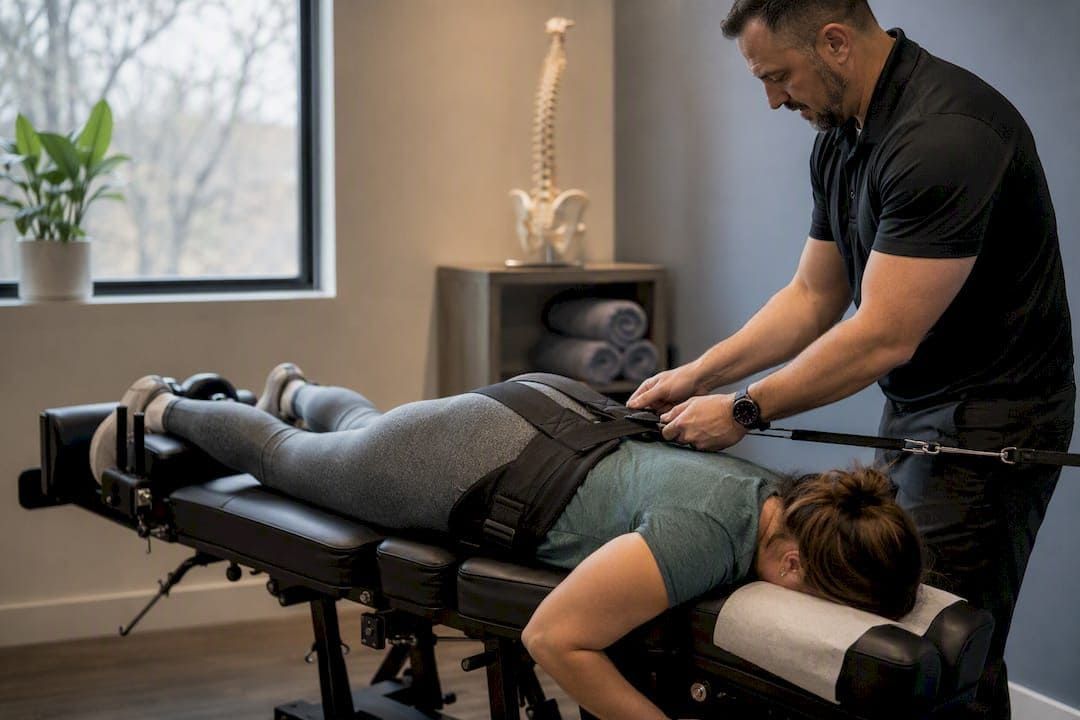
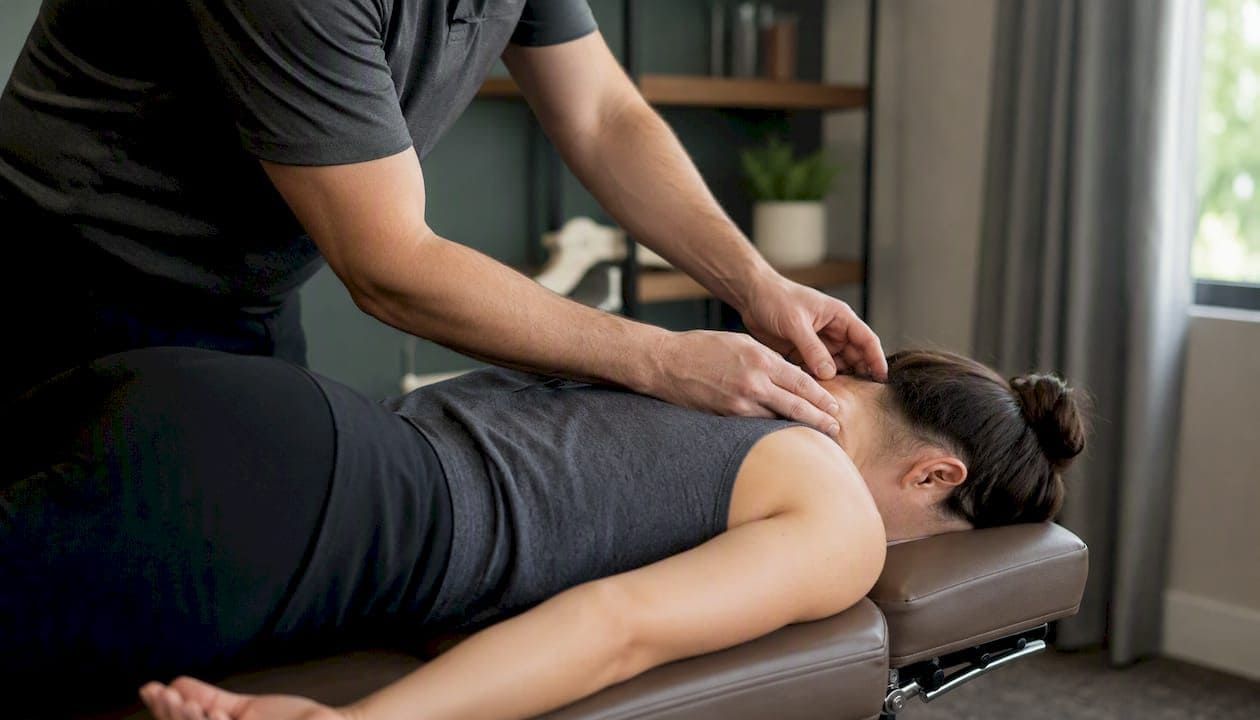
Manual therapy for pain fits naturally into this multimodal model. Hands-on techniques like soft tissue mobilization and joint manipulation address the physical source of pain while creating neurological changes that lower your overall pain sensitivity. When paired with mindfulness and movement, the effect compounds.

At-home pain relief: Practical routines you can start today
You don't need a gym membership or clinic appointment to get started. Many of the most effective pain relief strategies are accessible right now, in your living room or backyard.
Practical at-home options backed by clinical and expert guidance include:
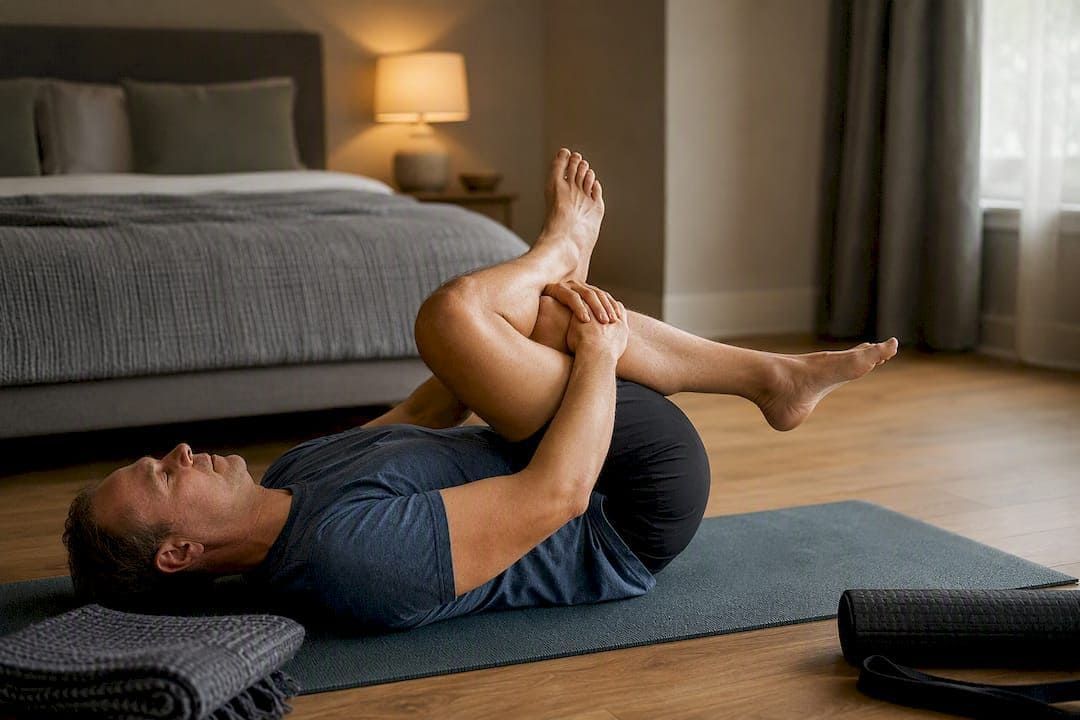
- Walking: Start with 10 minutes at a comfortable pace and work up to 30 minutes most days
- Wall angels: Stand with your back flat against a wall, arms raised, and slide them up and down to improve posture and open the thoracic spine
- Diaphragmatic breathing: Breathe deeply into your belly for four counts, hold for two, and exhale slowly for six counts, repeating 5 to 10 times
- Heat and ice therapy: Apply heat for muscle tightness and chronic stiffness; use ice within the first 48 hours of an acute injury to reduce swelling
- Self-massage: Use a foam roller or tennis ball on tight spots in the glutes, calves, and upper back for 30 to 60 seconds per area
"At-home pain routines often emphasize graded movement and thermotherapy, along with posture exercises and soft-tissue techniques like diaphragmatic breathing and self-massage."
Graded movement means starting at a manageable level and increasing gradually. If walking causes pain after 10 minutes, start with five minutes twice a day. The goal is to stay just below your pain threshold and nudge it upward over time. Pushing through sharp pain is not graded movement. It's a shortcut to setbacks.
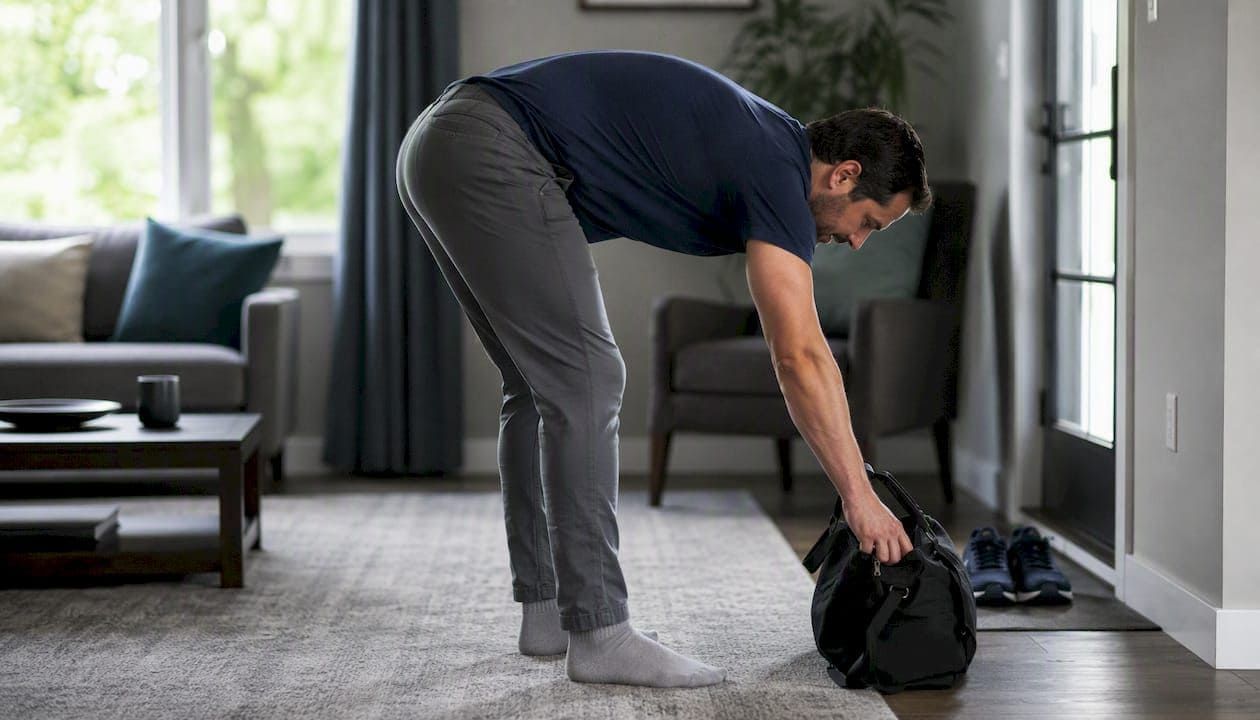
Know when to scale back. If a movement consistently spikes your pain above a 6 out of 10, reduce the range of motion or duration immediately. And if pain is accompanied by numbness, tingling, loss of bladder or bowel control, or spreads down one leg, stop and seek professional evaluation right away. These could be signs of a more serious underlying issue. Reviewing injury recovery pain tips before starting can help you plan smart progressions.
Working with a chiropractor also gives your home routine more structure. Research confirms that local chiropractors aid injury recovery by helping patients understand safe movement patterns specific to their diagnosis.
Pro Tip: Tie your home routine to an existing habit. Do your wall angels right after brushing your teeth, or take your 10-minute walk immediately after lunch. Habit stacking dramatically improves follow-through on new pain management routines.
Pain relief routines compared: Which is best for you?
With several strong options available, the question isn't which routine is universally best. It's which is best for you right now.
| Routine type | Time needed | Difficulty | Pain types it helps most | Works at home? |
|---|---|---|---|---|
| Pilates | 30 to 45 min | Moderate | Back pain, core weakness | Yes, with modifications |
| Yoga | 20 to 60 min | Low to moderate | Mixed pain, stress-related | Yes |
| Walking | 10 to 30 min | Low | General chronic pain | Yes |
| Tai chi | 20 to 40 min | Low to moderate | Nerve pain, balance issues | Yes |
| Core stability | 15 to 30 min | Moderate | Mechanical back pain | Yes |
| Mindfulness | 10 to 20 min | Low | Nerve pain, anxiety-driven pain | Yes |
| Multimodal program | Varies | Moderate to high | Complex or persistent pain | Partially |
Ask yourself three questions before choosing a starting point. First, what type of pain do I have? Nerve pain responds well to mindfulness and tai chi, while mechanical joint pain benefits more from core work and Pilates. Second, what is my current fitness level? If you're deconditioned or recovering from an injury, walking and breathing exercises are the safest entry points. Third, do I have professional support? Different routines suit different pain profiles, and selecting based on your specific pain type and lifestyle leads to better outcomes than copying what worked for someone else.
Once you've chosen a starting routine, plan to reassess after four to six weeks. If you're seeing improvement, layer in a complementary approach. If not, consult a professional before continuing. Exploring options for relieving pain naturally can also help you understand how chiropractic care bridges the gap between home routines and clinical outcomes.
Our experience: What most people get wrong about pain relief routines
Here's the uncomfortable truth we've seen play out repeatedly across our clinics in West Central Florida: most people fail at pain relief routines not because they chose the wrong exercise, but because they approach the whole process too rigidly.
One-size-fits-all thinking is the biggest obstacle. Someone reads that yoga helped a friend's back pain and commits to daily one-hour sessions, only to find that their specific disc herniation gets irritated by forward folds. Rather than modifying the routine, they quit entirely. The better move would have been to adapt, shortening the session, swapping problematic poses, or checking with a professional about which movements are actually safe for their diagnosis.
The second mistake is ignoring the feedback your body gives you. Pain is information. If a routine consistently leaves you feeling worse the next morning, that's not just soreness. That's a signal that something needs to change. Regular progress checks, whether you're tracking pain levels in a journal or checking in with a clinician every few weeks, give you the data to make smart adjustments before a bad routine becomes a long-term setback.
We also see people underestimate how much holistic pain management matters compared to isolated treatments. A single technique, even a clinically validated one, rarely produces the same results as a well-rounded plan that addresses movement, mental health, sleep, and professional care together. The people who achieve lasting relief are almost always the ones who blended home exercises for pain relief with clinical oversight and stayed flexible enough to adjust as their condition evolved.
Adaptability is the real secret. Build your routine on proven principles, but hold the specific details loosely. Life, pain levels, work schedules, and recovery timelines all shift. Your routine should shift with them.
Get expert support for lasting pain relief
You now have a solid framework for choosing and building a pain relief routine, but navigating the details of your specific condition is where professional guidance makes a real difference.
At Essential ChiroCare, our team of experienced doctors works with patients across Tampa, Brandon, Sarasota, Lakeland, and Pinellas Park to create personalized, evidence-based plans that go far beyond generic advice. Whether you need targeted chiropractic care to correct underlying spinal issues, manual therapy to reduce tissue tension and pain sensitivity, or a full review of all available chiropractic services in Tampa , we match every plan to your pain type, fitness level, and recovery goals. Schedule your consultation online today and take the first step toward a routine that actually works for your body.
Frequently asked questions
What's the most effective pain relief routine for chronic lower back pain?
Evidence shows that exercise programs like walking, yoga, or Pilates, especially when done consistently, reduce pain and improve function for chronic low back pain. Combining two or more of these routines tends to produce even better results than relying on one alone.
Can I start a pain relief routine at home without seeing a doctor?
You can begin with gentle home routines focused on movement and posture, but see a medical professional if pain is severe, intensifies with activity, or does not improve. Accessible home remedies like walking, posture exercises, and heat or ice are safe starting points for most people with mild to moderate pain.
Does mindfulness really help with pain?
Mindfulness routines can lower daily pain intensity, particularly for chronic nerve-related conditions, but they work best when combined with physical movement. Mindfulness-based routines reduce pain intensity but may not improve functional disability on their own in the short term.
How long should I stick with a new routine before deciding if it's helping?
Most clinical studies show meaningful results within four to eight weeks when routines are followed consistently. Greater adherence to evidence-based exercise leads to larger improvements in pain and disability scores over that period, so consistency matters more than intensity.
When should I seek professional help for pain relief?
Seek professional evaluation immediately if your pain becomes unbearable, worsens during routine activities, or is accompanied by new symptoms like numbness, tingling, or weakness. Pain that changes character or spreads to new areas is a signal to pause your routine and consult a healthcare provider before continuing.
Recommended