Soft tissue therapy: Relief for pain and sports recovery
Soft tissue therapy: Relief for pain and sports recovery
TL;DR:
- Soft tissue therapy directly targets muscles, tendons, and connective tissue to reduce pain and restore function.
- Combining soft tissue therapy with active exercises leads to longer-lasting pain relief and improved mobility.
- Effectiveness varies by technique and patient factors; proper assessment and tailored treatment are essential.
Medication and surgery dominate most conversations about pain management, but millions of people living with chronic pain or sports injuries are finding real relief through a completely different route. Soft tissue therapy works directly on the muscles, tendons, ligaments, and connective tissue that make up the majority of your body's moving parts. If you've been dealing with persistent back pain, a stubborn sports injury, or that nagging tightness that never quite goes away, this article breaks down exactly what soft tissue therapy is, what the science says about its effectiveness, where its limits lie, and how to use it strategically for lasting results.
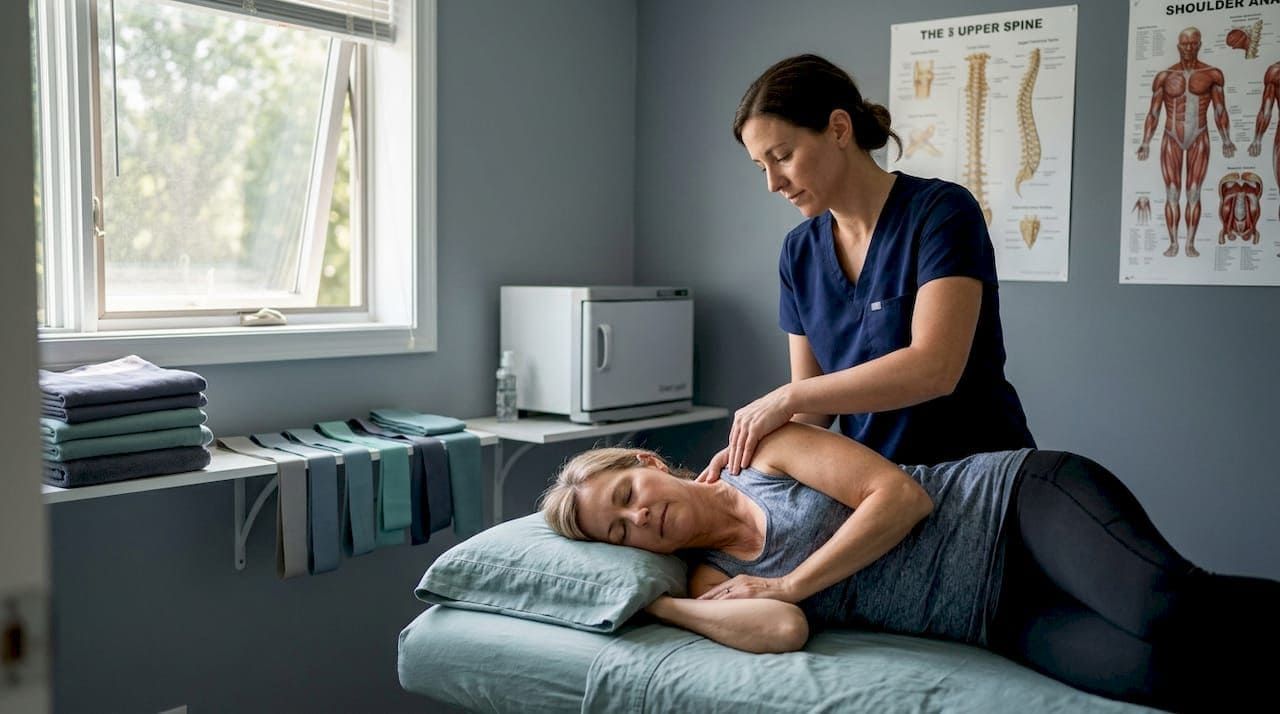
Table of Contents
- Soft tissue therapy explained: What it is and how it works
- Benefits and effectiveness: What does the evidence show?
- Nuances and limits: What most people miss about soft tissue therapy
- Applying soft tissue therapy: How to maximize results
- Our take: The uncomfortable truth about soft tissue therapy for lasting wellness
- Explore expert pain relief and holistic recovery options
- Frequently asked questions
Key Takeaways
| Point | Details |
|---|---|
| Hands-on pain relief | Soft tissue therapy uses manual techniques to address muscle, tendon, and fascia pain, improving function and comfort. |
| Evidence-based benefits | Clinical studies show short-term pain relief and mobility gains, especially when therapy is combined with exercise. |
| Watch for limits | Therapy is most effective when personalized; fragile tissues demand gentle approaches, and not all results are permanent. |
| Integrate for lasting impact | Pairing soft tissue therapy with rehabilitation and strength training delivers lasting wellness and sports recovery. |
Soft tissue therapy explained: What it is and how it works
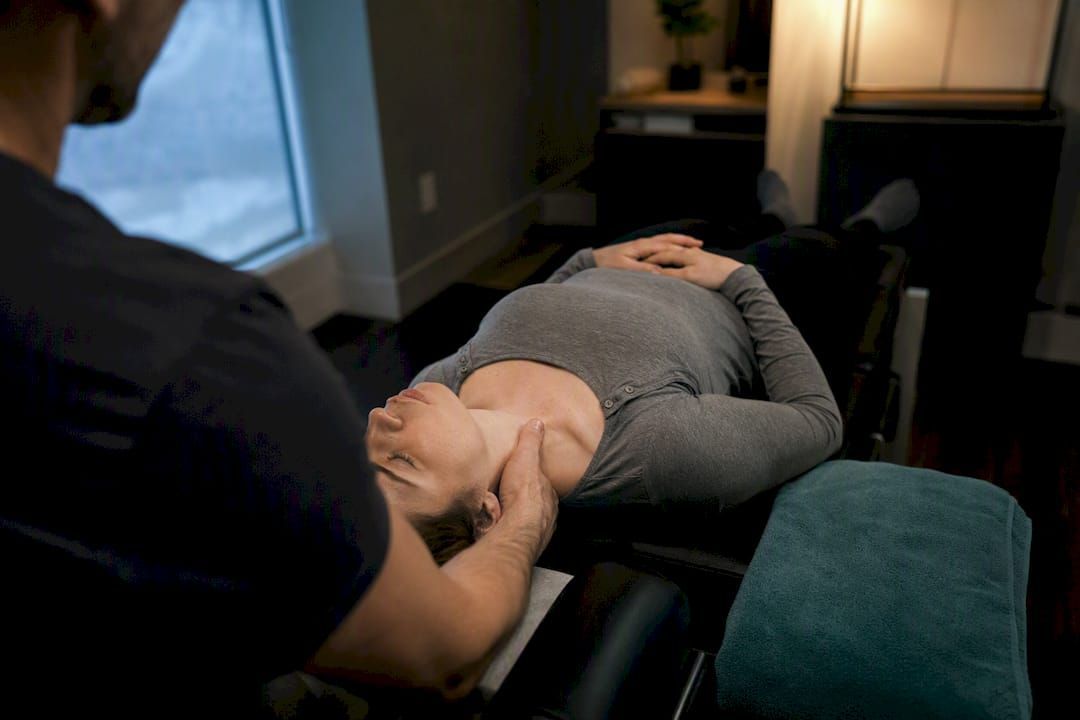
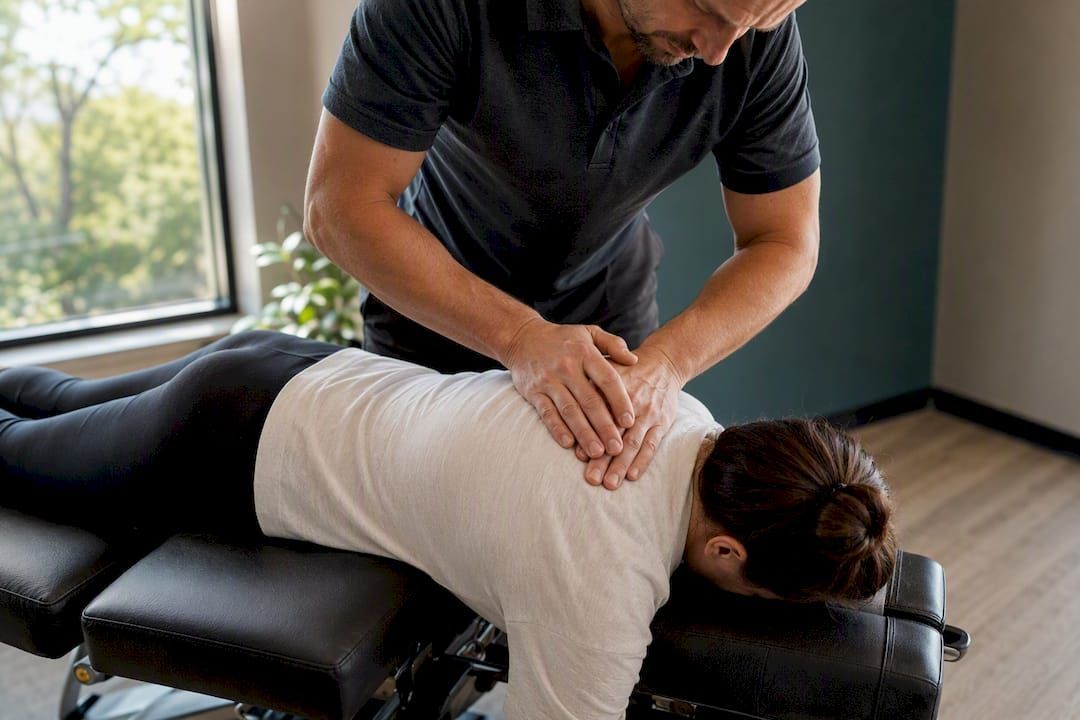
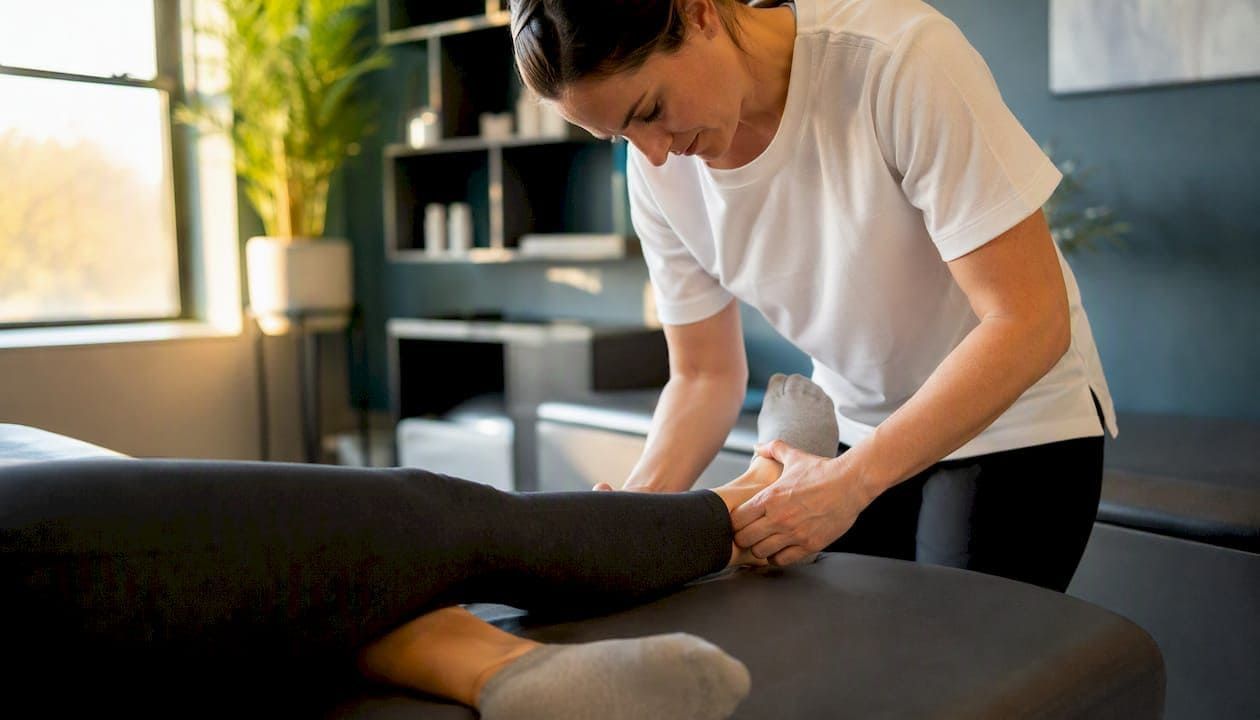
Most people assume that if a treatment isn't a pill or a procedure, it can't be that powerful. That assumption deserves a second look. Soft tissue therapy(STT) is a hands-on manual therapy that targets muscles, tendons, ligaments, and fascia to assess, treat, and manage pain and dysfunction in non-bony structures, with the goal of restoring function, mobility, and reducing pain from injuries, overuse, or chronic tension.
The scope of STT is broader than most people realize. It is not a single technique but a family of approaches. It includes:
- Instrument-Assisted Soft Tissue Mobilization (IASTM): Using specialized tools to apply targeted pressure and break down scar tissue or adhesions
- Myofascial release: Sustained pressure on restricted connective tissue to improve range of motion
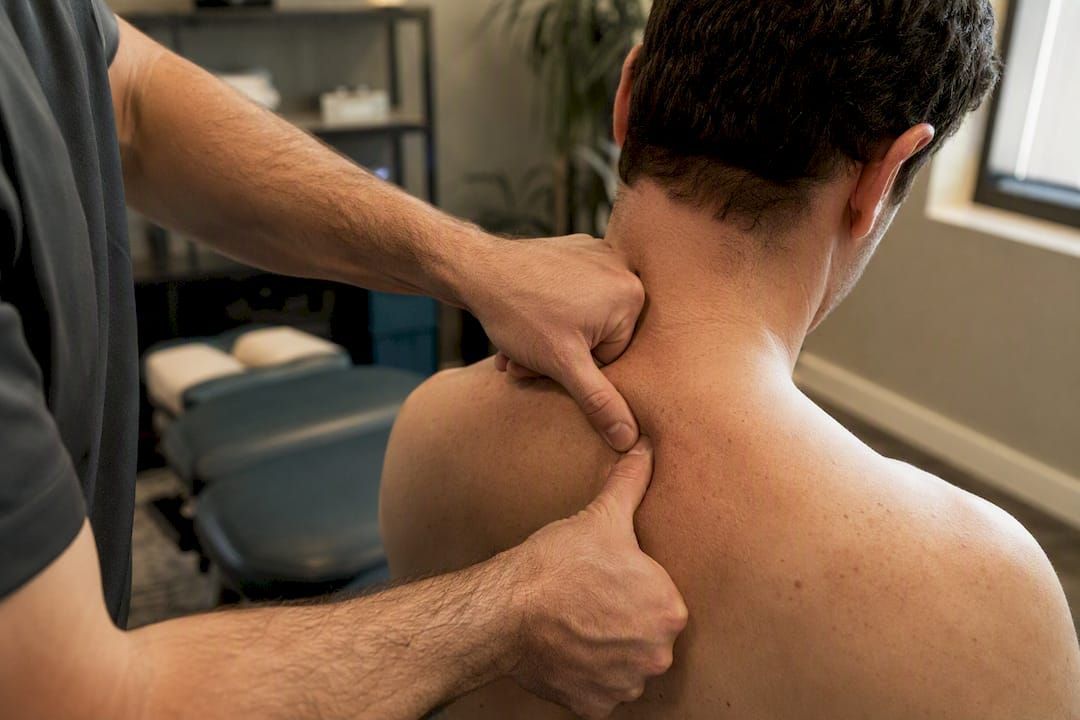
- Trigger point therapy: Focused pressure on hypersensitive muscle knots that refer pain to other areas
- Deep tissue massage: Working through superficial layers to address deeper muscle groups
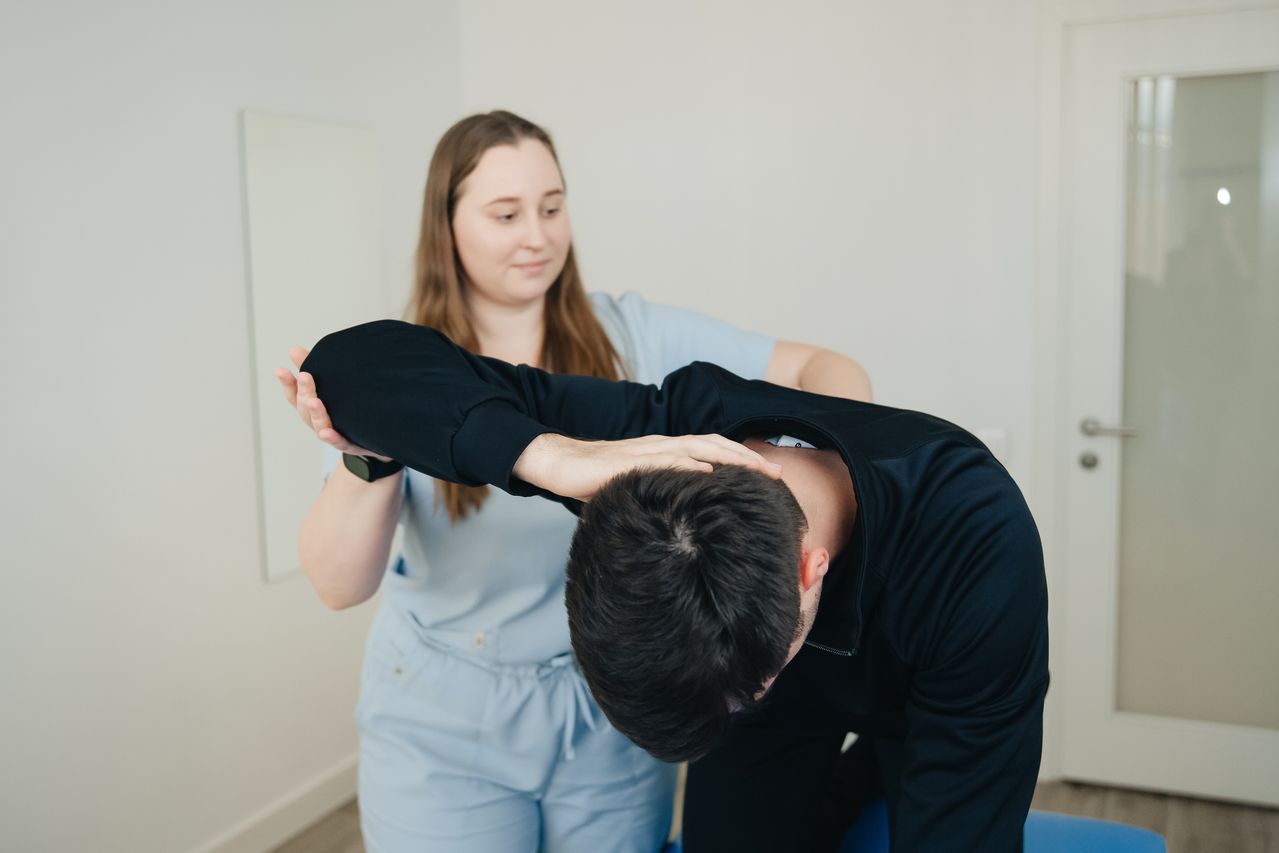
- Proprioceptive neuromuscular facilitation (PNF) stretching: Combining passive stretching and muscle contraction to improve flexibility
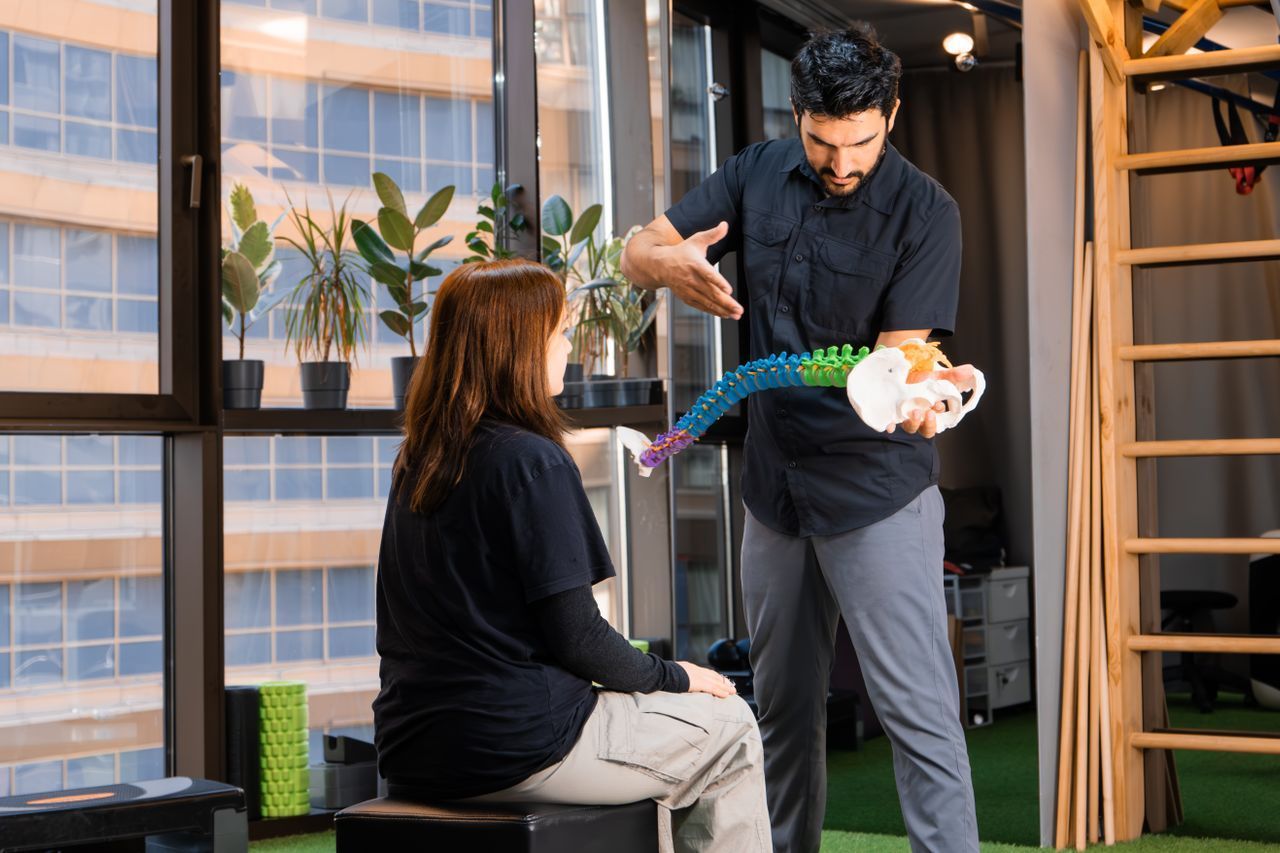
What separates STT from a standard relaxation massage is clinical intent and systematic assessment. A trained therapist will evaluate movement patterns, identify restricted tissue, and apply specific techniques to restore normal function. The goal is never just temporary comfort. It is correcting the underlying dysfunction that is causing your pain.
"Soft tissue therapy is not just symptom management. It addresses the mechanical and neurological factors that keep the body locked in a pain cycle."
This is also where STT differs from physiotherapy in its narrower sense. Physiotherapy may incorporate exercise-based rehabilitation as its primary tool, whereas STT focuses intensively on the hands-on correction of tissue restrictions before or alongside exercise. When combined with a broader manual therapy overview approach that includes spinal manipulation and rehabilitation, the outcomes can be significantly better than either approach alone.
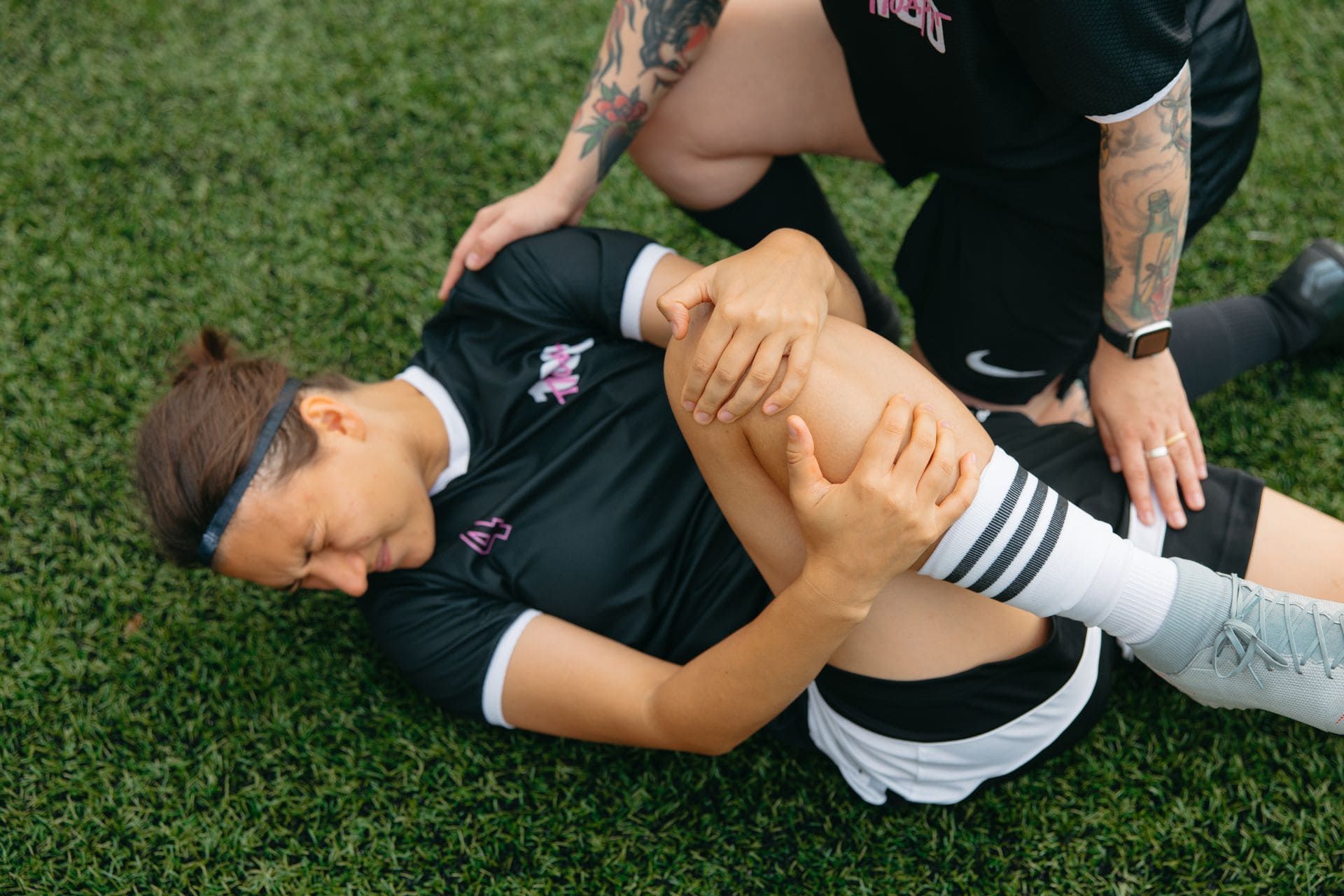
STT targets a wide range of conditions: chronic low back pain, rotator cuff injuries, IT band syndrome, plantar fasciitis, whiplash, tennis elbow, and general postural dysfunction. These are exactly the kinds of problems that often don't respond well to medication alone, especially when the root cause is in the tissue itself.
Benefits and effectiveness: What does the evidence show?
Having defined soft tissue therapy, let's see how well it actually works, because the clinical data is more nuanced than most wellness articles let on.
The most well-studied STT technique in recent research is IASTM. A current meta-analysis found that IASTM reduces pain with a standardized mean difference (SMD) of -0.84 and improves range of motion (ROM) with an SMD of 0.80, with modest but real functional gains. These numbers mean IASTM produces a clinically meaningful reduction in pain and a measurable increase in joint mobility compared to control groups.
Here's a breakdown of what the data shows for different outcomes:
| Outcome | Effect size (SMD) | Clinical significance |
|---|---|---|
| Pain reduction | -0.84 | Moderate to large effect |
| Range of motion | +0.80 | Moderate to large effect |
| Functional improvement | Modest | Statistically significant |
| Short-term relief | Strong | Consistent across studies |
| Long-term relief (standalone) | Weak | Requires exercise integration |
One randomized controlled trial (RCT) focusing on chronic low back pain (CLBP) is especially telling. Participants who received IASTM combined with physiotherapy over four weeks (12 sessions) showed significantly reduced pain (p=0.021), improved ROM (p=0.006), and reduced disability (p=0.001) compared to those who received conventional physiotherapy alone. Those aren't just statistical blips. Those are real-world improvements in how people move and feel every day.
For those dealing with back pain relief, this matters enormously. Low back pain is one of the most common reasons people in West Central Florida seek care, and it's also one of the most undertreated conditions in terms of hands-on therapy.
The key takeaway from the evidence is this: soft tissue therapy works best as a combined strategy. Adding STT to an exercise program accelerates short-term pain reduction and mobility gains more effectively than exercise alone. People who just receive STT without any active movement component tend to see results fade within weeks.
Key benefits supported by evidence:
- Reduced acute and chronic pain intensity
- Improved joint and soft tissue range of motion
- Decreased functional disability scores
- Faster return to activity after sports injuries
- Better response to rehabilitation when used as a preparatory treatment
Pro Tip: If you've been doing STT or massage therapy for months without adding any strength or mobility work, that's why your results aren't sticking. Ask your provider to pair your hands-on sessions with specific exercises tailored to your condition. The chiropractic health benefits associated with combined approaches are far more durable than passive treatment alone.
Nuances and limits: What most people miss about soft tissue therapy
Even with strong evidence, there's more to the story. Let's look at what many overlook when considering STT, because understanding its limits is just as important as understanding its strengths.
One of the most counterintuitive facts about soft tissue therapy is this: fascia, the connective tissue web that holds everything together, is tough and hard to permanently deform. The mechanical changes from a single session or even multiple sessions may be temporary. Some effects that feel profound in the treatment room are at least partially mediated by the nervous system rather than actual structural tissue change. This doesn't make STT less valuable. It does mean you need realistic expectations.
Here's where things get more complex. Not all STT techniques are equally effective for all conditions:
| Technique | Strong evidence | Weaker evidence |
|---|---|---|
| IASTM for musculoskeletal pain | Yes | N/A |
| Massage for DOMS reduction | Modest | Blood flow/edema |
| Shockwave therapy for myofascial pain | Inconsistent | Often no better than placebo |
| Trigger point dry needling | Moderate | Mechanism unclear |
| Myofascial release for chronic pain | Promising | More RCTs needed |
Research on myofascial pain insights shows that massage produces modest reductions in delayed onset muscle soreness (DOMS) after exercise, but the evidence for improving blood flow or reducing edema is inconsistent. More importantly, some popular adjunct therapies like shockwave therapy show no clear superiority over placebo in certain myofascial pain conditions. This is information your provider should be sharing with you.
There are also patient-specific risks that are often glossed over in wellness marketing. Fragile or vulnerable tissue situations require special consideration:
- Elderly adults: Reduced tissue resilience increases the risk of bruising or irritation from aggressive techniques
- Hormonal changes: Conditions like menopause can affect connective tissue integrity and pain sensitivity
- Medications: Statins and fluoroquinolones (certain antibiotics) can weaken tendon and muscle tissue, making aggressive manual therapy potentially harmful
- Inflammatory flare-ups: Active inflammation from autoimmune conditions or acute injury requires a gentler, modified approach
"The biggest mistake in soft tissue therapy isn't under-treating. It's assuming that more pressure, more sessions, or more aggressive technique always equals better results."
Pro Tip: If you have any of the above risk factors, always disclose them before your first session. A skilled therapist will adjust their technique accordingly. Pushing through discomfort when tissue fragility is present doesn't accelerate healing. It risks causing a new problem. When considering holistic pain solutions, proper screening and assessment are non-negotiable steps.
Applying soft tissue therapy: How to maximize results
With those cautions in mind, here's how you can get the most from soft tissue therapy, whether you're recovering from a sports injury or managing years of chronic pain.
1. Start with a thorough assessment. Don't begin treatment without an evaluation of your movement patterns, tissue quality, and pain behavior. Understanding the root cause of your problem determines which techniques will actually help.
2. Set short-term and long-term goals separately. Short-term pain relief from STT is reliable and well-documented, but lasting improvements require exercise integration. Know which goal you're working on at each stage of your recovery.
3. Pair every STT session with a movement component. This is the single most important step for durability. After tissue mobilization, the nervous system is more receptive to movement re-patterning. Use that window. Work with your provider to develop a simple routine you can do at home between sessions.
4. Track your benchmarks. Signs that therapy is working include reduced pain intensity within 24 to 48 hours after sessions, improved range of motion that persists between appointments, and reduced frequency of flare-ups over a four to six week period. If none of these are happening after six sessions, reassess the treatment plan.
5. Layer in strength training progressively. For sports recovery, STT alone won't rebuild the structural capacity of a tendon or muscle. The holistic approach to STT works best when it enhances circulation and triggers the body's healing cascade, but this biological process needs progressive loading to translate into durable tissue strength.
Key benchmarks to monitor:
- Pain scores (0-10 scale) tracked session to session
- Range of motion measured at the joint level
- Functional tests such as single-leg squat or overhead reach
- Sleep quality and daily activity tolerance
- Days between significant pain flare-ups
For athletes or highly active individuals in the Tampa Bay area, sports recovery strategies should always include a progression from hands-on work to active rehab. Passive treatment alone creates a dependency cycle rather than building genuine resilience.
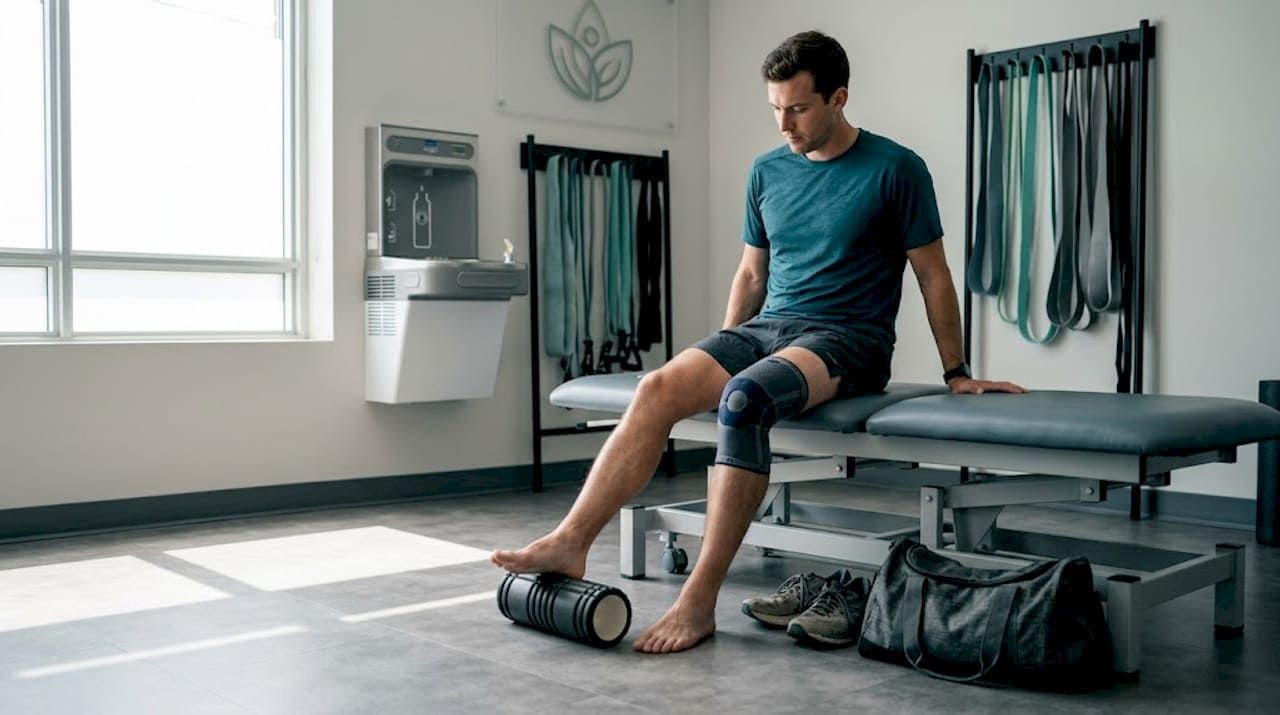
Pro Tip: Ask your provider to teach you self-myofascial release techniques with a foam roller or lacrosse ball. Between professional sessions, consistent self-care maintains the mobility gains you've worked hard to achieve and helps you stay on track with your recovery timeline. Understanding the sports injury benefits of early, proactive treatment makes the difference between a two-week recovery and a two-month one.
Our take: The uncomfortable truth about soft tissue therapy for lasting wellness
Here's where we'll say something you won't read in most pain relief articles: soft tissue therapy can be one of the most effective tools in your recovery toolkit, and it is also one of the most misused.
The uncomfortable truth is that the therapy itself rarely fixes anything permanently on its own. What it does brilliantly is create a window of opportunity. Pain decreases, tissue mobility improves, the nervous system calms down, and your body becomes more receptive to movement and loading. That window is where the real work happens, and most people waste it by going home and resting instead of using their improved range of motion to rebuild strength and pattern.
We've worked with patients who have seen six to eight different providers for the same chronic shoulder or hip issue, cycling through massage therapy, STT, and chiropractic adjustments without lasting improvement, simply because no one connected the hands-on treatment to an active rehab program. The therapy felt good. It provided temporary relief. But nothing changed structurally because the movement component was never added.
The other truth is about edge cases. We see patients every week who have fragile tissue from medications, age, or systemic conditions, and who received aggressive manual therapy elsewhere without proper screening. This is not just ineffective. It can set recovery back significantly. Proper assessment isn't a formality. It's the foundation that determines whether treatment helps or harms.
Lasting wellness looks like this: a few sessions of skilled STT to reduce pain and restore mobility, paired immediately with guided active rehabilitation and progressive strength work, supported by ongoing monitoring and adjustment of the plan. That's not a quick fix. But it's the only approach that actually holds. Explore the lasting wellness approach that integrates all of these elements rather than treating them as separate options.
Explore expert pain relief and holistic recovery options
If you're dealing with chronic pain, a nagging sports injury, or soft tissue dysfunction that hasn't responded to other treatments, the right combination of hands-on therapy and active rehabilitation can change your trajectory significantly.
At Essential ChiroCare, our clinics across Tampa, Brandon, Sarasota, Lakeland, and Pinellas Park offer specialized manual therapy services alongside physical rehab services designed to address the root causes of your pain, not just the symptoms. Our doctors bring sports team backgrounds and clinical experience in soft tissue therapy, chiropractic care, and injury rehabilitation. Whether you're recovering from a sports injury or managing years of chronic pain, personalized assessment and evidence-based care through our chiropractic pain relief programs give you the best foundation for lasting recovery. Schedule online and take the first step toward real, durable relief.
Frequently asked questions
Is soft tissue therapy safe for older adults or those on certain medications?
Soft tissue therapy is safe when carefully tailored and monitored, but practitioners must avoid aggressive techniques for those with fragile tissues, hormonal changes, or medications like statins or fluoroquinolones that weaken connective tissue. Always disclose your full medical history before starting treatment.
How long does pain relief from soft tissue therapy last?
Short-term pain relief is reliably produced by STT, but durable improvement requires exercise integration alongside hands-on treatment. Patients who combine manual therapy with active rehab consistently maintain better results over months compared to those who rely on passive treatment alone.
Does soft tissue therapy treat sports injuries faster than other methods?
Adding STT to an exercise program accelerates short-term recovery for sports injuries with meaningful improvements in pain and range of motion. However, some adjunct therapies like shockwave show inconsistent results versus placebo, so the specific technique and condition matter greatly.
Can soft tissue therapy help with chronic low back pain?
Yes. A clinical trial showed that IASTM combined with physiotherapy over four weeks produced significant reductions in pain, improved mobility, and lower disability scores compared to physiotherapy alone, making it a strong evidence-backed option for chronic low back pain management.
Recommended