

Neck Pain Management List: 10 Proven Relief Strategies

Essential ChiroCare Blogger • June 28, 2026

Neck Pain Management List: 10 Proven Relief Strategies

TL;DR:

  • Managing neck pain involves combining medications, therapies, exercises, and lifestyle changes to promote healing and prevent recurrence. Most mild cases resolve within weeks with active self-care, and early intervention with proper techniques speeds recovery. Persistent or severe symptoms require professional evaluation to rule out serious conditions.

Neck pain management is the structured use of medications, physical therapies, exercises, and lifestyle adjustments to reduce cervical discomfort, restore mobility, and prevent recurrence. About 15% of adults experience neck pain at any given time, making it one of the most common musculoskeletal complaints in primary care. The good news is that most mild to moderate cases resolve within two to three weeks with the right combination of self-care and targeted treatment. This neck pain management list covers every major strategy, from over-the-counter medications to chiropractic care, so you can act fast and recover smarter.

neck pain management

1. Over-the-counter medications for fast neck pain relief

NSAIDs like ibuprofen and naproxen are the first-line medication choice for neck pain because they reduce both pain and inflammation simultaneously. Acetaminophen is a useful alternative when inflammation is not the primary driver, though it carries no anti-inflammatory benefit. Both options are widely available, but NSAIDs should not be used for more than 10 consecutive days without consulting a healthcare provider. Prolonged use raises the risk of gastrointestinal issues, kidney strain, and cardiovascular complications.

  • Take ibuprofen (200 to 400 mg) or naproxen with food to protect the stomach lining
  • Use acetaminophen if you have a history of ulcers or are sensitive to NSAIDs
  • Never exceed the label dosage, and avoid combining multiple OTC pain relievers
  • For severe or persistent pain, a doctor may prescribe muscle relaxants or short-term oral steroids

Pro Tip: If OTC medications stop working after a few days, that is a signal to seek professional evaluation rather than increase the dose.

2. Cold therapy during the first 48 hours

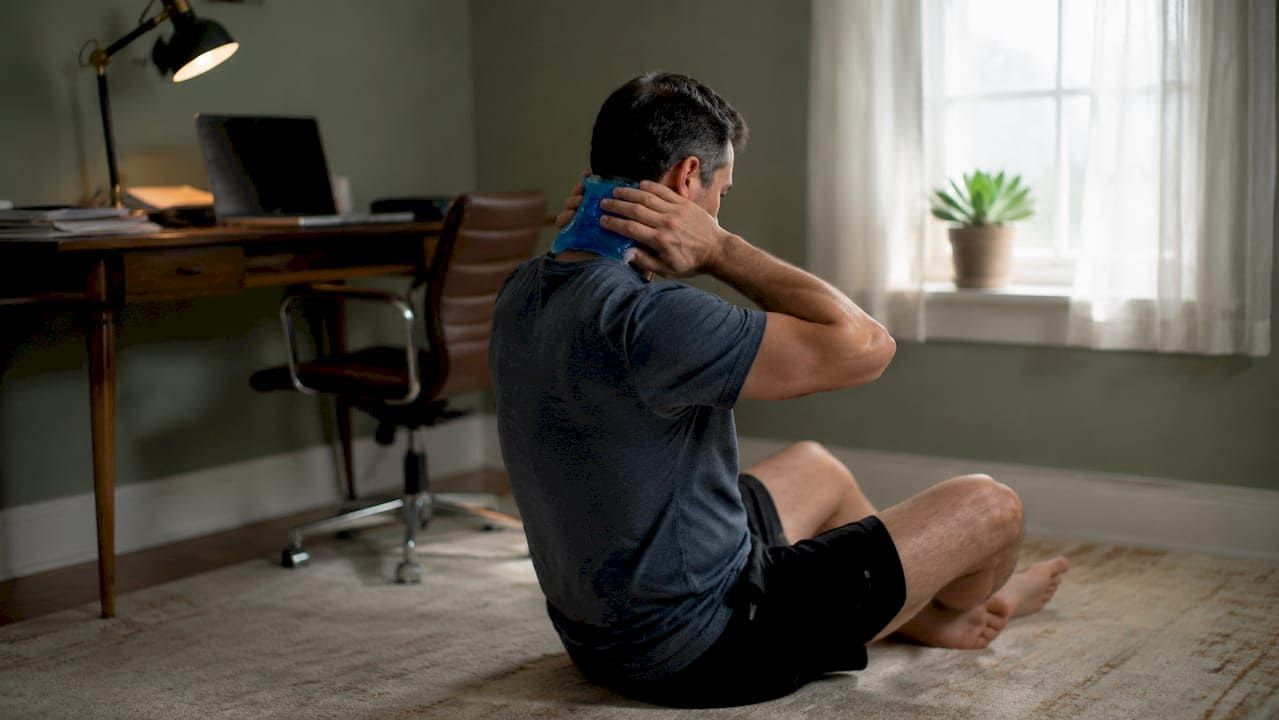
Cold therapy is the correct first response to acute neck pain because it constricts blood vessels and limits the inflammatory response at the injury site. Apply ice packs for up to 15 minutes at a time during the first 48 hours, always with a thin towel between the pack and your skin to prevent frostbite. Repeat every two to three hours as needed. Skipping this step and jumping straight to heat during the acute phase can worsen swelling and delay recovery.

3. Heat therapy after the acute phase passes

Once the first 48 hours have passed, moist heat becomes the preferred tool because it relaxes tight muscles and increases circulation to the affected area. A warm shower, a microwavable heat pack, or a moist heating pad all work well. Dry heat from standard electric pads is less effective than moist heat for muscle relaxation. Limit sessions to 15 to 20 minutes and avoid falling asleep with a heating pad in place.

Pro Tip: A warm shower directed at the back of the neck for five minutes in the morning is one of the simplest and most underused home remedies for neck pain, especially for morning stiffness.

4. Topical pain relief products

Topical gels, creams, and patches containing ingredients like diclofenac, menthol, or lidocaine deliver localized relief without the systemic side effects of oral medications. Products like Voltaren Arthritis Pain Gel (diclofenac 1%) and Biofreeze are widely available and clinically supported for musculoskeletal pain. Topical patches should not be worn for more than 12 hours at a time. These work best as an adjunct to other neck pain relief strategies rather than as a standalone treatment.

5. Gentle neck stretches and a structured exercise routine

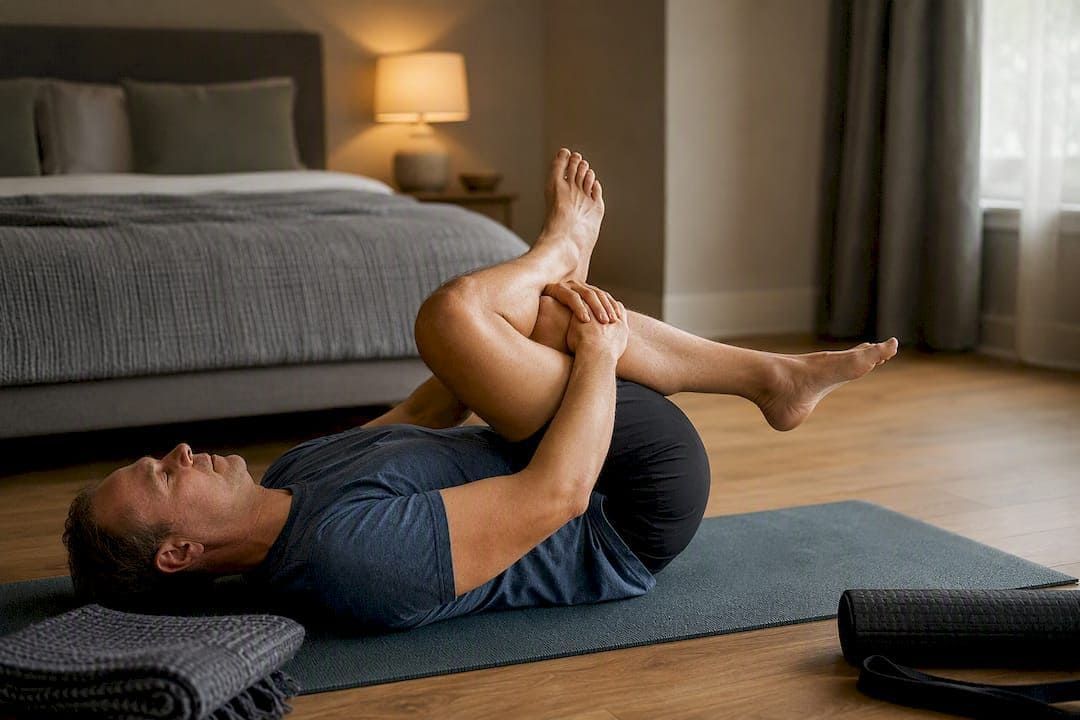
Staying active is clinically preferred over rest. Keeping the neck moving accelerates recovery, while prolonged immobilization delays healing and weakens supporting muscles. A basic neck pain exercise routine includes chin tucks, side-to-side neck tilts, and shoulder rolls performed slowly and within a pain-free range.

Here is a simple starting routine:

  • Chin tucks: Pull your chin straight back (not down) to create a "double chin." Hold for five seconds. Repeat 10 times.
  • Lateral neck tilt: Slowly tilt your right ear toward your right shoulder. Hold 20 to 30 seconds. Repeat on the left.
  • Shoulder rolls: Roll both shoulders backward in slow, full circles. Perform 10 repetitions.
  • Neck rotation: Slowly turn your head left and right to the point of mild tension, not pain. Hold three seconds each side.

Perform this sequence twice daily. Stop any movement that produces sharp or radiating pain and consult a provider before continuing.

6. Posture correction and ergonomic adjustments

Poor posture is the most common root cause of recurring neck pain, particularly for people who spend hours at a desk or looking at a phone. Correcting ergonomic setups and practicing posture exercises contribute significantly to reducing neck pain and stiffness. Your monitor should sit at eye level, your chair should support the natural curve of your lower back, and your keyboard should allow your elbows to rest at roughly 90 degrees.

For phone use, hold the device at eye level rather than looking down. This single change reduces the load on cervical vertebrae substantially. Improving your shoulder and neck alignment is one of the highest-return investments you can make for long-term neck health.

Pro Tip: Set a phone alarm every 45 minutes as a posture check reminder. Glance at your screen position, relax your shoulders, and perform two chin tucks before returning to work.

7. Physical therapy for strength and mobility

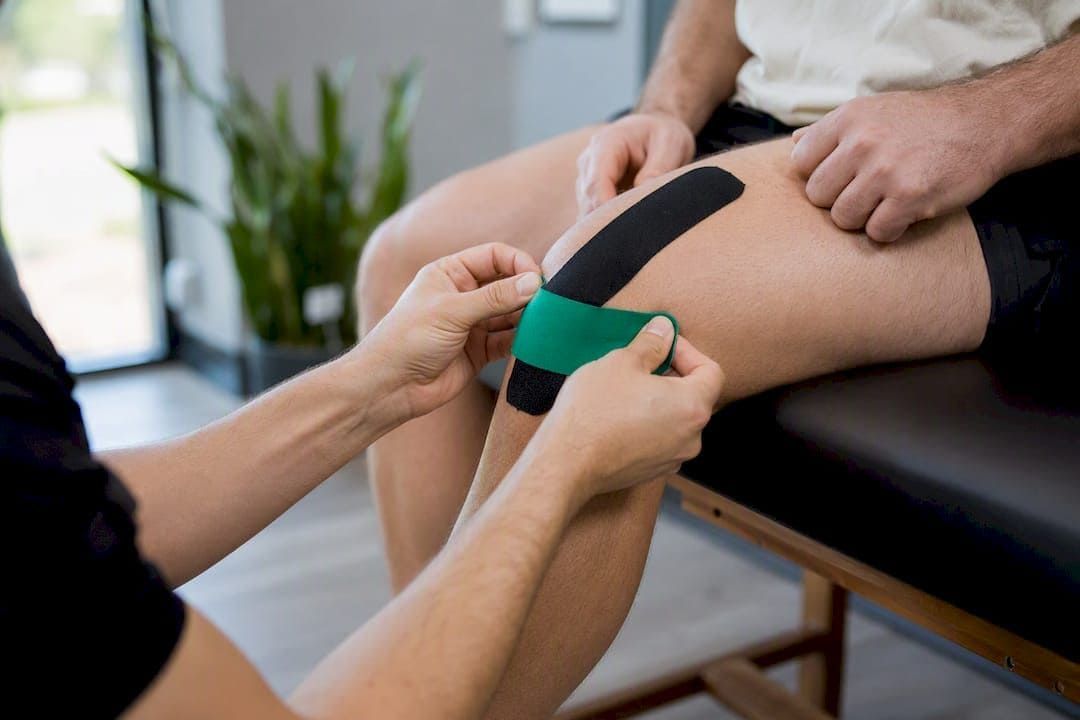
Physical therapy is the gold standard for chronic neck pain solutions because it addresses the underlying muscular imbalances and movement dysfunctions that passive treatments cannot fix. A licensed physical therapist designs a personalized neck pain rehabilitation program that typically includes manual mobilization, targeted strengthening exercises, and postural retraining. Sessions usually run four to eight weeks depending on severity. Physical rehab services that combine active exercise with hands-on treatment consistently outperform passive approaches like massage alone.

how to manage neck pain

8. Chiropractic care and manual therapy

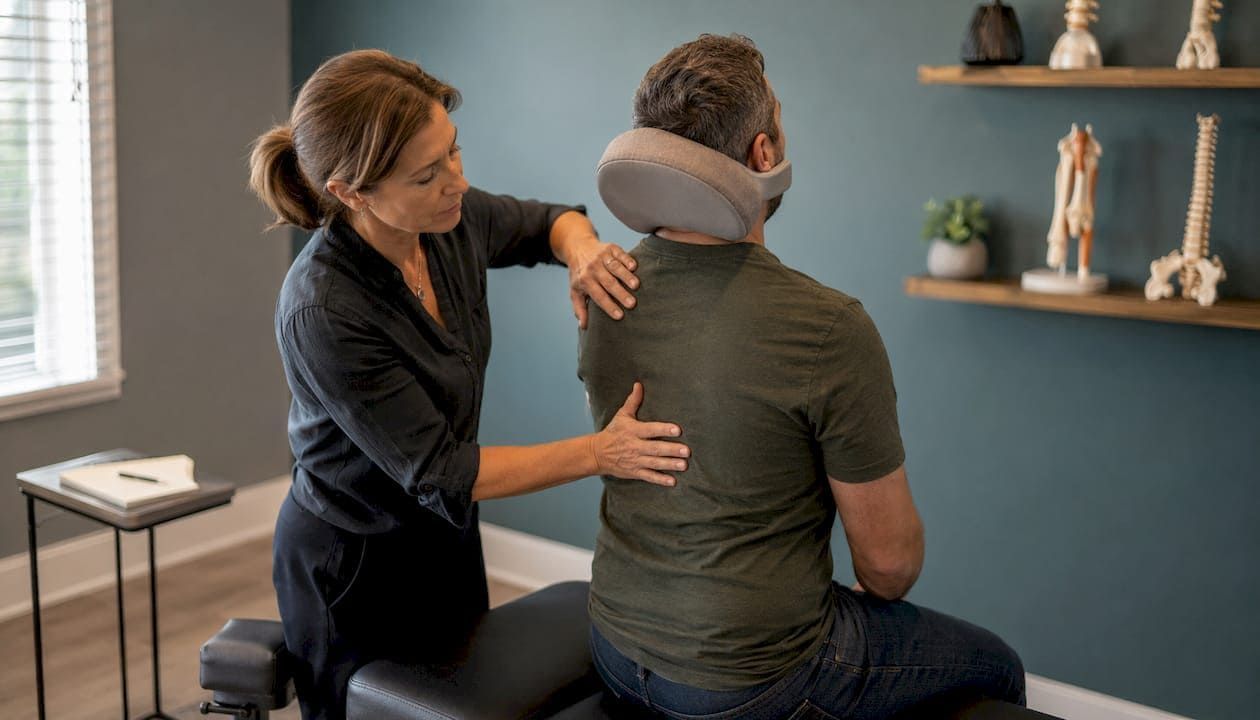
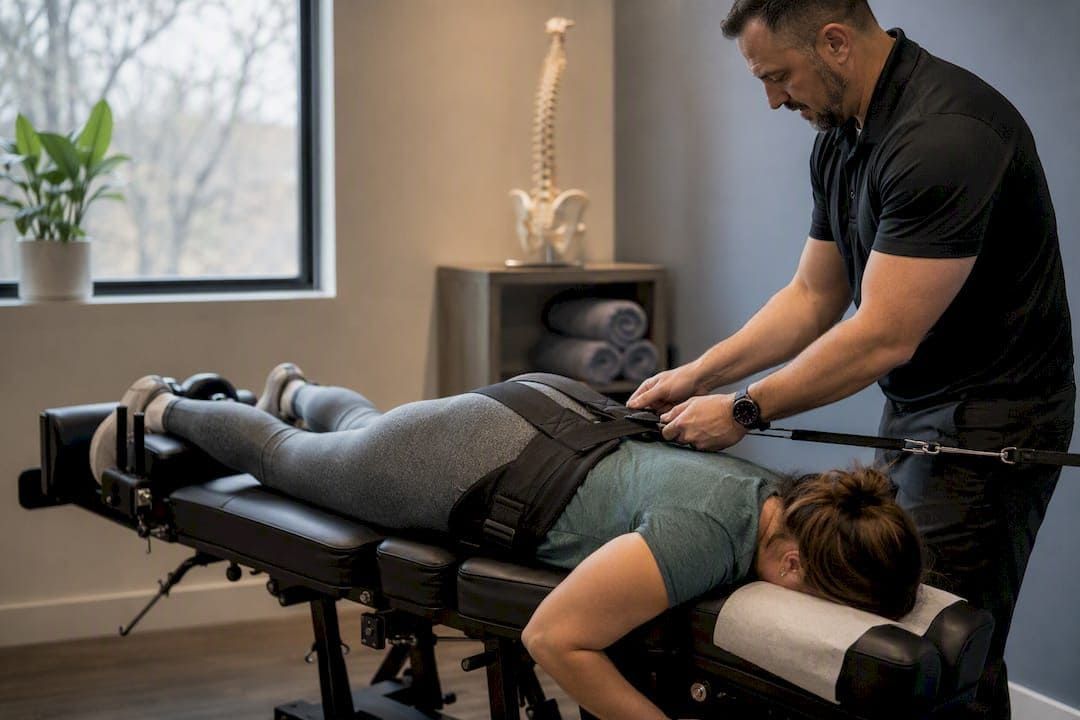
Chiropractic care is one of the best neck pain treatments for cervicogenic pain, joint restriction, and postural dysfunction. The key distinction is technique. High-velocity neck adjustments carry a rare but real risk of arterial compression, while gentle, low-force mobilizations deliver comparable relief with a significantly better safety profile. Always discuss technique preferences with your chiropractor before treatment begins.

Treatment type Best for Risk level
Low-force chiropractic mobilization Joint stiffness, postural dysfunction Low
High-velocity adjustment Acute joint restriction (use with caution) Moderate
Manual therapy (soft tissue) Muscle tension, trigger points Very low
Physical therapy exercise Chronic weakness, rehabilitation Very low
TENS therapy Acute pain modulation Low

Expert manual therapy combined with a structured home exercise program produces better long-term outcomes than either approach used alone.

Pro Tip: Ask your chiropractor specifically about cervical mobilization rather than manipulation if you have any history of vascular conditions, dizziness, or prior neck injury.

9. Lifestyle habits that prevent neck pain from returning

Long-term neck pain management focuses on correcting root causes like poor posture and building movement into daily routines, not on passive treatments alone. Sleep position matters more than most people realize. Sleeping on your back or side with a cervical support pillow keeps the spine in a neutral position. Stomach sleeping forces the neck into prolonged rotation and is the worst position for cervical health.

Stress management also plays a direct role. Chronic stress increases muscle tension in the neck and upper trapezius, which compounds mechanical pain. Practices like yoga, diaphragmatic breathing, and mindfulness-based stress reduction (MBSR) have documented benefits for musculoskeletal pain. One common mistake to avoid: wearing a soft neck collar for more than three hours at a time or longer than one to two weeks, as it weakens the very muscles needed for recovery.

10. When to seek professional medical evaluation

Some neck pain symptoms require immediate attention rather than home management. Stiff neck combined with fever, confusion, or nausea is a potential sign of meningitis and warrants an emergency room visit, not a wait-and-see approach.

Seek professional evaluation promptly if you experience any of the following:

  • Radiating pain, numbness, or tingling down one or both arms
  • Muscle weakness in the hands or arms
  • Loss of bladder or bowel control
  • Neck pain following a car accident, fall, or direct trauma
  • Pain that is worsening despite two weeks of consistent self-care
  • No meaningful improvement after eight weeks of treatment

These symptoms may indicate nerve compression, herniated discs, or arterial involvement. A provider can order imaging like MRI or X-ray to rule out structural causes and guide the next phase of care.

Key takeaways

Effective neck pain management requires combining active movement, targeted therapies, and root-cause corrections rather than relying on any single passive treatment.

Point Details
Start with cold, then switch to heat Use ice for the first 48 hours, then transition to moist heat for muscle relaxation.
Keep moving Active movement and gentle stretching accelerate recovery faster than rest or immobilization.
Fix posture at the source Ergonomic corrections and posture exercises address the most common driver of recurring neck pain.
Choose safe chiropractic techniques Low-force mobilization delivers relief with a much lower risk profile than high-velocity adjustments.
Know your red flags Fever with neck stiffness, arm weakness, or trauma-related pain require immediate professional evaluation.

What I've learned from watching patients manage neck pain

Most people who struggle with recurring neck pain share one pattern: they treat the symptom and ignore the system. They reach for ibuprofen when the pain spikes, apply heat when it flares, and then return to the same desk setup, the same sleep position, and the same stress levels that created the problem in the first place.

The patients who recover fully and stay recovered are the ones who treat neck pain as a signal, not just a sensation. They use the acute phase to address posture, build a movement habit, and get a professional assessment of what is actually driving the pain. A holistic approach to neck pain that combines active care with root-cause correction consistently outperforms any single intervention.

One thing I push back on is the overuse of immobilization. Collars, extended rest, and avoiding all neck movement feel protective but actually slow recovery. The research is clear: movement heals. The goal is controlled, progressive movement within a pain-free range, not avoidance.

My honest advice is to start the exercise routine on day one, get your workstation assessed within the first week, and consult a professional if you are not improving by week two. Waiting eight weeks to seek help is too long when early intervention consistently produces better outcomes.

Ready to get real relief for your neck pain?

If self-care strategies are not moving the needle, professional chiropractic care may be the missing piece. Essentialchirocare provides personalized, evidence-based treatment for neck pain across Tampa, Brandon, Sarasota, Lakeland, and Pinellas Park. The clinical team uses low-force mobilization, manual therapy, and targeted rehabilitation to address the root cause of your pain, not just the symptoms.

Whether your neck pain is acute, chronic, or related to a recent injury, Essentialchirocare's doctors build a treatment plan around your specific condition and goals. Explore expert chiropractic care and schedule your first appointment online today.

FAQ

  • How long does neck pain typically take to resolve?

    Most mild to moderate neck pain improves within two to three weeks with consistent self-care. If there is no meaningful improvement after eight weeks, professional evaluation is recommended.

  • Is heat or ice better for neck pain?

    Ice is better during the first 48 hours to control inflammation, while moist heat is more effective after that period to relax muscles and improve circulation. Using heat too early can worsen acute swelling.

  • What exercises help with neck pain recovery?

    Chin tucks, lateral neck tilts, shoulder rolls, and gentle neck rotations form the core of a basic neck pain exercise routine. Perform each movement slowly, within a pain-free range, twice daily.

  • Are chiropractic adjustments safe for neck pain?

    Gentle, low-force chiropractic mobilization is safe and effective for most neck pain cases. High-velocity adjustments carry a small but real risk of arterial compression, so low-force techniques are the preferred option.

  • When should neck pain be treated as an emergency?

    Neck stiffness combined with fever, confusion, or nausea may indicate meningitis and requires immediate emergency care. Radiating arm pain, numbness, or loss of bladder control also warrant urgent medical evaluation.

Recommended

tendonitis in athletes
By Essential ChiroCare Blogger June 29, 2026
Discover tendonitis in athletes: explained. Learn causes, symptoms, and effective recovery strategies to enhance your performance and prevent setbacks.
how to recover from a concussion
By Essential ChiroCare Blogger June 27, 2026
Explore concussion management explained in this essential recovery guide. Learn how modern protocols can accelerate your healing journey!
physical rehabilitation guide
By Essential ChiroCare Blogger June 26, 2026
Unlock your recovery potential with our guide on understanding physical rehabilitation. Learn how to engage in your healing process today!
why is posture important for health
By Essential ChiroCare Blogger June 25, 2026
Discover why posture matters for your health and longevity. Learn how aligning your body can enhance well-being, reduce pain, and promote longevity.
how to monitor pain signals
By Essential ChiroCare Blogger June 24, 2026
Discover how to monitor pain signals effectively for better relief. Transform your pain management with practical tools and techniques!
personalized treatment plans
By Essential ChiroCare Blogger June 23, 2026
Discover why personalized treatment plans deliver better pain relief by targeting individual needs, improving outcomes, and enhancing wellness.
common car accident injuries
By Essential ChiroCare Blogger June 22, 2026
Explore the different types of auto injuries, their symptoms, and effective treatment options to ensure a smooth recovery after an accident.
does flexibility prevent injuries
By Essential ChiroCare Blogger June 21, 2026
Discover why flexibility reduces injury and learn how it fits into a comprehensive strategy for safer, more effective movement. Read more!
best sleeping position for hip pain
By Essential ChiroCare Blogger June 20, 2026
Use simple changes to ease soreness, improve rest, and know when to see a hip pain chiropractor in Tampa for extra support at night. Read on!
spine adjustment Lakeland FL
By Essential ChiroCare Blogger June 19, 2026
Learn what to expect from a summer spine adjustment and how a spine adjustment chiropractor in Tampa can help ease tension during Florida’s hottest months.
Show More