
How to Sleep With Back Pain: Positions That Work

Essential ChiroCare Blogger • July 1, 2026

How to Sleep With Back Pain: Positions That Work

TL;DR:

  • Adjusting sleep posture, pillow placement, and establishing a calming pre-bed routine can help manage back pain during sleep. Side-lying with a pillow between the knees and back sleeping with a pillow under the knees are optimal positions to reduce spinal stress. Proper mattress and pillow choices, combined with sleep hygiene practices and cognitive therapy for insomnia, improve sleep quality and significantly alleviate back pain.

Sleeping with back pain is manageable when you adjust your sleep posture, support your spine with the right pillow placement, and build a calming pre-bed routine. Spinal alignment during rest is the single most important factor in reducing nighttime discomfort. The right combination of position, mattress support, and sleep habits can break the cycle of pain disrupting sleep and poor sleep worsening pain. This guide covers every layer of that equation, from where to put your pillow to what research from the Sleep Foundation and Harvard Health reveals about how pain behaves at night.

how to sleep with back pain

What are the best sleeping positions for back pain?

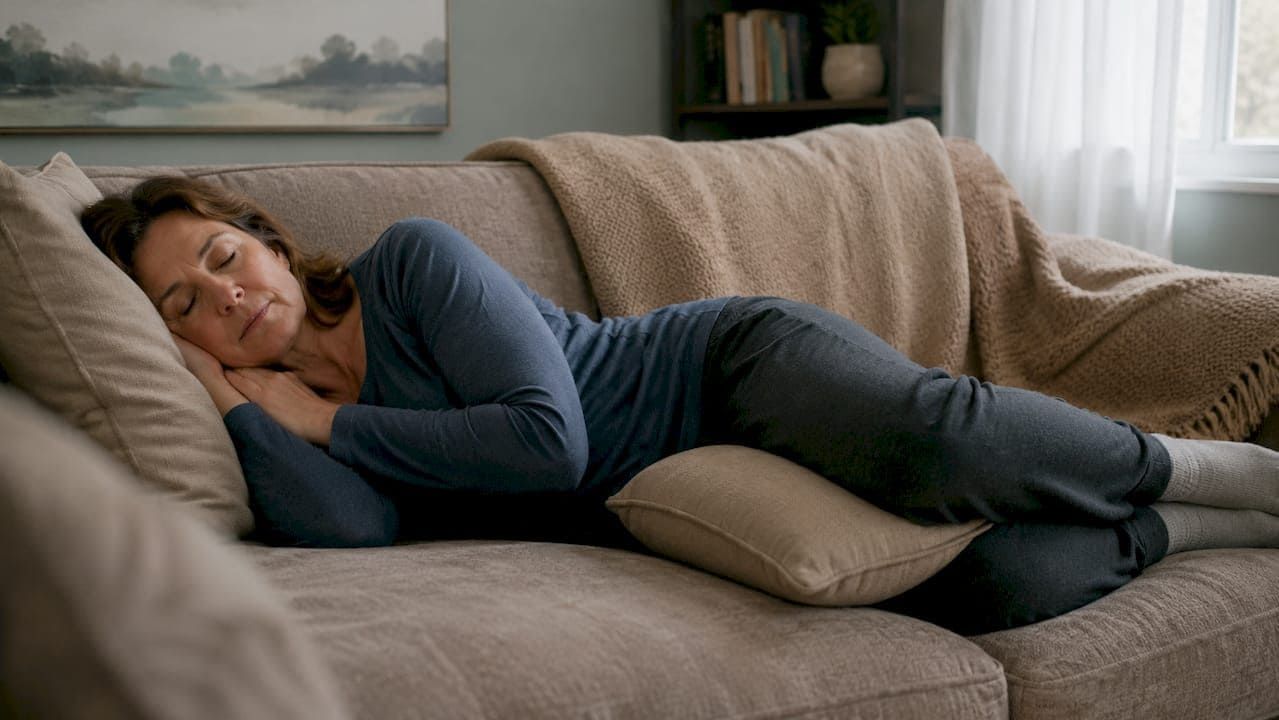
The best sleeping positions for back pain are side-lying with a pillow between your knees and back sleeping with a pillow under your knees. Both positions reduce rotational stress on the spine and keep your pelvis in a neutral alignment. Side-lying with a pillow between knees is the most consistently well-tolerated position for adults with back pain. That single prop prevents your top leg from pulling your pelvis forward and twisting your lumbar spine while you sleep.

Back sleeping: the neutral spine position

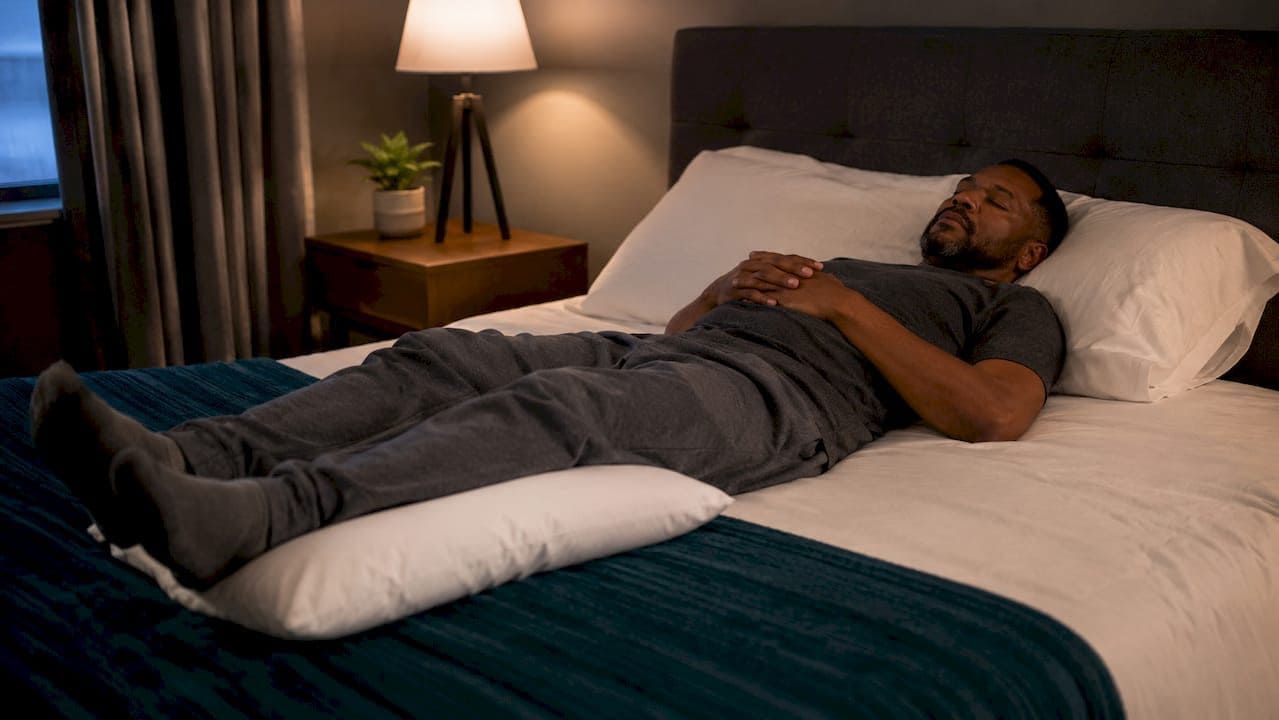
Back sleeping places your spine in its most natural position. Placing a pillow under your knees while lying on your back reduces the arch in your lower back and takes pressure off the lumbar discs. This position is what physical therapists call a "neutral spine" posture, meaning the natural curves of your neck, mid-back, and lower back are all supported without strain. One important caveat: back sleeping may worsen sleep apnea symptoms for some people. If you snore heavily or have been diagnosed with sleep apnea, side sleeping is the safer default.

Why stomach sleeping makes back pain worse

Stomach sleeping forces your neck into a sharp rotation and flattens the natural curve of your lower back. This position creates sustained compression across the lumbar vertebrae for hours at a time. Most physiotherapists and chiropractors advise against it for anyone with existing back pain. If you are a habitual stomach sleeper, placing a thin pillow under your pelvis can reduce lumbar strain while you work on transitioning to a different position.

Pro Tip: If you wake up on your stomach despite trying to change positions, place a body pillow along your side before bed. It creates a physical barrier that discourages rolling over during the night.

Pillow placement and pelvic tilt

Small adjustments in pillow placement dramatically influence pelvic tilt and spinal alignment during sleep. Moving a pillow just a few inches higher or lower between your knees changes the angle of your hip joint and the tension in your lower back muscles. This is one of the fastest, lowest-cost adjustments you can make tonight without waiting for a new mattress. No single position suits everyone, so individual pain response should guide your final choice.

Does your mattress or pillow actually matter?

Mattress and pillow selection directly affect spinal alignment and pressure distribution during sleep. The right setup prevents your midsection from sinking, which is the primary cause of the "hammock effect" that strains the lower back on softer mattresses.

What to look for in a mattress

Proper spinal alignment matters more than firmness alone when choosing a mattress for back pain. A mattress that is too soft allows your hips to sink below your shoulders, creating a lateral curve in your spine. A mattress that is too firm creates pressure points at the hips and shoulders, particularly for side sleepers. The Sleep Foundation recommends mattresses with zoned support, meaning firmer support under the hips and softer cushioning at the shoulders, to reduce both hip and shoulder discomfort for back pain sufferers.

The table below summarizes how mattress type and pillow setup interact with common sleep positions:

Sleep Position Mattress Firmness Pillow Setup
Side sleeping Medium to medium-soft Firm pillow between knees; supportive head pillow
Back sleeping Medium-firm Pillow under knees; medium-loft head pillow
Stomach sleeping Firm Thin pillow under pelvis; flat head pillow

Pillow recommendations for back pain

Pillow height and firmness affect more than just your neck. A pillow that is too thick pushes your head forward and creates tension that travels down into your upper and mid-back. For side sleepers, a firmer, higher pillow fills the gap between your ear and the mattress. For back sleepers, a medium-loft pillow keeps your head level with your spine. For the knee pillow, a standard bed pillow folded in half works well, though purpose-built knee pillows from brands like Cushy Form or Coop Home Goods offer more consistent support.

Pro Tip: Before investing in a new mattress, spend two weeks experimenting with pillow placement only. Many people find that fine-tuning pillow position delivers immediate relief without any major purchase.

What pre-bed routines reduce nighttime back pain?

A consistent pre-bed routine reduces the nervous system's sensitivity to pain and prepares your body for restorative sleep. Lower back pain worsens at night due to reduced movement and changes in pain perception, but a structured wind-down routine directly counters this effect.

Here is a practical routine to follow in the 60 minutes before bed:

  1. Set a consistent sleep and wake time. Your body's circadian rhythm regulates pain sensitivity. Irregular schedules disrupt that rhythm and increase nighttime discomfort.
  2. Dim lights and avoid screens. Blue light from phones, tablets, and televisions suppresses melatonin production and keeps your nervous system alert. Stop screen use at least 60 minutes before sleep.
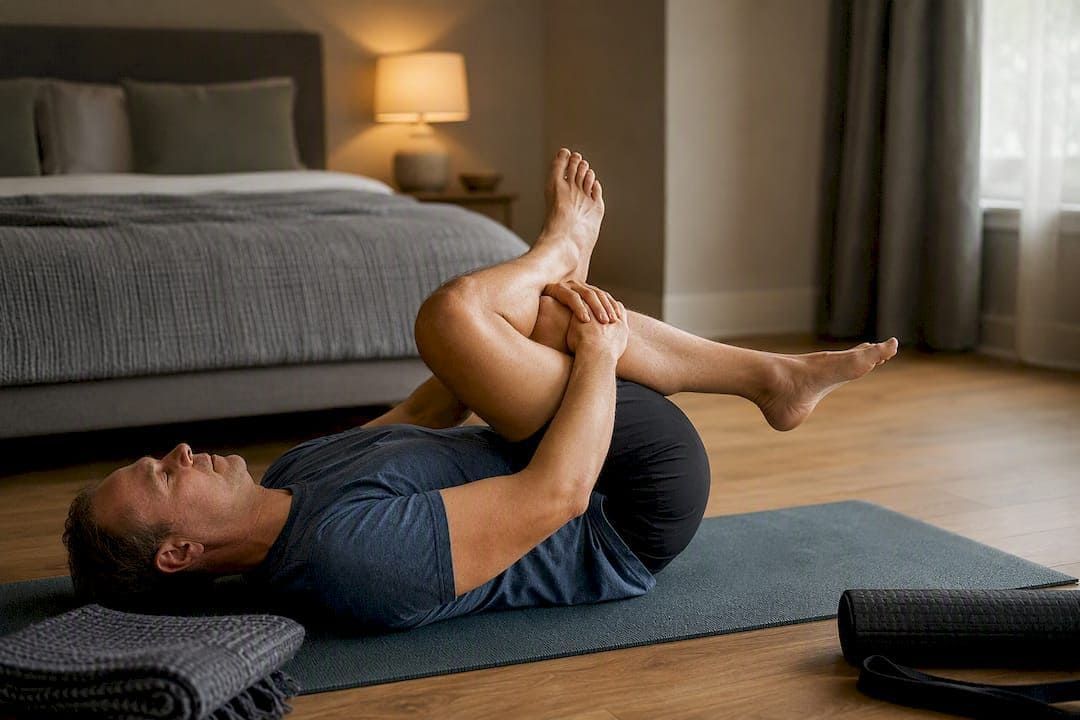
  3. Do gentle spinal stretches. A simple knee-to-chest stretch held for 30 seconds on each side releases tension in the lumbar muscles. Physical therapy exercises like cat-cow and child's pose are also effective before bed.
  4. Practice paced breathing. Deep breathing exercises that count the inhale and exhale shift your focus away from pain and activate the parasympathetic nervous system. Try inhaling for four counts, holding for two, and exhaling for six.
  5. Keep your bedroom cool and dark. A room temperature between 65°F and 68°F supports deeper sleep stages, during which your body does most of its tissue repair.

What to do when pain wakes you at night

Waking up with worsened pain at 2 or 3 a.m. is common among chronic pain patients. Nighttime awakening with increased pain often reflects heightened pain sensitivity caused by sleep disruption itself, not a new injury. The worst response is to lie in bed frustrated, which reinforces the association between your bed and wakefulness. Instead, get up, move to a dim room, and do a quiet activity like reading a physical book for 15–20 minutes. Return to bed only when you feel drowsy. This approach is a core principle of cognitive behavioral therapy for insomnia, known as CBT-I.

Pro Tip: Keep a pain relief routine written on a notecard on your nightstand. When pain wakes you, having a clear plan prevents the anxiety spiral that makes pain feel worse.

How do sleep and back pain affect each other?

Sleep and back pain have a bidirectional relationship, meaning each one directly affects the other in both directions. Better sleep quality predicts less nighttime pain, and less nighttime pain predicts better sleep the following night. A 2026 daily diary and actigraphy study confirmed this cycle in adults with chronic pain. The practical implication is clear: improving sleep quality is itself a pain management strategy, not just a comfort goal.

Why pain feels worse at night

Nighttime is a challenging period for chronic pain patients because hormonal fluctuations lower the pain threshold during sleep hours. Cortisol, which has natural anti-inflammatory properties, drops to its lowest levels at night. At the same time, the absence of daytime distractions means your brain devotes more attention to pain signals. This is not imagined. It is a measurable physiological shift.

The role of cbt-i in breaking the cycle

Cognitive behavioral therapy for insomnia (CBT-I) is the first-line treatment for chronic insomnia, recommended above sleep medications by most clinical guidelines. CBT-I uses stimulus control and sleep restriction therapy to rebuild healthy sleep associations and consolidate sleep architecture. For back pain patients, CBT-I is particularly valuable because it addresses the anxiety and hyperarousal that pain creates around bedtime. Treating sleep and pain together produces better outcomes than addressing either one in isolation.

best sleeping position for back pain

Key takeaways

The most effective way to sleep with back pain combines the right sleeping position, targeted pillow support, a consistent pre-bed routine, and an understanding of how pain and sleep reinforce each other.

Point Details
Best sleeping position Side-lying with a pillow between knees reduces spinal rotation and pelvic strain.
Pillow placement first Adjusting pillow height and position delivers immediate relief before any mattress change.
Pre-bed routine matters Consistent sleep timing, gentle stretches, and paced breathing reduce nighttime pain disruption.
Sleep and pain are linked Improving sleep quality directly lowers pain severity the following night.
CBT-I for chronic cases Cognitive behavioral therapy for insomnia is the first-line treatment when pain and sleeplessness compound each other.

What i've learned from watching people fix their sleep posture

Most people who come in with chronic back pain have never been told something simple: their pillow is the problem. Not their mattress, not their diagnosis, not their age. A pillow sitting too high, too low, or in the wrong place entirely. I have seen patients spend thousands on new mattresses while sleeping with a pillow that tilts their pelvis out of alignment every single night.

The other thing I have noticed is that people want a single correct answer. They want to be told "sleep on your left side" and have that fix everything. The reality is that no single position suits everyone. Your body shape, your specific pain pattern, and whether you have any airway issues all factor in. The best approach is to pick one position, commit to it for two weeks, and track whether your morning pain improves. That is real data about your body.

One more thing worth saying directly: if you have been told you snore or if you stop breathing during sleep, get evaluated for sleep apnea before committing to back sleeping. Back sleeping can worsen airway obstruction in people with sleep apnea, and no amount of pillow adjustment fixes that. A professional evaluation from a chiropractor or sleep specialist gives you a complete picture. You can also explore natural back pain relief strategies that complement better sleep habits for a more complete approach to recovery.

How Essentialchirocare can help you sleep without pain

If position adjustments and better sleep habits are not enough to get you through the night, the underlying cause of your back pain likely needs direct treatment.

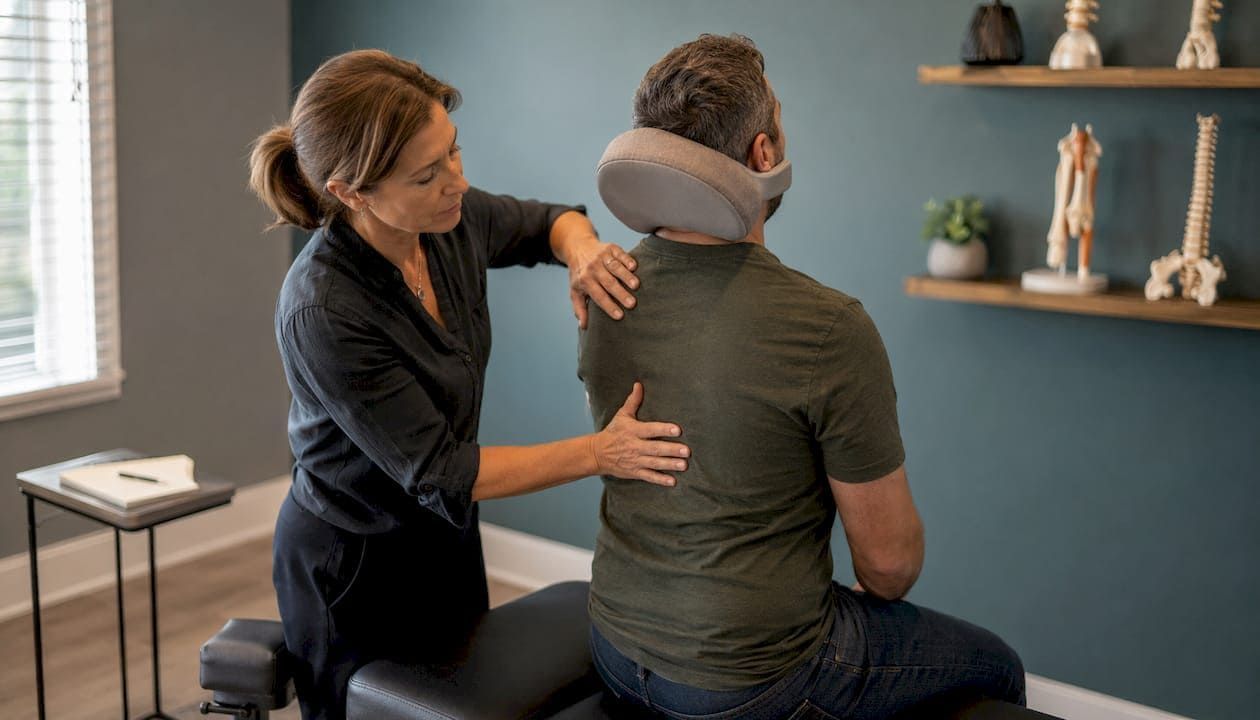
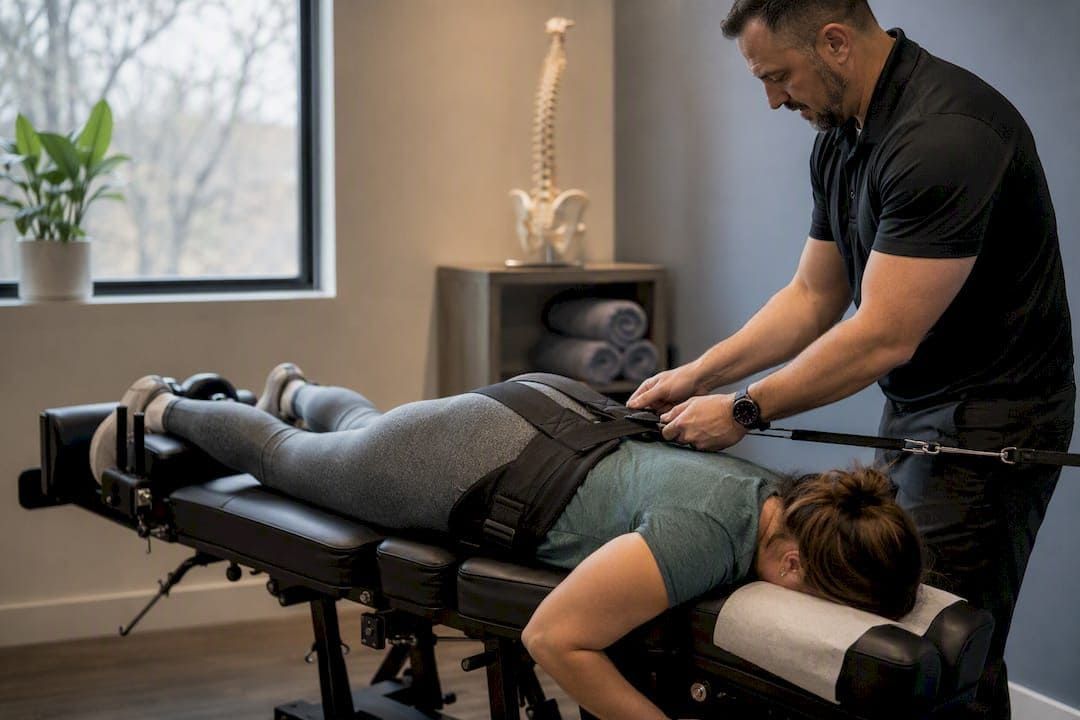
Essentialchirocare serves patients across Tampa, Brandon, Sarasota, Lakeland, and Pinellas Park with personalized care plans built around your specific pain pattern. Chiropractic adjustments restore spinal alignment and reduce the nerve irritation that makes nighttime pain worse. For patients with disc-related pain, spinal decompression therapy gently reduces pressure on compressed discs and has helped many patients sleep through the night again. The team at Essentialchirocare also offers manual therapy, physical rehabilitation, and expert chiropractic care designed to address the root cause of your pain, not just the symptoms. Schedule online at any of the clinic locations and get a plan that works for your body.

FAQ

  • What is the best sleeping position for lower back pain?

    Side-lying with a pillow between your knees is the most consistently recommended position for lower back pain. It prevents spinal rotation and keeps the pelvis in a neutral alignment throughout the night.

  • Can a pillow really reduce back pain during sleep?

    Yes. Small changes in pillow height and placement directly affect pelvic tilt and spinal alignment. Placing a pillow between your knees when side sleeping or under your knees when back sleeping can reduce lumbar strain without any other changes.

  • Why does my back hurt more at night than during the day?

    Cortisol levels drop at night, reducing your body's natural anti-inflammatory response. Combined with fewer distractions, your brain registers pain signals more intensely, which is a well-documented physiological pattern in chronic pain patients.

  • How firm should my mattress be for back pain?

    Spinal alignment matters more than firmness alone. A medium-firm mattress with zoned support works well for most back pain sufferers, preventing the hips from sinking while cushioning the shoulders.

  • When should i see a professional about sleep-related back pain?

    See a chiropractor or physician if your back pain consistently wakes you at night, does not improve after two weeks of position adjustments, or is accompanied by numbness, tingling, or leg pain. These signs suggest a structural issue that requires direct treatment.

Recommended

home pain management process
By Essential ChiroCare Blogger June 30, 2026
Discover an effective home pain relief workflow to track pain, utilize therapies, and regain control over your daily life without just medications.
tendonitis in athletes
By Essential ChiroCare Blogger June 29, 2026
Discover tendonitis in athletes: explained. Learn causes, symptoms, and effective recovery strategies to enhance your performance and prevent setbacks.
neck pain management
By Essential ChiroCare Blogger June 28, 2026
Explore our neck pain management list with 10 effective strategies to relieve discomfort and restore mobility quickly. Click to learn more!
how to recover from a concussion
By Essential ChiroCare Blogger June 27, 2026
Explore concussion management explained in this essential recovery guide. Learn how modern protocols can accelerate your healing journey!
physical rehabilitation guide
By Essential ChiroCare Blogger June 26, 2026
Unlock your recovery potential with our guide on understanding physical rehabilitation. Learn how to engage in your healing process today!
why is posture important for health
By Essential ChiroCare Blogger June 25, 2026
Discover why posture matters for your health and longevity. Learn how aligning your body can enhance well-being, reduce pain, and promote longevity.
how to monitor pain signals
By Essential ChiroCare Blogger June 24, 2026
Discover how to monitor pain signals effectively for better relief. Transform your pain management with practical tools and techniques!
personalized treatment plans
By Essential ChiroCare Blogger June 23, 2026
Discover why personalized treatment plans deliver better pain relief by targeting individual needs, improving outcomes, and enhancing wellness.
common car accident injuries
By Essential ChiroCare Blogger June 22, 2026
Explore the different types of auto injuries, their symptoms, and effective treatment options to ensure a smooth recovery after an accident.
does flexibility prevent injuries
By Essential ChiroCare Blogger June 21, 2026
Discover why flexibility reduces injury and learn how it fits into a comprehensive strategy for safer, more effective movement. Read more!
Show More