
18 Sessions, 6 Weeks: Chiropractic Posture Correction With CBP Traction
Yes, chiropractic care can improve posture for many patients when treatment combines objective measurement with a multimodal program of adjustments, traction, and targeted exercise. A posture-specific approach called Chiropractic BioPhysics® (CBP®), often paired with cervical traction devices, has trial evidence showing structural gains that hold up at follow-up. The right program isn't a single adjustment. It's a plan built around your measurements, run over weeks, with homework you actually do.
TL;DR:
- Structural gains from posture correction programs are most likely to be maintained when combined with traction and targeted exercises over several weeks.
- Objective measurements like the craniovertebral angle and cervical lordosis are essential for tracking progress and tailoring treatment plans.
- Significant improvements typically take around 6 to 16 weeks, often requiring multiple in-office sessions and consistent home exercises.
- Combining adjustments, soft-tissue work, and extension traction produces better long-term results than exercise alone.
- Choosing a chiropractor with proper postural training and measurement capabilities improves the chances of sustained postural correction.
Table of Contents
- What does a posture correction chiropractor actually check?
- Which chiropractic techniques correct posture in the clinic?
- What exercises support chiropractic posture correction at home?
- How long does posture correction take, and what does it cost?
- How do you pick the right chiropractor for posture work?
- What does the research actually support?
- A clinician's honest note on realistic expectations
- Start your posture correction plan with Essential ChiroCare
- Sources
What does a posture correction chiropractor actually check?
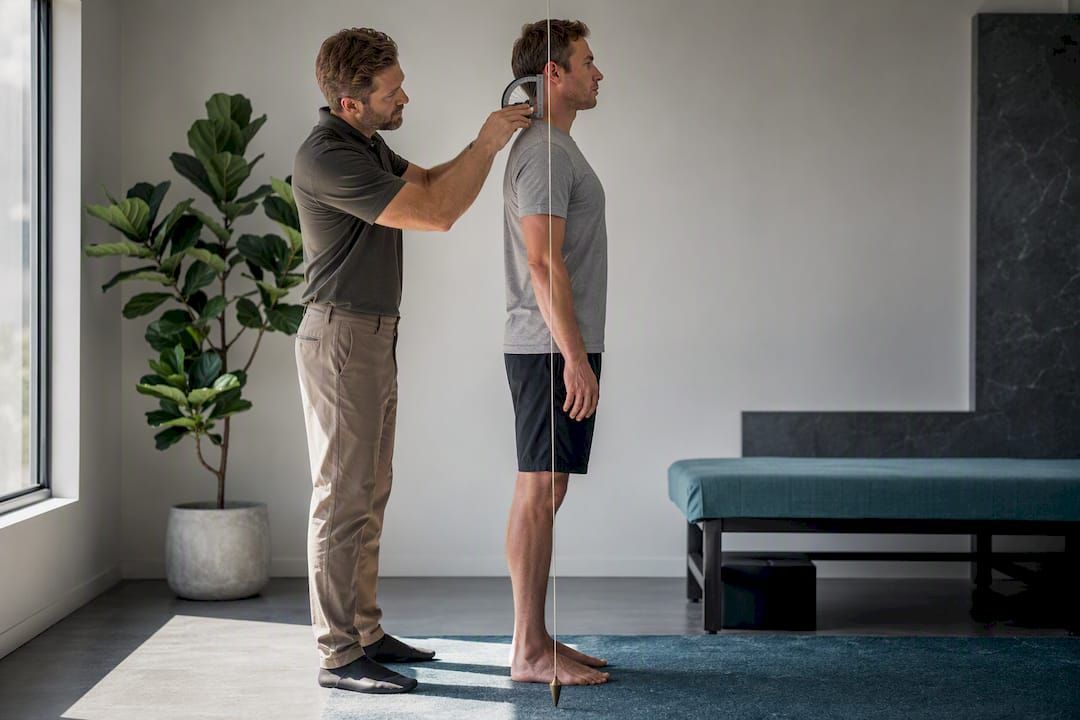
A real posture assessment starts with measurement, not guesswork. Clinicians use postural photographs and a plumb-line analysis to see how your ears, shoulders, and hips stack up against a vertical reference. One key number is the craniovertebral angle (CVA), which quantifies how far your head sits forward relative to your neck. A smaller CVA typically signals more pronounced forward head posture, a hallmark of upper crossed syndrome, where tight chest and upper trap muscles pull against weak deep neck flexors and lower traps.
Range-of-motion testing and balance checks round out the physical exam, showing where movement is restricted and whether instability is contributing to the postural pattern.
Radiographs come into play when a clinician needs to measure cervical lordosis (the natural curve of the neck) and overall sagittal balance. These images matter because posture-specific rehab targets a structural outcome, not just symptom relief, and you cannot track structural change without a baseline. Not every patient needs X-rays, but chronic cases or those with significant deformity often do.
Certain findings should stop a posture program before it starts and prompt a referral instead:
- Sudden, severe neck or back pain with no clear cause
- Numbness, tingling, or weakness spreading down an arm or leg
- Unexplained weight loss alongside spinal pain
- History of cancer, osteoporosis, or recent trauma
- Loss of bladder or bowel control
Once red flags are ruled out, the assessment translates into a plan: specific goals (a target CVA or lordosis range), a visit frequency, and a home program tailored to what your body actually needs. This kind of structural evaluation is the same logic behind a broader spinal alignment assessment, just narrowed toward posture-specific goals.
Which chiropractic techniques correct posture in the clinic?
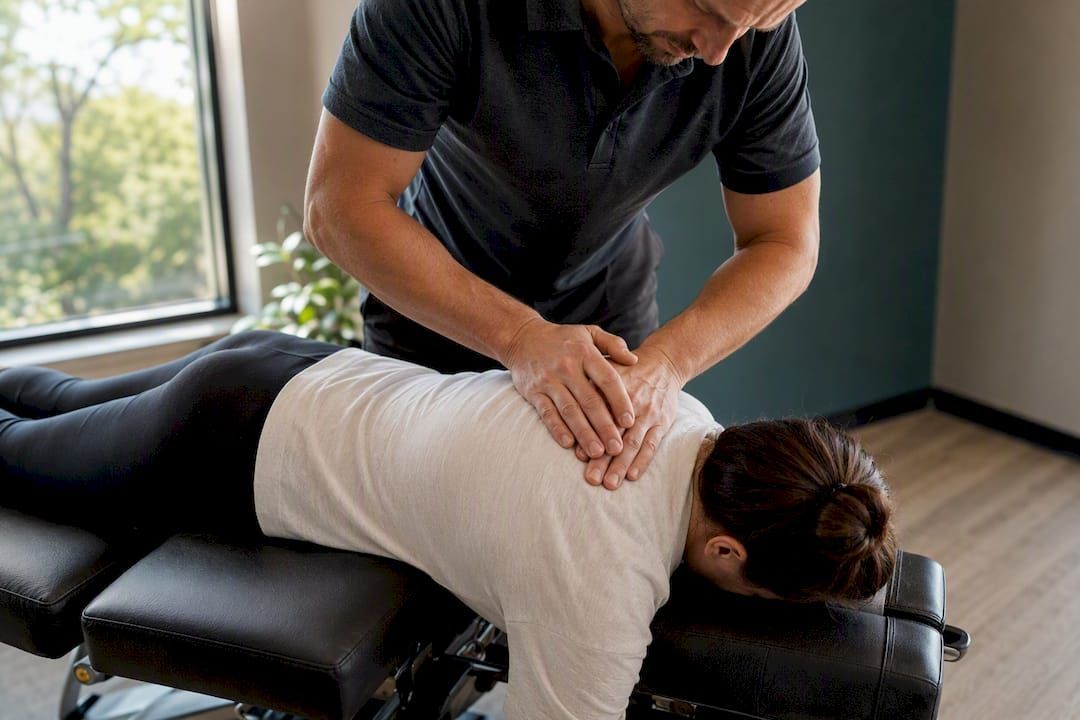
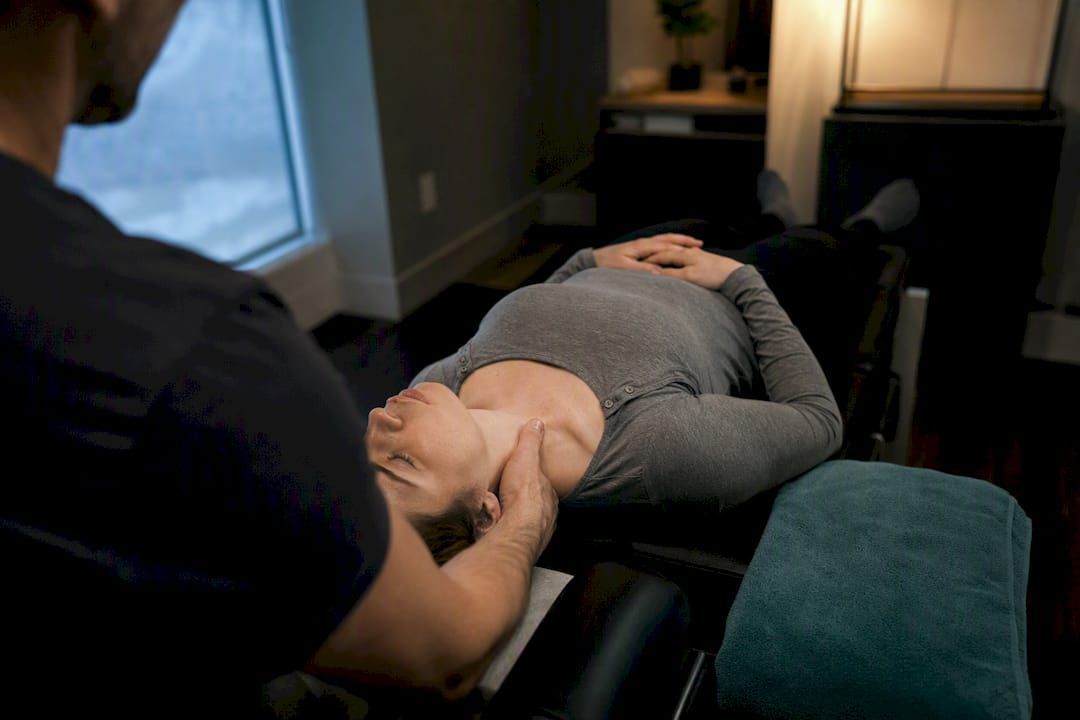
Spinal adjustments, or manipulation, are the technique most people associate with chiropractic care, and for good reason. A Cleveland Clinic overview explains that adjustments help realign joints, reduce pain, and are commonly paired with exercise and soft-tissue work. Expect some temporary soreness after a session. That's normal and usually resolves within a day.
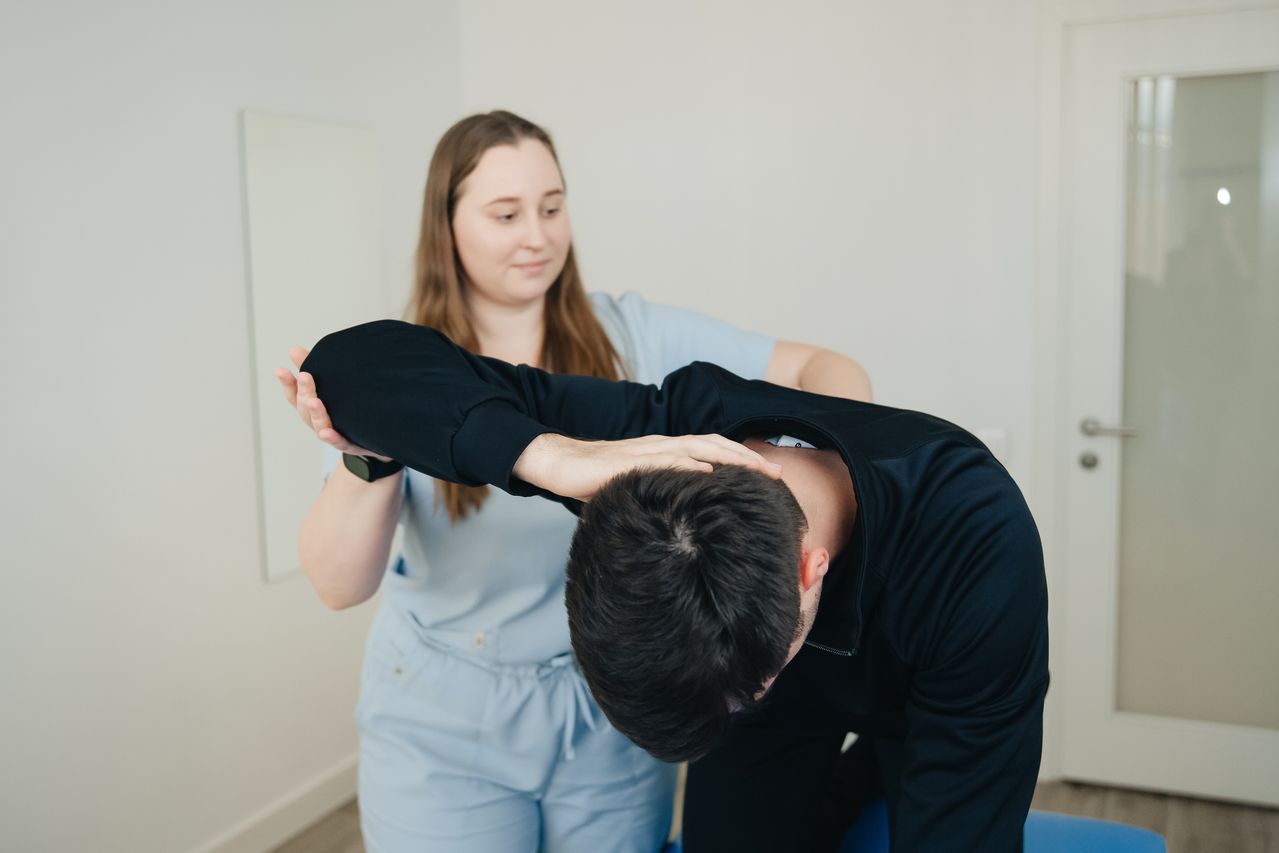
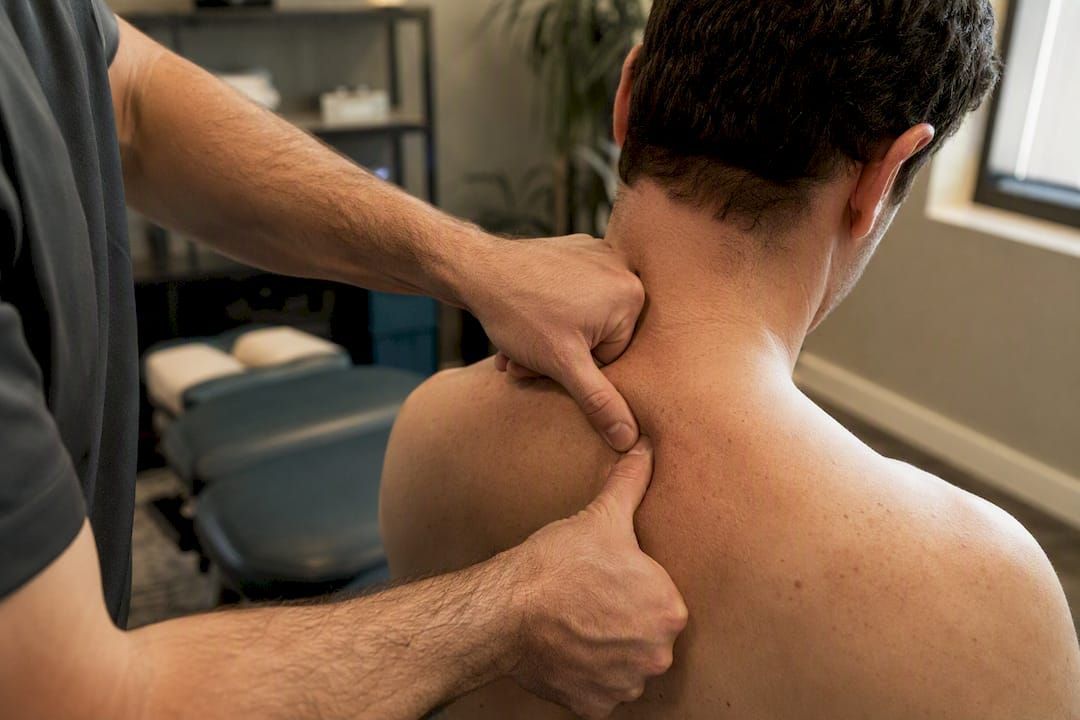
Soft-tissue therapy, joint mobilization, and instrument-assisted techniques address the muscle tightness that keeps posture locked in a bad pattern. Loosening a chronically shortened pectoralis or upper trap gives the adjustment somewhere to hold.
The more posture-specific tool is extension traction under the CBP® framework, often delivered with a device like a Denneroll cervical traction orthotic. The idea is mechanical: sustained, gentle traction encourages viscoelastic and eventually plastic changes in ligaments and discs, nudging the cervical curve back toward a healthier range over repeated sessions rather than one visit.
Statistic Callout: A randomized controlled trial in elderly patients with chronic neck pain found that 18 sessions of CBP plus traction over 6 weeks produced statistically significant gains in craniovertebral angle that were still present at 3-month follow-up, while a standardized exercise-only group had regressed.
That regression in the exercise-only group is the real finding here. Exercise alone often helps in the short term, but the structural gain doesn't hold without the mechanical input traction provides. That's why clinics favor combining:
- Manual adjustment for joint mobility and alignment
- Soft-tissue work to release restricting muscles
- Extension traction for structural change
- Targeted exercise to maintain the new position
What exercises support chiropractic posture correction at home?
Home exercise is not optional homework, it's half the program. The exercises used in posture-correction trials are simple, and consistency matters more than intensity.
- Chin tucks — draw your chin straight back (not down) to strengthen deep neck flexors; hold 5 to 10 seconds, 10 reps, several times daily.
- Scapular retraction with resistance bands — squeeze shoulder blades together and hold; progress resistance gradually over weeks.
- Thoracic extension — over a foam roller or the edge of a chair, extend the upper back to counter rounded shoulders; hold and repeat.
Home traction devices like the Denneroll are sometimes assigned for supervised use between visits, with duration progressed toward 15 to 20 minutes per session as tolerated. Never start home traction without clinic guidance on positioning and duration, since improper use can aggravate symptoms rather than help them.
Pro Tip: Stack your chin tucks onto something you already do daily, like waiting for coffee to brew. Micro-practices stick far better than a 20-minute routine you keep postponing.
Most programs pair two or three in-office visits per week early on with daily home exercise, tapering as your measurements improve.
How long does posture correction take, and what does it cost?
Trial protocols typically run 6 weeks at two to three sessions per week, though intensive case-based programs documented in CBP case reviews averaged around 40 treatments over roughly 16 weeks for more established postural distortions. Expect months, not days, for measurable structural change.
Statistic Callout: That same case-report review found average cervical lordosis improvements of about 14 degrees and an 11.9 mm reduction in forward head translation after intensive treatment courses.
Common outcomes include a larger CVA, reduced neck and upper back pain, and better functional range of motion. Mild post-adjustment soreness is the main side effect; persistent or worsening pain warrants a call back to the clinic. Costs vary widely by region, session count, and insurance coverage, so confirm exact pricing and coverage directly with your clinic before starting.
How do you pick the right chiropractor for posture work?
Look past general chiropractic credentials for someone with specific postural rehab training, ideally CBP certification, and comfort taking and interpreting radiographs when indicated. A posture alignment specialist should measure before they treat.
Ask directly:
- What objective measurements will you track, and how often?
- Roughly how many sessions before we reassess?
- What does my home program look like?
- Can you share how similar cases have progressed?
Be wary of a clinic that offers a rigid package with no baseline measurement, or one that won't coordinate with your physician when red flags appear. Essential ChiroCare builds posture programs around exactly this kind of assessment, pairing measurement with a tailored plan rather than a one-size package. If you've been dealing with related neck symptoms, neck pain relief strategies can round out what you learn in the initial consult.
What does the research actually support?
The strongest evidence comes from a randomized trial showing CBP plus traction outperformed exercise alone at 3-month follow-up, backed by a case-report review documenting average 14-degree lordosis gains with maintenance visits sustaining results. Essential ChiroCare applies these same principles: measure first, individualize the plan, and track change with the same numbers the research uses.
A clinician's honest note on realistic expectations
The patients who improve most are the ones with measurable malalignment who show up consistently and do the home exercises, not just the clinic visits. Posture correction is a maintenance relationship, not a single fix.
Start your posture correction plan with Essential ChiroCare
Essential ChiroCare's posture program begins the way the research demands: with actual measurement, not a generic adjustment plan. Your first visit includes a postural exam, radiographs when your case calls for it, and a plan built around your own craniovertebral angle and lordosis numbers, not a template.
From there, care combines in-office adjustments, soft-tissue work, and traction where appropriate with a home exercise program you can realistically stick to, followed by maintenance visits once you hit your targets. Bring a list of your symptoms, any prior imaging, and your insurance information to your first appointment so the team can build your plan on day one. Visit the chiropractic care page to see current locations across Tampa, Brandon, Sarasota, Lakeland, and Pinellas Park, and schedule your posture assessment.
This article is general information, not a substitute for advice from a qualified doctor. Consult a qualified healthcare professional about your own circumstances before acting on anything here.
Sources
- Chiropractic adjustment: Care, treatment & benefits — Cleveland Clinic
- A Comparison of Two Forward Head Posture Corrective Approaches in Elderly with Chronic Non-Specific Neck Pain
- Structural rehabilitation of the cervical lordosis and forward head posture: a selective review of Chiropractic BioPhysics® case reports