


Why Personalized Treatment Plans Deliver Better Pain Relief

Essential ChiroCare Blogger • June 23, 2026

Why Personalized Treatment Plans Deliver Better Pain Relief

TL;DR:

  • Personalized treatment plans address the biological, psychological, and social factors of pain, continuously adapting based on outcomes to improve effectiveness. They involve comprehensive assessments, shared decision-making, and regular re-evaluation, often supported by advanced technologies like genetic testing and AI-guided therapy. Properly implemented, these plans outperform standard protocols by catering uniquely to each individual's evolving needs.

Personalized treatment plans are healthcare approaches tailored to an individual's unique biological, psychological, and social profile to improve treatment effectiveness and overall wellness. The standard "one-size-fits-all" model fails a significant portion of patients because pain, injury, and chronic conditions are not uniform experiences. What works for one person's lower back pain may do nothing for another's, even when the diagnosis looks identical on paper. Precision medicine, Pain Neuroscience Education, and AI-guided therapy have shifted the field toward individualized care, and the evidence supporting customized treatment plans continues to grow in 2026.

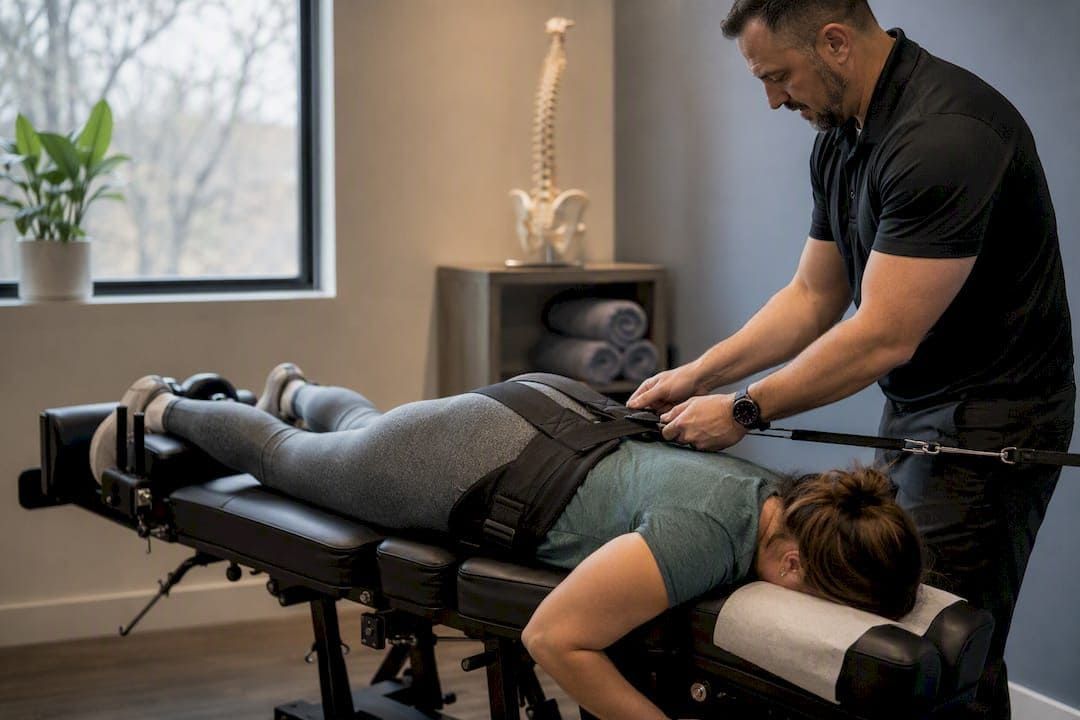
personalized treatment plans

Why personalized treatment plans outperform standard pain care

Pain is not a simple signal. Pain is multidimensional , shaped by biological factors like tissue damage and inflammation, psychological factors like fear and catastrophizing, and social factors like work stress and support systems. A generic protocol addresses only one layer of that complexity. A personalized plan addresses all three simultaneously, which is why tailored treatment consistently produces more targeted results.

The assessment process itself is where personalized care separates from conventional approaches. Clinicians using individualized frameworks incorporate patient-reported outcome measures (PROMs), psychological profiling, and biopsychosocial screening rather than relying solely on imaging or physical examination. Integrating psychological profiling and PROMs into the intake process gives practitioners a far more accurate picture of what is driving a patient's pain and what interventions are most likely to help.

Shared decision-making is another defining feature. Involving patients in treatment choices improves engagement, perceived relevance of interventions, and long-term adherence. When a patient understands why a specific exercise or manual therapy technique was chosen for their body and their goals, they follow through. That compliance gap is one of the biggest reasons standard care underperforms.

Here is what a well-built personalized pain management plan typically addresses:

  • Biological factors: Tissue health, nerve sensitivity, inflammation markers, and movement patterns
  • Psychological factors: Fear-avoidance beliefs, depression, anxiety, and pain catastrophizing scores
  • Social factors: Occupational demands, home environment, and social support availability
  • Patient goals: Return to sport, daily function, sleep quality, or reduced medication dependence
  • Response tracking: Regular reassessment of pain intensity, function, and quality of life metrics

Pro Tip: Ask your provider specifically which outcome measures they use to track your progress. If the answer is vague, that is a signal the plan may not be as individualized as it should be.

Personalized plans vs. standard care: what the evidence shows

Standard care protocols are built around population averages. They are efficient, reproducible, and work reasonably well for straightforward cases. The problem is that most people seeking pain relief do not have straightforward cases. They have layered histories, comorbidities, and treatment responses that deviate from the average.

Feature Standard care Personalized treatment plan
Assessment depth Symptom-focused Biopsychosocial and multidimensional
Treatment selection Protocol-driven Matched to individual profile
Adaptability Fixed or slow to change Iterative, updated with outcomes
Patient involvement Passive recipient Active participant in decisions
Outcome monitoring Periodic or minimal Continuous and structured

Current evidence for personalized chronic pain treatment is promising but not yet definitive. Randomized trials show incremental benefits over standard care, and researchers are calling for larger, well-powered studies to confirm superiority. That nuance matters. Personalized care is not a guaranteed cure. It is a more intelligent framework for finding what works for a specific person.

The most common failure mode is treating personalization as a one-time event. A clinician conducts a thorough intake, builds a detailed plan, and then never updates it. Pain personalization fails without iterative adjustments based on ongoing outcomes. The plan must evolve as the patient's condition changes, or it becomes just as rigid as the standard protocol it was meant to replace.

Pro Tip: When evaluating any care provider, ask how often they formally reassess your plan. Monthly reassessment at minimum is a reasonable standard for chronic pain conditions.

How technology powers truly customized treatment plans

The practical gap between "personalized in theory" and "personalized in practice" has historically been large. Technology is closing that gap faster than any other development in pain care.

  1. Genetic testing for treatment matching. Precision medicine uses genetic data to identify biological drivers of disease and select targeted therapies. In oncology, tumor genetic testing matches patients to immunotherapy or chemotherapy based on their specific cancer profile rather than tumor location alone. The same logic applies to musculoskeletal and neurological pain care.
  2. Genetic testing for medication selection. The GeneSight test analyzes genetic variations to inform medication choices for depression, anxiety, and ADHD. GeneSight improves medication matching and adherence by reducing the trial-and-error cycle that frustrates both patients and providers. For patients whose chronic pain has a significant psychological component, this kind of precision matters enormously.
  3. AI-guided exercise therapy. A 12-week AI-guided tele-rehabilitation program for fibromyalgia delivers real-time biomechanical feedback and Pain Neuroscience Education tailored to each patient's capacity and pain response. The AI effectively simulates therapist supervision, adjusting exercise intensity and progression based on live data rather than a static prescription.
  4. Real-time feedback platforms. AI platforms provide real-time biomechanical feedback that enables safer, more precise exercise delivery than any generic program. Patients in tele-rehabilitation trials report higher confidence and adherence when the system responds to their actual movement rather than a predetermined schedule.
  5. Integrated data systems. Electronic health records, wearable sensors, and patient-reported apps now allow clinicians to track dozens of variables simultaneously. This data integration sharpens diagnostic accuracy and helps identify which interventions are producing results and which are not.

The practical implication for anyone exploring holistic pain relief approaches is that technology is no longer a barrier to personalized care. The tools exist. The question is whether your provider is using them.

What to look for when choosing a personalized treatment plan

Knowing that personalized care is better is only useful if you can identify it in practice. These are the factors that separate a genuinely individualized plan from a relabeled standard protocol.

  • Multidimensional intake assessment. Your first appointment should cover more than your chief complaint. A thorough initial assessment includes movement screening, pain history, psychological risk factors, lifestyle factors, and your specific functional goals. If the intake takes less than 30 minutes, it is probably not comprehensive enough for complex pain conditions.
  • Explicit goal setting. Your goals should be documented, specific, and measurable. "Reduce pain" is not a goal. "Return to running three miles without pain within 12 weeks" is a goal. The specificity of your stated goals directly predicts how well the plan will be tailored to your needs.
  • Shared decision-making from day one. You should understand why each treatment was selected for you specifically. Providers who explain the reasoning behind their choices are practicing individualized care. Providers who hand you a standard exercise sheet without context are not.
  • Scheduled reassessment points. Ask when and how your plan will be formally reviewed. Effective plans require repeated reassessment of biological and psychosocial inputs to optimize outcomes. A plan without built-in review dates is a plan that will not adapt when you need it to.
  • Collaborative care integration. The best outcomes in complex pain cases come from teams, not individuals. Look for providers who coordinate with physical therapists, psychologists, and primary care physicians rather than operating in isolation. You can explore early pain intervention strategies to understand how collaborative approaches prevent acute pain from becoming chronic.

Access and cost remain real barriers. Personalized care often requires more provider time and more sophisticated assessment tools, which can translate to higher upfront costs. That said, the long-term cost of undertreated or mistreated chronic pain, including lost productivity, repeat visits, and medication dependence, consistently exceeds the investment in getting the right plan from the start.

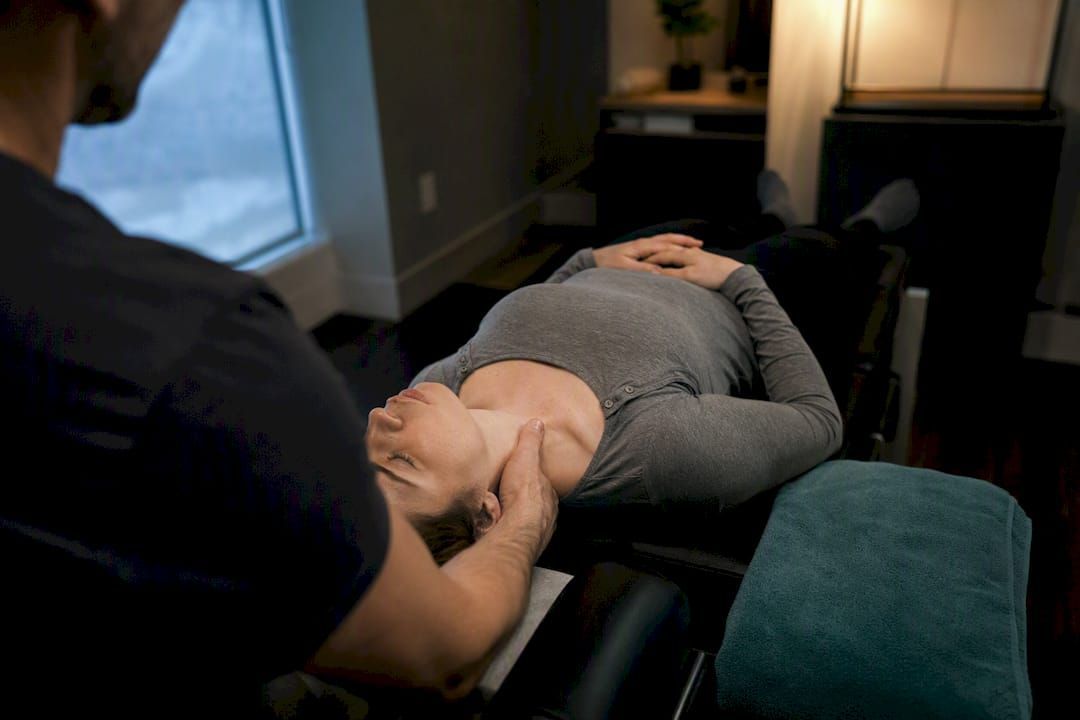
personalized pain management

Key takeaways

Personalized treatment plans outperform standard care because they address the biological, psychological, and social drivers of pain simultaneously, then adapt continuously based on measured outcomes.

Point Details
Pain is multidimensional Effective plans address biological, psychological, and social factors together, not in isolation.
Iterative adaptation is non-negotiable A plan that never updates becomes as rigid as the standard protocol it replaced.
Technology closes the personalization gap AI-guided therapy and genetic testing now make precise, individualized care practically achievable.
Shared decision-making drives adherence Patients who understand why their plan was built for them follow through at significantly higher rates.
Assessment depth predicts plan quality Multidimensional intake screening, including PROMs and psychological profiling, is the foundation of any effective customized plan.

The part most providers skip

I have reviewed a lot of care plans over the years, and the most common failure is not in the design. It is in the follow-through. A provider spends 90 minutes on a thorough intake, builds a genuinely thoughtful plan, and then runs the same reassessment protocol for every patient at week six regardless of what the data shows. That is not personalized care. That is personalized intake with standardized delivery.

The providers who actually move the needle treat reassessment as the core of the work, not an afterthought. They expect the plan to change. They build that expectation into the patient relationship from the first appointment. When a patient understands that the plan will evolve based on their response, they stop feeling like failures when something does not work. They start feeling like collaborators in figuring out what does.

Technology helps, but it does not replace clinical judgment or human engagement. An AI platform that tracks your movement is only as useful as the clinician who interprets the data and adjusts your program accordingly. The combination of good tools and an engaged provider is what produces the outcomes that single-modality or static plans cannot match.

My honest advice: do not accept a care plan that does not include a scheduled reassessment date. If your provider cannot tell you when and how your plan will be formally reviewed, that is the most important question to ask before your next appointment. You can also review evidence-based self-care strategies to understand what you can do between appointments to support your own progress.

Experience personalized chiropractic care at Essentialchirocare

Essentialchirocare builds individualized care plans for patients across Tampa, Brandon, Sarasota, Lakeland, and Pinellas Park, with each plan grounded in a thorough multidimensional assessment rather than a generic protocol. The clinic's doctors bring sports team experience and specialized training to conditions including back pain, sciatica, whiplash, sports injuries, and spinal decompression needs.

If you are ready to move beyond standard care and work with a team that treats your pain as the specific, individual experience it is, explore personalized chiropractic care at Essentialchirocare. For patients focused on recovery and rebuilding strength, the clinic's physical rehabilitation services provide tailored programs designed around your functional goals and timeline.

FAQ

  • What is a personalized treatment plan?

    A personalized treatment plan is a care program tailored to an individual's unique biological, psychological, and social profile rather than a standard protocol. It incorporates multidimensional assessment, patient goals, and ongoing outcome monitoring to guide treatment decisions.

  • How do personalized plans help with chronic pain?

    Personalized plans address the multiple drivers of chronic pain simultaneously, including physical, emotional, and lifestyle factors, and adapt over time based on how a patient responds. Research shows that shared decision-making and continuous monitoring are critical to making these plans effective.

  • Why is tailored healthcare better than standard care for pain?

    Standard care uses population-average protocols that miss individual nuances in pain experience and treatment response. Tailored healthcare matches interventions to the specific factors driving a patient's condition, which improves both outcomes and adherence.

  • What role does technology play in personalized treatment?

    AI platforms, genetic testing tools like GeneSight, and real-time biomechanical feedback systems allow clinicians to build and adjust plans with far greater precision than manual assessment alone. These tools make individualized care more accessible and more accurate.

  • How often should a personalized treatment plan be reassessed?

    For chronic pain conditions, formal reassessment at least monthly is a reasonable standard. Effective plans require repeated evaluation of both physical and psychosocial factors to stay aligned with a patient's evolving condition and goals.

Recommended

common car accident injuries
By Essential ChiroCare Blogger June 22, 2026
Explore the different types of auto injuries, their symptoms, and effective treatment options to ensure a smooth recovery after an accident.
does flexibility prevent injuries
By Essential ChiroCare Blogger June 21, 2026
Discover why flexibility reduces injury and learn how it fits into a comprehensive strategy for safer, more effective movement. Read more!
best sleeping position for hip pain
By Essential ChiroCare Blogger June 20, 2026
Use simple changes to ease soreness, improve rest, and know when to see a hip pain chiropractor in Tampa for extra support at night. Read on!
spine adjustment Lakeland FL
By Essential ChiroCare Blogger June 19, 2026
Learn what to expect from a summer spine adjustment and how a spine adjustment chiropractor in Tampa can help ease tension during Florida’s hottest months.
chiropractor after car accident Tampa
By Essential ChiroCare Blogger June 18, 2026
Lingering soreness after a crash? Know when it's time to see an auto accident chiropractor in Tampa and avoid letting small issues build up.
family chiropractic care Tampa
By Essential ChiroCare Blogger June 17, 2026
Learn how a family chiropractor in Tampa can help support your summer routine by easing tension, improving mobility, and keeping movement smooth.
chronic pain management
By Essential ChiroCare Blogger June 16, 2026
Discover effective long-term pain relief strategies that integrate therapy, lifestyle changes, and support for lasting comfort and function.
acute pain vs chronic pain
By Essential ChiroCare Blogger June 15, 2026
Discover the key difference between acute and chronic pain. Learn how understanding these types can enhance treatment decisions and daily life.
auto accident chiropractor Tampa
By Essential ChiroCare Blogger June 14, 2026
Lingering soreness after a crash? Know when it's time to see an auto accident chiropractor in Tampa and avoid letting small issues build up.
herniated disc treatment Tampa
By Essential ChiroCare Blogger June 13, 2026
Learn what shooting leg pain may reveal about disc issues and when to see a herniated disc chiropractor in Tampa for relief and recovery care.
Show More