

Types of Auto Injuries: Symptoms, Treatment and Recovery

Essential ChiroCare Blogger • June 22, 2026

Types of Auto Injuries: Symptoms, Treatment and Recovery

TL;DR:

  • Auto injuries from vehicle collisions include soft tissue damage, traumatic brain injuries, fractures, internal organ damage, and psychological effects. Prompt evaluation within 48 hours is crucial, as delayed symptoms are common and each injury type requires specific diagnostic and treatment approaches, such as chiropractic care, imaging, or surgery. Early, comprehensive care significantly improves recovery outcomes and reduces the risk of chronic pain or long-term complications.

Auto injuries are the physical trauma and tissue damage sustained during a motor vehicle collision, ranging from soft-tissue sprains to life-threatening traumatic brain injuries. Knowing the specific types of auto injuries you may have suffered is the first step toward getting the right diagnosis and the right care. Delayed symptoms after minor crashes are common because adrenaline masks pain at the scene, which means injuries that feel minor on impact can become serious within days. This guide covers the most critical car accident injury categories, their symptoms, and what treatment actually looks like.

common car accident injuries

1. Types of auto injuries: the full spectrum

Auto injuries fall into five broad clinical categories: soft tissue injuries, neurological injuries, skeletal injuries, internal injuries, and psychological injuries. Each category carries a different symptom profile, diagnostic pathway, and recovery timeline. Treatment approaches are tailored to injury type and severity, which is why a blanket "rest and ice" approach fails so many crash survivors. Understanding which category your injury belongs to determines whether you need imaging, surgery, chiropractic care, physical therapy, or a combination of all four.

2. Whiplash and cervical soft tissue injuries

Whiplash is the single most frequent auto injury, reported in about 65% of rear-end crashes and 20 to 25% of all injury crashes in the United States. That prevalence matters because whiplash is also one of the most underdiagnosed injuries. Many people dismiss neck stiffness as soreness and skip the doctor, only to develop chronic pain months later.

Whiplash occurs when the head snaps forward and backward rapidly, overstretching the muscles, tendons, and ligaments of the cervical spine. The injury is not limited to rear-end collisions. Side-impact and rollover crashes produce the same cervical loading mechanism.

Symptoms to watch for:

  • Neck pain and stiffness that worsens with movement
  • Persistent headaches originating at the base of the skull
  • Shoulder and upper back tightness
  • Numbness or tingling radiating into the arms
  • Fatigue and difficulty concentrating

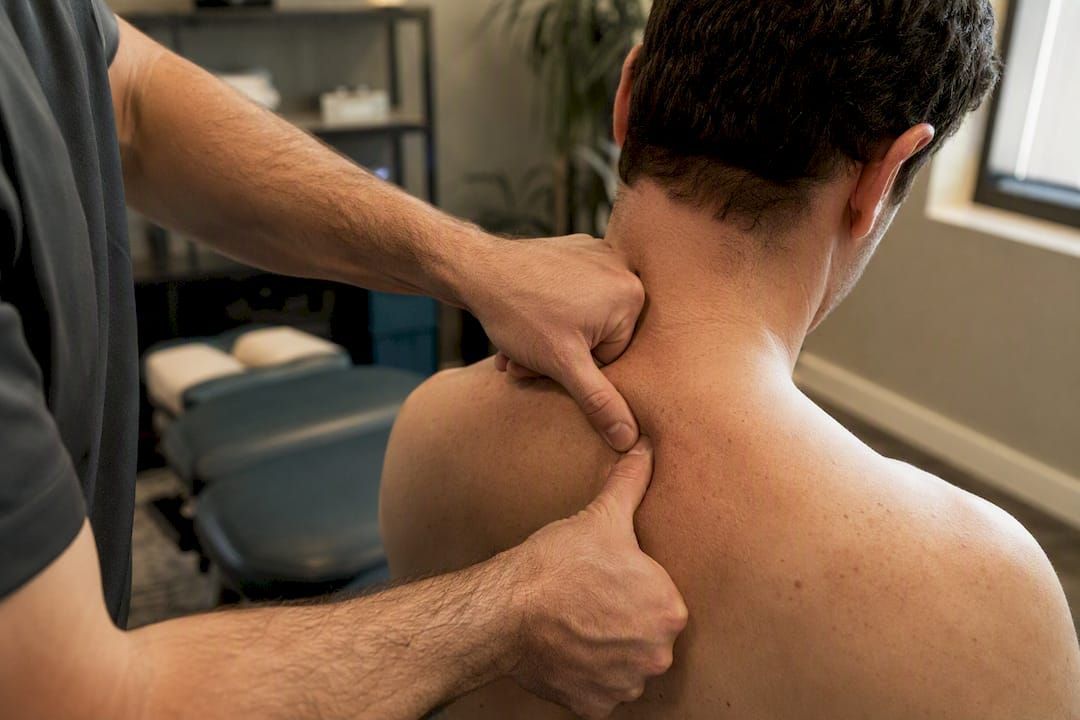
How to treat auto injuries like whiplash centers on reducing inflammation, restoring range of motion, and addressing spinal misalignment. Chiropractic adjustments, physical therapy, and targeted manual therapy are the most evidence-supported approaches. Prescription pain management is sometimes added for acute cases, but it addresses symptoms rather than the underlying structural problem.

Pro Tip: If your neck feels "fine" at the crash scene, schedule a chiropractic or medical evaluation within 48 to 72 hours anyway. Whiplash symptoms routinely peak two to three days after impact, not immediately.

3. Traumatic brain injuries and concussions from auto accidents

A traumatic brain injury, or TBI, occurs when a sudden force disrupts normal brain function. You do not need to hit your head on the steering wheel or window. The same rapid deceleration that causes whiplash can cause the brain to move inside the skull, bruising tissue and tearing neural connections.

Concussion symptoms include headache, dizziness, cognitive difficulties, and emotional changes, and they might not be apparent at the crash scene. This delay is what makes TBI one of the most dangerous common car accident injuries. A person can walk away from a collision, feel normal for 24 to 48 hours, and then experience worsening neurological symptoms.

Approximately 50% of TBI-affected individuals experience changes in symptoms over time, meaning the injury is not a single event but an evolving condition. TBI recovery is non-linear. Symptoms can improve, plateau, and then worsen again, which is why follow-up assessments are not optional.

Seek emergency care immediately if you or a passenger experiences loss of consciousness, repeated vomiting, seizures, one pupil larger than the other, or worsening confusion after a crash. These are signs of a severe TBI that requires urgent imaging and intervention.

Common TBI symptoms that develop over days:

  • Persistent or worsening headache
  • Memory gaps or difficulty forming new memories
  • Sensitivity to light and sound
  • Mood swings, irritability, or depression
  • Sleep disturbances, either insomnia or excessive fatigue

Treatment for mild TBI includes cognitive rest, graduated return to activity, and neurological monitoring. Moderate to severe TBI may require hospitalization, imaging, and surgical intervention to relieve intracranial pressure.

4. Soft tissue injuries beyond whiplash: sprains, strains, and contusions

Soft tissue injuries are damage to muscles, tendons, and ligaments without an accompanying bone fracture. They represent 40 to 50% of injury crashes and are the most diagnostically challenging category because standard X-rays do not detect them. A patient can have a severely torn ligament, receive a normal X-ray report, and be sent home without a proper diagnosis.

A sprain involves ligament damage, a strain involves muscle or tendon damage, and a contusion is a bruise to soft tissue caused by blunt force. In a car crash, all three often occur simultaneously, particularly in the lower back, knees, and shoulders.

Typical symptoms across soft tissue injury types:

  • Localized pain that worsens with movement or pressure
  • Swelling and visible bruising within 24 to 48 hours
  • Reduced range of motion in the affected joint or region
  • Muscle spasms that develop as the body guards the injured area

Diagnosis requires a physical examination and often MRI or ultrasound imaging to visualize the extent of tissue damage. Treatment follows a progression from acute care (rest, ice, compression, elevation) to active rehabilitation through physical therapy and chiropractic care. Skipping the rehabilitation phase is the most common reason soft tissue injuries become chronic conditions.

5. Fractures and broken bones in car accidents

Fractures occur in approximately 15 to 20% of all injury crashes, making broken bones one of the more common types of car crash injuries. The most frequent fracture sites are:

  1. Ribs: Caused by seatbelt force or steering wheel impact. Rib fractures are painful and can complicate breathing, increasing pneumonia risk.
  2. Wrists and forearms: Result from bracing against the steering wheel or dashboard at impact.
  3. Ankles and feet: Common in frontal collisions where the foot well collapses or the foot is braced on the brake pedal.
  4. Pelvis and hip: High-energy crashes, particularly side impacts, frequently cause pelvic fractures that can involve significant blood loss.
  5. Clavicle (collarbone): Often fractured by the seatbelt shoulder strap during sudden deceleration.

Signs of a fracture include immediate sharp pain, visible deformity, swelling, and inability to bear weight or use the limb. Some fractures, particularly stress fractures of the ribs, produce only dull aching and are missed without imaging.

Treatment ranges from immobilization with a cast or brace for stable fractures to surgical fixation with plates, screws, or rods for displaced or compound fractures. Rehabilitation with physical therapy follows immobilization to restore strength and mobility. Recovery timelines vary from six weeks for a simple wrist fracture to six months or longer for a complex pelvic injury.

auto injury treatment near me

6. Internal injuries: the hidden dangers after collisions

Internal injuries are organ damage caused by blunt force trauma, and they are among the most life-threatening types of auto injuries precisely because they produce few visible signs. Internal organ damage can remain hidden without immediate obvious symptoms, which means a crash survivor can feel relatively normal while bleeding internally.

The organs most commonly injured in car crashes are the spleen, liver, kidneys, and lungs. Aortic tears, while less common, are immediately life-threatening and require emergency surgery.

Internal injury type Common cause in crashes Key warning signs
Splenic laceration Blunt abdominal impact Left-side abdominal pain, shoulder pain
Liver contusion Steering wheel or seatbelt force Right-side abdominal pain, nausea
Pneumothorax (collapsed lung) Rib fracture piercing lung tissue Chest pain, shortness of breath
Kidney injury Rear impact or seatbelt compression Back or flank pain, blood in urine
Internal bleeding (general) High-energy collision Dizziness, rapid heart rate, pale skin

Diagnosis requires CT imaging, ultrasound, or exploratory surgery in severe cases. Treatment depends on the organ involved and the severity of damage, ranging from monitored bed rest for minor contusions to emergency surgery for active bleeding.

Pro Tip: If you feel dizzy, unusually thirsty, or notice your abdomen becoming rigid or tender hours after a crash, go to an emergency room immediately. These are classic signs of internal bleeding that require imaging, not a wait-and-see approach.

Key takeaways

Effective recovery from auto injuries depends on identifying the specific injury type early, because each category requires a distinct diagnostic and treatment pathway.

Point Details
Whiplash is the most common injury It appears in 65% of rear-end crashes and requires prompt cervical evaluation.
TBI symptoms evolve over time About 50% of TBI patients experience symptom changes, making follow-up assessments critical.
Soft tissue injuries skip X-rays Sprains, strains, and contusions require MRI or ultrasound for accurate diagnosis.
Internal injuries hide their severity Organ damage can be life-threatening with minimal early symptoms; imaging is required.
Early treatment prevents chronic pain Combining chiropractic care with physical rehabilitation produces the best long-term outcomes.

What I've learned treating auto injuries in West Central Florida

After working with hundreds of crash survivors across Tampa, Brandon, and Sarasota, the pattern I see most often is this: people underestimate their injuries because they feel okay at the scene. Adrenaline is a powerful masking agent. The person who insists they are fine is often the same person who calls three weeks later with debilitating neck pain and headaches that have not responded to over-the-counter medication.

The second pattern I see is people choosing the wrong care type for their injury. A fracture needs orthopedic evaluation first. A concussion needs neurological monitoring. But for soft tissue injuries, whiplash, and spinal misalignment, which represent the majority of what crash survivors deal with, chiropractic and physical therapy produce better outcomes than medication alone. Medication manages pain. Chiropractic care and rehabilitation address the structural and functional damage underneath it.

The third and most avoidable mistake is stopping care too early. Patients feel better after a few sessions and assume they are healed. Soft tissue healing takes six to twelve weeks at minimum. Stopping rehabilitation at week three leaves scar tissue disorganized and the supporting muscles weak, which sets up re-injury or chronic pain down the line.

My honest advice: get evaluated within 48 hours of any crash, even a minor one. Know which category your injury falls into. Then commit to the full treatment plan, not just the first few appointments.

Recovering from auto injuries? Essentialchirocare can help

If you are dealing with neck pain, back pain, headaches, or any of the soft tissue or spinal injuries described above, Essentialchirocare offers specialized auto injury care across West Central Florida, with locations in Tampa, Brandon, Sarasota, Lakeland, and Pinellas Park.

The clinical team at Essentialchirocare combines chiropractic adjustments, spinal decompression, manual therapy, and physical rehabilitation into personalized recovery plans built around your specific injury type. Whether you are managing whiplash, a soft tissue sprain, or post-concussion symptoms, a structured plan from an experienced provider makes the difference between full recovery and chronic pain. Schedule your evaluation online today and get a clear picture of what your injuries actually require.

FAQ

  • What are the most common types of auto injuries?

    Whiplash and cervical soft tissue injuries are the most common, appearing in roughly 65% of rear-end crashes. Other frequent injuries include soft tissue sprains and strains, fractures, concussions, and internal organ damage.

  • How long do auto injury symptoms take to appear?

    Many auto injury symptoms, including whiplash pain, concussion signs, and soft tissue swelling, develop 24 to 72 hours after the crash rather than immediately. Adrenaline at the scene suppresses pain signals, which delays the onset of noticeable symptoms.

  • Do I need imaging for soft tissue injuries?

    Standard X-rays do not detect soft tissue damage. An MRI or diagnostic ultrasound is required to accurately assess sprains, strains, ligament tears, and muscle contusions after a car accident.

  • When should I go to the emergency room after a crash?

    Go to the emergency room immediately if you experience loss of consciousness, worsening confusion, severe abdominal pain, dizziness, shortness of breath, or any signs of internal bleeding. These symptoms indicate injuries that require urgent imaging and medical intervention.

  • Can a chiropractor treat auto injuries?

    Chiropractic care is a primary treatment for soft tissue injuries, whiplash, and spinal misalignment resulting from car accidents. For fractures, severe TBI, or internal injuries, chiropractic care is used as part of a broader recovery plan after initial medical stabilization.

Recommended

does flexibility prevent injuries
By Essential ChiroCare Blogger June 21, 2026
Discover why flexibility reduces injury and learn how it fits into a comprehensive strategy for safer, more effective movement. Read more!
best sleeping position for hip pain
By Essential ChiroCare Blogger June 20, 2026
Use simple changes to ease soreness, improve rest, and know when to see a hip pain chiropractor in Tampa for extra support at night. Read on!
spine adjustment Lakeland FL
By Essential ChiroCare Blogger June 19, 2026
Learn what to expect from a summer spine adjustment and how a spine adjustment chiropractor in Tampa can help ease tension during Florida’s hottest months.
chiropractor after car accident Tampa
By Essential ChiroCare Blogger June 18, 2026
Lingering soreness after a crash? Know when it's time to see an auto accident chiropractor in Tampa and avoid letting small issues build up.
family chiropractic care Tampa
By Essential ChiroCare Blogger June 17, 2026
Learn how a family chiropractor in Tampa can help support your summer routine by easing tension, improving mobility, and keeping movement smooth.
chronic pain management
By Essential ChiroCare Blogger June 16, 2026
Discover effective long-term pain relief strategies that integrate therapy, lifestyle changes, and support for lasting comfort and function.
acute pain vs chronic pain
By Essential ChiroCare Blogger June 15, 2026
Discover the key difference between acute and chronic pain. Learn how understanding these types can enhance treatment decisions and daily life.
auto accident chiropractor Tampa
By Essential ChiroCare Blogger June 14, 2026
Lingering soreness after a crash? Know when it's time to see an auto accident chiropractor in Tampa and avoid letting small issues build up.
herniated disc treatment Tampa
By Essential ChiroCare Blogger June 13, 2026
Learn what shooting leg pain may reveal about disc issues and when to see a herniated disc chiropractor in Tampa for relief and recovery care.
what is active release technique
By Essential ChiroCare Blogger June 12, 2026
Discover what active release technique is and how it can provide effective pain relief. Learn how ART targets soft tissue for rapid results!
Show More