


Why Early Treatment After an Accident Matters

Essential ChiroCare Blogger • July 15, 2026

Why Early Treatment After an Accident Matters

TL;DR:

  • Early medical evaluation within 24 to 72 hours after an accident is crucial to detect hidden injuries and improve recovery.
  • Prompt treatment strengthens your legal and insurance claims, preventing claim disputes caused by documentation gaps.

Early treatment after an accident is the single most important factor in both your physical recovery and your legal protection. Many patients feel fine immediately after a crash, but hidden injuries like internal bleeding, disc herniations, and concussions can go undetected for days without a medical evaluation. Waiting to seek care puts your health at risk and weakens any insurance or legal claim you may need to file. Essentialchirocare treats patients across West Central Florida who face exactly this situation, and the pattern is consistent: patients who act fast recover faster and protect their rights more effectively.

when to see a doctor after an accident

Why early treatment after accident matters for your health

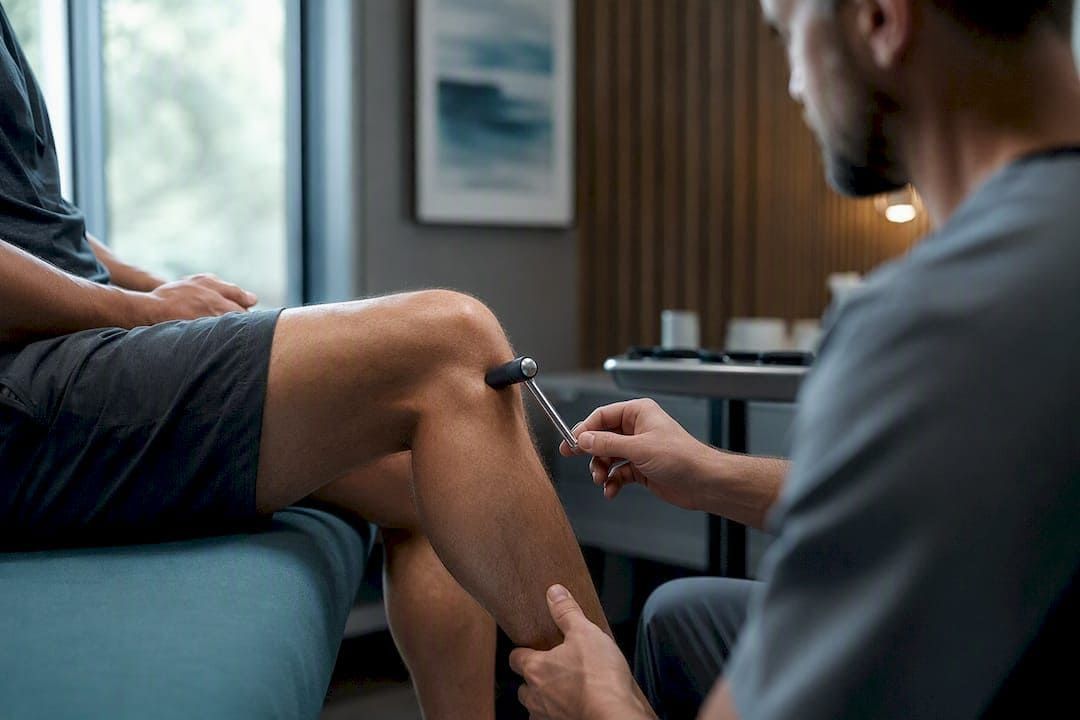
Delaying care after an accident is medically dangerous, not just inconvenient. Adrenaline masks pain immediately after a traumatic event, which means you can feel completely normal while soft tissue damage, spinal misalignment, or a mild traumatic brain injury is already developing. By the time symptoms appear, the injury has often progressed.

The clinical concept of the "Golden Hour" captures this reality precisely. Emergency care experts define it as the critical window post-injury where rapid intervention prevents permanent damage and improves functional recovery. Miss that window, and the body begins compensating in ways that create secondary problems.

Specific conditions that commonly appear days after an accident include:

  • Whiplash and soft tissue injuries: Neck and back pain from ligament strain often peaks 24–72 hours after impact, not immediately.
  • Concussions: Symptoms like headaches, brain fog, and sensitivity to light can be delayed by 48 hours or more.
  • Disc herniations: Spinal disc damage may not produce nerve pain until inflammation builds over several days.
  • Internal injuries: Abdominal bruising or organ damage can be life-threatening and symptom-free at first.

Delays in emergency treatment even within a 3-hour window significantly increase mortality risks and worsen recovery outcomes. That statistic applies to serious trauma, but the principle holds for all accident injuries: time works against you.

Pro Tip: Even if you walked away from the accident feeling fine, get a medical evaluation within 24–72 hours. A clean exam is valuable documentation. A missed injury found later is a medical and legal problem.

How does early treatment strengthen legal and insurance claims?

The medical timeline of your treatment is one of the first things an insurance adjuster examines. Insurance adjusters use treatment delays and gaps in documentation to question whether your injuries were actually caused by the accident. A gap of even a few days between the accident and your first medical visit can be used to argue that your injuries came from somewhere else.

Protecting your claim requires consistent, documented care from the start. Here is how to build that record effectively:

  1. Seek evaluation immediately. A medical record dated within 24–72 hours of the accident directly connects your injuries to the event.
  2. Describe every symptom. Tell your provider about all discomfort, even minor soreness. Symptoms not mentioned early cannot be added to a claim later without raising credibility questions.
  3. Attend every follow-up appointment. Missed appointments create gaps that adjusters flag as evidence that you were not seriously injured.
  4. Follow all medical recommendations. Completing prescribed rehabilitation shows the injury was real and that you took it seriously.
  5. Keep copies of everything. Treatment notes, imaging results, and referral letters all support your case.

"Early documentation linking injuries to the accident strengthens legal claims and helps avoid insurance denials." — Legal expert commentary, 2026

Insurance adjusters use gaps and inconsistencies in medical treatment to challenge claims, making continuous care documentation the most practical form of legal protection available to you.

What are the practical steps to take right after an accident?

The accident recovery timeline starts the moment the incident ends. Acting within the first 72 hours sets the foundation for both your health and your claim. The steps below apply whether your accident was a car crash, a slip and fall, or a sports collision.

  • Get a medical evaluation within 24–72 hours. Seeking evaluation within this window is critical to detect hidden injuries before complications develop. Do not wait for pain to appear.
  • Be completely honest with your provider. Describe the accident mechanics, the direction of impact, and every symptom you notice, including mild ones. Providers use this information to order the right imaging and tests.
  • Request imaging if appropriate. X-rays, MRIs, and CT scans can identify structural damage that a physical exam alone may miss.
  • Schedule follow-ups before you leave. Leaving with a follow-up appointment already booked removes the temptation to skip it when you feel better.
  • Keep a symptom journal. Write down daily pain levels, sleep disruptions, and functional limitations. This record becomes valuable evidence if your condition changes.
  • Communicate carefully with insurance adjusters. Do not give recorded statements without understanding your rights. Stick to facts and avoid speculating about your injuries.

Pro Tip: Photograph any visible injuries like bruising or swelling on the day of the accident and again over the following week. Visual evidence of progression supports your medical records.

Consistent follow-through on these steps is what separates patients who recover fully from those who deal with chronic pain months later. The benefits of early medical care compound over time: early treatment prevents the compensatory movement patterns that create new problems.

How does early chiropractic care support recovery after accidents?

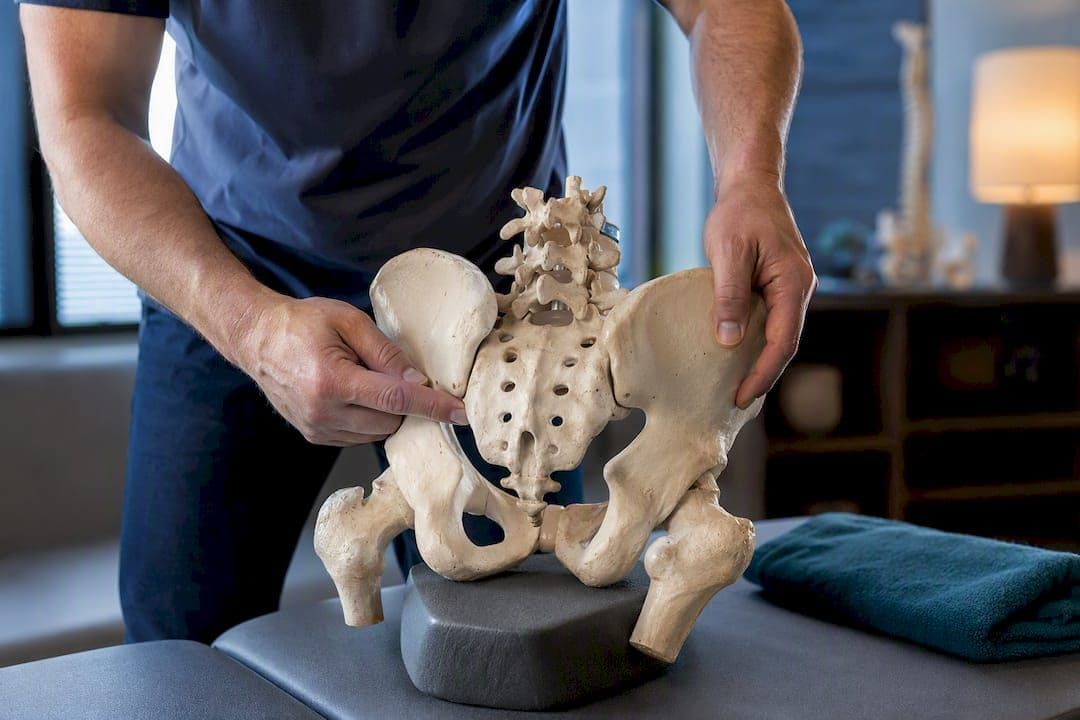
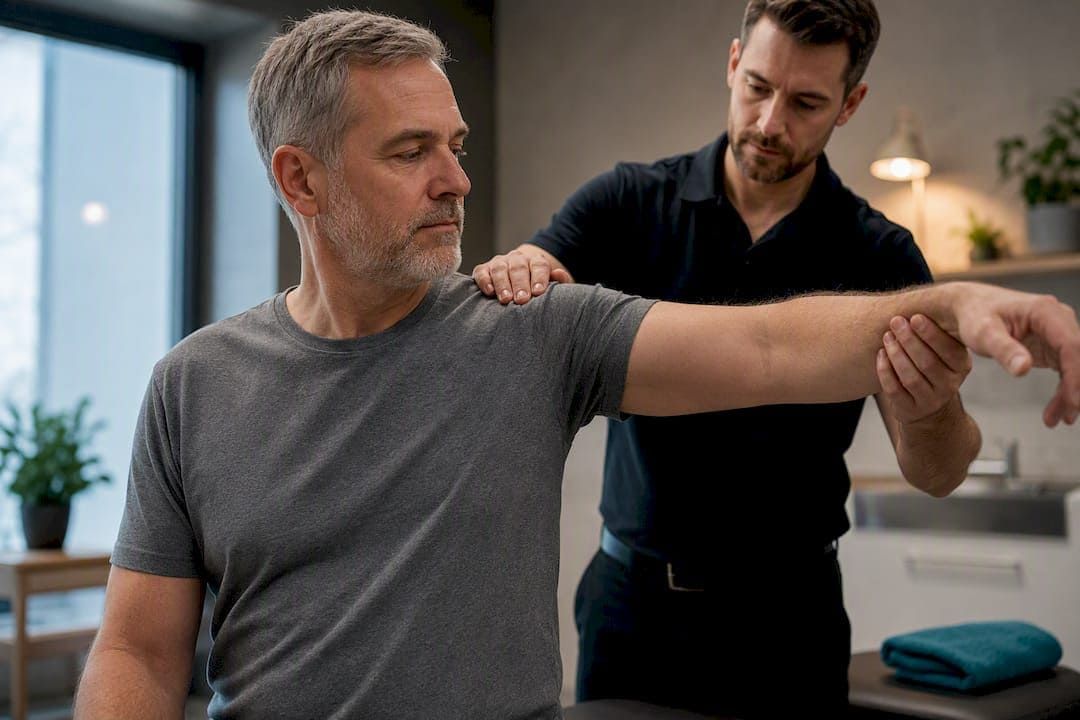
Chiropractic care is one of the most effective early interventions for the musculoskeletal injuries that accidents cause. A chiropractic assessment identifies spinal misalignments, joint restrictions, and soft tissue damage that standard emergency evaluations often do not prioritize. Catching these issues early prevents them from becoming chronic conditions.

Without professional rehabilitation, injuries heal with scar tissue rather than functional tissue. Scar tissue is less flexible and more prone to re-injury. Early therapy directs the healing process toward proper tissue regeneration, which preserves range of motion and reduces long-term pain.

The table below shows how early chiropractic intervention compares to delayed or no care across key recovery outcomes.

Recovery factor Early chiropractic care Delayed or no care
Pain duration Shorter, managed with targeted treatment Longer, often becomes chronic
Mobility Restored through guided rehabilitation Restricted by scar tissue formation
Scar tissue risk Minimized with early therapy High without professional intervention
Legal documentation Detailed records from day one Gaps that weaken claims
Return to daily activity Faster with structured rehab plan Slower, with higher re-injury risk

Essentialchirocare's chiropractic injury rehab approach combines spinal adjustments, manual therapy, and physical rehabilitation to address the root cause of post-accident pain rather than masking symptoms. Patients who begin care early consistently show better functional outcomes than those who wait.

post accident medical care

What are common misconceptions about early treatment after an accident?

Several widespread beliefs lead patients to delay care, and each one carries real consequences.

  • "I feel fine, so I'm not injured." Adrenaline is a powerful pain suppressor. Soft tissue injuries and brain trauma symptoms can be delayed days after an accident due to this masking effect. Feeling fine at the scene is not medical clearance.
  • "It was a minor accident, so I don't need a doctor." Low-speed collisions still generate enough force to cause whiplash, joint strain, and disc compression. The severity of vehicle damage does not predict the severity of injury.
  • "I'll wait and see if it gets worse." Waiting for symptoms to worsen is the most common mistake patients make. By the time pain becomes severe, the injury has progressed and treatment takes longer.
  • "My insurance will cover me no matter when I go." Insurance policies and personal injury claims have strict timelines. Delays give adjusters grounds to deny coverage or reduce settlements.
  • "Follow-up appointments are optional once I feel better." Feeling better mid-treatment does not mean the injury is fully healed. Stopping care early creates documentation gaps and risks re-injury.

Many victims wait for pain to appear before seeking help, which both worsens their injuries and weakens their legal cases. Recognizing these myths is the first step toward making a smarter decision after an accident.

Key Takeaways

Early treatment after an accident protects your health, speeds recovery, and preserves your legal rights by creating a clear, continuous medical record from day one.

Point Details
Seek care within 72 hours Hidden injuries like concussions and disc herniations need early detection before complications develop.
Adrenaline masks symptoms Feeling fine after an accident does not mean you are uninjured; delayed pain is common and dangerous.
Documentation protects claims Consistent treatment records prevent insurance adjusters from disputing injury causation.
Early rehab prevents chronic pain Professional rehabilitation directs healing toward functional tissue, reducing scar tissue and stiffness.
Missed appointments hurt you Gaps in care give insurers grounds to reduce or deny your claim and slow your physical recovery.

What I've learned from watching patients wait too long

I have seen the same story play out more times than I can count. A patient comes in three weeks after a car accident, finally in enough pain to seek help. The injury is real. The suffering is real. But the delay has already done two kinds of damage: the physical injury has progressed, and the legal window has narrowed.

The patients who come in within the first few days are different. They are scared, often unsure whether they are actually hurt. But that early evaluation gives us a clear picture. We catch the misalignments, the soft tissue strain, the early signs of nerve involvement before they compound. Those patients recover faster, return to normal activity sooner, and face far fewer complications down the road.

What frustrates me most is the myth that you should wait until you are sure something is wrong. That logic works for a cold. It does not work for spinal injuries or concussions. The long-term complications from untreated pain after an accident are preventable. Every patient who walks in early is making the single best decision available to them.

The legal side is equally real. I have watched patients with legitimate injuries lose significant compensation because they waited two weeks to get evaluated. Adjusters are trained to find those gaps. Early care is not just good medicine. It is good strategy.

Essentialchirocare's post-accident care in West Central Florida

Recovering from an accident requires more than rest. It requires a structured, documented treatment plan that addresses the specific injuries you sustained.

Essentialchirocare's concierge chiropractic model is built specifically for post-accident patients across Tampa, Brandon, Sarasota, Lakeland, and Pinellas Park. From the first evaluation through full rehabilitation, every step is documented and coordinated to support both your recovery and your claim. The clinic's physical rehab services combine spinal adjustments, manual therapy, and targeted rehabilitation to restore mobility and reduce pain at the source. If you were recently in an accident, the best time to be evaluated is now.

FAQ

  • How soon should I see a doctor after an accident?

    Seek a medical evaluation within 24–72 hours of any accident, even if you feel no pain. Hidden injuries like concussions and internal bleeding require early detection before complications develop.

  • Can I still file an insurance claim if I delayed treatment?

    Delays weaken but do not automatically void a claim. Insurance adjusters use treatment gaps to dispute injury causation, so the longer you wait, the harder it becomes to connect your injuries to the accident.

  • Why do accident injuries sometimes appear days later?

    Adrenaline released during trauma suppresses pain signals, causing delayed symptom onset for conditions like whiplash, concussions, and soft tissue injuries. Symptoms appearing 24–72 hours later are common and medically expected.

  • Does chiropractic care help after a car accident?

    Chiropractic care addresses the musculoskeletal injuries most common in accidents, including spinal misalignment, joint strain, and soft tissue damage. Early chiropractic intervention reduces scar tissue formation and restores mobility faster than delayed or no treatment.

  • What happens if I stop treatment before I'm fully healed?

    Stopping care early creates documentation gaps that insurance adjusters use to argue your injury was not serious. Physically, incomplete rehabilitation increases the risk of re-injury and chronic pain from improperly healed tissue.

Recommended

mobility in athletic health
By Essential ChiroCare Blogger July 14, 2026
Discover the crucial role of mobility in athletic health. Improve performance, reduce injury risk, and recover faster with our 2026 guide.
chiropractor for back pain Sarasota
By Essential ChiroCare Blogger July 13, 2026
Find safe relief for seasonal aches with a back adjustment chiropractor in Sarasota, plus posture, hydration, and recovery tips for summer activities.
pregnancy back pain relief
By Essential ChiroCare Blogger July 12, 2026
Discover safe stretches and sleep tips for prenatal back pain, plus when a prenatal chiropractor in Tampa may help you feel better fast.
benefits of physical rehabilitation
By Essential ChiroCare Blogger July 11, 2026
Discover why physical rehabilitation matters for pain recovery. Learn how active rehab can restore strength and improve daily life.
chiropractic care tips
By Essential ChiroCare Blogger July 10, 2026
Discover effective ways to support chiropractic care for better recovery and lasting results. Enhance your healing with these 10 essential tips!
health benefits of chiropractic care
By Essential ChiroCare Blogger July 9, 2026
Discover the health benefits of chiropractic care, from pain relief to enhanced mobility. Unlock better sleep and faster recovery today!
rehabilitation vs rest for pain recovery
By Essential ChiroCare Blogger July 8, 2026
Discover the key differences and benefits of rehabilitation vs. rest: explained. Learn how to optimize your pain recovery process effectively!
holistic wellness benefits
By Essential ChiroCare Blogger July 7, 2026
Discover why holistic wellness matters for your health. Explore how integrating physical, mental, and emotional well-being leads to better outcomes.
back pain treatment
By Essential ChiroCare Blogger July 6, 2026
Explore safer options to back pain shots and learn how a back adjustment chiropractor in Sarasota can support lasting relief and mobility without surgery.
non-surgical back pain treatment
By Essential ChiroCare Blogger July 5, 2026
Explore decompression, rehab, and lifestyle changes before injections, plus how chiropractic care in Tampa may help you recover and prevent flare ups.
Show More