
Mobility in Athletic Health: Your 2026 Performance Guide
TL;DR:
- Mobility is active joint control that enhances movement quality and reduces injury risk in athletes. Combining mobility, strength, and neuromuscular training cuts injuries by over 30 percent and improves performance. Short, regular mobility sessions embedded in training provide the best injury prevention and movement benefits.
Mobility is defined as the ability to actively move a joint through its full range of motion with control and strength. This is the foundation of the role of mobility in athletic health. Unlike raw power or speed, mobility determines whether your body can execute sport-specific movements safely and efficiently. Athletes who train mobility reduce injury risk, move with better mechanics, and recover faster. Tools like the Functional Movement Screen (FMS) and the Weight-Bearing Lunge Test (WBLT) now give coaches and clinicians measurable ways to track these gains.

How does mobility affect athletic performance and injury prevention?
Mobility directly shapes how well an athlete generates power, absorbs force, and changes direction. When a joint cannot move through its full range under load, the body compensates. Compensation patterns shift stress to unprepared tissues, raising the risk of strains, sprains, and overuse injuries. This is not a theory. It is a mechanical reality that shows up in injury data across sports.
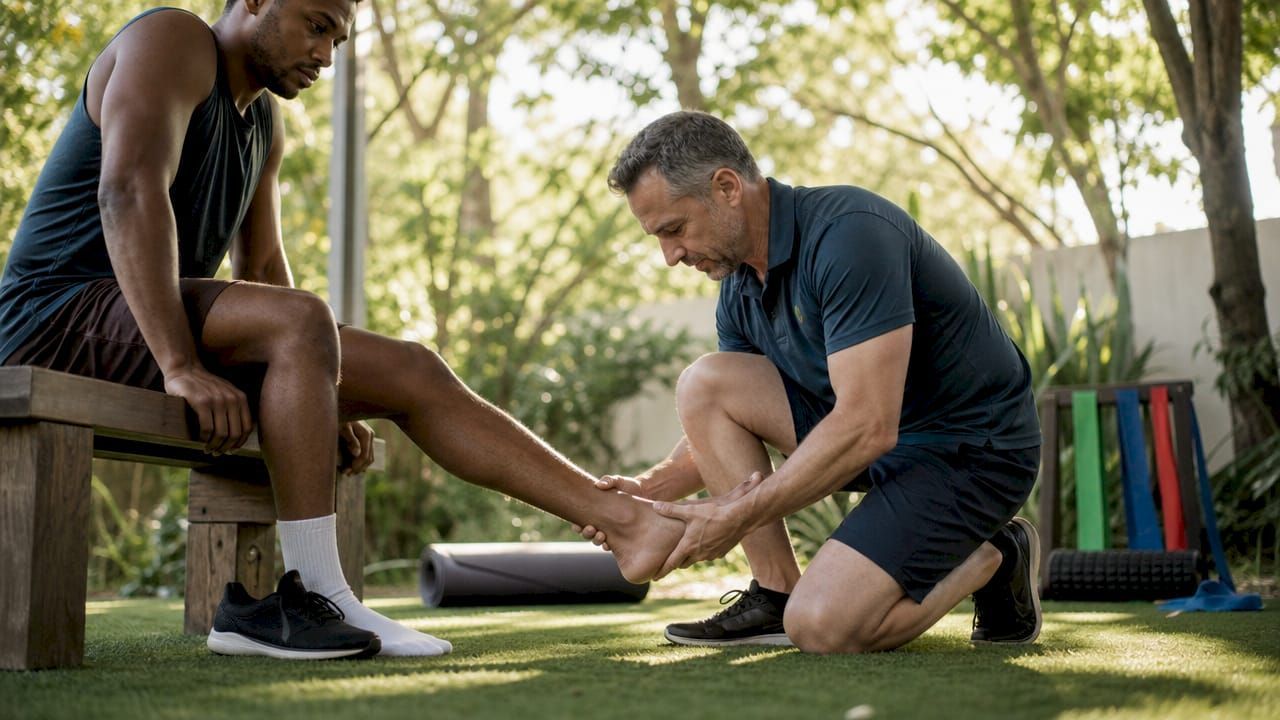
Research on basketball athletes with restricted ankle dorsiflexion found that adding posterior ankle mobilization to eccentric training produced significant gains in dorsiflexion range and improved countermovement jump and hop test results. Those gains held at a three-month follow-up. That means mobility work created durable performance improvements, not just short-term relief.
The injury prevention data is equally clear. Multicomponent neuromuscular programs that include mobility, strength, balance, and agility training reduce sports-related injuries overall by 35%, with ankle injuries dropping by 38% and knee injuries by 22%. A 35% reduction in overall injury rate is a substantial competitive advantage for any team or individual athlete.
Why limited mobility raises injury risk
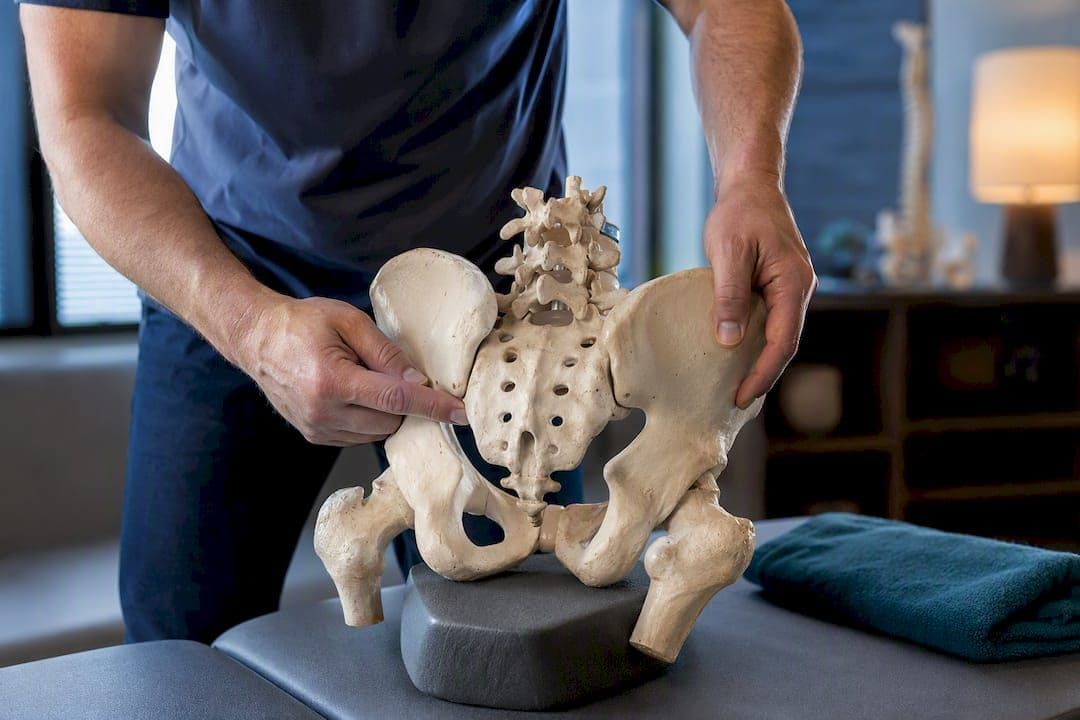
Restricted joint range forces adjacent segments to compensate. A tight hip, for example, shifts load to the lumbar spine during a squat or sprint. Over time, that compensatory pattern degrades tissue integrity and sets the stage for acute injury. Addressing the restriction at its source, rather than managing symptoms downstream, is what separates preventive care from reactive treatment.
Pro Tip: If you notice asymmetry in how your hips or ankles feel during a warm-up, that is a signal worth assessing before training loads increase. Asymmetry is often the first sign of a mobility restriction that will become an injury.
| Injury Type | Reduction with Multicomponent Program |
|---|---|
| Overall sports injuries | 35% |
| Ankle injuries | 38% |
| Knee injuries | 22% |
Mobility vs. flexibility: why the difference matters for athletes
Mobility and flexibility are not the same thing. Confusing them leads to training programs that feel productive but fail to deliver real performance gains. Mobility is active, controllable joint range of motion. Flexibility is passive tissue stretch achievable with external assistance or gravity. You can be flexible without being mobile. A gymnast who can passively stretch into a split but cannot control that range under load has flexibility without functional mobility.
The clinical distinction matters because passive stretching alone does not build the strength or motor control needed to use that range in sport. Athletes who chase end-range flexibility without pairing it with active control work often create unstable joints. That instability is a liability, not an asset.
Effective mobility training requires strengthening muscles near end ranges and developing the neuromuscular coordination to access those ranges on demand. Programs that emphasize active control at end ranges build the kind of joint stability that transfers to cutting, landing, and throwing mechanics.
| Feature | Flexibility | Mobility |
|---|---|---|
| Type of movement | Passive stretch | Active, controlled movement |
| Requires strength | No | Yes |
| Transfers to sport | Partially | Directly |
| Training method | Static stretching | Loaded range-of-motion work |
| Injury prevention value | Limited alone | High when paired with strength |
Pro Tip: Replace static hamstring stretches in your warm-up with active leg swings and Romanian deadlifts at controlled tempo. You build range and strength at the same time.
How to incorporate mobility training into your athletic routine
The most effective mobility programs are short, frequent, and embedded into existing training sessions. Athletes do not need a separate hour-long mobility class. They need consistent, well-structured work that prepares the body for the demands of that day's training.
Short-duration warm-ups under 20 minutes, performed 2–3 times weekly and combining mobility, strength, agility, balance, and plyometrics, produce the best injury prevention outcomes. That structure also improves neuromuscular readiness, meaning athletes are more prepared to train hard from the first rep.
Here is a practical framework for structuring mobility into your week:
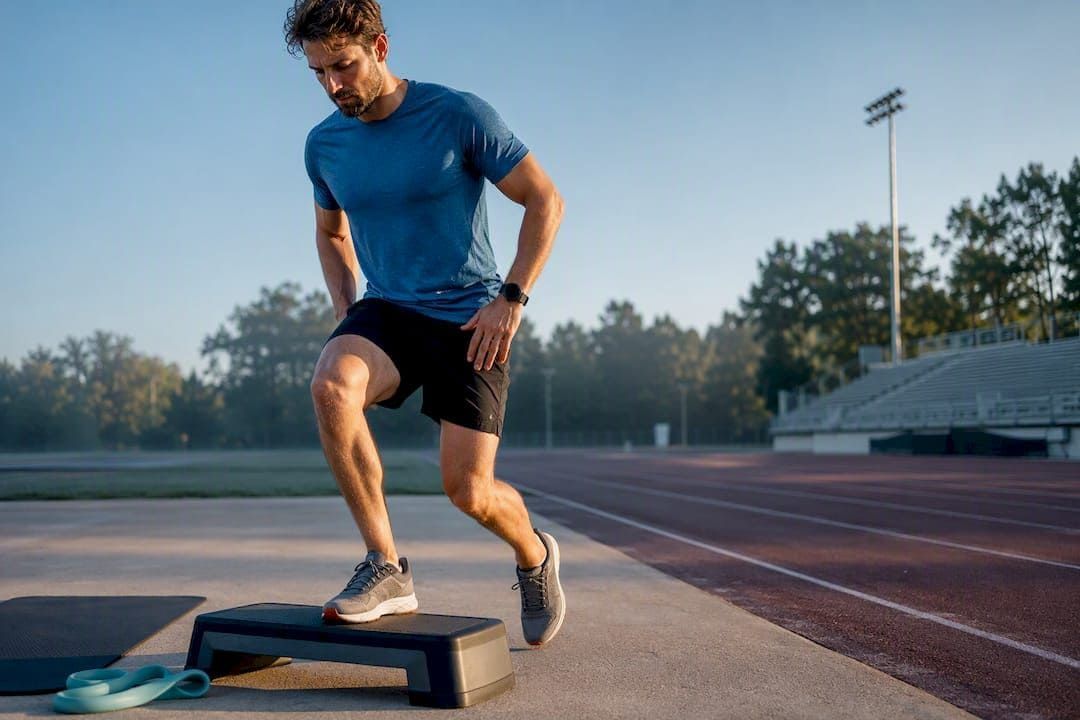
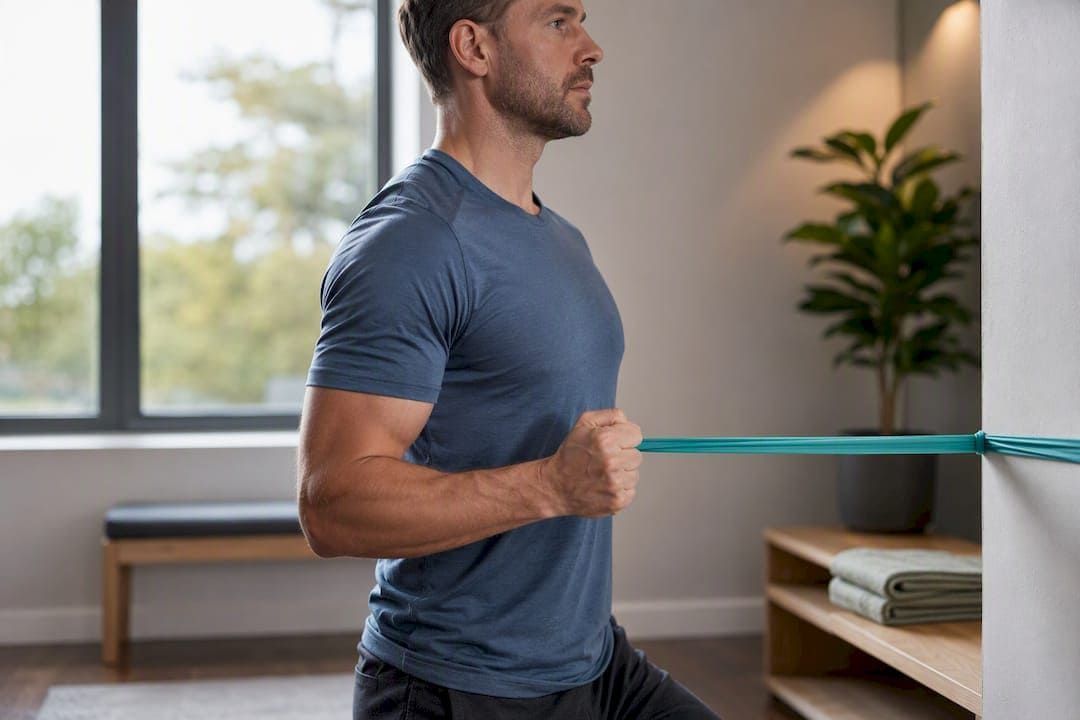
- Pre-training warm-up (10–15 minutes): Begin with joint circles, then move to active stretches like hip 90/90 transitions and ankle dorsiflexion drills. Finish with low-level plyometrics to activate the nervous system.
- Mid-week mobility session (15–20 minutes): Focus on your sport's primary movement demands. Rotational sports like baseball or tennis need thoracic spine and hip mobility. Linear sports like swimming or cycling need hip flexor and ankle work.
- Post-training cool-down (5–10 minutes): Use this window for controlled end-range holds that reinforce the ranges you trained. This is not passive stretching. It is active loading at the end of range.
Structured neuromuscular warm-ups that combine mobility drills with strength and coordination work improve change-of-direction ability and knee strength better than standard warm-ups. The key is structure. Random stretching does not produce the same result.
Assessing mobility the right way
Passive goniometric measurements taken on a table do not tell you much about how an athlete moves under load. The Weight-Bearing Lunge Test is a better option. It measures ankle dorsiflexion in a weight-bearing position that mirrors sport-specific demands. Functional assessment results correlate more closely with performance improvements in complex movement tasks than passive measurements do.
Pro Tip: Film yourself performing a single-leg squat from the front and side. Knee cave, forward trunk lean, and heel rise are all visible signs of mobility restrictions that a static stretch test would miss entirely.
Common misconceptions about mobility training in sport
Mobility training is not a quick fix. Athletes who add a few hip circles to their warm-up and expect immediate performance gains will be disappointed. Joint mobilization is a complement to a complete training program, not a stand-alone solution. The performance benefits of mobility work appear over weeks and months, not days.
A common mistake is treating mobility as a separate category from strength training. The two are inseparable. Mobility improvements transfer selectively to complex multi-joint movements like jumps and direction changes, but not to all performance metrics. Maximal isometric strength and execution speed do not improve from mobility work alone. Athletes need to pair mobility gains with sport-specific loading to see full transfer.
Another frequent error is applying a generic program to every athlete. Injury prevention programs must account for athlete age, competition level, injury history, sport-specific demands, and available equipment. A 16-year-old soccer player and a 35-year-old recreational basketball player need different programs, even if both have hip mobility restrictions.
"Effective injury-prevention programs should be based on athlete-specific factors including injury history, pre-season screening, and sport-specific injury rates." — Sports Physical Therapist consensus recommendations
Multicomponent neuromuscular training reduces injury risk by about 27% in adolescent athletes when programs are tailored by injury history and sport-specific demands. That tailoring is what separates programs that work from programs that look good on paper.
Pro Tip: Before starting any new mobility program, get a functional movement screen or a sport-specific assessment. Knowing your actual restrictions prevents you from spending time on work your body does not need.

Key takeaways
Mobility is the single most trainable physical quality that directly connects joint health, movement quality, and injury resilience for athletes at every level.
| Point | Details |
|---|---|
| Mobility vs. flexibility | Mobility requires active control; flexibility is passive and does not transfer to sport on its own. |
| Injury reduction is measurable | Multicomponent programs cut overall injury rates by 35%, with ankle injuries down 38% and knee injuries down 22%. |
| Short sessions work best | Warm-ups under 20 minutes, done 2–3 times weekly, produce the strongest injury prevention and performance outcomes. |
| Assessment drives results | Use weight-bearing functional tests like the WBLT to identify restrictions that passive measurements miss. |
| Individualization is non-negotiable | Program design must account for sport, age, injury history, and movement screening results to be effective. |
What I have learned from watching athletes train mobility wrong
Athletes consistently underestimate how much their movement quality is costing them. I have watched talented athletes plateau for months, not because they lacked strength or conditioning, but because restricted ankle or hip mobility was quietly degrading every movement pattern they trained. Once that restriction was addressed with targeted mobilization paired with eccentric loading, performance markers improved within weeks.
The part that surprises most athletes is how little time it actually takes. Fifteen focused minutes before training, done consistently, produces results that hours of passive stretching never will. The difference is intent. Passive stretching is comfortable. Active mobility work at end ranges is uncomfortable, which is exactly why it works.
The science on this has sharpened considerably in 2026. We now have clearer evidence that mobility gains transfer to complex movement tasks but not to raw strength or speed. That specificity is useful. It tells athletes where to invest their time and what to expect. Mobility work will not make you faster in a straight line. It will make your cutting mechanics cleaner, your landing patterns safer, and your joints more resilient over a long season.
If you are serious about your athletic longevity, mobility is not optional. It is the foundation everything else is built on. Prioritize it early, assess it honestly, and program it with the same rigor you apply to strength or conditioning.
Essentialchirocare's approach to athletic mobility and recovery
Athletes in West Central Florida dealing with restricted movement, recurring injuries, or performance plateaus have a direct path to professional support at Essentialchirocare.
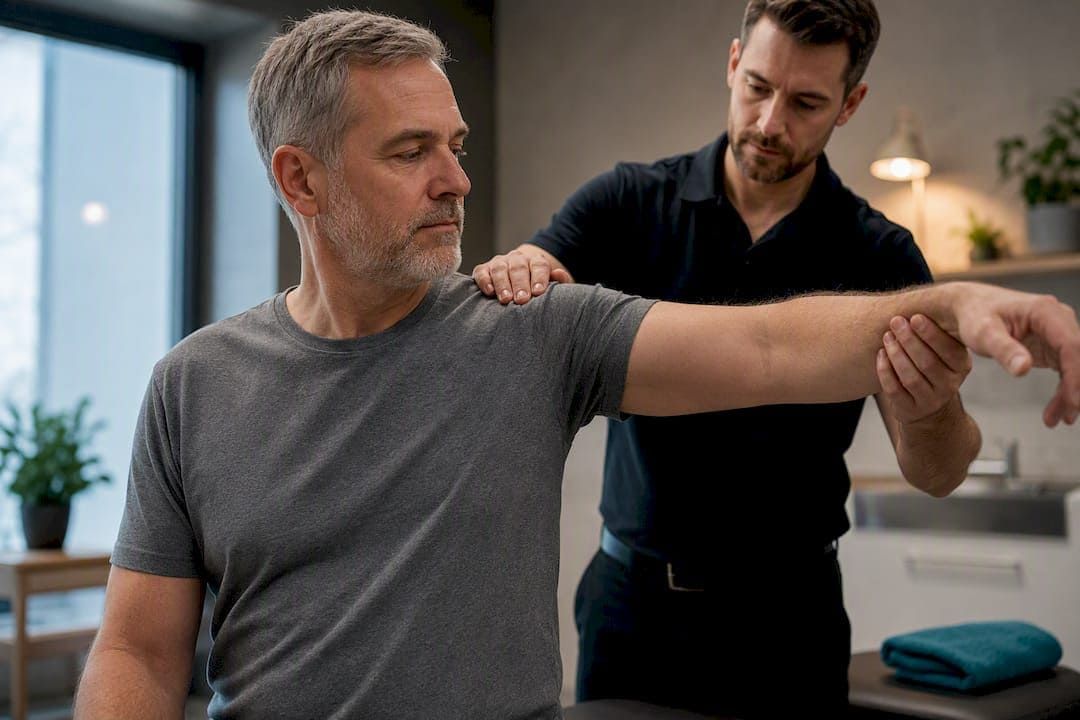
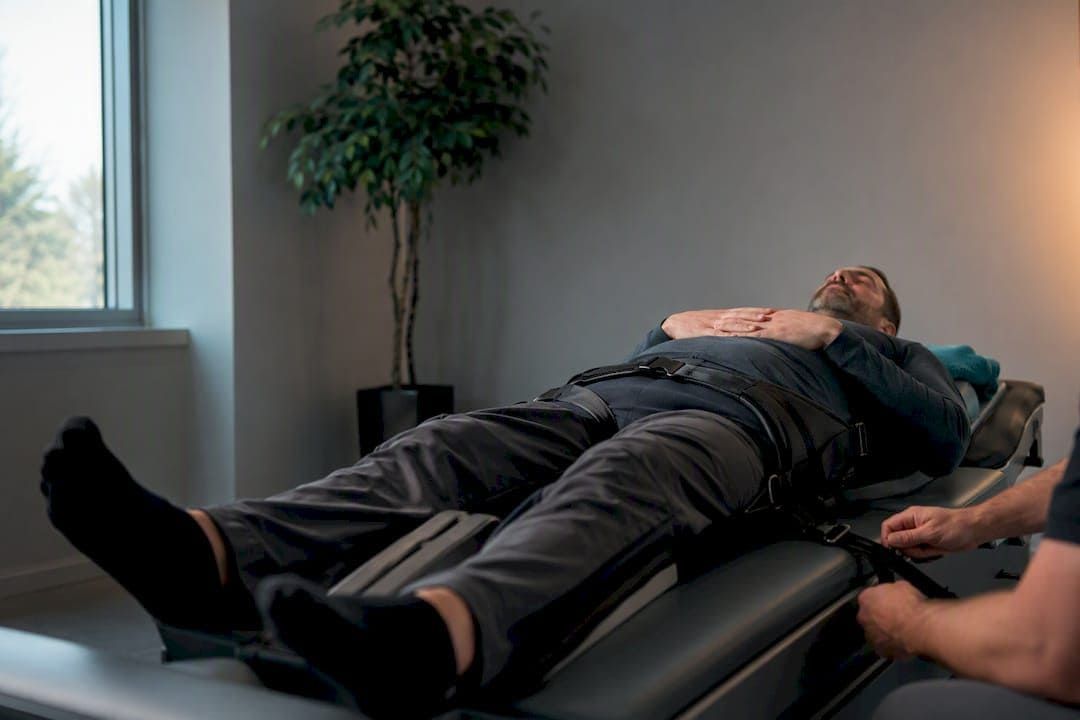
Essentialchirocare's doctors bring sports team experience to every assessment, which means they understand the demands your sport places on your joints. Their chiropractic care services address the root causes of restricted movement, not just the symptoms. For athletes who need structured rehabilitation, the physical rehab program focuses on restoring strength and functional range together. Whether you are managing a sports injury or building a prevention plan, Essentialchirocare offers personalized care across Tampa, Brandon, Sarasota, Lakeland, and Pinellas Park.
FAQ
What is the difference between mobility and flexibility?
Mobility is active, controlled joint movement through a full range of motion. Flexibility is passive tissue stretch that does not require muscular control and does not transfer directly to sport performance.
How does mobility training prevent sports injuries?
Multicomponent programs that include mobility work reduce overall injury rates by 35%, with specific reductions for ankle and knee injuries. Improved joint range under load eliminates the compensatory movement patterns that cause most non-contact injuries.
How often should athletes train mobility?
Research supports 2–3 sessions per week embedded into warm-ups of under 20 minutes. Frequency and consistency matter more than session length.
Does mobility training improve athletic performance?
Mobility improvements transfer to complex multi-joint movements like jumps and direction changes. Research on basketball athletes shows ankle mobilization improves countermovement jump and hop test results, though it does not directly increase maximal strength or straight-line speed.
What is the best way to assess mobility for sport?
The Weight-Bearing Lunge Test is the most sport-relevant assessment for ankle dorsiflexion. Functional, weight-bearing tests correlate more closely with performance outcomes than passive range-of-motion measurements taken on a table.