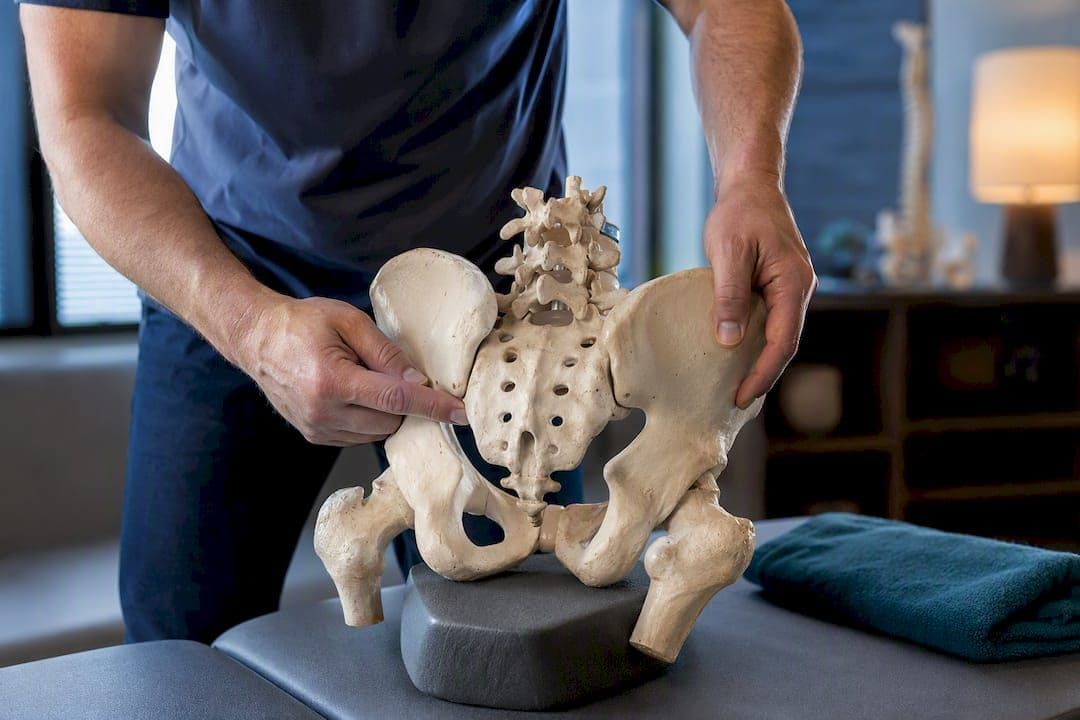



The Role of Chiropractic in Family Wellness
TL;DR:
- Chiropractic care focuses on correcting spinal misalignments to improve nervous system function and support healing. It benefits families by enhancing immune health, sleep, stress response, and mobility across all age groups through personalized treatment plans. Regular, age-specific chiropractic visits foster preventive health and long-term wellness outcomes for entire households.
Chiropractic care is defined as a health discipline focused on diagnosing and correcting spinal misalignments to restore nervous system function and support the body's natural ability to heal. The role of chiropractic in family wellness extends far beyond back pain relief. It addresses immune function, stress response, sleep quality, and developmental health for every family member, from newborns to grandparents. Clinics like Essentialchirocare build care plans around each person's age, lifestyle, and health goals, making chiropractic one of the most adaptable wellness tools available to families today. The evidence base for these benefits is growing, with clinical reviews now covering everything from pediatric posture to cortisol reduction in adults.

How does chiropractic care support immune function and physical health?
Spinal alignment directly affects how well the nervous system communicates with the rest of the body. When vertebrae are misaligned, nerve signals become disrupted. That disruption reduces the body's ability to regulate immune responses, manage inflammation, and maintain organ function. Correcting those misalignments through chiropractic adjustments restores the signal pathways the immune system depends on.
Families who commit to regular wellness care report measurable improvements in day-to-day health. Patients report improvements in sleep quality, stress levels, and concentration within 1–3 months of wellness-focused chiropractic care. That timeline matters because it shows results come from consistent care, not a single adjustment.
The physical benefits families notice most often include:
- Fewer sick days due to improved immune regulation through optimized nerve function
- Better sleep as physical tension in the spine and surrounding muscles decreases
- Reduced headaches linked to cervical spine alignment and reduced muscle tension
- Improved posture across all age groups, which reduces fatigue and joint strain
- Faster recovery from minor injuries when the nervous system is functioning at full capacity
These benefits compound over time. Treating chiropractic care as preventative and consistent rather than as-needed yields better long-term wellness outcomes. A family that schedules regular visits stays ahead of problems rather than reacting to them.
How does chiropractic care adapt across different life stages?
Chiropractic care is not a one-size-fits-all treatment. The techniques, goals, and visit frequency shift significantly depending on the patient's age and developmental stage. Family wellness plans are customized by life stage, addressing children's developmental milestones, adult work-related stress, and seniors' joint stiffness.
Pediatric chiropractic benefits
Children's spines undergo rapid change during growth spurts, and poor posture habits form early. Pediatric chiropractic focuses on supporting healthy spinal development, correcting postural imbalances from heavy backpacks or screen time, and addressing issues like colic, ear infections, and sleep disruption in infants. Chiropractic adjustments for infants use gentle fingertip pressure tailored to developmental needs, completely distinct from the techniques used on adults. Parents often worry about safety, but pediatric adjustments involve no cracking or forceful manipulation.
Pro Tip: Ask your chiropractor to walk you through the exact technique before your child's first adjustment. Seeing the gentle fingertip pressure used on infants removes most parental anxiety immediately.
Adult care and stress management
Adults carry the physical load of desk jobs, parenting, and athletic activity. Their chiropractic care targets musculoskeletal maintenance, stress-related tension in the neck and shoulders, and recovery from repetitive strain. The chiropractic lifestyle change process for adults often integrates posture correction, ergonomic guidance, and mobility work alongside spinal adjustments.
Senior mobility and independence
Seniors benefit most from care that targets joint stiffness, balance, and functional independence. Regular adjustments reduce the risk of falls by improving proprioception, which is the body's sense of its own position in space. Chiropractic also addresses the spinal degeneration that comes with age, slowing its progression and reducing associated pain. For seniors managing multiple health conditions, chiropractic injury rehab offers a drug-free path to maintaining mobility.
Family block scheduling
Family block scheduling allows multiple family members to receive care in the same visit, reducing the logistical burden of separate appointments. This single change dramatically improves attendance consistency, which is the most important factor in long-term wellness outcomes.
Does chiropractic care improve mental wellness?
The role of chiropractic in mental wellness is grounded in physiology, not theory. Chiropractic care stimulates the parasympathetic nervous system, lowering cortisol levels and improving the body's physiological resilience to stress. Lower cortisol means reduced anxiety, better mood regulation, and improved sleep depth.
"Chiropractic care is a powerful physical complement to mental health treatments. By activating the parasympathetic nervous system, it creates the physiological conditions that make stress recovery possible."
The clinical data behind this is substantial. A 2026 systematic review found that 83.3% of chiropractic studies reported significant improvements in depression-related symptoms. That review analyzed 97 studies across manual therapies, positioning chiropractic as a credible non-pharmacological complement to mental health care. For families managing anxiety, burnout, or mood disorders, this is a meaningful finding.
The mental wellness benefits families report most often include clearer thinking, reduced irritability, and more restful sleep. These improvements are not separate from the physical adjustments. They are direct results of a nervous system that is no longer operating under chronic physical stress. When the body stops bracing against spinal tension, the mind follows.

How can families integrate chiropractic care into a long-term wellness routine?
Consistency is the single most important factor in getting lasting results from chiropractic care. One adjustment addresses an acute problem. A scheduled wellness program builds resilience over months and years. The practical steps below help families move from reactive to preventive care.
- Schedule a family wellness assessment first. A baseline evaluation identifies each family member's specific spinal and postural needs before any treatment begins. Essentialchirocare offers family chiropractic wellness programs designed around whole-family health histories.
- Use block appointments. Book sequential slots for multiple family members on the same day. This reduces the number of separate trips and keeps everyone on a consistent schedule.
- Coordinate with other providers. Chiropractic works best as part of a broader health team. Sharing care notes with pediatricians, naturopaths, and fitness coaches improves outcomes for every family member.
- Add home exercises between visits. Home exercises that support chiropractic results extend the benefit of each adjustment and reduce the frequency of visits needed over time.
- Access care directly. Patients can often access chiropractic care directly without needing a physician referral. This removes a common barrier to starting a wellness program.
Pro Tip: Set a recurring calendar reminder for your family's chiropractic appointments the same way you would for dental cleanings. Treating it as routine maintenance rather than emergency care changes how consistently families follow through.
| Family member | Primary focus | Recommended frequency |
|---|---|---|
| Infants and toddlers | Developmental alignment, colic, sleep | Monthly or as needed |
| School-age children | Posture, backpack strain, growth support | Every 4–6 weeks |
| Adults | Stress, musculoskeletal maintenance | Every 2–4 weeks |
| Seniors | Mobility, joint health, fall prevention | Every 2–3 weeks |
Integrated family chiropractic care that considers shared household stress patterns improves overall outcomes beyond what individual care achieves alone. Families share environments, habits, and stress sources. Addressing those patterns together produces results no single-patient plan can replicate.
Key takeaways
Chiropractic care delivers its greatest family wellness benefits when it is consistent, age-specific, and integrated with other health practices rather than used only for pain relief.
| Point | Details |
|---|---|
| Nervous system is the foundation | Spinal alignment restores nerve communication, which supports immune function and overall health. |
| Care adapts by age | Techniques and goals shift from gentle infant adjustments to senior mobility work across life stages. |
| Mental wellness connection | Chiropractic stimulates the parasympathetic nervous system, lowering cortisol and improving mood. |
| Consistency drives results | Preventive, scheduled care produces better long-term outcomes than episodic pain-only visits. |
| Block scheduling removes barriers | Booking multiple family members in one visit improves attendance and reduces scheduling friction. |
Why I think most families underestimate chiropractic care
Most families discover chiropractic care through a crisis: a herniated disc, a sports injury, or a child with persistent ear infections. That entry point is fine, but it sets the wrong expectation. Families who start with a problem tend to stop when the problem resolves. They miss the more significant benefit entirely.
What I have seen over years of observing patient outcomes is that the families who treat chiropractic as a lifestyle practice, not a fix, are the ones who report the most dramatic changes. Their kids sleep better. The adults handle work stress without it accumulating in their shoulders. The grandparents stay mobile longer than their peers. None of that happens from a handful of crisis visits.
The mental wellness angle is the most underappreciated piece. When a parent's cortisol drops after a series of adjustments, the whole household feels it. Calmer parents create calmer environments. That is not a marketing claim. It is basic physiology playing out in real family dynamics.
My honest recommendation: start with a whole-family assessment, not just the person in pain. You will almost always find that other family members have postural or spinal issues they have normalized. Catching those early is where chiropractic care earns its place as a genuine wellness tool, not just a pain management option.
Essentialchirocare's approach to family wellness care
Families in West Central Florida have access to a care model built around their whole household, not just individual appointments.
Essentialchirocare serves patients across Tampa, Brandon, Sarasota, Lakeland, and Pinellas Park with comprehensive chiropractic care programs that cover every age group. From gentle pediatric adjustments to senior mobility work and adult stress management, the clinic's doctors build personalized plans grounded in each family's health history. Families can book block appointments to keep everyone on schedule without the hassle of separate visits. Whether you are managing an existing condition or building a preventive wellness routine, Essentialchirocare's full range of chiropractic services provides a practical starting point for the whole family.
FAQ
What is the role of chiropractic in family wellness?
Chiropractic care supports family wellness by correcting spinal misalignments that disrupt nervous system function, improving immune response, sleep quality, and stress resilience across all ages.
Is chiropractic care safe for children?
Pediatric chiropractic adjustments use gentle fingertip pressure specifically adapted to a child's developmental stage, making them safe and distinct from adult techniques.
How does chiropractic care help with mental wellness?
Chiropractic adjustments stimulate the parasympathetic nervous system, which lowers cortisol levels and supports mood regulation. A 2026 systematic review found that 83.3% of chiropractic studies reported significant improvements in depression-related symptoms.
Do I need a doctor's referral to start chiropractic care?
Patients can typically access chiropractic care directly without a physician referral, making it straightforward to begin a family wellness program.
How often should families visit a chiropractor for wellness care?
Visit frequency depends on age and health goals, ranging from monthly for infants to every 2–4 weeks for adults, with consistency being the key factor in long-term results.