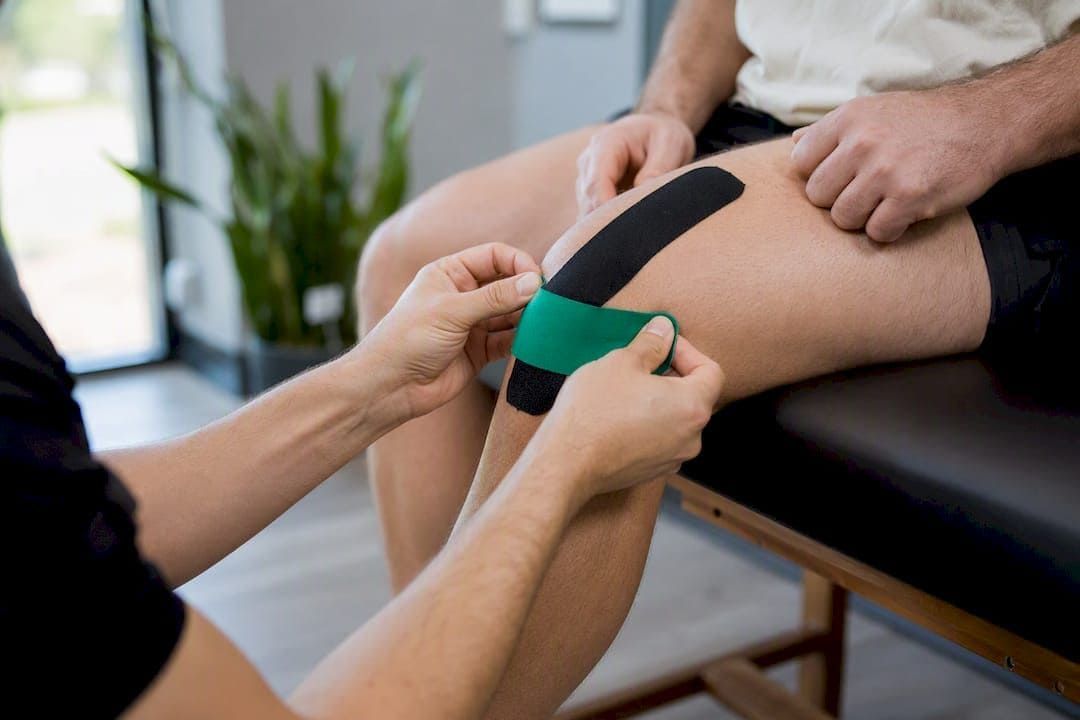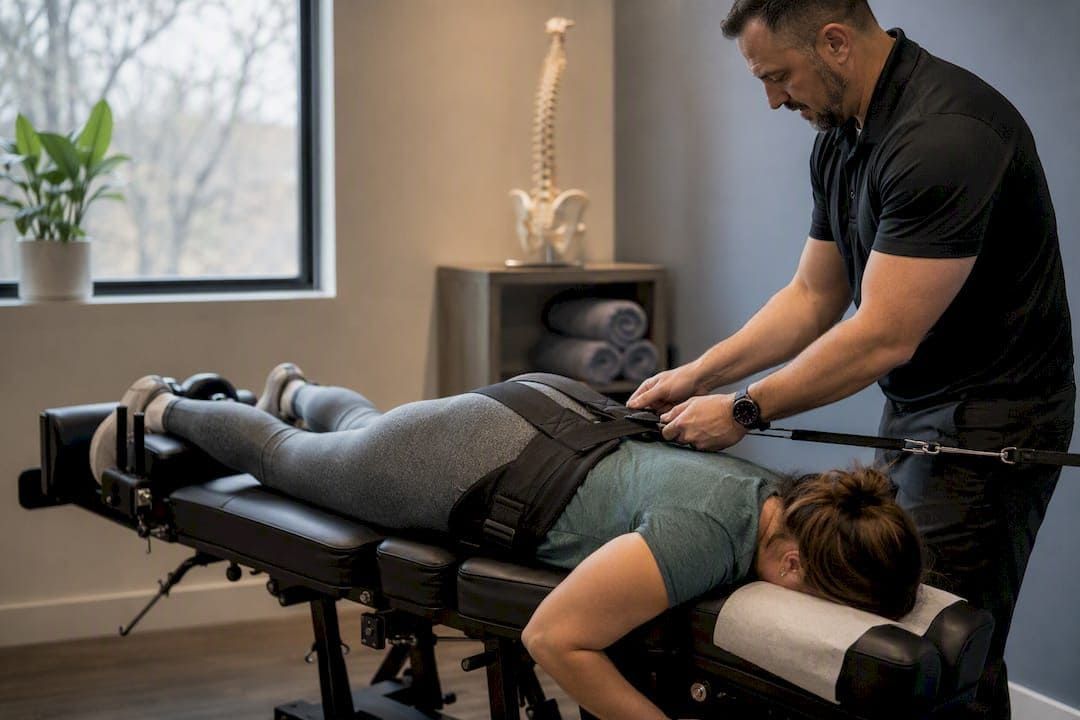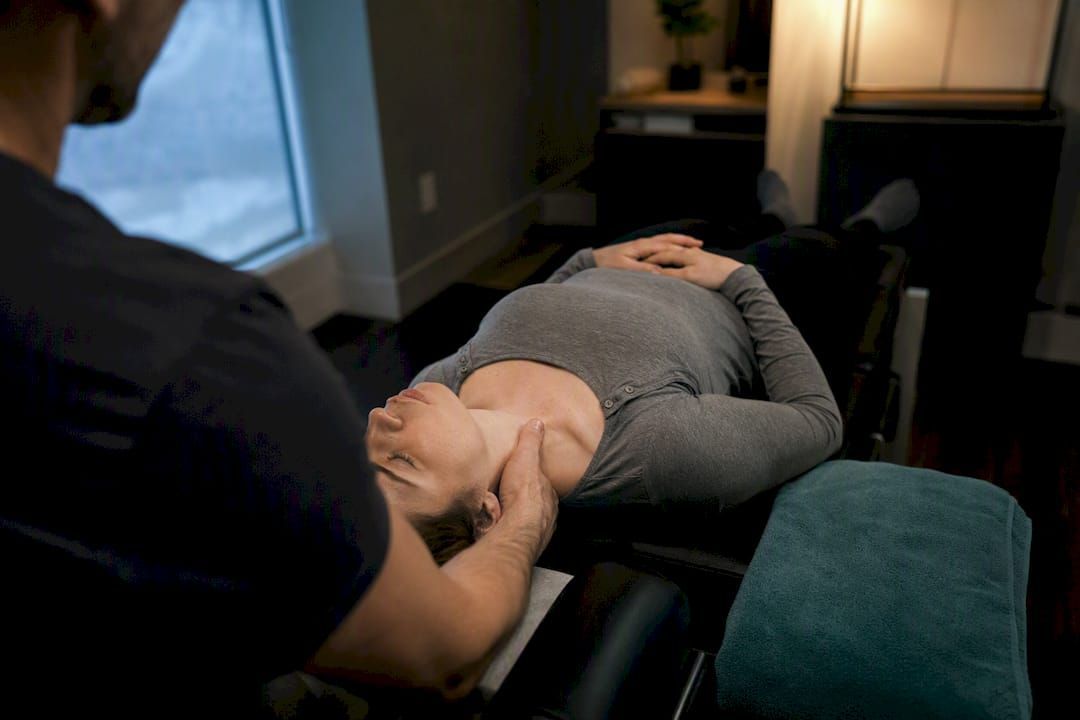



The Role of Chiropractic Pre-Season in Athletic Prep

Essential ChiroCare Blogger • August 12, 2026

The Role of Chiropractic Pre-Season in Athletic Prep

TL;DR:

  • Pre-season chiropractic care prepares athletes by improving joint alignment, mobility, and neuromuscular coordination to prevent injuries. It offers significant health benefits such as increased physical quality of life and better sleep, supporting overall recovery and readiness. Tailored approaches for different age groups and proactive scheduling maximize the benefits before training loads intensify.

Pre-season chiropractic care is defined as a structured series of spinal and joint interventions designed to prepare an athlete's body for the physical demands of competitive training. The role of chiropractic pre-season preparation goes beyond pain relief. It addresses joint alignment, neuromuscular coordination, and mobility before training loads intensify. Research published in the Journal of Parker University found that consistent chiropractic care raised median physical health scores from 44.7 to 51.0 over three months, a clinically meaningful gain. Essentialchirocare works with athletes across West Central Florida to deliver exactly this kind of targeted, pre-season readiness care.

chiropractic care for athletes

How does chiropractic care prevent injuries during pre-season?

Chiropractic injury prevention works by correcting the mechanical imbalances that make athletes vulnerable before a single game is played. When spinal segments and peripheral joints are misaligned, the body compensates with altered movement patterns. Those compensations place uneven stress on muscles, tendons, and ligaments, which is where overuse injuries begin.

Chiropractic interventions optimize joint mobility, spinal alignment, and neuromuscular coordination to reduce that mechanical stress. Better alignment means the body moves more efficiently. More efficient movement means less cumulative strain during the high-volume training blocks that define pre-season.

The main mechanisms through which pre-season chiropractic adjustments lower injury risk include:

  • Spinal alignment correction: Reduces asymmetrical loading on the lumbar and thoracic spine during running, jumping, and cutting movements.
  • Joint mobilization: Restores full range of motion in the hips, shoulders, and ankles, the three joints most commonly restricted in athletes entering pre-season.
  • Neuromuscular re-education: Stimulates proprioceptive pathways so muscles fire in the correct sequence, improving balance and reaction time.
  • Soft tissue release: Addresses fascial restrictions that limit movement and create friction points under load.
  • Early dysfunction detection: Identifies minor misalignments before they become symptomatic injuries.

Pro Tip: Schedule a biomechanical screening with a chiropractor at least four weeks before your first practice. Minor restrictions found at that stage take far less time to correct than injuries that develop mid-season.

Coaches should treat this screening the same way they treat a pre-season fitness test. It gives you a baseline and flags problems while there is still time to act.

What does research say about chiropractic care's impact on athletes' health?

The science on chiropractic treatment for athletes is more nuanced than most marketing suggests. Strong evidence exists for quality of life improvements and recovery support. Evidence for direct performance enhancement in healthy, asymptomatic athletes is limited.

A three-month longitudinal study using the SF-36v2 quality of life measure found that consistent chiropractic care produced statistically significant gains in physical health scores (p<0.001). That result matters for athletes because physical health quality of life directly tracks with training capacity and recovery speed.

A separate study on active-duty military personnel, a population with training demands comparable to competitive athletes, found that adding chiropractic care to standard medical treatment improved sleep disturbance outcomes maintained at 52 weeks. Sleep is the single most underrated recovery variable in pre-season preparation. Any intervention that protects sleep quality has a compounding effect on performance readiness.

Study focus Population Key metric Outcome
Physical health quality of life Spinal pain patients SF-36v2 physical score Rose from 44.7 to 51.0 (p<0.001)
Sleep disturbance and function Active-duty military Sleep disturbance score Benefits maintained at 52 weeks
Joint mobility and alignment Athletes across age groups Mechanical stress and movement efficiency Improved with age-adapted care
Performance in asymptomatic athletes Healthy athletes Direct performance metrics Limited evidence for gains

Systematic reviews show limited evidence for performance gains in athletes who have no existing symptoms. That finding does not undermine chiropractic care. It clarifies its role. Chiropractic is a preparation and protection tool, not a substitute for conditioning.

How is chiropractic pre-season care tailored to different age groups?

Athlete age changes everything about how chiropractic care should be delivered. A 16-year-old soccer player and a 45-year-old recreational tennis player share the same goal of staying healthy through a season, but their musculoskeletal systems require completely different approaches.

Chiropractic treatment strategies differ by athlete age because of variations in musculoskeletal development, recovery capacity, and degenerative changes. Personalized care based on life stage consistently improves both prevention and recovery outcomes.

Age group Primary concern Chiropractic focus Treatment approach
Youth (under 18) Growth plate sensitivity, developing posture Healthy spinal development, postural habits Gentle mobilization, movement education
Young adults (18–35) High training loads, acute strain Joint mobility, neuromuscular coordination Spinal manipulation, soft tissue work
Adults (35–50) Cumulative wear, recovery lag Pain reduction, functional restoration Manipulation combined with rehab exercises
Older athletes (50+) Degenerative joint changes, stiffness Mobility preservation, pain management Gentle mobilization, low-force techniques

Youth athletes need chiropractic care that supports healthy development rather than aggressive correction. Growth plates are vulnerable, and any spinal intervention must account for skeletal immaturity. The goal at this stage is building good movement patterns that carry forward into adult competition.

Adult athletes in the 18–35 range carry the heaviest training loads and benefit most from the full range of chiropractic techniques, including spinal manipulation, joint mobilization, and soft tissue therapy. For golfers specifically, pre-season preparation that includes chiropractic work on thoracic rotation and hip mobility directly translates to swing consistency and reduced lumbar strain.

Older athletes require a shift toward low-force mobilization techniques. Degenerative changes in the cervical and lumbar spine mean that high-velocity manipulation carries more risk and less reward. The priority becomes preserving the range of motion they have and slowing the progression of stiffness.

chiropractic care for sports injuries

What practical steps can athletes and coaches take to integrate chiropractic care?

Chiropractic care delivers the most value when it is built into the pre-season schedule rather than added reactively after pain appears. Timing and coordination with other training elements determine how much benefit athletes actually receive.

Follow these steps to integrate chiropractic care effectively before your season begins:

  1. Book a baseline assessment six weeks out. A full biomechanical evaluation identifies restrictions, asymmetries, and postural issues before training volume increases.
  2. Schedule weekly sessions for the first three weeks. Higher frequency early in pre-season allows the chiropractor to address multiple issues progressively without rushing corrections.
  3. Coordinate with your strength and conditioning coach. Share chiropractic findings with your S&C team so loading progressions account for any identified vulnerabilities.
  4. Add physical rehabilitation exercises between sessions. Chiropractic combined with physical therapy produces better long-term outcomes than either approach alone.
  5. Taper to biweekly sessions in the final two weeks. As the season approaches, maintenance adjustments keep the body stable without introducing new variables.
  6. Log body feedback after each session. Note any changes in range of motion, soreness patterns, or sleep quality. This data helps your chiropractor refine the treatment plan.

The most common mistake athletes make is waiting until pain forces them to seek care. By that point, the season has already started and the window for proactive preparation has closed. Coaches can prevent this by building chiropractic appointments into the pre-season calendar the same way they schedule fitness testing and film sessions.

Early detection of spinal misalignments through frequent pre-season adjustments improves posture and mobility before intense training begins. That early intervention may prevent the joint strain that sidelines athletes in weeks three and four of pre-season, the period when training loads peak.

Pro Tip: Ask your chiropractor to assess hip and ankle mobility specifically. Restrictions in those two joints are the most common upstream cause of lower back and knee problems in athletes during pre-season.

For athletes who play rotational sports like baseball, golf, or tennis, avoiding golf injuries through pre-season chiropractic work on thoracic spine mobility is one of the highest-return investments available before a season starts.

Key Takeaways

Pre-season chiropractic care reduces injury risk and supports physical readiness by correcting joint alignment, improving mobility, and enhancing neuromuscular coordination before training loads peak.

Point Details
Start six weeks early Begin chiropractic assessment before training volume increases to address restrictions proactively.
Evidence supports quality of life gains SF-36v2 data shows physical health scores rise significantly with consistent chiropractic care over three months.
Age determines the approach Youth athletes need gentle mobilization; older athletes need low-force techniques targeting mobility preservation.
Combine with rehab and conditioning Chiropractic paired with physical therapy and load management produces better outcomes than chiropractic alone.
Sleep benefits compound over time Chiropractic care improves sleep disturbance outcomes, which directly supports athletic recovery and readiness.

Why chiropractic pre-season care is worth taking seriously

I have seen athletes walk into a pre-season evaluation convinced they feel fine, only to have a biomechanical screen reveal a hip that barely rotates past 30 degrees on one side. They had adapted so completely to that restriction that they stopped noticing it. Their body had been compensating for months, quietly loading the wrong structures with every sprint and cut.

That is the part of chiropractic care that does not get enough attention. The value is not just in treating what hurts. It is in finding what is about to hurt. The athletes who get the most out of pre-season chiropractic work are the ones who show up before they have a problem, not after.

The research is clear that chiropractic care works best as part of a broader plan that includes rehabilitation, load management, and recovery. A chiropractor who tells you adjustments alone will make you faster or stronger is overpromising. But a chiropractor who identifies a thoracic rotation deficit before your first practice and corrects it over three sessions? That person may have just saved your season.

Coaches, build this into your program structure. Athletes, stop treating chiropractic as a last resort. The pre-season window is short, and the body you bring into week one of training sets the ceiling for everything that follows.

Essentialchirocare's pre-season chiropractic services for athletes

Athletes preparing for a demanding season need more than a general checkup. They need a chiropractor who understands sports biomechanics and can build a plan around their specific training demands.

Essentialchirocare's doctors bring direct sports team experience to every evaluation. Their sports injury care services cover biomechanical screening, spinal adjustments, joint mobilization, and coordination with physical rehabilitation, all designed to get athletes ready before the first whistle blows. Clinics are located across Tampa, Brandon, Sarasota, Lakeland, and Pinellas Park. You can book a pre-season evaluation online and get a personalized treatment plan built around your sport, your age, and your training schedule. Explore chiropractic care options at Essentialchirocare and go into your season with a body that is ready for what comes next.

FAQ

  • What is the role of chiropractic care in pre-season preparation?

    Pre-season chiropractic care corrects joint misalignments, improves mobility, and enhances neuromuscular coordination before training loads increase. Its primary role is injury prevention and physical readiness, not direct performance enhancement.

  • How often should athletes see a chiropractor during pre-season?

    Weekly sessions during the first three to four weeks of pre-season are most effective, tapering to biweekly maintenance visits as the season approaches. Frequency depends on the athlete's baseline condition and training volume.

  • Does chiropractic care actually improve athletic performance?

    Systematic reviews show limited evidence for direct performance gains in healthy, asymptomatic athletes. The strongest evidence supports improvements in physical health quality of life, sleep, and injury risk reduction.

  • Is chiropractic care safe for young athletes?

    Yes, when delivered with age-appropriate techniques. Youth athletes require gentle mobilization that supports healthy spinal development rather than high-velocity manipulation, given the sensitivity of growth plates.

  • Can chiropractic care replace physical therapy for athletes?

    Chiropractic care and physical therapy address different aspects of musculoskeletal health. Research shows a multidisciplinary approach combining both produces better long-term outcomes than either alone.

Recommended

types of manual therapy
By Essential ChiroCare Blogger August 11, 2026
Explore different manual therapy types for effective pain relief. Discover techniques like mobilization and myofascial release to restore mobility.
back injury recovery plan
By Essential ChiroCare Blogger August 10, 2026
Discover a step-by-step back injury recovery workflow that helps reduce pain, restore mobility, and prevent reinjury. Start your healing journey!
herniated disc chiropractor Tampa
By Essential ChiroCare Blogger August 9, 2026
Explore non-surgical care options with a herniated disc chiropractor in Tampa, including chiropractic, rehab exercises, and wellness plans for relief.
whiplash treatment after car accident
By Essential ChiroCare Blogger August 8, 2026
Wondering about whiplash meds after a crash? See how a car accident chiropractor in Sarasota can relieve pain and support recovery with holistic care.
how to improve spinal health
By Essential ChiroCare Blogger August 7, 2026
Transform your health with a spinal wellness workflow. Discover a step-by-step plan to enhance your spinal health and prevent pain.
chronic pain medication alternatives
By Essential ChiroCare Blogger August 6, 2026
Discover why to avoid long-term pain medication like opioids. Explore risks, side effects, and better alternatives for lasting relief.
how to improve spinal health
By Essential ChiroCare Blogger August 5, 2026
Transform your health with a daily spine care routine. Discover simple habits and exercises to reduce pain and prevent injuries for lasting wellness.
pain relief without medication
By Essential ChiroCare Blogger August 4, 2026
Discover why chemical-free pain relief matters for your health. Explore natural therapies that safely manage pain and support your well-being.
common accident injury types
By Essential ChiroCare Blogger August 3, 2026
Discover the common accident injury types that often lead to ER visits. Learn how to recognize, prevent, and navigate recovery effectively.
back pain chiropractor Tampa
By Essential ChiroCare Blogger August 2, 2026
Learn when a brace helps and when it hurts. Get guidance from a back pain chiropractor in Tampa for safer support and long term relief. Read on!
Show More