Manual Therapy Types: A Guide to Pain Relief Techniques
Manual Therapy Types: A Guide to Pain Relief Techniques
TL;DR:
- Manual therapy involves hands-on techniques used by licensed practitioners to treat musculoskeletal pain and improve mobility. Different techniques target joints, fascia, muscles, or nerves, with treatment tailored through thorough assessment. It requires active participation and should always be guided by clinical evaluation for lasting results.
Manual therapy is defined as a specialized clinical approach using hands-on techniques to address musculoskeletal pain and restore functional mobility. The main manual therapy types include joint mobilization, manipulation, myofascial release, trigger point therapy, neurodynamic techniques, and Muscle Energy Techniques (MET). Licensed practitioners such as chiropractors and physical therapists apply these methods through clinical assessment, not guesswork. The International Federation of Orthopaedic Manipulative Physical Therapists (IFOMPT) sets the global standards that define this field. Understanding which technique fits your condition is the first step toward real, lasting relief.
1. What are the main manual therapy types used today?
Manual therapy techniques are categorized by the tissue they target: joints, fascia, muscles, or nerves. Each type has a distinct mechanism and a specific set of conditions it addresses best. Knowing the difference helps you ask better questions and set realistic expectations before your first session.
The core categories are:
- Joint Mobilization and Manipulation: Rhythmic or thrust-based movements applied directly to joints to reduce pain and restore range of motion.
- Myofascial Release: Sustained pressure applied to the connective tissue layer (fascia) surrounding muscles to release restrictions and improve circulation.
- Soft Tissue Mobilization: Hands-on techniques targeting muscle fibers, tendons, and ligaments to break down adhesions and reduce tension.
- Trigger Point Therapy: Focused pressure on tight muscle knots that cause localized or referred pain. Trigger point therapy is briefly uncomfortable but effectively improves muscle function.
- Neurodynamic Techniques: Selective tensioning or gliding of nerves to reduce irritation and improve movement in patients with nerve-related pain.
- Muscle Energy Techniques (MET): The patient actively contracts a muscle against the practitioner's resistance. This active participation makes MET unique among manual therapy methods.
Pro Tip: Ask your practitioner which tissue category your condition falls into before treatment begins. This one question will tell you whether you need joint work, fascial work, or nerve mobilization.
2. How joint mobilization and manipulation differ
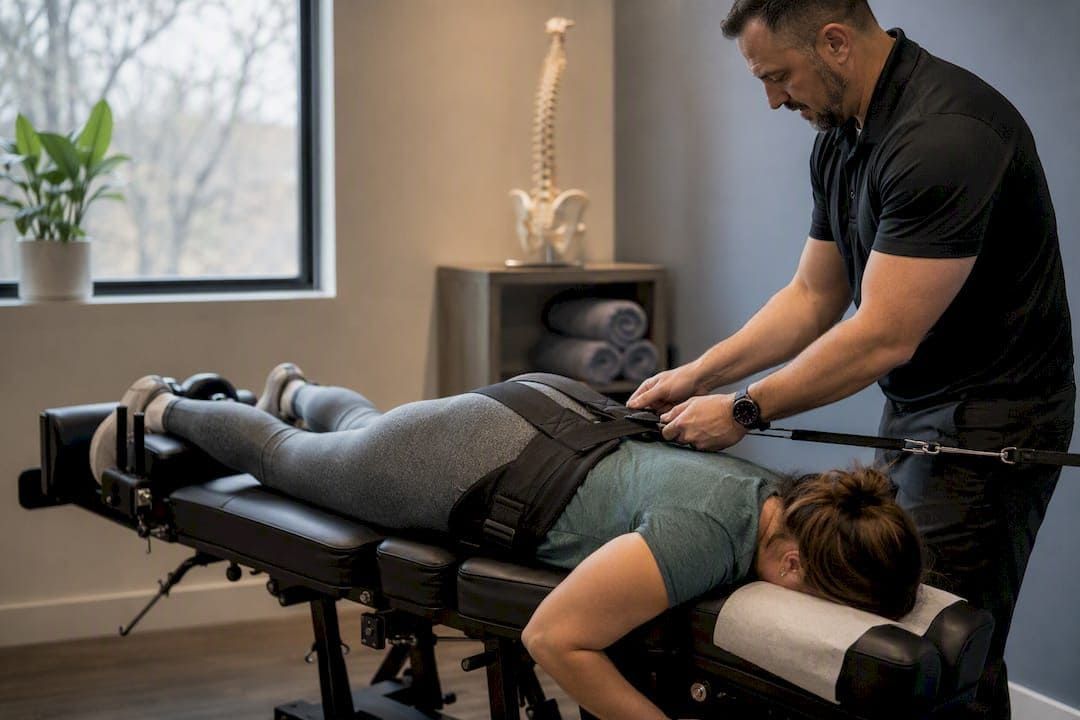
Joint mobilization uses gentle, rhythmic movements to stretch the joint capsule and decrease pain. Mobilization grades I through V define the intensity: grades I and II target pain management, grades III and IV address joint stiffness, and grade V is a high-velocity low-amplitude thrust for rapid mobility restoration. Each grade serves a different clinical purpose.
Grade V manipulation is what most people recognize as the "cracking" sound in chiropractic care. That sound comes from gas releasing inside the joint capsule, not bones grinding. High-velocity thrusts reset local muscle tension quickly and are appropriate for acute joint locking or localized mechanical pain. Grades I through IV are safer starting points for patients with acute inflammation or sensitivity.
The key difference is control and speed. Mobilization is slow and graded. Manipulation is fast and precise. Both require a trained clinician to assess which is appropriate for your specific joint and condition.
3. Myofascial release and soft tissue mobilization explained
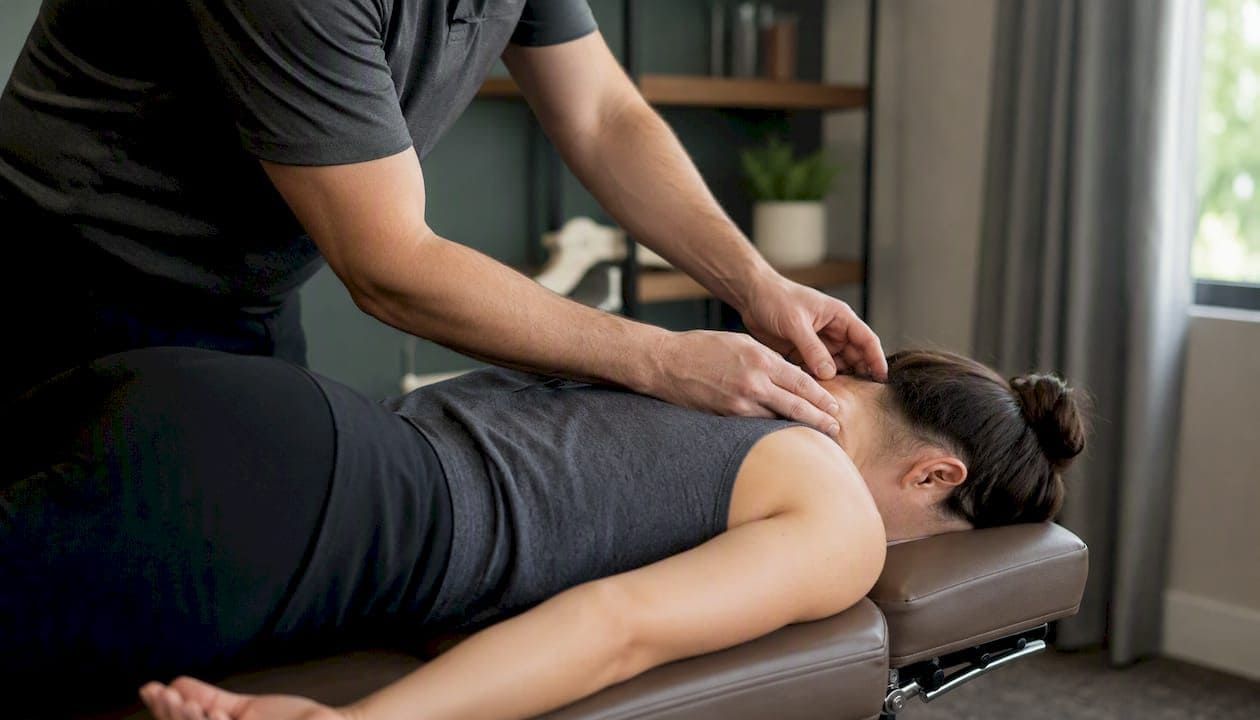
Myofascial release targets the fascia, the web of connective tissue that surrounds every muscle in your body. When fascia becomes tight from injury, poor posture, or chronic stress, it restricts movement and amplifies pain. Sustained pressure techniques improve fascial extensibility and local circulation, which reduces that widespread, hard-to-pinpoint tension many patients describe.
Soft tissue mobilization goes deeper into the muscle fibers themselves. Practitioners use their hands, knuckles, or forearms to work through adhesions and scar tissue. This technique suits patients recovering from sports injuries, repetitive strain, or post-surgical tightness. The sensation is more intense than myofascial release but produces faster results for localized muscle restrictions.
Both methods are preferred for chronic postural pain and widespread tension rather than acute joint problems. If your pain feels like a constant dull ache across your shoulders or lower back, fascial and soft tissue work is likely the right starting point.
4. Neurodynamic techniques for nerve-related pain
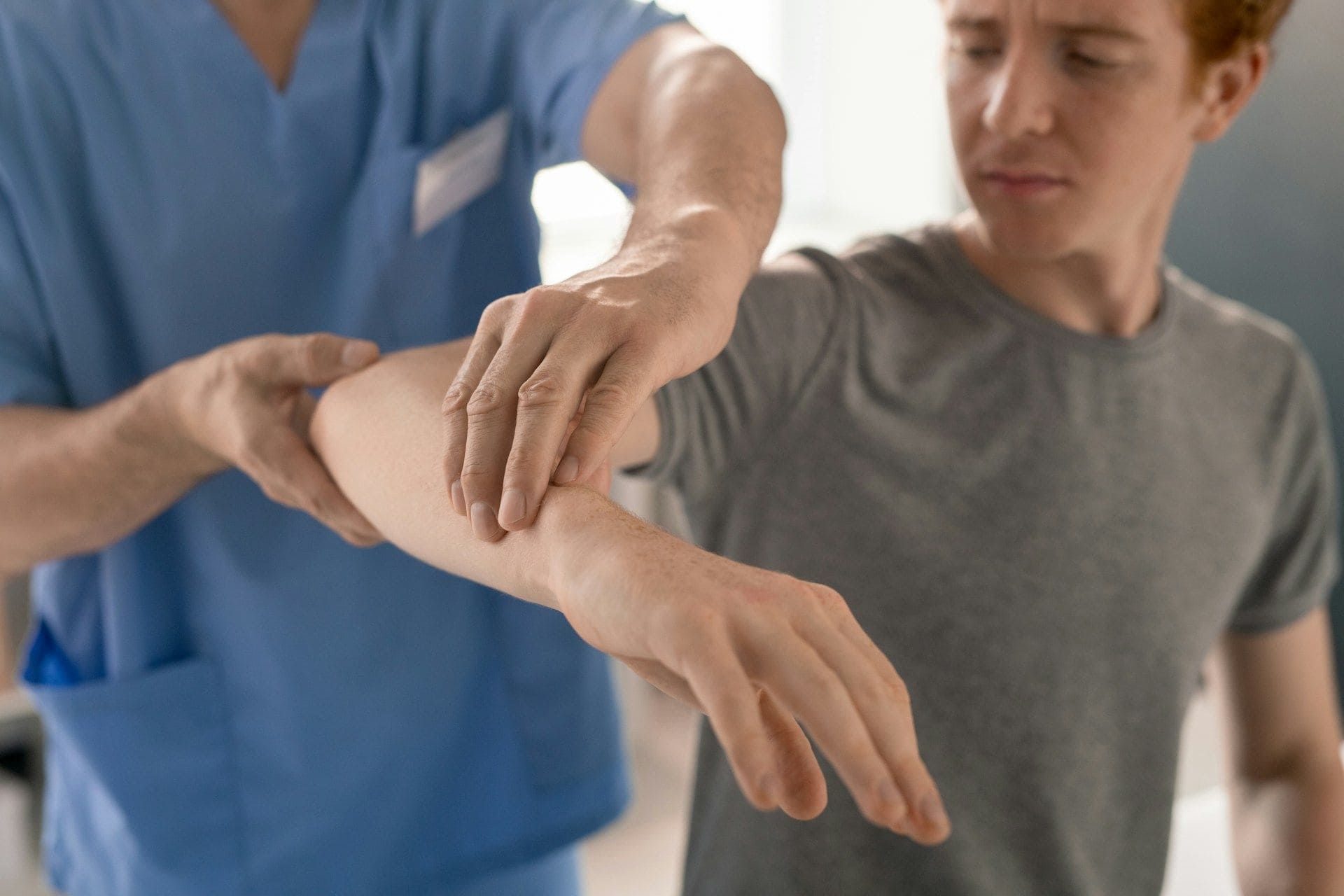
Neurodynamic mobilization treats nerve entrapment and nerve-related pain by selectively tensioning or gliding nerves along their anatomical pathways. Neurodynamic techniques are distinct from structural joint techniques and are specifically indicated for nerve-related discomfort rather than joint stiffness. Conditions like sciatica, carpal tunnel syndrome, and cervical radiculopathy respond well to this approach.
The practitioner moves your limb through a specific sequence that loads and unloads the nerve. This reduces irritation at the site of entrapment and restores the nerve's ability to glide freely through surrounding tissue. Patients often feel a stretch or mild tingling during the technique, which is normal and expected.
Neurodynamic work is not appropriate for all nerve pain. Active nerve compression from a herniated disc requires a different clinical approach. A thorough neurological exam before treatment determines whether nerve mobilization is safe and suitable for your presentation.
5. Trigger point therapy and its role in pain relief
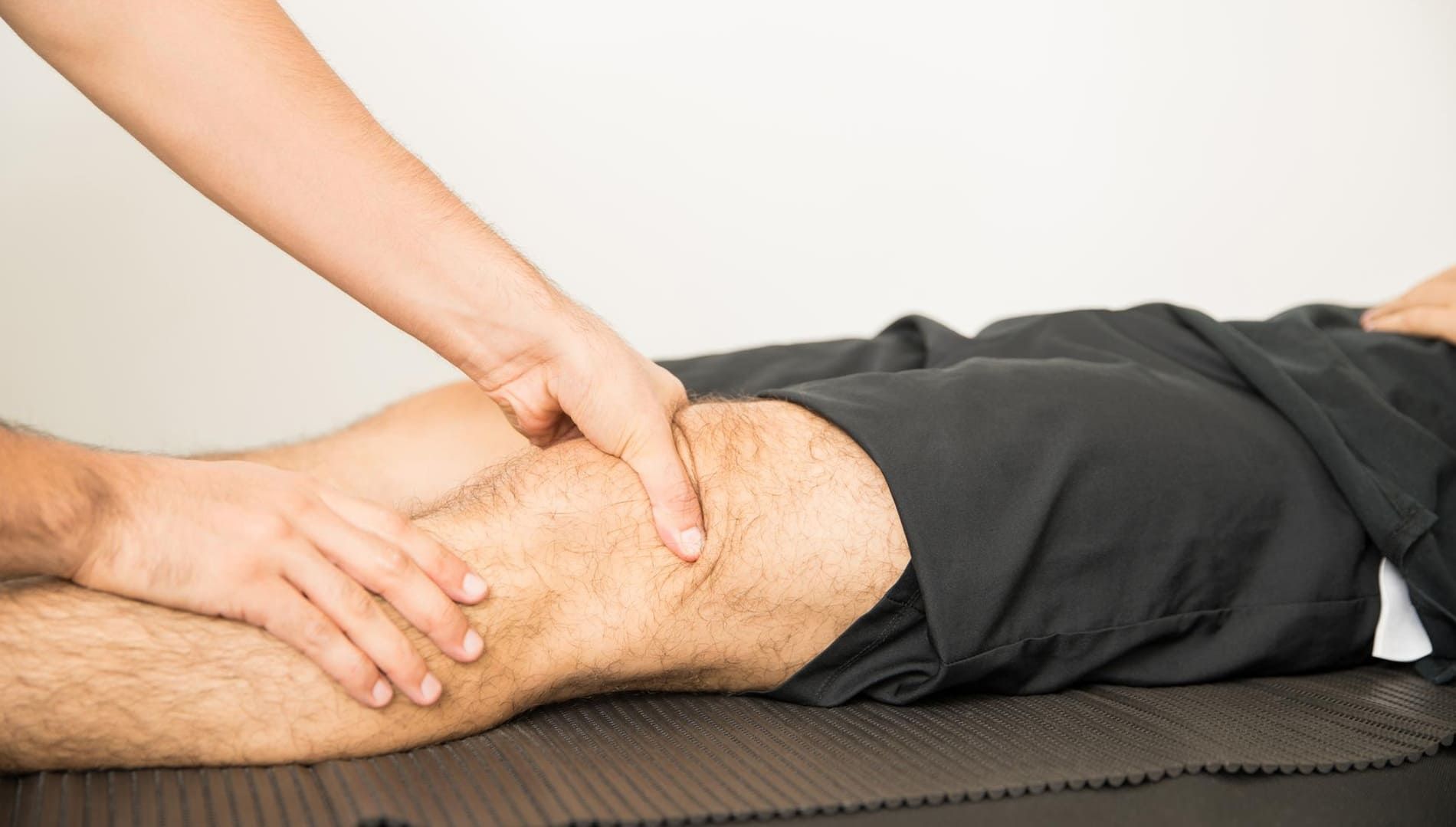
Trigger points are tight, hyperirritable spots within a muscle that cause pain both at the site and in distant areas of the body. A trigger point in your upper trapezius, for example, can refer pain into your head and cause tension headaches. Trigger point therapy applies direct, sustained pressure to these knots until the tissue releases.
The technique works by temporarily increasing local pressure to interrupt the pain-spasm cycle within the muscle. Patients typically feel a familiar "good hurt" during treatment, followed by significant relief. Trigger point release effectively improves muscle function even though the process is briefly uncomfortable.
This method pairs well with chronic pain conditions, postural dysfunction, and sports-related muscle overuse. It is often combined with myofascial release in the same session for broader soft tissue coverage.
6. Muscle Energy Techniques: when the patient does the work
Muscle Energy Techniques require the patient to actively contract a specific muscle against the practitioner's controlled resistance. This active participation separates MET from every other manual therapy method. The contraction is held for a few seconds, then the practitioner gently moves the joint or muscle into a new range of motion during the relaxation phase.
MET works through a neurological reflex called post-isometric relaxation. After a muscle contracts, it briefly enters a state of reduced tone. The practitioner uses that window to restore length and mobility. This makes MET particularly effective for joint restrictions caused by muscle tightness rather than structural joint damage.
Patients with chronic hip tightness, sacroiliac joint dysfunction, or cervical stiffness often respond well to MET. Because the patient controls the contraction force, this technique is well tolerated even by those with significant pain sensitivity.
7. How practitioners customize techniques for each patient
Successful manual therapy depends on individualized clinical assessment guiding technique selection and dosage. A practitioner who skips this step and applies the same technique to every patient will produce inconsistent results. The assessment includes orthopedic tests, neurological screening, movement analysis, and a detailed pain history.
Key factors that shape technique selection include:
- Tissue sensitivity: Highly irritable tissue requires gentler grades of mobilization. Stiff, non-irritable tissue tolerates more aggressive techniques.
- Pain versus stiffness: Pain-dominant presentations call for grades I and II mobilization. Stiffness-dominant presentations call for grades III and IV or manipulation.
- Chronicity: Acute injuries need different approaches than chronic conditions. Chronic pain often involves central sensitization, which changes how the nervous system processes manual input.
- Patient goals: A competitive athlete returning to sport needs a different plan than an office worker managing daily neck pain.
Treatment plans typically combine multiple techniques in a single session. A practitioner might use joint mobilization to restore range of motion, then follow with myofascial release to address surrounding soft tissue restrictions. This layered approach produces better outcomes than any single technique alone.
Pro Tip: Tell your practitioner your pain-to-stiffness ratio at every session. This single piece of feedback helps them adjust technique grade in real time.
8. What to expect during a manual therapy session
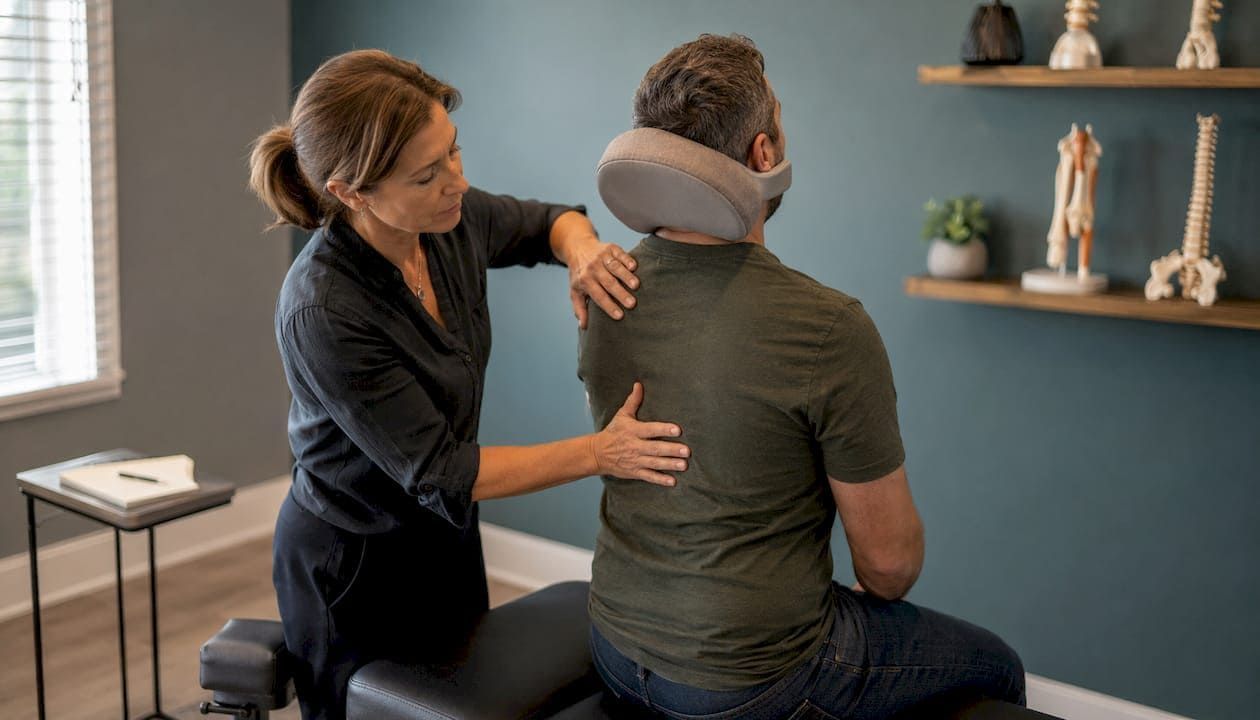
Manual therapy sessions incorporate assessment, explanation of the treatment plan, hands-on techniques with patient feedback, and reassessment to track progress. Sessions last 20–60 minutes depending on the complexity of your condition. The first session is typically longer because it includes a full intake assessment.
A standard session follows this structure:
- Reassessment: The practitioner checks your movement and pain levels since the last visit.
- Hands-on treatment: Techniques are applied in a specific sequence based on your assessment findings.
- Patient feedback: You report what you feel during each technique so the practitioner can adjust pressure, direction, and grade.
- Active movement: You perform guided movements after hands-on work to reinforce the mobility gains.
- Home program: The practitioner assigns exercises or stretches to maintain progress between sessions.
Manual therapy is most effective when combined with active exercise and patient education. Hands-on techniques quiet nervous system pain signals, which creates a window for you to participate in rehabilitation exercises. Relying on passive treatment alone produces short-term relief without long-term change. Chronic pain management, in particular, requires this active component to produce durable results. Exploring chronic pain coaching approaches alongside manual therapy can further support long-term recovery.
Key takeaways
Manual therapy is most effective when a licensed practitioner selects and grades techniques based on a thorough clinical assessment of your specific tissue restrictions, pain sensitivity, and functional goals.
| Point | Details |
|---|---|
| Technique selection is condition-specific | Joint manipulation suits acute locking; myofascial release suits chronic postural tension. |
| Mobilization grades I–V matter | Lower grades manage pain; higher grades and manipulation address stiffness and mobility loss. |
| Neurodynamic techniques target nerves | Use these for sciatica, carpal tunnel, or radiculopathy, not general joint stiffness. |
| Active participation improves outcomes | Combining hands-on work with exercise produces lasting results that passive treatment alone cannot. |
| Assessment drives every decision | Tissue sensitivity, pain versus stiffness, and patient goals determine which technique is applied. |
Why manual therapy is not a passive fix
Most patients arrive expecting manual therapy to do all the work for them. That expectation is the single biggest obstacle to lasting recovery. Hands-on techniques are genuinely powerful at reducing pain and restoring mobility in the short term. But that relief is a window, not a destination.
The practitioners I respect most treat manual therapy as preparation for movement, not a substitute for it. They use joint mobilization to open up a restricted hip, then immediately put the patient through a movement pattern that trains the nervous system to use that new range. Without the movement component, the joint often returns to its restricted state within days.
The other misconception I see constantly is that all manual therapy looks the same. A skilled clinician applying grade II mobilization to a sensitized lumbar spine is doing something fundamentally different from a practitioner applying grade V manipulation to a stiff thoracic joint. The technique names sound similar. The clinical reasoning behind them is entirely different. That reasoning requires postgraduate training and years of supervised practice to develop.
My honest advice: find a licensed chiropractor or physical therapist who performs a thorough assessment before touching you. If they skip the assessment and go straight to treatment, walk out. The assessment is where the real clinical skill lives. The benefits of manual therapy are real and well-documented, but only when the right technique reaches the right tissue at the right intensity.
Essentialchirocare's approach to manual therapy care
Essentialchirocare's licensed providers in Tampa, Brandon, Sarasota, Lakeland, and Pinellas Park apply the full range of manual therapy techniques within individualized treatment plans. Every patient receives a clinical assessment before any hands-on work begins. That assessment determines which techniques are appropriate, at what intensity, and in what combination.
Essentialchirocare integrates manual therapy services with active rehabilitation and exercise prescription to produce outcomes that last beyond the treatment table. Whether you are managing chronic back pain, recovering from a sports injury, or dealing with post-accident whiplash, the team builds a plan around your specific restrictions and goals. Essentialchirocare also offers comprehensive chiropractic care and physical rehab services that work alongside manual therapy for full-spectrum recovery. Schedule an evaluation to find out which techniques fit your condition.
FAQ
What is the difference between manual therapy and massage?
Manual therapy is a clinical specialization requiring licensed practitioners who apply targeted techniques based on orthopedic and neurological assessment. General massage focuses on relaxation and circulation without the clinical reasoning that guides manual therapy.
How long does a manual therapy session last?
Sessions typically last 20–60 minutes depending on the complexity of your condition. The first session is longer because it includes a full intake assessment and movement screening.
Is manual therapy painful?
Most techniques produce mild discomfort, particularly trigger point therapy and deep soft tissue mobilization. Practitioners adjust pressure and grade based on your feedback throughout the session.
How many sessions does manual therapy take to work?
The number of sessions varies by condition, but most patients notice measurable improvement within the first three to six visits. Chronic conditions typically require more sessions combined with a home exercise program.
Can manual therapy help with nerve pain like sciatica?
Neurodynamic mobilization directly addresses nerve-related pain by gliding and tensioning the affected nerve along its pathway. Sciatica, carpal tunnel syndrome, and cervical radiculopathy are common conditions that respond well to this approach.
Recommended