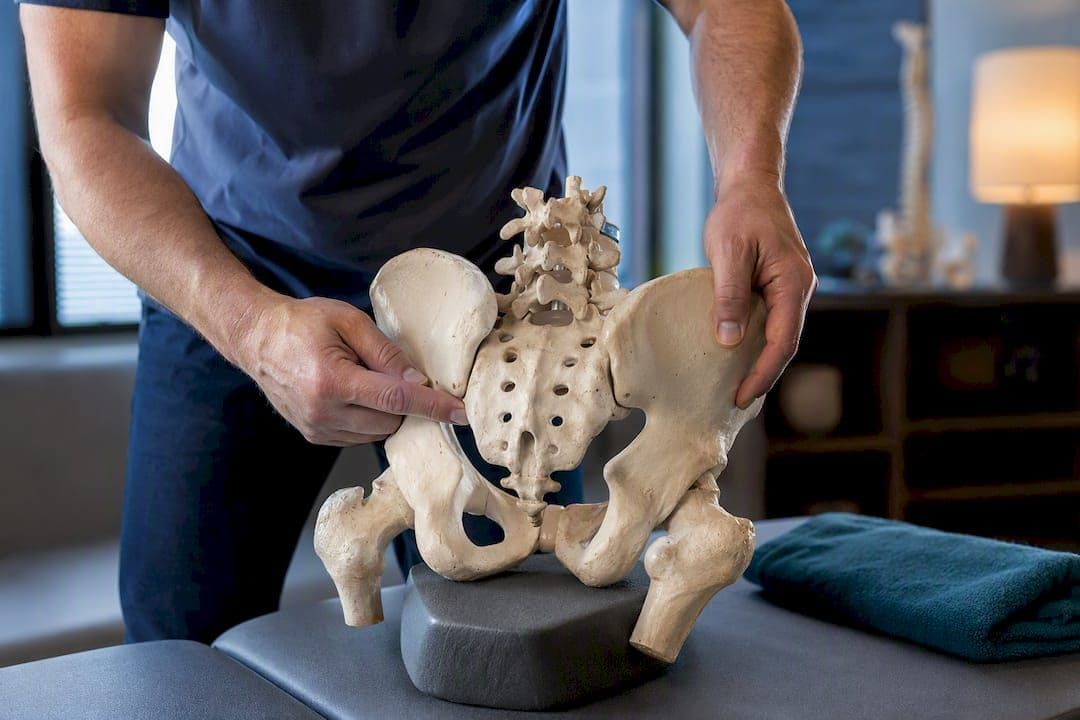
Chiropractic Care and Digestive Health: What You Need to Know
Chiropractic Care and Digestive Health: What You Need to Know
TL;DR:
- Chiropractic care may support digestive symptoms by improving nervous system regulation and posture, but evidence of its effectiveness is limited. It is best used as an adjunct within a broader, coordinated health plan rather than a standalone treatment. Large controlled trials are needed to confirm its benefits for gastrointestinal conditions.
Chiropractic care can sometimes support digestive symptoms by improving nervous-system regulation, posture, and pain-related stress, but it is not an established primary treatment for GI disease. The 2011 systematic review by Edzard Ernst found no supportive evidence that chiropractic treatments are effective for gastrointestinal problems. That conclusion still holds as the strongest single piece of evidence on the topic. Newer small studies and case reports suggest possible symptomatic benefit for select complaints like constipation and reflux, but those findings come with real limitations: small samples, no control groups, and high risk of bias.
Roughly 60–70 million Americans live with some form of digestive disease, which means a lot of people are looking beyond prescription medications for relief. The role of chiropractic in digestive health is genuinely interesting from a physiological standpoint, and clinics like Essentialchirocare in West Central Florida do see patients who report GI-related improvements alongside their primary musculoskeletal care. The key is knowing what the evidence actually supports, what it does not, and when a medical evaluation needs to come first.
Quick takeaways before you read on:
- Most likely to benefit: Adults with functional GI complaints (constipation, bloating, IBS-like symptoms) where stress, posture, and autonomic dysregulation are contributing factors
- Prefer medical evaluation first: Unexplained weight loss, GI bleeding, persistent vomiting, or any alarm symptom requires a physician, not a chiropractor
- What to expect: A multi-week trial (typically 6–12 visits) as part of a coordinated plan, not a single-session fix
- Bottom line: Chiropractic works best as an adjunct inside a broader care plan, not as a stand-alone GI treatment

Table of Contents
- How does chiropractic care influence digestion through the spine?
- What does the research actually show about chiropractic and gut health?
- Which digestive complaints do chiropractors most commonly report helping?
- What happens at a chiropractic visit for digestive symptoms?
- Safety, contraindications, and red flags you should not ignore
- How to integrate chiropractic into a broader digestive health plan
- What should you ask a chiropractor before starting care for digestive symptoms?
- Key Takeaways
- The gap between what chiropractic promises and what actually matters for your gut
- Essentialchirocare can help you explore chiropractic care for digestive support
- Useful sources and further reading
How does chiropractic care influence digestion through the spine?
The spine–gut connection is not a marketing invention. It has a real anatomical basis, even if the clinical evidence for chiropractic's effect on digestion is still catching up to the theory.
The thoracic spinal nerves, specifically T5 through T12, supply several abdominal organs and play a role in regulating motility and secretions. When those nerve roots are compressed or irritated by spinal restrictions, the signal quality to the gut can theoretically degrade. The vagus nerve adds another layer: it carries parasympathetic signals from the brainstem to the gut, and chronic sympathetic activation ("fight-or-flight") suppresses the "rest-and-digest" state that healthy motility depends on.
Posture matters more than most people realize. Thoracic and lumbar restrictions can create postural patterns that compress the abdominal cavity, mechanically slowing transit and trapping gas. Upright posture has been shown to accelerate intestinal gas transit compared with a supine position, which is one reason breathing mechanics and rib mobility show up in chiropractic treatment plans for digestive complaints.
Three proposed pathways worth understanding:
- Autonomic regulation: Spinal adjustments may reduce sympathetic tone, allowing the parasympathetic nervous system to support gut motility more effectively
- Mechanical decompression: Restoring thoracic and lumbar mobility can relieve abdominal compression that slows transit
- Pain and stress reduction: Lowering nociceptive input from a restricted spine may reduce the cortisol and adrenaline load that suppresses digestion
Common techniques chiropractors use in this context include spinal manipulation, soft-tissue release, diaphragmatic breathing retraining, and postural correction work. Some practitioners trained in Chiropractic BioPhysics (CBP) focus specifically on structural curve correction rather than symptom-targeted adjustments, with the rationale that restoring spinal structure supports long-term nervous-system function rather than directly treating any disease.
Pro Tip: A single adjustment rarely resolves chronic digestive issues. Sustained improvement typically requires a consistent, multi-month protocol that pairs adjustments with breathing retraining, mobility work, and lifestyle changes. Ask your chiropractor for a structured plan, not just a series of visits.
What does the research actually show about chiropractic and gut health?
Honest answer: the evidence is thin, and anyone who tells you otherwise is overstating it.
The Ernst 2011 systematic review remains the most rigorous single synthesis on this topic. Its conclusion was unambiguous: no supportive evidence existed at that time to claim chiropractic is an effective treatment for GI disease. That review examined the available controlled trials and found them insufficient in quality and number to draw positive conclusions.
Since 2011, the picture has shifted slightly, but not dramatically. A 2025 narrative review with feasibility study data reported possible associations between chiropractic care and improvements in bowel regularity, abdominal pain, and quality of life. The same review was candid about its limits: small sample sizes, recruitment and adherence problems, and one feasibility study that completed with a single full participant who showed improvements in symptoms, sleep, thoracic function, weight, and microbiome trends. That is promising as a signal, but it cannot support a clinical claim.
Here is how the evidence stacks up by certainty level:
- High certainty (positive): None currently. No large, well-controlled RCT has confirmed chiropractic as an effective GI treatment
- Moderate: Limited trial data and narrative reviews suggest possible symptomatic benefit for functional complaints; plausibility is biologically supported through nervous-system and mechanical pathways
- Low: Case reports and practitioner accounts describe improvements in constipation, reflux, and IBS-like symptoms after thoracic and lumbar work, but these carry high risk of bias and cannot establish causation
The honest framing, shared by most clinical sources, is that chiropractic is biologically plausible for affecting gut function, but larger controlled trials are needed to quantify effect sizes for specific conditions. That is not a reason to dismiss it. It is a reason to use it as an adjunct, track your outcomes, and stay connected to your medical provider.
Which digestive complaints do chiropractors most commonly report helping?
Not every GI complaint has the same plausibility for chiropractic benefit. Here is a condition-by-condition breakdown based on the available evidence.
Constipation This is where the most consistent practitioner reports cluster. Improved thoracic and lumbar mobility, reduced pelvic guarding, and increased physical activity from care all offer plausible mechanical pathways. Small studies and case reports support possible benefit, though no large trial has confirmed it.
IBS-like symptoms (pain, irregularity, cramping) Plausibility is moderate when stress and autonomic dysregulation are primary drivers. The gut–brain axis is genuinely involved in IBS, and reducing sympathetic overactivation is a legitimate therapeutic target. Evidence is mixed, and IBS has a high placebo-response rate, which complicates interpretation of uncontrolled reports.
GERD and reflux The connection here runs through posture and diaphragm mechanics. Slouched thoracic posture increases intra-abdominal pressure, and restricted rib mobility can impair the diaphragm's role as a mechanical barrier at the lower esophageal sphincter. Practitioner accounts describe symptom improvements for reflux after thoracic mobility work, but evidence remains limited and largely anecdotal.
Bloating and gas Postural compression of the abdominal cavity can slow transit and trap gas. Restoring upright posture and thoracic mobility addresses a real mechanical contributor. This is one of the more intuitive connections, even if controlled data is sparse.
Inflammatory bowel disease (Crohn's disease, ulcerative colitis) Chiropractic is not a treatment for IBD. These are immune-mediated conditions requiring gastroenterology oversight, biologics, and in some cases surgery. Chiropractic may play a supportive role in managing musculoskeletal pain or stress in IBD patients, but it should never replace or delay medical management. Any practitioner suggesting otherwise is operating outside their scope.
What happens at a chiropractic visit for digestive symptoms?
Walking in with a digestive complaint rather than back pain changes the intake conversation, but the clinical process is more structured than most patients expect.
Initial assessment A thorough medical history comes first, including GI symptom screening, duration, and pattern. A competent chiropractor will ask red-flag questions directly: unexplained weight loss, blood in stool, persistent vomiting, fever with abdominal pain. If any of those are present, the appropriate response is a referral to a physician before chiropractic care begins, not an adjustment.
Physical examination Expect a posture assessment, thoracic and lumbar mobility testing, observation of breathing mechanics and diaphragm movement, and basic neurological screening. Some practitioners will assess rib mobility and pelvic alignment as part of the picture.
Treatment plan structure Most clinics build a multi-week plan. A common framework is 6–12 visits over several months, combining spinal adjustments, soft-tissue work, breathing exercises, and postural correction. Coordination with your primary care physician or GI specialist should be part of the plan from day one, not an afterthought. You can read more about integrating chiropractic care effectively to understand how that coordination typically works.
What to track at home:
- Stool frequency and consistency (Bristol Stool Scale is a useful reference)
- Bloating or gas patterns relative to meals, posture, and stress
- Sleep quality and stress levels, which directly affect gut motility
- Any new or worsening symptoms that should trigger a medical call
Pro Tip: Start a symptom diary on day one of care. Note GI symptoms, diet, stress, and sleep each day. After 4–6 weeks, you and your chiropractor will have objective data to judge whether the plan is working, rather than relying on impressions.

Safety, contraindications, and red flags you should not ignore
Chiropractic spinal manipulation is generally safe when performed by a licensed DC on an appropriately screened patient. Serious adverse events are rare for standard manipulation. That said, accurate diagnosis and honest communication with medical providers are not optional.
Red flags requiring urgent medical attention before any chiropractic care:
- Severe or sudden-onset abdominal pain
- Blood in stool or vomit
- Unexplained weight loss over weeks or months
- Persistent vomiting or inability to keep food down
- Signs of bowel obstruction (no bowel movements, severe distension)
- Fever combined with abdominal pain
Contraindications and cautions for spinal adjustment:
- Unstable spinal fractures or severe osteoporosis with fracture risk
- Active inflammatory complications affecting the spine
- Certain vascular conditions affecting spinal arteries
- Any condition requiring medical clearance before physical treatment
Do not use chiropractic care as a substitute for emergency or diagnostically necessary medical evaluation. If you have alarm symptoms, see a physician first. Chiropractic can be a valuable part of your care plan once serious pathology has been ruled out, but it is not a diagnostic tool for GI disease, and delaying medical evaluation for a serious condition carries real risk.
The adverse-event profile for standard lumbar and thoracic manipulation is generally mild: temporary soreness, stiffness, or fatigue after a session. These typically resolve within 24–48 hours. Communicate openly with your chiropractor about any symptoms that feel unusual after a visit.
How to integrate chiropractic into a broader digestive health plan
Chiropractic works best as one part of a coordinated plan, not a solo intervention. Practitioners consistently recommend using it as a supportive, integrative strategy alongside medical oversight, diet, and stress management.
Coordinate with your medical team from the start. Share your chiropractic treatment plan with your primary care physician or GI specialist. Ask for baseline labs or imaging when indicated. Agree on referral triggers in advance so everyone knows when a symptom change warrants a medical visit.
Lifestyle pairings that tend to amplify benefit:
- Fiber and hydration: adequate soluble fiber and water intake support motility independently of any manual therapy
- Post-meal walking: even 10–15 minutes of light walking after meals supports gastric emptying
- Diaphragmatic breathing exercises: these reinforce the postural and autonomic work done in the clinic
- Sleep hygiene: gut motility follows circadian rhythms; poor sleep directly disrupts it
- Targeted nutrition: an anti-inflammatory diet reduces the systemic stress load that suppresses parasympathetic activity
When to consider additional services: Pelvic-floor physical therapy is worth discussing for constipation with a pelvic-floor component. Behavioral medicine or cognitive behavioral therapy has strong evidence for IBS. A GI specialist is appropriate any time alarm features appear or symptoms fail to respond after a reasonable trial. Understanding what integrative care actually means can help you build the right team.
Practical checklist for starting a trial of care:
- Get a medical evaluation first if you have any alarm symptoms
- Bring your full medication list, GI history, and any recent lab or imaging results to your first chiropractic visit
- Start a symptom diary on day one (GI symptoms, diet, stress, sleep)
- Set a review date at 4–6 weeks to assess progress with objective data
- Agree on a referral threshold with your chiropractor before you start
- Plan for a multi-month commitment if you decide to proceed; a 3-month integrative program is a common framework
What should you ask a chiropractor before starting care for digestive symptoms?
The quality of your experience depends heavily on the practitioner. These questions help you find someone who is both competent and honest about what chiropractic can and cannot do.
On credentials and experience:
- Are you a licensed Doctor of Chiropractic (DC)? Do you have additional training relevant to GI complaints or soft-tissue work, such as CBP certification?
- How many patients with digestive complaints have you worked with, and what outcomes did you observe?
On assessment and referral practices:
- Will you screen for red flags at intake and refer me to a physician if you find any?
- Are you willing to communicate directly with my primary care doctor or GI specialist?
On the treatment plan:
- What does a typical plan look like for someone with my complaint, in terms of frequency, duration, and cost?
- What measurable goals will we set, and how will we track progress?
- What does your insurance billing or self-pay structure look like?
On outcome transparency:
- At what point would you recommend stopping care if I am not improving?
- How do you define success for a patient with digestive symptoms?
Before your first visit, review a chiropractic care checklist to make sure you are prepared with the right questions and documentation.
Pro Tip: Ask for a short, defined trial plan with objective tracking before committing to an open-ended series of visits. A chiropractor who cannot articulate measurable goals and a stopping point is a red flag.
Key Takeaways
Chiropractic care can support digestive symptoms for some adults through nervous-system regulation, postural correction, and stress reduction, but it is not a proven primary treatment for GI disease and works best as part of a coordinated, evidence-informed plan.
| Point | Details |
|---|---|
| Evidence is mixed | The Ernst 2011 systematic review found no supportive evidence; newer small studies show possible symptomatic benefit but lack large controlled trials. |
| Mechanisms are plausible | Thoracic nerves T5–T12, autonomic regulation, and postural compression of the abdominal cavity all offer real physiological pathways. |
| Use as an adjunct | Chiropractic works best alongside medical oversight, dietary management, and stress reduction, not as a stand-alone GI treatment. |
| Track outcomes objectively | A symptom diary from day one gives you and your chiropractor real data to judge whether a 6–12 visit trial is producing benefit. |
| Essentialchirocare | Offers evidence-informed chiropractic care, physical rehab, and coordinated integrative plans across West Central Florida for patients exploring digestive support. |
The gap between what chiropractic promises and what actually matters for your gut
Most of the debate around chiropractic and digestion gets stuck in two unproductive camps: true believers who attribute every GI improvement to an adjustment, and skeptics who dismiss the whole idea because the Ernst review said no. Neither position serves you well.
The more useful frame is this: the nervous system genuinely governs gut function, posture genuinely affects abdominal mechanics, and chronic stress genuinely suppresses motility. Chiropractic addresses all three of those things, at least partially. The question is not whether the mechanisms are real. They are. The question is whether the clinical effect size is large enough, and consistent enough, to justify chiropractic as a primary GI intervention. Current evidence says no.
What gets underestimated is the value of the integrative package. When a patient with IBS-like symptoms starts chiropractic care and also starts sleeping better, walking after meals, and doing breathing exercises, attributing improvement to the adjustment alone is bad science. But dismissing the whole package because the adjustment is unproven in isolation is equally wrong. The honest clinical position is that chiropractic can be a meaningful contributor inside a well-designed plan, particularly for patients whose GI symptoms are driven by stress, posture, and autonomic dysregulation rather than structural disease.
The practitioners worth trusting are the ones who say exactly that, screen for red flags, coordinate with your doctor, and set measurable goals. The ones to avoid are those who promise to cure your Crohn's with a spinal adjustment.
Essentialchirocare can help you explore chiropractic care for digestive support
If you are in West Central Florida and considering chiropractic as part of your digestive health plan, Essentialchirocare offers evidence-informed chiropractic care across Tampa, Brandon, Sarasota, Lakeland, and Pinellas Park. The clinic combines spinal adjustments, physical rehabilitation, manual therapy, and breathing and posture work into personalized plans, with coordination with your primary care or GI provider built into the process.
What sets this approach apart is the emphasis on a structured trial plan with measurable goals, rather than an open-ended series of visits. You bring your medical history and current symptoms; the team screens for red flags, sets objective tracking benchmarks, and builds a plan that fits your situation. Online scheduling is available, and the clinic works with most major insurance plans. To book an initial evaluation or learn more about how chiropractic fits into a broader digestive health plan, visit the chiropractic services page and schedule your first appointment.
This article is general health information, not medical advice. Always consult a qualified physician or gastroenterologist for your specific situation, particularly if you have alarm symptoms.
Useful sources and further reading
- Ernst E. Chiropractic treatment for gastrointestinal problems: a systematic review. PMC/NIH, 2011
- Washington State Chiropractic Association: Chiropractic Care and Gut Health, 2025
- Vertebral Subluxation Research: Chiropractic Care, the Gut–Brain Axis, and Gastrointestinal Function: A Narrative Review with Real-World Feasibility Insights, 2025
- ChiroMed: Chiropractic Care and Digestive Wellness
- Haven CBP: Chiropractic and Digestion: How Your Spine Impacts Your Gut
- Essentialchirocare: Chiropractic Care Services and Booking
- Essentialchirocare: What Is Integrative Care? A Whole-Person Health Guide
- Essentialchirocare: Your Guide to Integrating Chiropractic Care Effectively
Recommended