
Musculoskeletal pain: causes, relief, and holistic care

Essential ChiroCare Blogger • April 5, 2026

Musculoskeletal pain: causes, relief, and holistic care

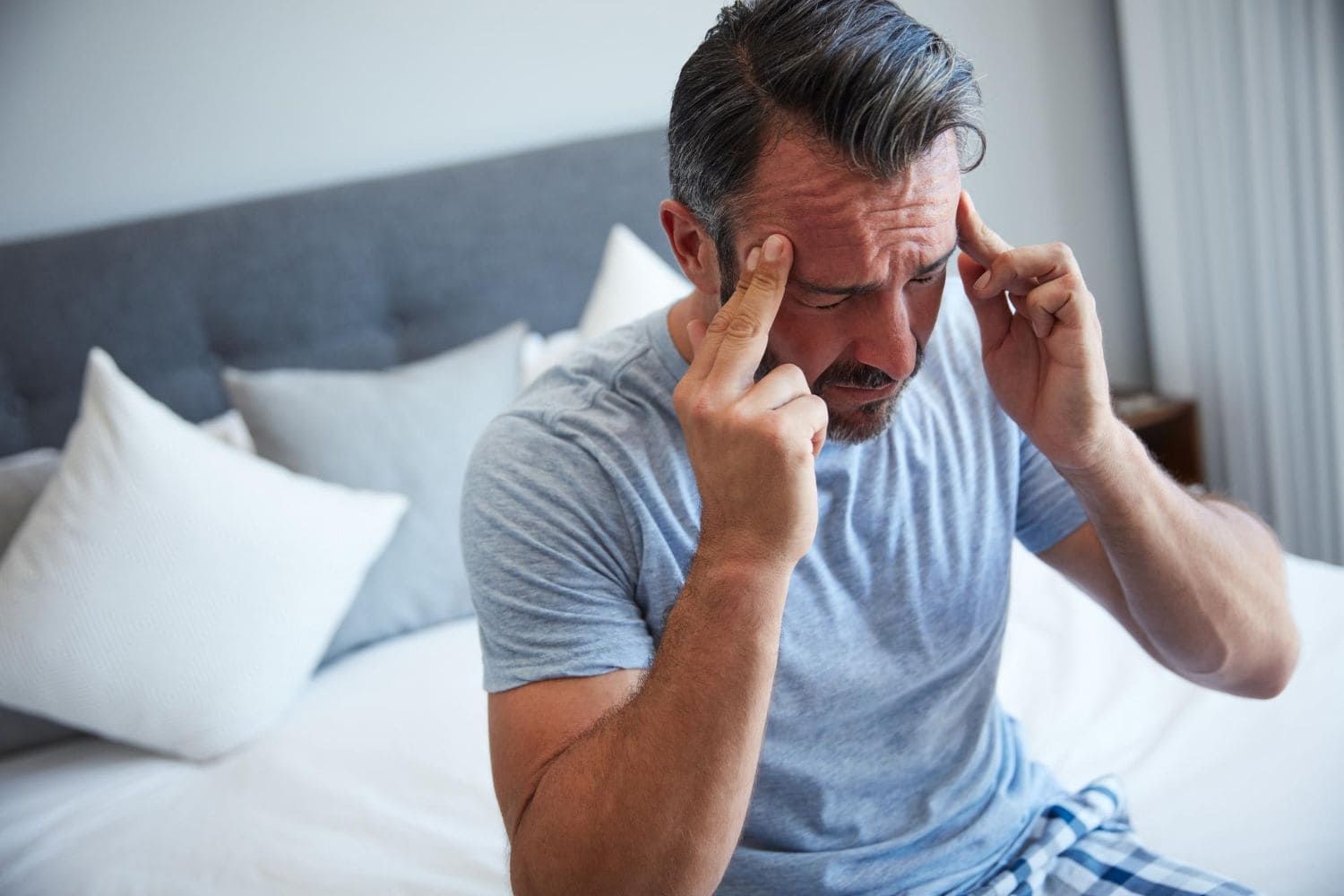
Most people assume musculoskeletal pain only happens after a dramatic injury, a car crash, a bad fall, or a hard tackle on the field. But that assumption delays care for thousands of people every year. Musculoskeletal pain is often a complex interplay of lifestyle, physical function, and accumulated stress on the body, not just a single traumatic event. If you live in West Central Florida and you're dealing with nagging aches, stiffness, or recurring discomfort, this guide will walk you through what musculoskeletal pain actually is, what causes it, how to recognize warning signs, and what holistic treatment options can genuinely help.

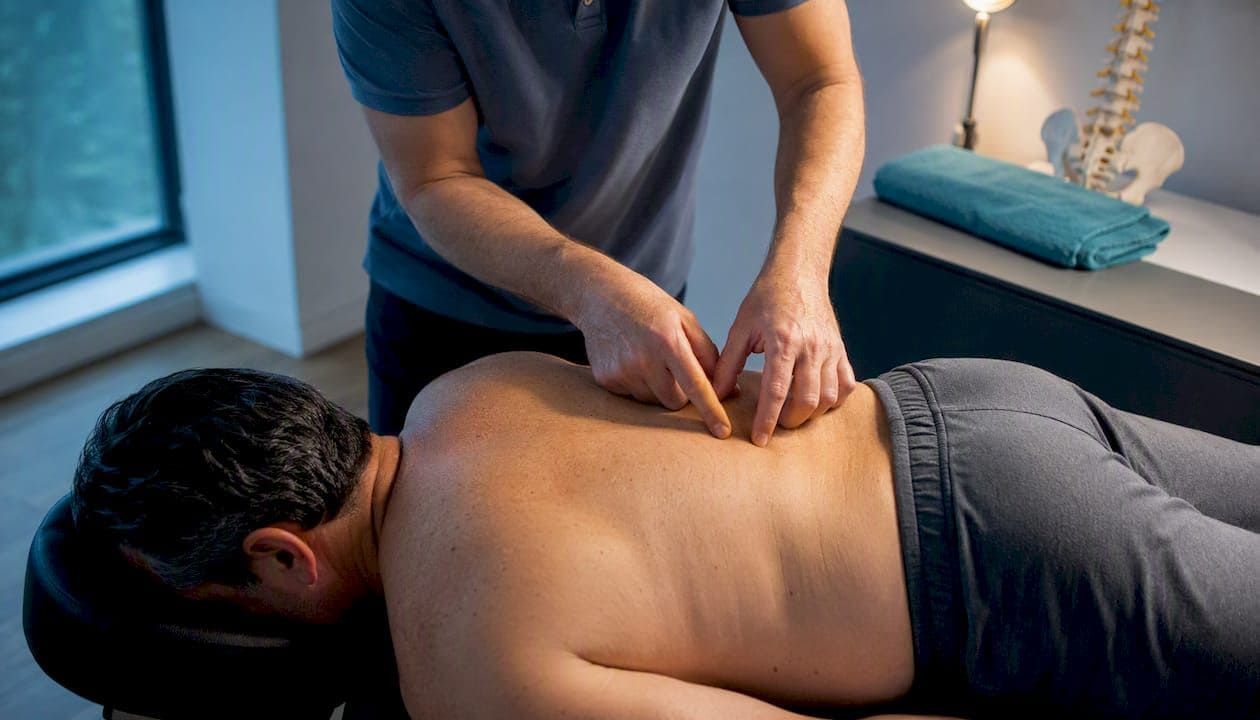
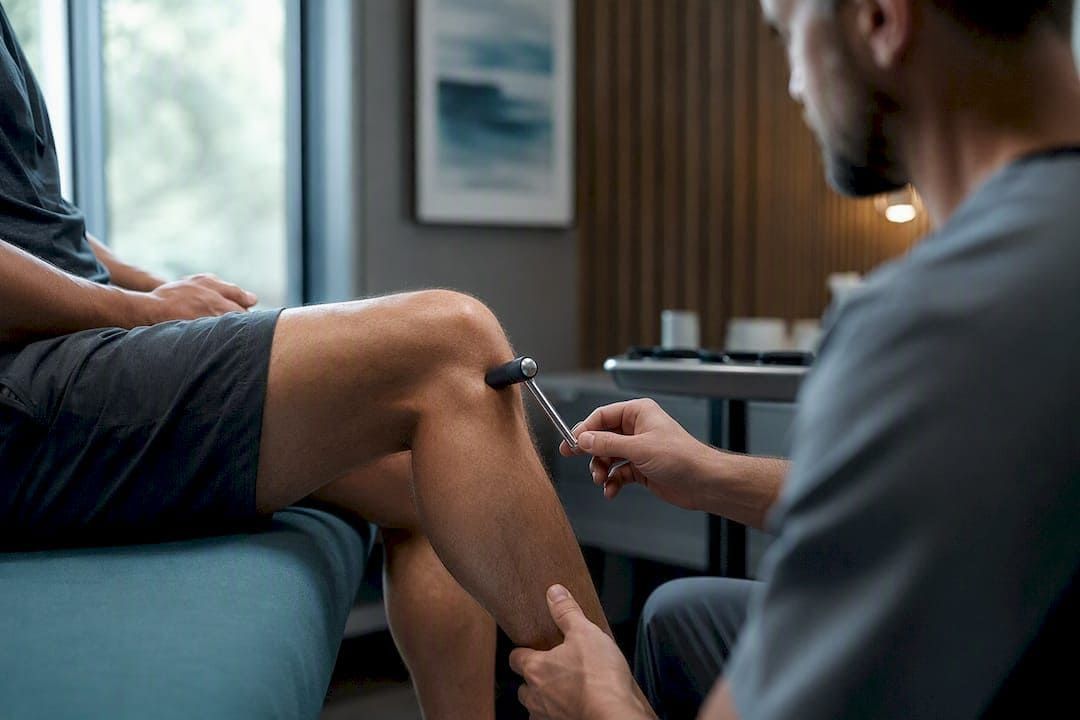
Chiropractor helping patient with joint and muscle pain

Table of Contents

Key Takeaways

Point DetailsDetails
Broad definition Musculoskeletal pain includes discomfort in muscles, bones, joints, ligaments, and tendons.
Chronic and acute Musculoskeletal pain can result from both sudden injuries and ongoing stress or systemic conditions.
Holistic treatment Integrating chiropractic, exercise, and lifestyle measures provides a well-rounded pain management approach.
Know the red flags Certain warning signs require urgent medical evaluation instead of chiropractic care.
Monitor progress Track improvement and seek new strategies if your pain does not improve within several weeks.

What is musculoskeletal pain?

Musculoskeletal pain is any pain that originates in the body's structural system. That system is bigger than most people realize. Musculoskeletal pain covers bones, muscles, ligaments, tendons, nerves, and connective tissues throughout the entire body. That means your shoulder, hip, knee, wrist, and spine are all fair game, not just your back.

It helps to understand how this differs from other pain types. Neuropathic pain comes from nerve damage itself, like the burning sensation in diabetic neuropathy. Visceral pain originates from internal organs. Musculoskeletal pain, by contrast, comes from the physical structures that hold you upright and keep you moving.

Pain can also be acute (sudden onset, typically under 12 weeks) or chronic (persisting beyond 12 weeks). Acute pain often signals a fresh injury. Chronic pain can linger long after tissue has healed, driven by inflammation, movement patterns, or nervous system sensitization. Athletes and accident survivors frequently experience both types at different stages of recovery.

Here's a quick breakdown of the body systems involved:

Structure Role Common pain source
Bones Support and protection Fractures, stress reactions
Muscles Movement and stability Strains, spasms, overuse
Tendons Connect muscle to bone Tendinitis, tears
Ligaments Connect bone to bone Sprains, instability
Joints Allow movement Arthritis, inflammation
Connective tissue Binds and supports Fasciitis, fibromyalgia

For practical pain and stiffness solutions that address these structures directly, a root-cause approach matters far more than temporary symptom relief.

Common causes: Why musculoskeletal pain develops

Now that you know what musculoskeletal pain is, it's important to identify what might be causing your discomfort. The origins are more varied than most people expect.

Trauma-based causes are the most obvious:

  • Auto accidents, including whiplash and soft tissue injuries
  • Sports injuries such as sprains, strains, and impact trauma
  • Slips, falls, and workplace accidents

Overuse and lifestyle causes are often overlooked:

  • Repetitive movements in work or sport
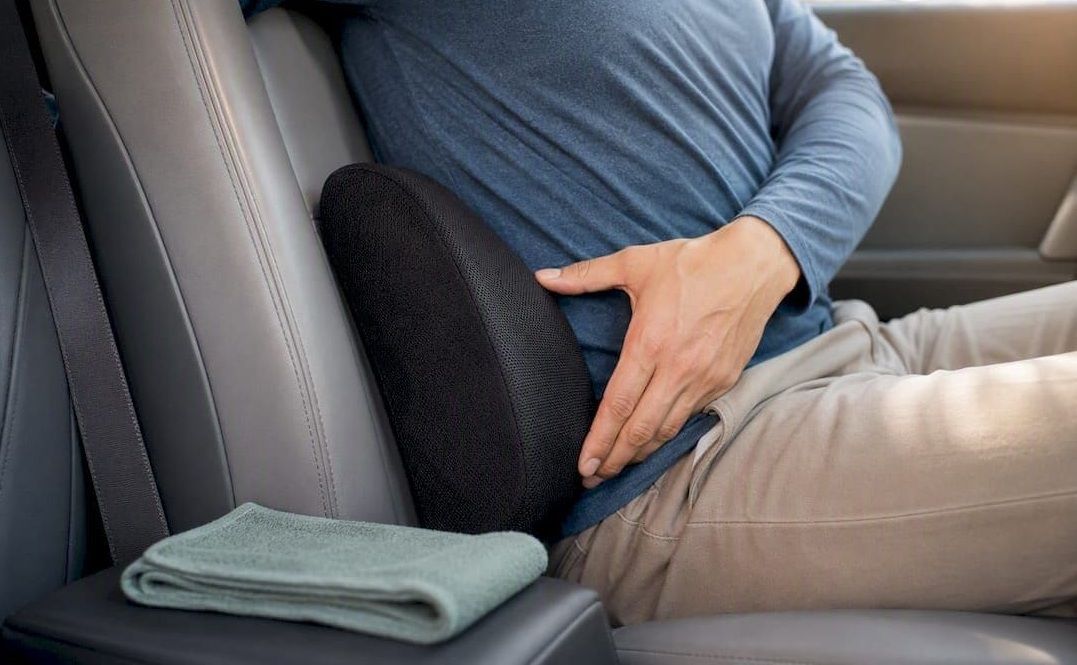
  • Poor posture during desk work or driving
  • Improper lifting mechanics
  • Sedentary behavior that weakens stabilizing muscles

Systemic contributors add another layer:

  • Osteoarthritis and rheumatoid arthritis
  • Autoimmune conditions that cause widespread inflammation
  • Age-related degeneration of joints and discs
  • Hormonal changes that affect connective tissue integrity

For athletes and accident recovery patients, chiropractic aids pain relief, mobility, and injury prevention in ways that go beyond simply treating the site of pain. The goal is restoring function across the whole kinetic chain.

Pro Tip: If your pain started without a clear injury, look at your daily habits first. Hours of sitting, a poorly set up workstation, or chronic stress can quietly load your musculoskeletal system until something gives. Reviewing the best chiropractic treatments for your specific situation can help you build a smarter recovery plan.

Symptoms and warning signs: Recognizing when to seek help

Understanding the causes sets the stage for knowing when symptoms indicate a problem that needs professional help. Musculoskeletal symptoms vary widely, but some patterns are consistent.

Common symptoms include:

  • Localized or widespread aching and soreness
  • Stiffness, especially in the morning or after sitting
  • Swelling or tenderness around joints
  • Muscle weakness or fatigue
  • Tingling or numbness in the arms or legs
  • Disrupted sleep due to pain

These symptoms can range from mildly annoying to severely limiting. The mistake many people make is waiting too long to seek care. Mild pain that persists for weeks is still pain worth addressing. Knowing when to see a chiropractor can prevent a manageable issue from becoming a chronic one.

Red flags that require immediate medical attention:

  • Sudden, severe headache unlike any you've had before
  • Rapid or unexplained muscle weakness
  • Loss of bladder or bowel control
  • Fever combined with joint pain
  • Pain following significant trauma to the head or spine

These red flags point to conditions that go beyond musculoskeletal care and need emergency evaluation. Don't wait on these.

For back and neck pain specifically, chiropractic spinal manipulation is as effective as other established therapies, which is meaningful given how many people in West Central Florida deal with these exact complaints after accidents or sports activity.

Holistic care for back, neck, and joint pain relief

How is musculoskeletal pain treated? Evidence-based and holistic options

Recognizing symptoms is only the first step. Next is understanding your treatment options and what evidence says works.

Conventional medical care typically includes:

  • NSAIDs (nonsteroidal anti-inflammatory drugs) for short-term pain and inflammation
  • Physical therapy for strength and mobility
  • Corticosteroid injections for targeted inflammation
  • Surgery, reserved as a last resort for structural damage

Holistic chiropractic care takes a broader view:

  • Spinal manipulation and joint mobilization
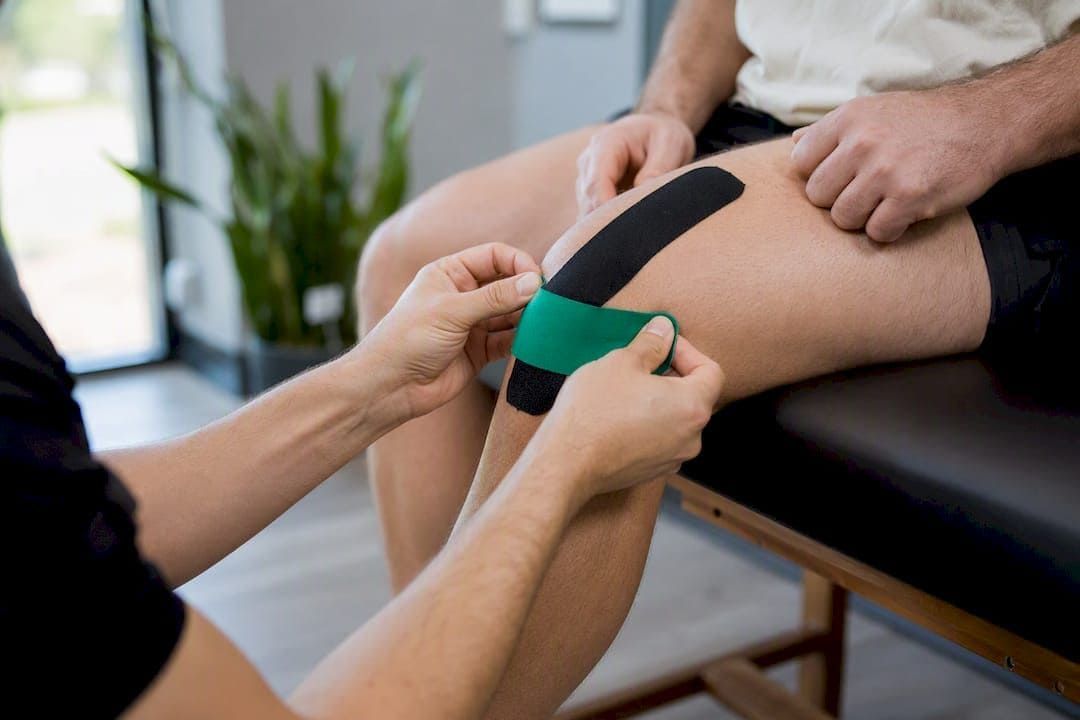
  • Soft tissue therapy and myofascial release
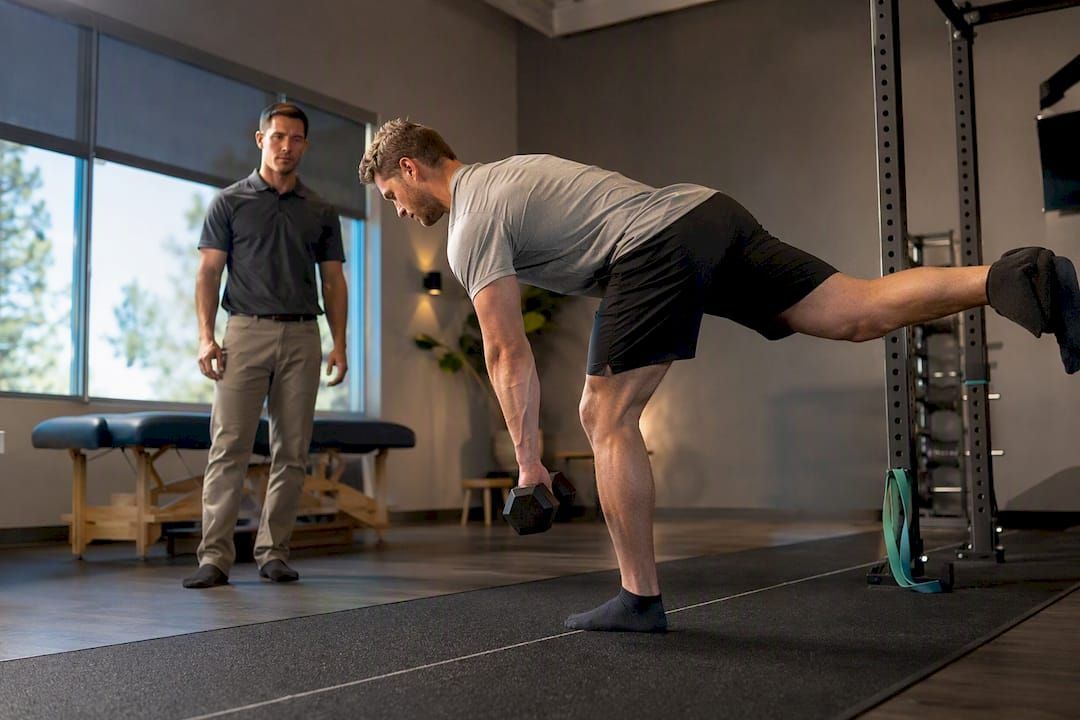
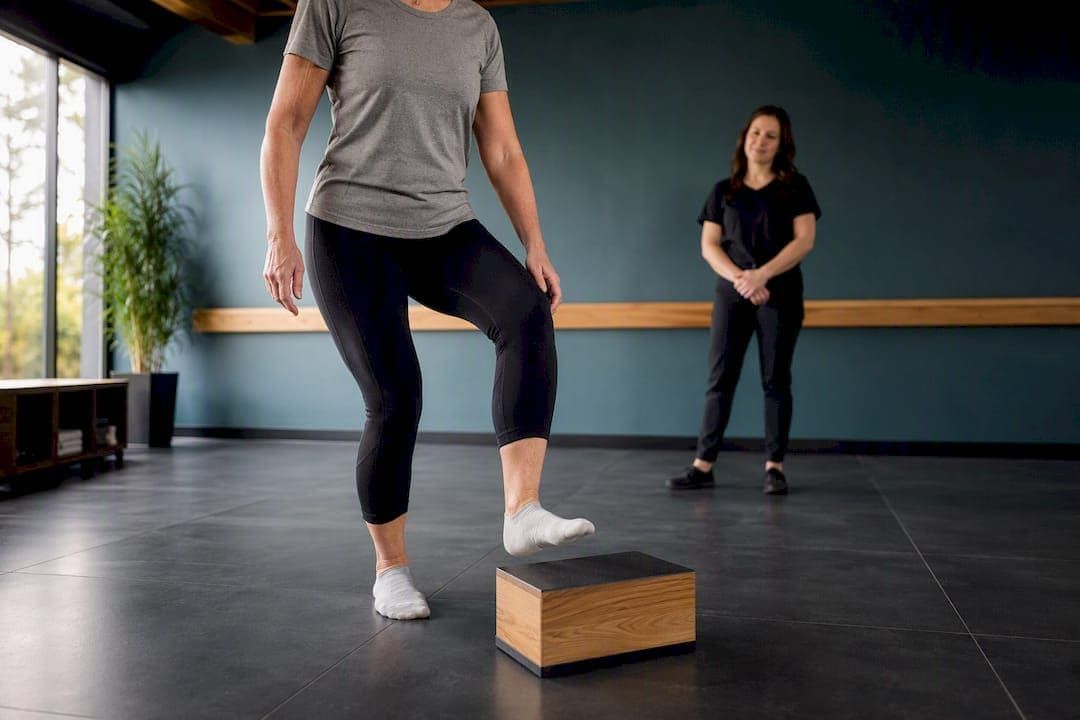
  • Corrective exercise and rehabilitation
  • Nutritional guidance and stress management support

Here's how the two approaches compare:

Approach Focus Best for Limitations
Conventional medicine Symptom suppression Acute pain, inflammation Doesn't address root cause
Chiropractic care Function restoration Chronic pain, mobility Not for all conditions
Combined/holistic Whole-body recovery Complex or recurring pain Requires commitment

Chiropractic care is comparable to physiotherapy for chronic low back pain and reduces medication use, which matters for patients who want to avoid long-term reliance on pain drugs.

That said, chiropractic is not universally appropriate. Spinal manipulation should be avoided in patients with osteoporosis, acute inflammatory arthritis, or certain vascular conditions. A thorough intake screening is essential before any hands-on treatment begins.

Some research notes that benefits may be modest and sometimes non-specific for conditions outside the spine. This is why monitoring your progress and maintaining open communication with your provider is critical. If you're not improving, your care plan should change.

For a deeper look at holistic pain relief strategies that combine these approaches, the evidence points toward multimodal care as the most effective path for most patients.

Pro Tip: Ask your chiropractor to set measurable goals at the start of care. Tracking pain levels, range of motion, and function gives you real data to evaluate whether your treatment is working.

Holistic chiropractic care in West Central Florida: What to expect

With treatment options clear, here's what you can expect when seeking holistic chiropractic care locally.

A quality chiropractic experience follows a structured process:

  1. Initial evaluation: A thorough health history, orthopedic and neurological testing, and screening for contraindications. This step determines whether chiropractic is appropriate for your specific condition.
  2. Diagnosis and care plan: Based on findings, your provider designs a personalized plan that may include spinal adjustments, soft tissue work, corrective exercises, and lifestyle recommendations.
  3. Active treatment phase: Regular visits focused on reducing pain, restoring mobility, and building strength. Frequency depends on the severity and nature of your condition.
  4. Progress reassessment: At 4 to 6 weeks, your provider should formally reassess your response to care. If progress is insufficient, the plan should be modified or you should be referred to another specialist.
  5. Maintenance and prevention: Once acute symptoms resolve, periodic care and self-management strategies help prevent recurrence.

Holistic chiropractic enhances outcomes using multimodal care, but the foundation should always be guideline-supported spinal manipulation and exercise. Everything else builds on that base.

If you were recently in an accident, understanding how chiropractic can help after a car accident is a smart first step. Many patients don't realize that auto injury chiropractic care can be covered through personal injury protection insurance in Florida, making access easier than expected.

Living well with musculoskeletal pain: Long-term strategies and self-care

Finally, embracing a holistic approach means taking action between appointments. What you do daily has a direct impact on how well your body responds to treatment.

Movement and physical habits:

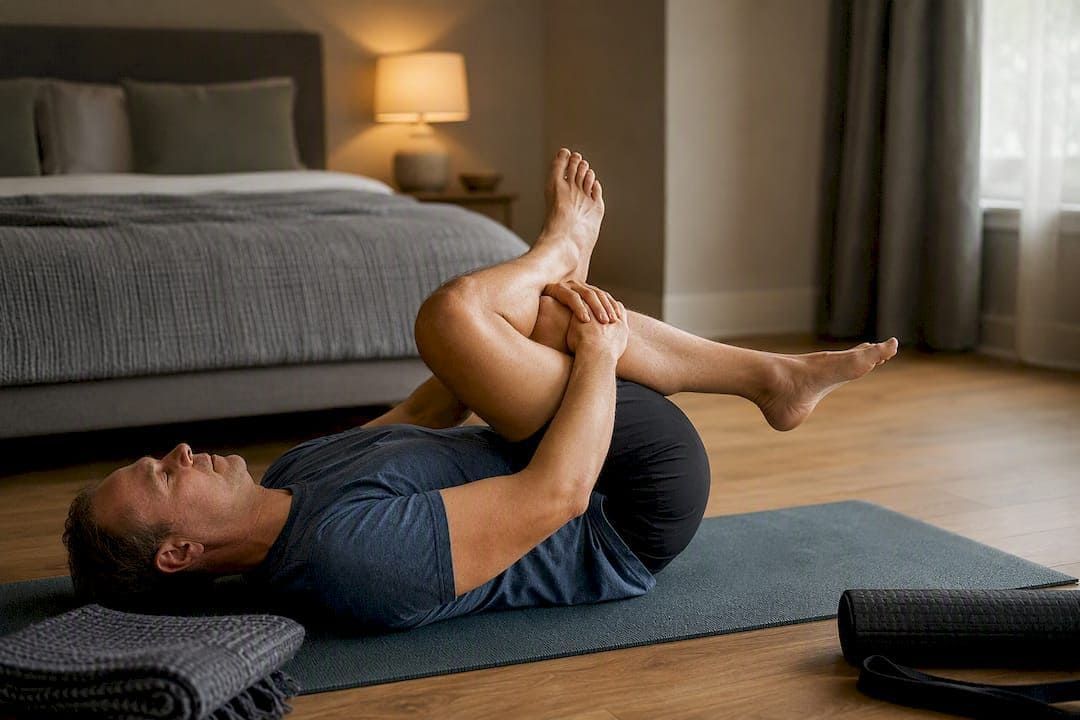
  • Perform prescribed stretches and exercises consistently, not just when pain flares
  • Take movement breaks every 30 to 45 minutes if you sit for work
  • Prioritize sleep quality since tissue repair happens during deep sleep
  • Adjust your workstation ergonomics to reduce postural load

Nutrition and hydration:

  • Stay well hydrated since cartilage and discs depend on water content
  • Reduce processed foods and added sugars that promote systemic inflammation
  • Consider supplements for joint health such as glucosamine, chondroitin, and omega-3 fatty acids after discussing options with your provider
  • Maintain a healthy weight to reduce mechanical load on joints

Stress management:

  • Chronic stress elevates cortisol, which increases inflammation and lowers pain tolerance
  • Breathing exercises, light yoga, and consistent sleep schedules all reduce the nervous system's pain amplification response

Holistic options enhance outcomes through multimodal care, and the self-care habits you build between visits are a core part of that equation. Reviewing chiropractic pain relief strategies can help you identify which at-home practices pair best with your in-clinic treatment.

Pro Tip: Keep a simple pain journal for two weeks. Note pain levels, sleep quality, activity, and stress. Patterns often emerge that reveal triggers you hadn't connected to your symptoms before.

Find relief with expert chiropractic and holistic care

You now have a clear picture of what musculoskeletal pain is, where it comes from, and what a smart, evidence-informed approach to treatment looks like. The next step is working with a team that applies all of this in practice.

At Essential ChiroCare, we build personalized treatment plans that address the root cause of your pain, not just the symptoms. Our chiropractic care combines spinal adjustments, physical rehab services, and sports injury treatment into a coordinated plan designed around your body and your goals. With multiple locations across Tampa, Brandon, Sarasota, Lakeland, and Pinellas Park, getting expert care close to home has never been easier. Schedule your consultation today and take the first real step toward lasting relief.

Frequently asked questions

  • Is musculoskeletal pain different from arthritis pain?

    Musculoskeletal pain includes arthritis but also covers a broader range of pain in muscles, ligaments, tendons, and bones. MSK pain covers bones, muscles, ligaments, tendons, nerves, and connective tissues, making it a wider category than arthritis alone.

  • Can chiropractic help my pain after a car accident?

    Chiropractic care can offer pain relief, improved mobility, and support for accident recovery when evidence-based methods are used. Chiropractic aids pain relief, mobility, and injury prevention for both athletes and accident recovery patients.

  • How safe are chiropractic adjustments?

    Chiropractic adjustments are generally safe for most people, but certain conditions require caution. Avoid spinal manipulation in cases of osteoporosis, acute inflammatory arthritis, or vascular risks such as vertebrobasilar insufficiency.

  • How soon should I expect results from chiropractic care?

    Many patients notice improvement within a few visits, but a formal reassessment at 4 to 6 weeks gives a clearer picture. If progress stalls, benefits may be modest and your provider should adjust the plan or refer you to another specialist.

  • What symptoms mean I need medical care rather than chiropractic?

    Sudden severe headache, rapid muscle weakness, or loss of bladder control are emergencies that require immediate medical attention. Avoid chiropractic SMT when red flags like these are present and seek emergency care instead.

Recommended

manual therapy for muscle pain
By Essential ChiroCare Blogger April 6, 2026
Learn what manual therapy really is, how it works, and why it's one of the most effective hands-on options for musculoskeletal pain relief in West Central Florida.
Person scheduling chiropractor visit online
By Essential ChiroCare Blogger April 4, 2026
Schedule a chiropractic visit in West Central Florida with simple steps for prep, booking, insurance verification, and what to expect.
manual therapy step by step
By Essential ChiroCare Blogger April 3, 2026
Learn how manual therapy techniques like joint mobilization and myofascial release relieve chronic pain and restore mobility, with a step-by-step guide from Essential ChiroCare in West Central Florida
what is chronic pain management
By Essential ChiroCare Blogger April 2, 2026
Discover how holistic chronic pain management works. Learn evidence-based, non-drug solutions including chiropractic care, exercise, and lifestyle strategies for lasting relief.
hip pain from walking Lakeland
By Essential ChiroCare Blogger April 1, 2026
Long days outside can lead to tension buildup that a hip pain chiropractor in Tampa may help ease by identifying posture and movement habits.
work injury chiropractor Tampa
By Essential ChiroCare Blogger March 31, 2026
Learn how daily tension builds and when a work injury chiropractor in Tampa can help you ease discomfort before it takes a toll on your routine.
spinal health for athletes
By Essential ChiroCare Blogger March 30, 2026
Discover how spinal health enhances athletic performance, reduces injury risk, and accelerates recovery through evidence-based chiropractic care in West Central Florida.
What is manual spinal adjustment
By Essential ChiroCare Blogger March 29, 2026
Discover what manual spinal adjustment involves, how it relieves back and joint pain safely, and why it's an effective holistic chiropractic treatment option for adults in West Central Florida.
manual therapy for athletes
By Essential ChiroCare Blogger March 28, 2026
Discover how manual therapy techniques prevent sports injuries, accelerate recovery, and boost athletic performance for active individuals in West Central Florida.
how sports injuries affect the spine
By Essential ChiroCare Blogger March 27, 2026
Learn how sports injuries impact the spine, which activities pose highest risks, and how chiropractic care supports effective recovery and prevention for athletes.
Show More