Manual therapy: Effective hands-on relief for muscle pain

Essential ChiroCare Blogger • April 6, 2026

Manual therapy: Effective hands-on relief for muscle pain

Most people assume manual therapy is just a fancy term for massage. That assumption sells the practice short by a wide margin. Manual therapy is defined as a range of hands-on clinical interventions used by trained professionals to address pain, restore movement, and improve function. It includes joint mobilization, spinal manipulation, soft tissue work, and instrument-assisted techniques, each with distinct mechanisms and goals. If you are living with chronic or acute musculoskeletal pain in West Central Florida, understanding what manual therapy actually is could change how you approach your recovery.

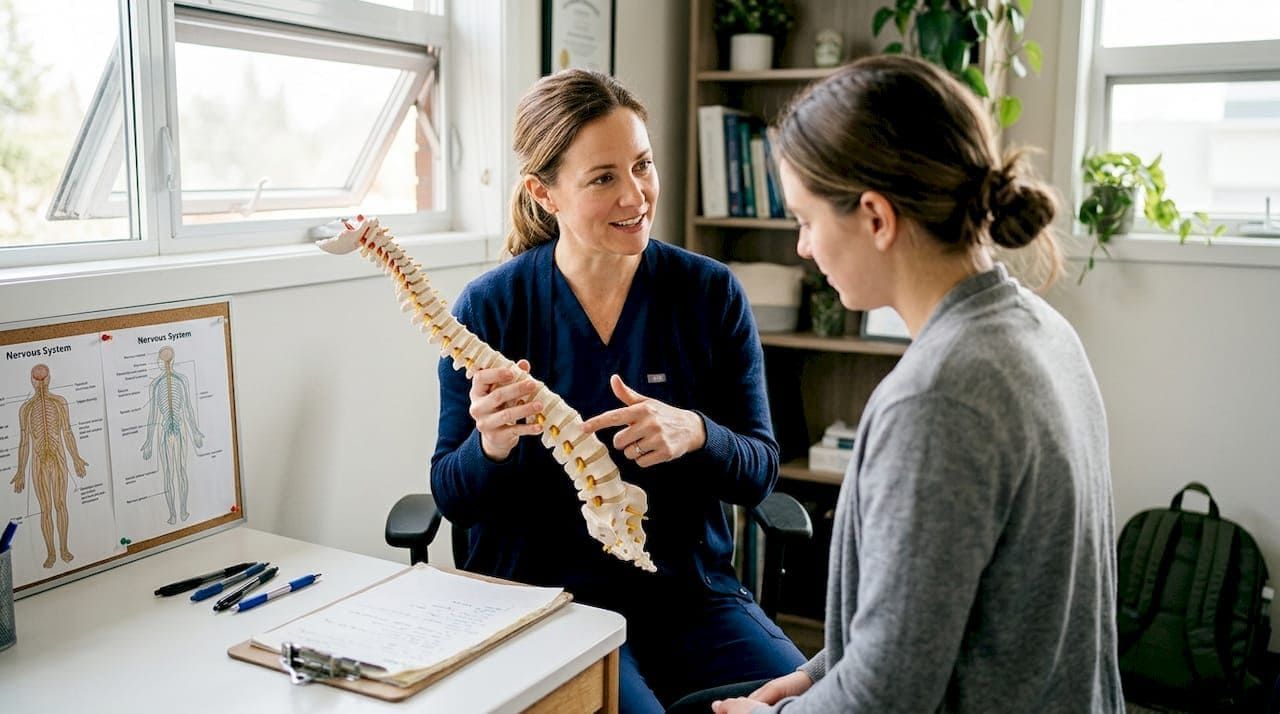
manual therapy for muscle pain

Table of Contents

Key Takeaways

Point Details
Manual therapy defined Manual therapy refers to a set of evidence-based hands-on interventions used by skilled professionals to treat musculoskeletal pain and dysfunction.
Mechanisms explained Manual therapy works via biomechanical and neurophysiological effects, offering pain relief and improved function.
Techniques and effectiveness Techniques vary by provider and condition, with best results when combined with exercise for short-term relief.
Contraindications matter Manual therapy is not suitable for everyone; certain conditions like osteoporosis or acute inflammation require caution.
Practical approach Selecting providers who prioritize holistic, biopsychosocial care enhances outcomes for pain sufferers in West Central Florida.

What is manual therapy? The core definition

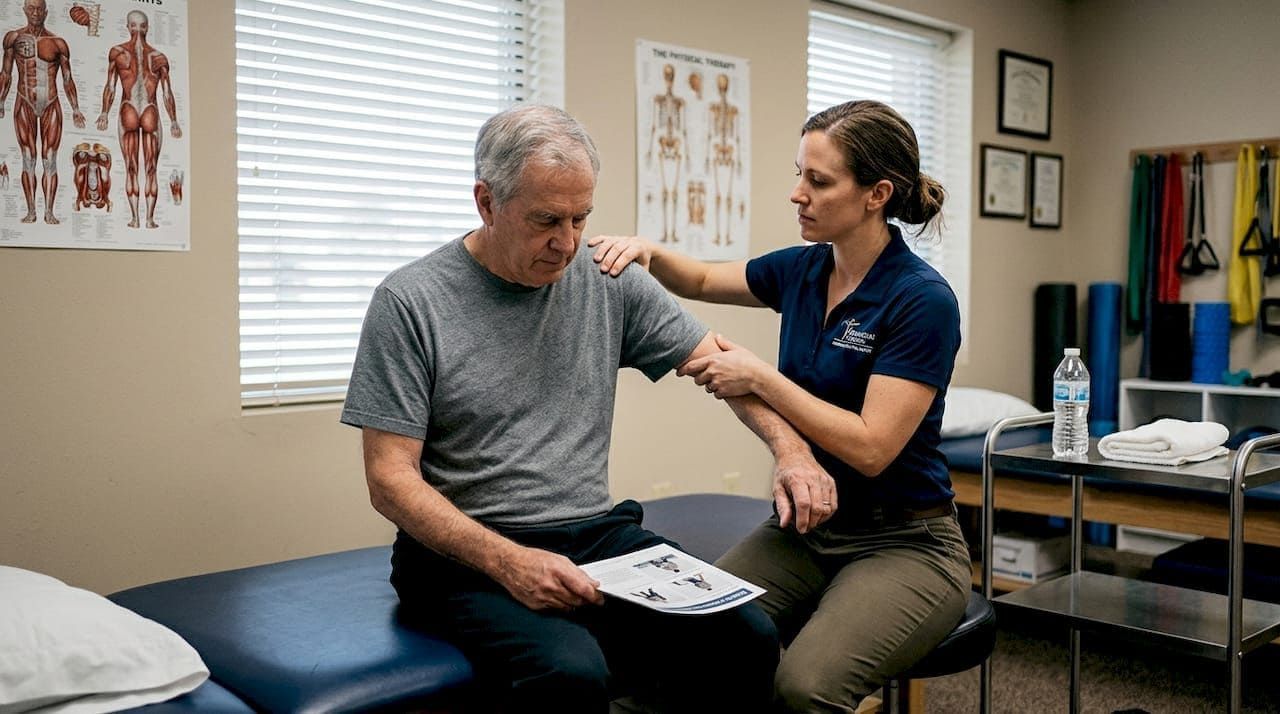
Manual therapy is not a single technique. It is a broad category of hands-on clinical methods applied by licensed professionals including physical therapists, chiropractors, osteopathic physicians, and trained massage therapists. Each provider brings a different scope of practice, but all use direct physical contact to influence the body's tissues, joints, and nervous system.

The key distinction is clinical intent. Manual therapy treatments are designed to produce measurable changes in pain, mobility, and function, not simply relaxation. This separates them from general massage, which primarily targets muscle tension and stress relief. You can read more about manual therapy vs massage difference if you want a side-by-side breakdown.

"Manual therapy encompasses a spectrum of hands-on interventions applied by clinicians to reduce pain, restore mobility, and address neuromuscular dysfunction through targeted mechanical and neurophysiological pathways." — IASP Taskforce, 2024

The major modalities within manual therapy include:

  • Joint mobilization: Low-velocity, controlled movements applied to a joint to restore range of motion
  • High-velocity low-amplitude (HVLA) manipulation: The classic "adjustment" used in chiropractic care
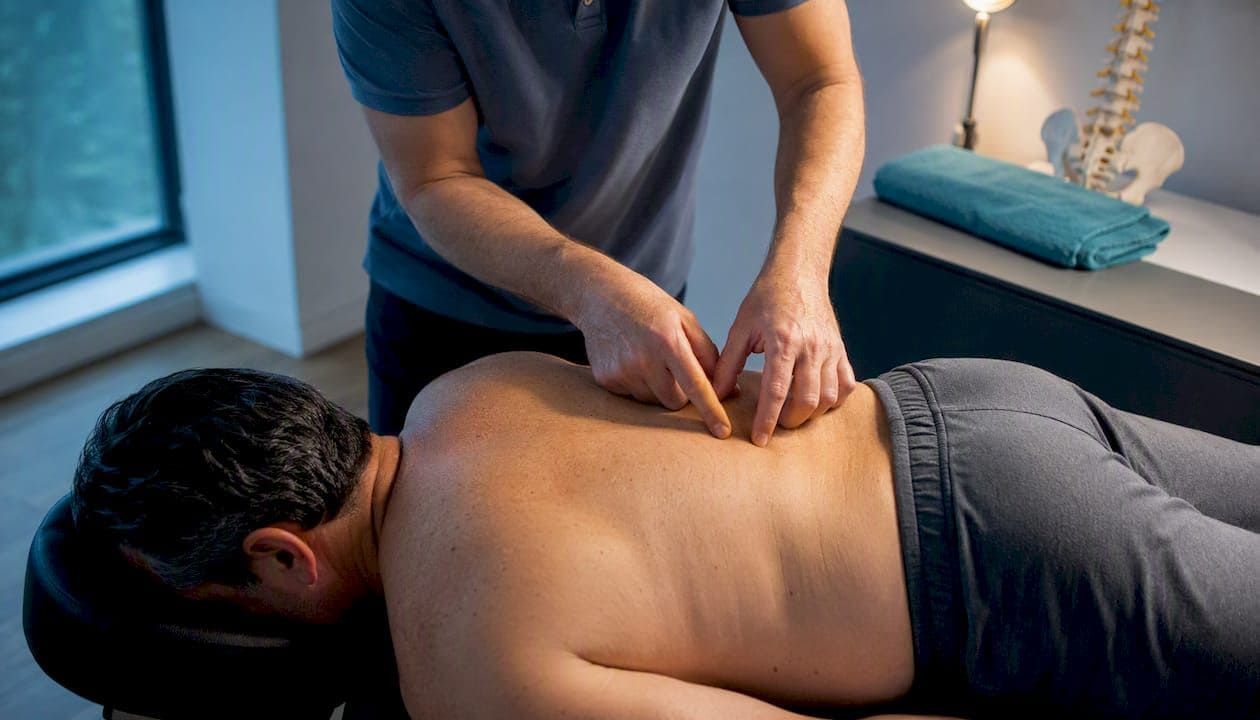
  • Soft tissue mobilization: Targeted pressure on muscles, fascia, and connective tissue
  • Instrument-assisted soft tissue mobilization (IASTM): Tools used to break down scar tissue and adhesions
  • Myofascial release: Sustained pressure to release tension in the fascial system
  • Trigger point therapy: Direct pressure on hyperirritable muscle knots to reduce referred pain

Understanding these chiropractic techniques helps you ask better questions when you walk into a clinic.

Mechanisms: How manual therapy works in your body

Manual therapy produces relief through two main pathways: biomechanical and neurophysiological. Both matter, and understanding them helps explain why the same technique can feel different depending on your condition.

On the biomechanical side, HVLA thrusts deliver 300 to 500 newtons of force to a joint in milliseconds. This restores tissue extensibility, reduces joint stiffness, and breaks up adhesions that limit movement. Soft tissue mobilization works similarly by improving circulation and reducing fibrotic buildup in muscles and fascia.

The neurophysiological side is where things get genuinely surprising. Manual therapy activates descending inhibitory pathways in the central nervous system, essentially turning down the volume on pain signals before they reach conscious awareness. This is called pain gating, and it explains why relief can occur almost immediately after a treatment, even before any structural change has taken place.

Mechanism What happens Clinical outcome
Joint mobilization Restores joint play and reduces stiffness Improved range of motion
HVLA manipulation Rapid force input to joint Immediate pain reduction
Soft tissue mobilization Breaks adhesions, improves circulation Reduced muscle tension
Pain gating Activates inhibitory nerve pathways Short-term pain relief
Descending inhibition Central nervous system modulation Reduced nociceptive activity

These pain relief mechanisms are why manual therapy is not just about "cracking backs." It is a clinically targeted intervention with measurable physiological effects. For those dealing with back pain relief options , this science matters.

Pro Tip: Force modulation is critical. Too little force may not produce the desired neurophysiological response. Too much can cause tissue irritation. A skilled provider calibrates force based on your specific condition, body type, and pain sensitivity.

Manual therapy methods: Techniques and who delivers them

Methodologies encompass joint mobilization, manipulation, soft tissue techniques, and instrument-assisted methods, each suited to different conditions and delivered by different providers. Knowing who does what helps you choose the right care.

Technique Primary provider Best suited for
HVLA spinal manipulation Chiropractor, osteopath Acute/subacute low back pain, neck pain
Joint mobilization Physical therapist, chiropractor Stiff joints, post-surgical rehab
Soft tissue mobilization Massage therapist, PT Muscle tension, myofascial pain
IASTM PT, chiropractor Scar tissue, tendinopathy
Myofascial release PT, massage therapist Chronic tension, fibromyalgia

A typical manual therapy session follows a logical sequence:

  1. Assessment: The provider evaluates your posture, range of motion, and pain patterns
  2. Goal setting: You and your provider agree on the target outcome for the session
  3. Technique selection: The provider chooses methods based on your diagnosis and tolerance
  4. Application: Hands-on treatment is delivered with ongoing feedback from you
  5. Reassessment: Movement and pain are re-evaluated to measure immediate response
  6. Home program: You receive exercises or stretches to reinforce the session's gains

If you are unsure whether to see a chiropractor vs physical therapist after an injury, the answer often depends on the nature of your pain and your recovery goals. Reviewing choosing therapy after injury can help clarify that decision. You can also explore chiropractic service options to see what is available near you.

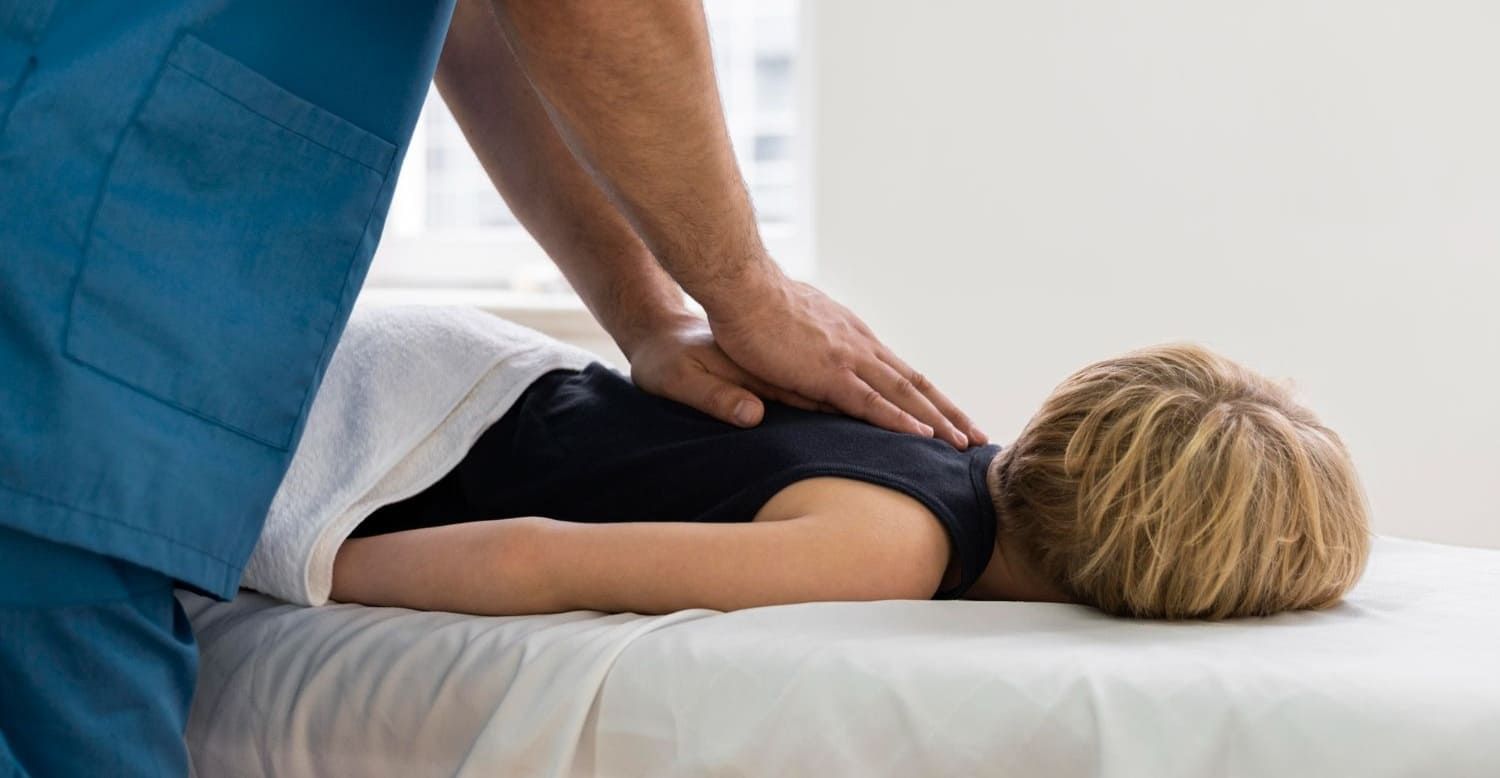
musculoskeletal pain treatment

Effectiveness and evidence: What does science show?

The evidence for manual therapy is real, but it comes with important context. Short-term pain relief and functional improvements are well-documented for musculoskeletal conditions including low back pain, neck pain, and osteoarthritis. Long-term effects are less consistent.

A large meta-analysis found manual therapy effective for over 4,600 patients with musculoskeletal pain, with the strongest results seen in the short term. The American College of Physicians guidelines prioritize nonpharmacologic first-line care for acute and subacute low back pain, placing manual therapy alongside exercise as a recommended option.

Here is what the evidence actually supports:

  • Strong short-term evidence: Reduced pain and improved function within days to weeks of treatment
  • Moderate evidence for osteoarthritis: Particularly for hip and knee joint mobilization
  • Limited long-term evidence: Benefits often diminish without ongoing exercise or lifestyle changes
  • Best results when combined: Manual therapy paired with exercise consistently outperforms either alone

Pro Tip: Think of manual therapy as a window opener, not a permanent fix. It reduces pain enough for you to move better, and that movement is what creates lasting change. Pairing sessions with physical rehab exercises is the most evidence-supported approach.

For those managing chronic back pain solutions , this combination approach is especially relevant. You can also review best chiropractic treatments to see how these methods are applied in practice.

Nuances, contraindications, and contrasting viewpoints

Manual therapy is not appropriate for everyone. Knowing when to avoid it is just as important as knowing when to use it. Contraindications include osteoporosis and acute inflammation, as well as certain vascular and neurological conditions where applied force could cause harm.

Conditions that require caution or rule out manual therapy entirely:

  • Osteoporosis or bone fragility: Manipulation forces can cause fractures
  • Active infection or acute inflammation: Hands-on pressure can worsen inflammatory responses
  • Vascular conditions: Certain cervical manipulations carry risk for individuals with vertebral artery issues
  • Neurological red flags: Severe nerve compression, cauda equina syndrome, or progressive neurological deficits
  • Recent surgery: Healing tissues may not tolerate mobilization forces
  • Uncontrolled bleeding disorders: Soft tissue work can cause internal bruising

On the research side, some reviews show no superiority over sham treatments in certain populations, which has led to debate about whether manual therapy's effects are primarily neurophysiological rather than structural. This is an important nuance.

"The field has shifted from viewing manual therapy as a purely biomechanical intervention to recognizing its multisystem effects, including central sensitization modulation and placebo-related neurological responses." — PMC Review, 2024

This does not mean manual therapy does not work. It means the mechanism is more complex than originally thought. Understanding the manual therapy vs massage distinction also helps clarify why clinical intent and provider skill matter so much. Choosing between a chiropractor vs physical therapist should factor in these nuances.

Practical considerations for West Central Florida pain sufferers

If you are dealing with musculoskeletal pain in Tampa, Brandon, Sarasota, Lakeland, or Pinellas Park, you have real options. Manual therapy offers a holistic, non-drug option for both chronic and acute pain, and it works best when delivered by providers who use a biopsychosocial model. That means they treat not just your joints and muscles, but also the lifestyle, stress, and movement patterns that contribute to your pain.

Here is how to maximize your outcomes:

  1. Choose a licensed provider with documented training in manual therapy techniques relevant to your condition
  2. Ask about their approach to the biopsychosocial model and whether they integrate exercise into treatment
  3. Set realistic expectations for short-term relief and commit to a home exercise program
  4. Track your progress using a simple pain scale before and after each session
  5. Communicate openly about what feels helpful and what does not so your provider can adjust
  6. Combine treatments by pairing manual therapy with physical rehab options for the best functional outcomes

Pro Tip: Do not judge manual therapy by a single session. Most evidence-based protocols involve 4 to 8 sessions combined with active exercise. One visit tells you very little about whether the approach is right for you.

Exploring chiropractic services near you is a practical first step toward finding a provider who matches your needs and goals.

Connect with expert manual therapy and chiropractic care in West Central Florida

If this article has helped you understand what manual therapy actually is and how it can address your pain, the next step is finding a provider who delivers it well.

At Essential ChiroCare, our clinics across Tampa, Brandon, Sarasota, Lakeland, and Pinellas Park offer expert chiropractic care grounded in the same evidence discussed here. Our doctors bring sports team experience and a patient-centered approach to every treatment plan. Whether you need spinal manipulation, soft tissue work, or a full rehab services program, we build your care around your specific condition and goals. Browse our local chiropractic options or schedule online today to start your recovery with a team that takes the science seriously.

Frequently asked questions

  • What conditions does manual therapy treat?

    Manual therapy is effective for nonspecific low back pain and osteoarthritis, as well as sports injuries, neck pain, and acute or subacute musculoskeletal conditions. Effect sizes are generally small to moderate, making it most valuable as part of a broader treatment plan.

  • Is manual therapy safe for everyone?

    No. Manual therapy is contraindicated in osteoporosis and acute inflammation, and also carries risk for individuals with certain vascular, neurological, or post-surgical conditions. Always disclose your full medical history before starting treatment.

  • How does manual therapy differ from massage?

    Manual therapy uses clinical techniques like joint mobilization and manipulation to produce structural and neurophysiological changes, while massage primarily targets muscle relaxation and stress relief without the same clinical diagnostic framework.

  • Does manual therapy provide long-lasting relief?

    Manual therapy reliably produces short-term pain relief across thousands of patients studied, but long-term benefits are inconsistent without pairing treatment with exercise and lifestyle changes.

  • Can manual therapy be combined with exercise?

    Yes, and it should be. Adding manual therapy to exercise consistently improves short-term pain reduction and functional outcomes compared to either approach used alone.

Recommended

Chiropractor helping patient with joint and muscle pain
By Essential ChiroCare Blogger April 5, 2026
Learn what causes musculoskeletal pain, how to spot warning signs, and which holistic chiropractic treatments work best for West Central Florida patients.
Person scheduling chiropractor visit online
By Essential ChiroCare Blogger April 4, 2026
Schedule a chiropractic visit in West Central Florida with simple steps for prep, booking, insurance verification, and what to expect.
manual therapy step by step
By Essential ChiroCare Blogger April 3, 2026
Learn how manual therapy techniques like joint mobilization and myofascial release relieve chronic pain and restore mobility, with a step-by-step guide from Essential ChiroCare in West Central Florida
what is chronic pain management
By Essential ChiroCare Blogger April 2, 2026
Discover how holistic chronic pain management works. Learn evidence-based, non-drug solutions including chiropractic care, exercise, and lifestyle strategies for lasting relief.
hip pain from walking Lakeland
By Essential ChiroCare Blogger April 1, 2026
Long days outside can lead to tension buildup that a hip pain chiropractor in Tampa may help ease by identifying posture and movement habits.
work injury chiropractor Tampa
By Essential ChiroCare Blogger March 31, 2026
Learn how daily tension builds and when a work injury chiropractor in Tampa can help you ease discomfort before it takes a toll on your routine.
spinal health for athletes
By Essential ChiroCare Blogger March 30, 2026
Discover how spinal health enhances athletic performance, reduces injury risk, and accelerates recovery through evidence-based chiropractic care in West Central Florida.
What is manual spinal adjustment
By Essential ChiroCare Blogger March 29, 2026
Discover what manual spinal adjustment involves, how it relieves back and joint pain safely, and why it's an effective holistic chiropractic treatment option for adults in West Central Florida.
manual therapy for athletes
By Essential ChiroCare Blogger March 28, 2026
Discover how manual therapy techniques prevent sports injuries, accelerate recovery, and boost athletic performance for active individuals in West Central Florida.
how sports injuries affect the spine
By Essential ChiroCare Blogger March 27, 2026
Learn how sports injuries impact the spine, which activities pose highest risks, and how chiropractic care supports effective recovery and prevention for athletes.
Show More