10 Joint Support Strategies: A Practical Action Plan
10 Joint Support Strategies: A Practical Action Plan
The most effective joint support strategies are consistent low-impact movement and targeted strength training, daily joint-protection habits, anti-inflammatory nutrition with modest weight management, hands-on manual therapy or chiropractic care when pain limits exercise, and cautious use of a few evidence-backed supplements. Start here:
- Move daily. Aim for 150 minutes of moderate activity per week (CDC guideline). A 30-minute walk counts.
- Strengthen the muscles around your joints. Two to three short strength sessions per week protect knees, hips, and shoulders better than rest alone.
- Eat to reduce inflammation. Add fatty fish, leafy greens, and berries; cut added sugars and high-glycemic foods.
- Protect joints during daily tasks. Push doors with your forearm, store heavy items at waist height, and break up sitting every 15 minutes.
- Consider professional assessment when self-care stalls. Manual therapy and guided rehab accelerate gains that home exercise alone often cannot.
- Supplement carefully. Omega-3s and vitamin D (for deficiency) have the strongest evidence; glucosamine and chondroitin results are mixed at best.
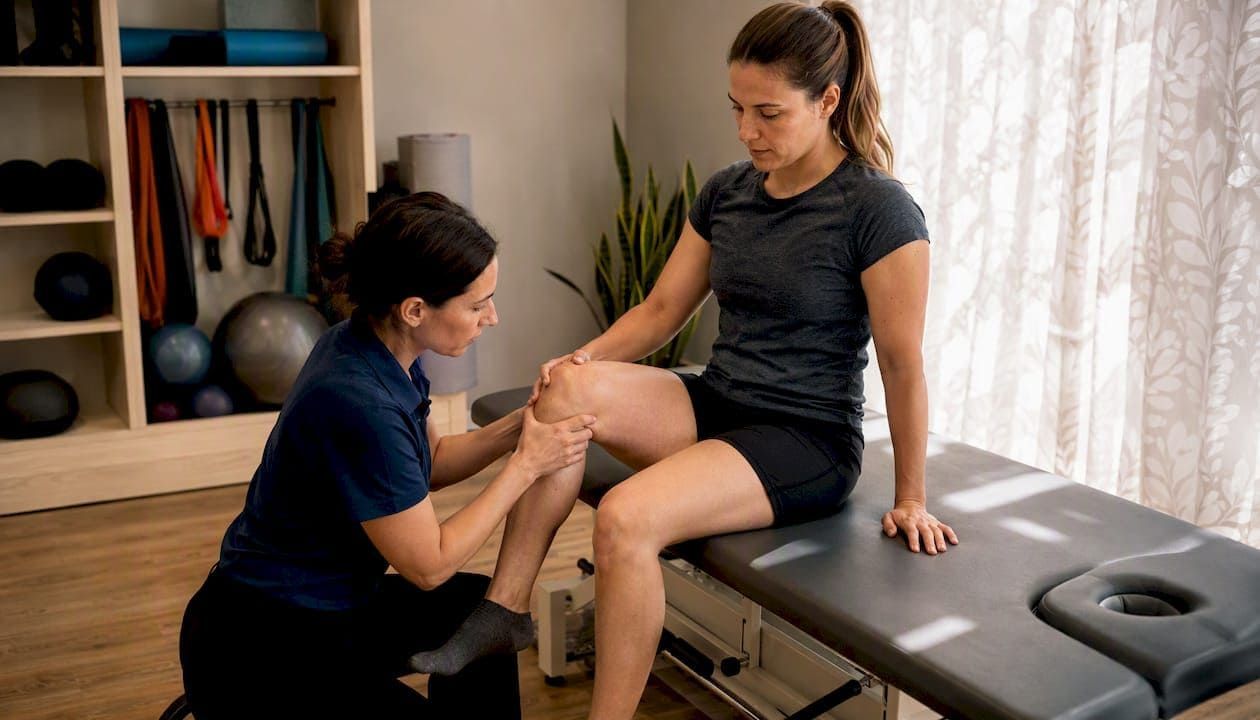
Table of Contents
- How your joints stay healthy — and why they break down
- 1. Consistent low-impact aerobic exercise
- 2. Targeted strength training for joint-supporting muscles
- 3. Range-of-motion and mobility work
- 4. Joint-protection habits for daily life
- 5. Anti-inflammatory nutrition and weight management
- 6. What the evidence actually says about joint supplements
- 7. When manual therapy and chiropractic care accelerate your progress
- 8. Your 4-week joint support plan
- Key Takeaways
- The case for treating joint pain as a system, not a symptom
- Essentialchirocare supports your joint health from assessment to recovery
- Useful sources and further reading
How your joints stay healthy — and why they break down
Joints stay healthy through a three-part system: smooth cartilage cushions bone ends, synovial fluid lubricates movement, and the surrounding muscles absorb load so the joint itself doesn't have to. When any part of that system fails, pain and stiffness follow.
Synovial fluid production is directly stimulated by movement. Think of it like wringing a sponge: physical activity compresses cartilage, pushing out waste products, then draws in oxygen and nutrients when the load lifts. Sit still for hours and that exchange slows to a crawl.
The most common drivers of joint pain in adults fall into four categories: mechanical overload (excess body weight, poor movement mechanics), inflammatory disease (rheumatoid arthritis, gout), acute injury, and disuse weakness. That last one surprises people. When muscles weaken from inactivity, the joint absorbs forces the muscles should be handling, which accelerates wear and worsens pain.
Understanding this matters because it changes the instinct. Resting a painful joint feels logical, but it often makes things worse. Progressive movement, load management, and muscle support are what actually protect cartilage over time.
1. Consistent low-impact aerobic exercise
Exercise is a first-line treatment for joint pain, not something to attempt after pain resolves. The goal is to stimulate synovial fluid, maintain cartilage nutrition, and keep surrounding muscles active without overloading damaged tissue.
Swimming, water aerobics, cycling (stationary or road), and walking are the best starting points. Water reduces effective body weight on joints by roughly 90% when submerged to the neck, making it ideal for people with significant knee or hip pain. Cycling keeps the knee moving through a controlled arc with minimal impact. Walking, for those with early-to-moderate joint changes, remains one of the most studied and accessible options.
Target 150 minutes of moderate aerobic activity per week, broken however works for you. Three 10-minute walks spread across a day count the same as a single 30-minute session, which matters if sustained activity triggers pain.
Pro Tip: Apply moist heat for about 20 minutes before aerobic exercise to relax muscles and reduce stiffness. After activity, ice the joint for up to 20 minutes (always with a towel barrier) to limit post-exercise swelling.
2. Targeted strength training for joint-supporting muscles
Strong muscles act as shock absorbers. Weak ones transfer load directly to cartilage and ligaments. The relationship is that direct.
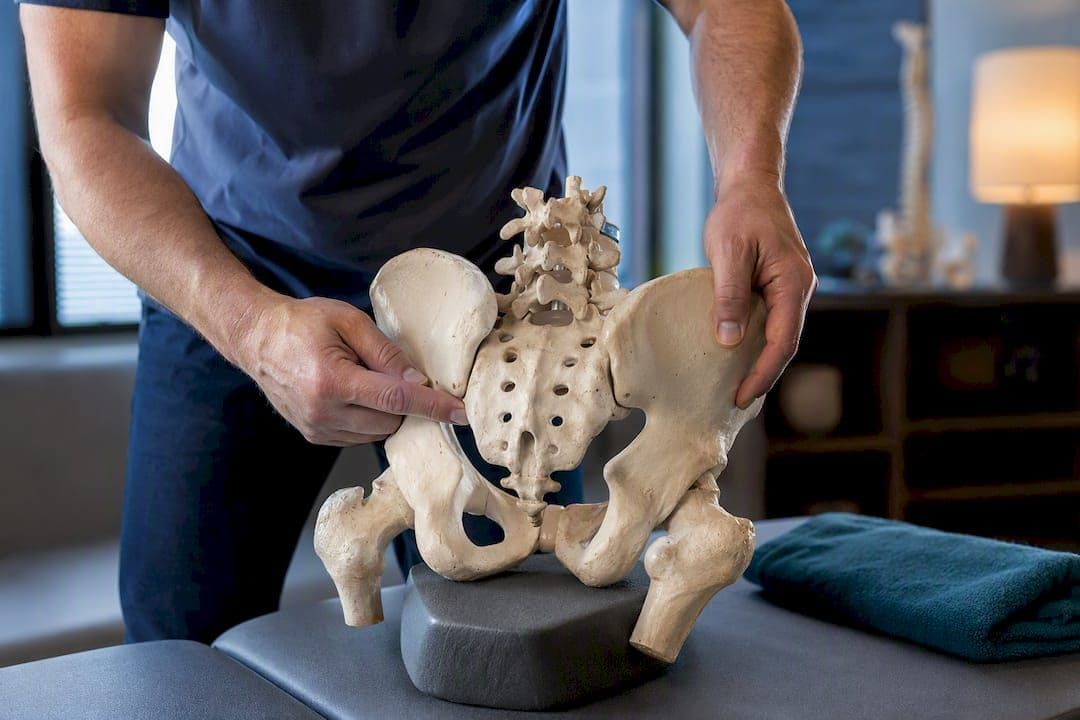
For knees, the quadriceps are the priority. For hips, gluteal strength and hip abductors reduce medial knee stress and protect the hip joint itself. For shoulders, the rotator cuff and scapular stabilizers keep the humeral head centered in the socket. For the spine, deep core muscles reduce compressive load on lumbar discs and facet joints.
Aim for two to three strength sessions per week, targeting all major muscle groups. Resistance bands, body weight, and machines all work. The Mayo Clinic recommends starting with range-of-motion warm-up before any resistance work, and progressing load only when you can complete the full movement without pain.
If standard squats or lunges are too painful to start, isometric holds (wall sits, static hip abduction) build muscle without joint movement and are a reliable entry point. Progress to dynamic exercises as tolerance improves.
3. Range-of-motion and mobility work
Stiffness is not just uncomfortable. It alters movement patterns, forces compensations, and shifts load onto joints that weren't designed to handle it. Daily mobility work addresses this before it compounds.
Gentle range-of-motion exercises, stretching, yoga, and tai chi all qualify. The goal is to move each joint through its full available arc, not to push past pain. Five to ten minutes of slow, controlled movement before strength or aerobic work reduces injury risk and improves exercise quality. For people with inflammatory conditions like rheumatoid arthritis, range-of-motion work is often the only exercise appropriate during a flare.
Yoga and tai chi add a balance component that reduces fall risk, which matters because a fall-related joint injury can set back months of progress. For safe movement options that also support bone density, osteoporosis exercise guidelines offer practical, low-impact progressions that translate well to joint care.
4. Joint-protection habits for daily life
Small mechanical changes made consistently across a day add up to a meaningful reduction in cumulative joint stress. The Arthritis Foundation's joint-protection guidance is the most practical starting point.
Reduce load on small joints:
- Push open heavy doors with the side of your forearm or shoulder, not your fingers or wrist.
- Carry grocery bags on your forearms or shoulders rather than gripping handles with your fingers.
- Use a jar opener mounted to the wall rather than twisting with your hands.
Manage posture and position:
- Get up and move for a few minutes every 15 minutes when sitting at a desk or watching TV.
- Store frequently used items at waist height to avoid repeated bending or reaching overhead.
- Lead with your stronger leg going up stairs; lead with the weaker leg going down.
Use adaptive tools without hesitation:
- Electric can openers, ergonomic kitchen tools, and long-handled reachers reduce repetitive torque on hand and wrist joints.
- A bathing stool, raised toilet seat, or bed at the right height reduces hip and knee stress during transfers.
Braces and splints are appropriate when a specific joint is acutely inflamed or unstable during a demanding task. They are not a substitute for strengthening the muscles around that joint, but they can protect it while that strength is being rebuilt.

5. Anti-inflammatory nutrition and weight management
Diet affects joint pain through two distinct pathways: the inflammatory load of what you eat, and the mechanical load of body weight on joints.
Nutrients with the strongest evidence (per Arthritis Foundation guidance):
- Omega-3 fatty acids: Found in fatty fish (salmon, mackerel, sardines) and walnuts. Reduce systemic inflammation and may ease symptoms in inflammatory arthritis.
- Vitamin D: Supports calcium absorption and bone health; deficiency is common and linked to increased joint pain.
- Vitamin C: Contributes to collagen synthesis and tissue repair; found in citrus, bell peppers, and strawberries.
- Calcium: Maintains bone density that supports joint integrity; dairy, fortified plant milks, and leafy greens are reliable sources.
Limit refined sugars and high-glycemic-index foods. High blood sugar triggers insulin spikes that activate inflammatory pathways, and over time that chronic low-grade inflammation aggravates joint symptoms.
Weight and your knees: Losing as little as 11 pounds can meaningfully improve knee joint outcomes and reduce the risk of knee osteoarthritis progression. Research from the Arthritis Foundation also notes that losing one pound of body weight removes roughly four pounds of pressure from the knees with each step.
Sustainable weight loss of 0.5–1 pound per week through a modest caloric deficit and increased activity is safer for joints than rapid loss, which can reduce muscle mass along with fat.
6. What the evidence actually says about joint supplements
Supplements are not a cure, and the evidence behind most of them is thinner than the marketing suggests. That said, a few are worth a trial under the right conditions.
| Supplement | Evidence summary | Typical dose range | Safety / interaction notes | Third-party testing |
|---|---|---|---|---|
| Glucosamine + chondroitin | Mixed; no convincing evidence of cartilage repair; some patients report modest pain reduction | — | May interact with warfarin (Coumadin); avoid if shellfish allergy | USP, NSF, or ConsumerLab |
| Omega-3 (fish oil) | Reasonable evidence for reducing inflammation in rheumatoid arthritis; effect is gradual | 1–3 g EPA+DHA daily | High doses may affect bleeding; check with clinician if on blood thinners | USP or NSF |
| Collagen peptides | Early evidence of modest benefit for joint discomfort, especially in active adults; research still developing | 10–15 g daily | Generally well tolerated | ConsumerLab or NSF |
| MSM | Limited clinical trials; no significant benefit over placebo in available evidence | 3 g daily | Generally well tolerated; GI upset possible | USP or NSF |
| SAMe | Small trials show minimal difference from placebo; evidence weak | — | Can interact with antidepressants; not for people with bipolar disorder | ConsumerLab |
| Vitamin D | Strong evidence for correcting deficiency; supports bone and joint health | — | Toxicity possible at very high doses | USP or NSF |
How to run a supplement trial: Choose one supplement, take it consistently for 8–12 weeks, and track your pain and function on a simple 0–10 scale. If there is no meaningful change, stop. Because supplements are not FDA-approved before reaching market, always choose products verified by USP, NSF International, or ConsumerLab. Discuss any supplement with your clinician first, particularly if you take blood thinners, antidepressants, or have liver or kidney conditions.
7. When manual therapy and chiropractic care accelerate your progress
Self-directed exercise is effective, but there is a ceiling to what it can achieve when pain limits movement. That is where chiropractic care and manual therapy change the equation.
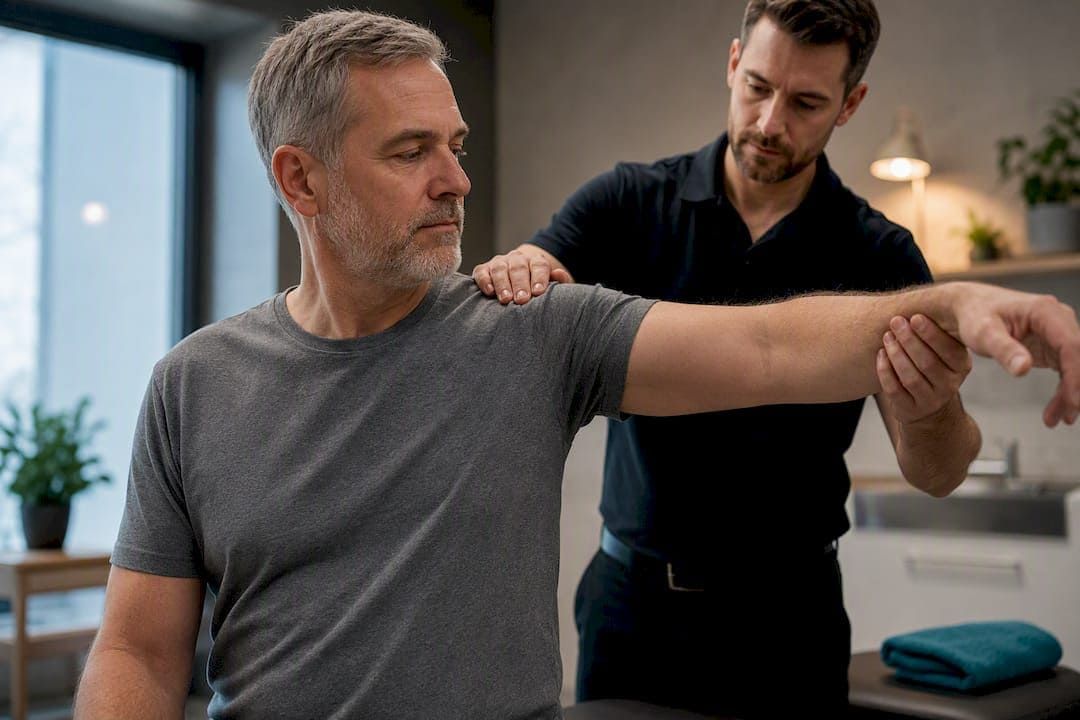
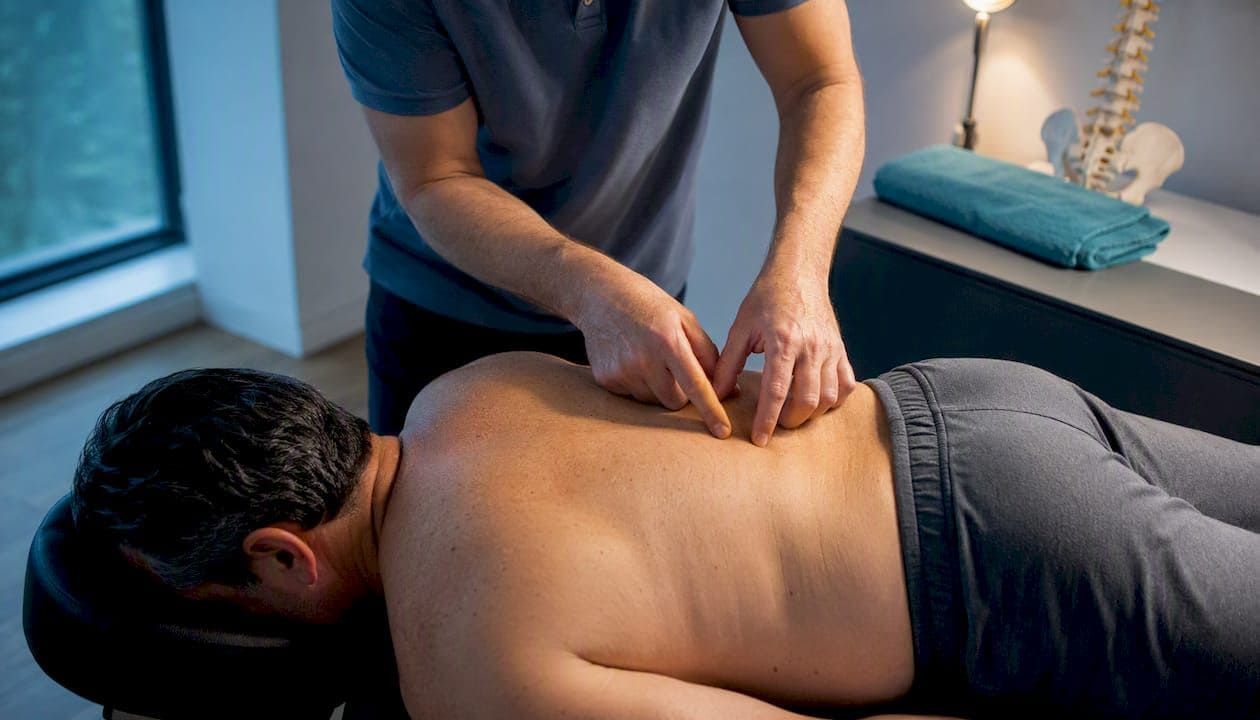
A six-week randomized trial found that Mulligan's Mobilization with Movement (MWM) combined with isometric strengthening produced faster improvements in pain, strength, and function for knee osteoarthritis compared with isometrics alone. The mechanism is straightforward: skilled manual techniques reduce pain enough to allow patients to perform strengthening work they otherwise cannot tolerate. Early adjunctive manual therapy often accelerates functional gains that take much longer through exercise alone.
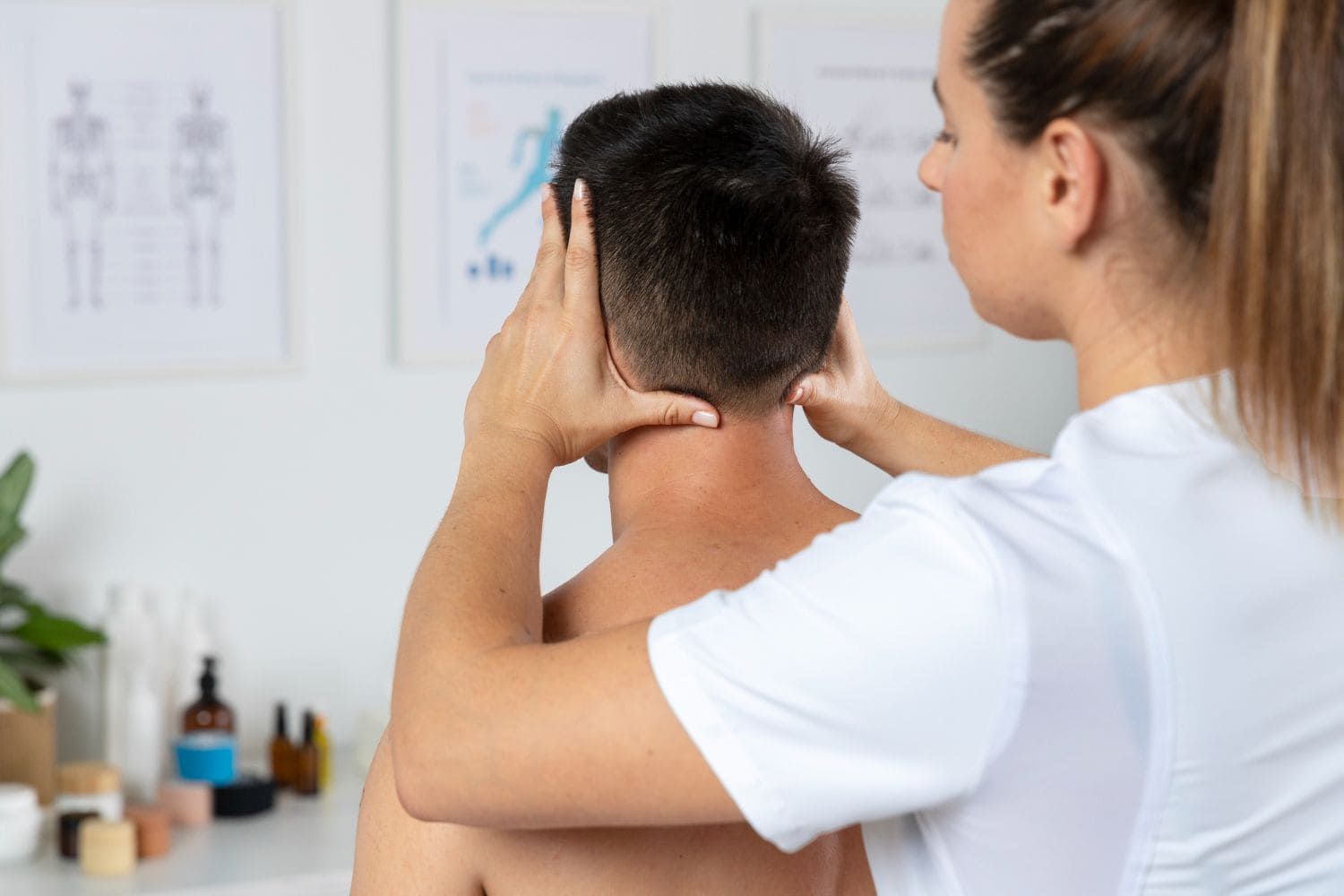
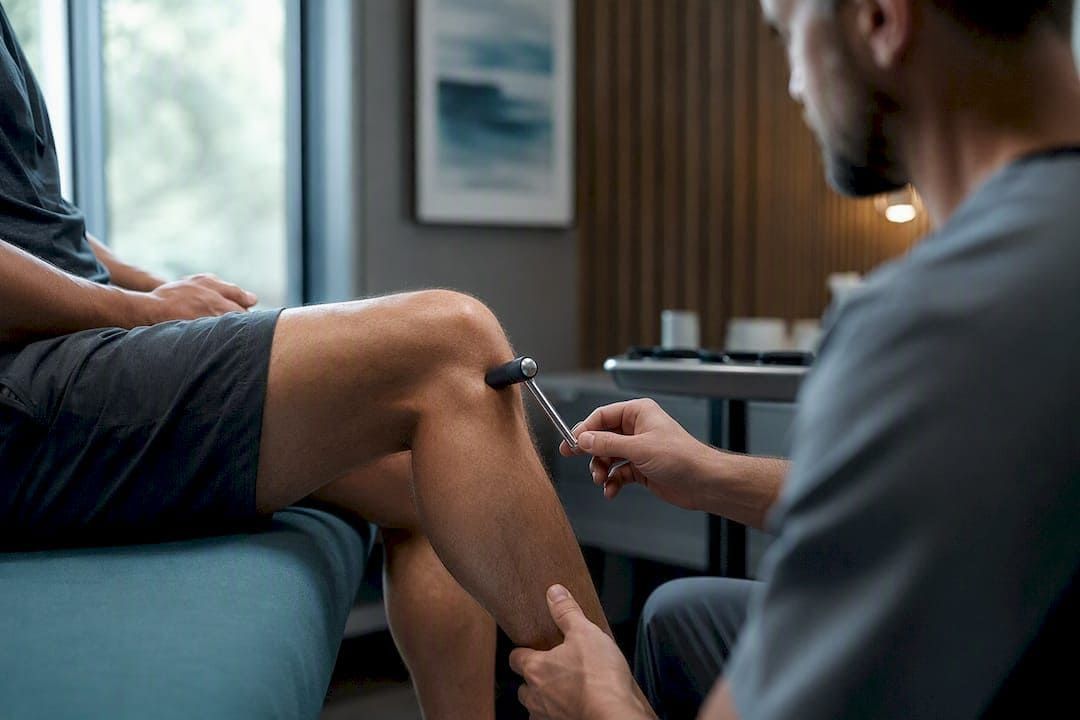
What to expect from an initial assessment at a clinic like Essentialchirocare: a movement screen, identification of which joints and muscles are contributing to pain, a short manual therapy series, and a personalized physical rehab plan with clear progression milestones. Most patients with early-to-moderate joint changes notice meaningful improvement within four to six weeks of consistent clinic-guided care.
If self-care has plateaued after two to three weeks, a professional assessment is the logical next step, not a last resort.
8. Your 4-week joint support plan
This plan operationalizes the strategies above into a realistic week-by-week schedule. Track pain on a 0–10 scale, log your active minutes, and note which daily tasks feel easier or harder.
Week 1: Establish the baseline
- Walk 20–30 minutes daily at a comfortable pace; use moist heat beforehand if stiff.
- Do 10 minutes of gentle range-of-motion work each morning (shoulder rolls, ankle circles, seated knee extensions).
- Begin two isometric strength sessions: wall sits (3 × 30 seconds), static hip abduction lying down (3 × 15 reps each side).
- Nutrition checkpoint: add one serving of fatty fish or walnuts; cut one sugary drink per day.
- Log pain (0–10) and step count each evening.
Week 2: Add load and habit changes
- Increase aerobic activity to 30–40 minutes, five days per week; try cycling or swimming as an alternative to walking.
- Progress strength to dynamic exercises: bodyweight squats to a chair, resistance-band hip abduction, shoulder external rotation with a band.
- Implement three joint-protection habits: waist-height storage, forearm door-pushing, 15-minute sitting breaks.
- Nutrition checkpoint: add two servings of leafy greens daily; reduce refined carbohydrates at one meal.
- If pain increases above your baseline, return to isometrics and shorter bouts.
Week 3: Build consistency
- Target 150 minutes of aerobic activity for the week; split however needed.
- Three strength sessions; add one set to each exercise if the previous week felt manageable.
- Introduce balance work: single-leg stance (30 seconds each side), tai chi or yoga video (20 minutes, twice weekly).
- Nutrition checkpoint: review vitamin D intake; consider a blood test if you haven't had one recently.
- Track which daily tasks have improved (stairs, getting up from a chair, carrying groceries).
Week 4: Assess and decide
- Maintain Week 3 activity levels; focus on consistency over intensity.
- Review your pain log: a reduction of 2 or more points on the 0–10 scale, or clear functional improvement, signals the plan is working.
- If pain is unchanged or worse, book a professional assessment. Do not push through sharp or worsening pain.
- Plan your Week 5 onward: add one new exercise, increase aerobic duration by 10%, or schedule a clinic visit for guided progression.
Key Takeaways
Consistent movement, targeted strength, and daily joint-protection habits form the foundation of any effective joint care plan, with manual therapy and anti-inflammatory nutrition accelerating results when self-care alone is not enough.
| Point | Details |
|---|---|
| Movement is the foundation | Aim for 150 minutes of moderate aerobic activity per week to stimulate synovial fluid and maintain cartilage health. |
| Strength protects joints | Two to three sessions per week targeting quadriceps, glutes, and rotator cuff reduces load on knees, hips, and shoulders. |
| Weight loss pays off fast | Losing as little as 11 pounds can meaningfully improve knee outcomes and slow osteoarthritis progression. |
| Supplements need scrutiny | Omega-3s and vitamin D (for deficiency) have the strongest evidence; always choose products verified by USP, NSF, or ConsumerLab. |
| Essentialchirocare | Combines chiropractic adjustments, manual therapy, and personalized rehab to restore mechanics and enable progressive strengthening. |
The case for treating joint pain as a system, not a symptom
Most people approach joint pain the way they approach a flat tire: fix the immediate problem and move on. That works for acute injuries. For chronic joint pain, it almost never does.
What actually produces lasting improvement is treating the joint as part of a system: the mechanics of how it moves, the muscles that support it, the load it carries, and the inflammatory environment it lives in. Change one variable and you get temporary relief. Change all of them and you get a different trajectory.
The conventional wisdom that rest is the answer is one of the most persistent and damaging ideas in joint care. Clinicians who work with joint pain daily see the same pattern: patients who rest for weeks return with weaker muscles, stiffer joints, and more pain than when they started. The research is consistent on this. Exercise is a primary prescription for joint pain, not a reward for recovering from it.
The other underestimated factor is the gap between knowing what to do and being able to do it. A patient with knee OA who cannot perform a pain-free squat cannot build the quadriceps strength that would protect that knee. That is where manual therapy earns its place: not as a passive treatment, but as a tool that restores enough pain-free movement to make the real work possible. The holistic approaches that combine hands-on care with progressive exercise consistently outperform either approach alone.
Small, consistent changes beat dramatic short-lived efforts every time. A 20-minute walk today matters more than a perfect workout plan that never gets started.
Essentialchirocare supports your joint health from assessment to recovery
Persistent joint pain that has not responded to home strategies deserves a proper clinical evaluation, not more guesswork. Essentialchirocare's integrated model combines chiropractic adjustments, hands-on manual therapy, and structured physical rehabilitation to address the mechanics, muscle support, and movement patterns that drive joint pain at its source.
At clinics across Tampa, Brandon, Sarasota, Lakeland, and Pinellas Park, the Essentialchirocare team starts with a thorough movement assessment, identifies the specific joints and muscles contributing to your pain, and builds a personalized plan that progresses safely from pain relief to functional strength. Whether your pain comes from osteoarthritis, a sports injury, or years of accumulated wear, the goal is the same: restore mechanics, enable strengthening, and get you back to the activities that matter.
If your pain has plateaued or is affecting daily life, book an assessment at essentialchirocare.com/chiropractic-care and get a clear picture of what is actually driving it.
Useful sources and further reading
This article is general health information, not medical advice. Confirm any treatment or supplement decision with a qualified clinician for your specific situation.
| Source | What it covers |
|---|---|
| Physical activity for arthritis (CDC) | Exercise frequency guidelines and the evidence base for movement as a primary joint health strategy |
| Exercise: an effective prescription for joint pain (Harvard Health) | Clinical rationale for exercise as first-line treatment; addresses the movement-avoidance misconception |
| Joint support supplements for arthritis (Harvard Health) | Evidence review of glucosamine, chondroitin, MSM, SAMe, and herbal remedies with safety notes |
| 16 Joint-Protection Tips (Arthritis Foundation) | Practical micro-habit and ergonomic adjustments; weight loss data for knee OA |
| Vitamins and minerals for arthritis (Arthritis Foundation) | Evidence-based nutrient guidance: omega-3s, vitamin D, calcium, and vitamin C |
| Tips to ease joint pain (Arthritis Foundation) | Heat and ice protocols, pacing strategies, and complementary pain management |
| Exercise helps ease arthritis pain (Mayo Clinic) | Exercise types, progression guidance, and safety cues for people with arthritis |
| MWM enhances early knee OA rehabilitation (Springer) | Six-week RCT showing Mulligan's MWM plus isometrics outperforms isometrics alone for knee OA |
| Essentialchirocare: chiropractic care and physical rehab | Local clinic resource for assessment, manual therapy, and personalized rehab in West Central Florida |
Recommended