
Manual therapy step by step: pain relief and mobility
If you've been waking up stiff, cutting your morning walk short, or avoiding activities you love because of persistent pain, you're not alone. Millions of people across West Central Florida deal with chronic back pain, joint stiffness, and muscle tension that just won't quit. Manual therapy reduces pain , improves mobility, and restores function using targeted hands-on techniques. This guide walks you through the core techniques, how to prepare safely, what happens during a session, and how to build on your results for lasting relief.

Table of Contents
- What is manual therapy? Core techniques and how they help
- Preparing for manual therapy: What to know and how to screen safely
- Step by step: How common manual therapy techniques are performed
- Integrating manual therapy with exercise and holistic care
- Common challenges, safety checks, and when to seek help
- Ready to start your recovery at Essential ChiroCare?
- Frequently asked questions
Key Takeaways
| Point | Details |
|---|---|
| Understand manual therapy | Manual therapy is a hands-on treatment proven to reduce pain and improve movement when used properly. |
| Safety first | Proper screening for contraindications keeps you safe and maximizes results. |
| Follow step-by-step process | Step-by-step protocols help address joint, muscle, and spine issues effectively. |
| Combine with exercise | Pairing manual therapy with exercise and holistic care delivers better long-term relief. |
| Know when to seek help | Be alert to warning signs and always contact your provider with new symptoms. |
What is manual therapy? Core techniques and how they help
Before you start therapy, let's make sure you understand what manual therapy is and the main techniques you might encounter.
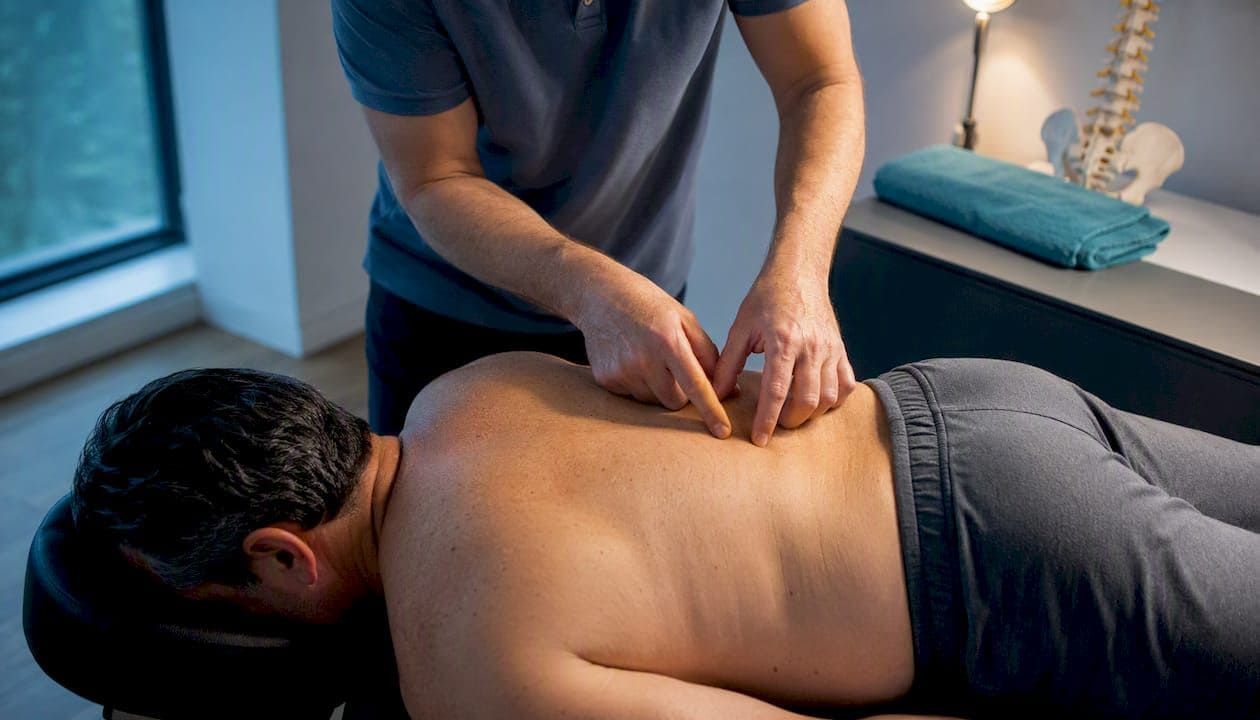
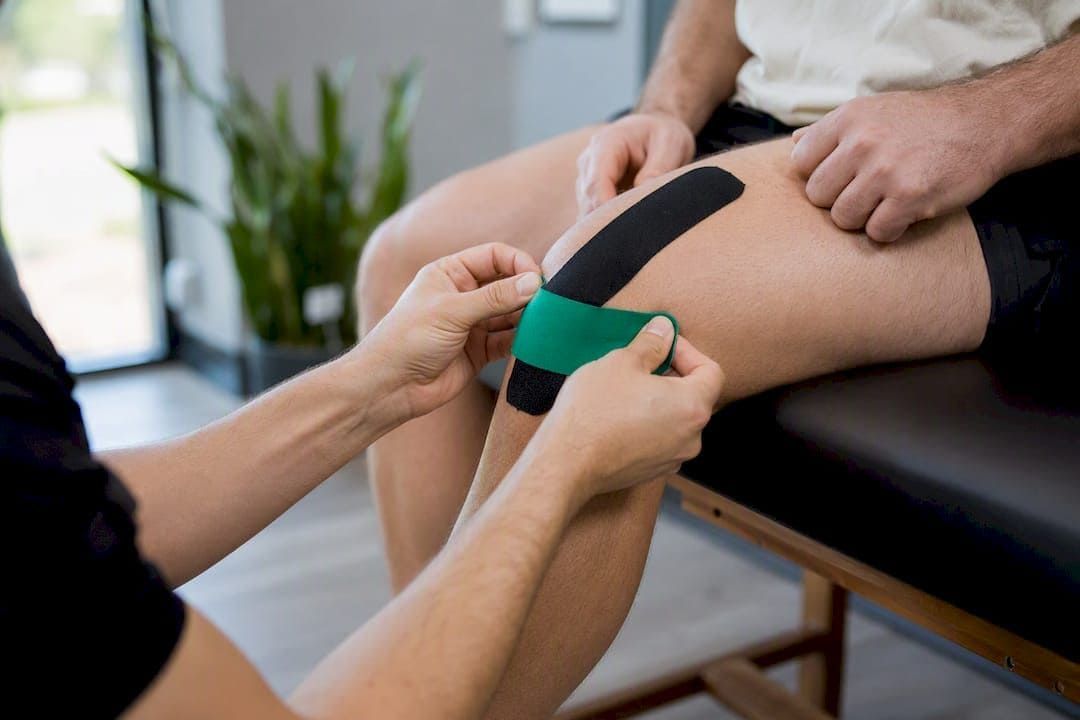
Manual therapy involves hands-on techniques such as joint mobilization, manipulation, soft tissue massage, myofascial release, and trigger point therapy. A licensed provider uses their hands to move, stretch, and apply pressure to your muscles, joints, and connective tissue. The goal is simple: reduce pain, restore normal movement, and help your body heal more efficiently. It's not guesswork. It's a structured clinical process.
How does it actually work? Manual therapy mechanisms are primarily neurophysiological, meaning the techniques modulate pain signals in your nervous system and reduce local inflammation. Think of it like resetting a circuit breaker. The hands-on input changes how your brain and spinal cord process pain, which is why many patients feel relief almost immediately after a session.
Here's a quick comparison of the core techniques you're likely to encounter:
| Technique | What it does | Best for |
|---|---|---|
| Joint mobilization | Gentle, rhythmic joint movement | Stiffness, arthritis, post-injury |
| HVLA manipulation | Quick, controlled thrust to a joint | Spinal pain, restricted range of motion |
| Soft tissue massage | Pressure applied to muscles and fascia | Muscle tension, soreness |
| Myofascial release | Sustained pressure on connective tissue | Chronic tightness, fibromyalgia |
| Trigger point therapy | Direct pressure on tender muscle knots | Referred pain, headaches |
| Therapeutic stretching | Guided lengthening of muscles and joints | Flexibility, post-surgery recovery |
Manual therapy rarely works in isolation. Your provider will typically pair it with exercise, patient education, and lifestyle adjustments. This is what separates a good treatment plan from a great one. You can learn more about our manual therapy approach and how it fits into a full recovery plan, or explore the differences between manual therapy and massage if you're unsure which one you actually need.
Musculoskeletal problems that manual therapy commonly addresses include:
- Low back pain (acute and chronic)
- Neck pain and stiffness
- Shoulder impingement and rotator cuff issues
- Knee osteoarthritis
- Hip tightness and bursitis
- Headaches and migraines linked to cervical tension
- Sciatica and nerve-related leg pain
- Post-surgical rehabilitation
Manual therapy is not a one-size-fits-all treatment. The right technique depends on your specific condition, your history, and your goals. A thorough evaluation always comes first.
Preparing for manual therapy: What to know and how to screen safely
Now that you know what manual therapy is, let's get you ready and ensure you're a good candidate for these techniques.
Your first step is a thorough consultation. Your provider will review your medical history, current medications, recent imaging, and any past injuries. Be honest and detailed. The more your provider knows, the safer and more effective your treatment will be. Don't downplay symptoms or skip mentioning recent falls, surgeries, or diagnoses.
Careful screening is required because manual therapy has absolute contraindications, including recent trauma, bone disease, infections, and vascular risks. Understanding the difference between absolute and relative contraindications protects you.
Absolute contraindications (manual therapy should NOT be performed):
- Recent fracture or bone trauma
- Active infection or osteomyelitis in the target area
- Bone cancer or metastatic disease
- Severe osteoporosis
- Deep vein thrombosis (DVT) or active blood clots
- Spinal cord compression with neurological signs
- Uncontrolled bleeding disorders
Relative contraindications (proceed with caution and modified technique):
- Mild osteoporosis
- Inflammatory arthritis during a flare
- Pregnancy (certain techniques only)
- Recent joint replacement
- Hypermobility syndromes
Safety first: Always tell your provider about any new symptoms, recent trauma, or changes in your health before each session. What was safe last week may not be safe today if your condition has changed.
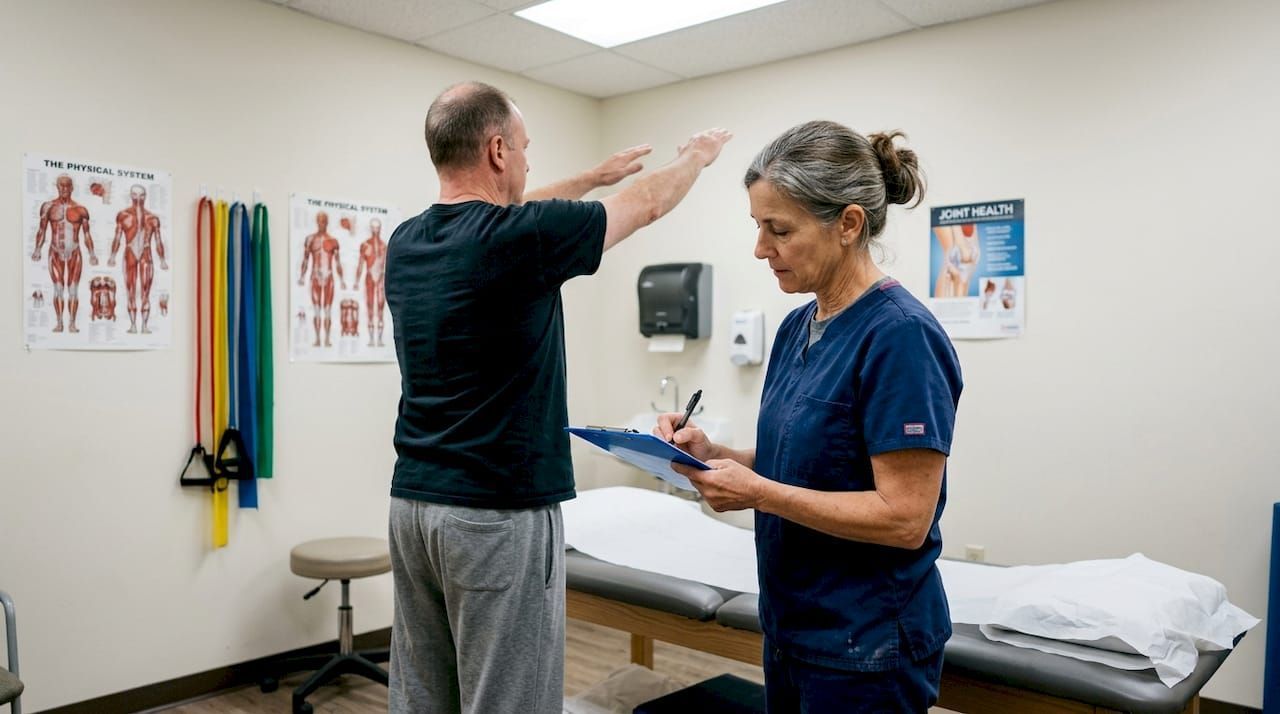
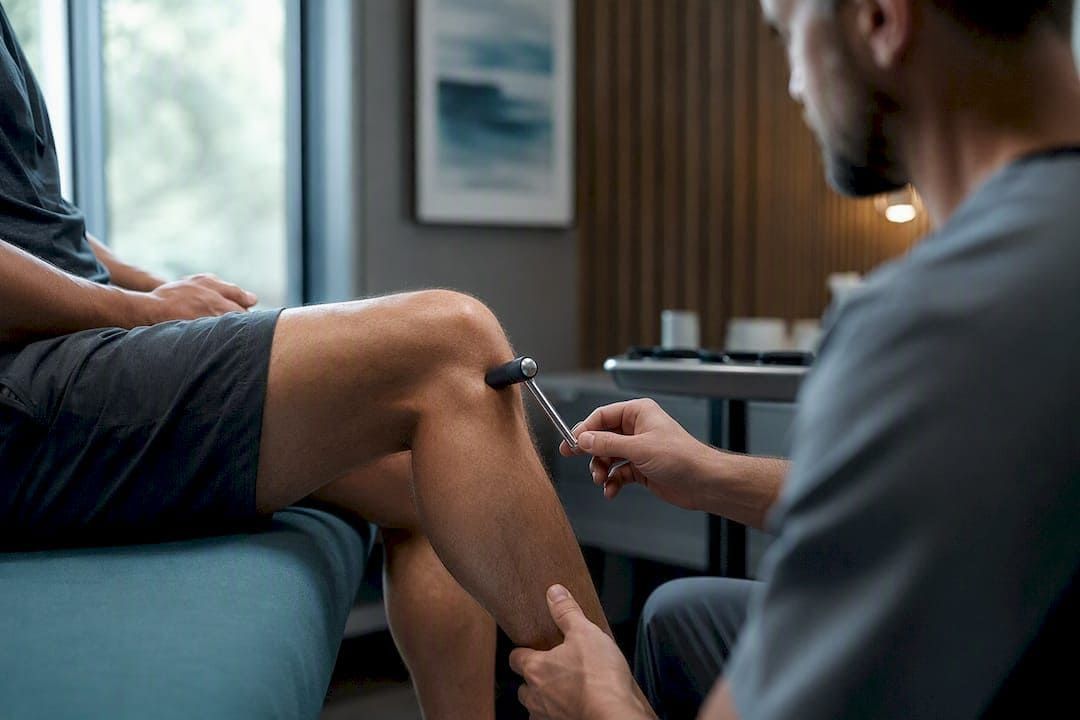
At your first appointment, expect a physical assessment that includes posture analysis, range of motion testing, and palpation (feeling the tissues by hand). Your provider will explain what they find and walk you through the proposed plan. You should feel informed and comfortable before any hands-on work begins. If you're still searching for the right fit, start by finding a qualified provider near you, or visit our Brandon clinic professionals for a full evaluation.
Pro Tip: Write down your top three symptoms and when they're worst before your first appointment. This helps your provider prioritize and track your progress accurately from session one.
Step by step: How common manual therapy techniques are performed
Let's break down what actually happens in a session. Here's the step-by-step process for the most common and effective manual therapy techniques.
One of the most studied protocols is the five-step knee adjustment manipulation for knee osteoarthritis, based on a randomized controlled trial involving 120 patients. Here's how it works:
- Patient positioning: You lie on your back on the treatment table with your knee slightly bent.
- Tissue warm-up: The provider applies soft tissue massage around the knee joint for two to three minutes to reduce guarding.
- Joint assessment: The provider tests passive range of motion and identifies the restricted direction.
- Mobilization: Gentle oscillating movements are applied to the knee joint in the restricted direction, gradually increasing in depth.
- Reassessment: Range of motion and pain levels are checked immediately after to confirm improvement.
For spinal pain, thoracic opening thrust manipulation is a highly effective technique that relieves both back and shoulder pain. The patient is positioned supine (face up) with arms crossed over the chest. The provider places a fulcrum under the thoracic spine and applies a quick, controlled thrust. Most patients hear a pop, which is simply gas releasing from the joint. It sounds dramatic but is typically painless.
Here's a summary of what to expect across different target areas:
| Target area | Technique used | Session length | Frequency |
|---|---|---|---|
| Lumbar spine | HVLA manipulation or mobilization | 15-20 min | 2x/week, 4-6 weeks |
| Thoracic spine | Opening thrust or mobilization | 10-15 min | 2x/week, 4 weeks |
| Knee joint | Five-step manipulation protocol | 20-30 min | 2x/week, 4 weeks |
| Shoulder | Soft tissue and joint mobilization | 20 min | 1-2x/week, 4-6 weeks |
| Trigger points | Ischemic compression | 10-15 min | 1-2x/week, 3-4 weeks |
Communication during each step matters. If something feels sharp, causes radiating pain, or makes you dizzy, say so immediately. Your provider adjusts in real time based on your feedback. You can explore chiropractic technique explanations to go deeper, or read more about joint pain relief and what the research says.

Integrating manual therapy with exercise and holistic care
You'll get more benefits if you don't rely on manual therapy alone. Here's how to maximize your results by combining strategies.
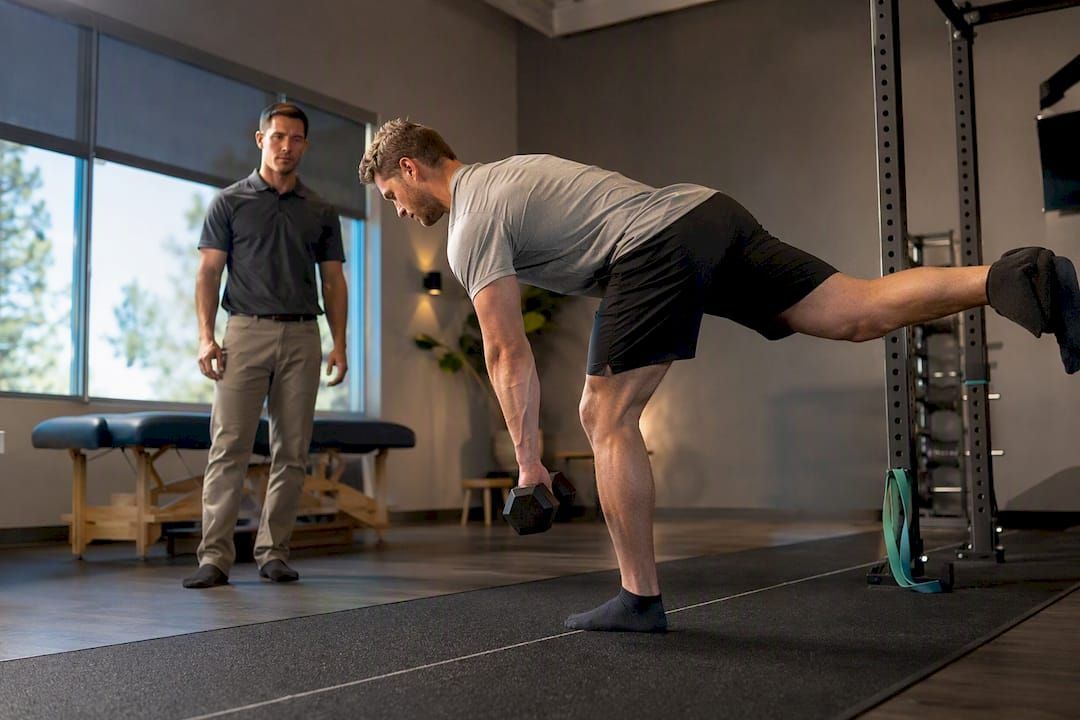
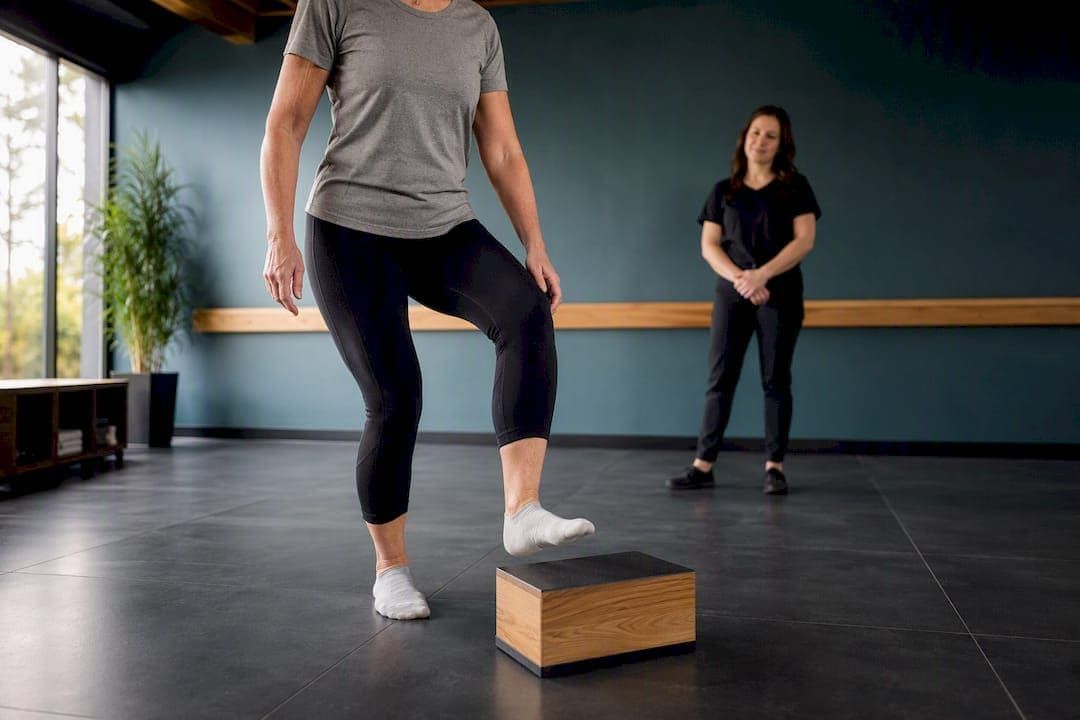
Manual therapy combined with exercise leads to greater short-term pain and disability improvement than exercise alone in most studies. Manual therapy opens the window. Exercise keeps it open. Without movement reinforcement, joints and muscles tend to return to their restricted, painful patterns within days.
Modern frameworks advocate person-centered, multimodal care over single-pathway approaches. That means your recovery plan should include more than just hands-on sessions. It should address your movement habits, stress levels, sleep, and daily activity.
After each session, your provider may recommend activities like:
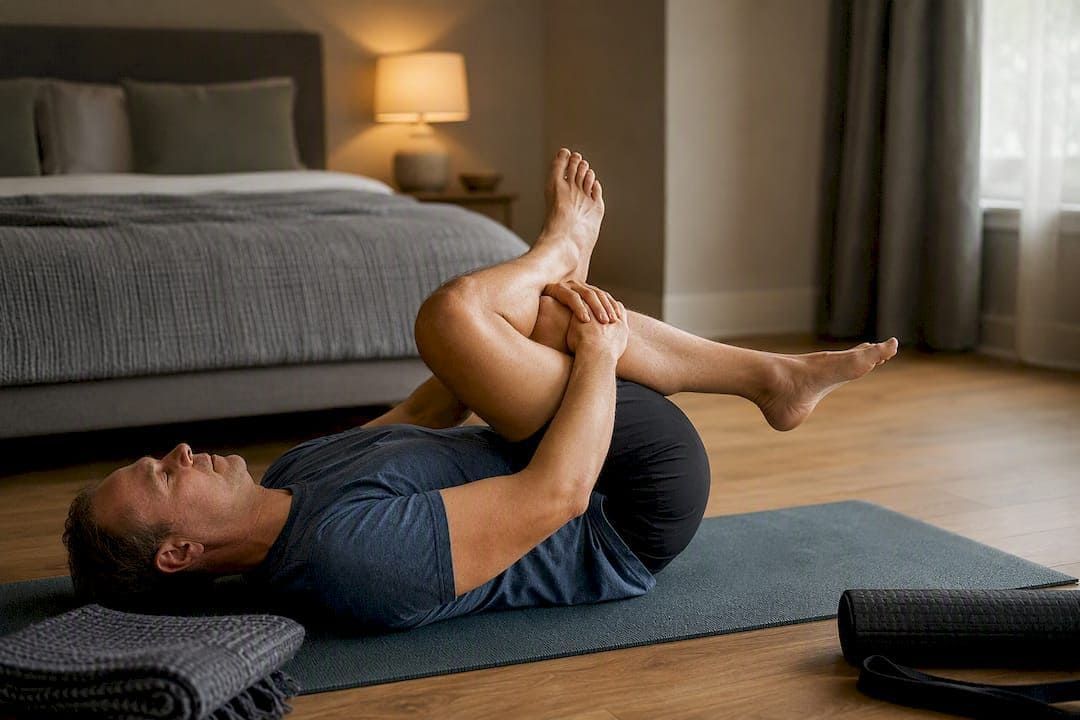
- Gentle walking for 15 to 20 minutes to maintain joint mobility
- Targeted stretching for the areas worked during the session
- Core stabilization exercises for spinal cases
- Ice or heat application based on tissue response
- Breathing exercises to reduce muscle guarding
Here's a practical sequence for a holistic recovery plan:
- Attend your scheduled manual therapy sessions consistently.
- Complete your assigned home exercises within 24 hours of each session.
- Track your pain levels and mobility daily using a simple 0 to 10 scale.
- Report any changes, good or bad, at your next appointment.
- Reassess your full plan with your provider every four weeks.
Pro Tip: Keep a small notebook or use your phone's notes app to log your symptoms daily. Patterns you notice, like pain spiking after sitting for long periods, give your provider critical data to refine your plan.
For more guidance on managing your recovery at home, check out our resources on back pain management and our home exercise guides built specifically to support chiropractic care.
Common challenges, safety checks, and when to seek help
Knowing the "what ifs" and safety signs keeps you in control. Here's what to watch for as you move forward.
Some mild side effects after manual therapy are completely normal and expected:
- Mild muscle soreness lasting 24 to 48 hours (similar to post-workout soreness)
- Temporary fatigue after the session
- Slight bruising at soft tissue treatment sites
- Temporary increase in symptoms during the first one or two sessions as your body adjusts
These are signs your body is responding and adapting. They typically resolve quickly and should not alarm you.
What is NOT normal and requires immediate attention:
- Sharp, shooting pain during or after a technique
- Severe headache or dizziness following cervical (neck) work
- Numbness, tingling, or weakness in your arms or legs
- Loss of bladder or bowel control
- Sudden swelling or significant bruising
Red flag alert: If you experience any of the above symptoms after a session, stop treatment and contact your provider or seek emergency care immediately. Absolute contraindications for manual therapy include trauma, osteoporosis, infection, and DVT. These are non-negotiable safety boundaries.
If you're not seeing improvement after four to six sessions, that's a signal worth discussing. It doesn't mean manual therapy has failed. It may mean your diagnosis needs a second look, your technique mix needs adjusting, or a different modality should be added. Good providers welcome these conversations. If you're in the Lakeland area and need a reassessment, our Lakeland chiropractic team is ready to help you figure out the next best step.
Ready to start your recovery at Essential ChiroCare?
Understanding manual therapy is the first step. Taking action is what actually changes your pain levels and gets you moving again.
At Essential ChiroCare, our doctors across Tampa, Brandon, Sarasota, Lakeland, and Pinellas Park specialize in exactly the kind of personalized, evidence-based care this guide describes. We don't apply the same plan to every patient. We assess your specific condition, screen for safety, and build a treatment plan that combines manual therapy, chiropractic adjustments, and targeted exercise. Our team has worked with professional sports organizations, which means we bring a high-performance mindset to everyday recovery. Schedule your evaluation online today and find out which techniques are right for your body.
Frequently asked questions
How quickly should I expect relief from manual therapy?
Short-term improvements in pain and function are common after just a few sessions of manual therapy combined with exercise, though results vary based on your condition and how consistently you follow the full plan.
Is manual therapy safe for older adults or those with osteoporosis?
Manual therapy is not recommended if you have severe osteoporosis or recent trauma, as absolute contraindications include bone fragility and joint instability. Always complete a full screening with your provider before starting.
Can I do manual therapy at home or is a professional required?
Manual therapy is best administered by licensed physical therapists or chiropractors. Attempting these techniques on your own without proper training risks injury and won't deliver the clinical results you're looking for.
What's the difference between manual therapy and massage?
Manual therapy uses specific clinical techniques targeting joint mechanics and musculoskeletal correction, while massage is primarily designed for relaxation, stress relief, and general circulation improvement.
Recommended