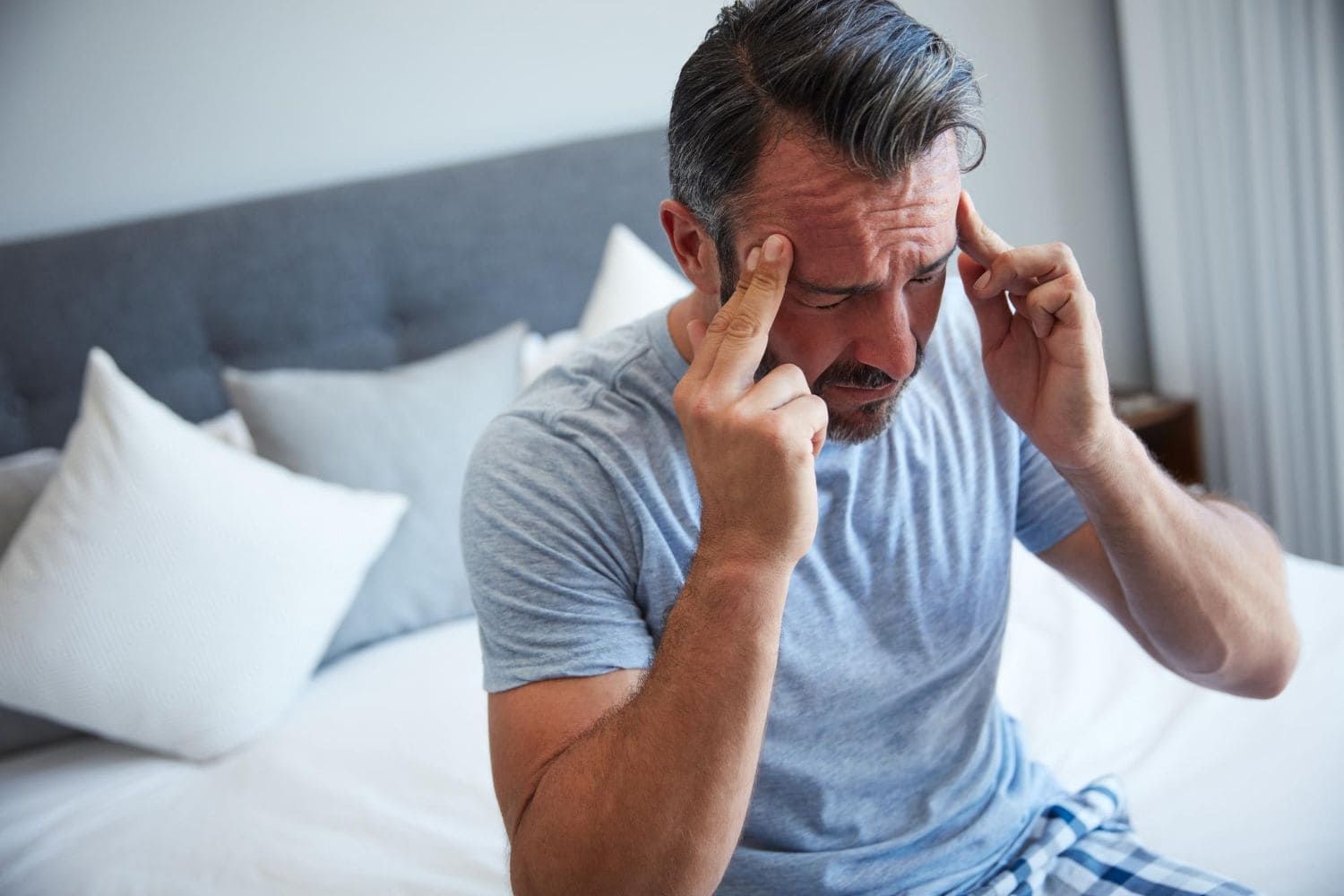
What is chronic pain management: holistic care solutions
What is chronic pain management: holistic care solutions
Many people believe chronic pain signals ongoing tissue damage, but science reveals a more complex picture. Pain persisting beyond three months often involves nervous system changes, psychological factors, and lifestyle influences rather than continuous injury. Understanding this distinction opens doors to effective, holistic management strategies that go beyond medication. This article explores evidence-based approaches to chronic pain management, with special focus on chiropractic care and complementary therapies that empower adults in West Central Florida to reclaim their quality of life through personalized, non-drug solutions.

Table of Contents
- Key takeaways
- Understanding chronic pain: causes and challenges
- Core approaches to chronic pain management
- Chiropractic care's role and evidence in pain management
- Integrating holistic chiropractic care for chronic pain in West Central Florida
- Explore essential chiropractic services for chronic pain relief
- Frequently asked questions
Key Takeaways
| Point | Details |
|---|---|
| Biopsychosocial model | Chronic pain persists beyond three months due to nervous system changes, psychological factors, and social influences rather than ongoing tissue damage. |
| Non pharmacological first line | Evidence supports prioritizing non drug therapies such as exercise, cognitive behavioral therapy, multidisciplinary rehabilitation, and manual therapies before long term opioid use. |
| Chiropractic care benefits | Chiropractic care can be effective and cost efficient for many chronic pain cases when used as part of a multimodal plan. |
| Screening for safety | Safety hinges on screening for contraindications to manual therapies and tailoring care to the individual. |
| Combining therapies yields best outcomes | Combining therapies yields the best outcomes by addressing physical, psychological, and lifestyle factors together. |
Understanding chronic pain: causes and challenges
Chronic pain differs fundamentally from acute pain in both mechanism and management approach. Chronic pain persists longer than 3 months, often without clear ongoing tissue damage, involving biopsychosocial factors and central sensitization. Unlike acute pain that signals immediate injury, chronic pain represents a condition where the nervous system itself becomes hypersensitive.
The biopsychosocial model recognizes that chronic pain emerges from multiple interacting factors:
- Physical contributors include previous injuries, postural issues, and mechanical dysfunction
- Psychological elements encompass stress, anxiety, depression, and pain beliefs
- Social dimensions involve work demands, relationship quality, and community support
- Neurological changes like central sensitization amplify pain signals disproportionately
Central sensitization occurs when your nervous system becomes hyperresponsive to stimuli. Your brain and spinal cord amplify pain signals, creating discomfort from normally non-painful sensations. This explains why someone with chronic back pain might experience severe discomfort from light touch or minor movements that wouldn't bother others.
Traditional medical imaging often fails to correlate with pain intensity in chronic conditions. You might have significant pain with minimal visible damage, or conversely, substantial structural changes with little discomfort. This disconnect frustrates both patients and providers who expect clear diagnostic answers.
Effective chronic pain management requires addressing these multiple dimensions simultaneously rather than seeking a single cure. Exploring holistic pain management options helps you understand the comprehensive approach needed for lasting relief. The complexity of chronic pain means successful treatment plans must be personalized, flexible, and focused on function improvement rather than complete pain elimination.
Recognizing that chronic pain represents a condition requiring ongoing management rather than a problem with a quick fix helps set realistic expectations. This perspective shift empowers you to take active roles in your recovery through lifestyle modifications, therapeutic interventions, and self-management strategies that collectively reduce pain's impact on daily life.
Core approaches to chronic pain management
Leading health organizations worldwide have transformed chronic pain treatment recommendations over the past decade. Management prioritizes non-pharmacological approaches like exercise, CBT, multidisciplinary rehab, manual therapies including chiropractic spinal manipulation, acupuncture, and self-management over long-term opioids. This shift reflects growing evidence that medication-focused strategies often fail to address underlying causes while creating dependency risks.
Exercise therapy stands as one of the most powerful interventions for chronic pain. Structured physical activity reduces pain sensitivity, improves function, and enhances mood through multiple mechanisms. Aerobic exercise releases endorphins, strength training stabilizes painful joints, and flexibility work reduces muscle tension. Starting gradually and building consistency matters more than intensity for sustainable benefits.
Cognitive behavioral therapy addresses the psychological dimensions of chronic pain by changing thought patterns and behaviors that amplify suffering. CBT helps you recognize catastrophic thinking, develop coping strategies, and reduce fear-avoidance behaviors that limit activity. Studies consistently show CBT improves pain-related disability even when pain intensity remains unchanged.
Multidisciplinary rehabilitation programs integrate expertise from various healthcare professionals:
- Physicians provide medical oversight and coordinate care
- Physical therapists design exercise programs and teach proper movement
- Psychologists address emotional and cognitive factors
- Chiropractors deliver manual therapy and spinal manipulation
- Occupational therapists help adapt daily activities and work tasks
Manual therapies, particularly chiropractic spinal manipulation, receive strong recommendations from major clinical guidelines. These hands-on techniques address mechanical dysfunction, reduce muscle tension, and improve joint mobility. The best chiropractic treatments combine spinal adjustments with complementary therapies for comprehensive care.
Self-management education empowers you to take control of your condition through informed decision-making. Learning pain science helps reduce fear and anxiety around symptoms. Understanding pacing strategies prevents boom-bust cycles where overactivity triggers flare-ups. Developing stress management skills reduces nervous system reactivity that amplifies pain signals.
Pro Tip: Keep a pain diary tracking activities, stress levels, sleep quality, and pain intensity for two weeks. Patterns often emerge showing specific triggers or helpful strategies you hadn't consciously recognized, enabling more targeted management approaches.
Acupuncture provides another evidence-supported option, particularly for musculoskeletal conditions. While mechanisms remain debated, clinical trials demonstrate meaningful pain reduction for many patients. Some find acupuncture particularly helpful when combined with other therapies rather than used in isolation.
The key principle underlying all these approaches involves active participation rather than passive treatment. Your engagement, consistency, and willingness to try multiple strategies determine outcomes more than any single intervention. Building a toolkit of complementary techniques provides flexibility to address pain's fluctuating nature effectively.

Chiropractic care's role and evidence in pain management
Chiropractic spinal manipulation therapy has accumulated substantial research support for chronic pain management. RCTs show chiropractic spinal manipulation provides similar pain and disability reduction to physiotherapy and exercise, often cost-effectively, reducing opioid risk. This evidence positions chiropractic care as a first-line option rather than an alternative therapy to try after conventional approaches fail.
Spinal manipulation involves controlled, precise force applied to joints that have become restricted or misaligned. Chiropractors identify areas of reduced mobility through physical examination and palpation, then deliver specific adjustments to restore normal motion. These adjustments produce mechanical effects on joints and surrounding tissues while also influencing nervous system processing of pain signals.
Cost-effectiveness analyses reveal chiropractic care often provides better value than conventional medical management for chronic spinal pain. Quality-adjusted life year calculations show favorable ratios when comparing chiropractic treatment costs to functional improvements gained. Patients receiving chiropractic care demonstrate reduced utilization of expensive imaging, specialist consultations, and surgical interventions.
A particularly important finding involves opioid use reduction. Patients who receive chiropractic care show significantly lower rates of opioid prescriptions and related adverse events compared to those receiving standard medical care alone. This benefit carries enormous public health significance given the ongoing opioid crisis affecting communities nationwide.
| Outcome Measure | Chiropractic Care | Standard Medical Care |
|---|---|---|
| Pain reduction at 12 weeks | 30-40% improvement | 25-35% improvement |
| Opioid prescription rate | 15-20% of patients | 35-45% of patients |
| Patient satisfaction | 77-94% satisfied | 60-75% satisfied |
| Cost per quality-adjusted life year | $5,000-$8,000 | $8,000-$12,000 |
Safety considerations remain paramount when considering any manual therapy. Screen for contraindications like spinal instability, fractures, or vascular issues to ensure chiropractic safety. Absolute contraindications include acute fractures, spinal cord compression, severe osteoporosis, and certain vascular conditions. Relative contraindications require modified techniques or additional precautions.
Qualified chiropractors conduct thorough health histories and physical examinations before treatment. They assess red flags suggesting serious underlying pathology requiring medical referral. Neurological testing identifies nerve compression or other conditions needing different management approaches. This screening process ensures appropriate care selection for your specific situation.
Serious adverse events from spinal manipulation remain extremely rare when proper screening occurs. Estimates suggest one serious complication per several million cervical manipulations. Minor temporary effects like muscle soreness occur more commonly but resolve quickly. The risk-benefit ratio strongly favors chiropractic care for appropriate candidates with mechanical pain.
Pro Tip: Before your first chiropractic visit, prepare a list of all medications, previous injuries, and current symptoms including when pain started and what makes it better or worse. This information helps your chiropractor develop the safest, most effective treatment plan.
Chiropractic care works best as part of multimodal treatment rather than isolated intervention. Combining spinal manipulation with exercise therapy, ergonomic modifications, and self-management strategies produces superior outcomes compared to any single approach. Your chiropractor should coordinate with other healthcare providers to ensure comprehensive, integrated care addressing all aspects of your chronic pain condition.
Exploring chiropractic for chronic back pain provides deeper insight into specific techniques and expected outcomes. Understanding manual therapy for pain relief helps you recognize the broader category of hands-on treatments available.
Integrating holistic chiropractic care for chronic pain in West Central Florida
Applying evidence-based chronic pain management requires translating research findings into personalized action plans. Adults in West Central Florida seeking relief have access to comprehensive chiropractic services that integrate multiple therapeutic approaches. Success depends on individualized care plans based on your unique history, risk factors, goals, and preferences.
Your initial consultation should include detailed assessment of:
- Pain history including onset, duration, location, and character
- Previous treatments tried and their effectiveness
- Current medications and other healthcare providers involved
- Lifestyle factors like work demands, exercise habits, and stress levels
- Goals for treatment focusing on functional improvements
- Screening for contraindications or conditions requiring medical referral
This comprehensive evaluation enables your chiropractor to design a treatment plan matching your specific needs. Cookie-cutter approaches fail because chronic pain manifests differently in each person. What works brilliantly for one patient might provide minimal benefit for another with seemingly similar symptoms.
Combining chiropractic spinal manipulation with targeted exercise produces synergistic benefits. Empirical benchmarks show 30% pain reduction and 77-94% patient satisfaction with combined chiropractic and exercise therapies, especially for spine-related pain. Your chiropractor can recommend specific exercises addressing your movement limitations and strengthening weak areas that contribute to pain.
Regular monitoring and treatment adjustment optimize outcomes over time. Chronic pain fluctuates, and strategies effective initially may need modification as your condition evolves. Scheduled reassessments track progress objectively through pain scales, functional measures, and quality of life indicators. This data-driven approach ensures you're moving toward your goals rather than continuing ineffective treatments.
Incorporating injury recovery protocols proves essential for those whose chronic pain began with acute trauma. Auto accidents, sports injuries, and workplace incidents often trigger chronic pain when initial healing leaves residual dysfunction. Addressing these mechanical issues through chiropractic care prevents long-term disability development.
Preventative wellness strategies extend benefits beyond symptom relief. Learning proper body mechanics, maintaining regular exercise, managing stress effectively, and scheduling periodic maintenance care help prevent pain recurrence. This proactive approach shifts focus from crisis management to sustained wellness.
Engaging local holistic healthcare providers enhances comprehensive care coordination. West Central Florida offers numerous practitioners specializing in complementary approaches that work synergistically with chiropractic treatment. Massage therapists address soft tissue restrictions, acupuncturists provide additional pain modulation, and nutritionists optimize anti-inflammatory diets supporting healing.
Exploring expert chiropractic care connects you with experienced providers who understand chronic pain complexity. Investigating physical rehab services reveals how structured rehabilitation programs accelerate recovery and prevent recurrence.
Your active participation determines success more than any provider's skill. Attending appointments consistently, performing home exercises, implementing lifestyle modifications, and communicating openly about progress creates the foundation for meaningful improvement. Chronic pain management represents a partnership between you and your healthcare team rather than a service passively received.
Explore essential chiropractic services for chronic pain relief
If you're ready to address chronic pain through evidence-based holistic care, Essential ChiroCare offers comprehensive solutions tailored to your unique needs. Our experienced chiropractors conduct thorough evaluations identifying the root causes of your discomfort, then design personalized treatment plans combining spinal manipulation, physical rehabilitation, and self-management education. We focus on restoring function and reducing pain without relying on medications or invasive procedures.
Our chiropractic care services address mechanical dysfunction through precise spinal adjustments that improve mobility and reduce nervous system irritation. Combined with our physical rehab services, you'll develop strength, flexibility, and movement patterns supporting long-term wellness. We serve multiple convenient locations across Tampa, Brandon, Sarasota, Lakeland, and Pinellas Park, making expert care accessible throughout West Central Florida. Our providers bring extensive experience including sports team backgrounds, ensuring you receive sophisticated treatment informed by the latest research. Discover how chiropractic adjustments can transform your relationship with chronic pain and help you reclaim the active lifestyle you deserve.
Frequently asked questions
What is chronic pain management?
Chronic pain management encompasses strategies addressing pain persisting beyond three months through non-pharmacological interventions prioritized over medications. It involves multimodal approaches combining manual therapies, exercise, psychological support, and self-management education tailored to individual needs. The goal focuses on improving function and quality of life rather than complete pain elimination.
How safe is chiropractic care for chronic pain?
Chiropractic care proves very safe when proper screening occurs before treatment. Screening for contraindications like spinal instability and vascular issues ensures appropriate candidate selection. Serious adverse events occur extremely rarely, estimated at one per several million manipulations. Most patients experience only minor temporary soreness that resolves quickly. Alternative therapies like manual therapy for pain relief provide options if contraindications exist.
What makes holistic chronic pain management effective?
Holistic approaches address physical, psychological, and social dimensions simultaneously rather than focusing solely on symptoms. Combining chiropractic spinal manipulation with exercise leads to higher pain reduction and greater patient satisfaction. Patient engagement through active participation and personalized treatment plans improves outcomes significantly. Prevention and maintenance strategies prolong benefits by addressing underlying causes rather than temporarily masking pain. Understanding benefits of holistic pain relief reveals why integrated care outperforms single-intervention approaches.
How do I start a chronic pain management plan with chiropractic care?
Begin by consulting a qualified chiropractor for comprehensive assessment of your pain history, functional limitations, and treatment goals. Discuss previous treatments, current medications, and any medical conditions that might affect care planning. Your chiropractor will screen for contraindications and design a personalized treatment plan combining manual therapy, exercise recommendations, and self-management strategies. Follow the recommended schedule consistently while communicating openly about progress and any concerns. Explore starting chiropractic care to understand what to expect during initial consultations and ongoing treatment.
Recommended