After a car crash, it’s not unusual to feel sore or tired, even if you're not sure where the pain is coming from. In Lakeland, where people stay active year-round, many notice stiffness or discomfort a few days later. The Florida heat doesn't help either. Muscles tend to tighten up faster, and fatigue can sneak in during the warm days of late spring. That’s when slow, guided movement can make a difference.
When the body has been jolted, knowing when and how to ease back into motion can be tricky. With help from someone who knows what to look for, like a chiropractor in Lakeland, recovery exercises can feel safe and steady. While no two bodies heal the same, certain rehab steps are common and can gently steer your body back to comfort.
Starting Slow: Why Movement Matters After an Accident
Trying to bounce back too quickly can backfire. Most people in recovery do better when they’re not pushing themselves. A big part of early rehab is reintroducing motion to joints and muscles that may have stiffened or tensed up from the crash.
Here’s what we often notice helps in the early phase of rehab:
- Gentle stretching that helps muscles unwind without strain
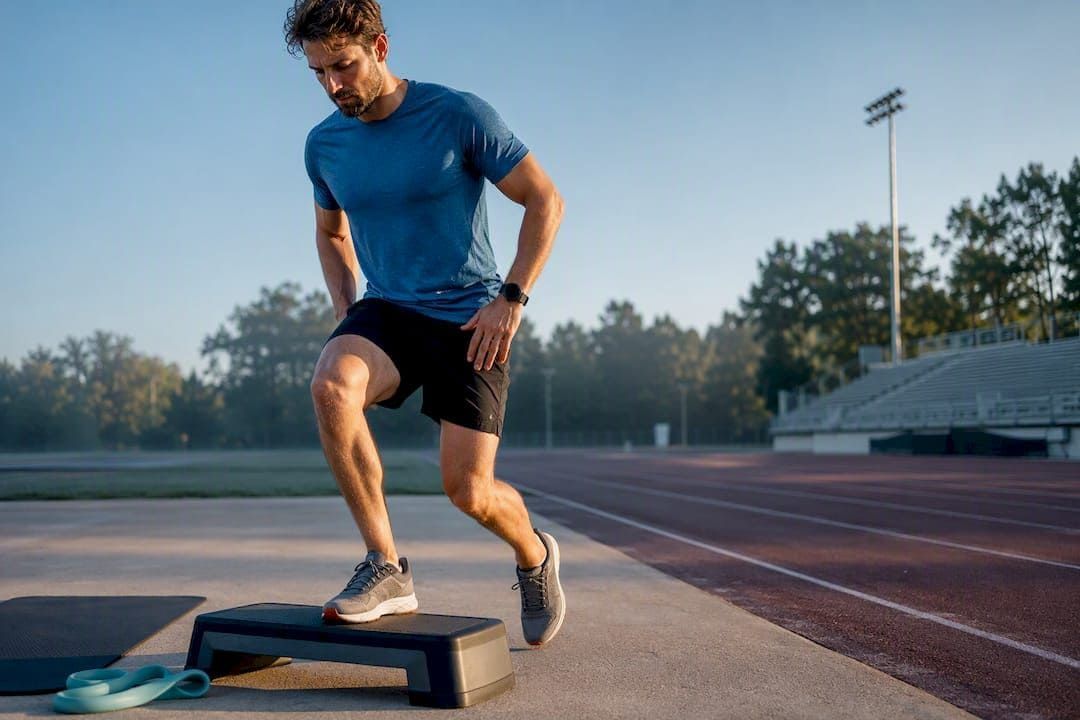
- Light walking or supported movement to restore rhythm in the legs and hips
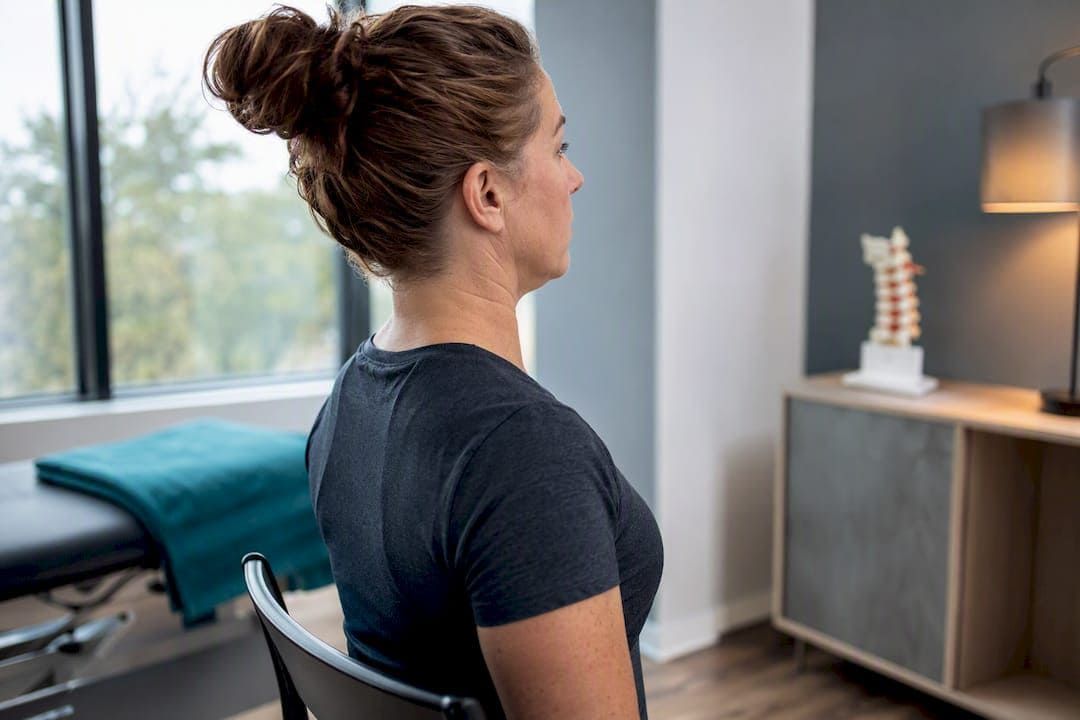
- Posture resets that keep pressure off the spine and neck
Staying still for too long can make things worse, which is why small movements done safely can help the body feel less tense. Little exercises may not seem like much, but they start a process that encourages healing in a way rest alone can’t.
What Rehab Exercises Often Include
As the body starts adjusting, rehab usually includes specific movements designed to build strength and flexibility in areas that took the biggest hit. The goal isn’t to do more, but to help the body remember how to move comfortably again.
Some helpful types of rehab exercises include:
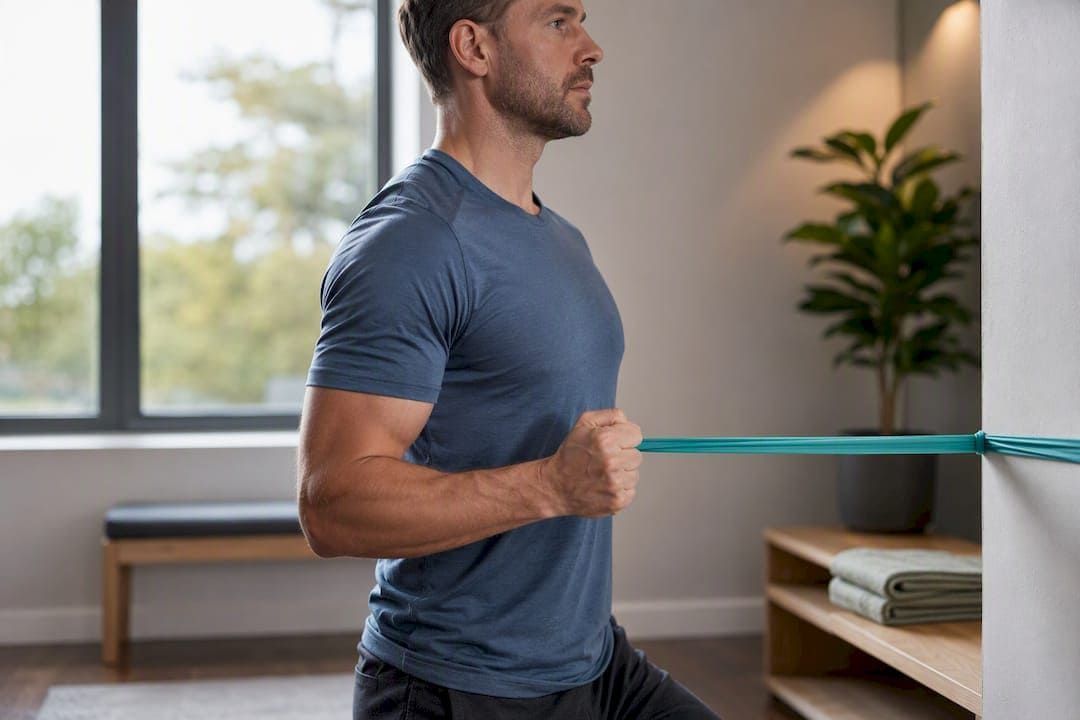
- Range-of-motion work that gently brings flexibility back to joints
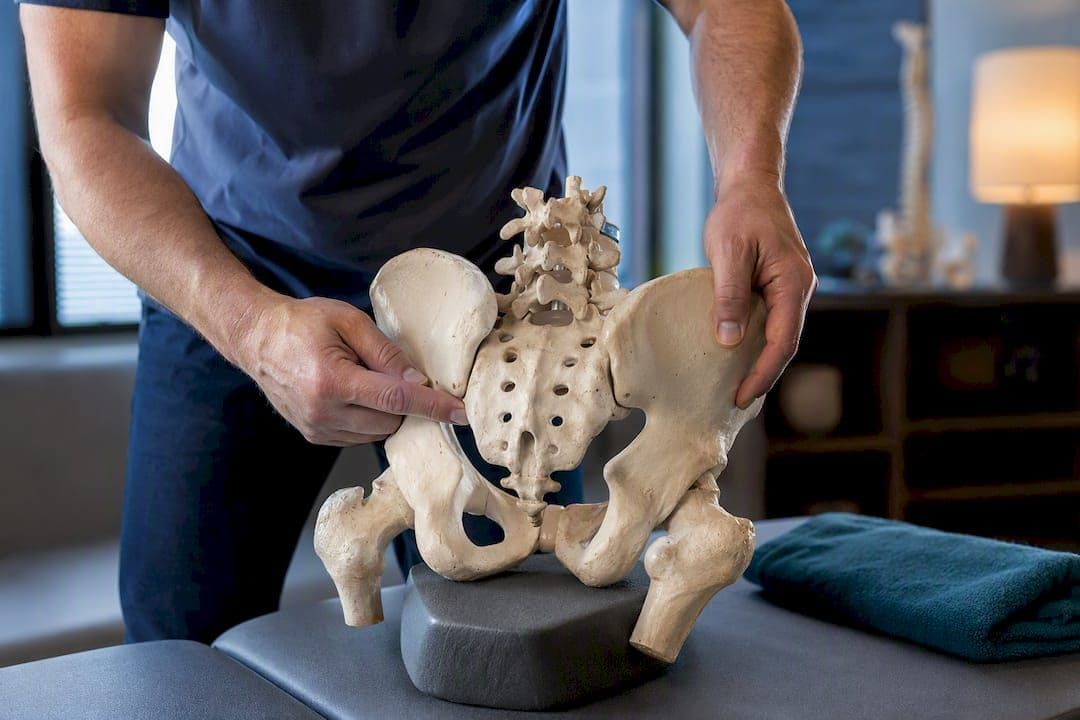
- Core exercises to ease pressure around the lower back and pelvis
- Controlled arm and leg movements to help restore coordination and balance
Not all movement will feel good right away, and that’s okay. The key is to keep the exercises simple and purposeful. A few minutes of guided work can be more helpful than pushing through discomfort for longer stretches.
Your Body’s Signals During Recovery
Every body sends signals, and some are easier to notice than others. Recovering from an accident often means learning the difference between healthy soreness and pain that’s warning you to stop. It’s not about being tough. It’s about being smart and listening closely to what your muscles and joints are telling you.
Here are a few cues to pay attention to:
- If pain sharpens or lingers after exercises, the movement may be too much
- Numbness or tingling can mean something isn’t moving the way it’s supposed to
- If new discomfort shows up in a different area, it could be a sign of strain compensation
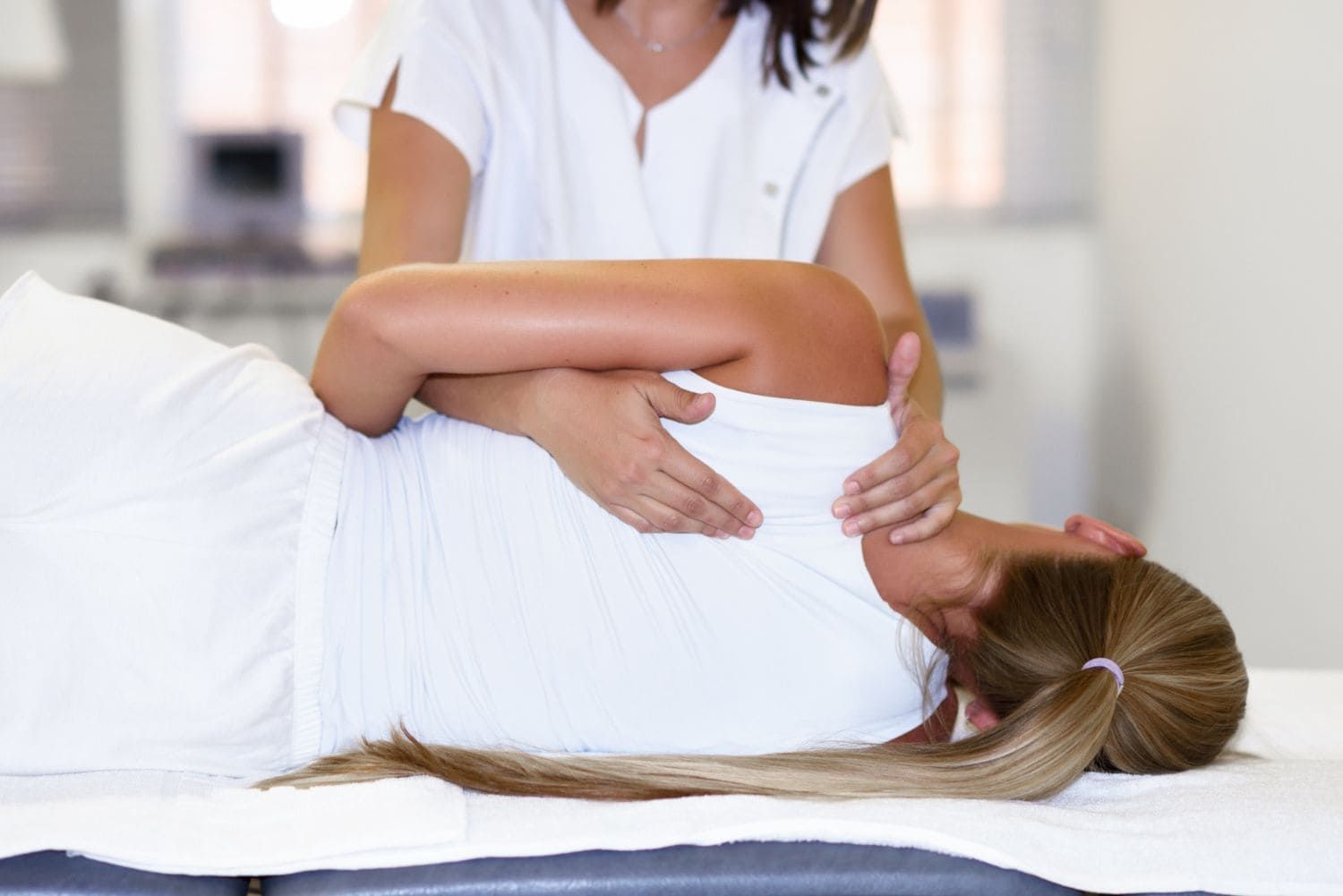
Sometimes these signals mean it’s time to pause or adjust the plan. Other times, support from a chiropractor in Lakeland might be helpful alongside exercise. They can spot patterns, notice shifts in balance, and provide input that lines up with how your recovery is going.
Keeping Progress Steady in Florida’s Late Spring
By late May, afternoons in Lakeland are hot and sticky. That kind of weather can make recovery a little tougher. Muscles may tire out faster, and staying hydrated becomes even more important. Rehab exercises in this kind of heat need to feel doable.
To stay more comfortable during the warmer weeks, we often remind people to:
- Choose cooler hours early in the morning or later in the evening for lighter exercise
- Take breaks often and sip water more than you think you need
- Use fans indoors if moving around makes you feel flushed or heavy
Heat can be sneaky. If you aren’t careful, it can slow progress even when exercise feels easy at first. That’s why pacing is so important this time of year.
Finding Support That Fits How You Live
Rehab plans work best when they match the tempo of your everyday life. It doesn’t have to be fast or intense. Just steady. If your job keeps you on your feet all day, or if you drive long hours around Lakeland, your recovery may look different from someone else’s.
Rehab isn’t a one-size-fits-all process. It matters to have someone on your side who can adjust exercises based on:
- How much time you spend sitting, standing, or lifting
- What movements feel hardest during daily routines
- How much energy you have by the end of the day
When we match the plan to your lifestyle, healing feels more natural and less forced. It takes pressure off the idea that you have to do everything perfectly to feel better.
Easing Back Into Your Routine with More Confidence
The best part about slow rehab work is noticing those small wins along the way. Your shoulder might not ache after folding laundry. Your hip might loosen up after that first walk around the block. That kind of progress builds quiet confidence.
Giving your body time to relearn how to move gently is one of the kindest things you can do after a car crash. With the right support and body awareness, those first painful days can shift into something more hopeful. Moving forward doesn’t have to mean going fast. It just means going in the right direction.
At
Essential ChiroCare, we help people in and around
Lakeland recover comfortably after difficult injuries, especially when stiffness or imbalance lingers long after a crash. If small movements still feel off or pain is slowing you down, it may be time to check in with a professional for guidance. Working with a trusted
chiropractor in Lakeland can make rehab feel more clear and manageable day to day. Our goal is to help you move safely again at a pace that makes sense for your life.
Call us to set up a time that works for you.