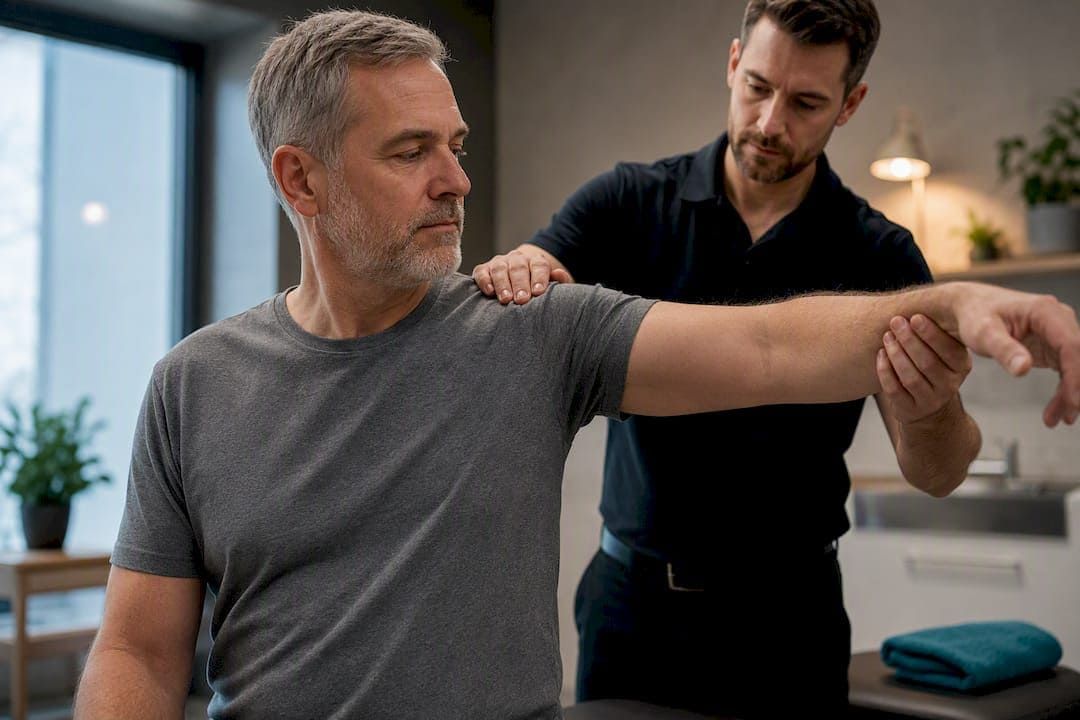
Pain Relief Approaches: Holistic to Medical Solutions
Pain Relief Approaches: Holistic to Medical Solutions
TL;DR:
- Managing pain involves choosing evidence-based, personalized approaches that combine holistic and medical strategies effectively.
- Starting with non-invasive, non-drug therapies is supported by guidelines, with medications reserved for resistant cases or specific needs.
Living with pain, whether it flares up after a weekend workout or grinds you down every single morning, forces you into an overwhelming sea of options. NSAIDs or chiropractic care? Injections or yoga? Opioids or physical therapy? For adults in West Central Florida managing back pain, sciatica, sports injuries, or chronic conditions, choosing the wrong strategy can mean wasted months and continued suffering. This article breaks down the leading evidence-based pain relief approaches, from holistic and integrative methods to medical and procedural options, so you can make smarter, safer decisions starting now.

Table of Contents
- Key criteria for evaluating pain relief methods
- Overview of leading pain relief approaches
- Detailed comparison: Holistic vs medical pain relief strategies
- Special cases: Athlete and chronic pain scenarios
- Why an integrative model is the future of pain management
- How Essential ChiroCare supports your complete pain relief journey
- Frequently asked questions
Key Takeaways
| Point | Details |
|---|---|
| Start with non-drug strategies | For most chronic and acute pain, physical therapy and holistic methods should be the initial choice before medications or procedures. |
| Combine approaches for better results | Blending evidence-based holistic and medical treatments often delivers more relief and reduces need for invasive procedures. |
| Monitor progress quantitatively | Track your pain relief using scales and quality of life scores to ensure approaches are working. |
| Special needs require expert care | Athletes and those with complex pain should tailor their regimen with guidance from specialists and adjust based on results. |
Key criteria for evaluating pain relief methods
Before you can choose the right approach, you need a framework for comparing your options honestly. Not every method works for every type of pain, and what relieves a weekend athlete's knee strain may be completely wrong for someone managing a decades-long spinal condition.
Here are the most important criteria to weigh before committing to any treatment path:
- Type and source of pain: Acute injuries respond differently than chronic conditions. Neuropathic pain (nerve-related pain like sciatica) requires different tools than musculoskeletal pain.
- Side effect profile: Every treatment carries risk. Opioids carry addiction risk and cognitive side effects. Even long-term NSAID use raises cardiovascular and gastrointestinal concerns.
- Practical accessibility: Cost, appointment availability, and time commitment matter. A treatment you can't afford or access consistently will not work.
- Alignment with your values: Some people prioritize avoiding medications entirely. Others want the most aggressive symptom relief possible. Both are valid, and both shape what works for you.
- Integration potential: Many people get the best results by combining approaches, for example, pairing chiropractic adjustments with targeted exercise and sleep optimization.
The research strongly supports starting with the least invasive options first. CDC 2022 guidelines recommend non-pharmacologic therapies as first-line treatment for chronic pain, including exercise, physical therapy, cognitive behavioral therapy (CBT), and acupuncture, with opioids reserved only after a careful risk-benefit analysis.
Pro Tip: When building your pain management plan, start with non-drug methods like physical therapy, movement, and manual care. Escalate to medications or procedural options only if conservative care fails after a reasonable trial period, typically 4 to 8 weeks.
If you're exploring your options, reviewing holistic pain relief options is a useful starting point for understanding what non-drug strategies actually look like in practice.
Overview of leading pain relief approaches
With your evaluation criteria in place, it helps to understand the broad landscape of what's actually available. Pain relief methods fall into three main categories, and each plays a distinct role depending on your diagnosis, severity, and goals.
Non-pharmacologic (no medications) methods:
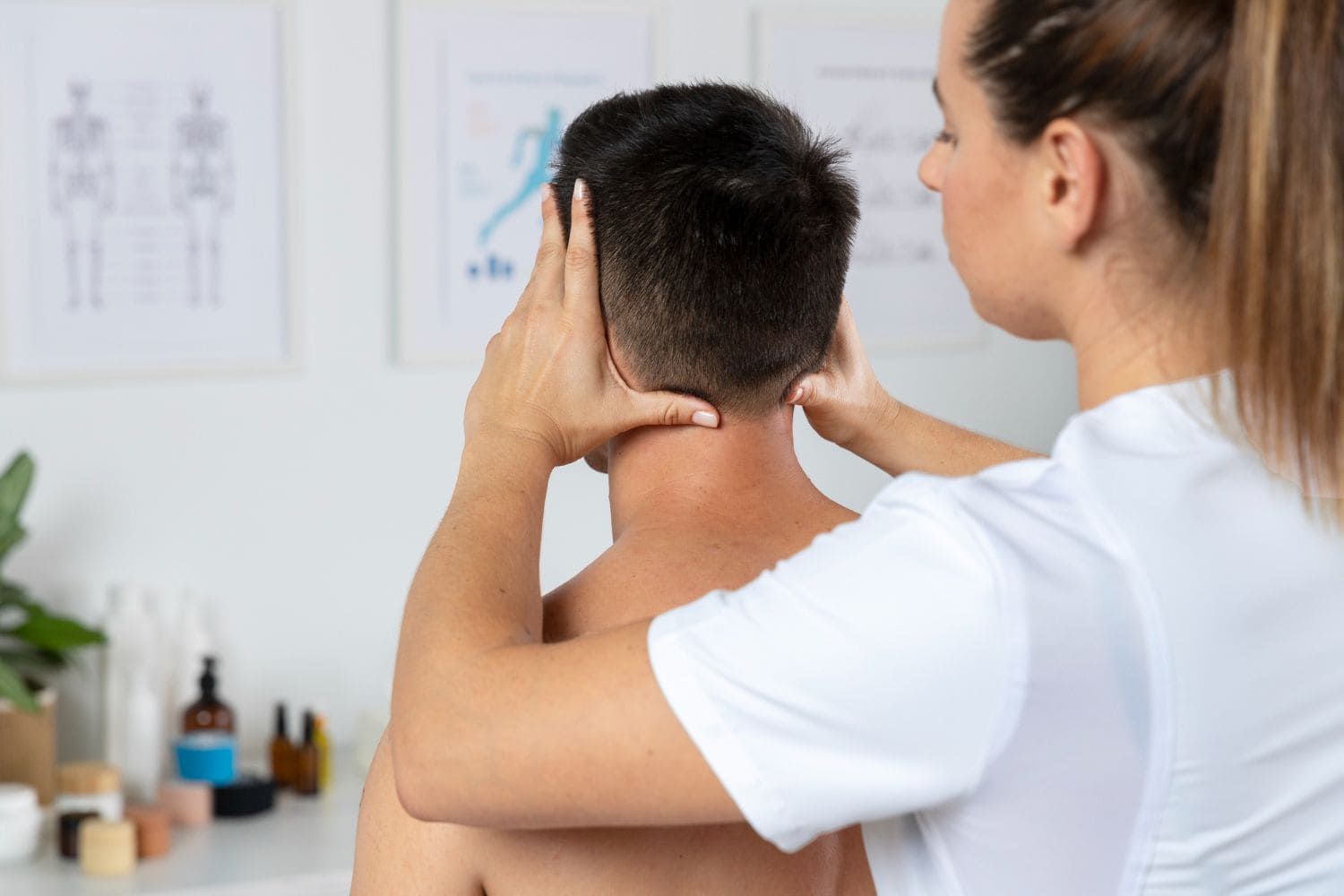
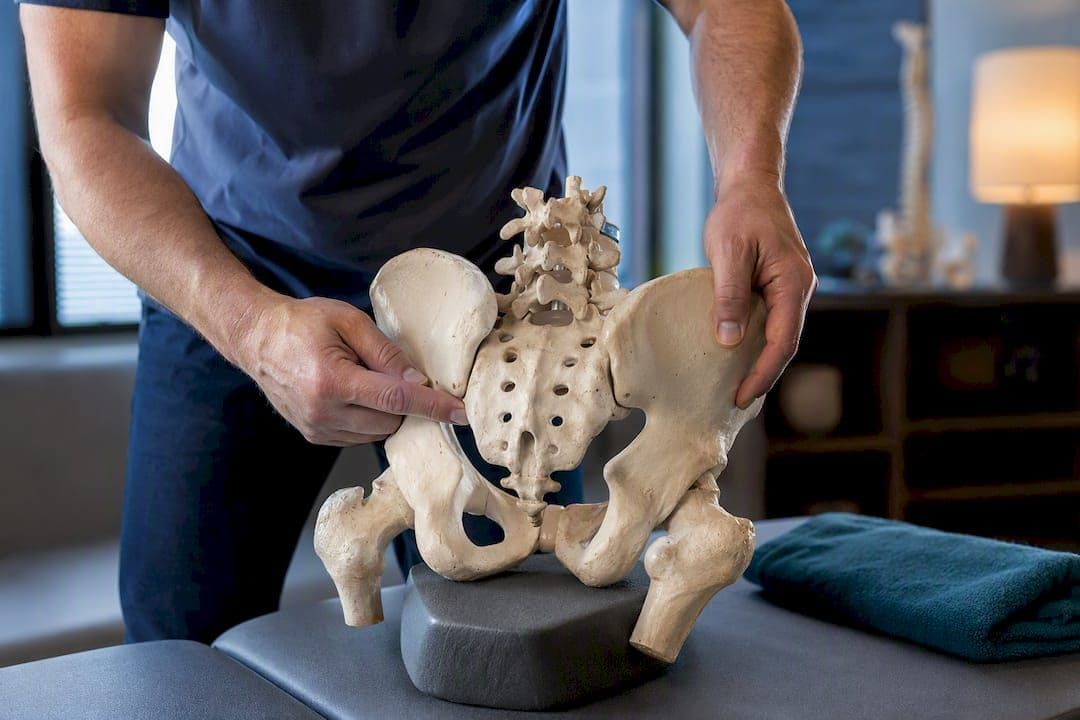
- Chiropractic care: Spinal manipulation and manual therapy to restore joint function and reduce nerve irritation.
- Physical therapy: Strengthening, mobility work, and corrective movement to address the root cause of pain.
- Acupuncture: Thin needle stimulation at specific points to alter pain signaling through the nervous system.
- Yoga and mindful movement: Gentle stretching and body awareness practices that reduce tension and improve function.
- Massage therapy: Tissue work that relieves muscle tightness, improves circulation, and reduces pain sensitivity.
Pharmacologic (medication-based) methods:
- NSAIDs (like ibuprofen and naproxen): Reduce inflammation and short-term pain. Common first step for mild to moderate acute pain.
- Anticonvulsants (gabapentin, pregabalin): Specifically target nerve pain by calming overactive pain signals.
- SNRIs (duloxetine): Antidepressants with demonstrated effectiveness in chronic pain and neuropathic conditions.
- Opioids: Reserved for severe acute pain or end-of-life conditions. High risk of dependence and cognitive effects with prolonged use.
Procedural and interventional methods:
- Spinal epidural injections for localized inflammation
- Nerve blocks for targeted pain interruption
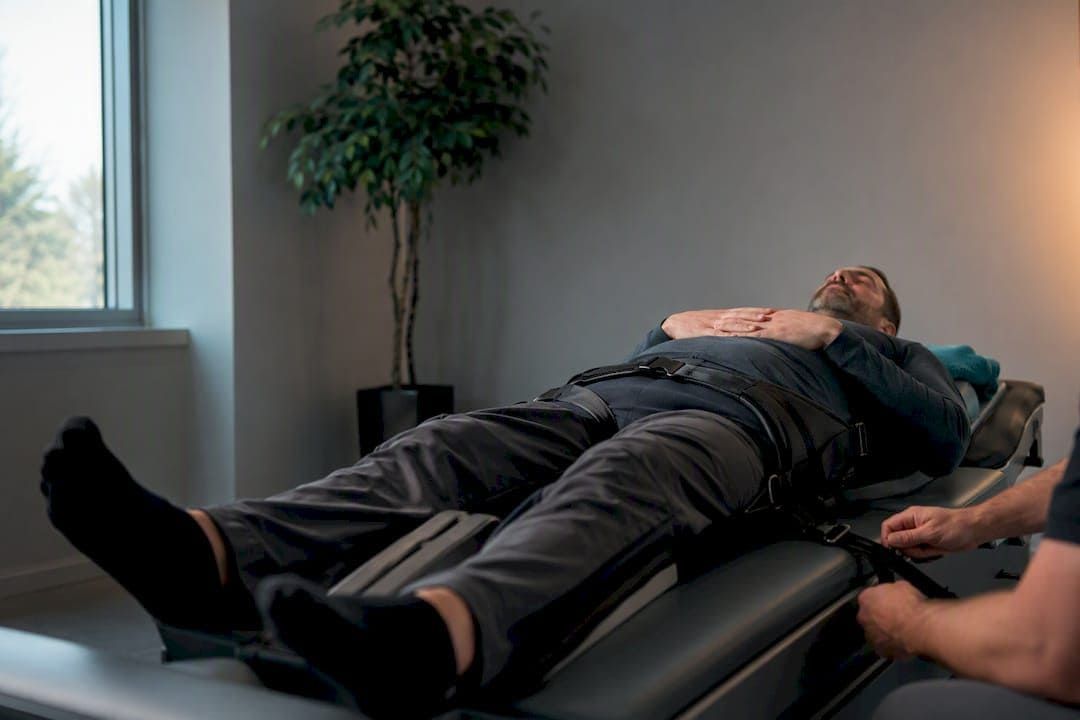
- Spinal decompression therapy for disc-related conditions
- Surgery for structural issues unresponsive to conservative care
Understanding why holistic pain relief matters becomes clearer when you look at the data. Research on veterans using complementary and integrative health (CIH) approaches showed 42% lower invasive procedures at three months compared to those using conventional care alone. That's not a small effect. Across pain management in healthcare settings, integrative approaches are increasingly recognized as both effective and cost-efficient.
The key insight here is that these categories are not mutually exclusive. The best outcomes consistently come from combining approaches rather than relying on a single strategy.
Detailed comparison: Holistic vs medical pain relief strategies
Given the full range of options available, a direct comparison helps clarify where each approach shines and where it has limits. The goal isn't to crown a winner. It's to help you understand which tool fits which situation.
| Approach | Pain reduction | Risk level | Opioid dependency risk | Quality of life impact | Cost over time |
|---|---|---|---|---|---|
| Chiropractic care | Moderate to high | Low | None | High | Moderate |
| Physical therapy | High | Very low | None | Very high | Moderate |
| Acupuncture | Moderate | Very low | None | Moderate to high | Low to moderate |
| NSAIDs | Moderate | Low to moderate | None | Moderate | Low |
| Opioids | High (short-term) | High | Very high | Low (long-term) | Variable |
| Spinal injections | Moderate | Moderate | None | Moderate | High |
| Multimodal integrative | Very high | Low | None | Very high | Moderate |
Clinical outcomes reinforce this picture. Research on intensive multimodal pain treatment programs found pain intensity reduced from scores of 71 down to 51 on a standardized scale, alongside meaningful reductions in depression and stress, within a four-week program. A follow-up period showed a 23% decrease in invasive procedures over 18 months. That's meaningful progress, not just symptom masking.
"Shared decision-making between patient and provider isn't just a courtesy. It's a clinical tool. When patients understand their options, weigh real risks, and set measurable goals together with their care team, outcomes improve across every category."
For chiropractic care with acute pain, the evidence supports its role as a first-line option, particularly for mechanical low back pain. When combined with home exercise and education, outcomes are comparable to or better than medication alone. Similarly, natural back pain relief through spinal manipulation reduces reliance on both NSAIDs and opioids when applied consistently.
It's also worth noting that current evidence on pain management acknowledges that while opioids have a legitimate role in managing severe acute pain, guidelines from major health authorities now prioritize non-opioid multimodal strategies. Research published in 2025 on integrative medicine for chronic pain confirms that patient-centered shared decision-making is essential, especially when evidence gaps exist for specific interventions like certain types of spinal manipulation.
Pro Tip: Don't just track how you feel day to day. Use measurable tools like pain intensity scales (0 to 10), functional movement tests, or sleep quality logs to document real progress. This data helps you and your provider make better decisions about adjusting your plan.
Special cases: Athlete and chronic pain scenarios
General comparisons are useful, but some situations require a more personalized approach. Two groups that often fall outside standard treatment protocols are competitive athletes and people living with chronic primary pain (persistent pain without a clear structural cause).
Athletes managing pain:
For athletes, the stakes are higher and the constraints are tighter. Opioid use beyond seven days creates real risks, both physical and regulatory. Research from 2025 confirms that neuropathic pain in athletes often requires anticonvulsants like gabapentin or SNRIs, but providers must also monitor compliance with World Anti-Doping Agency (WADA) regulations. Many common pain medications and supplements are prohibited or restricted in competitive sports.
Key considerations for athlete pain management:
- Prioritize non-pharmacologic methods as the foundation (chiropractic, PT, soft tissue work)
- Use anticonvulsants or SNRIs for nerve pain with careful monitoring
- Avoid opioids beyond a short acute-use window (under seven days)
- Verify all treatments and supplements against WADA guidelines
- Focus on return-to-performance metrics, not just pain scores
Chronic primary pain:
Chronic primary pain is diagnosed when pain persists for more than three months without a clear tissue injury or disease explanation. This is more common than most people realize, and it's frequently undertreated because providers focus on finding structural causes instead of treating the pain experience itself.
| Scenario | First-line approach | Secondary options | Key consideration |
|---|---|---|---|
| Athlete with nerve pain | PT, chiropractic, SNRIs | Gabapentin (WADA check) | Avoid opioids, monitor compliance |
| Chronic primary pain | Movement therapy, CBT, sleep optimization | Mindfulness, acupuncture | Address co-occurring anxiety/depression |
| Post-injury chronic pain | PT, manual therapy, graded exercise | NSAIDs short-term | Prevent deconditioning |
| Sciatica or disc-related | Spinal decompression, chiropractic | Epidural injection if severe | Confirm diagnosis via imaging |
For both athletes and those dealing with persistent unexplained pain, psychological support is not optional. When depression or anxiety coexists with pain, outcomes are significantly worse without integrated mental health care. Working with providers who understand these connections, like those who work with sports injury rehabilitation, leads to faster and more complete recovery.
Why an integrative model is the future of pain management
Here's an uncomfortable truth we've learned from years of working alongside patients with complex pain: most people don't fail their pain treatments. Their treatments fail them, because those treatments were designed around single-pathway thinking.
The conventional medical model often defaults to medication first. The alternative health model sometimes dismisses medication entirely. Both extremes leave patients stuck. Pain is not a simple problem with a simple solution, and treating it like one is where most plans break down.
What the evidence actually shows is that lasting pain relief comes from combining complementary strengths. Chiropractic restores joint mechanics. Physical therapy rebuilds functional strength and movement patterns. Acupuncture and mindfulness calm the central nervous system's amplified pain response. When needed, short-term medication bridges the gap so patients can actually engage in active recovery.
The research on veterans using CIH approaches illustrates this well. The benefits of holistic care are real and measurable, but the evidence quality varies by condition and individual. That's not a reason to dismiss holistic approaches. It's a reason to track outcomes rigorously using standardized tools, adjust based on real data, and keep the patient in the center of every decision.
The myth that opioids or passive treatments are always a dead end is also worth challenging. In specific acute scenarios, they're essential and appropriate. The problem isn't the tools. It's using them without a broader plan, without tracking, and without a transition strategy toward active, self-sustaining recovery. The future of pain management is integrative, data-informed, and patient-driven. Single-pathway thinking is the outdated model.
How Essential ChiroCare supports your complete pain relief journey
Understanding the landscape of pain relief is the first step. Acting on that knowledge with the right clinical partner is what actually changes your life.
At Essential ChiroCare, our approach brings together evidence-based chiropractic care, hands-on manual therapy, and structured physical rehabilitation to address pain at its source, not just mask the symptoms. Our doctors have real sports team backgrounds, which means they understand the demands athletes face and the precision chronic pain sufferers need. Whether you're recovering from an auto injury, dealing with sciatica, or managing a sports-related condition, our team builds a personalized plan that integrates the right tools in the right sequence. Explore our spinal decompression therapy guide to learn how one of our most effective non-surgical options works, or schedule a consultation at one of our Tampa Bay area locations to start your recovery today.
Frequently asked questions
What are the safest pain relief options for chronic back pain?
Non-pharmacologic therapies like physical therapy, exercise, and cognitive behavioral therapy are first-line for chronic back pain, with opioids reserved only after a careful assessment of individual risks and benefits.
How effective is holistic pain management compared to medications?
Holistic approaches like acupuncture, massage, and yoga have demonstrated real pain reductions and decreased opioid needs, with research showing 42% fewer invasive procedures at three months compared to conventional care alone.
Which medications are safest for athlete pain management?
For athletes with neuropathic pain, anticonvulsants and SNRIs are often the best pharmacologic options; opioids should be limited to under seven days due to dependency risk and WADA compliance concerns.
How quickly can holistic programs relieve pain?
Multimodal holistic programs can reduce pain intensity scores, depression, and stress markers in as little as four weeks, with improved overall quality of life reported across multiple outcome measures.
Are chiropractic adjustments considered safe under current guidelines?
Chiropractic care is considered low risk for most patients, though evidence strength varies by condition; shared decision-making between you and your provider is recommended to confirm it fits your specific situation.
Recommended
- Pain Management Options: Holistic Solutions for Relief
- Why Holistic Pain Relief Matters for Lasting Wellness
- How to Relieve Back Pain Naturally with Chiropractic Care
- Chiropractic Care for Acute Pain Relief Explained
- Managing Pain and Symptoms in Hospice Care | Graceland Hospice Care Blog
- What a massage therapist does: Care for pain and recovery