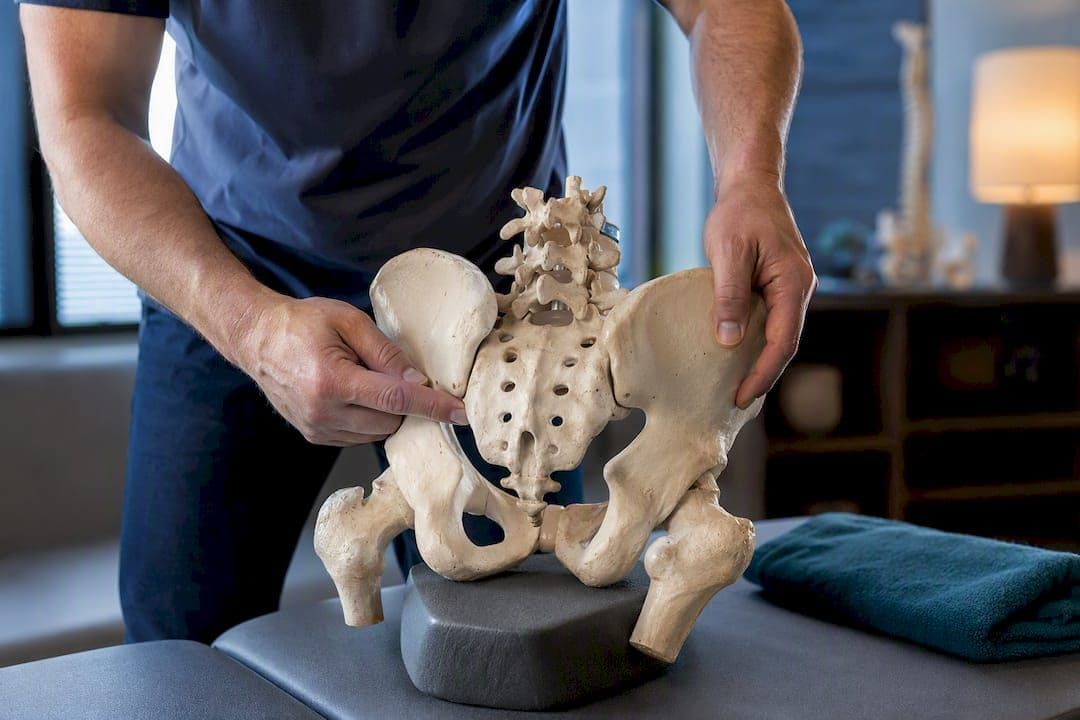
Chronic joint pain: Holistic approaches and real relief
Chronic joint pain: Holistic approaches and real relief
TL;DR:
- Chronic joint pain is complex and often persists despite normal imaging results, due to factors like nerve sensitization and emotional stress.
- Accurate diagnosis involves understanding pain origin, pattern, and inflammation, guiding personalized treatment strategies including movement, education, and cautious chiropractic care.
Chronic joint pain affects millions of adults across West Central Florida, yet so many people spend months getting scans, trying medications, and switching providers without ever getting a clear answer. If your MRI looks "normal" but your knees, hips, or shoulders still ache every morning, you are not imagining things. The truth is that chronic pain is far more complex than most standard workups reveal. This guide breaks down the real science, explains the different types of joint pain, and shows you what a smarter, more holistic plan actually looks like.

Table of Contents
- What is chronic joint pain and why can it be so confusing?
- Types and causes of chronic joint pain
- How professionals assess joint pain: Diagnosis and the bigger picture
- Holistic strategies: Exercise, movement, and pain education
- Chiropractic care for chronic joint pain: When it helps (and when to use caution)
- A fresh perspective on chronic joint pain: What really works (and what most guides miss)
- Next steps: Bringing holistic joint pain relief to West Central Florida
- Frequently asked questions
Key Takeaways
| Point | Details |
|---|---|
| Find your pain pattern | Knowing if your joint pain is inflammatory or not changes your care path and options. |
| Movement matters | Gentle, graded exercise remains the most proven way to reduce chronic joint pain and improve function. |
| Chiropractic has limits | Chiropractic care can help when inflammation is controlled but should be used with caution in certain conditions. |
| Pain is multi-layered | Central sensitization, mood, and sleep can impact your symptoms as much as physical changes in joints. |
| Whole-person care works | A comprehensive, stepwise approach helps you achieve real, lasting relief from chronic joint pain. |
What is chronic joint pain and why can it be so confusing?
Most clinicians agree that pain lasting more than six weeks crosses the threshold into chronic territory. But duration alone does not tell you much. The harder question is always: where is the pain actually coming from?
Identifying pain location requires determining whether it originates inside the joint itself (called intra-articular pain), in the surrounding tissues like tendons and bursae (periarticular pain), or from a nerve sending referred signals to a completely different area. Getting this wrong is one of the most common reasons treatment fails early.
The second layer of confusion is whether the pain pattern is inflammatory or noninflammatory. Inflammatory pain tends to include morning stiffness lasting more than 30 to 45 minutes, warmth or visible swelling, and a general feeling that moving around actually helps. Noninflammatory pain, by contrast, typically worsens with activity and improves with rest. Missing this distinction can lead to months of the wrong treatment approach.
"Many patients feel confused or dismissed because their scans look 'fine.' But imaging often misses soft tissue involvement, nerve sensitization, and early inflammatory changes that are very real and very treatable."
The other reason chronic joint pain confuses both patients and providers is that X-ray and MRI findings often do not match how severe the pain actually feels. You can have significant cartilage changes on imaging and minimal pain, or pristine imaging and near-disabling discomfort. Pain is not simply a readout of structural damage.
| Feature | Mechanical pain | Inflammatory pain | Referred pain |
|---|---|---|---|
| Worse with | Activity, loading | Rest, morning hours | Variable, often movement |
| Improves with | Rest | Gentle movement | Depends on source |
| Swelling/warmth | Rare | Common | Absent |
| Morning stiffness | Brief (<30 min) | Prolonged (>45 min) | Usually none |
| Scan findings | Often visible | May be subtle | Often normal |
Understanding these distinctions is the foundation of every good joint pain treatment plan. Skipping this step is like replacing a tire based on the wrong car model.
Types and causes of chronic joint pain
Once you know where the pain is coming from and what its pattern looks like, identifying the underlying cause becomes much more straightforward. The most common causes break into two broad camps: noninflammatory and inflammatory.
Noninflammatory causes include osteoarthritis and fibromyalgia, while inflammatory causes include conditions like rheumatoid arthritis and seronegative spondyloarthropathies (a group of inflammatory diseases affecting the spine and larger joints). Each has a distinct fingerprint.
| Condition | Type | Key features |
|---|---|---|
| Osteoarthritis | Noninflammatory | Joint space narrowing, worse with use, older onset |
| Rheumatoid arthritis | Inflammatory | Symmetric joint involvement, elevated inflammatory markers |
| Fibromyalgia | Noninflammatory/central | Widespread tenderness, fatigue, sleep issues |
| Ankylosing spondylitis | Inflammatory | Axial spine, young adults, improves with exercise |
| Psoriatic arthritis | Inflammatory | Skin involvement, asymmetric joints |
Classic warning signs worth watching for include:
- Osteoarthritis: Pain in weight-bearing joints, bony enlargements, stiffness only after sitting or sleeping
- Rheumatoid arthritis: Symmetric small joint swelling (fingers, wrists), fatigue, elevated CRP or ESR on bloodwork
- Fibromyalgia: Widespread tenderness at specific pressure points, sleep disruption, cognitive fog
- Spondyloarthropathy: Inflammatory back pain in someone under 40, heel pain, eye or skin involvement
One factor that surprises most people is the role of central sensitization, a state where the nervous system itself becomes amplified and pain signals fire more intensely than the actual tissue damage warrants. Research shows that pain severity in arthritis can be only loosely related to swelling or structural damage, with factors like anxiety, depression, and sleep disturbance playing a measurable role.
This means someone can have technically "controlled" rheumatoid arthritis on lab tests and still feel significant daily pain because the nervous system has become sensitized over time. It also means that treating only the joint and ignoring the person is an incomplete strategy.
Pro Tip: Do not judge the severity of your joint pain by how much swelling you can see. Invisible mechanisms like sensitization and emotional stress can drive just as much discomfort as visible inflammation. Getting this assessed is a key part of any good plan, and best chiropractic treatments now routinely screen for these factors.
Knowing your cause also helps you find the right joint pain relief tools and self-care strategies faster.
How professionals assess joint pain: Diagnosis and the bigger picture
A thorough assessment is not just about getting a diagnosis label. It is about building a roadmap for what comes next. Here is the step-wise process that experienced clinicians use:
- Determine location. Is the pain inside the joint, in surrounding tendons/bursae, or referred from a nerve or distant structure? Physical examination, not just imaging, is the best tool here.
- Assess for inflammation. Look for swelling, warmth, redness, prolonged morning stiffness, and elevated bloodwork markers. This step directly changes the treatment direction.
- Map the pain pattern and timeline. A pragmatic whole-person approach considers anatomy, whether the pain is in one joint or many (mono, oligo, or polyarticular), and how long the pattern has been present.
- Screen for red flags. Serious conditions like infection in a joint (septic arthritis), cancer involving bone, or spinal cord compression all require urgent medical attention. These are not common, but they must always be ruled out before beginning conservative care.
This framework guides every therapy decision. If a patient has classic noninflammatory osteoarthritis in a single knee, the plan looks very different from someone with active systemic inflammation across multiple joints.
Understanding the assessment process also helps you have better conversations with your provider. When you go in knowing the difference between these patterns, you are not just a passive patient. You are a participant in your own care.
Pro Tip: If you have tried multiple treatments without lasting relief, ask your provider whether central sensitization might be part of your picture. This is not a "psych diagnosis." It is a well-documented nervous system phenomenon, and recognizing it changes care completely. Learn more about how chiropractic care for acute pain transitions into longer-term management strategies.

Holistic strategies: Exercise, movement, and pain education
Here is something most people do not expect: movement is medicine. Not aggressive, high-impact training, but graded, progressive movement that matches your body's current tolerance. This is one of the most evidence-backed interventions for virtually every type of chronic joint pain.
The American College of Rheumatology recommends exercise for hip and knee osteoarthritis, rheumatoid arthritis, and multiple other arthritis types. Exercise reduces pain, improves joint health, boosts energy, and directly supports daily function. It is not optional or "extra." It is a frontline treatment.
Why does movement help? Because joints are designed to be loaded and moved. Synovial fluid (the lubricating fluid inside joints) gets distributed through movement. Muscles that support joints get stronger, reducing load on the joint surface. Nervous system sensitization actually decreases with regular, safe activity over time.
Here are actionable steps for starting a safe movement routine:
- Start with range of motion work. Gentle circles, slow flexion and extension, and low-load stretching before any strengthening.
- Add strength training gradually. Bodyweight squats, resistance bands, or light weights two to three times per week build the muscular support that every joint needs.
- Use activity pacing. Alternate active periods with planned rest. Do not push through sharp or swelling-inducing pain.
- Include water-based exercise. Pool walking and aquatic therapy are especially effective for hip and knee osteoarthritis in warmer climates like here in Florida.
- Prioritize consistency over intensity. Twenty minutes most days beats occasional high-effort sessions followed by flare-ups.
Education is equally important. Understanding that some discomfort during movement is not the same as damage helps people stay consistent. Pain education (sometimes called Explain Pain therapy) has shown measurable reductions in fear-avoidance behaviors, which are one of the biggest obstacles to recovery.
When to pause exercise: Severe flare-ups with significant swelling, fever with joint symptoms (possible infection), or instability after an acute injury all warrant rest and medical review before continuing. If you are unsure, learning how to relieve back pain naturally offers overlapping guidance on safe movement principles. Knowing the health benefits of chiropractic pain management also gives you a broader picture of how different therapies can support your movement goals.
Chiropractic care for chronic joint pain: When it helps (and when to use caution)
Chiropractic care has a genuine role in managing chronic joint pain, but like any therapy, it works best when used appropriately and in the right context. Understanding what it can and cannot do puts you in a much stronger position to benefit from it.
Spinal manipulation and chiropractic adjustments work primarily by improving joint mobility, reducing muscle guarding, and modulating pain signals through the nervous system. For spine-related pain in particular, evidence from a Cochrane review on spinal manipulation shows small but real short-term pain and function benefits compared to other approaches, though the effects are modest and vary by individual.
The key question is whether chiropractic is the right fit for your specific pain type and situation. Here is a practical guide:
- Appropriate for: Noninflammatory joint pain, spinal pain with mechanical patterns, post-injury rehabilitation, muscle tension and restricted mobility
- Use with caution for: Active inflammatory arthritis with swollen, warm joints, hypermobile joints, recent fractures, or osteoporosis
- Avoid for: Spinal cord compression, acute nerve damage, joint infections, or unstable vertebral conditions
According to the Arthritis Foundation, chiropractic for arthritis is most appropriate as a complementary approach when inflammation is already controlled through medical management. Trying to adjust an actively inflamed joint can worsen symptoms and delay healing.
For people whose pain has a strong mind-body or sensitization component, mind-body therapies like TMS therapy for chronic pain represent an adjunctive option worth discussing with your care team.
Before starting care, talk openly with your chiropractor about your diagnosis, any imaging findings, and whether your pain is currently in a flare. A good provider, like those at Essential ChiroCare who have worked with sports teams and complex cases, will modify technique, use softer methods like mobilization instead of high-velocity adjustments, and coordinate with your other providers. Chiropractic for back pain is one of the most commonly treated conditions, and the principles transfer well to other joint areas.
A fresh perspective on chronic joint pain: What really works (and what most guides miss)
Most articles on joint pain focus on condition labels and medication options. What they miss is the biggest piece of the puzzle: your pain experience is shaped by far more than what shows up on a scan.
We have worked with hundreds of patients across West Central Florida who came in convinced that their joint pain would only stop with surgery or stronger medication. Many of them simply had never been assessed properly. Nobody had asked whether their pain was mechanical or inflammatory. Nobody had screened for central sensitization. Nobody had built a plan around graded movement and education.
The diagnostic pathway approach that starts with location and inflammatory classification, then builds conservative care around function and graded exercise, consistently outperforms plans built purely around symptom suppression. Masking pain without addressing its mechanism is like turning off a smoke alarm without finding the fire.
The other thing most guides miss is the power of validation. Many people with chronic joint pain have been told they are exaggerating, that it is just aging, or that they should push through it. All three statements can be genuinely harmful. Pain that does not match imaging is still real. It often has a measurable nervous system explanation.
Our perspective after years of treating patients alongside sports medicine teams: the people who recover best are those who understand why chiropractic for joint pain matters as part of a larger team approach, not as a standalone fix. Manual therapy reduces guarding, restores movement, and calms the nervous system, but it works best alongside exercise, education, and honest conversations about what the pain is really doing.
Pro Tip: If a treatment helps you for a day or two but does not hold, that is data, not failure. It likely means your plan needs a stronger active component like exercise or pain education, not just passive care like adjustments alone.
Next steps: Bringing holistic joint pain relief to West Central Florida
You now have the framework to understand your pain type, know what a proper assessment involves, and recognize what actually moves the needle for long-term relief. The next step is applying it with a team that treats you as a whole person.
At Essential ChiroCare, our clinics across Tampa, Brandon, Sarasota, Lakeland, and Pinellas Park are staffed by experienced doctors who use exactly this kind of structured, root-cause approach. Whether you need chiropractic care services , physical rehab services , or a personalized plan to relieve pain and restore movement , we build every plan around your specific pain type and goals. Schedule online today and bring your questions. The clearer your picture, the faster your path forward.
Frequently asked questions
How can I tell if my chronic joint pain is inflammatory or not?
Inflammatory pain typically includes prolonged morning stiffness lasting more than 45 minutes, visible swelling, or warmth around the joint, while noninflammatory pain such as osteoarthritis tends to worsen with activity and ease with rest.
Is exercise safe if I have chronic joint pain?
Most people with chronic joint pain benefit significantly from gentle, graded exercise routines, as exercise is recommended by the American College of Rheumatology for osteoarthritis, rheumatoid arthritis, and other arthritis types. Modify or pause during severe flare-ups or if you notice new swelling or sharp pain.
Can chiropractic care make joint pain worse?
Chiropractic care is generally safe when inflammation is controlled, but applying spinal manipulation or joint adjustment to an actively swollen, hot, or unstable joint can worsen symptoms and should be avoided.
Why doesn't my pain go away even if my doctor says my arthritis is under control?
Pain severity in arthritis can be only loosely connected to visible inflammation or structural damage, because central sensitization and factors like stress, anxiety, and disrupted sleep independently amplify pain signals even when lab results look good.
Recommended
- Pain Management Options: Holistic Solutions for Relief
- Why Holistic Pain Relief Matters for Lasting Wellness
- How to Relieve Back Pain Naturally with Chiropractic Care
- Top 6 Joint Pain Relief Tools 2025 for Active Adults
- Arthritis Can Be Painless in your Feet - Stride Foot & Ankle - Dr. Nahad Wassel
- How to relieve foot discomfort: strategies for daily comfort – YDA UK