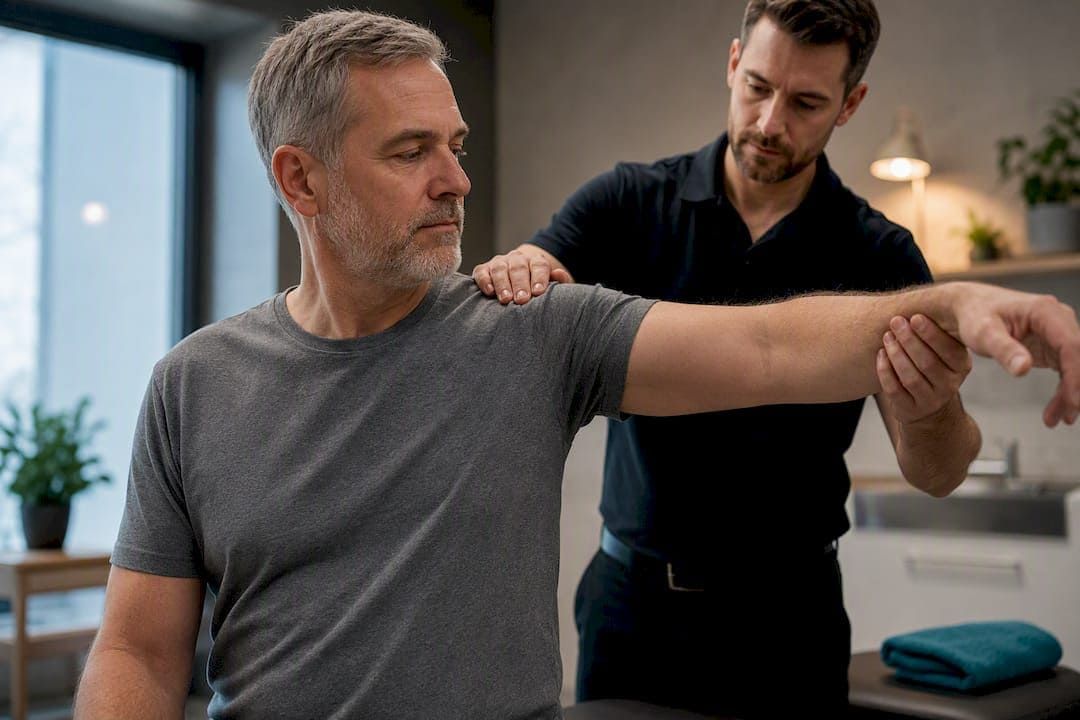
Spinal Alignment: Your Guide to Pain Relief and Wellness
Spinal Alignment: Your Guide to Pain Relief and Wellness
TL;DR:
- Many everyday movements and misalignments can cause chronic back pain by altering spinal pressure, often without noticeable injury. Personalized treatment that considers individual anatomy, movement patterns, and lifestyle factors is essential for effective long-term relief. Combining targeted chiropractic adjustments with strength, flexibility, and self-awareness strategies builds lasting spinal resilience.
Most people assume spinal problems only show up after a car accident or a serious fall. The reality is far more unsettling: even minor, everyday misalignment quietly shifts how pressure moves through your discs and joints, setting off a chain of chronic pain that feels like it came from nowhere. If you live in West Central Florida and you're dealing with stubborn back pain, stiff joints, or that nagging ache that never fully goes away, your spine's alignment may be driving far more of it than you realize. This guide breaks down the science, clears up the myths, and shows you what actually works.
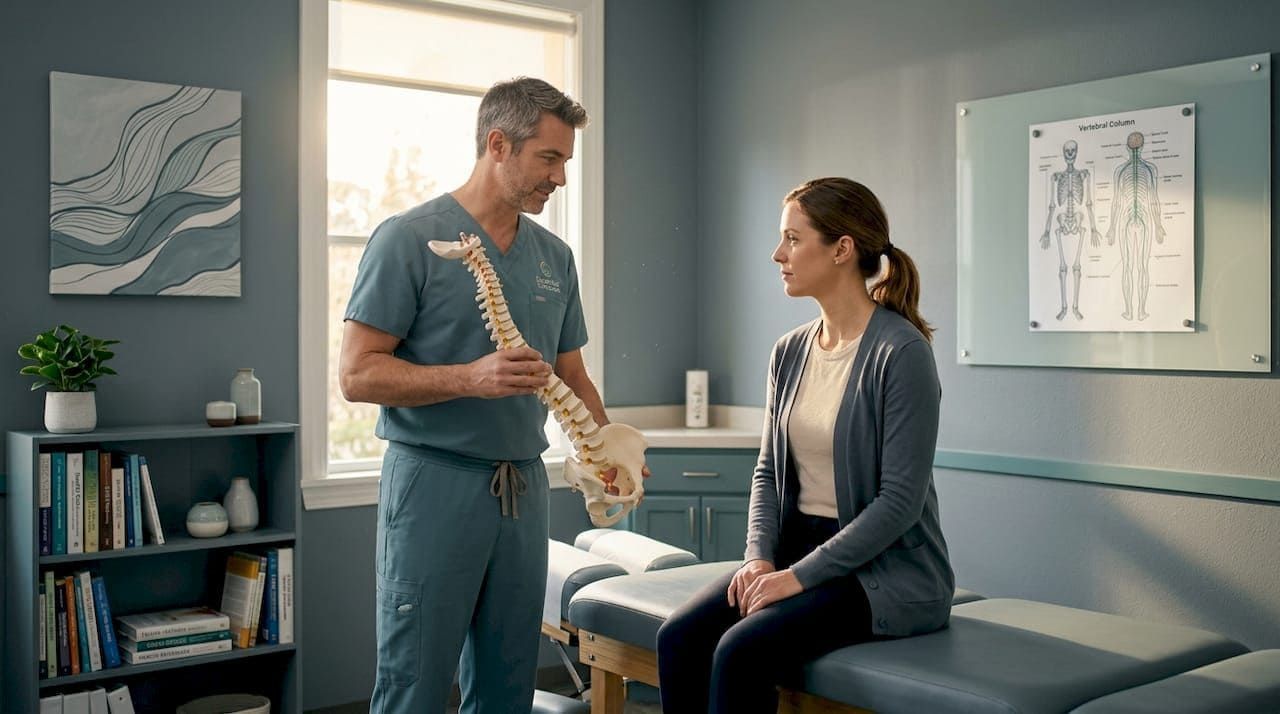
Table of Contents
- The biomechanics of spinal alignment
- Common posture problems and their impact
- How chiropractic spinal manipulation addresses pain
- Personalizing spinal alignment: Why one-size-fits-all doesn't work
- Perspective: What decades of holistic care reveal about spinal alignment
- Next steps: Find expert spinal care in West Central Florida
- Frequently asked questions
Key Takeaways
| Point | Details |
|---|---|
| Spinal alignment prevents degeneration | Properly aligned spines distribute mechanical loads evenly, reducing risk of disc and joint degeneration. |
| Posture influences chronic pain | Habitual bad posture increases abnormal pressure on the spine, causing recurring pain and fatigue. |
| Chiropractic and exercise work together | Combining spinal manipulation with tailored strength and flexibility routines yields lasting pain relief. |
| Individual assessment is crucial | Every person's spinal alignment needs a personalized approach based on their unique anatomy and history. |
| Holistic, local care drives results | Working with area experts who provide holistic chiropractic care enhances wellness and long-term outcomes. |
The biomechanics of spinal alignment
Your spine is not just a stack of bones. It's an engineered load-bearing system with four natural curves — cervical, thoracic, lumbar, and sacral — each designed to absorb shock and distribute weight efficiently. Think of it like a car's suspension. When every component sits at the right angle and tension, the ride is smooth. When one part shifts even slightly, the whole system compensates, and wear sets in fast.
Proper spinal alignment optimizes load distribution on intervertebral discs and facet joints, preventing excessive compressive or shear forces that lead to degeneration. That's not just abstract anatomy. It's the reason two people can sit at a desk for eight hours, and one walks away fine while the other develops disc problems over time.
The numbers tell a clear story:
| Spine condition | Primary mechanical effect | Long-term risk |
|---|---|---|
| Normal lumbar curve | Balanced compression across disc | Minimal degeneration |
| Straightened lumbar | Increased compressive load | Disc herniation |
| Hyperlordosis (excess curve) | Shear stress on facet joints | Spondylolisthesis, stenosis |
| Kyphosis (thoracic rounding) | Forward head load on cervical | Neck pain, nerve irritation |
A straight lumbar spine increases compressive loads on discs, dependent on body weight, while hypercurved spines increase shear on posterior structures like facets, which is directly linked to spondylolisthesis. What this means in practical terms: both extremes are dangerous, and neither is "better" without proper context.
"The spine is not meant to be perfectly straight or excessively curved. It's meant to be balanced. Any deviation from your individual optimal curve shifts forces to structures not built to handle them."
Most people in chronic pain have no idea their spine has been operating outside its optimal range for years. The discomfort builds gradually, which is exactly why so many people delay treatment until the problem is significantly harder to address.
Common posture problems and their impact
Posture isn't just about how you look standing in front of a mirror. It's a dynamic, constantly shifting relationship between your muscles, joints, and nervous system. And for a lot of people in West Central Florida who sit at desks, drive frequently, or spend hours on smartphones, postural stress builds up faster than they think.
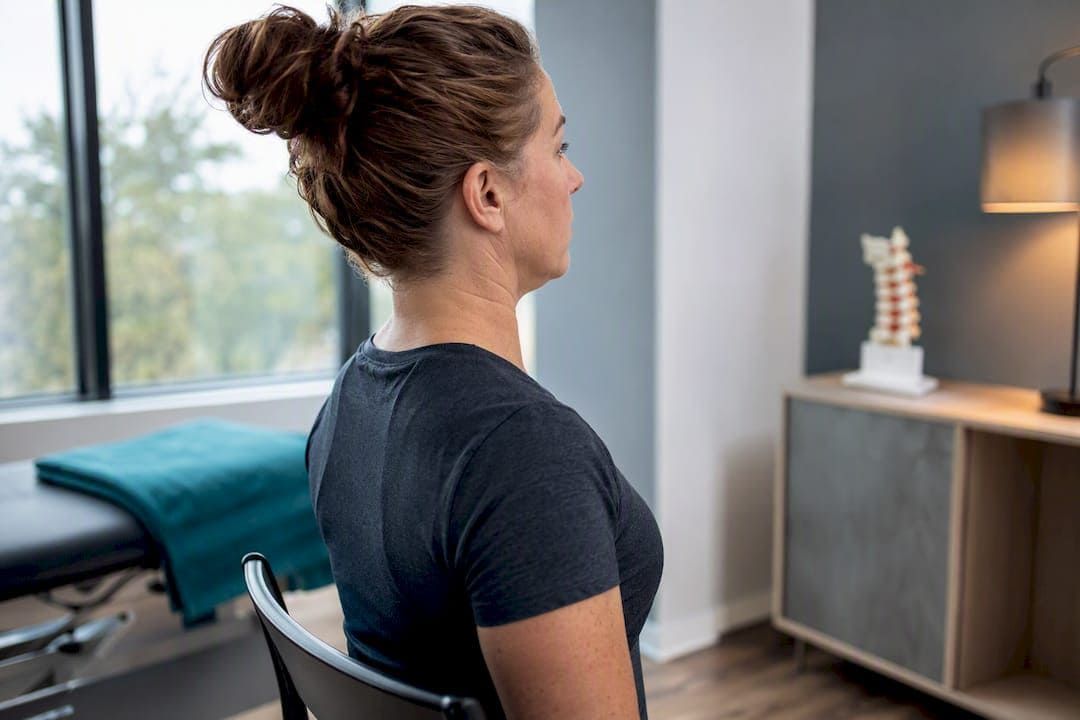
Poor posture types like kyphosis and swayback cause uneven loading, leading to chronic pain, disc compression, reduced breathing capacity, and fatigue. Here's a quick look at the most common patterns:
- Kyphosis: Excessive rounding of the upper back, often from prolonged sitting or screen use. Shifts weight forward and strains the neck.
- Swayback: Hips pushed forward relative to the shoulders. Stretches the hip flexors and compresses the lower lumbar spine.
- Forward head posture: For every inch your head moves forward, the effective weight on your cervical spine nearly doubles.
- Flat back: Loss of the natural lumbar curve. Reduces shock absorption and increases disc stress during loading activities.
| Posture problem | Common cause | Typical pain location |
|---|---|---|
| Kyphosis | Prolonged sitting, weak upper back | Mid back, neck, shoulders |
| Swayback | Weak core, tight hip flexors | Lower back, hips |
| Forward head | Screen use, poor ergonomics | Neck, upper traps, headaches |
| Flat back | Sedentary habits, muscle imbalance | Low back, hamstrings |
Here's the part most people miss: no strong evidence exists that poor posture directly and always causes pain. Context matters enormously. Someone with mild kyphosis but strong supporting muscles may never experience pain. Someone with near-perfect posture but weak stabilizers may suffer constantly. The solution isn't to obsess over posture as a fixed target — it's to build the strength and flexibility your spine needs to handle real-life demands.
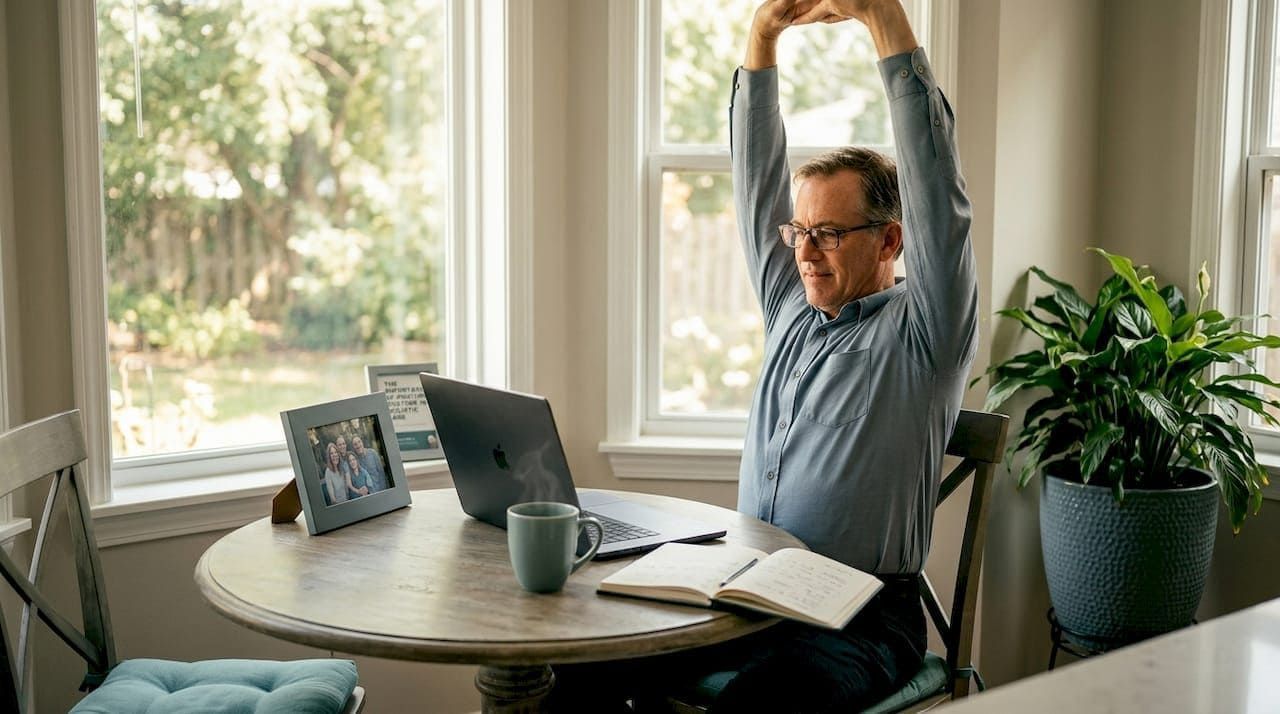
Pro Tip: Instead of trying to "hold" a perfect posture all day, focus on changing positions every 30 to 45 minutes. Dynamic movement is more spine-friendly than any single static position, even a "correct" one.
Posture correctors are popular, but relying on them too heavily can actually weaken the muscles you're trying to train. Think of it like wearing a knee brace every day — it feels helpful, but your muscles learn to depend on it and stop doing their job. For lasting chronic pain management, strength and movement variety matter far more than a brace or corrector.
How chiropractic spinal manipulation addresses pain
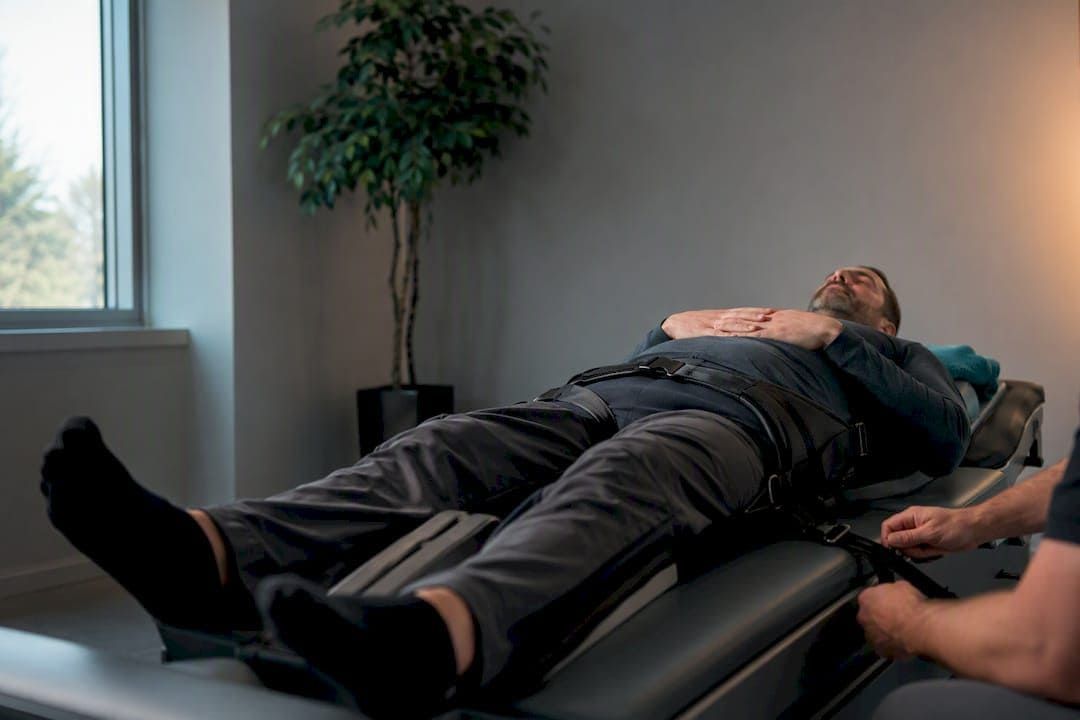
Spinal manipulative therapy, or SMT, is the hands-on technique chiropractors use to restore movement to restricted joints, reduce nerve irritation, and reset how your body loads the spine. It's not just "cracking your back." When performed by a trained clinician, SMT applies a precise, controlled force to a specific vertebral segment to improve its range of motion and reduce the surrounding muscle guarding.
Chiropractic SMT restores joint mobility, reduces nerve irritation, and improves function in back and neck pain. Here's how a typical course of care might look for someone in West Central Florida dealing with chronic low back pain:
- Initial assessment: Full history, postural analysis, and movement screening to identify which spinal segments are restricted or misaligned.
- Targeted manipulation: Specific adjustments to restore mobility to affected joints, often combined with soft tissue work.
- Immediate reassessment: Evaluating changes in range of motion and pain levels post-adjustment to guide the next step.
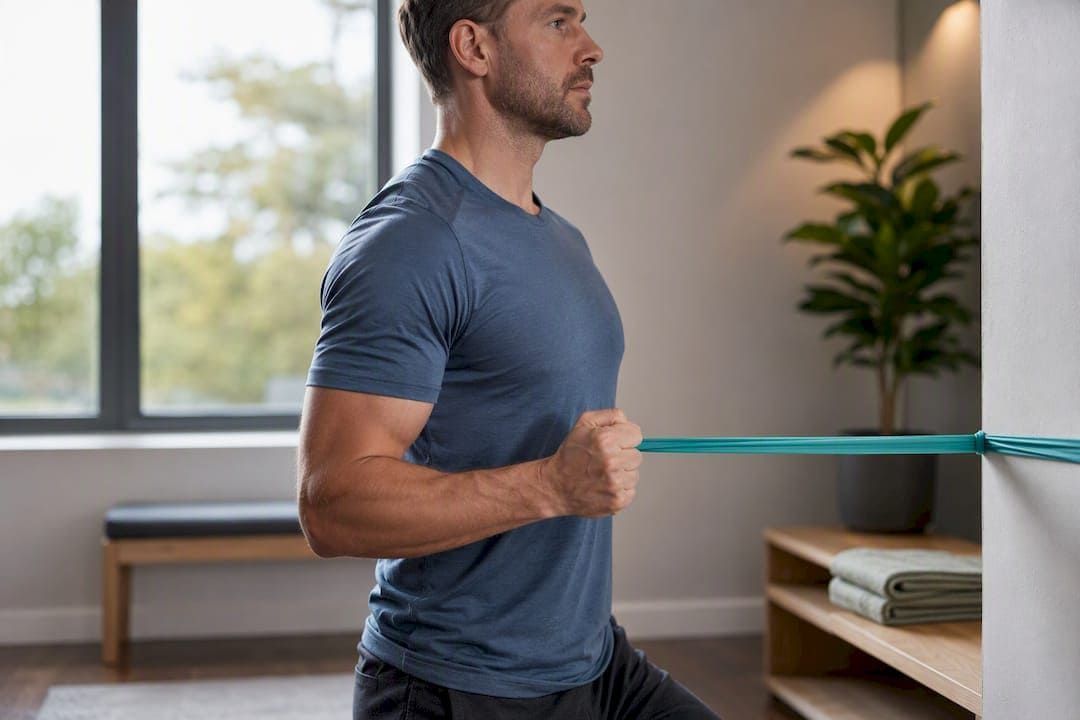
- Home movement plan: Stretching and strengthening exercises prescribed to maintain what the adjustment created.
- Progress review: Periodic reassessment to track improvement and modify the plan based on your response.
The evidence for SMT is solid but nuanced. SMT shows small to medium improvements in pain and function for chronic low back pain compared to sham or no treatment, but produces similar outcomes to other conservative approaches like exercise. That's actually good news. It means SMT belongs in an integrative toolkit, not as a standalone magic fix.
"The real power of chiropractic care isn't in any single adjustment. It's in combining targeted manipulation with the right movement strategies, creating lasting change instead of temporary relief."
For those dealing with chronic back-related leg pain (often from disc issues or nerve compression), SMT is cost-effective when added to usual care. That matters in real-world decision-making when you're weighing treatment options. If you're treating chronic pain with multiple approaches, chiropractic care can add meaningful value to your recovery without dramatically increasing costs.
The key insight most people miss: combining SMT with corrective exercise produces better long-term results than either alone. Manipulation opens the window of opportunity for movement. Exercise keeps it open. That's the model we use in practice, and it's why our patients don't just feel better temporarily — they relieve pain and restore movement in a way that sticks.
Personalizing spinal alignment: Why one-size-fits-all doesn't work
Walk into any gym and you'll hear someone confidently telling another person to "straighten their spine" or "fix their posture." The problem is that what looks straight to one person may actually be harmful for another. Spinal alignment is not a universal template. It's deeply individual, shaped by your pelvis, your history, your muscle patterns, and your anatomy.
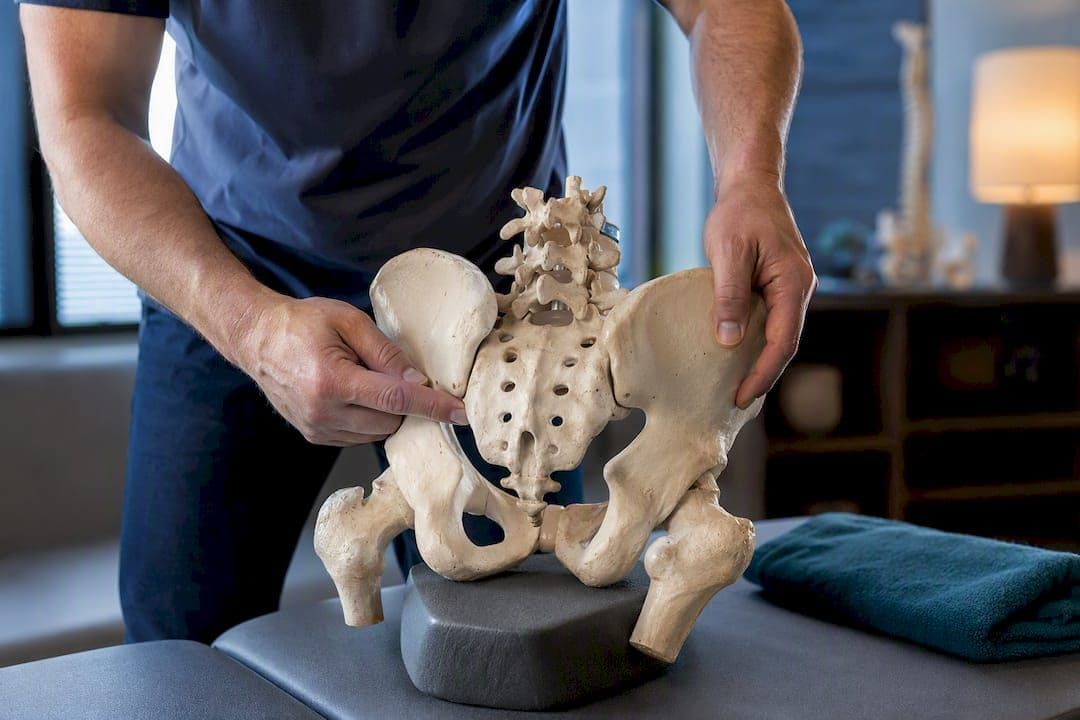
Optimal alignment varies based on factors like pelvic incidence, a fixed anatomical angle that determines what lumbar curve is actually correct for your specific skeleton. Chasing a textbook "normal curve" without measuring this first can push someone into a position that increases their injury risk, not reduces it.
Here's what personalized spinal care actually involves:
- Pelvic assessment: Your pelvic incidence is a fixed bony measurement. Your lumbar curve should match it. If they don't align, you're running the wrong program on the wrong hardware.
- Movement screening: How you move in real life (bending, lifting, rotating) reveals far more than any static posture photo.
- Muscle balance evaluation: Tight hip flexors, weak glutes, and overactive lower back muscles are a common combination that keeps the spine under constant stress.
- Symptom mapping: Where your pain appears often tells a story about where the actual source is, which may be one or two segments away.
Pro Tip: If you've seen multiple providers without lasting relief, ask specifically whether your pelvic alignment has been assessed. Many standard evaluations skip this, which means the treatment plan is based on an incomplete picture.
Holistic chiropractic care for adults with back and joint pain should prioritize SMT for pain relief and mobility, combined with stability and flexibility training for long-term resilience. At Essential ChiroCare, we call this a root-cause approach. You're not just getting adjustments; you're building a spine that can handle Florida life, whether that means long hours at work, weekend sports, or staying active into your later years.
Explore the best treatments for relief when you're ready to see how these approaches stack up for your specific condition.
Perspective: What decades of holistic care reveal about spinal alignment
Here's something we've learned from years of seeing patients across Tampa, Sarasota, Brandon, Lakeland, and Pinellas Park: the people who get the most lasting relief are almost never the ones who came in looking for the quickest fix.
Most people arrive focused on a single symptom: the pain in their lower left back, the numbness down their leg, the headache that won't quit. And that symptom is real. It needs attention. But treating only the symptom without addressing what's driving it is like silencing a fire alarm without looking for the smoke. You feel better briefly, and then it comes back, often worse.
The uncomfortable truth about spinal alignment is that most chronic pain patients have been compensating for years before their first crisis moment. Their body built workarounds: one hip hiking slightly, one shoulder dropping, the neck tilting forward just a few degrees. None of it felt dramatic. All of it added up.
What changes outcomes isn't finding the perfect adjustment technique. It's the combination of targeted manipulation with a genuine commitment to movement, strength, and self-awareness. Patients who do their home exercises between appointments progress in weeks. Patients who don't often plateau after initial relief and cycle back to pain.
We've also learned that spinal health is never purely physical. Sleep habits, stress levels, hydration, and even breathing patterns affect how your muscles support your spine. Someone working a high-stress job in Tampa who sleeps poorly will have more spinal tension than the same person on a relaxing week off, even without a single change in their posture.
For acute pain relief tips when a flare-up hits, and for natural relief approaches that support your care between appointments, building daily habits matters just as much as what happens on the treatment table.
The biggest shift we see in patients who thrive long-term is when they stop viewing chiropractic care as something you do when you're broken, and start seeing it as part of how they stay well. That reframe changes everything.
Next steps: Find expert spinal care in West Central Florida
If this article has helped you see your back or joint pain in a new light, the next step is getting a professional assessment that actually accounts for your individual spine, not a generic template.
At Essential ChiroCare, our clinics across Tampa, Brandon, Sarasota, Lakeland, and Pinellas Park offer personalized treatment plans that combine expert chiropractic care with rehabilitation strategies built around your unique anatomy and goals. Whether you're dealing with disc issues that need a spinal decompression guide, or you're exploring the full range of chiropractic services near you, our team is equipped to build a plan that treats the root cause, not just the symptoms. Schedule your assessment online and take the first real step toward lasting relief.
Frequently asked questions
How does poor spinal alignment cause pain?
Poor alignment distributes loads unevenly across discs and joints, causing disc compression and nerve irritation that builds into chronic pain over time. The longer misalignment goes unaddressed, the more surrounding muscles and structures compensate, widening the problem.
Is chiropractic spinal manipulation always more effective than exercise?
Not always. SMT shows comparable outcomes to exercise for chronic low back pain, making both valuable parts of an integrated treatment plan rather than competing options.
Can posture correctors fix spinal alignment permanently?
No. Posture correctors may offer short-term positional support, but overreliance weakens muscles and doesn't address the underlying causes of misalignment. Strength and flexibility training produce far more durable results.
How can I personalize my spinal alignment care?
Personalized care starts with assessing your unique anatomy, including pelvic incidence, and then combining manipulative therapy with stability training tailored to your movement patterns and goals. Generic correction plans skip this step and often miss the real issue.
Recommended