


Back Injury Recovery Workflow: Your Step-by-Step Plan

Essential ChiroCare Blogger • August 10, 2026

Back Injury Recovery Workflow: Your Step-by-Step Plan

TL;DR:

  • A structured back injury recovery workflow guides patients through phases from injury management to long-term maintenance. It emphasizes early mobilization, controlled exercise, and professional care to prevent setbacks and promote durable healing. Consistent, personalized effort over at least 16 weeks is essential for lasting pain relief and functional restoration.

A back injury recovery workflow is a structured sequence of evidence-based steps that guides patients from the moment of injury through rehabilitation and long-term maintenance. The goal is clear: reduce pain, restore functional mobility, and prevent reinjury. Clinical guidelines consistently support early mobilization, multidisciplinary care, and progressive exercise as the pillars of any effective rehab plan for back pain. Whether your injury is acute or chronic, following a defined process matters more than any single treatment. Skipping steps or rushing progression is the most common reason patients stall or relapse.

back injury recovery plan

What are the essential phases in a back injury recovery workflow?

A structured back injury recovery workflow moves through four distinct phases. Each phase has specific goals, and moving too fast through any one of them increases the risk of setback.

Phase 1: Acute phase (days 1–3)

The acute phase focuses on controlling inflammation and managing pain. Apply ice for 15–20 minutes per session during the first 48–72 hours. Heat is counterproductive at this stage because it increases blood flow to already inflamed tissue. Rest is appropriate, but only briefly. Rest beyond 24–48 hours is counterproductive. Gentle movement promotes circulation and prevents the stiffness that makes recovery harder.

Phase 2: Subacute phase (days 4–14)

The subacute phase introduces gentle, controlled movement. Walking, light stretching, and pelvic tilts are appropriate here. The goal is to restore basic range of motion without aggravating the injury. Patients who stay active during this phase consistently recover faster than those who default to bed rest.

Phase 3: Rehabilitation phase (weeks 2–16+)

This is the longest and most important phase. Progressive strengthening, flexibility training, and functional movement patterns are the focus. Structured rehab protocols tailored to injury type and patient goals produce more durable pain control and functional recovery than generic programs. Most acute low back pain episodes improve substantially within six weeks, but full musculoskeletal adaptation requires consistent effort well beyond that window.

Phase 4: Chronic maintenance

Maintenance is not optional. Patients who stop exercising after feeling better are the most likely to reinjure. This phase involves ongoing core strengthening, body mechanics training, and periodic professional check-ins to catch problems early.

Pro Tip: Write down your phase goals at the start of each week. Patients who track progress are more likely to stay consistent and recognize when they need to adjust.

What tools and professional support does effective back rehab require?

Recovery does not happen in isolation. The right combination of home tools and professional care determines how fast and how completely you heal.

Home care essentials:

  • Ice packs (reusable gel packs work best for consistent cold therapy)
  • A firm pillow placed between the knees when sleeping on your side, or under the knees when sleeping on your back, to maintain spinal alignment during sleep
  • Over-the-counter anti-inflammatory medications as directed by your doctor
  • A supportive mattress that keeps the spine neutral

Professional support:

  • Physical therapist: Designs and supervises your progressive exercise program, monitors form, and adjusts intensity based on your response
  • Chiropractor: Addresses spinal alignment, reduces nerve irritation, and supports pain management through manual therapy
  • Primary care physician: Manages medication, orders imaging when needed, and coordinates referrals

Interprofessional care combining chiropractic therapy, physical therapy, and self-management is more effective than passive treatments alone for mechanical back pain. That finding matters because many patients rely on one provider when they need a team. Essentialchirocare integrates chiropractic care with physical rehab to address both spinal function and muscular conditioning simultaneously.

Ergonomic adjustments at work and home also play a direct role. A chair with lumbar support, a monitor at eye level, and a standing desk option reduce the daily load on a healing spine.

Pro Tip: Poor sleep quality impairs tissue healing and raises pain sensitivity. Prioritize 7–9 hours per night and use the pillow positioning described above every night during recovery.

Tool or Support Primary Role When to Use
Ice pack Reduces inflammation Days 1–3, 15–20 min sessions
Supportive pillow Maintains spinal alignment Every night throughout recovery
Physical therapist Guides progressive exercise Weeks 1–16+
Chiropractor Spinal alignment and pain relief Acute through maintenance phases
Ergonomic setup Reduces daily spinal load Ongoing, especially at work

How do you safely implement daily steps and exercises?

The exercise prescription for chronic low back pain recovery is specific. Sessions of 15–20 minutes, performed 6–7 days per week, for at least 16 weeks produce lasting musculoskeletal adaptation. That frequency surprises many patients who assume three days per week is enough. It is not, at least not for durable results.

Here is a practical daily progression:

  1. Days 1–3: Gentle walking for 5–10 minutes. No twisting, no bending past 45 degrees. Ice after activity.
  2. Days 4–7: Add pelvic tilts (10 repetitions, twice daily) and knee-to-chest stretches held for 20–30 seconds each.
  3. Week 2: Introduce cat-cow stretches, partial bridges, and side-lying leg raises. Keep sessions to 15 minutes.
  4. Weeks 3–6: Progress to bird-dog exercises, standing hip hinges, and light resistance band work. Increase session length to 20 minutes.
  5. Weeks 7–16+: Add functional movement patterns such as squats with body weight, deadlifts with minimal load, and rotational core work. Maintain daily frequency.

Differentiating helpful pain from harmful pain is a skill worth developing early. Muscle fatigue and mild soreness after exercise are normal. Sharp, shooting, or worsening pain during movement is a signal to stop and reassess.

Common mistakes that slow recovery:

  • Returning to full activity too soon after pain subsides
  • Skipping sessions because of mild soreness
  • Performing exercises with poor form, which shifts load to the wrong structures
  • Prolonged bed rest beyond the first 48 hours

Early physical therapy reduces long-term disability and the need for spinal surgery compared to delayed treatment. Starting your exercise program within the first week, even at very low intensity, pays dividends months later. You can also explore adjunct rehabilitation approaches that complement structured exercise for more complex recovery cases.

Pro Tip: Begin each session with 2 minutes of diaphragmatic breathing. It activates the deep core muscles that stabilize the lumbar spine before any movement begins.

back injury recovery exercises

How do you troubleshoot setbacks and prevent reinjury?

Setbacks are common. They do not mean the recovery plan has failed. They mean the plan needs adjustment.

Warning signs that require professional reassessment:

  • Pain that worsens after two weeks of consistent rehab
  • New numbness, tingling, or weakness in the legs
  • Pain that radiates below the knee
  • Loss of bladder or bowel control (seek emergency care immediately)

When a flare-up occurs, reduce exercise intensity by 30–50% for 48–72 hours. Return to ice therapy. Avoid the movements that triggered the flare. Do not stop exercising entirely. Maintaining some level of movement prevents the deconditioning that makes the next flare worse.

"The most dangerous moment in back injury recovery is when the pain stops. Patients who treat pain relief as the finish line almost always return with a worse injury. The real goal is restoring full function and building the strength to protect the spine long-term."

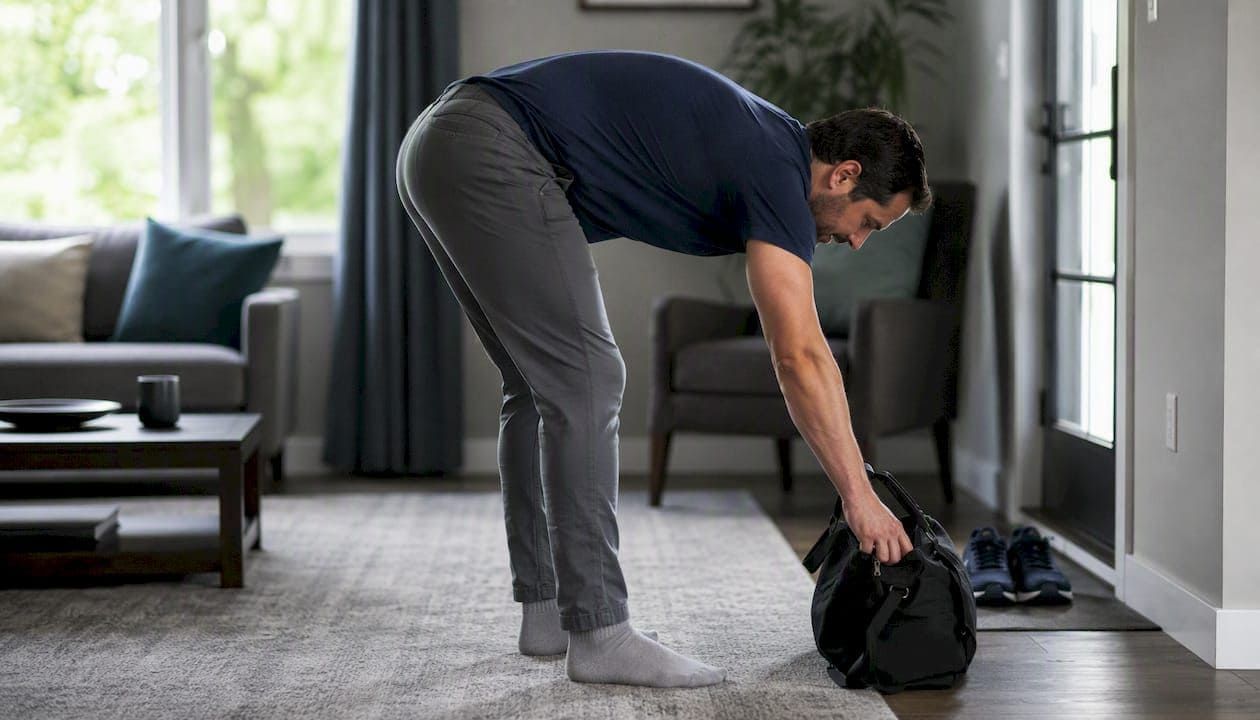
Reinjury prevention centers on two habits: proper body mechanics and consistent core conditioning. The hip hinge technique when lifting protects the lumbar spine by engaging the hips and glutes instead of rounding the lower back. Practice it daily, not just when lifting heavy objects.

Patients who develop chronic pain despite following a structured plan benefit from a multidisciplinary team. Patient education, reassurance, and encouragement to maintain regular activity are core components of best-practice clinical guidelines for chronic back pain. Essentialchirocare's approach to long-term pain relief addresses both the physical and behavioral factors that drive chronic pain cycles.

Key Takeaways

A structured back injury recovery workflow that combines early mobilization, progressive exercise at 15–20 minutes daily for 16+ weeks, and interprofessional care produces the most durable outcomes for pain relief and functional restoration.

Point Details
Start moving early Rest beyond 48 hours slows recovery; gentle movement begins day one or two.
Ice first, heat later Apply ice for 15–20 minutes during the first 48–72 hours to control inflammation.
Exercise daily, not occasionally Sessions of 15–20 minutes, 6–7 days per week, for 16+ weeks drive lasting results.
Use a multidisciplinary team Combining chiropractic care, physical therapy, and self-management outperforms single-provider care.
Treat pain relief as a milestone Full functional restoration and core strength are the real endpoints of recovery.

What I have learned from watching patients rush their recovery

Most patients I have worked with make the same mistake: they stop the plan the moment the pain stops. That moment usually arrives around week four or five, and it feels like victory. The spine is not healed at week five. The muscles are not strong enough to protect it. The movement patterns that caused the injury in the first place are still there, waiting.

The patients who recover fully and stay recovered are the ones who treat the 16-week mark as a beginning, not an end. They keep their daily exercise habit. They check in with their chiropractor when something feels off, before it becomes a crisis. They sleep with the pillow between their knees even when they feel fine.

The other thing I have seen consistently is that individualized plans outperform generic ones by a wide margin. A 45-year-old with a herniated disc and a 28-year-old with a muscle strain need completely different progressions, even if their pain scores look similar. Nutrition and sleep hygiene also matter more than most patients expect. Tissue heals faster in a body that is well-rested and adequately nourished. Skimping on either slows the whole process.

Proactive participation is not optional. The patients who ask questions, track their progress, and communicate with their care team recover faster and with fewer setbacks than those who passively follow instructions. You are the most important member of your recovery team.

Essentialchirocare's approach to back injury recovery

Recovering from a back injury requires more than rest and time. Essentialchirocare builds personalized recovery plans that combine chiropractic adjustments with targeted physical rehabilitation, addressing both spinal alignment and muscular conditioning in one coordinated program.

Essentialchirocare's clinics across Tampa, Brandon, Sarasota, Lakeland, and Pinellas Park offer physical rehab services designed to move patients through each recovery phase safely and efficiently. The team includes experienced doctors with sports medicine backgrounds who understand how to match exercise progression to each patient's injury type and goals. Scheduling a consultation is the first step toward a recovery plan built around your specific needs, not a generic protocol.

FAQ

  • What is a back injury recovery workflow?

    A back injury recovery workflow is a structured, phase-based plan that moves patients from initial injury management through rehabilitation and long-term maintenance. It combines pain control, progressive exercise, and professional care to restore function and prevent reinjury.

  • How long does back injury recovery take?

    Most acute low back pain improves substantially within six weeks, but full musculoskeletal adaptation requires at least 16 weeks of consistent, structured exercise. Chronic cases may require longer intervention.

  • Should I rest or stay active after a back injury?

    Stay active. Rest beyond 24–48 hours slows recovery by reducing circulation and increasing stiffness. Gentle walking and light movement should begin within the first two days of injury.

  • What exercises are best for early back injury recovery?

    Pelvic tilts, knee-to-chest stretches, and cat-cow movements are appropriate in the first two weeks. These exercises restore basic range of motion without placing excessive load on healing tissue.

  • When should I see a professional for back pain?

    See a professional if pain worsens after two weeks of self-care, if you experience leg numbness or weakness, or if pain radiates below the knee. Loss of bladder or bowel control requires immediate emergency care.

Recommended

herniated disc chiropractor Tampa
By Essential ChiroCare Blogger August 9, 2026
Explore non-surgical care options with a herniated disc chiropractor in Tampa, including chiropractic, rehab exercises, and wellness plans for relief.
whiplash treatment after car accident
By Essential ChiroCare Blogger August 8, 2026
Wondering about whiplash meds after a crash? See how a car accident chiropractor in Sarasota can relieve pain and support recovery with holistic care.
how to improve spinal health
By Essential ChiroCare Blogger August 7, 2026
Transform your health with a spinal wellness workflow. Discover a step-by-step plan to enhance your spinal health and prevent pain.
chronic pain medication alternatives
By Essential ChiroCare Blogger August 6, 2026
Discover why to avoid long-term pain medication like opioids. Explore risks, side effects, and better alternatives for lasting relief.
how to improve spinal health
By Essential ChiroCare Blogger August 5, 2026
Transform your health with a daily spine care routine. Discover simple habits and exercises to reduce pain and prevent injuries for lasting wellness.
pain relief without medication
By Essential ChiroCare Blogger August 4, 2026
Discover why chemical-free pain relief matters for your health. Explore natural therapies that safely manage pain and support your well-being.
common accident injury types
By Essential ChiroCare Blogger August 3, 2026
Discover the common accident injury types that often lead to ER visits. Learn how to recognize, prevent, and navigate recovery effectively.
back pain chiropractor Tampa
By Essential ChiroCare Blogger August 2, 2026
Learn when a brace helps and when it hurts. Get guidance from a back pain chiropractor in Tampa for safer support and long term relief. Read on!
muscle pain chiropractor Sarasota
By Essential ChiroCare Blogger August 1, 2026
Learn when to choose a muscle pain chiropractor in Sarasota vs. massage after a new workout, plus tips for faster recovery and relief. Read on!
post surgical chiropractic care
By Essential ChiroCare Blogger July 31, 2026
Discover the role of chiropractic post-surgery in recovery. Learn how it enhances healing, reduces pain, and improves movement after surgery.
Show More