


Your Spinal Wellness Workflow: A Step-by-Step Plan

Essential ChiroCare Blogger • August 7, 2026

Your Spinal Wellness Workflow: A Step-by-Step Plan

TL;DR:

  • A spinal wellness workflow is a structured care process that includes assessment, personalized treatment, daily exercises, and re-evaluations. It emphasizes proactive management and consistency to improve spinal health and reduce the risk of surgery. Regular checkpoints and home routines are essential for long-term success.

A spinal wellness workflow is a structured, repeatable care pathway designed to maintain and improve spinal health through assessment, targeted treatment, daily exercise, and scheduled re-evaluation. Most people treat back pain reactively, reaching for medication or rest only after something goes wrong. A proactive workflow changes that pattern entirely. Early, guideline-adherent chiropractic and physical therapy reduces lumbar surgery odds by about 46%, which means the difference between a preventive routine and an operating table is often just consistency. Essentialchirocare builds every patient plan around this exact framework, combining professional care with home routines that actually hold up over time.

how to improve spinal health

What components make up an effective spinal wellness workflow?

A complete spinal wellness workflow runs through five distinct stages. Each stage builds on the one before it, and skipping any one of them creates gaps that show up later as recurring pain or slow recovery.

Stage 1: Initial assessment

The first stage covers intake paperwork, a detailed health history, physical examination, and risk triage. Chiropractic diagnosis relies on patient history for 70–80% of its accuracy, which is why the intake form matters more than most patients expect. Rushing through it or leaving fields blank directly limits what your provider can do for you.

Stage 2: Personalized treatment planning

After assessment, your provider maps a care plan to your specific findings and goals. This plan specifies which interventions to use, in what sequence, and at what frequency. Generic plans fail because spinal conditions vary widely, from disc issues to postural imbalances to sports injuries.

Stage 3: Structured interventions

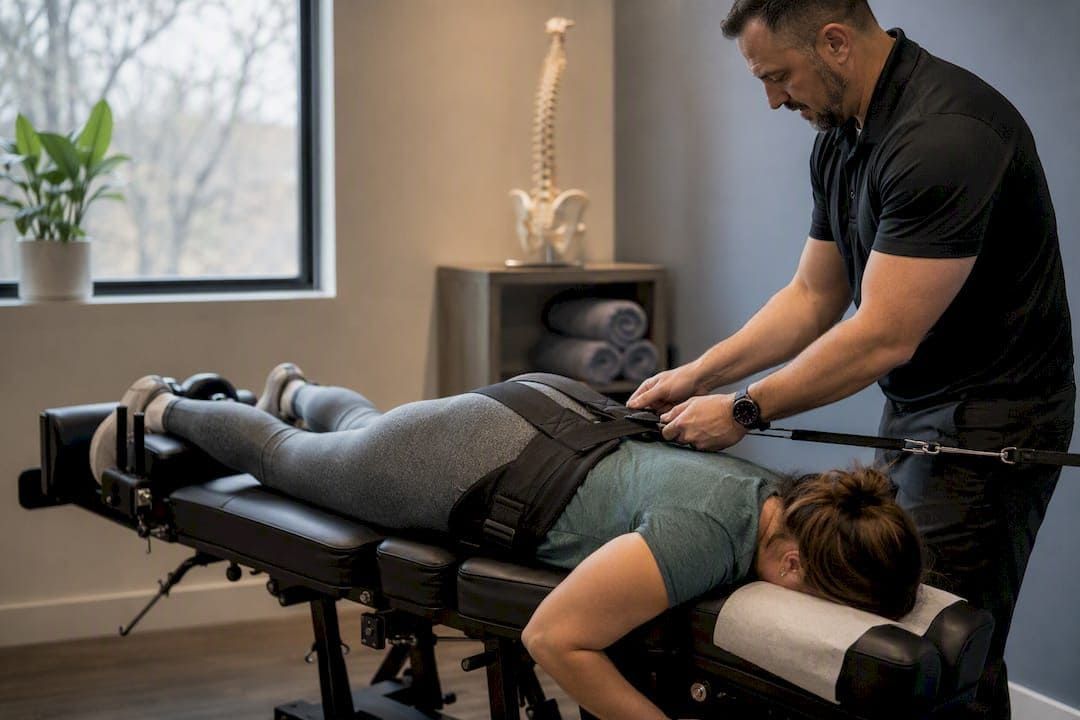
This stage includes chiropractic adjustments, manual therapy, spinal decompression, and physical rehabilitation. The combination depends on your diagnosis. Patients with nerve compression, for example, often benefit from spinal decompression before active rehabilitation begins.

Stage 4: Daily home maintenance

Your in-clinic work only holds if you support it at home. This means core strengthening, flexibility work, posture correction, and ergonomic adjustments. Home-care exercises done consistently at the right frequency are what separate patients who plateau from those who keep improving.

Stage 5: Scheduled re-evaluation

Progress checkpoints at 4–6 weeks allow your provider to modify the plan based on how your body responds. Without these checkpoints, you may continue a protocol that stopped working weeks ago.

Workflow stage Primary purpose
Initial assessment Establish baseline and identify risk factors
Treatment planning Align interventions with diagnosis and goals
Structured interventions Address root causes through professional care
Daily home maintenance Reinforce clinical gains between visits
Scheduled re-evaluation Adjust the plan based on measurable progress

Pro Tip: Bring a written list of your symptoms, their triggers, and any previous treatments to your first visit. This cuts intake time and gives your provider richer data from the start.

How to prepare for your first chiropractic consultation

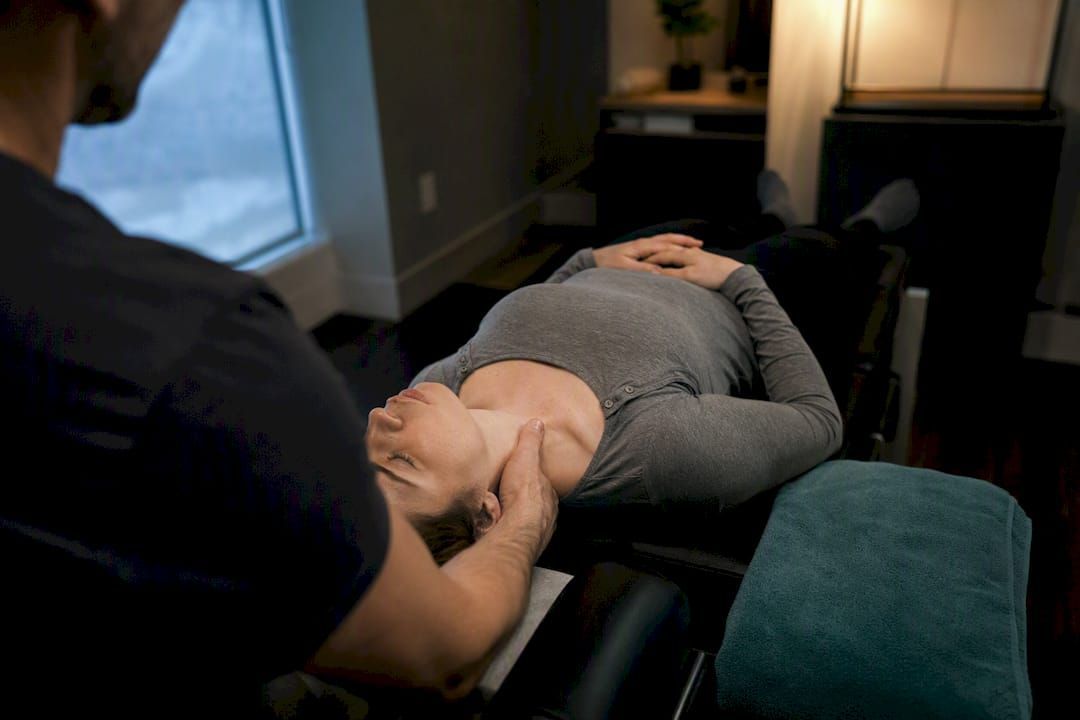
Your first chiropractic visit follows a predictable sequence once you know what to expect. Initial consultations typically last 45–75 minutes, covering intake, health history review, physical examination, and treatment planning. Follow-up visits run 20–30 minutes. Knowing this upfront helps you block the right amount of time and arrive without rushing.

The visit generally unfolds in this order:

  1. Complete intake paperwork. Arrive 10–15 minutes early. The forms ask about your pain history, lifestyle, prior injuries, and medications. Accuracy here directly shapes your care plan.
  2. Health history consultation. Your provider reviews your forms and asks follow-up questions. Be specific about when pain started, what makes it worse, and what you have already tried.
  3. Physical examination. This covers posture analysis, range-of-motion testing, orthopedic tests, and neurological screening. Your provider is looking for movement restrictions, muscle imbalances, and nerve involvement.
  4. Imaging review or referral. X-rays are recommended when the exam reveals red flags such as fracture risk, significant deformity, or acute trauma. Not every patient needs imaging on the first visit.
  5. Treatment planning discussion. Your provider explains findings, proposes a care plan, and answers your questions. Some patients receive their first adjustment the same day; others need imaging results first.

Careful triage during the initial examination can delay the first adjustment if red flags or acute findings require further imaging or specialist referral. This is a patient safety measure, not a delay tactic. Prioritizing the right sequence protects you from interventions applied too early.

Mild soreness after your first adjustment is normal. Post-adjustment soreness resembles muscle soreness after exercise and typically resolves within 12–24 hours. Applying ice for the first 24 hours reduces discomfort.

Pro Tip: Wear comfortable, loose-fitting clothing to your first visit. Tight jeans or restrictive layers make postural and range-of-motion assessments harder for your provider.

What daily routines support long-term spinal health?

A back health routine does not require an hour at the gym. Daily maintenance of 8–15 minutes focused on core strengthening, flexibility, and posture reduces acute spinal episodes. The key is consistency, not duration.

The most effective exercises for spinal maintenance fall into three categories:

  • Core strengthening. Abdominal bracing (drawing the navel in without holding your breath) and planks build the deep stabilizers that protect vertebral alignment. Start with 10-second holds and build to 30 seconds over two weeks.
  • Flexibility and mobility. Knees-to-chest stretches, cat-cow movements, and nerve flossing address tightness and restore range of motion. Stretches held 10–30 seconds, repeated 2–5 times, produce measurable flexibility gains.
  • Postural hygiene. Set a timer every 30 minutes during seated work to reset your posture. Ears over shoulders, shoulders over hips. This single habit reduces cumulative spinal load more than most people realize.

Mind-body practices add another layer of protection. Yoga and tai chi complement spinal care by shifting patients from passive symptom management to active engagement. That shift toward active care produces better long-term outcomes than rest or medication alone. Even two sessions per week of yoga or tai chi builds the body awareness that makes posture correction automatic rather than forced.

Ergonomics matter as much as exercise. Your monitor should sit at eye level. Your chair should support the natural lumbar curve. Your feet should rest flat on the floor. These adjustments reduce the postural load your spine carries for eight or more hours a day.

Pro Tip: Pair your spinal exercises with an existing daily habit, such as brushing your teeth or making coffee. Habit stacking removes the decision-making barrier and makes consistency far easier to maintain.

Recovery tools and wellness practices for active athletes also apply here. The same principles that help athletes recover faster, controlled movement, consistent stretching, and load management, apply directly to everyday spinal maintenance.

how to maintain spinal health

How do you monitor progress and adjust your spinal wellness plan?

Progress monitoring is where most self-managed back health routines fall apart. Without checkpoints, patients either push too hard or give up too soon.

Re-evaluations at 4–6 weeks align with the body's early tissue adaptation window. Longer follow-ups at 14–18 weeks match the biological remodeling timeline for true spinal adaptation. Women typically reach key remodeling milestones around 14 weeks; men around 18 weeks. Your provider uses these windows to decide whether to progress, modify, or maintain your current plan.

Signs your plan is working:

  • Pain intensity decreases by at least one point on a 0–10 scale within the first four weeks
  • Range of motion improves in the directions that were restricted at intake
  • You sleep better and wake with less stiffness
  • Flare-ups become shorter and less intense over time

Signs you need a plan adjustment:

  • Pain stays the same or worsens after three weeks of consistent care
  • New symptoms appear, such as numbness, tingling, or radiating pain
  • You are skipping visits or home exercises because the plan feels unmanageable

Self-monitoring tools make this easier. A symptom journal with daily pain ratings, sleep quality notes, and exercise logs gives your provider concrete data at each re-evaluation. Timed reminders and structured workflows reduce the cognitive load of remembering when to do exercises and when to schedule follow-ups. Some patients use QR-coded exercise cards from their provider to stay on track between visits.

The most common adherence mistake is stopping care as soon as pain decreases. Pain relief is an early outcome, not the final one. Tissue remodeling and functional stability take longer to achieve and require continued investment in both professional care and home routines.

Key Takeaways

A spinal wellness workflow succeeds when assessment, structured treatment, daily home exercises, and scheduled re-evaluations work together as a single, continuous process.

Point Details
Start with thorough assessment Accurate intake data drives 70–80% of chiropractic diagnosis and shapes your entire care plan.
Combine professional and home care Clinical adjustments and daily exercises reinforce each other; neither works as well alone.
Use re-evaluation checkpoints Schedule reviews at 4–6 weeks to catch what is working and modify what is not.
Build consistency over intensity 8–15 minutes of daily maintenance beats occasional long sessions for spinal resilience.
Shift to active care Mind-body practices like yoga and tai chi produce better long-term outcomes than passive rest.

What I have learned about making spinal wellness stick

Most people come to chiropractic care after months of ignoring a problem. That delay is understandable, but it costs them. By the time pain becomes disruptive enough to act on, the underlying issue has usually been building for a long time. The patients I have seen make the most progress are not the ones who arrive in the least pain. They are the ones who treat their spinal health plan the same way they treat a training program: with scheduled sessions, logged progress, and a willingness to adjust when something is not working.

The biggest adherence barrier I see is not motivation. It is complexity. When a home exercise plan has eight movements with different hold times and frequencies, patients do two of them and feel guilty about the rest. The fix is simple: start with two exercises done perfectly and consistently, then add from there. A plan you actually follow beats a perfect plan you abandon after two weeks.

Preventive care is also a harder sell than it should be. Patients who feel fine often deprioritize maintenance visits. What they do not see is the cumulative load building in their spine from desk work, driving, and poor sleep posture. The chiropractic care process is most effective when it catches these patterns early, before they become structural problems. Waiting for pain to return is not a strategy. It is just a longer path to the same appointment.

Essentialchirocare's approach to spinal wellness

Essentialchirocare serves patients across Tampa, Brandon, Sarasota, Lakeland, and Pinellas Park with personalized care plans built around the full spinal wellness workflow described here.

Every plan at Essentialchirocare starts with a thorough assessment and ends with a clear maintenance strategy. The clinic's providers specialize in chiropractic care and pain relief, physical rehabilitation, spinal decompression, and sports injury recovery. Whether you are managing a chronic condition or building a preventive routine, the team creates a plan matched to your specific findings and goals. Scheduling is available online across all locations, and the first visit covers everything you need to move forward with confidence.

FAQ

  • What is a spinal wellness workflow?

    A spinal wellness workflow is a structured care pathway that moves through assessment, personalized treatment, daily home maintenance, and scheduled re-evaluation to maintain and improve spinal health over time.

  • How long does a first chiropractic visit take?

    Initial chiropractic consultations typically last 45–75 minutes, covering intake, health history, physical examination, and treatment planning. Follow-up visits are shorter, around 20–30 minutes.

  • Can a spinal wellness plan reduce the need for surgery?

    Early, guideline-adherent chiropractic and physical therapy reduces lumbar surgery odds by about 46%. Structured rehabilitation allowed 43% of surgical candidates to avoid surgery after two years.

  • How often should I do spinal maintenance exercises at home?

    Daily sessions of 8–15 minutes focusing on core strengthening and flexibility are enough to reduce acute spinal episodes. Stretches should be held 10–30 seconds and repeated 2–5 times.

  • When should I schedule a re-evaluation with my chiropractor?

    Re-evaluations at 4–6 weeks align with early tissue adaptation, and longer follow-ups at 14–18 weeks match the biological remodeling timeline needed for lasting spinal change.

Recommended

chronic pain medication alternatives
By Essential ChiroCare Blogger August 6, 2026
Discover why to avoid long-term pain medication like opioids. Explore risks, side effects, and better alternatives for lasting relief.
how to improve spinal health
By Essential ChiroCare Blogger August 5, 2026
Transform your health with a daily spine care routine. Discover simple habits and exercises to reduce pain and prevent injuries for lasting wellness.
pain relief without medication
By Essential ChiroCare Blogger August 4, 2026
Discover why chemical-free pain relief matters for your health. Explore natural therapies that safely manage pain and support your well-being.
common accident injury types
By Essential ChiroCare Blogger August 3, 2026
Discover the common accident injury types that often lead to ER visits. Learn how to recognize, prevent, and navigate recovery effectively.
back pain chiropractor Tampa
By Essential ChiroCare Blogger August 2, 2026
Learn when a brace helps and when it hurts. Get guidance from a back pain chiropractor in Tampa for safer support and long term relief. Read on!
muscle pain chiropractor Sarasota
By Essential ChiroCare Blogger August 1, 2026
Learn when to choose a muscle pain chiropractor in Sarasota vs. massage after a new workout, plus tips for faster recovery and relief. Read on!
post surgical chiropractic care
By Essential ChiroCare Blogger July 31, 2026
Discover the role of chiropractic post-surgery in recovery. Learn how it enhances healing, reduces pain, and improves movement after surgery.
sports chiropractor for golfers
By Essential ChiroCare Blogger July 30, 2026
Discover the critical role of chiropractic for golfers in enhancing performance and preventing injuries. Improve your swing today!
types of chiropractic therapies
By Essential ChiroCare Blogger July 29, 2026
Discover the types of chiropractic therapies in our 2026 guide. Learn techniques like Diversified, Gonstead, and more to enhance your wellness.
pain medication masks injury
By Essential ChiroCare Blogger July 28, 2026
Discover why pain medication masks injury and hinders recovery. Learn to make smarter choices for your healing process today.
Show More